
What to Pack for Camping: Complete 20-Item Checklist
Knowing what to pack for camping can make the difference between an enjoyable outdoor adventure and a trip filled with forgotten supplies, uncomfortable nights, and preventable problems.
This post contains affiliate links. I may earn a small commission at no extra cost to you. Learn more.
Whether you’re spending a weekend at a developed campground, taking the family into the woods, or preparing for a longer wilderness trip, having a dependable camping packing list helps you stay organized and ready for changing conditions.
But packing for camping doesn’t mean bringing every outdoor gadget you can find. It means covering the essentials first: shelter, sleeping equipment, clothing, drinking water, food, lighting, and emergency supplies.
This guide covers 20 important things to pack for camping, including practical quantities, commonly forgotten items, optional equipment, and a checklist you can use before leaving home.
If you’re new to camping and still choosing your equipment, start with our guide to essential camping items for beginners.
Quick Answer: What Should You Pack for Camping?
For most overnight camping trips, bring a weather-appropriate tent, sleeping bag and insulated pad, suitable clothing, drinking water, food, cooking supplies, headlamp, first aid kit, navigation equipment, and a reliable way to communicate.
Additional items such as rain protection, insect repellent, sanitation supplies, and food storage equipment are also important.
Before packing: Check the campground’s facilities, local weather forecast, fire restrictions, and wildlife-related food storage requirements.
Complete Camping Packing Checklist
Use the following checklist to organize your gear. Some items are necessary for nearly every overnight trip, while others depend on your destination and planned activities.
| Item | What to Pack | Priority |
|---|---|---|
| 1. Clothing | Base layers, spare clothes, socks, sleepwear | Essential |
| 2. Rain gear | Rain jacket, waterproof protection | Essential when conditions warrant |
| 3. Footwear | Trail shoes or boots, extra socks | Essential |
| 4. Tent | Tent, rainfly, stakes, guylines | Essential unless using other shelter |
| 5. Sleeping pad | Insulated pad or suitable camping mattress | Essential |
| 6. Sleeping bag | Temperature-appropriate sleeping system | Essential |
| 7. Cutting tool | Small utility knife or multitool | Useful |
| 8. Lighting | Headlamp, flashlight, spare batteries | Essential |
| 9. Fire-starting supplies | Lighter, matches, approved fire starters | Conditional |
| 10. Cookware | Pot, utensils, plate, cup | If cooking |
| 11. Camping stove | Outdoor stove and compatible fuel | If cooking |
| 12. Activity equipment | Fishing gear, hiking poles, games | Optional |
| 13. First aid kit | Dressings, medications, blister supplies | Essential |
| 14. Life jacket | Properly fitted approved PFD | For water activities |
| 15. Emergency signaling | Whistle, phone, suitable backup communication | Essential planning |
| 16. Food and water | Meals, snacks, safe water, storage containers | Essential |
| 17. Hammock | Hammock and suitable suspension | Optional |
| 18. Sanitation supplies | Toilet paper, waste bags, trowel where permitted | Essential |
| 19. Weather information | Forecast access, weather radio if appropriate | Essential planning |
| 20. Insect protection | Repellent, protective clothing, tick supplies | As conditions require |
This checklist is a starting point rather than a universal packing rule. Adjust it for the season, trip length, terrain, group size, and available campground facilities.
1. Pack Clothing for the Weather
Clothing should protect you from the conditions you’re likely to encounter, including rain, wind, sun, and overnight temperature changes.
For most short camping trips, pack one comfortable outfit for each day or plan to reuse appropriate outer layers. Always include dry socks and a spare clothing change.
Basic Clothing Checklist
- Comfortable shirts
- Durable pants or shorts
- Underwear and spare socks
- Sleepwear
- Warm insulating layer
- Hat appropriate for the weather
- Extra dry clothing
For cool or wet conditions, moisture-managing synthetic fabrics and wool can be more suitable than cotton.
Packing tip: Store one complete dry outfit in a waterproof bag so you have something to change into if your clothing becomes soaked.
2. Bring Reliable Rain Gear
Even when the forecast looks favorable, weather can change quickly in many camping areas.
A waterproof rain jacket is useful for protecting your clothing and reducing heat loss in wet, windy conditions. Rain pants may also be worthwhile for prolonged exposure.
For longer trips, consider waterproof pack covers or dry bags to protect sleeping equipment, spare clothing, and electronics.
Important: A rain jacket is not a substitute for a properly planned cold-weather clothing system. Wet, windy conditions can increase the risk of hypothermia even when temperatures are above freezing.
3. Choose Appropriate Camping Footwear
Your footwear should match the terrain, weather, and activities you have planned.
Comfortable trail shoes may work well for maintained campground trails. More demanding terrain, cold conditions, or heavy loads may call for different footwear.
- Trail shoes or hiking boots
- Moisture-managing socks
- Extra dry socks
- Camp shoes or sandals for appropriate conditions
- Waterproof or insulated footwear when needed
Break in new footwear before your trip. Blisters can quickly turn a short hike into an uncomfortable experience.
4. Pack a Suitable Camping Tent
Your tent should provide appropriate weather protection, ventilation, and enough room for everyone using it.
For car camping, a slightly larger tent can improve comfort. For backpacking, weight and packed size become more important.
Tent Packing Checklist
- Tent body
- Rainfly
- Poles
- Stakes
- Guylines
- Groundsheet or footprint if recommended
- Small repair supplies
Check every component before leaving. Practice setting up the tent at home, particularly if it’s new.
Remember that a tent alone does not provide the insulation needed for sleeping comfortably in cold conditions.
5. Bring an Insulated Sleeping Pad
A sleeping pad is important for both comfort and warmth. It reduces heat loss to the ground and helps cushion your body while sleeping.
Look for a pad with an R-value appropriate for the expected overnight conditions. Higher R-values indicate greater resistance to heat flow.
Basic air mattresses can be comfortable but may provide inadequate insulation in cold weather unless specifically designed for that purpose.
Packing tip: Inflate your pad before the trip and check for leaks.
6. Choose the Right Sleeping Bag or Bedding
A sleeping bag should be appropriate for the lowest temperatures expected at your campsite.
When available, compare standardized comfort ratings rather than relying only on a manufacturer’s extreme temperature rating.
For warm-weather car camping, suitable blankets or other bedding may work, provided overnight conditions are mild and you have adequate insulation underneath.
Pack your sleeping bag in a protective bag during travel and keep it dry.
7. Pack a Small Utility Knife or Multitool
A compact utility knife or multitool can help with food packaging, cord, minor equipment repairs, and other campsite tasks.
Most recreational campers do not need to carry a large knife or hatchet.
If you plan to process firewood, use appropriate tools only where permitted and follow basic tool safety practices.
Keep sharp tools safely stored and away from children when not in use.
8. Bring a Headlamp or Flashlight
Reliable lighting is one of the easiest camping necessities to overlook.
A headlamp is especially useful because it leaves your hands free for cooking, walking, or organizing gear after dark.
Lighting Checklist
- Headlamp or flashlight for each adult
- Spare batteries or charging equipment
- Optional camping lantern
- Backup light source
Check battery levels before departure and avoid relying entirely on your phone’s flashlight.
For more lighting ideas, see our emergency lighting guide.
9. Fire-Starting Supplies Where Permitted
A campfire can be enjoyable, but it is not required for a successful camping trip. Some locations prohibit campfires during periods of elevated wildfire danger.
If fires are allowed, pack suitable fire-starting supplies and follow the campground’s rules.
- Lighter or waterproof matches
- Approved fire starters
- Locally permitted firewood
- Water for extinguishing the fire
Never use gasoline or other highly volatile fuels to start a campfire.
Completely extinguish fires before leaving the area or going to sleep. Follow all local restrictions, including rules on transporting firewood.
10. Pack Basic Cooking Equipment and Dishware
Camping meals don’t need complicated cookware. A few practical items can handle most simple meals.
Camping Kitchen Checklist
- Cooking pot or pan
- Cooking spoon or spatula
- Plates or bowls
- Eating utensils
- Drinking cups
- Can opener if needed
- Food storage containers
- Dishwashing supplies
Choose durable equipment that is easy to clean and appropriate for your cooking method.
For backpacking, reduce weight by choosing simple meals and compact cookware.
11. Bring a Camping Stove and Fuel if Needed
A portable camping stove provides a practical way to heat food and boil water without depending on a campfire.
Choose a stove compatible with the fuel you intend to use, and check the manufacturer’s instructions before your trip.
Pack enough fuel for your planned meals, allowing for colder temperatures or additional cooking time where appropriate.
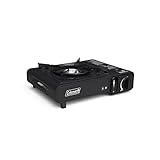
Recommended Coleman Camping Stove
A Coleman camping stove can be a practical option for preparing simple meals outdoors. Before purchasing, check the stove’s fuel requirements, cooking capacity, and suitability for your camping setup.

Camping stove safety: Never operate fuel-burning camping stoves, charcoal grills, or similar appliances inside tents, vehicles, or enclosed sleeping areas. They can produce deadly carbon monoxide and create fire hazards.
Check local fire restrictions because some regulations also apply to portable cooking equipment.
12. Pack Equipment for Planned Activities
Not every camping trip requires fishing gear, hiking poles, binoculars, or outdoor games.
Bring activity-specific equipment only when it matches your plans.
Examples include:
- Fishing rod and tackle where fishing is permitted
- Hiking poles for suitable trails
- Binoculars for wildlife viewing
- Books or cards for relaxing at camp
- Appropriate sports equipment
Check fishing licenses, local regulations, and wildlife protection rules before your trip.
Packing tip: Pack essential safety equipment before recreational extras.
13. Carry a First Aid Kit
A first aid kit belongs on every camping packing list.
Even a short trip can involve cuts, blisters, minor burns, or insect bites. Pack supplies appropriate for the people traveling with you and the activities planned.
First Aid Packing Checklist
- Adhesive bandages
- Sterile gauze and medical tape
- Antiseptic wipes
- Blister treatment supplies
- Tweezers
- Disposable gloves
- Elastic bandage
- Personal prescription medications
- Appropriate over-the-counter medications
- Emergency contact information
For remote camping, consider wilderness first aid training and know how to contact emergency services.
14. Bring a Properly Fitted Life Jacket for Water Activities
If your camping plans include boating, kayaking, canoeing, or similar water activities, use an appropriate, properly fitted life jacket or personal flotation device.
Choose a device approved for the activity and suitable for the wearer’s size and weight.
Do not assume rental companies or campgrounds will always provide a properly fitting life jacket. Confirm availability before arrival.
Children require correctly sized equipment, and all participants should follow applicable boating regulations.
15. Pack Emergency Signaling and Communication Equipment
Emergency communication becomes especially important when camping beyond reliable cellular coverage.
At a developed campground, a charged phone and knowledge of emergency access routes may be sufficient for many situations. Remote travel requires more preparation.
Communication Checklist
- Charged mobile phone
- Backup battery or power bank
- Emergency whistle
- Offline maps
- Emergency contact information
- Satellite communication device when appropriate
Two-way radios can help group members communicate, but their practical range depends on terrain, equipment, and conditions.
Always leave a trip plan with someone who is not traveling with you.
For more information, see our emergency communication systems guide and wilderness emergency signaling guide.
16. Pack Enough Food and Safe Drinking Water
Food and water are among the most important camping supplies, and they deserve more planning than simply throwing a few snacks into a backpack.
How Much Water Should You Bring?
Water needs vary based on temperature, physical activity, group size, and cooking requirements.
For basic planning, approximately one gallon per person per day can be a useful starting point for drinking and limited sanitation, but strenuous hiking and hot weather may require substantially more drinking water.
Confirm whether your campsite has potable water. If it does not, bring an adequate supply or a suitable treatment system.
Recommended Camping Water Filter
The Sawyer Squeeze Water Filtration System is a lightweight option for filtering water from suitable freshwater sources while camping or backpacking. Its filter is designed to remove bacteria and protozoa, but it does not remove viruses or chemical contaminants.

Read our water purification methods guide for more information.
Camping Food Checklist
- Breakfasts for each day
- Lunches and dinners
- High-energy snacks
- Extra emergency food
- Cooking ingredients and seasonings
- Safe food storage containers
- Cooler and ice for perishable foods
Keep perishable foods at safe temperatures and follow food safety guidance for cooking and storage.
Protect Your Food From Wildlife
Store food, trash, scented toiletries, and cooking supplies according to local wildlife regulations.
In bear country, approved bear-resistant containers or designated food lockers may be required. Do not assume that ordinary dry bags, coolers, or hanging food from a tree will meet local requirements.
For shelf-stable meal ideas, see our survival foods with a long shelf life guide.
17. Consider a Hammock for Relaxation
A hammock is an optional comfort item rather than a camping necessity.
For car camping or multi-day stays, a hammock can provide a comfortable place to relax when suitable anchor points are available.
Use appropriate tree-friendly straps and follow campground rules. Avoid damaging trees or attaching hammocks to prohibited structures.
If you intend to sleep overnight in a hammock, remember that you may need additional insulation underneath to prevent excessive heat loss.
For more advice, see our hammock camping tips.
18. Bring Sanitation and Waste Disposal Supplies
Proper sanitation protects both campers and the environment.
At established campgrounds, use designated restrooms and waste facilities. In remote areas, follow the land manager’s instructions for human waste disposal.
Camping Sanitation Checklist
- Toilet paper
- Hand sanitizer
- Soap and water for handwashing
- Trash bags
- Waste disposal bags where required
- Small trowel only where catholes are permitted
- Personal hygiene supplies
Some wilderness areas require all human waste to be packed out. Never assume digging a hole is allowed.
Keep wastewater, soap, and human waste away from natural water sources, following local regulations and Leave No Trace practices.
19. Check Weather Information and Consider an Emergency Radio
Knowing the weather forecast is an important part of safe camping preparation.
Check conditions before leaving and continue monitoring them during your trip when possible.
Pay attention to:
- Thunderstorms and lightning
- Flash flood potential
- Strong winds
- Overnight temperature drops
- Extreme heat
- Wildfire conditions
A weather radio capable of receiving appropriate local alerts may be useful, particularly in areas where mobile coverage is limited.
However, no single communication device guarantees that you’ll receive every warning. Have an evacuation plan and know where to seek safer shelter.
20. Pack Insect Repellent and Sun Protection
Mosquitoes, ticks, biting flies, and sun exposure can make camping uncomfortable and sometimes create health risks.
Insect and Sun Protection Checklist
- EPA-registered insect repellent suitable for the user
- Long-sleeved clothing when appropriate
- Long pants for tick-prone areas
- Sunscreen
- Sun hat
- Sunglasses
- Tweezers or tick-removal tool
Follow product labels, particularly when applying repellents to children.
Check yourself and other campers for ticks after spending time in brush, tall grass, or wooded areas.
How Much Should You Pack for a Camping Trip?
The right amount of gear depends on the length of your trip, the weather, and whether you have access to your vehicle.
| Supply | Weekend Trip | Longer Trip |
|---|---|---|
| Clothing | Trip outfits plus dry backup | Plan for laundry or additional changes |
| Food | Meals for each day plus reserve | Daily meal plan plus appropriate reserve |
| Water | Daily needs plus backup plan | Reliable supply or verified resupply/treatment |
| Lighting | Primary light and backup power | Additional batteries or charging plan |
| Cooking fuel | Enough for planned meals | Allow for extended use and weather |
| First aid | Basic supplies and personal medications | Supplies suited to trip length and group needs |
For backpacking, pack weight and reliable access to water are particularly important. For car camping, you can often bring more comfort items without significantly affecting transportation.
Common Camping Packing Mistakes to Avoid
Even experienced campers occasionally forget important supplies. Avoid these common mistakes:
- Not checking the forecast: Weather can change dramatically between daytime and overnight conditions.
- Forgetting tent components: A tent without poles or stakes may be unusable.
- Underestimating water needs: Hot weather and physical activity increase demand.
- Bringing untested equipment: Practice using your tent, stove, and sleeping system at home.
- Ignoring food storage rules: Improperly stored food can attract wildlife.
- Depending entirely on a phone: Remote locations may lack service or charging access.
- Packing too many optional items: Extra gear can make transportation and organization unnecessarily difficult.
Final Camping Checklist Before Leaving Home
Use this final review before departing:
- Confirm campground reservation and permits.
- Check weather and fire restrictions.
- Inspect the tent and sleeping equipment.
- Pack appropriate clothing and rain protection.
- Confirm food and drinking water supplies.
- Check stove fuel and cooking equipment.
- Test flashlights and headlamps.
- Pack first aid and personal medications.
- Download offline maps and charge devices.
- Bring sanitation and trash supplies.
- Check wildlife food storage requirements.
- Share your itinerary and expected return time.
Frequently Asked Questions About Camping Packing Lists
What are the most important things to pack for camping?
The most important items include shelter, an appropriate sleeping system, weather-ready clothing, safe drinking water, food, lighting, first aid supplies, navigation, and emergency communication equipment.
What should I pack for a two-night camping trip?
Bring enough meals and water for the full trip, plus a reasonable emergency reserve. Pack your tent, sleeping bag, pad, appropriate clothing, lighting, cooking supplies if needed, and basic safety equipment.
Do I need a camping stove?
Not necessarily. You can plan meals that don’t require cooking, especially for short trips. A camping stove becomes useful when you want hot meals or need to heat water, but it must be operated safely and in accordance with local restrictions.
What camping items do beginners usually forget?
Commonly forgotten items include spare batteries, tent stakes, dry socks, a can opener, toilet paper, trash bags, charging cables, and appropriate food storage supplies.
Should I bring extra food and water?
Yes. A reasonable reserve helps if your trip is unexpectedly delayed. The amount should reflect your destination, group size, weather, and access to reliable resupply.
Is a hammock necessary for camping?
No. A hammock is an optional comfort item unless it’s part of your planned sleeping system. It should never replace appropriate shelter and insulation without careful preparation.
Final Thoughts: Pack Smart and Camp Prepared
Learning what to pack for camping is about making sure every important need is covered before you leave home.
Start with shelter, sleeping equipment, water, food, clothing, lighting, and safety supplies. Then add the comfort and recreational items that make sense for your destination.
Use this 20-item camping packing checklist as a starting point, adapt it to the conditions, and check your gear before every trip.
The goal isn’t to bring everything you own. It’s to bring what you need to stay comfortable, organized, and prepared.
Related Camping and Survival Guides
- 10 Essential Camping Items for Beginners
- The Ultimate Camping Guide
- The Ultimate Hiking Checklist
- Family Camping Checklist for Summer
- Hammock Camping Tips
- Water Purification Methods for Survival
- Survival Foods With a Long Shelf Life
Stay prepared. Stay sharp. Stay savvy.