WATER PURIFICATION & STORAGE SYSTEMS

The complete strategy for collecting, filtering, treating, and storing safe water in any emergency.

1️⃣ Water
2️⃣ Heat
3️⃣ Power
5️⃣ Skills

Water Purification & Storage Systems

Emergency water purification systems are the foundation of any serious grid-down preparedness plan.

Power outages don’t create water problems — they expose them. Municipal systems rely on pressure, power, and treatment chemicals. When those fail, safe water becomes uncertain fast.

If you can’t make water safe, everything else falls apart — dehydration hits fast, and contaminated water can cripple you in days. In extended outages, this becomes just as critical as backup power systems and emergency heat solutions.
This page is built around proven, field-ready systems and reliable long-term storage (not gimmicks).

We focus on systems that are widely field-tested, replacement-supported, and realistically maintainable during extended outages.

🔗 Start Here: Build Your Water System

✅ Minimum Rule: Plan for 1 gallon per person per day (drinking + basic hygiene).
Family of 4: 28 gallons = 7 days (conservative). Serious preparedness starts at 2–4 weeks.
Trust Standard: We prioritize NSF/ANSI-certified components when available, and field-proven brands with real-world track records.

Who This Page Is Built For

If you lose water pressure, you have hours — not days — before it becomes a sanitation problem.

If you’re unsure whether you need a purifier or a microfilter, read our full Water Purification Breakdown Guide.


🔬 Portable Field Filtration

Best for bug-out bags, vehicle kits, hiking, and temporary basecamps.

🔎 If You Want the Quick Answer:

Gravity-Fed Filtration Systems

Best for: basecamp, family outages, group filtering
Why it works: no pumping, no electricity — hang and filter volume hands-free

Below are three field-tested gravity systems ranging from high-volume purification to lightweight emergency filtration.

For a full breakdown of filtration vs purification vs chemical treatment, see our complete water purification guide.

Best for Family Preparedness
LifeStraw Mission High-Volume Gravity-Fed Water Purifier...
Platypus GravityWorks Group Camping Water Filter System...
Sawyer Products SP160 One Gallon Gravity Water Filtration...
LifeStraw Mission High-Volume Gravity-Fed Water Purifier...
Platypus GravityWorks Group Camping Water Filter System...
Sawyer Products SP160 One Gallon Gravity Water Filtration...
Capacity
12 Liters (Large Group)
4 Liters
1 Gallon (3.8L)
Filter Type
0.02 Micron Hollow Fiber Purifier
0.2 Micron Hollow Fiber Microfilter
0.1 Micron Hollow Fiber Microfilter
Flow Rate
Up to 9–12 L/hr (gravity-fed)
~1.75 L/min (fast)
~0.5–1 L/min
Best For
Large families & extended outages
Most families & balanced performance
Budget prep & starter kits
Removes Viruses?
✅ Yes (Purifier)
❌ No (Microfilter)
❌ No (Microfilter)
Best for Family Preparedness
LifeStraw Mission High-Volume Gravity-Fed Water Purifier...
Capacity
12 Liters (Large Group)
Filter Type
0.02 Micron Hollow Fiber Purifier
Flow Rate
Up to 9–12 L/hr (gravity-fed)
Best For
Large families & extended outages
Removes Viruses?
✅ Yes (Purifier)
Platypus GravityWorks Group Camping Water Filter System...
Capacity
4 Liters
Filter Type
0.2 Micron Hollow Fiber Microfilter
Flow Rate
~1.75 L/min (fast)
Best For
Most families & balanced performance
Removes Viruses?
❌ No (Microfilter)
Sawyer Products SP160 One Gallon Gravity Water Filtration...
Capacity
1 Gallon (3.8L)
Filter Type
0.1 Micron Hollow Fiber Microfilter
Flow Rate
~0.5–1 L/min
Best For
Budget prep & starter kits
Removes Viruses?
❌ No (Microfilter)

⚠️ Most gravity systems are microfilters (bacteria + protozoa). Only purifier-rated systems protect against viruses without chemical treatment.

All systems above use field-proven filtration technologies with replacement cartridge support — critical for long-term reliability.

The difference comes down to volume, virus protection, and how much water you need per day.

Tip: Pair this with spare filters so you’re not dead in the water when a cartridge clogs.

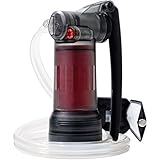
High-Efficiency Pump Filters

Best for: fast water on the move, wilderness trips, tighter kits
Why it works: speed + control when gravity setups aren’t practical

Pump filters typically remove bacteria and protozoa but do not eliminate viruses without additional chemical treatment.


🏠 Long-Term Water Storage

Designed for home preparedness and extended grid-down events.

Stackable Water Storage (Modular)

Best for: apartments, closets, tight spaces, easy rotation
Stackable, expandable, and easier to move than barrels.

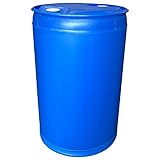
55-Gallon Bulk Storage (Family Supply)

Best for: homeowners, garages, long outages
The “serious base supply” option for grid-down planning.

View 55-Gallon Storage System→

Storage reality check: If you store water long-term, you need a plan for rotation and treatment.
Bulk storage is only “safe” if you maintain it.

A 55-gallon barrel covers one adult for roughly 55 days at strict 1 gallon/day planning — but most families should plan for higher usage during cooking and sanitation.

Long-term storage becomes even more important during extended outages where power systems fail and municipal supply becomes unreliable.

For full blackout planning, see our Emergency Heat Without Electricity Guide.


🔁 Maintenance & Backup Filtration Strategy

Water systems fail for two reasons: clogging or lack of redundancy. If you plan for extended outages, you need both maintenance tools and a secondary filtration layer.

🔧 Flow Restoration (For Hollow-Fiber Filters)

Hollow-fiber membrane filters (like Sawyer gravity systems) are not disposable — they are designed to be backflushed. Over time, sediment and particulates reduce flow rate. A proper backflush restores performance and extends service life dramatically.

Sale

Note: Sawyer filters are rated for extremely high gallon capacity — but only if properly maintained.

🛟 Backup Microfilter (Failsafe Layer)

Even if your primary gravity system fails or becomes damaged, a compact backup microfilter ensures you can still access safe drinking water.

Reality check: A $16 backup filter can save a $150 system failure from becoming a survival problem.

🧪 Chemical Treatment (Virus Protection Layer)

Most portable gravity and pump filters are microfilters — they remove bacteria and protozoa but do not eliminate viruses. In high-risk environments, chemical treatment provides an additional protection layer.

Sale

🧱 Layered Water Resilience Rule

Serious preparedness uses a three-layer model:

That combination protects against clogging, equipment failure, and pathogen risk.


🔥 Why We Avoid Cheap Filters

A bad tent is uncomfortable. A bad water filter can put you in the hospital.

Water is not where you gamble.


Build Your Complete Survival Setup

Water is one layer. Real resilience also needs shelter, heat, lighting, cooking, and power.

Not sure which system fits your setup?
👉 Read the Ultimate Water Purification Guide for a full breakdown of methods, certifications, and use cases.

🔗 Build Your Water Strategy Step-by-Step

Once your water system is handled, the next step is building a complete grid-down setup with power, heat, and gear.


Build Your Complete Water System → →

Water is the first system that fails in a real emergency—and the first one you need to solve. Without a reliable plan for storage, filtration, and backup, every other survival system becomes irrelevant.

❓ Common Water Preparedness Questions

How long does stored water last?
Stored water should be rotated every 6–12 months unless properly treated and sealed.

Do I need both filtration and storage?
Yes. Storage buys time. Filtration provides sustainability once stored water runs out.