Emergency water purification systems are the foundation of any serious grid-down preparedness plan.
Power outages don’t create water problems — they expose them. Municipal systems rely on pressure, power, and treatment chemicals. When those fail, safe water becomes uncertain fast.
If you can’t make water safe, everything else falls apart — dehydration hits fast, and contaminated water can cripple you in days. In extended outages, this becomes just as critical as backup power systems and emergency heat solutions.
This page is built around proven, field-ready systems and reliable long-term storage (not gimmicks).
We focus on systems that are widely field-tested, replacement-supported, and realistically maintainable during extended outages.
✅ Minimum Rule: Plan for 1 gallon per person per day (drinking + basic hygiene). Family of 4: 28 gallons = 7 days (conservative). Serious preparedness starts at 2–4 weeks.
Trust Standard: We prioritize NSF/ANSI-certified components when available, and field-proven brands with real-world track records.
Who This Page Is Built For
If you lose water pressure, you have hours — not days — before it becomes a sanitation problem.
Homeowners planning for 2–4 weeks of grid disruption
Storage reality check: If you store water long-term, you need a plan for rotation and treatment.
Bulk storage is only “safe” if you maintain it.
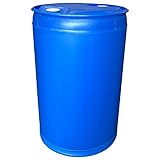
A 55-gallon barrel covers one adult for roughly 55 days at strict 1 gallon/day planning — but most families should plan for higher usage during cooking and sanitation.
Long-term storage becomes even more important during extended outages where power systems fail and municipal supply becomes unreliable.
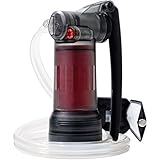
Water systems fail for two reasons: clogging or lack of redundancy. If you plan for extended outages, you need both maintenance tools and a secondary filtration layer.
🔧 Flow Restoration (For Hollow-Fiber Filters)
Hollow-fiber membrane filters (like Sawyer gravity systems) are not disposable — they are designed to be backflushed. Over time, sediment and particulates reduce flow rate. A proper backflush restores performance and extends service life dramatically.
Reality check: A $16 backup filter can save a $150 system failure from becoming a survival problem.
🧪 Chemical Treatment (Virus Protection Layer)
Most portable gravity and pump filters are microfilters — they remove bacteria and protozoa but do not eliminate viruses. In high-risk environments, chemical treatment provides an additional protection layer.
Essential for international travel or floodwater contamination
Water is the first system that fails in a real emergency—and the first one you need to solve. Without a reliable plan for storage, filtration, and backup, every other survival system becomes irrelevant.
❓ Common Water Preparedness Questions
How long does stored water last?
Stored water should be rotated every 6–12 months unless properly treated and sealed.
Do I need both filtration and storage?
Yes. Storage buys time. Filtration provides sustainability once stored water runs out.