How to Purify Water in the Wild Without Boiling
Knowing how to purify water in the wild without boiling is an essential survival skill when fuel is limited, open fires are prohibited, or a stove is unavailable. Streams, lakes, springs, and collected rainwater may look clean, but appearances cannot establish whether the water is safe to drink.
This post contains affiliate links. I may earn a small commission at no extra cost to you. Learn more.
Fortunately, several field treatment methods can reduce the risk of waterborne illness without using heat. Portable water filters, chemical disinfectants, ultraviolet purification devices, and certain emergency techniques can all play a role when used correctly.
The most dependable approach depends on the water source, the contaminants that may be present, and the equipment available. Understanding what each method removes—and what it does not—is more important than relying on any single product.
This guide explains practical water collection, filtration, disinfection, equipment maintenance, and emergency backup methods for wilderness survival and off-grid preparedness.
For a broader approach to emergency water supplies, visit the Water Purification and Storage Systems Hub.
Quick Answer: How Can You Purify Water Without Boiling?
When boiling is unavailable, the CDC recommends filtering water and then disinfecting it whenever practical.
- Portable microfilters: Remove certain bacteria and parasites, depending on their specifications, but generally do not remove viruses.
- Chlorine dioxide: Can disinfect water when used according to the manufacturer’s instructions, including required contact times.
- Portable UV purifiers: Can inactivate microorganisms in appropriately clear water when operated correctly.
- Household bleach: Can provide emergency disinfection against many bacteria and viruses when properly dosed, but is unreliable against some parasites.
- Solar disinfection: May improve the microbiological safety of clear water when better methods are unavailable.
Important: These methods do not reliably make water contaminated by fuel, pesticides, heavy metals, industrial chemicals, or radioactive materials safe to drink.
1. Why Untreated Wilderness Water Can Be Dangerous
Natural water sources can contain microorganisms capable of causing gastrointestinal illness and other infections.
Contamination may originate from wildlife, livestock, human waste, upstream campsites, agricultural activity, or damaged sanitation systems.
Bacteria
Bacteria such as certain strains of E. coli, Salmonella, and Campylobacter may be present in contaminated water.
Many properly selected backpacking microfilters can remove bacteria, although effectiveness depends on filter design, condition, and correct use.
Protozoan Parasites
Giardia and Cryptosporidium are important concerns in untreated surface water.
Filters rated for cyst and oocyst removal can physically remove these organisms. Some chemical disinfectants are less effective against them, especially when contact times are insufficient.
Viruses
Waterborne viruses can include norovirus and hepatitis A.
Viruses are generally too small for ordinary backpacking microfilters. Appropriate chemical disinfection, UV treatment, or a purifier specifically designed for viruses may be needed.
Chemical Contamination
Water can also contain pesticides, petroleum products, dissolved metals, salts, and other contaminants.
Ordinary microfilters, UV devices, and chemical disinfectants are not reliable solutions for these hazards. Even activated carbon only reduces certain chemicals under specified conditions.
If chemical contamination is suspected, seek another water source rather than assuming that additional treatment will make it safe.
2. How to Find Water in the Wild
Locating water is the first step, but source selection can also affect the difficulty and reliability of treatment.
Streams and Rivers
Flowing water can be easier to collect than water trapped in shallow muddy pools. However, moving water is not necessarily free of pathogens or chemical pollution.
Look upstream for livestock, campsites, roads, industrial activity, and other possible contamination sources.
Springs
Natural springs may provide relatively clear water, but they can still be contaminated by surface runoff or underground pollutants.
Unless the source has been established as safe, treat the water before drinking.
Lakes and Ponds
Lakes and ponds can provide substantial water, but stagnant conditions, algae, animal activity, and runoff may create additional concerns.
Avoid visible algal blooms, unusual colors, chemical odors, and sources with suspected contamination.
Rainwater
Rainwater collected directly in clean, food-safe containers may be a useful emergency source.
Collection surfaces, containers, airborne contaminants, and storage conditions can introduce contamination, so treatment may still be necessary.
Snow and Ice
Snow and ice can supply water after melting, but they should not automatically be considered safe.
Use clean collection practices and appropriate treatment. Eating large amounts of snow directly can contribute to body cooling.
Water Source Selection
Whenever possible, choose a source without visible pollution or known chemical hazards. A clear stream may still contain germs, while heavily polluted water may be unsuitable for ordinary field treatment altogether.
3. Prepare Water Before Treatment
Cloudy or muddy water can interfere with chemical disinfection and ultraviolet treatment. Sediment may also clog portable filters.
Removing visible particles before treatment improves the performance of many water purification methods.
Step 1: Allow Sediment to Settle
Collect the water in a suitable container and allow suspended particles to settle when practical.
Carefully pour the clearer upper portion into a second clean container without disturbing the sediment.
Step 2: Use a Simple Prefilter
Pass the water through a clean cloth, coffee filter, or another suitable prefilter to remove larger particles.
This step removes debris, not necessarily disease-causing microorganisms.
Step 3: Apply a Suitable Treatment
Use a properly rated portable filter, chemical disinfectant, UV device, or an appropriate combination.
Follow the manufacturer’s instructions for the amount of water, required treatment time, operating conditions, and maintenance.
For more on the limitations of improvised filters, see Natural Water Purification Methods: What Actually Works.
4. Best Methods to Purify Water Without Boiling
Several treatment methods are available, but they do not provide identical protection.
| Method | Primary Benefit | Main Limitation |
|---|---|---|
| Backpacking microfilter | Removes specified bacteria and parasites | Usually does not remove viruses |
| Chlorine dioxide | Disinfects against multiple types of microorganisms | Requires correct dosage and sufficient contact time |
| Portable UV purifier | Can inactivate bacteria, viruses, and parasites | Needs clear water and functioning equipment |
| Household bleach | Emergency disinfection for many bacteria and viruses | Unreliable against Cryptosporidium and some other parasites |
| Solar disinfection | Uses sunlight and suitable transparent containers | Weather-dependent and unsuitable for chemical contamination |
5. Portable Water Filters
Portable water filters are among the most convenient tools for backcountry water treatment.
They are available as straw-style filters, squeeze filters, pump filters, and gravity-fed systems.
Straw-Style Filters
A personal straw filter allows water to pass through an internal filtering element as the user drinks.
These devices can be compact and lightweight, but they may be less convenient when filling cooking containers or storing treated water.
Squeeze Filters
Squeeze filters typically use a flexible water pouch or compatible bottle to push water through a membrane.
They can be practical for hiking, backpacking, and lightweight emergency kits.
Gravity Filters
Gravity systems use an elevated reservoir to move water through a filter with relatively little manual effort.
They can be convenient for groups and basecamps, although they may require more storage space.
Pump Filters
Pump filters move water through a filtration element using a manual pumping mechanism.
They may be useful when drawing from shallow sources, depending on the intake design and manufacturer specifications.
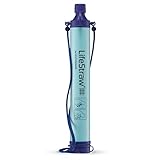
Featured Water Filter: LifeStraw Personal Water Filter
The LifeStraw Personal Water Filter is a compact option for individual backcountry use. It can reduce specified bacteria and parasites, but it should not be relied upon to remove viruses or chemical contaminants.
Alternative Water Filter: Sawyer Squeeze
The Sawyer Squeeze Water Filter is a practical alternative for hikers and campers who want to filter water into a clean bottle rather than drinking directly through a straw filter. Its 0.1-micron absolute hollow-fiber membrane removes specified bacteria and protozoan parasites, but it does not reliably remove viruses or dissolved chemical contaminants.


6. Chemical Water Disinfection
Chemical disinfection can be useful when a stove is unavailable or a filter alone does not provide the desired protection.
Different chemicals have different strengths and limitations. Correct concentration, water temperature, clarity, and contact time all matter.
Chlorine Dioxide Tablets
Chlorine dioxide products are designed to disinfect water against multiple types of microorganisms.
Some products can treat Giardia and Cryptosporidium, but effectiveness depends on following the full manufacturer-specified treatment time.
For certain chlorine dioxide tablets, the contact time required for Cryptosporidium can be as long as four hours.
Never assume that a short waiting period provides the same level of protection against every organism.
Featured Chemical Treatment: Aquatabs
Aquatabs are compact chemical water-treatment tablets that may be convenient for emergency kits and outdoor travel.
Important distinction: Standard Aquatabs products generally use sodium dichloroisocyanurate, a chlorine-releasing compound, rather than chlorine dioxide. They should not be assumed to provide reliable protection against Cryptosporidium.
Follow the exact product label for tablet strength, water volume, and required contact time.
Check Aquatabs Water Purification Tablets on Amazon.
Household Bleach for Emergency Disinfection
Regular unscented liquid household bleach can be used for emergency water disinfection when appropriate products and instructions are available.
Use only bleach with sodium hypochlorite as the active ingredient and no added fragrances, detergents, or color-safe ingredients.
According to CDC emergency guidance, for bleach containing 5% to 9% sodium hypochlorite:
- Add 2 drops to 1 quart or liter of clear water.
- Add 8 drops to 1 gallon of clear water.
- Mix thoroughly and allow at least 30 minutes of contact time.
- For cloudy, colored, murky, or very cold water, the CDC directs users to double the listed amount after settling and prefiltering as appropriate.
These instructions are specific to the stated bleach concentration. Products with different concentrations require different dosing.
Bleach disinfection is not reliable against Cryptosporidium and does not remove toxic chemicals or radioactive contamination.
See the CDC emergency drinking-water instructions for complete guidance.
Iodine Water Treatment
Iodine can disinfect water against certain bacteria and viruses, but it is not reliable against Cryptosporidium.
People who are pregnant, have thyroid conditions, or are sensitive to iodine should avoid iodine-treated water. Iodine is not suitable for extended routine use.
When other suitable treatment methods are available, they may be preferable.
Chemical Treatment Safety
Never mix water-treatment chemicals together or combine bleach with ammonia, acids, or other cleaning products. Use only the dosage and treatment procedure appropriate for the specific product.
7. Ultraviolet Water Purification
Portable ultraviolet purifiers use UV light to inactivate microorganisms in small amounts of water.
They can provide an alternative to chemical treatment when the device is functioning properly and the water meets its operating requirements.
How UV Purification Works
A UV treatment device exposes water to a controlled dose of ultraviolet light.
When the required dose reaches the microorganisms, the treatment can inactivate bacteria, viruses, and parasites.
Why Water Clarity Matters
Suspended sediment can block UV light from reaching microorganisms.
Cloudy water should be clarified and filtered as directed before treatment.
Power and Maintenance Requirements
UV devices require a suitable power source and proper operation.
Battery condition, lamp performance, treatment volume, and device maintenance can affect reliability.
Featured UV Purifier: SteriPEN
Portable SteriPEN UV purifiers are designed to disinfect appropriately clear water when operated according to their instructions.
They can be useful as part of a layered treatment system, but do not remove sediment or chemical pollutants.

8. Solar Water Disinfection Without Equipment
Solar water disinfection, commonly called SODIS, uses sunlight to reduce certain disease-causing microorganisms in water.
It may be useful when reliable filters, disinfectants, and fuel are unavailable, but it has significant limitations.
Basic Solar Disinfection Procedure
- Use a suitable clean, transparent bottle intended for drinking water.
- Fill it with water that is clear enough for sunlight to penetrate.
- Place the closed bottle where it receives strong, direct sunlight.
- Allow approximately 6 to 8 hours of exposure under suitable sunny conditions.
- Under cloudy conditions, treatment may require two consecutive days.
- Avoid recontaminating the water after treatment.
These exposure times depend on environmental conditions and proper technique.
Solar disinfection is not a reliable way to remove chemical contaminants, dissolved salts, or radioactive substances.
Limitations of SODIS
Solar disinfection depends on sufficient sunlight, water clarity, appropriate containers, and adequate exposure time.
It is generally less convenient and less predictable than properly used commercial filtration and disinfection equipment.
For additional background, see the CDC household water treatment guidance.
9. Can Natural Materials Purify Water?
Natural materials can help remove sediment, but most improvised wilderness filtration techniques should not be treated as dependable drinking-water disinfection methods.
Sand and Gravel Filters
Layers of sand and gravel may remove visible particles from water.
However, an improvised container filled with these materials is not equivalent to a properly engineered biological slow-sand filter.
Water that looks clear after passing through sand or gravel can still contain harmful microorganisms.
Charcoal Filters
Activated carbon can reduce certain tastes, odors, and selected contaminants when used in a properly designed system.
Ordinary campfire charcoal is not a reliable substitute for certified water-treatment media.
Solar Stills
A solar still collects condensed water produced by evaporation.
Although the concept is useful to understand, simple wilderness solar stills often produce very small quantities of water relative to the labor and time required.
They should not be relied upon as the primary hydration strategy, especially in hot or dry environments where construction may increase dehydration risk.
Transpiration Bags
A transpiration bag captures moisture released by vegetation.
Collection rates vary substantially, and water obtained from unknown plants may contain undesirable substances.
This technique is not a substitute for carrying adequate water or using a reliable water-treatment system.
For a more detailed discussion, see Natural Water Purification Methods.
10. How to Build a Reliable No-Boil Water Treatment Kit
A practical emergency water kit should provide more than one way to manage biological contamination.
Recommended Components
- A portable water filter suitable for the intended environment.
- An appropriate backup chemical disinfectant.
- A clean collection container.
- A separate container for treated drinking water.
- A cloth or other suitable prefilter for sediment.
- Manufacturer instructions and maintenance supplies.
- Extra water-storage capacity when traveling in remote areas.
Example Treatment Sequence
- Choose the least contaminated practical water source.
- Allow sediment to settle when necessary.
- Prefilter cloudy water to remove larger particles.
- Use a properly rated filter to remove specified microorganisms.
- Apply an appropriate disinfectant when additional protection is needed.
- Wait the full required contact time.
- Transfer treated water into a clean container without cross-contamination.
When chemical or industrial contamination is suspected, use another safe source rather than depending on this sequence.
Practical Survival Water Setup
A lightweight filter combined with a compatible backup disinfectant can provide broader protection against biological hazards than a standard microfilter alone.
For longer emergencies, stored potable water should remain the first choice whenever available.
11. Water Treatment in Different Environments
Forests
Streams, springs, and rainwater may be available, but wildlife and upstream human activity can introduce microorganisms.
Use appropriate filtration and disinfection rather than relying on appearance.
Deserts
Water sources may be scarce, seasonal, or affected by high mineral concentrations.
Plan routes around dependable sources and carry sufficient water rather than relying on dew collection or improvised stills.
Mountains
Snowmelt and high-elevation streams can contain pathogens even when the water is cold and clear.
Cold temperatures may also affect chemical treatment times and damage some filters if trapped water freezes inside them.
Coastal Areas
Ordinary backpacking filters and disinfectants do not remove dissolved salt from seawater.
Producing drinking water from seawater requires a suitable desalination method, such as appropriately designed reverse osmosis or distillation equipment.
Flood and Disaster Areas
Floodwater may contain sewage, petroleum products, pesticides, and other hazardous substances.
Ordinary wilderness treatment methods are not a reliable way to make chemically contaminated floodwater safe.
Follow local public-health advisories and use verified safe supplies whenever possible.
12. Cleaning and Maintaining Water Treatment Equipment
Even high-quality water-treatment equipment can fail when used or stored incorrectly.
Protect Filters from Freezing
Water trapped inside some hollow-fiber filters can expand when frozen and damage the membrane.
Follow the manufacturer’s cold-weather guidance. A filter suspected of freeze damage may need replacement.
Clean Filters Properly
Some filters require backflushing, while others use replaceable cartridges or different maintenance procedures.
Use the instructions for the specific model rather than applying one cleaning method to every filter.
Separate Dirty and Clean Equipment
Keep untreated water containers and filter inlets away from clean drinking-water outlets.
Avoid touching the clean side of a filter with contaminated hands or equipment.
Inspect Chemical Treatments
Check expiration dates, packaging condition, and storage requirements.
Do not assume that old or improperly stored treatment chemicals remain fully effective.
Check UV Devices
Inspect batteries, charging systems, treatment indicators, and any manufacturer-recommended replacement components.
Test equipment before leaving for remote locations.
13. Storing Purified Water Safely
Proper treatment is only part of the process. Treated water can become contaminated again if stored or handled incorrectly.
- Use clean, food-safe containers.
- Keep containers covered or sealed.
- Avoid touching drinking surfaces with dirty hands.
- Keep untreated water separate from finished drinking water.
- Protect containers from unnecessary heat and physical damage.
- Follow appropriate cleaning and sanitation procedures.
For home preparedness and extended outages, see Long-Term Water Storage: Complete Prepper Guide.
14. Common Water Purification Mistakes
Assuming Clear Water Is Safe
Many microorganisms cannot be detected by sight, taste, or smell.
Using a Microfilter Against Every Hazard
Standard backpacking microfilters generally do not remove viruses or dissolved chemical contaminants.
Ignoring Chemical Contact Times
Disinfectants require sufficient contact time. A treatment effective against bacteria after a short period may need much longer to address certain parasites.
Using UV Treatment on Muddy Water
Suspended particles can shield microorganisms from ultraviolet light.
Relying on Improvised Charcoal
Homemade charcoal filters are not dependable substitutes for properly rated treatment systems.
Allowing Filters to Freeze
Freeze damage may not be visible but can compromise some filter membranes.
Recontaminating Treated Water
Dirty containers, caps, hoses, or hands can undo the benefits of successful treatment.
Frequently Asked Questions
Can you make river water safe without boiling?
Yes, appropriate filtration and disinfection can reduce biological hazards in river water. However, the method must address the contaminants present, and ordinary field equipment may not make chemically polluted water safe.
Does a LifeStraw remove viruses?
Standard LifeStraw personal microfilters are not designed to remove viruses. Check the specifications of the exact model because the brand offers multiple types of treatment products.
Are water purification tablets better than filters?
Neither method is universally better. Filters can remove specified bacteria and parasites, while disinfectants can address certain microorganisms that ordinary filters miss. Combining suitable methods often provides broader protection.
How long do chlorine dioxide tablets take to work?
Contact time depends on the product, water conditions, and microorganisms being targeted. Some treatments require up to four hours for Cryptosporidium. Always follow the exact product instructions.
Can household bleach make wilderness water safe?
Properly dosed regular unscented bleach can disinfect water against many bacteria and viruses. It is not reliable against all parasites and does not remove chemical contamination.
Does charcoal make water safe to drink?
Charcoal alone is not a dependable drinking-water disinfection method. Certain activated-carbon products reduce selected contaminants, but treatment claims depend on their design and testing.
Can sunlight purify water?
Solar disinfection can improve the microbiological quality of sufficiently clear water under suitable conditions. It requires adequate sunlight and exposure time and does not remove toxic chemicals.
How much drinking water should you carry?
Water needs vary with temperature, exertion, body size, health, and trip duration. Carry enough for the planned activity plus a reasonable emergency reserve, accounting for the reliability of refill sources.
What is the safest water source during a disaster?
Unopened commercially bottled water or properly stored potable water is generally preferable to collecting and treating unknown surface water, particularly where chemical contamination may be present.
Final Thoughts: Purifying Water Without Boiling
Learning how to purify water in the wild without boiling provides an important backup when fuel, cooking equipment, or safe fire conditions are unavailable.
Portable filters, chlorine dioxide, UV treatment, and other methods each have practical uses, but their effectiveness depends on the water source and the hazards involved.
For biological contamination, combining a suitable filter with appropriate disinfection can provide broader protection than relying on a standard microfilter alone.
Just as importantly, no ordinary wilderness treatment method should be assumed to remove hazardous chemicals, petroleum products, dissolved salts, or radioactive contamination.
The most reliable survival water strategy combines adequate stored supplies, careful source selection, correctly maintained equipment, and the knowledge to use more than one treatment method.
Further Reading
- Water Purification and Storage Systems Hub
- Natural Water Purification Methods: What Actually Works
- Top 10 Water Purification Methods Reviewed
- Long-Term Water Storage: Complete Prepper Guide
Authoritative Water Safety References
- CDC: Water Treatment When Hiking, Camping, or Traveling
- CDC: How to Make Water Safe in an Emergency
- EPA: Emergency Disinfection of Drinking Water
Affiliate disclosure: As an Amazon Associate, we earn from qualifying purchases.