Solar Generator vs Gas Generator
| Feature | Solar Generator / Power Station | Gas Generator |
|---|---|---|
| Indoor Use | Safe indoors when used properly. | Never run indoors. |
| Noise | Quiet. | Loud. |
| Fuel | Battery + solar recharge. | Gas, propane, or dual fuel. |
| Best For | Phones, lights, CPAP, fans, fridge support. | Heavy loads, long outages, whole circuits. |
| Weakness | Limited capacity unless expanded. | Needs fuel storage and ventilation. |
Use our Generator Size Calculator to estimate the wattage needed to run the appliances and equipment you want to keep powered during an outage.
How Most Blackout Power Plans Fail
Most households do not run out of power all at once. They slowly lose capability as batteries drain, fuel disappears, refrigerators warm up, phones die, and people begin trying to power too many things at the same time.
Overloading Small Systems
Many people buy a small battery station expecting it to power refrigerators, fans, microwaves, lights, and multiple devices at once.
Ignoring Fuel Usage
Generators become much less useful once fuel stations lose power or fuel lines begin forming during longer outages.
No Power Priority Plan
Backup power disappears quickly when every device in the house gets treated like an emergency.
Forgetting Summer Heat
Refrigerators cycle harder, fans run longer, and battery systems drain faster during extreme summer temperatures.
The Better Strategy
The most reliable blackout setups usually layer multiple systems together: portable batteries for communication and lighting, solar charging for extended outages, fuel-based generators for refrigeration and heavy loads, and low-power devices that reduce overall energy demand.
Recommended Backup Power Sizes
300–800Wh
Best for phones, radios, headlamps, lanterns, and small USB devices.
Good for: short outages and basic emergency charging.
1,000–2,500Wh
Best for fans, CPAP, lights, phones, router, radios, and limited appliance use.
Good for: apartment and family blackout setups.
3,000–5,000Wh
Best for refrigeration, freezer support, medical devices, and longer outages.
Good for: serious blackout food protection.
5,000Wh+
Best for larger homes, sump pumps, refrigeration, fans, and layered backup systems.
Good for: generator or expandable solar generator setups.
Real-World Blackout Scenarios
Apartment Blackout
Prioritize phones, lights, fan, radio, CPAP, and safe cooking alternatives. Avoid high-draw appliances.
Family of Four
Plan for multiple phones, lighting zones, fans, food protection, and communication devices.
Summer Heat Wave
Fans, hydration, shaded rooms, and cooling strategy matter more than entertainment devices.
Medical Device Backup
CPAP machines, rechargeable equipment, and backup charging should be calculated separately from comfort items.
Backup Power Mistakes to Avoid
- Forgetting startup surge watts on refrigerators, freezers, pumps, and compressors.
- Assuming solar panels recharge batteries quickly during cloudy weather.
- Trying to run heating appliances from a small power station.
- Buying a generator without safe fuel storage and extension cord planning.
- Ignoring CPAP, fans, medical devices, and communication gear until the power is already out.
- Using one backup system for everything instead of layering batteries, fuel, solar, and low-power devices.
Recommended Gear Categories
Small Power Stations
Best for phones, radios, lights, tablets, headlamps, and short outages.

Mid-Size Solar Generators
Best for fans, CPAP machines, routers, lights, and longer household charging needs.

Large Backup Power Systems
Best for refrigerators, freezers, sump pumps, longer outages, and layered home backup.

Systems in this category are better suited for refrigeration support, extended outages, larger battery reserves, and expandable solar charging setups.
Generator Safety Gear
Extension cords, carbon monoxide alarms, fuel cans, transfer switches, and outdoor-rated covers.
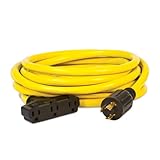

Anyone planning for outages longer than a few days should also review fuel storage, water storage, and emergency communication planning because backup power alone does not solve long-term blackout problems.
Build a Complete Blackout Power Plan
Backup power is only one part of blackout readiness. Use these related guides to build a complete system for food, water, communication, lighting, and long-term grid-down planning.
Grid-Down Survival Power Guide
How Long Food Lasts Without Power
How to Communicate When the Grid Goes Down