How to Prepare for a Two-Week Power Outage: The Complete Survival Guide
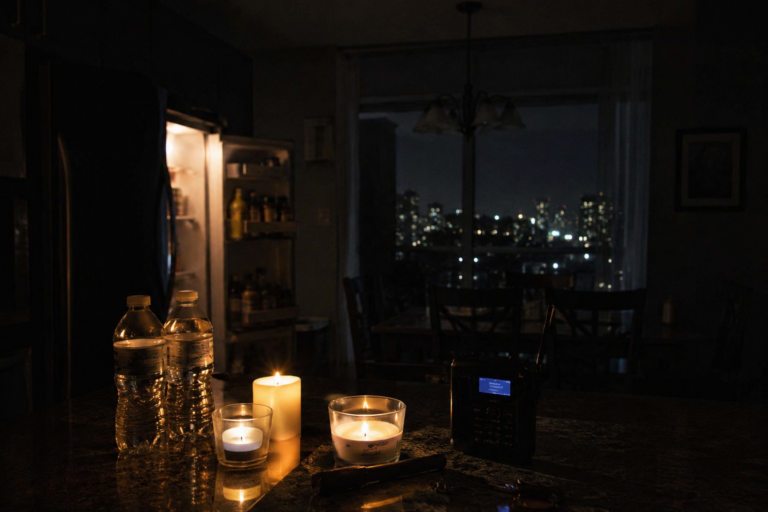
A two-week power outage changes nearly every part of daily life because modern homes depend on electricity for far more than lighting. Refrigerators stop cooling, freezers begin warming, water systems may lose pressure, internet and cellular service can become unreliable, fuel grows harder to obtain, grocery stores struggle to restock shelves, and heating or air conditioning disappears when it is needed most. What begins as a simple power outage quickly becomes a series of connected challenges that affect every member of the household. Solving one problem rarely solves the next because each essential system depends on another. Water supports cooking and sanitation. Backup power keeps communication devices and medical equipment operating. Food storage depends on refrigeration, fuel, and safe preparation methods. As the outage continues, these individual problems begin overlapping, making every decision more important than the last.
This post contains affiliate links. I may earn a small commission at no extra cost to you. Learn more.
This is why preparing for a two-week blackout is fundamentally different from preparing for a storm that lasts a few hours or even overnight. During shorter outages, most families can rely on refrigerated food, fully charged devices, nearby stores, functioning gas stations, and emergency services that continue operating normally. Once an outage stretches into several days, those assumptions begin disappearing one by one. Ice becomes difficult to find, generator fuel becomes more valuable, batteries run low, pharmacies may experience delays, and supply chains struggle to replenish the items everyone suddenly needs at the same time. Families who prepared in advance shift into their emergency routines, while those without a plan often spend valuable time searching for supplies that are no longer available.
The goal of this guide is not simply to provide another preparedness checklist. It is to help you build a complete survival system that continues functioning even when multiple services fail simultaneously. Throughout this guide, you’ll learn how to store enough water for every member of your household, create a practical emergency food supply, cook safely without electricity, preserve refrigerated food as long as possible, maintain communication when networks become unreliable, prepare for medical needs, secure your home, and develop realistic backup power solutions that match your family’s priorities. Each section builds on the others because long-term preparedness works best when every system supports the next instead of operating independently.
Rather than overwhelming yourself by trying to prepare for every possible emergency at once, think of your blackout plan as something you build in layers. Start with the essentials that protect life—water, food, shelter, medical supplies, and communication—then strengthen those systems with backup power, sanitation, lighting, fuel storage, security, and seasonal planning. Every improvement you make today increases your ability to remain calm, comfortable, and self-sufficient during the next extended outage. By the time you finish this guide, you’ll understand not only what supplies to store, but how each part of your preparedness plan works together to help your family remain safe and resilient throughout a full two-week blackout.
Quick Answer
Preparing for a two-week power outage means creating a complete survival system instead of collecting random emergency supplies. Your plan should include enough water, food, cooking capability, backup power, lighting, communication equipment, medical supplies, sanitation, and security to remain self-sufficient for at least 14 days. The households that handle long-term blackouts best are those that prepare every essential system before the outage begins rather than trying to solve problems one at a time after the lights go out.
✓ Key Takeaways
- A successful two-week blackout plan is built around complete systems for water, food, power, communication, sanitation, medical care, and security—not individual pieces of gear.
- Water should always be your first priority, followed by food preservation, safe cooking, reliable lighting, and backup communication.
- Fuel, batteries, ice, and grocery store supplies often become scarce within the first few days of a widespread outage.
- Preparing before an emergency allows you to avoid panic buying, long lines, and unnecessary risks while everyone else is scrambling.
- Practicing your blackout plan and maintaining your emergency supplies regularly is just as important as buying the equipment itself.
1. Understand the Risks of a Long-Term Blackout
Before you prepare, you need to know what you’re up against.
A two-week outage can bring:
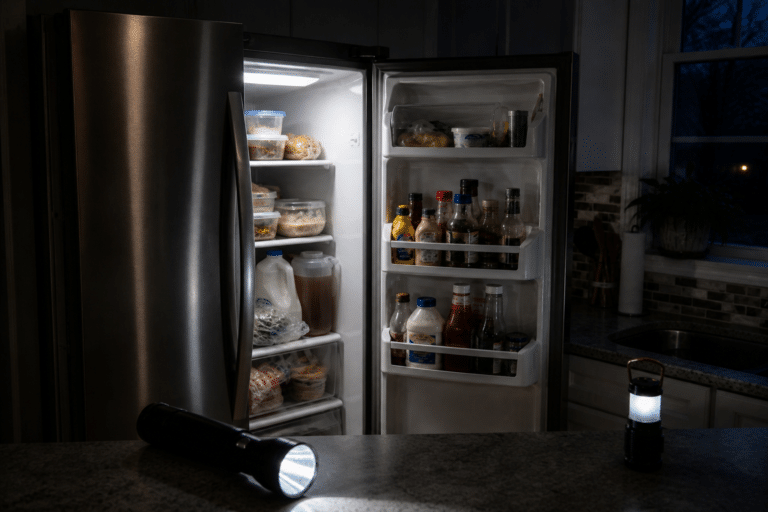
✅ No refrigeration – Perishable food spoils in 24–48 hours.
✅ Water shortages – Especially if you have a well pump or municipal water disruption.
✅ Cooking issues – Electric stoves and microwaves are useless.
✅ Heating or cooling loss – Winter outages can lead to hypothermia; summer outages to heatstroke.
✅ Total darkness – Increased accident risk and security concerns.
✅ Communication breakdowns – Cell towers may fail, internet goes down.
When phones and internet fail, most people realize too late they don’t have a backup—and that’s when they’re completely cut off.
👉 How to Communicate When the Grid Goes Down
💡 Related Post: Emergency Preparedness Surviving Summer Storms
2. How to Prepare for a Two-Week Power Outage: Essential Survival Needs
Here’s a two-week baseline for a family of four:
- Water – Minimum 56 gallons (1 gallon per person per day).
- Food – Around 112,000 calories total (2,000 calories per person per day).
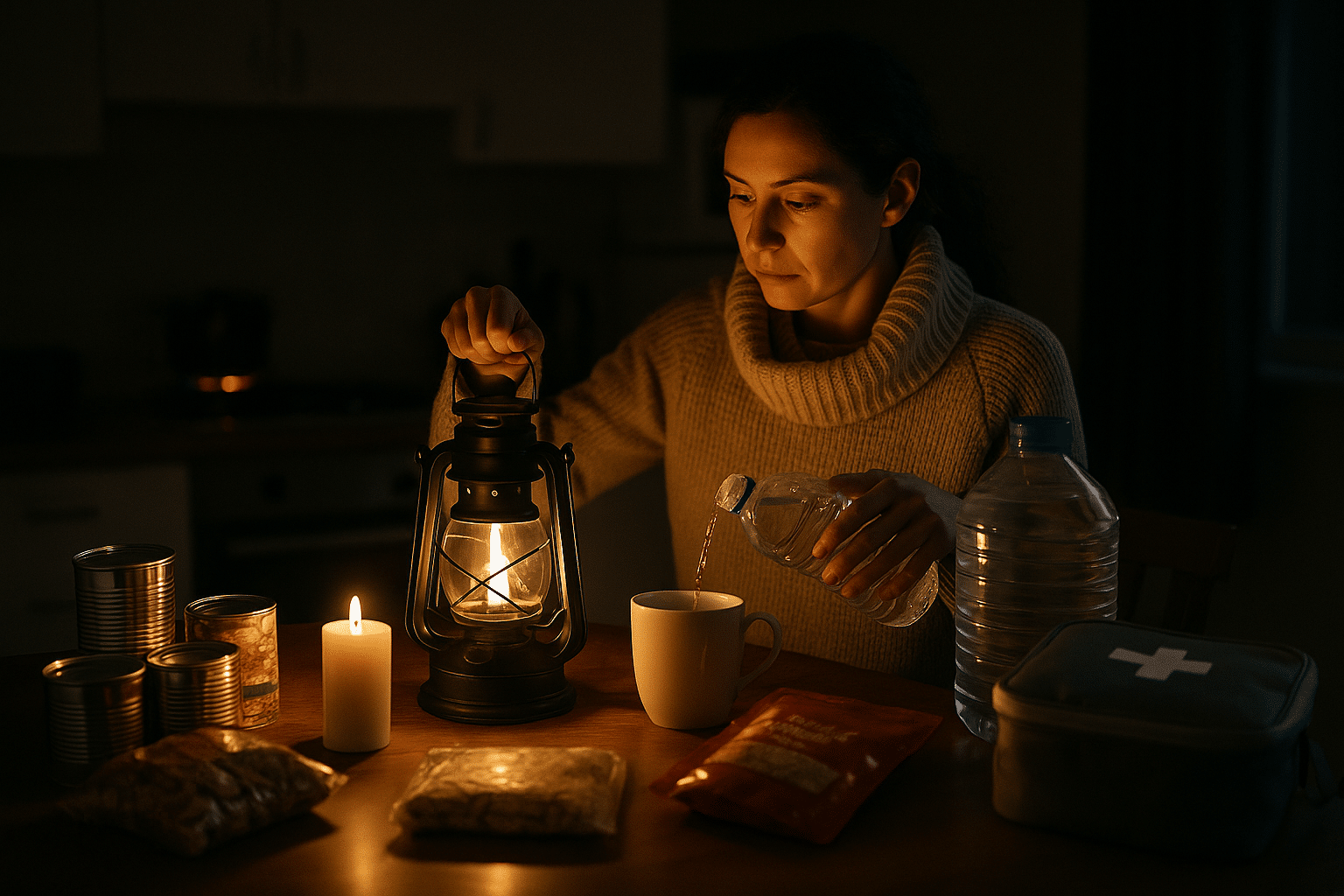
- Lighting – Multiple safe sources for 14 nights.
- Medical & hygiene – First aid kit, medications, sanitation supplies.
Pro Tip: Always plan for at least 25% more than you think you’ll need. Blackouts can last longer than expected.
💡 Pro Tip
Think of your blackout preparations as one connected system instead of separate checklists. Your water supply supports cooking and sanitation. Your backup power keeps communication devices and medical equipment running. Your food plan depends on fuel, refrigeration, and safe cooking methods. When each part of your preparedness plan works together, you’ll spend far less time solving problems during an outage and far more time confidently managing your household.
3. Water Storage & Purification
Water is your top priority — you can survive weeks without food, but only days without water.
Long-Term Storage
- 55-Gallon Water Barrel – Stores enough for one person for nearly two months.
- Stackable 7-Gallon Containers – Easier to move and rotate.
- Commercial Bottled Water – Quick and space-efficient for short-term.
Gear Pick:
Augason Farms Emergency Water Storage Barrel Kit — Includes pump, wrench, and treatment for safe long-term storage.
For households preparing for extended outages, combining filtration with stored reserves is critical.
Start with our long-term water storage guide
to ensure you have enough safe drinking water before relying on filtration.
Purification
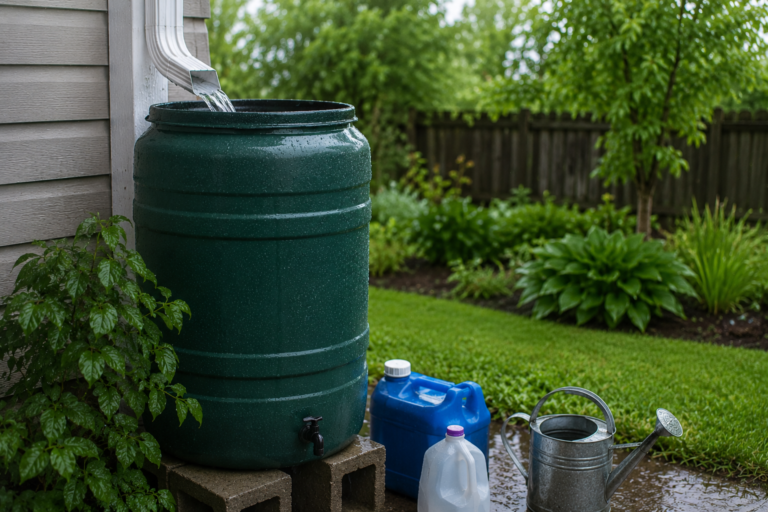
Even stored water can go stale — and emergency sources like lakes or rainwater need filtration.
- Lifestraw Personal Water Filter Straw – Lightweight, portable, filters up to 1,000 liters.
- Gravity water filters for multiple users.
- Boiling for pathogens if you have fuel.
💡 Related: Ultimate Water Purification Guide
📌 Did You Know?
Most families don’t run out of food first during a prolonged blackout—they run out of usable water. Drinking, cooking, washing dishes, preparing dehydrated meals, taking medications, and basic hygiene all depend on having enough clean water available. That’s why experienced preparedness planners build their emergency plans around water first and everything else second.
4. Food for a Two-Week Blackout
Stock non-perishable, easy-to-cook, or ready-to-eat meals.
✅ Freeze-Dried Meals – 25-year shelf life, just add water.
✅ Canned Goods – Stews, meats, beans, veggies.
✅ Dry Staples – Rice, pasta, oats.
✅ Snacks – Peanut butter, granola, trail mix.
If you’re building a long-term pantry for emergencies, start with our guide to survival foods with a long shelf life that can last years without refrigeration.
Gear Pick:
Moutain House 2-Week Emergency Food Supply — 84 servings, just add water, 25-year shelf life.
💡 Related: Long-Term Food Storage Tips
5. Cooking Without Electricity
When the grid goes down, your oven and microwave are useless.
Options:
- Portable propane stoves.
- Rocket stoves (burn wood & biomass).
- Solar ovens for sunny climates.
- Charcoal or propane grills.
Gear Pick:
EcoZoom Versa Rocket Stove — Burns wood, charcoal, or biomass, heavy-duty build.
6. Heating & Staying Warm
In winter outages, keeping warm is survival-critical.
Options:
- Mr. Heater Big Buddy Indoor Propane Heater — Indoor-safe, multiple heat settings.
- Wool blankets & thermal sleeping bags.
- Layered clothing for insulation.
7. Lighting That Lasts
Candles are risky during long outages. Safer options include lanterns, headlamps, and other emergency lighting solutions for power outages.
- Rechargeable LED lanterns.
- Solar garden lights (bring inside at night).
- Headlamps for hands-free work.
Gear Pick:
Goal Zero Lighthouse 600 Lantern & USB Power Hub — Rechargeable via solar, crank, or USB.
8. Communication & Information
When phones and networks fail, most people realize too late they don’t have a backup—and that’s when they’re completely cut off.
Gear Picks:
- Kaito Voyager Pro NOAA Emergency Radio — Solar, crank, and battery-powered.
- Two-way radios for local communication.
- Ham radio for long-range (requires license).
Reliable information becomes critical during extended outages.
A solar emergency radio ensures you still receive weather alerts and emergency broadcasts when cell towers fail.
Short-range radios are one of the most reliable tools when networks fail.
👉 Best Walkie Talkies for Grid-Down Communication
9. Medical & Hygiene Essentials
Small injuries or illness can escalate quickly without power.
✅ First aid kits stocked with bandages, antiseptics, and OTC meds.
✅ Two-week supply of prescription medications.
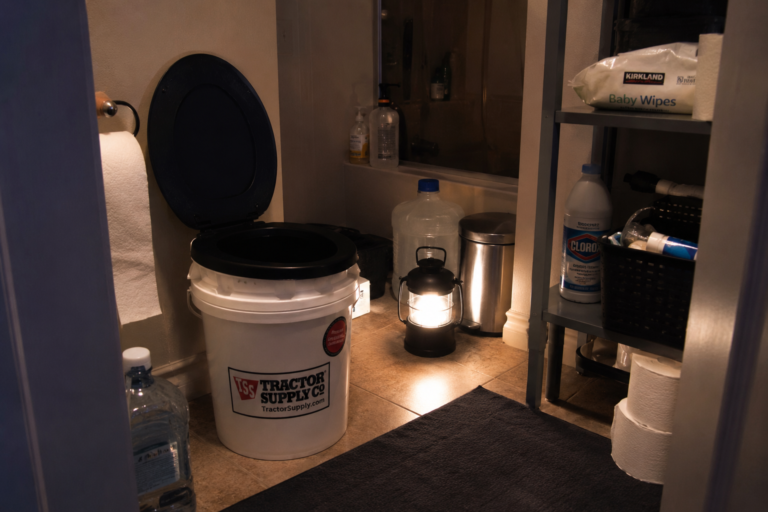
✅ Hygiene items: wet wipes, hand sanitizer, toilet paper, trash bags.
10. Security During a Blackout
Power outages can mean more than just darkness — they can increase crime risk.
Recommendations:
- Solar motion-sensor lights.
- Quality locks & reinforced entry points.
- Neighborhood watch coordination.
11. Backup Power Sources
Even during an outage, you can keep essentials running.
Gear Pick:
Jackery Explorer 1500 Solar Generator — Powers appliances, charges devices, silent operation.
Some households combine generators with battery stations to stretch fuel and reduce noise. Our guide to a solar generator hybrid backup system explains how this setup works.
A properly sized survival generator can mean the difference between staying operational and being forced to evacuate during an extended outage.
Long-term outages expose major weaknesses in most household backup systems. The Emergency Power Planner helps estimate realistic battery storage, refrigeration support, lighting, cooling, and communication power needs before a prolonged blackout occurs.
For silent indoor backup options that can power lights, CPAP machines, and small appliances, see our guide to the best solar power stations for blackouts.
⚠ Important Warning
Never operate generators, charcoal grills, propane grills, or other fuel-burning equipment inside your home, garage, basement, crawl space, or any enclosed area. Carbon monoxide is colorless, odorless, and can become deadly within minutes. Always operate generators outdoors well away from doors, windows, and vents, follow the manufacturer’s safety instructions, and keep working carbon monoxide detectors with fresh batteries installed throughout your home.
12. Mental & Emotional Preparedness
Two weeks without power can be stressful. Keep spirits up with:
The same calm, disciplined thinking that keeps people alive during long blackouts is identical to what saves unprepared hikers — this breakdown on how to survive in the wilderness without supplies explains why slowing down and conserving energy matters more than gear.
- Board games, cards, and books.
- Maintaining a daily routine.
- Checking in with neighbors.
13. Seasonal Adjustments
Summer Outage: Focus on cooling, hydration, and food preservation without refrigeration.
Winter Outage: Heating, insulation, and water storage are critical.
In extreme heat, staying cool becomes just as important as food and water.
See our guide on how to stay cool without power for practical blackout cooling strategies.
🚨 Emergency Scenario
Imagine a severe storm leaves your community without electricity for two weeks. By the second day, refrigerated food has begun spoiling, stores are running low on bottled water and fuel, and long lines have formed at the few businesses still operating. By the end of the first week, batteries are running low, communication is becoming unreliable, and many households are struggling to cook meals or keep medications properly stored. Families with a complete preparedness plan are rotating stored water, cooking shelf-stable foods, conserving fuel, monitoring emergency information, and following a routine they practiced before the outage. Those who waited until the blackout began are now competing for limited supplies while trying to solve multiple problems at once.
☑ 2-Week Blackout Survival Checklist
- ☑ Store at least 14 days of drinking water and a reliable backup water filter.
- ☑ Build a two-week supply of shelf-stable foods your family already eats.
- ☑ Test your backup cooking equipment and keep extra fuel on hand.
- ☑ Keep flashlights, lanterns, headlamps, and spare batteries easily accessible.
- ☑ Charge power stations, battery banks, and communication devices before severe weather arrives.
- ☑ Maintain a two-week supply of prescription medications, first aid supplies, and hygiene products.
- ☑ Prepare alternative heating or cooling methods based on the season.
- ☑ Keep cash available for purchases if electronic payment systems fail.
- ☑ Review your family communication, evacuation, and neighborhood support plans.
- ☑ Practice your complete blackout plan at least once each year to identify weaknesses before an emergency.
14. After the Power Returns
When the lights come back on:
- Restock used supplies.
- Take notes on what worked and what failed.
- Upgrade weak points in your plan.
A two-week outage will test your food, water, and power reserves. Make sure your backup energy setup is squared away by reading the hub: Best Survival & Off-Grid Generators of 2025.
If You Only Do 5 Things for a Two-Week Power Outage
1. Store at least 14 days of water (plus purification)
2. Secure an indoor-safe heating method or cooling plan
3. Set up safe, long-runtime lighting
4. Have a backup cooking method that works without electricity
5. Plan limited backup power for communication and medical needs
If you’re not prepared for communication failure, you’re already behind.
👉 How to Communicate Without Cell Service or Internet
What Runs Out First in a 2-Week Power Outage?
The first things to run out during an extended outage aren’t always what people expect. Perishable food is usually gone within 48 hours, followed closely by clean drinking water if you don’t have storage. Fuel for generators and stoves disappears quickly, especially if resupply is limited. Battery power, lighting, and communication devices follow soon after. Understanding this order helps you prioritize what to store and what to use first.
How Long Can You Survive Without Power?
Survival without power depends on preparation. Most households can function for 24–72 hours with minimal disruption, but after that, systems begin to fail. Food spoils, water pressure may drop, and communication becomes unreliable. With proper planning—stored water, backup power, and alternative cooking—you can extend that window to two weeks or longer.
What Happens After 3 Days Without Power?
After three days without power, the situation shifts from inconvenience to survival. Refrigerated food is gone, many people begin running low on water, and stores are often empty or closed. Fuel shortages can start, and communication networks may become unreliable. At this stage, having a structured plan becomes critical to avoid falling behind.
This is where most people start falling behind. See exactly how those first days unfold in the First 72 Hours After a Disaster guide.
Building a reliable blackout power setup? See our recommended emergency power and lighting gear here.
Final Thoughts
A two-week power outage isn’t simply a longer version of a short blackout. Every day without electricity places additional pressure on your food, water, fuel, communication, medical supplies, and ability to adapt. Families who prepare only for the first day often discover that their biggest challenges begin after the initial emergency has passed.
The most effective preparedness plans are built around complete systems instead of individual pieces of equipment. When your water storage supports your cooking plan, your backup power supports communication and medical needs, and your food supplies match your available fuel and cooking methods, you’re able to make calm, informed decisions instead of reacting to one crisis after another.
Preparation doesn’t require perfection. Every improvement you make today increases your family’s resilience during the next extended outage. Building your plan one step at a time before disaster strikes is far easier than trying to solve multiple problems after the lights have already gone out.
📚 Continue Reading
A two-week blackout combines every preparedness challenge into one event. These in-depth guides will help you strengthen each part of your emergency plan.
- The First 24 Hours Without Power
- The First 72 Hours Without Power
- Why Summer Blackouts Turn Dangerous Faster
- How to Store Food Without Refrigeration During a Blackout
- How to Cook During a Power Outage
- How Long Will Municipal Water Systems Work During a Blackout?
- How Long Will Cell Towers Work During a Blackout?
- How Much Food Should a Family Store for 30 Days?