
What Happens When Water Stops Running During a Blackout?
Water outage survival isn’t something most people think about until it’s too late.
This post contains affiliate links. I may earn a small commission at no extra cost to you. Learn more.
In a real water outage scenario, the problem doesn’t start when the water stops—it starts when the system begins to fail.
Water systems feel permanent because they’ve always been there—clean, pressurized, reliable, and available the moment a faucet turns on. That consistency creates the assumption that the system will always continue functioning normally, right up until the moment it doesn’t.
When the grid goes down or infrastructure starts failing, water doesn’t always stop instantly. In many cases, it fades—quietly, unevenly, and just slow enough that most people don’t recognize what’s happening until it’s too late.
That gradual, uneven decline is what makes water-system failure so dangerous because many people fail to recognize the seriousness of the situation until the opportunity to prepare has already started disappearing.
Recommended Gear: See our complete Emergency Water Storage & Filtration Gear List for recommended containers, filters, purification tools, and backup water systems.
The System Behind the Faucet
Municipal water systems aren’t simple. They rely on a chain of systems working together:
- Electric pumps moving water through miles of pipeline
- Pressurized towers maintaining flow to homes and buildings
- Treatment facilities ensuring water stays safe to use
As long as those systems stay powered and operational, water continues to flow like nothing is wrong.
But remove one piece—especially power—and the system begins to degrade.
When one critical part of the infrastructure begins failing—especially power—the water system usually degrades gradually in stages rather than shutting down all at once.
Water Doesn’t Fail Instantly—It Breaks Down
One of the biggest misconceptions is that water will just “shut off” when something goes wrong.
In reality, failure happens in phases:
- Pressure weakens
- Flow becomes inconsistent
- Treatment becomes unreliable
- Contamination risk increases
- Supply eventually stops
In the beginning, the warning signs are subtle enough that most people dismiss them as temporary inconveniences rather than signs of larger infrastructure instability.
A faucet sputters briefly, pressure weakens slightly, or the water appears slightly discolored for a moment before returning to normal.
Because the changes initially appear minor and non-urgent, most people fail to recognize that the system is already beginning to degrade.
The First 72 Hours Decide Everything
The earliest stage of a disruption is often where long-term outcomes are determined because it represents the brief period where preparation is still possible before systems fully deteriorate.
The first 72 hours of any major disruption—whether it’s a blackout, infrastructure failure, or widespread emergency—set the tone for everything that follows.
It’s the period where:
- Systems are unstable but not fully collapsed
- Resources are still available—but shrinking fast
- Information is limited and often unreliable
And most importantly:
👉 It’s the point where people either stay ahead—or fall behind.
Where Water Fits in a Grid-Down Scenario
Water failures rarely happen in isolation because municipal water systems depend heavily on the broader infrastructure supporting power, pressure regulation, treatment, and distribution.
When power becomes unstable or fails entirely, it impacts more than just lights and electronics. It disrupts the systems that move and treat water.
That dependence on electrical infrastructure is what allows a power problem to rapidly evolve into a water crisis.
As outlined in Grid-Down Survival Power: The Off-Grid Energy Playbook, once infrastructure begins losing power, the effects ripple outward—water being one of the first critical systems affected.
And once water becomes unreliable, everything else becomes harder:
- Cooking
- Sanitation
- Hydration
- Basic daily function
The Timeline Most People Never See Coming
Water failure doesn’t hit everyone at the same moment.
Some homes lose pressure quickly. Others hold on longer.
Apartment residents often face greater water-storage and sanitation limitations during prolonged outages because of limited space and shared plumbing infrastructure, which is covered further in Apartment Blackout Survival.
Some areas experience discoloration or contamination early. Others don’t notice until the water is completely gone.
The uneven nature of water-system failure creates confusion because conditions vary from one area to another, causing many people to second-guess the warning signs and delay taking action.
While people hesitate or second-guess the situation, the infrastructure itself continues moving further into failure.
The same pattern described in First 72 Hours After a Disaster: What Actually Happens (And How to Survive) plays out here—only this time, it’s centered on the one resource you can’t replace.
Why This Matters More Than Food or Power
People can often tolerate temporary food shortages or short-term power loss, but water shortages create serious problems much faster because clean water affects hydration, sanitation, cooking, hygiene, and every part of daily survival.
Once clean water becomes unavailable—or unsafe—the margin for error shrinks fast.
And unlike other resources, you don’t get a second chance to prepare once it’s gone.
That’s what makes this timeline critical.
What Happens Next
The earliest stage of water-system instability rarely feels like a true emergency because the disruption initially appears more like a minor inconvenience than a major infrastructure failure.
At first the warning signs appear minor, consisting mostly of lower pressure, subtle flow changes, and small inconsistencies that do not initially feel urgent.
But this is where the process begins.
And what happens next is where most people fall behind.
Hour 0–12: Pressure Drops & Early Warning Signs
The first stage of water failure doesn’t look like a crisis.
At first, the disruption appears minor enough that most people do not interpret it as the beginning of a larger infrastructure problem.
A small drop in pressure. A faucet that sputters for a second before running normally. Maybe the shower doesn’t feel as strong as it did yesterday.
Because the warning signs initially appear minor, most people dismiss them as temporary inconveniences rather than indicators of a larger infrastructure problem.
And that’s exactly why this phase matters more than it seems.
Subtle Changes Most People Overlook
In the early hours of a system disruption, water is usually still flowing.
Although water is still flowing in many homes during the early stage, the underlying system is no longer operating with normal stability.
Pressure begins to fluctuate as pumps struggle or shut down. Water towers—designed to maintain consistent flow—start losing the pressure needed to supply homes at the same level.
The result is usually not immediate system failure, but growing inconsistency as pressure fluctuates and infrastructure stability weakens across different areas.
One faucet runs fine. Another struggles. Upstairs loses pressure before downstairs. Water may pulse slightly, or air may pass through the lines before flow stabilizes again.
At this stage, the system still appears functional enough that very few people interpret the warning signs as a serious emergency.
Even though water is still available in many homes, the underlying infrastructure is already operating under significant strain.
What’s Happening Behind the Scenes
While these small changes are happening inside homes, the larger system is beginning to break down.
Pump stations that rely on continuous power are no longer operating at full capacity—or at all.
Backup systems may be running, but they aren’t designed for long-term use across an entire region.
Treatment facilities, which depend on consistent pressure and power to operate effectively, begin falling behind.
From the outside the system may still appear functional, but internally the infrastructure is no longer operating with the consistency and stability required to maintain long-term reliability.
When Water Stops Acting Normal
As pressure continues to drop, the signs become more noticeable.
Water may appear cloudy for a few seconds when first turned on. Air pockets move through the pipes. In some cases, slight discoloration begins to show—yellow or light brown tints that weren’t there before.
These changes are more than cosmetic issues because they often indicate that pressure stability, treatment consistency, or overall system control has already started deteriorating.
As infrastructure conditions continue deteriorating, water flow becomes inconsistent, pressure fluctuates unpredictably, and treatment reliability can no longer be fully guaranteed.
But because water is still coming out of the tap, most people continue using it without thinking twice.
The False Sense of Security
This stage is where many people make the mistake of assuming the system remains safe simply because water is still flowing from the tap.
That assumption carries weight because it’s based on years of normal conditions—years where infrastructure worked exactly as expected.
But in this stage, normal conditions no longer apply.
One of the most dangerous aspects of infrastructure failure is that water can still appear normal even after pressure stability, treatment consistency, and overall system reliability have already started breaking down.
The difference isn’t always visible.
Why This Stage Gets Ignored
Because there are usually no official warnings, widespread panic, or visibly empty shelves during the early stage, most people continue assuming the disruption will resolve itself quickly.
Without those signals, most people stay in a wait-and-see mindset.
They assume the issue will correct itself.
They expect pressure to return.
They treat the situation as temporary.
That delay is what creates the problem.
While people remain in a wait-and-see mindset, the underlying system continues degrading in the background.
The Window Most People Miss
This early stage provides the best opportunity to stay ahead of the situation before large-scale supply failure begins affecting entire areas simultaneously.
Water is still accessible. Pressure is still present, even if it’s weakening. The ability to collect and store water hasn’t been taken away yet.
However, the opportunity to collect, store, and secure reliable water supplies disappears much faster than most people expect.
As pressure continues to fall, the system reaches a tipping point.
And once it does, the shift is immediate.
As pressure continues collapsing, inconsistent service eventually becomes unavailable altogether, accessible resources become scarce, and warning signs that were initially ignored suddenly become urgent problems.
How This Connects to the Bigger Timeline
This early stage fits directly into the broader failure pattern seen in large-scale disruptions.
As outlined in First 72 Hours After a Disaster: What Actually Happens (And How to Survive), the initial hours are often quiet—deceptively calm compared to what follows.
At the same time, the underlying cause ties back to infrastructure instability, especially power.
When systems begin losing energy input, as explained in Grid-Down Survival Power: The Off-Grid Energy Playbook, the effects don’t stay contained. They spread—affecting water, communication, and other essential services.
Water is simply one of the first to show it.
Where This Stage Leads
By the end of the first 12 hours, the system is no longer stable.
As pressure continues dropping across the system, water flow becomes increasingly unreliable and many areas begin losing supply entirely.
What felt like a minor inconvenience starts turning into something harder to ignore.
The next stage becomes far more obvious because widespread supply failure starts affecting large numbers of homes simultaneously.
It’s when water stops for a large number of people—and when the situation shifts from inconvenience to urgency.
Hour 12–24: Pressure Failure & Rapid Loss of Supply
By this stage, the instability inside the system becomes impossible for most households to ignore.
What initially appeared to be weak pressure and inconsistent flow now begins turning into large-scale supply failure that becomes difficult to ignore.
👉 Water begins to fail completely.
Although failure does not happen uniformly across every location, enough areas begin losing supply simultaneously that it becomes clear the disruption is no longer temporary.
When the Water Stops
In many homes, this is the moment it becomes real.
Faucets that worked earlier now produce nothing. Showers lose pressure entirely. Toilets stop refilling. Appliances that rely on water—dishwashers, washing machines—become unusable almost instantly.
In some areas, water may still come through intermittently.
A brief return of flow. A few seconds of pressure before it disappears again.
Those temporary bursts of returning pressure often create the false impression that the system is recovering, when in reality the infrastructure is continuing to deteriorate underneath the surface.
What Causes the Sudden Drop-Off
The transition from weak pressure to no water isn’t random.
It’s the result of multiple system failures happening at once:
- Water towers can no longer maintain pressure
- Pump stations shut down or lose capacity
- Backup power systems begin failing or running out of fuel
- Distribution systems lose the force needed to move water through pipelines
Once pressure drops below a certain threshold, water simply can’t reach homes.
Once pressure falls below the level required to move water effectively through the distribution system, entire sections of infrastructure can stop functioning altogether.
Uneven Impact Across Areas
One of the reasons this phase catches people off guard is because it doesn’t happen uniformly.
Some homes lose water early.
Others hold pressure longer depending on:
- Elevation
- Distance from supply sources
- Remaining pressure in local lines
This uneven failure creates mixed signals.
Someone nearby may still have water while another home has none.
That difference leads people to believe the issue isn’t widespread.
But it is.
It’s just unfolding at different speeds.
The Shift From Inconvenience to Problem
By now, the mindset changes.
By this stage, the warning signs that were previously dismissed as temporary inconveniences begin feeling much more serious.
People begin testing faucets repeatedly. Checking other rooms. Asking neighbors if they still have water.
As confidence in the system begins fading, urgency starts replacing the assumption that normal service will quickly return.
Supply Starts Disappearing
As more people realize water isn’t reliable, behavior changes fast.
As more people recognize that water systems are failing, demand for bottled water rises rapidly and store inventory often disappears within hours.
Lines grow longer. Inventory disappears faster than it can be replaced.
And unlike normal shortages, there’s no guarantee of restocking.
Because the issue isn’t supply—it’s infrastructure.
The Illusion of Temporary Recovery
During this phase, some areas may briefly regain water.
A faucet starts working again. Pressure returns for a short period.
It creates the impression that the system is stabilizing.
But these moments are misleading.
They’re often the result of shifting pressure within the system—not true recovery.
Water may move through one area as pressure collapses in another.
The result is brief temporary bursts of water flow that create false hope but remain too unstable to rely on consistently.
When Flow Doesn’t Mean Safe
Even when water returns briefly, something important has changed:
👉 The system is no longer controlled the way it should be.
Pressure instability increases the risk of contamination.
Backflow becomes possible.
Untreated or partially treated water can enter the system without warning.
From the outside, it still looks usable.
From the inside, the safeguards are no longer guaranteed.
How This Connects to the Bigger System Failure
This stage ties directly into the larger pattern of infrastructure breakdown.
As described in Grid-Down Survival Power: The Off-Grid Energy Playbook, once power instability reaches critical systems, secondary failures begin to follow.
Water is one of the earliest—and most impactful.
At the same time, this phase aligns with the escalation described in First 72 Hours After a Disaster: What Actually Happens (And How to Survive), where initial uncertainty gives way to widespread recognition that normal systems aren’t coming back quickly.
Water loss is one of the clearest signals of that shift.
Where Things Stand at 24 Hours
This is the point most people realize they waited too long.
- Not when the power went out.
- Not when pressure dropped.
Right here—when there’s nothing left to turn on.
By the end of the first full day:
- Many homes have lost water entirely
- Remaining supply is inconsistent or unreliable
- Store-bought water is limited or gone in many areas
- Confidence in the system has started to break
By this stage, the slow gradual warning signs that were previously ignored have evolved into obvious infrastructure failure affecting daily life directly.
Grocery shortages often begin accelerating rapidly once bottled water, batteries, fuel, and shelf-stable food all start disappearing simultaneously during infrastructure disruptions, similar to the breakdown patterns discussed in The First Supplies to Disappear During Emergencies.

Once supply disappears, having your own stored water becomes the difference between reacting and staying in control.
What Comes Next
The next phase is where the situation becomes more serious.
Because it’s no longer just about access.
👉 It’s about safety.
As pressure collapses and systems fail completely, the risk of contaminated water increases—and the margin for error gets smaller.
Hour 24–48: Contamination, Unsafe Water & System Breakdown
By the second day, the situation shifts from simple supply disruption into a much more serious problem centered around water safety and contamination risk.
👉 It’s about not being able to trust it.
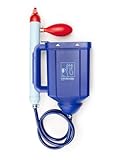
When water becomes unreliable or unsafe, systems like this are designed to handle larger volumes without relying on power or pressure.
When the System Loses Control
At this stage, most water systems are no longer operating under normal conditions.
Pressure has dropped across large areas. Pump stations are offline or inconsistent. Treatment facilities are no longer functioning at full capacity—if they’re functioning at all.
What remains is a system that’s still moving water in some places…
…but without the safeguards that make it safe.
Why Contamination Risk Increases
Water systems depend on pressure to keep contaminants out.
When pressure is stable, water flows in one direction—from the source to the user.
When pressure drops or fluctuates, that control breaks.
And when it breaks:
- Outside contaminants can enter through cracks or weak points
- Backflow can pull in unsafe water from surrounding areas
- Treatment processes may no longer be effective or consistent
This stage marks the transition from simple inconvenience into a genuine health and safety risk.
At this stage, even water that remains available may no longer be safe to use without proper treatment or purification.
At that point, understanding your options becomes critical—especially when it comes to choosing the right method, which is why breaking down the different approaches in Top 10 Water Purification Methods Reviewed can make a major difference when safe water isn’t guaranteed.
Water outages quickly create sanitation problems once toilets, sinks, showers, and waste systems stop functioning normally during prolonged emergencies, making an Emergency Toilet and Sanitation Setup critical for long-term preparedness.
When Water Looks Fine—but Isn’t
One of the most dangerous parts of this phase is how normal things can appear.
Water may run clear.
It may not have a strong smell.
It may look exactly the way it always has.
Even water that appears visually normal may no longer be safe once treatment consistency and pressure control begin failing.
Without proper pressure and treatment, harmful bacteria and contaminants can be present without any visible signs.
Because the water often appears visually normal, many people continue trusting the system long after treatment reliability has already started failing.
The Problem With Waiting for Warnings
In normal situations, contamination issues come with alerts.
Boil advisories. Public warnings. Official guidance.
But during a large-scale disruption, those systems don’t always function the way they should.
Communication can be delayed.
Information can be incomplete.
Or it may not reach everyone.
That means people relying on official confirmation may be acting too late.
Boil Advisories in a Grid-Down Scenario
Under normal conditions, a boil advisory is straightforward:
Boil water long enough, and it becomes safe.
But during a grid-down event, even that becomes complicated.
Because boiling water requires:
- A reliable heat source
- Fuel
- Time
- Consistency
And in a situation where power is out and resources are limited, those requirements aren’t always easy to meet.
That’s what makes this phase more dangerous than it seems.
Even when purification methods are available, many households may lack the fuel, equipment, or preparation required to use them consistently during a prolonged outage.
The Growing Gap Between Perception and Reality
By now, people are aware there’s a problem.
But many still underestimate it.
They may believe:
- The system will recover soon
- Any issues are temporary
- Water is still usable if it looks normal
The growing gap between actual infrastructure conditions and public perception is what leads many people to make dangerous decisions during prolonged outages.
Because this is no longer a stage where small errors are manageable.
Daily Life Starts Breaking Down
Without reliable water, normal routines begin to collapse.
Basic tasks become difficult or impossible:
- Cooking
- Cleaning
- Personal hygiene
- Flushing toilets
Once reliable water disappears, the effects spread rapidly through every part of daily life almost immediately.
Connection to Long-Term Water Strategy
This is where early preparation connects directly to long-term stability.
As outlined in Long-Term Water Storage | Complete Prepper Guide for Emergencies 2025, having a dedicated supply isn’t just about convenience—it’s about avoiding this exact scenario.
Because once systems reach this stage, there’s no reliable way to depend on them.
What matters is what was secured before the failure—not after.
Infrastructure Breakdown in Real Time
This phase reflects a broader pattern seen across failing systems.
As described in Grid-Down Survival Power: The Off-Grid Energy Playbook, once energy supply becomes unstable, the systems built on top of it begin to fail in sequence.
Water is often one of the earliest major systems affected during infrastructure collapse, but it is rarely the last.
The longer instability continues, the more systems follow.
And each one increases pressure on the resources that remain.
Where Things Stand at 48 Hours
By the end of the second day:
- Water is unavailable in many areas
- Any remaining supply is unreliable
- Contamination risk is significantly higher
- Daily routines have been disrupted
By the end of the second day, the disruption has evolved beyond inconvenience into a serious resource crisis affecting daily survival and sanitation directly.
What Comes Next
The next phase is where conditions settle into something more serious.
Not temporary disruption.
Not short-term inconvenience.
👉 A sustained lack of safe, reliable water.
And that’s where long-term survival decisions begin to matter.
Hour 48–72: No Water, No Resupply & Long-Term Reality
By the third day, the situation stabilizes into a prolonged infrastructure failure rather than a temporary disruption.
And what it settles into is a new reality:
👉 There is no reliable water coming back anytime soon.
When the System Doesn’t Recover
In the early stages, there’s uncertainty.
By now, that uncertainty is gone.
Water isn’t returning in most areas. Pressure isn’t stabilizing. The brief moments of flow some homes experienced earlier have disappeared completely.
What remains is a system that has fully broken down.
At this stage, the system is no longer experiencing a temporary disruption but a functional infrastructure failure.
The End of Short-Term Thinking
The first 48 hours allowed for hesitation.
This stage doesn’t.
At this point, it’s clear the situation isn’t resolving quickly. Stores are no longer an option. Public systems aren’t stabilizing. Outside help hasn’t restored infrastructure.
By the third day, most people finally realize the situation is no longer a short-term disruption but a sustained infrastructure failure with no immediate recovery in sight.
Daily Life Without Water
By the third day, the absence of water affects everything.
Not gradually—but completely.
Basic functions become ongoing problems:
- Drinking water must be accounted for constantly
- Cooking is limited or altered
- Sanitation becomes difficult to maintain
- Waste management becomes a concern
What used to be routine now requires effort, planning, and adjustment.
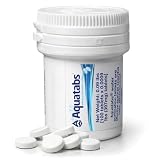
When options start running out, simple backup purification becomes the last line between usable water and risk.
At this point, securing safe water becomes one of the central priorities shaping nearly every daily decision.
The Reality Most People Weren’t Ready For
This is where the gap between expectation and reality becomes obvious.
Most people prepare—if they prepare at all—for short-term inconvenience.
A day without power.
A temporary disruption.
But very few are prepared for multiple days without safe, running water.
And by the time that realization sets in, the opportunity to prepare has already passed.
Where Preparation Makes the Difference
This stage is where prior planning shows its value.
As outlined in Long-Term Water Storage | Complete Prepper Guide for Emergencies 2025, having a dedicated supply isn’t about convenience—it’s about removing dependence on unstable systems.
Because once infrastructure reaches this point, it’s no longer something that can be relied on in the short term.
The same applies to system-wide failure tied to power.
As explained in Grid-Down Survival Power: The Off-Grid Energy Playbook, once critical infrastructure loses stability, recovery isn’t immediate. It requires time, coordination, and resources that may not be available right away.
Water systems are no exception.
The 72-Hour Mark
At 72 hours, the situation has fully transitioned.
- Water systems are offline or unreliable
- Contamination risks remain high
- Public resources are limited or unavailable
- Normal routines have been replaced with workarounds
What initially appeared to be a manageable disruption has now evolved into a sustained infrastructure failure affecting daily survival directly.
And at this point, survival isn’t about reacting.
It’s about what was already in place.
The Bigger Picture
Water failure rarely occurs as an isolated problem because it is usually part of a much larger breakdown affecting power, communication, transportation, and supply-chain systems simultaneously.
Power, communication, supply chains—each system depends on the others. When one fails, the strain spreads.
Water systems are often among the first major services affected during large-scale outages, while also remaining one of the most critical for long-term survival.
Because once it’s gone or unsafe, everything else becomes harder.
Recommended Gear: See our complete Emergency Water Storage & Filtration Gear List for recommended containers, filters, purification tools, and backup water systems.
Final Takeaway
The most important part of this timeline isn’t the moment water stops.
It’s everything that happens before it.
The early warning signs, gradual pressure loss, and limited preparation window are what ultimately determine whether people stay ahead of the situation or fall behind it.
That’s where outcomes are decided.
Because once the system fully breaks down, there are no easy solutions left.
Only whatever was prepared ahead of time.
Bringing It All Together
Understanding how water fails over the first 72 hours isn’t just about awareness—it’s about context.
It connects directly to:
The system-wide failures outlined in First 72 Hours After a Disaster: What Actually Happens (And How to Survive)
The infrastructure dependence explained in Grid-Down Survival Power: The Off-Grid Energy Playbook
The long-term planning covered in Long-Term Water Storage | Complete Prepper Guide for Emergencies 2025
Each piece builds on the other.
Without understanding how these systems connect together, it becomes easy to underestimate how quickly conditions can deteriorate during a prolonged outage.
Most people don’t realize how fast water becomes a problem until it already is.
The difference isn’t luck—it’s preparation before the first 24 hours pass.
This is exactly how fast things shift during a blackout—and most people don’t see it coming until it’s already happening.
The biggest advantage during a prolonged water outage is not reacting faster after the system fails—it’s preparing before the warning signs ever begin.
Download the 2-Week Blackout Survival Checklist and build your plan before systems start failing.
What This Means Going Forward
Once water becomes unavailable or unsafe, the situation doesn’t improve on its own.
Restoring large-scale water infrastructure requires significant time, coordination, manpower, fuel, and operational resources that may not be immediately available during a widespread emergency.
Until then, the conditions remain.
And for those unprepared, they get harder with each passing day.