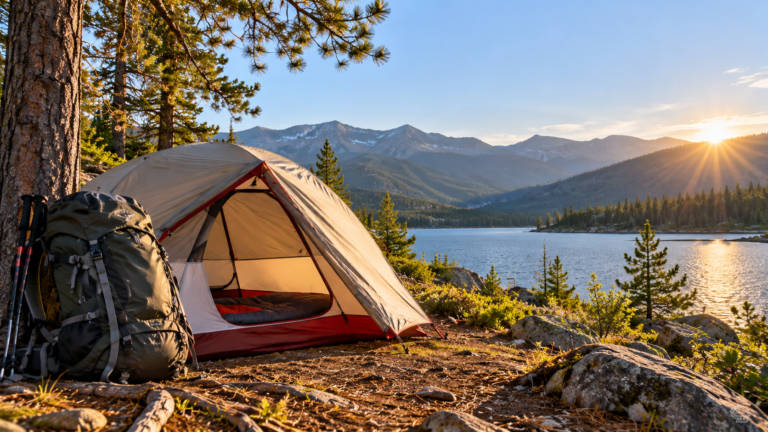

Best Tent Accessories for Camping: 6 Comfort Upgrades
The right tent accessories for camping can turn an ordinary campsite into a more comfortable, organized, and practical place to spend several days outdoors. You don’t need an expensive luxury tent or a trailer full of equipment to improve your camping experience. A few carefully selected accessories can make a noticeable difference.
This post contains affiliate links. I may earn a small commission at no extra cost to you. Learn more.
Whether you’re planning a weekend at a developed campground, taking the family on a summer camping trip, or preparing for an extended stay outdoors, comfort often comes down to solving a handful of everyday problems.
Where will everyone change clothes? How will you manage bathroom trips after dark? What happens when the tent gets too hot? Where can you sit comfortably without crowding the sleeping area?
Those are the kinds of problems that practical camping accessories can solve.
In this guide, we’ll look at six useful upgrades: privacy tents, portable toilets, camp showers, folding furniture, battery-powered fans, and mosquito-net hammocks. We’ll also explain what to look for before buying, how to arrange your campsite, and which accessories deserve priority when space or money is limited.
Quick Answer: What Are the Best Tent Accessories for Camping?
The most useful tent accessories for camping are a portable privacy tent, a sanitary camping toilet, a portable shower, comfortable folding furniture, a battery-powered fan, and a mosquito-net hammock. For most campers, the best purchases are the accessories that solve an actual problem at their campsite rather than simply adding more equipment to pack.
Key Takeaways
- Start with accessories that improve hygiene, sleep, ventilation, and everyday convenience.
- A privacy tent can serve as a changing area, shower enclosure, or toilet shelter when used appropriately.
- Portable toilets require proper waste containment and disposal.
- Camp showers need suitable drainage and careful water-temperature management.
- Battery-powered fans improve airflow but cannot make dangerously hot conditions safe.
- Hammocks require properly rated suspension equipment and adequate insulation in cool weather.
- Never use a regular propane heater, charcoal burner, or camp stove inside a sleeping tent.
1. Portable Changing Room: Add Privacy to Your Campsite
A portable changing room is one of the most practical upgrades for family camping, crowded campgrounds, and longer outdoor stays.
Most camping tents are designed primarily for sleeping and storing personal belongings. Even a relatively large tent may not provide enough headroom to stand comfortably while changing clothes.
A separate privacy enclosure gives campers a designated place to change, wash up, or use a portable toilet without turning the main sleeping tent into a multipurpose bathroom.
Why a Privacy Tent Is Useful
A portable changing tent can provide:
- A private place to change clothing.
- A separate enclosure for a portable camping toilet.
- Additional privacy when using a camp shower.
- A temporary space for storing suitable hygiene supplies.
- Better organization when several people share one sleeping tent.
This can be particularly useful when camping with children or staying at a campground where restroom facilities are a considerable distance away.
What to Look for in a Portable Changing Room
Height and floor space: Choose an enclosure tall enough for the intended users to stand comfortably. Check the interior dimensions rather than relying on product photographs.
Ventilation: Look for mesh panels or ventilation openings. Privacy enclosures can become hot and humid in direct sunlight.
Stability: A lightweight pop-up tent should have dependable stakes, guylines, or another appropriate anchoring system.
Floor design: A removable or open floor can be helpful for shower use, while a more enclosed floor may be preferable for changing clothes.
Privacy: Check whether the fabric is sufficiently opaque, particularly when backlit by sunlight or interior lighting.
Recommended Privacy Tent
The KingCamp shower tent is an example of the type of portable privacy enclosure worth considering for a campground setup. Compare its current dimensions, ventilation, and anchoring features with your needs.

Camping tip: Position your privacy enclosure on level ground and secure it properly. Keep it far enough from cooking equipment and open flames to prevent fire hazards.
2. Portable Camping Toilet: Make Bathroom Trips Easier
A portable toilet can make a substantial difference during family camping trips, especially when campground restrooms are distant, crowded, or unavailable.
It can also be useful during nighttime bathroom trips, severe weather, or temporary disruptions to household plumbing.
However, convenience should never come at the expense of sanitation. A camping toilet needs an appropriate waste-management system and a dependable disposal plan.
Types of Portable Camping Toilets
Bucket-style toilets: These typically use a sturdy bucket and toilet seat, often with suitable waste bags or liners. They are relatively simple and easy to transport.
Flushable portable toilets: These use separate freshwater and waste tanks. They can be more comfortable but require additional cleaning and maintenance.
Collapsible camping toilets: These are compact options for campers with limited storage space. Their stability, weight rating, and waste-containment requirements vary.
Features Worth Considering
- A stable seat and suitable weight capacity.
- A waste-containment system compatible with the toilet.
- Materials that are easy to clean.
- A secure lid or closure.
- Convenient transport and storage.
- Compatibility with campground disposal requirements.
Recommended Portable Toilet
The Reliance Luggable Loo is an example of a straightforward bucket-style camping toilet. Its usefulness depends on having suitable liners or another approved waste-containment method.

How to Manage Toilet Waste Safely
Always follow campground rules and local waste-disposal requirements.
Do not assume that bagged toilet waste can be placed in any public trash receptacle. Some campgrounds provide designated facilities or require particular waste bags.
Keep toilet supplies separate from food preparation and drinking water. Wash hands with soap and safe water after toilet use and before handling food.
Odor-control products may help with comfort, but they do not eliminate the need for proper waste containment, cleaning, and disposal.
Camping tip: If you use a privacy tent as a toilet enclosure, keep the area organized and provide handwashing supplies nearby.
3. Portable Camp Shower: Stay Clean Without Campground Facilities
A portable shower is another useful tent accessory for camping, particularly during longer trips or stays at primitive campsites.
Being able to wash off sweat, dirt, sunscreen, and dust can improve comfort and help maintain basic hygiene.
Portable camp showers range from simple gravity-fed bags to rechargeable pump systems that draw water from a separate container.
Common Types of Camping Showers
Solar shower bags: These hold water in a flexible bag that absorbs heat from sunlight. Water temperature depends on sunlight, outdoor conditions, and how long the bag has been exposed.
Gravity-fed showers: These use an elevated water container to create flow through a hose and showerhead.
Rechargeable pump showers: These use a battery-powered pump to move water from a bucket or other suitable container.
Pressurized showers: These use manual or other approved pressurization methods to deliver water without suspending a heavy bag overhead.
Choosing the Right Camp Shower
Consider water capacity, flow rate, packed size, setup requirements, and how easily the system can be cleaned.
For family camping, water capacity matters because even short showers can use a considerable amount of water.
A low-flow showerhead and a simple on-off control can help conserve supplies.
Recommended Camp Shower
The KingCamp solar shower bag is an example of a portable gravity-fed shower. Check the current product specifications, including capacity and hanging requirements, when comparing models.

Camp Shower Safety and Water Management
- Test the water temperature before showering to avoid burns.
- Use a secure support rated for the weight of a full shower bag.
- Keep electrical devices and charging equipment away from shower water.
- Use a stable, nonslip standing surface when possible.
- Follow campground restrictions on showering and wastewater disposal.
- Keep soaps and wastewater out of streams, lakes, and other natural water sources.
Even biodegradable soap should not be used directly in natural waterways. Follow the applicable land-management rules for collecting and disposing of wastewater.
Camping tip: A privacy tent and portable shower can work well together, but make sure the enclosure has suitable drainage and ventilation.
4. Folding Chairs and Camp Furniture: Create an Outdoor Living Area
Comfortable seating is easy to overlook when packing camping equipment, but it can make a noticeable difference after a long day of hiking, fishing, or setting up camp.
Rather than spending every evening sitting on the ground or retreating to the sleeping tent, create a small outdoor living area with folding chairs and a compact table.
This arrangement can make meals, family activities, and equipment organization easier.
Useful Types of Camping Furniture
- Folding camp chairs: Provide comfortable seating without taking up permanent campsite space.
- Chairs with side tables: Offer a convenient place for drinks, books, or small personal items.
- Compact folding tables: Provide a stable surface for meals and ordinary camp activities.
- Storage organizers: Help keep flashlights, batteries, utensils, and other supplies accessible.
- Ground mats: Create a cleaner surface near tent entrances or seating areas.
What Makes a Good Camping Chair?
Check the weight capacity, packed dimensions, seat height, frame materials, and stability on uneven ground.
A lightweight backpacking chair may be appropriate for hiking trips, while a larger chair with a side table can be more comfortable for vehicle camping.
Recommended Camping Chair
A Coleman camp chair with a side table is an example of a practical seating option for campers who prioritize comfort and convenience.


Where to Place Your Camp Furniture
Position chairs and tables on reasonably level ground, away from vehicle movement and obvious trip hazards.
If your tent has a screened porch or vestibule, check the manufacturer’s instructions before placing furniture inside it.
Never place a campfire, charcoal grill, propane stove, or other fuel-burning appliance inside a tent, screened enclosure, or enclosed vestibule.
Camping tip: Keep the sleeping area separate from the main cooking and social areas. This reduces clutter and makes nighttime movement easier.
5. Battery-Powered Camping Fan: Improve Tent Airflow
Warm, humid nights can make tent camping uncomfortable, especially when several people are sleeping in a relatively small enclosure.
A battery-powered fan can improve air circulation and help reduce the feeling of stagnant air.
Fans are particularly useful during summer camping, but they have limitations. Moving air does not necessarily make dangerously high temperatures safe.
Benefits of a Portable Camping Fan
- Improves air movement inside a properly ventilated tent.
- Provides personal cooling in warm conditions.
- Can help reduce stagnant, humid air.
- Operates without campground electrical hookups when adequately charged.
- May provide useful airflow in a screened camping area.
Features to Look For
Battery runtime: Compare operating times at different fan speeds rather than relying on the longest advertised figure.
Rechargeability: USB-rechargeable models can be convenient when you already carry a compatible power bank or portable power station.
Mounting options: Some fans can stand on a table, clip to a suitable support, or hang from an attachment point.
Noise: A quieter fan is often preferable for overnight use.
Size: Larger fans may move more air but take up more packing space.
Recommended Portable Camping Fan
Consider a compact camping fan that suits your tent size and available power supply. Check the current listing for its battery type, mounting method, and operating time.

How to Keep a Tent Cooler
A fan works best as part of a broader summer camping strategy.
- Choose a shaded campsite when practical.
- Open appropriate mesh panels and vents.
- Use the tent’s rainfly configuration according to the manufacturer’s instructions.
- Avoid unnecessary heat-producing equipment inside the tent.
- Wear suitable lightweight clothing.
- Maintain adequate hydration.
- Relocate to a cooler environment when heat conditions become unsafe.
For more strategies, read our How to Sleep Cool in a Tent guide.
Important Tent Heating Safety Warning
Never use a regular propane heater, charcoal burner, camp stove, or other fuel-burning appliance inside a sleeping tent. These devices can create fire and carbon monoxide hazards, even when some ventilation is present.
For cold-weather camping, use a properly rated sleeping bag, insulated sleeping pad, suitable clothing, and weather-appropriate shelter. Follow the equipment manufacturer’s safety instructions.
Camping tip: Position your fan where it can move air without blocking an exit or creating a tripping hazard from cords or hanging equipment.
6. Mosquito-Net Hammock: Add a Comfortable Outdoor Resting Area
A hammock with mosquito netting can create a comfortable place to relax, read, or rest away from the main sleeping tent.
For campers who enjoy spending time outdoors without sitting directly on the ground, a hammock can be an appealing addition.
Integrated mosquito netting may also reduce contact with mosquitoes and other flying insects when the enclosure is properly closed.
Why Consider a Camping Hammock?
- Provides a separate place to relax.
- Can be compact and relatively easy to transport.
- Offers an alternative seating or resting area.
- May provide insect protection when properly enclosed.
- Can be useful for certain overnight camping setups with appropriate insulation.
Choosing a Hammock With Mosquito Netting
Weight rating: Make sure the hammock and suspension system are rated for the intended occupants.
Suspension equipment: Use suitable straps and hardware rather than improvised attachment methods.
Netting: Look for adequate coverage and a dependable closure.
Dimensions: Choose a hammock with enough usable length and width for comfortable positioning.
Weather protection: A mosquito net does not replace a rain tarp or weather-resistant shelter.
Recommended Mosquito-Net Hammock
A double hammock with mosquito netting may be worth considering if you want a separate lounging area at your campsite.
View the Double Hammock With Mosquito Net on Amazon.
Hammock Safety
Hang your hammock only from healthy, stable supports where hammock use is permitted.
Follow the manufacturer’s instructions for suspension height, attachment methods, and weight capacity.
Keep the hammock reasonably low to the ground and inspect straps, stitching, and attachment points before use.
Use tree-friendly straps when attaching a hammock to trees, and follow campground or park restrictions.
Don’t Forget Insulation
Air circulating beneath a hammock can increase heat loss in cool conditions.
Even when the air temperature seems mild, an appropriate underquilt or insulated sleeping pad may be necessary for comfortable overnight use.
A mosquito-net hammock is not automatically a complete overnight shelter. Rain protection, insulation, and appropriate weather planning remain important.
Camping tip: Treat the hammock as an optional comfort upgrade until you have a dependable sleeping system and suitable weather protection.
How to Choose the Best Tent Accessories for Your Camping Style
Not every camper needs all six accessories.
The right combination depends on your camping style, available storage space, budget, and the facilities at your destination.
Family Camping
Families may benefit most from a privacy tent, portable toilet, comfortable chairs, and a fan for warm-weather trips.
These accessories can make everyday routines easier, particularly when traveling with younger children.
Primitive Camping
At campsites without running water or restroom facilities, sanitation and water management deserve particular attention.
A suitable toilet system and portable shower may be useful, but campers must follow applicable waste-disposal and land-use rules.
Summer Camping
Prioritize ventilation, shade, insect protection, and adequate drinking water.
A battery-powered fan and mosquito-net hammock can improve comfort, provided temperatures remain safe for outdoor sleeping.
Cold-Weather Camping
Comfort accessories are less important than a weather-appropriate sleeping bag, insulated sleeping pad, suitable clothing, and dependable shelter.
Do not substitute an ordinary portable heater for an adequate cold-weather sleep system.
Vehicle Camping vs. Backpacking
Vehicle campers can usually carry larger chairs, privacy shelters, and water containers.
Backpackers generally need to prioritize weight, packed size, and multipurpose equipment.
A useful accessory for a drive-in campground may be impractical for a long-distance hiking trip.
Camping Accessory Comparison: Which Should You Buy First?
For most beginners, prioritize a dependable tent, sleeping equipment, lighting, and basic safety supplies. Once those essentials are covered, choose comfort accessories based on your campsite’s facilities, expected weather, and the needs of everyone traveling with you.
| Camping Accessory | Main Benefit | Best For |
|---|---|---|
| Portable Changing Room | Privacy and organization | Families and longer trips |
| Portable Toilet | Convenient sanitation | Primitive camping and nighttime use |
| Portable Shower | Personal hygiene | Extended camping trips |
| Folding Furniture | Comfortable seating and dining | Vehicle camping |
| Battery-Powered Fan | Improved airflow | Warm-weather camping |
| Mosquito-Net Hammock | Relaxation and insect protection | Leisure camping |
How to Organize a Comfortable Campsite
Buying accessories is only part of creating a functional campsite. Where you place them matters just as much.
Keep the Sleeping Area Clear
Use the main tent primarily for sleeping, clothing, and appropriate personal supplies.
Keep exits accessible and avoid filling the floor with unnecessary equipment.
Separate Hygiene and Food Preparation
Keep toilets, wastewater, and dirty cleaning equipment away from food preparation and drinking water.
Use a designated handwashing station and store hygiene supplies in suitable containers.
Establish a Cooking Area
Set up cooking equipment outdoors in a location permitted by the campground and consistent with the equipment manufacturer’s instructions.
Keep fuel-burning equipment away from tents and enclosed shelters.
Provide Safe Nighttime Lighting
Use suitable battery-powered lights to illuminate paths, tent entrances, and sanitation areas.
Avoid candles and open flames inside tents.
Secure Loose Equipment
Wind can overturn lightweight furniture, privacy tents, and unsecured accessories.
Stake or secure equipment as appropriate, and pack away items when severe weather is expected.
Common Mistakes When Buying Tent Accessories
Buying More Than You Can Carry
Large accessories can quickly overwhelm a small vehicle or campsite.
Check packed dimensions and consider whether each item solves a real problem.
Ignoring Campsite Rules
Some campgrounds restrict portable showers, wastewater disposal, hammock attachment, and certain shelter configurations.
Review the rules before arriving.
Overlooking Setup Requirements
Some accessories need stable supports, level ground, additional stakes, water containers, or a charging source.
Practice setting them up at home before your trip.
Assuming Products Are Weatherproof
Water-resistant fabric, waterproof construction, and storm-rated performance are different characteristics.
Check the manufacturer’s specifications rather than assuming a product can withstand heavy rain or wind.
Our Waterproof Tent Buying Guide explains what to consider when evaluating tent weather protection.
Neglecting Maintenance
Dry tents, shower enclosures, and hammocks thoroughly before storage.
Clean toilets and water containers according to their instructions, and inspect fans and other battery-powered equipment for damage.
Frequently Asked Questions About Tent Accessories for Camping
What tent accessories are most useful for beginners?
Beginners should first prioritize reliable shelter, sleeping equipment, lighting, and basic safety supplies. Among comfort accessories, folding chairs, a privacy tent, and a battery-powered fan can be useful depending on the campsite and weather.
Are portable camping toilets worth buying?
A portable toilet can be worthwhile when restroom facilities are unavailable or inconvenient. The main consideration is having a safe, legal method for containing and disposing of waste.
Can you use a portable shower inside a privacy tent?
Yes, if the privacy enclosure is designed for shower use and has appropriate ventilation, drainage, and stability. Follow the manufacturer’s instructions and local wastewater-disposal rules.
Do battery-powered fans actually cool a tent?
Fans move air and may improve personal comfort, but they do not necessarily reduce the air temperature. During extreme heat, a fan alone may not prevent heat-related illness.
Is it safe to use a propane heater inside a tent?
Regular propane heaters should not be used inside sleeping tents because of fire and carbon monoxide risks. Use properly rated sleeping equipment and suitable insulation for cold-weather camping.
Can you sleep overnight in a mosquito-net hammock?
Yes, when the hammock and suspension system are appropriate for overnight use and weather conditions. You may also need an underquilt or sleeping pad, rain protection, and suitable sleeping insulation.
How do you keep camping accessories organized?
Separate equipment into sleeping, cooking, hygiene, lighting, and relaxation categories. Use labeled storage containers, keep frequently needed supplies accessible, and maintain clear walking paths around the campsite.
Are expensive tent accessories always better?
No. Practical features, durability, compatibility, and ease of use matter more than price alone. A simple accessory that solves a recurring problem may be more valuable than a complicated product with features you rarely use.
Final Thoughts: Make Your Campsite More Comfortable Without Overpacking
The best tent accessories for camping are the ones that improve your experience without making your campsite unnecessarily complicated.
A portable changing room adds privacy. A camping toilet makes sanitation more convenient. A portable shower helps with hygiene. Folding furniture creates a comfortable place to relax. A battery-powered fan improves airflow, and a mosquito-net hammock provides another way to enjoy the outdoors.
You don’t need every accessory on this list to have a successful trip.
Start with the essentials, identify the problems you encounter most often, and add equipment that makes your campsite safer, cleaner, and easier to manage.
With a thoughtful setup and a little preparation, even a basic tent can become a comfortable home base for your next outdoor adventure.