
8 Best Lightweight 2-Person Tents for Summer Backpacking
Finding the best lightweight 2 person tent for summer backpacking means balancing trail weight, interior comfort, ventilation, weather protection, and price. A tent that feels spacious at a campground might be too heavy for a multi-day hike, while an ultralight shelter can feel cramped when two people and their gear are inside.
This post contains affiliate links. I may earn a small commission at no extra cost to you. Learn more.
Summer camping brings its own challenges. Warm nights demand good airflow, mosquitoes make reliable mesh protection essential, and afternoon thunderstorms can turn a pleasant trip into a wet night if your shelter is poorly pitched.
In this guide, we compare eight two-person tents, including premium ultralight backpacking shelters and affordable options for weekend trips. We’ll explain the strengths and limitations of each model, what to look for before buying, and how to choose the right tent for your camping style.
Affiliate Disclosure: As an Amazon Associate, I earn from qualifying purchases at no additional cost to you.
Quick Picks: Best Lightweight 2-Person Tents
- Best all-around backpacking tent: MSR Hubba Hubba LT 2
- Best premium freestanding tent: Big Agnes Copper Spur UL2
- Best for minimizing pack weight: NEMO Hornet Elite OSMO 2P
- Best lightweight alternative: Big Agnes Tiger Wall UL2
- Best budget backpacking option: Naturehike Cloud Up 2
- Best durability-focused budget option: OneTigris Cosmitto 2P
- Best beginner-friendly setup: Kelty Late Start 2
- Best spacious budget option: Clostnature Polaris 2
Buying tip: Compare packed weight, not just minimum trail weight. Packed weight gives a more realistic indication of what you’ll carry when poles, stakes, and other necessary components are included.
Best Lightweight 2 Person Tent Comparison
The first four tents emphasize backpacking performance and lower weight. The final four prioritize affordability, simpler construction, or additional durability.
| Tent | Category | Setup | Best For |
|---|---|---|---|
| MSR Hubba Hubba LT 2 | Premium lightweight | Freestanding | Versatile backpacking |
| Big Agnes Copper Spur UL2 | Premium ultralight | Freestanding | Comfort with low weight |
| NEMO Hornet Elite OSMO 2P | Minimalist ultralight | Semi-freestanding | Weight-conscious hikers |
| Big Agnes Tiger Wall UL2 | Premium lightweight | Semi-freestanding | Best lightweight alternative |
| Naturehike Cloud Up 2 | Budget lightweight | Version-dependent | Affordable backpacking |
| OneTigris Cosmitto 2P | Budget, heavier | Freestanding | Durability over weight |
| Kelty Late Start 2 | Budget, heavier | Freestanding | First-time backpackers |
| Clostnature Polaris 2 | Budget, heavier | Freestanding | Roomy weekend camping |
Specification note: Tent weights, fabrics, pole configurations, and dimensions can change between model years and product variants. Confirm the specifications of the exact tent offered by the retailer before purchasing.
Premium Lightweight 2-Person Tents
Premium backpacking tents generally use lighter fabrics, specialized poles, and carefully designed floor plans to reduce carrying weight without eliminating essential shelter features.
These models are especially worth considering for multi-day backpacking trips, longer hikes, and situations where every pound matters.
1. MSR Hubba Hubba LT 2 — Best All-Around Backpacking Tent
Best for: Backpackers who want a comfortable, lightweight two-person shelter with a convenient freestanding design.
The MSR Hubba Hubba LT 2 is a strong choice for backpackers who want to balance carrying weight, interior comfort, and practical weather protection. Designed for three-season backpacking, it offers a more comfort-oriented alternative to extremely minimalist ultralight shelters.
Its freestanding pole structure simplifies initial setup, while the two-person layout makes it suitable for weekend trips and longer backpacking adventures. Like any backpacking tent, it should still be properly anchored and tensioned when weather conditions require it.
For summer camping, ventilation is particularly important. The Hubba Hubba LT 2 is designed to provide airflow while maintaining protection from insects and changing weather conditions.
Why We Recommend It
The Hubba Hubba LT 2 earns our best all-around recommendation because it prioritizes the features many backpackers need most: manageable weight, practical living space, and a straightforward setup.
Pros
- Freestanding design makes initial setup convenient.
- Designed for lightweight three-season backpacking.
- Comfort-oriented interior for overnight and multi-day trips.
- Good option for backpackers who prefer a traditional pole-supported shelter.
Cons
- More expensive than entry-level backpacking tents.
- Not the lightest choice for minimalist ultralight hikers.
- Still requires proper staking and weather-conscious campsite selection.
Our Verdict: The MSR Hubba Hubba LT 2 is an excellent option to consider if you want a versatile backpacking tent that emphasizes comfort and convenience without moving into the heavier budget category.
Check the MSR Hubba Hubba LT 2 on Amazon

2. Big Agnes Copper Spur UL2 — Best Premium Freestanding Tent
Best for: Hikers who want low weight without giving up the convenience of a freestanding shelter.
The Big Agnes Copper Spur UL2 is designed around a useful combination of backpacking weight, interior organization, and livability.
Its tapered floor and carefully shaped pole structure help control weight while providing usable space around the head and shoulders. Two doors and vestibules make the tent more convenient when shared by two people.
The Copper Spur is particularly appealing for backpackers who spend multiple nights on the trail and want a shelter that is easier to live in than a very compact ultralight design.
However, its lightweight materials deserve careful handling. Clearing sharp objects from the campsite and using a compatible footprint when appropriate can help protect the floor.
Advantages
- Low weight for a freestanding two-person design.
- Two doors and vestibules improve convenience.
- Useful interior pockets and organization features.
- Well suited to longer backpacking trips.
Limitations
- Premium purchase price.
- Tapered floor can feel narrow with two wide sleeping pads.
- Lightweight fabrics require careful campsite selection.
Bottom line: An appealing option for backpackers who want to reduce weight while retaining the comfort of a conventional tent.
3. NEMO Hornet Elite OSMO 2P — Best Minimalist Ultralight Tent
Best for: Experienced backpackers who prioritize low pack weight over extra interior room.
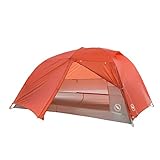
The NEMO Hornet Elite OSMO 2P targets hikers who want a very light double-wall shelter without relying on a traditional heavy pole structure.
Its semi-freestanding architecture helps reduce weight, but it also makes proper staking more important. The tent should be pitched carefully so the floor, fly, and vestibules achieve their intended shape.
Mesh panels promote airflow, while the separate rainfly helps manage condensation and weather exposure. For summer backpacking, that separation can be useful when warm, humid conditions produce moisture inside the shelter.
The tradeoff is interior space. Two adults using wide sleeping pads may find the tent more restrictive than roomier models.
Advantages
- Extremely weight-conscious design.
- Double-wall construction.
- Compact packing for long-distance trips.
- Good choice for minimalist backpackers.
Limitations
- Less interior room than comfort-oriented tents.
- Requires careful staking for a proper pitch.
- Premium pricing.
Bottom line: Best suited to hikers who understand the comfort tradeoffs of ultralight gear and want to carry as little shelter weight as practical.
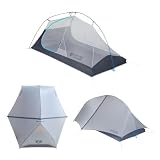
4. Big Agnes Tiger Wall UL2 — Best Lightweight Alternative
Best for: Weight-conscious backpackers who want a compact two-person shelter with convenient access.
The Big Agnes Tiger Wall UL2 is designed for backpackers who want to reduce shelter weight without switching to a trekking-pole tent. It combines lightweight materials with a semi-freestanding structure, making it an appealing option for multi-day hikes and summer backpacking adventures.
Unlike a fully freestanding tent, the Tiger Wall relies on proper staking to achieve its intended floor shape and interior space. That design helps reduce weight, but it also means campsite selection and careful pitching are important.
Its dual-door arrangement is especially useful for two campers. Each person can access the tent without climbing over the other, making nighttime exits and morning routines more convenient.
For warm-weather trips, the mesh inner and separate rainfly help provide airflow while maintaining protection from insects and rain.
Why We Recommend It
The Tiger Wall UL2 offers a useful compromise between the convenience of a conventional backpacking tent and the weight savings of a more minimalist shelter.
Pros
- Lightweight design suitable for backpacking.
- Two doors improve access for two occupants.
- Compact shelter for multi-day hiking trips.
- Double-wall construction helps manage condensation.
Cons
- Semi-freestanding design requires careful staking.
- Less interior space than some comfort-oriented tents.
- Lightweight materials require careful handling.
- Premium price compared with budget tents.
Our Verdict: The Big Agnes Tiger Wall UL2 is a strong alternative for backpackers who prioritize low weight but still want a two-door, double-wall shelter for summer adventures.
Check the Big Agnes Tiger Wall UL2 on Amazon

Budget-Friendly 2-Person Tents for Summer
You don’t need a premium ultralight shelter for every camping trip. If your hikes are shorter, your trips are occasional, or your budget is limited, a heavier tent may provide the features you need at a more accessible price.
The following four tents are budget-oriented alternatives. Some are considerably heavier than premium backpacking shelters, so they are better described as affordable two-person camping and backpacking tents rather than true ultralight models.
Important distinction: A five-pound tent may be manageable on a short weekend hike, especially if two people split the components. For long-distance backpacking, carrying that weight every day can become a meaningful disadvantage.
5. Naturehike Cloud Up 2 — Best Budget Lightweight Tent
Best for: Beginners and budget-conscious backpackers who want to keep shelter weight reasonable.
The Naturehike Cloud Up 2 offers an accessible entry point into lightweight backpacking tents. Its streamlined shape, front entrance, and compact design appeal to hikers who want something easier to carry than a traditional large camping tent.
Naturehike sells multiple Cloud Up 2 versions with different fabrics and weights, so buyers should compare the exact listing rather than assuming every model has identical specifications.
The single front entrance is an important tradeoff. It helps simplify the design, but it can be less convenient than two side doors when two people share the tent.
For solo campers who want extra room, or couples who prioritize affordability over maximum comfort, the Cloud Up 2 is worth considering.
Advantages
- More affordable than premium backpacking shelters.
- Compact design for hiking and bikepacking.
- Good option for first-time lightweight tent buyers.
- Available in multiple material configurations.
Limitations
- Front entrance is less convenient for two occupants.
- Interior space can feel tight.
- Weights and materials vary significantly by version.
Bottom line: A sensible budget option, provided you verify the specific Cloud Up 2 model and its packed weight before ordering.

6. OneTigris Cosmitto 2P — Best Durability-Focused Budget Option
Best for: Campers who value sturdy construction and practical features more than minimum weight.
The OneTigris Cosmitto 2P is positioned toward the more durable end of the affordable backpacking tent market.
Its pole-supported structure and practical interior arrangement make it appealing for weekend camping, outdoor recreation, and shorter trips where carrying a heavier shelter is acceptable.
For summer use, the main considerations are airflow, rainfly coverage, and how effectively the tent can be ventilated without allowing rain inside.
While the Cosmitto may be manageable on shorter hikes, it is not directly comparable to a two- or three-pound premium ultralight shelter.
Advantages
- Durability-oriented construction.
- Practical choice for weekend camping.
- More affordable than premium ultralight tents.
- Useful option when minimum weight is not the main priority.
Limitations
- Heavier than many backpacking alternatives.
- Less attractive for long-distance hiking.
- Check the specific listing for included accessories and current dimensions.
Bottom line: Consider the Cosmitto when you want a reasonably priced two-person shelter and are comfortable carrying additional weight.

7. Kelty Late Start 2 — Best Beginner-Friendly Tent
Best for: First-time backpackers who want a straightforward shelter from an established outdoor brand.
The Kelty Late Start 2P emphasizes simple setup and practical three-season camping features.
Its Quick Corner pole system is designed to make pitching easier, while the full-coverage rainfly helps protect the interior from wet weather.
According to Kelty’s published specifications, the Late Start 2P has one door, one vestibule, a minimum weight of approximately 4 pounds 5 ounces, and a packaged weight of approximately 4 pounds 12 ounces.
That makes it heavier than premium ultralight shelters, but potentially suitable for weekend backpacking trips where affordability and setup simplicity matter more than minimizing every ounce.
The single-door layout is less convenient for two campers than a dual-door design, so consider how often you expect to share the tent.
Advantages
- Beginner-friendly setup.
- Freestanding pole structure.
- Full-coverage rainfly.
- Practical choice for recreational camping and short backpacking trips.
Limitations
- Heavier than premium backpacking tents.
- Only one door and vestibule.
- Less convenient for frequent long-distance trips.
Bottom line: A practical starter tent for campers who prioritize simple setup and recognizable brand support over ultralight performance.

8. Clostnature Polaris 2 — Best Spacious Budget Tent
Best for: Budget-conscious campers who want more usable room and are willing to accept additional weight.
The Clostnature Polaris 2 is aimed at buyers who want a conventional two-person shelter without the expense of premium backpacking equipment.
Its appeal is straightforward: a practical tent layout, room for basic sleeping equipment, and a purchase price generally positioned below high-end backpacking models.
For weekend camping, that can be a reasonable compromise. However, a heavier budget tent may become less appealing when carried over long distances or steep terrain.
Before purchasing, confirm the exact floor dimensions, number of doors, packed weight, and included components. Budget tent listings sometimes contain multiple sizes or configurations under similar product names.
Advantages
- Budget-oriented purchase option.
- Suitable for casual camping and shorter trips.
- Potentially useful for campers prioritizing interior space.
- Conventional tent setup.
Limitations
- Heavier than dedicated ultralight shelters.
- Less suitable for demanding long-distance backpacking.
- Exact dimensions and accessories require listing verification.
Bottom line: Worth considering when affordability and usable space matter more than keeping pack weight low.


How to Choose the Best Lightweight 2 Person Tent
Choosing the right tent involves more than finding the lowest listed weight. Consider the distance you’ll hike, how many people will share the shelter, expected weather, and how much comfort you want at camp.
1. Understand Packed Weight vs. Minimum Weight
Manufacturers commonly list more than one weight measurement.
- Minimum or trail weight: Usually includes essential tent components but may exclude stakes, bags, or accessories.
- Packed weight: Typically includes the packaged tent components supplied by the manufacturer.
- Actual carried weight: Depends on which stakes, footprint, repair supplies, and accessories you bring.
For realistic trip planning, compare packed weights using the same measurement standard whenever possible.
2. Decide How Much Interior Space You Need
Two-person capacity does not always mean two adults will sleep comfortably with wide sleeping pads and bulky equipment.
Check the floor’s width at both the head and foot. Some ultralight tents use tapered floors to save weight, which can limit space for two large sleeping pads.
If you regularly camp with another adult and want more room, a lightweight three-person tent may sometimes be a better fit.
3. Consider Freestanding vs. Semi-Freestanding Designs
Freestanding tents use a pole structure that supports the main tent body, making initial setup relatively straightforward.
Semi-freestanding tents rely more heavily on stakes or tension to achieve their full floor shape.
Both designs still need appropriate anchoring in windy conditions. Freestanding does not mean a tent can safely be left unstaked.
4. Prioritize Summer Ventilation
Warm, humid nights can cause condensation inside almost any tent.
Look for mesh panels, adjustable fly openings, adequate separation between the inner tent and rainfly, and a design that allows airflow while maintaining weather protection.
For additional advice, read our guide to sleeping cool in a tent during summer.
5. Check Rain Protection and Storm Setup
A good rainfly, sound seam construction, and proper campsite selection matter more than relying on a single waterproof-rating number.
Pitch your tent on suitable ground, tension the fly correctly, and avoid low spots where water may collect.
Never assume that a lightweight summer backpacking tent is appropriate for severe storms, exposed ridgelines, or winter conditions.
6. Think About Doors and Vestibules
Two doors are especially useful when sharing a tent. Each person can get out without disturbing the other.
Vestibules provide protected space for shoes and packs, reducing clutter inside the sleeping area.
For solo use, a single-door tent may be perfectly adequate and can help reduce weight.
7. Compare Value Over Several Seasons
Consider the tent’s expected frequency of use, replacement parts, warranty support, and fabric durability.
A premium tent may make sense for frequent backpackers, while a more affordable option can be entirely reasonable for occasional weekend trips.
Lightweight vs. Ultralight Tents: What’s the Difference?
The terms lightweight and ultralight are not governed by one universal industry definition.
For practical comparison, backpackers often think of two-person shelters in broad weight categories:
| Approximate Packed Weight | General Category | Typical Use |
|---|---|---|
| Under 3 lb | Ultralight | Weight-focused backpacking |
| 3–4 lb | Lightweight | General backpacking |
| 4–6 lb | Heavier backpacking or camping | Shorter trips and budget camping |
These categories are approximate rather than official standards. A heavier tent may still be the better purchase if it fits your budget and camping needs.
How to Keep a 2-Person Tent Comfortable in Summer
Even an excellent tent can feel uncomfortable when pitched in direct sunlight, exposed to humid conditions, or packed with too much gear.
Summer Tent Setup Checklist
- Choose a safe campsite with good drainage.
- Avoid dead branches and other overhead hazards.
- Use shade when available without camping in unsafe locations.
- Orient doors and vents to take advantage of airflow.
- Stake and tension the tent properly.
- Keep the inner tent separated from the rainfly where the design permits.
- Store wet gear outside the sleeping area when possible.
- Keep insect mesh doors closed when bugs are active.
- Dry the tent completely before long-term storage.
If you’re choosing between different shelter styles, our inflatable vs. regular tents comparison explains additional design tradeoffs.
Do You Need a Tent Footprint?
A footprint is a protective layer placed underneath a tent floor. It can help reduce abrasion from rough surfaces and make campsite cleanup easier.
However, a footprint adds weight, and not every camping trip requires one.
For ultralight tents with thin floors, additional protection may be worthwhile when camping on abrasive terrain. Always use a correctly sized footprint so it does not extend beyond the tent floor and collect rainwater underneath.
See our detailed tent footprint vs. tarp comparison for help choosing a ground-protection option.
Frequently Asked Questions
What is the best lightweight 2 person tent for backpacking?
For general backpacking, the MSR Hubba Hubba LT 2 and Big Agnes Copper Spur UL2 are strong options to compare. Hikers who prioritize minimum weight may prefer the NEMO Hornet Elite OSMO 2P, provided they are comfortable with its tighter interior and staking requirements.
What is the best affordable two-person backpacking tent?
The Naturehike Cloud Up 2 is worth considering because it offers a compact backpacking design at a lower price than many premium shelters. Be sure to check which Cloud Up version is being sold, since weights and materials vary.
Is a two-person tent big enough for two adults?
Sometimes, but it depends on the floor shape, sleeping pad widths, and how much gear you bring inside. Check the actual dimensions rather than relying only on the advertised capacity.
Are ultralight tents good in summer rain?
Many ultralight backpacking tents are designed for three-season conditions, including rain. Performance depends on the tent’s construction, proper setup, campsite exposure, and weather severity. No tent should be treated as a guarantee of safety in severe weather.
Is a freestanding tent better for beginners?
Freestanding designs are often easier to understand and pitch initially. However, they still need proper staking and guying when conditions require it.
Can two people split the weight of a tent?
Yes. One person can carry the tent body and rainfly while the other carries poles, stakes, or related components. Splitting the load can make a heavier two-person tent more manageable.
Should I buy a two-person or three-person tent?
Choose a two-person tent when pack weight and compact size matter most. Consider a three-person model if you frequently camp with another adult, use wide sleeping pads, or want additional interior space.
How long should a lightweight backpacking tent last?
Lifespan depends on materials, usage frequency, exposure to sunlight, cleaning, and storage. Drying the tent before storage and avoiding unnecessary abrasion can help extend its usable life.
Final Verdict: Which Lightweight 2-Person Tent Should You Buy?
The best lightweight 2 person tent depends on how far you hike, how much room you need, and what you’re comfortable spending.
For a versatile backpacking shelter, start by comparing the MSR Hubba Hubba LT 2 and Big Agnes Copper Spur UL2. Both emphasize a useful balance of comfort and carrying weight.
If reducing weight is your highest priority, the NEMO Hornet Elite OSMO 2P deserves consideration. The Big Agnes Tiger Wall UL2 is another option for hikers who want lightweight construction with two-door convenience.
Budget-conscious campers should look closely at the Naturehike Cloud Up 2. The OneTigris Cosmitto 2P, Kelty Late Start 2, and Clostnature Polaris 2 are better suited to buyers willing to carry additional weight in exchange for affordability or other practical features.
Before purchasing, verify the exact tent model, packed weight, floor dimensions, and included accessories.
A good summer tent should provide dependable shelter, adequate ventilation, protection from insects, and enough comfort to help you recover after a long day outdoors.