
5 Wild Edible Plants You Can Forage: Identification & Safety Guide
Knowing how to identify wild edible plants is a valuable outdoor skill, whether you’re exploring the woods, learning traditional foraging, or improving your wilderness survival knowledge. Many familiar plants growing in lawns, gardens, fields, and forest edges have edible parts, but correct identification is essential.
This post contains affiliate links. I may earn a small commission at no extra cost to you. Learn more.
Some wild plants are nutritious and versatile. Others have poisonous lookalikes that can cause serious illness. Responsible foraging begins with learning identifying characteristics, checking reliable references, and understanding which parts of a plant are edible.
In this guide, we’ll explore five common wild edible plants found across much of the United States: dandelion, lamb’s quarters, chickweed, wood sorrel, and wild onions or garlic.
You’ll learn where these plants grow, how to recognize important identification features, which dangerous lookalikes to avoid, and how to prepare properly identified plants for meals.
Quick Guide: 5 Common Wild Edible Plants
- Dandelion: Yellow flowers, deeply toothed leaves, and hollow flower stalks.
- Lamb’s quarters: Tender leafy greens, often with a powdery coating on young growth.
- Chickweed: Small white flowers, opposite leaves, and a characteristic line of stem hairs.
- Wood sorrel: Three heart-shaped leaflets and small flowers; naturally high in oxalates.
- Wild onion and garlic: Allium species with onion- or garlic-scented tissues and potentially dangerous lookalikes.
Important: These descriptions and photographs are learning aids, not sufficient proof that an unidentified plant is safe to eat. Confirm the exact species using multiple identifying features and an authoritative regional field guide or qualified local expert.
Why Learning Wild Edible Plants Matters
Foraging connects outdoor survival knowledge with practical food skills. Learning to recognize edible plants can help you understand seasonal food sources, local ecosystems, and traditional ways people have used plants.
However, wild plants should not be treated as a dependable replacement for stored emergency food. Most leafy wild edibles provide relatively few calories, their availability changes with the seasons, and identification mistakes can be dangerous.
The benefits of learning to forage include:
- Understanding plants commonly found in your local environment
- Recognizing poisonous plants and avoiding accidental exposure
- Learning responsible harvesting and conservation practices
- Discovering seasonal greens and traditional ingredients
- Developing confidence with outdoor identification skills
Wild Plant Foraging Safety: What Beginners Must Know
Before collecting anything for food, establish a reliable identification process.
Never eat a wild plant based solely on a photograph, an identification app, a familiar common name, or a single characteristic. Plants change appearance throughout their life cycles, and different species may look similar when young.
Basic Foraging Safety Rules
- Confirm the species: Check leaves, stems, flowers, growth pattern, habitat, and distinguishing characteristics.
- Use regional references: A field guide for your state or region is more useful than a generic identification chart.
- Know the lookalikes: Learn poisonous species before harvesting similar edible plants.
- Avoid contaminated areas: Do not harvest from sprayed lawns, industrial sites, heavily traveled roadsides, or areas with possible chemical contamination.
- Check harvesting laws: Rules differ among private land, parks, forests, and wildlife management areas.
- Identify each specimen: Do not assume every leaf in a harvested handful belongs to the same species.
- Prepare appropriately: Cleaning and cooking requirements differ among plants.
- Consider health conditions: Some edible plants contain compounds that may be unsuitable for certain people.
Foraging safety warning: Tasting a plant is not a safe identification method. Some poisonous plants can cause serious harm even when consumed in small amounts. Cooking does not reliably make an unidentified or poisonous plant safe.
Wild Edible Plants Identification Chart
The following chart summarizes the five plants covered in this guide. Seasons and habitats vary by region and weather conditions.
| Plant | Typical Habitat | Common Season | Identification Clues |
|---|---|---|---|
| Dandelion | Lawns, fields, disturbed ground | Spring through fall | Basal leaf rosette, yellow flower heads, hollow flower stalks |
| Lamb’s quarters | Gardens, fields, disturbed soil | Late spring through fall | Variable triangular leaves, often mealy young growth |
| Chickweed | Gardens, moist soil, shaded areas | Cool seasons | Opposite leaves, small white flowers, stem hair line |
| Wood sorrel | Lawns, gardens, woodland edges | Spring through fall | Three heart-shaped leaflets and small flowers |
| Wild onion or garlic | Fields, lawns, woods | Varies by species | Species-specific Allium traits and onion or garlic odor |
1. Dandelion (Taraxacum officinale)

Source |
CC BY 2.0.
Dandelions are among the most recognizable wild edible plants in North America. Often treated as lawn weeds, these perennial plants have a long history of culinary use.
Properly identified dandelions can provide edible leaves, flowers, and roots.
How to Identify Dandelions
- A basal rosette of leaves growing close to the ground
- Leaves that are frequently deeply toothed or lobed
- Hollow, leafless flower stalks
- Yellow flower heads composed of many small florets
- White milky latex when plant tissues are broken
- Round seed heads with parachute-like structures after flowering
Leaf shape can vary significantly, so examine the entire plant rather than relying on leaf shape alone.
Where Dandelions Grow
Dandelions commonly appear in lawns, pastures, fields, gardens, and disturbed ground. Young leaves are often less bitter during cool spring weather, while older leaves may develop a stronger flavor.
Dandelion Lookalikes
Several plants resemble dandelions, including cat’s ear and sow thistles.
Cat’s ear (Hypochaeris radicata) commonly has hairy leaves and branching flower stalks. Sow thistles (Sonchus species) have different stem and leaf arrangements.
Some lookalikes have edible uses, but that does not eliminate the need for species-level identification.
How to Eat Dandelions
- Young leaves: Use properly identified, clean leaves in salads.
- Cooked greens: Blanch or sauté leaves to reduce bitterness.
- Flowers: Use in selected recipes after confirming proper identification and preparation.
- Roots: Clean, dry, and roast for a traditional roasted-root beverage.
Dandelion greens contain vitamins and minerals, while the roots contain inulin, a type of fermentable fiber.
Safety note: Dandelions belong to the Asteraceae family and may cause reactions in some people with related plant allergies. Avoid harvesting from chemically treated lawns.
2. Lamb’s Quarters (Chenopodium album)

Source |
CC BY 2.0.
Lamb’s quarters, sometimes called wild spinach, is a common plant of gardens, fields, and disturbed soil. Its tender young leaves have been used as cooked greens in many food traditions.
How to Identify Lamb’s Quarters
- Leaves that may be triangular, diamond-shaped, or irregularly lobed
- A pale, mealy or powdery coating, especially on younger growth
- Green stems that may develop reddish markings
- Small greenish flowers grouped in clusters
- An upright, branching growth habit
The powdery coating is a helpful clue, but it is not sufficient for identification on its own.
Where Lamb’s Quarters Grow
Look for lamb’s quarters in vegetable gardens, cultivated fields, compost-rich soil, and other disturbed areas. Tender young growth is generally preferred for culinary use.
Lamb’s Quarters Lookalikes
Several related goosefoot species and other weeds may have similar leaves. Some young plants can also be confused with unrelated species before flowers and mature growth characteristics develop.
Confirm the entire plant against a regional botanical reference.
How to Prepare Lamb’s Quarters
Properly identified tender leaves can be cooked similarly to spinach.
- Steam the leaves as a cooked green.
- Blanch and then sauté with garlic or other seasonings.
- Add cooked greens to soups and stews.
- Use small amounts of properly prepared leaves in mixed vegetable dishes.
Safety note: Lamb’s quarters can contain substantial oxalates and may accumulate nitrates under certain growing conditions. Avoid plants from heavily fertilized or contaminated areas. Brief blanching is not a guarantee that all undesirable compounds have been removed.
3. Chickweed (Stellaria media)

Source |
CC BY 2.0.
Common chickweed is a low-growing plant that often appears during cool weather in gardens, lawns, and moist disturbed soil.
It has a mild flavor and has traditionally been used as a salad green when correctly identified.
How to Identify Common Chickweed
- Small, opposite leaves
- Thin, weak stems that often spread across the ground
- Small white flowers with five deeply divided petals that can appear to be ten
- A characteristic line of hairs along one side of the stem
- Small seed capsules that develop after flowering
The stem hair line is a useful feature, but the flowers, leaves, and overall plant structure should also match.
Where Chickweed Grows
Chickweed commonly grows in garden beds, moist lawns, cultivated soil, and partially shaded areas. It is especially noticeable during cooler seasons and may decline during hot, dry weather.
Chickweed Lookalikes
Scarlet pimpernel (Lysimachia arvensis, formerly Anagallis arvensis) can have a similar low-growing appearance but differs in its flowers and other botanical features.
Some spurges (Euphorbia species) also grow close to the ground and may contain irritating milky sap.
Do not assume that a low-growing plant with small leaves is chickweed. Confirm the flower structure and other identifying features.
How to Eat Chickweed
- Use tender, clean growth in small salads.
- Add to mixed greens shortly before serving.
- Blend into a herb-style sauce or pesto.
- Use as a garnish for cooked dishes.
Wash carefully because chickweed often grows close to soil that may contain dirt or animal waste.
Safety note: Chickweed contains naturally occurring plant compounds, including saponins. Avoid excessive consumption and do not use it as a substitute for medical treatment.
4. Wood Sorrel (Oxalis Species)

Source |
CC BY 2.0.
Wood sorrel is a familiar plant found in lawns, gardens, forest edges, and other habitats throughout much of the United States.
Its leaves have a naturally tart flavor because they contain oxalic acid.
How to Identify Wood Sorrel
- Leaves divided into three heart-shaped leaflets
- Leaflets that may fold in low light or stressful conditions
- Small flowers, often yellow, pink, or white depending on species
- Low-growing or spreading stems in many common species
- Small seed capsules that develop after flowering
Wood sorrel is frequently mistaken for clover because both have three-part leaves.
Wood Sorrel vs. Clover
Wood sorrel leaflets typically have a distinct heart-shaped outline.
Clover leaflets are generally more rounded or oval, and some species display pale markings on their leaves.
Use additional botanical characteristics rather than leaf shape alone.
How to Use Wood Sorrel
When correctly identified and suitable for the individual consuming it, wood sorrel is generally used sparingly as a tart culinary accent.
- Add a few leaves to salads.
- Use small amounts as a garnish.
- Combine with other herbs in selected recipes.
Safety note: Wood sorrel contains oxalic acid. Large servings or concentrated preparations can be harmful. People with kidney disease, a history of calcium oxalate kidney stones, or prescribed low-oxalate diets should avoid it unless advised otherwise by a qualified clinician.
Do not use taste as a way to identify an unknown plant.
5. Wild Garlic and Wild Onion (Allium Species)

Photo source and license details.
Wild onions and garlic are useful plants to learn about, but they deserve particular caution because several poisonous plants can resemble them.
Different Allium species occur in different regions, and their identifying features vary.
How to Identify Wild Onions and Garlic
Depending on the species, identifying characteristics may include:
- Distinctive onion- or garlic-scented tissues
- Leaves that may be hollow, flat, narrow, or rounded
- Underground bulbs or related storage structures
- Flowers grouped in an umbel or species-specific flower arrangement
- Other botanical characteristics described in a regional field guide
An onion or garlic odor can support an identification, but smell alone is not enough to establish that a plant is edible.
Odors can transfer between specimens or remain on your hands after handling genuine Allium plants.
Dangerous Wild Onion Lookalikes
Potentially dangerous lookalikes include:
- Death camas: Toxicoscordion species are highly poisonous and can resemble certain wild onion relatives.
- Star-of-Bethlehem: Ornithogalum species contain toxic compounds and may have onion-like leaves and bulbs.
- Other bulb-forming plants: Identification can be difficult before flowering.
Wild Onion Identification Warning
Never harvest a bulb-forming plant for food merely because it resembles an onion or grows in the same area as known wild onions.
Confirm the exact species through multiple identifying features, ideally with a knowledgeable local botanist or experienced foraging instructor.
If there is any uncertainty, do not eat it.
Where Wild Onions and Garlic Grow
Depending on the species, wild Alliums may occur in fields, lawns, woodland edges, open woods, and other habitats.
Growth seasons vary. Some species are most noticeable in cooler months, while others flower during spring or summer.
How to Use Properly Identified Wild Alliums
Edible Allium species may be used in ways similar to cultivated onions, garlic, or chives, depending on the species and edible plant part.
- Use suitable leaves as a seasoning.
- Add properly identified edible parts to soups and stews.
- Cook appropriate bulbs or leaves in savory dishes.
Safety note: Onion and garlic plants can be toxic to dogs and cats. Keep harvested Alliums away from pets.
Essential Gear for Beginner Foraging
You don’t need an expensive collection of equipment to begin learning plant identification.
A practical beginner’s kit includes:
- Regional plant field guide: Preferably one with botanical descriptions and poisonous lookalikes.
- Notebook: Record habitat, flowering time, and identification observations.
- Phone or camera: Photograph plants for later review rather than immediately collecting them.
- Small scissors: Useful when legal and appropriate harvesting is permitted.
- Paper bags: Keep independently identified specimens separated.
- Gloves: Help reduce contact with irritating plants.
- Water: For drinking and basic cleanup.
- Map or offline navigation: Particularly useful in unfamiliar natural areas.
Keep unknown specimens separate from edible plants to prevent accidental mixing.
Recommended Wild Edible Plant Identification Book
A field guide can help you study plant families, identification terminology, habitat, and poisonous lookalikes before collecting anything for food.
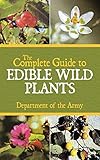
The Complete Guide to Edible Wild Plants is one reference associated with the U.S. Army’s survival literature. As with any general guide, its information should be cross-checked against authoritative botanical references for your particular region.
For serious foraging, a region-specific guide and instruction from a qualified local expert are especially valuable.

Affiliate disclosure: As an Amazon Associate, I earn from qualifying purchases.
How to Clean and Prepare Foraged Plants
Proper cleaning reduces dirt and surface contamination, but it cannot make poisonous or chemically contaminated plants safe.
1. Sort the Harvest
Examine every specimen individually and remove anything that has not been positively identified.
Discard damaged, moldy, or questionable material.
2. Wash Thoroughly
Rinse suitable edible plant parts under clean running water to remove visible dirt and debris.
Do not use soap or household cleaning chemicals on food plants.
3. Follow Species-Specific Preparation Guidance
Some edible plants are commonly eaten raw, while others require cooking or particular preparation methods.
Follow reputable instructions for the exact species and plant part.
4. Store Perishable Greens Properly
Refrigerate fresh edible greens promptly and use them while they remain in good condition.
Discard plants showing spoilage or an unusual odor.
Foraging Laws and Responsible Harvesting
Knowing where you are legally allowed to harvest plants is just as important as knowing what you’re collecting.
Private Property
Obtain permission from the landowner before collecting plants.
National Parks
National park regulations vary by location and plant species. Some parks permit limited collection of specified natural products, while others prohibit it. Check the individual park’s current regulations before harvesting.
National Forests
Some national forests allow limited personal-use gathering of certain plants, while others require permits or impose restrictions. Contact the relevant ranger district for current rules.
State and Local Public Lands
State parks, wildlife areas, and municipal properties may have separate restrictions. Never assume that publicly accessible land is open to foraging.
Harvest Sustainably
- Avoid collecting rare, threatened, or protected species.
- Take only what you can use.
- Leave enough plants for wildlife and natural reproduction.
- Avoid unnecessary digging or damage to surrounding vegetation.
- Stay on established trails where required.
- Follow all site-specific collection limits.
A fixed harvesting percentage, such as taking 10% of a patch, is not a universal guarantee of sustainability. Appropriate harvesting depends on the species, population, habitat, and local rules.
Simple Recipes Using Properly Identified Wild Edibles
Once you’ve positively identified an edible plant and confirmed the appropriate preparation method, simple recipes can help you explore traditional uses.
Dandelion Greens with Garlic
Ingredients: Clean, properly identified dandelion greens, olive oil, cultivated garlic, and salt.
Method: Blanch the greens if desired to reduce bitterness, drain, and sauté briefly with garlic and olive oil.
Cooked Lamb’s Quarters
Ingredients: Properly identified tender lamb’s quarters, olive oil, and seasonings.
Method: Wash thoroughly, cook according to a reputable species-specific preparation method, and season to taste.
Because lamb’s quarters can contain oxalates and nitrates, it is not suitable for everyone.
Chickweed Herb Sauce
Ingredients: Clean, properly identified chickweed, olive oil, lemon juice, and preferred culinary seasonings.
Method: Blend small amounts into a fresh herb sauce and refrigerate promptly.
Wild Onion Seasoning
Ingredients: Positively identified edible Allium leaves, butter or olive oil, and salt.
Method: Finely chop the appropriate edible leaves and mix into softened butter or warm oil for use in savory dishes.
Never prepare wild onion recipes from plants identified by smell alone.
Can Wild Edible Plants Help in a Survival Situation?
Knowledge of edible plants can be useful in wilderness survival, but it is important to understand its limitations.
Most wild leafy greens contain relatively little energy compared with nuts, seeds, grains, fats, and other calorie-dense foods.
Searching for unfamiliar plants can also consume time and energy while increasing the risk of poisoning.
In an actual survival emergency, prioritize shelter, appropriate hydration, navigation, and rescue planning rather than experimenting with unknown foods.
Foraging is most valuable when the plants have been learned and positively identified well before an emergency occurs.
Frequently Asked Questions About Wild Edible Plants
What are the easiest wild edible plants to learn?
Dandelion, chickweed, and some other familiar plants are common starting points for botanical study. However, frequency and familiarity do not make a plant safe to eat without positive species identification.
Can you eat dandelion leaves raw?
Properly identified dandelion leaves from an uncontaminated location are commonly used raw in salads. Wash them thoroughly and consider individual allergies or dietary restrictions.
Is wood sorrel safe to eat?
Some properly identified wood sorrel species have traditional culinary uses in small quantities. Because they contain oxalic acid, large servings or concentrated preparations should be avoided, especially by people with kidney-related conditions.
How do you distinguish wild onions from poisonous plants?
Reliable identification requires multiple botanical characteristics specific to the species. Onion or garlic odor may be a clue, but it is not enough by itself. Death camas and star-of-Bethlehem are important poisonous lookalikes to study.
Can you identify edible plants with a phone app?
Plant identification apps can help narrow down possibilities, but they can make mistakes. Never use an app’s suggestion as the sole basis for deciding whether a wild plant is edible.
Does cooking make poisonous wild plants safe?
No. Many plant toxins are not reliably eliminated by ordinary cooking. Never eat an unidentified plant with the expectation that boiling or frying will make it safe.
Can you forage in national parks?
Rules vary among national parks. Some allow limited collection of specific plants or natural products under defined conditions, while others prohibit gathering. Always check the regulations for the park you intend to visit.
Are wild edible plants enough to survive in the wilderness?
Generally, wild leafy plants alone are not a reliable source of sufficient calories or complete nutrition. Their availability and safe identification also depend on season, location, and experience.
Final Thoughts: Learn Wild Edible Plants Before You Need Them
Learning to recognize wild edible plants is a rewarding way to improve your knowledge of nature, traditional food sources, and wilderness preparedness.
Dandelion, lamb’s quarters, chickweed, wood sorrel, and wild Allium species all offer opportunities for botanical study and, when properly identified and appropriately prepared, culinary use.
But the most important foraging skill is knowing when not to harvest or eat a plant.
Use reliable regional field guides, learn poisonous lookalikes, respect local harvesting laws, and seek instruction from experienced foragers before consuming unfamiliar wild foods.
Building this knowledge gradually is far safer than trying to learn plant identification for the first time during an emergency.
Stay prepared. Stay sharp. Stay savvy.
Further Reading: Wilderness Survival and Self-Reliance
Identifying wild edible plants is only one part of wilderness preparedness. Continue developing your outdoor survival skills with these five guides from The Savvy Survivalist:
- 100 Forgotten Survival Skills That Could Save Your Life – Explore traditional skills for finding food, treating water, building shelter, and surviving without modern conveniences.
- 7 Forgotten Survival Skills That Could Save Your Life – Learn practical fire-starting, shelter-building, and wild foraging techniques.
- Ultimate Survivalist Guide: Essential Skills, Gear & Drills – Build a foundation in wilderness survival, food procurement, water purification, and emergency preparedness.
- Ultimate Guide to Desert Survival: What to Pack and What to Avoid – Learn how to manage dehydration, extreme heat, scarce water, and other wilderness hazards.
- How to Stay Warm Without Power – Discover practical emergency heating strategies and safer ways to stay warm when electricity is unavailable.
Foraging and Safety Disclaimer: This article is for educational purposes only. It is not a substitute for hands-on plant identification training or professional medical advice. Many edible plants have poisonous lookalikes, and identification mistakes can cause serious illness or death. Never consume a wild plant unless its identity, edible parts, and safe preparation requirements have been reliably confirmed. Follow local harvesting regulations and seek immediate medical assistance if plant poisoning is suspected.