
What People Will Trade When Money Becomes Useless (2026 Guide)
💰 When money stops working, survival becomes the only currency.
Most people assume cash, cards, or even gold will still matter—but in a real collapse, people don’t want money… they want food, water, heat, and security.
This post contains affiliate links. I may earn a small commission at no extra cost to you. Learn more.
If you’re wondering what to barter in a collapse, the answer isn’t what most people expect.
Most people don’t realize how fast systems break down until it’s already happening—👉 see what actually fails in the first 72 hours of a disaster before it’s too late.
In the first days of a crisis, value shifts fast. Grocery shelves empty, fuel disappears, and basic supplies become harder to find than cash. That’s when bartering takes over—and the people who understand what actually holds value are the ones who stay ahead.
Cash and credit can’t feed you or keep you warm. But food, fuel, tools, and knowledge always hold value. In this guide, we’ll uncover what truly keeps its worth when the system crashes — the items people will trade for, the supplies that build leverage, and how to create a barter stockpile that can sustain you through 2026 and beyond.
In extreme situations, value shifts fast—and survival skills become just as important as supplies. If everything is gone, knowing how to survive in the wilderness without supplies becomes your last line of defense.
When systems collapse, information and coordination become just as valuable as supplies — here’s how to build a complete off-grid communication system when normal networks fail.
Long-term resilience starts with a complete system—👉 build your full emergency preparedness plan before everything breaks down.
Why Bartering Always Comes Back After a Collapse
When official systems fail, people revert to direct exchange — goods and skills for survival. It’s happened in Venezuela, Argentina, and even small-scale during U.S. blackouts and storms.
The Three Laws of Collapse Economics
- Usefulness beats luxury. Nobody wants jewelry when they’re cold and hungry.
- Consumables rule. Food, water, and warmth are the new currency.
- Small and storable always trades easier than bulky or fragile gear.
Category 1: Food & Water — The True Currencies of Survival
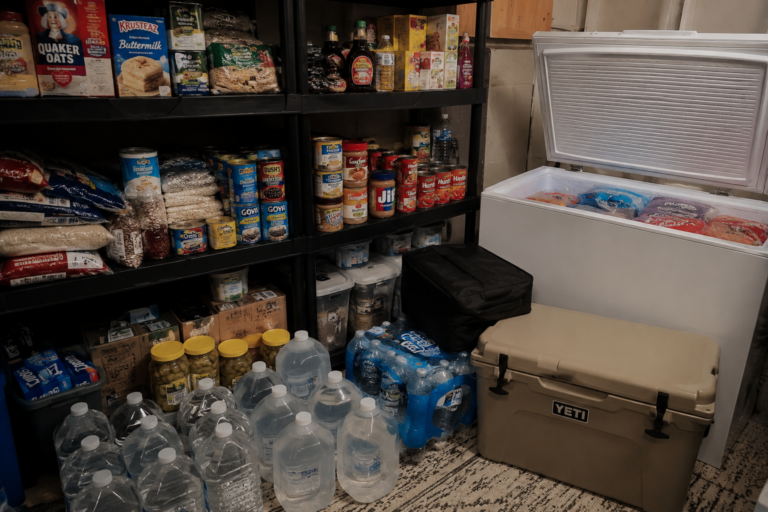
If it sustains life, it never loses value. In every crisis — from wars to hurricanes — food and water immediately become the foundation of trade. You can’t eat gold, and once supply chains fail, grocery shelves empty in hours. People turn to whatever they can store, cook, or carry.
Food has three distinct barter values:
- Immediate sustenance — canned goods, MREs, and freeze-dried meals trade fast because they solve hunger now.
- Morale boosters — coffee, chocolate, spices, and alcohol can calm panic or lift spirits.
- Long-term stability — rice, beans, and bulk staples help communities rebuild food security.
To make your barter stockpile versatile, focus on small, portionable goods that can be divided easily — single cans, small jars, instant coffee packets, or individual freeze-dried pouches. Bulk rice or flour can be repackaged into 1-pound bags for micro-trade value.
Recommended Barter Item: Freeze-Dried or Long-Term Food

Individually packaged meals allow micro-trades without sacrificing your bulk reserves. A single meal pouch can trade for batteries, fuel, or basic medical supplies — keeping negotiations flexible.
Water is even more critical. Once tap lines run dry or become contaminated, clean water becomes liquid gold. Bottled water is heavy to transport, but portable purification gear is priceless. Barter filters and purification tablets will move faster than ammo.
Recommended Barter Item: Portable Water Filter
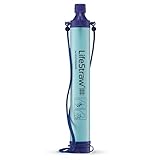

Portable filtration holds more long-term trade value than bottled water. It’s lightweight, renewable, and solves contamination problems without requiring infrastructure. In a collapse economy, reusable tools trade better than one-time consumables.
Pro Tip: Always keep your barter food sealed, dated, and labeled clearly. Trust increases when people can see expiration dates and clean packaging.
Category 2: Fire, Fuel & Heat — Power When the Grid Dies
When the grid collapses, heat and fire become survival essentials — not luxuries. You can’t cook, purify water, or stay warm without them. That’s why anything that produces flame, fuel, or warmth instantly skyrockets in value.
History shows this repeatedly. After Hurricane Sandy, butane canisters sold for ten times their normal price. In Texas’s 2021 winter blackout, people traded candles, firewood, and propane just to keep homes above freezing. Fire gear becomes both currency and comfort — it can save lives and morale.
High-Value Trade Items
- Bic or Zippo lighters (especially unopened packs)
- Waterproof matches
- Fire starters, tinder, and fatwood
- Butane canisters and propane cylinders
- Candles, tealights, and hand warmers
Why It Holds Value:
Fire is a renewable necessity — even preppers run out of fuel eventually. Reliable flame sources have one of the highest ‘return-to-effort’ ratios in a barter system: cheap to buy now, but priceless later. Butane and propane become like small coins — measurable, portable, and tradable for food or labor. Candles, on the other hand, represent steady comfort during long blackouts — something most people underestimate until the dark hits.
Recommended Barter Item: Lighters & Fuel

Flame-producing tools become instant currency during outages. Disposable lighters are cheap to stockpile now but command serious leverage later. Fuel refills often become more valuable than the lighter itself once supplies dry up.
Pro Tip: Store extra butane refills or lighter fluid alongside your lighters. A full refill can be worth more than the lighter itself once fuel runs out.
Category 3: Tools, Knives & Multitools — Trade That Lasts
When systems break down, tools become the backbone of civilization. They’re the bridge between chaos and self-reliance — which is why they hold enduring value long after consumables run dry. A good blade, wrench, or multitool doesn’t just serve one person; it produces ongoing utility for anyone who owns it next.
In a barter economy, tools are what economists would call “value multipliers.”
They turn raw resources (wood, food, water, fuel) into usable assets. That’s why a simple folding knife or multitool can command the same barter weight as multiple cans of food — it creates capability, not just consumption.
Recommended Barter Item: Multitools & Knives

Tools multiply productivity. A multitool can repair gear, process wood, or assist with food prep — making it worth more than single-use items in long-term trade. Keep trade tools separate from your personal survival gear.
Top Barter Tools
- Fixed-blade survival knives
- Folding pocket knives
- Multitools (Leatherman, Gerber, etc.)
- Hatchets, saws, or machetes
- Sharpening stones and small repair kits
Trade Psychology Tip:
Unlike perishable goods, tools retain value even when used — a lightly worn multitool is still highly functional. In fact, a tool that’s “field-tested” can inspire more trust than a pristine one if it’s proven to work.
During the Balkan conflicts of the 1990s, knives and multitools were among the most sought-after items. In rural barter communities, a blade could trade for food, firewood, or medical supplies. The more versatile the tool, the more negotiation power it provides.
Pro Tip:
Stock a mix of trade-quality tools (inexpensive yet reliable) separate from your premium personal gear. Don’t barter away your main knife or multitool — keep backups specifically for trade.
Category 4: Hygiene & Health — Comfort Commands a Premium
When society breaks down, people don’t just crave food and warmth — they crave cleanliness and comfort. Disease spreads fast in any collapse scenario, and small hygiene items suddenly become life-saving luxuries. Soap and toothpaste become as valuable as ammunition because they prevent illness, infection, and despair.
Recommended Barter Item: First Aid & Hygiene Kits

Cleanliness prevents infection when medical systems fail. Small hygiene kits and compact first aid packs move quickly because they address urgent but often overlooked survival needs.
Barter-Ready Health Items
- Bars of soap and travel-size shampoo
- Toothbrushes, toothpaste, and floss
- Menstrual supplies and diapers
- Pain relievers and fever reducers
- Antiseptics, alcohol wipes, and bandages
- Hand sanitizer and latex gloves
Why It Holds Value:
In a world without functioning pharmacies or stores, basic hygiene is survival. A single bar of soap can prevent the kind of infections that turn minor cuts deadly. Feminine hygiene products, baby supplies, and OTC meds are high-value, low-weight barter items — they store well, move fast, and solve immediate human needs.
During disasters like Hurricane Katrina and the 2021 Texas freeze, hygiene items vanished from shelves in days. Preppers who had extras weren’t just trading — they were restoring dignity and morale in their communities. That’s a kind of value you can’t fake.
Pro Tip:
Vacuum-seal small “hygiene packs” with soap, wipes, and toothpaste. They make great micro-trade bundles that stay sanitary and ready to move when times get rough.
Category 5: Lighting & Power — Controlling the Dark
When the power grid fails, darkness becomes an invisible enemy. It amplifies fear, invites danger, and limits productivity. That’s why lighting gear — even simple flashlights or lanterns — becomes one of the most instantly valuable barter commodities in any long-term outage or collapse.
Smart Power Trades
- LED flashlights and headlamps
- Solar-powered lanterns
- Hand-crank flashlights or radios
- Rechargeable battery packs
- Standard AA/AAA batteries
Why It Holds Value:
Light means safety. It means being able to cook, fix a leak, or tend to a wound at night. In total blackouts, even a single working flashlight can be traded for food or fuel because it buys people back a sense of control. Power sources like solar lanterns and hand-crank radios carry even more weight because they’re renewable — they don’t rely on dwindling batteries or grid power.
Batteries themselves are also collapse currency. They’re small, measurable, and universally needed. In Venezuela’s 2010–2016 crisis, packs of AA batteries were often bartered at the same value as basic food items. Keep multiple sizes (AA, AAA, 18650) in sealed Mylar or waterproof containers to preserve lifespan.
Recommended Barter Item: Solar & Rechargeable Lighting
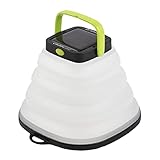
Light restores control in total darkness. Rechargeable and solar-powered lighting holds higher long-term value because it doesn’t rely on disappearing batteries.
Pro Tip:
Always test and rotate your rechargeable lights annually. A working light during a blackout is worth ten times its cost — but a dead battery is worth nothing. Keep one or two solar charging panels in your stash so your trade stock can always “refuel.”
Category 6: Ammo & Defense — High Value, High Risk
In every serious collapse, security becomes currency. When law enforcement is stretched thin or absent entirely, self-defense tools and ammunition rise to the top of the barter hierarchy. But with that value comes danger — trading weapons or ammo can attract the wrong kind of attention.
Tradeable Defense Items
- Ammunition (9mm, .22LR, .223/5.56, 12 gauge)
- Pepper spray and stun guns
- Slingshots and BB guns
- Tactical gloves, batons, or restraints
- Holsters, belts, and security locks
Why It Holds Value:
Self-defense gear has what preppers call “perceived survival power.” It represents safety, authority, and the ability to protect resources. Even people who aren’t comfortable handling firearms recognize the value of ammunition. Small-caliber rounds like .22LR often become the “nickels and dimes” of post-collapse trade because they’re useful for hunting and small defense but less risky to carry or trade in bulk.
However, this category demands caution and discretion. Trading ammo is never like swapping food or batteries — it’s inherently tactical. You’re revealing that you own and can access firepower, which can make you a target later.
If you do barter defense gear, use the “low-profile rule”:
- Trade only with people you’ve dealt with before.
- Never meet alone.
- Always control the location and exit routes.
- Never display your full stock.
Recommended Barter Item: Defense Accessories

Defense-related accessories maintain perceived value while carrying less risk than trading live ammunition. Always trade discreetly and control visibility of your full stock.
Pro Tip:
Instead of trading live ammo, consider bartering training time, cleaning gear, or empty brass. Those hold practical value but don’t carry the same risks. A simple gun-cleaning kit or magazine pouch can still get you what you need without putting live rounds in someone else’s hands.
Category 7: Clothing, Warmth & Protection
When temperatures drop or weather turns ugly, warmth becomes wealth. Clothing and blankets aren’t just comfort items — they’re protection from exposure, illness, and exhaustion. In a long-term collapse, when retail stores are either looted or shut down, rugged clothing becomes a premium trade asset because it’s durable, size-flexible, and universally needed.
Barter-Friendly Clothing Items
- Wool socks, gloves, and thermal underwear
- Ponchos, tarps, and waterproof outerwear
- Blankets and sleeping bags
- Work gloves, hats, and boots
- Insulated coats and vests
Why It Holds Value:
Unlike electronics or perishables, clothing doesn’t “expire.” Even used items trade well if they’re clean and intact. During Eastern Europe’s 1990s crises, warm outerwear was traded like currency — especially for fuel, food, or medicine. In cold climates, a wool blanket could easily equal a week’s worth of meals.
People underestimate how fast hypothermia or frostbite sets in when there’s no power or shelter heat. A family that stayed warm through the night is a family that survives the week. That’s why insulating materials — like Mylar blankets, wool layers, and waterproof ponchos — are high-demand goods that move quickly in post-collapse markets.
Recommended Barter Item: Emergency Warmth Supplies

Warmth equals survival in cold conditions. Compact, size-flexible items like Mylar blankets allow repeat trades without sacrificing premium gear.
Pro Tip:
Stock both bulk trade items (like Mylar blankets or gloves) and a few premium pieces (like insulated sleeping bags or thermal wear). Cheap goods help you barter quickly and safely, while higher-end items give you negotiation leverage when something valuable comes your way.
Category 8: Utility Items — Everyday Trade Currency
In a collapse economy, the smallest tools often become the most powerful. A roll of duct tape can fix shelter leaks, repair boots, or patch gear — and in survival terms, that’s real currency. Utility items are compact, multipurpose, and indispensable — making them ideal for fast trades and long-term storage alike.
Always-Useful Trade Goods
- Duct tape and heavy-duty zip ties
- Rope, paracord, and bungee cords
- Sewing needles, thread, and repair kits
- Trash bags, plastic sheeting, and tarps
- Aluminum foil and resealable storage bags
Why It Holds Value:
Utility items don’t rely on power, expiration dates, or specific knowledge. They work for everyone — from rural preppers to city dwellers. When systems break down, these items become the glue that holds survival together. They repair tents, seal windows, build traps, or keep supplies dry.
Think about how often these items disappear first during normal disasters: hardware aisles stripped bare, rope and tape gone within hours. After a long-term collapse, these goods will function like the small bills of barter — easy to carry, divide, and exchange quickly.
The best part? Most utility gear costs next to nothing now, yet will command serious trade power later. A $3 roll of duct tape or 100 feet of paracord might buy you food, fuel, or antibiotics when shelves are empty.
Recommended Barter Item: Cordage & Repair Supplies
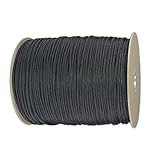
Utility items function like small-denomination currency in a collapse economy. They’re inexpensive to store now but solve multiple survival problems later.
Pro Tip:
Organize your utility barter stock in clear bins or ammo cans with moisture absorbers. Label everything — “Repair,” “Cordage,” “Sealing,” etc. A well-organized stash isn’t just easier to trade from; it shows professionalism and reliability, which earns you better barter deals.
Category 9: Skills — The Currency That Never Runs Out
Everything else you can stockpile — food, water, ammo — will eventually run out. Skills never do. In any long-term collapse or grid-down event, those who can produce, repair, or teach will dominate the barter economy. A skill transforms you from a consumer into a provider — and that’s real survival wealth.
If you’re stripped down with no gear at all, your skills matter even more. Here’s how to survive in the wilderness without supplies when everything is gone.
Valuable Survival Skills
- First aid and herbal medicine
- Carpentry, mechanics, and small-engine repair
- Hunting, fishing, and trapping
- Food preservation and fermentation
- Fire-making, navigation, and wilderness survival
- Blacksmithing, sewing, and tool repair
Why It Holds Value:
Skills multiply the value of every item you own. A person with carpentry knowledge and the right tools can build shelter, furniture, or trade repairs for supplies. A forager with plant ID skills can turn wild herbs into medicine when pharmacies are gone.
Unlike material goods, skills don’t spoil, rust, or require storage. They travel with you and can be exchanged for everything from food and fuel to protection and alliances.
After major disasters — from the Great Depression to modern Venezuela — people who could mend, grow, or heal were always in demand. Doctors, mechanics, gardeners, hunters, and even teachers formed the backbone of post-collapse trade networks. It’s not just about surviving — it’s about staying valuable.
Knowledge doesn’t expire. Books and printed manuals hold long-term value because they enable production, repair, and teaching — all core barter assets.
Pro Tip:
Start practicing now. The best time to learn first aid or mechanical repair is before you need to trade it. Keep field guides, printed manuals, and offline PDFs in your survival library — they’re barter items too. When you can teach someone how to fish or purify water, you’re not just trading — you’re building community resilience.
Building Your Own Barter Kit
Stockpiling for barter isn’t about hoarding random stuff — it’s about building a strategic micro-economy that you can carry, protect, and use wisely. Think of your barter kit as a mobile general store: compact, durable, and organized for quick trade without exposing everything you own.
Step 1: Divide Survival From Trade
Never mix what keeps you alive with what you’re willing to trade.
- Personal stockpile: Your family’s food, tools, ammo, and hygiene supplies — non-negotiable.
- Barter stockpile: Extras, duplicates, and small, high-demand goods you can afford to part with.
That separation prevents desperation-based trades and keeps your security tight. When you’re tired or under stress, the line between “need” and “want” gets blurry — this system prevents bad decisions.
Step 2: Package for Trade
Small, sealed bundles are easier to trust and easier to trade.
- Vacuum-sealed Ziplocs or Mylar bags with clear labels build credibility.
- Group related items — “Hygiene Kit,” “Lighting Kit,” “Coffee Pack,” etc.
- Use waterproof bins or ammo cans for bulk storage.
People trade faster when they see your stock is clean, labeled, and professional.
Step 3: Focus on Quantity, Not Flash
Quantity equals flexibility. Ten lighters, twenty packets of coffee, or five mini first-aid kits give you negotiating power across multiple trade levels. Don’t stock only high-value items — small trades build trust and relationships, which matter even more in a collapse economy.
Step 4: Store Smart and Hidden
Keep your barter supplies dry, sealed, and off-site if possible. A hidden stash in a shed, garage, or secondary location protects you if your main home is compromised. Ammo cans with silica gel packs are excellent for humidity control and pest protection.
Step 5: Stay Quiet, Trade Smart
The first rule of barter club? Don’t talk about barter club. Never advertise what you have, even to friends.
Show only what’s needed during a trade, and keep higher-value stock under wraps. Information becomes leverage, and in a collapse, loose talk equals risk.
Pro Tip:
Keep a “trade ledger” — a small waterproof notebook listing what you’ve traded and to whom. It helps you track reliable partners and recognize repeat opportunities, just like a small business owner would track clients.
Barter Safety Basics
- Trade on neutral ground.
- Bring backup if possible.
- Keep low-value items visible.
- Hide your full inventory.
- Trust slowly — desperation can be dangerous.
Collapse Barter FAQs
What is the best item to barter in a collapse?
Water filtration and fire-starting tools are consistently the fastest-moving trade goods.
Is silver better than food in a collapse?
Precious metals may hold value long-term, but food and water trade faster in the early stages of disruption.
Should you trade ammunition?
Ammunition carries high value but also high risk. Trade cautiously and prioritize safety.
Real-World Collapse Examples
- Argentina (2001): Barter markets appeared within weeks of the currency crash.
- Puerto Rico (2017): Gasoline and batteries became street currency after Hurricane Maria.
- COVID Shortages: Toilet paper and yeast showed how fast everyday goods gain value.
History proves it — barter never dies. It just waits for its turn.
Collapse Barter Starter Kit
If you’re building a barter stockpile from scratch, start with the essentials that solve the most immediate survival problems.
Clean Water
Water filtration is one of the fastest-moving barter items in any disaster. It’s lightweight, renewable, and solves contamination issues long after bottled water runs out.
Durable Flame (Zippo + Fuel)
A refillable Zippo holds long-term barter value because it doesn’t become useless once empty. With extra lighter fluid, it becomes a renewable fire source — and renewable tools trade better than disposable ones in extended grid-down scenarios.
Emergency Warmth
Compact emergency blankets are small, affordable, and universally useful. Warmth equals survival in cold conditions, and these allow repeat trades without sacrificing premium gear.
In dense population centers, bartering becomes a survival skill covered in our complete urban survival guide.
Final Takeaway
In a true collapse, the measure of wealth isn’t money — it’s usefulness. The things that hold value are the same things that hold life together: food, water, warmth, light, tools, protection, and skills. Every item you stock today is a form of future currency — one that can’t be frozen, devalued, or hacked.
The smartest survivalists treat barter planning like insurance. You hope you never need it, but if you do, it’ll save your life, your comfort, and your options. A few simple trade goods now — like lighters, filters, and freeze-dried meals — could buy you time, protection, or goodwill later.
Most people prepare to survive a collapse. The savvy few prepare to thrive in it. They understand that bartering isn’t about greed or control — it’s about community resilience, cooperation, and rebuilding stability from the ground up. When others panic, you’ll be calm, stocked, and ready to lead.
So start small, stay quiet, and build your trade network before the chaos hits.
Because when the lights go out and the dollar dies, real value won’t be printed — it’ll be traded.
Read More in This Series
These related guides expand your Emergency Preparedness strategy:
- Grid-Down Camp Setup: How to Build a Self-Powered Survival Base (2025 Edition)
- Emergency Heat Without Electricity: 11 Safe Ways to Stay Warm (2025 Winter Guide)
- Ultimate Water Purification Guide: Clean Water Anywhere
- DIY Survival Kit That Actually Works (With Pro Tips & Gear Links)
- Best Fire Starters That Work in Extreme Heat