
How to Start a Fire in Wet Weather: Step-by-Step Survival Guide
Knowing how to start a fire in wet weather is an essential outdoor survival skill. Rain-soaked branches, damp tinder, saturated ground, and strong winds can turn an ordinary campfire into a frustrating challenge.
This post contains affiliate links. I may earn a small commission at no extra cost to you. Learn more.
When temperatures fall, staying warm and dry becomes especially important. A properly managed outdoor fire may provide heat, help boil water, and allow you to prepare food. However, getting a fire started in the rain requires more than a powerful lighter or a handful of wet sticks.
The secret is finding or preparing dry material, protecting your tinder from moisture, choosing a suitable fire lay, and gradually building enough heat to ignite larger fuel.
In this guide, you’ll learn how to find dry wood in a wet forest, make feather sticks, prepare a reliable tinder bundle, build a fire on damp ground, and troubleshoot common ignition problems.
Find a permitted, safe fire location and protect your supplies from rain. Split sound wood to expose drier interior material, shave fine kindling or feather sticks, and combine them with dry tinder. Use a reliable ignition source, start with very small pieces, and gradually add larger fuel once the fire produces sustained heat. Keep the fire small, supervised, and away from overhead vegetation and combustible materials.
Fire building is one part of a complete outdoor preparedness plan. For related skills involving shelter, water, and navigation, visit our Survival Skills Guide.
Why Starting a Fire in Wet Weather Is Difficult
Wood contains moisture both naturally and from exposure to rain, snow, and humid conditions.
Before wet wood can burn efficiently, much of that moisture must be driven off. This consumes heat that would otherwise help sustain combustion.
Wet tinder also struggles to reach ignition temperature, while rain and wind can cool small flames before they become established.
Common Wet-Weather Fire Problems
- Soaked tinder: Fine materials absorb water and become difficult to ignite.
- Wet outer bark: Rainwater prevents flames from reaching drier wood underneath.
- Saturated ground: Moisture can soak into your tinder and kindling.
- Wind and rain: Both can cool or extinguish a developing flame.
- Oversized fuel: Large damp logs require more heat than a small tinder flame can provide.
- Poor airflow: Closely packed materials can smother the fire.
The solution is to prepare materials in stages rather than attempting to ignite large wet branches directly.
Wet Weather Fire Kit Essentials
A dependable fire kit should include multiple ignition methods, prepared tinder, and equipment for processing wood.
The following tools can help provide redundancy when outdoor conditions are challenging.


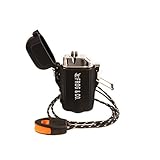
Carry at least two independent ignition methods. For example, a lighter provides a sustained flame, while a ferrocerium rod offers a backup spark source.
Keep ignition supplies inside waterproof bags or containers and check them periodically.
Fire-starting equipment can also be included in a 72-hour bug-out bag, along with appropriate shelter and weather protection.
Check current fire restrictions and weather conditions before lighting any outdoor fire. Never build beneath low branches, inside a tent, or close to combustible shelters. If fire is prohibited or cannot be controlled safely, use another permitted method of cooking or warming yourself.
Step 1: Choose a Safe Location for Your Fire
Before gathering wood or striking a match, select an appropriate location.
Use an established fire ring or designated campsite fire area when one is available and permitted.
A good location has stable ground, adequate clearance from vegetation, and enough room to manage the fire without spreading embers.
What to Look For
- Firm ground that is not flooded or heavily saturated.
- Clear overhead space without low branches.
- Separation from tents, tarps, dry grass, and other combustible materials.
- Protection from strong wind without enclosing the fire.
- Access to water or other appropriate extinguishing materials.
- Compliance with local regulations and campsite rules.
Avoid placing a fire directly against trees, roots, stumps, or fallen logs.
Peat, organic soil, and buried roots can sometimes smolder below the surface. Do not build fires on these materials.
Should You Build a Fire Under a Tree?
Although dense trees may provide some protection from rainfall, they can also create a serious overhead fire hazard.
Do not build beneath low-hanging branches or other combustible vegetation.
Instead, choose an approved fire area with sufficient overhead clearance and protect your unlit tinder and fuel separately while preparing the fire.
Step 2: Find Dry Wood in a Wet Forest
Even after prolonged rainfall, some wood may remain relatively dry beneath its outer surface.
The most useful material is often sound deadwood that has not been lying directly in saturated soil.
Where to Look for Better Firewood
- Standing dead branches: Dead branches above the ground may be drier than fallen wood, but collect only where permitted and never break unstable overhead limbs.
- Sound fallen logs: The interior of solid wood may be less saturated than its outer bark.
- Protected wood: Materials stored beneath an appropriate shelter or other dry location can be useful.
- Fatwood: Resin-rich pine wood can ignite readily when properly shaved and prepared.
- Dry prepared kindling: Material carried in a waterproof container is often more reliable than anything gathered during a downpour.
Avoid rotten, spongy, or heavily decayed wood. Even if it appears dry in places, it often produces poor-quality fuel.
How to Check Wood for Moisture
Inspect the wood for softness, rot, excessive weight, and visible moisture.
Breaking or splitting a branch may reveal whether its interior is drier than the surface.
A snapping sound alone does not guarantee that wood is dry enough to ignite.
Step 3: Split Wood to Expose Drier Interior Material
Splitting sound wood is one of the most useful wet-weather fire techniques.
Rain typically wets the exterior first, while thicker pieces may retain relatively dry wood deeper inside.
How to Prepare Wet Wood
- Choose a sound piece of wood without significant rot.
- Place it on a stable working surface.
- Use an appropriate saw, hatchet, or other suitable tool to process it safely.
- Split the wood to expose the interior.
- Inspect the newly exposed surface for moisture.
- Cut thin shavings and small kindling from the driest available sections.
Keep your hands away from cutting paths and avoid attempting unfamiliar knife-batoning techniques without proper training.
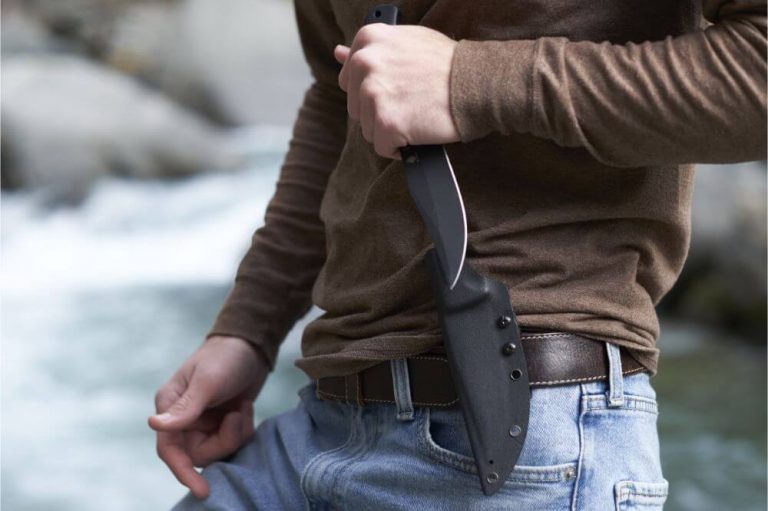
A dependable outdoor knife can help prepare smaller pieces and make feather sticks.
Step 4: Make Feather Sticks From Dry Interior Wood
Feather sticks are small pieces of wood carved into thin attached curls.
Because the curls have a large surface area, they can ignite more readily than a solid stick of the same size.
How to Make a Feather Stick
- Select a straight piece of sound wood with a relatively dry interior.
- Remove wet outer bark where necessary.
- Hold the wood securely on a stable surface.
- Use controlled knife strokes directed away from your body.
- Shave thin curls while leaving them attached near the bottom.
- Prepare several feather sticks before attempting ignition.
Very fine curls catch flame more easily than thick shavings.
Feather sticks work best when combined with dependable tinder and progressively larger kindling.
Prepare more tinder and small kindling than you think you need before lighting the fire. A small flame can disappear quickly if you stop to gather additional materials after ignition.
Step 5: Choose Tinder That Works in Damp Conditions
Tinder is the fine material that catches the initial spark or flame.
Wet-weather fire building becomes much easier when you bring prepared tinder rather than relying entirely on materials collected outdoors.
Natural Tinder Options
- Birch bark: Contains combustible oils, although excessively wet bark may still need preparation.
- Fatwood shavings: Resin-rich wood can burn readily when cut into fine pieces.
- Dry inner bark: Certain bark fibers can work when properly processed and dried.
- Dry grass or plant fibers: Useful when genuinely dry and collected legally.
Prepared Tinder Options
- Commercial waterproof or water-resistant fire-starting tabs.
- Wax-treated cotton fire starters.
- Petroleum-jelly-treated cotton stored in a sealed container.
- Purpose-made tinder plugs or fire-starting cubes.
Dryer lint is less dependable because its composition varies and it can contain synthetic fibers. Purpose-made tinder is generally a better choice for an emergency kit.
Keep prepared tinder in separate sealed packets so opening one does not expose your entire supply to rain.
Step 6: Choose a Reliable Ignition Method
Even excellent tinder will not help if your ignition tool is damaged or unavailable.
Different ignition tools have advantages and limitations in wet conditions.
| Ignition Method | Advantage | Limitation |
|---|---|---|
| Ferrocerium rod | Can produce sparks after exposure to water | Requires suitable tinder and practiced technique |
| Butane lighter | Provides a sustained flame | Can perform poorly in extreme cold or strong wind |
| Stormproof matches | Designed to resist adverse weather | Limited supply and product-specific performance |
| Magnesium fire starter | Magnesium shavings burn intensely once ignited | Requires careful preparation and fire control |
A ferro rod itself may function after getting wet, but it does not automatically ignite wet leaves, soaked grass, or saturated wood.
Successful ignition still depends on properly prepared tinder.
For more ignition options, read our Ultimate Survival Fire Starters Guide.
Step 7: Build a Fire Lay That Protects Your Tinder
A fire lay is the arrangement of tinder, kindling, and larger fuel.
The best arrangement allows air to reach the flame while helping the heat transfer gradually to larger pieces of wood.
Lean-To Fire Lay
A lean-to arrangement uses a larger piece of wood as partial protection for tinder and small kindling.
It can help reduce direct wind exposure while the initial flame becomes established.
Ensure the larger support is stable and cannot collapse onto the burning material.
Teepee Fire Lay
A teepee arrangement places small kindling around a central tinder bundle.
Its open structure encourages airflow and can help create an initial flame.
Do not pack the kindling so tightly that oxygen cannot reach the tinder.
Log Cabin Fire Lay
A log cabin arrangement stacks small pieces in alternating directions around the center.
It provides room for airflow and allows progressively larger fuel to be added.
Use small, relatively dry kindling first rather than building a large stack of damp logs.
Step 8: Keep the Initial Fire Off Saturated Ground
When the ground is wet, tinder and kindling can absorb moisture before they ignite.
Where local rules allow, an appropriate fire base or established fire ring can help keep prepared material out of standing water.
A small platform made from suitable dry kindling can help support the initial tinder bundle, but remember that wooden platforms are fuel and will eventually burn.
Do not assume that random rocks are safe for constructing a fire base. Some rocks can crack or fracture when heated, particularly when moisture is present.
Avoid building on peat, buried roots, or thick organic ground cover that may ignite beneath the surface.
In snowy conditions, use a designated fire area or suitable fire-support system when permitted. Deep snow and melting ground can cause improvised structures to settle or become unstable.
Step 9: Ignite the Tinder and Add Fuel Gradually
Once the materials are prepared, you are ready to start the fire.
Wet-Weather Fire Starting Sequence
- Place your dry tinder in the center of the prepared fire lay.
- Arrange fine shavings and feather sticks so air can reach them.
- Protect unused supplies from rainfall.
- Ignite the tinder with your chosen method.
- Allow the smallest kindling to catch before adding more material.
- Gradually introduce slightly larger, relatively dry pieces.
- Maintain airflow without scattering sparks or embers.
- Keep the fire small and controlled.
Avoid adding large wet logs too early. They can absorb heat and smother the developing flame.
As the fire becomes established, it may dry the surfaces of nearby fuel, but keep unburned wood far enough away to prevent accidental ignition.
How to Start a Fire When Everything Is Soaked
Extended rainfall can make even normally reliable natural tinder difficult to use.
In these conditions, your best options are usually prepared waterproof tinder, a sustained ignition flame, and carefully processed interior wood.
Prioritize These Materials
- Dry tinder brought from home.
- Fine shavings from sound, split wood.
- Small feather sticks.
- Thin kindling with relatively dry interiors.
- Larger fuel only after sustained combustion begins.
If you cannot find adequate fuel or establish a safe fire location, do not continue wasting energy indefinitely.
Prioritize shelter, insulation, dry clothing, and emergency assistance when necessary.
A fire is useful, but it is not guaranteed to start under every set of conditions.
Wet Weather Fire Troubleshooting Guide
| Problem | Likely Cause | What to Try |
|---|---|---|
| Tinder will not ignite | Excess moisture or insufficiently fine material | Use dry prepared tinder and finer shavings |
| Flame goes out quickly | Insufficient kindling or exposure to rain and wind | Prepare more fine fuel and improve safe wind protection |
| Fire produces excessive smoke | Damp fuel or restricted airflow | Use drier, smaller wood and improve ventilation |
| Large logs will not catch | Insufficient heat or wet wood | Build a stronger bed of coals using smaller dry pieces |
| Fire sinks into wet ground | Unstable or saturated base | Use a permitted, stable fire area and suitable support |
Advanced Wet-Weather Bushcraft Fire Techniques
Once you understand the basics, several additional techniques can improve your ability to prepare fuel in challenging conditions.
Use Resin-Rich Fatwood
Fatwood contains concentrated natural resins that can help it ignite and sustain flame.
Prepare fine shavings from suitable material and combine them with a reliable ignition source.
Gather wood only where collection is permitted and avoid damaging living trees.
Prepare Extra Feather Sticks
Multiple feather sticks provide additional small fuel surfaces for the developing fire.
Store prepared sticks somewhere dry until they are needed.
Carry a Dedicated Emergency Tinder Supply
Prepared tinder removes much of the uncertainty associated with finding dry natural materials during heavy rainfall.
Keep several individually sealed fire starters in your emergency kit.
Avoid Unnecessary Underground Fire Pits
Underground fire designs, including Dakota fire holes, are not appropriate for every location.
Buried roots, organic soil, unstable ground, and local restrictions can make digging a fire pit unsafe or prohibited.
Use an approved surface fire location instead of assuming an underground fire is safer or easier to control.
Build a Waterproof Wet-Weather Fire Kit
For emergency preparedness, organize your fire-starting supplies into a compact waterproof kit.
Recommended Fire Kit Checklist
- Reliable lighter.
- Ferrocerium rod and suitable striker.
- Weather-resistant matches in waterproof storage.
- Several individually packaged tinder starters.
- Small prepared fatwood pieces.
- Compact cutting tool appropriate to your skills.
- Waterproof storage pouch or container.
- Backup ignition supplies stored separately.
Inspect the kit periodically and replace damaged or degraded supplies.
For longer outdoor trips, keep an additional ignition method in a separate pocket or emergency pouch.
What If You Need Warmth but Cannot Start a Fire?
During cold, wet weather, do not rely exclusively on a campfire to prevent hypothermia.
Wet clothing, wind, exhaustion, and falling temperatures can create dangerous conditions even above freezing.
Move to a safe shelter, reduce wind exposure, replace wet clothing when possible, and use dry insulating layers.
If a person shows signs of hypothermia, such as confusion, loss of coordination, or unusual drowsiness, seek emergency medical assistance promptly.
Use a fire only when it can be built and managed safely. Never move a charcoal grill, campfire, or fuel-burning stove into a tent or enclosed shelter to obtain heat because of the risk of fire and carbon monoxide poisoning.
Frequently Asked Questions About Starting a Fire in Wet Weather
Can You Start a Fire With Wet Wood?
Yes, under some conditions. Splitting sound wood may expose a relatively dry interior that can be shaved into kindling. However, heavily saturated or rotten wood may be unsuitable, and a reliable supply of dry tinder is still important.
What Is the Best Fire Starter for Rain?
A dependable lighter combined with prepared water-resistant tinder is a practical option. A ferro rod and stormproof matches provide useful backups, but no ignition tool guarantees success with saturated fuel.
Does a Ferro Rod Work When Wet?
Ferrocerium rods can generally produce sparks after exposure to water. However, you still need suitable tinder that can catch those sparks.
Is Birch Bark Good for Starting a Fire in Rain?
Birch bark contains combustible oils and can be effective when properly prepared. Very wet bark may still require drying, shredding, or additional tinder.
What Is the Best Fire Lay for Wet Weather?
Lean-to, teepee, and log cabin arrangements can all work. The most important factors are dry tinder, appropriately sized kindling, sufficient airflow, and protection from excessive wind and rain.
Can You Build a Fire Directly on Snow?
Snow can melt and cause an improvised fire base to settle or become unstable. Use an appropriate permitted fire location or suitable fire-support arrangement, and monitor it carefully.
How Do You Dry Firewood in the Rain?
Split sound wood to expose relatively dry interior sections. Protect prepared kindling from additional rain. Avoid placing fuel so close to an existing fire that it could ignite unexpectedly.
Should You Start a Fire During Heavy Rain?
Only when fire is permitted and conditions allow safe control. During severe weather, high winds, or active fire restrictions, shelter and other approved heating or cooking options may be safer.
Final Thoughts: Mastering Fire in Wet Weather
Learning how to start a fire in wet weather comes down to preparation, material selection, and patience.
Find sound wood, expose drier interior surfaces, prepare fine tinder and kindling, and build a small controlled flame before adding larger fuel.
Just as importantly, recognize when conditions make an open fire unsafe or impractical.
Practice these skills in permitted, controlled conditions rather than waiting until a cold-weather emergency.
The most reliable wet-weather fire is one you have prepared for before the rain begins.
Further Reading
- Essential Survival Skills Guide
- Ultimate Survival Fire Starters Guide
- Primitive Fire-Starting Guide
- Survival Water Purification Guide
- Does All Wax Burn? Survival Fire Starters Explained
- Survival Foods With a Long Shelf Life
- Best Emergency Lights for Power Outages
Stay prepared. Stay sharp. Stay savvy.