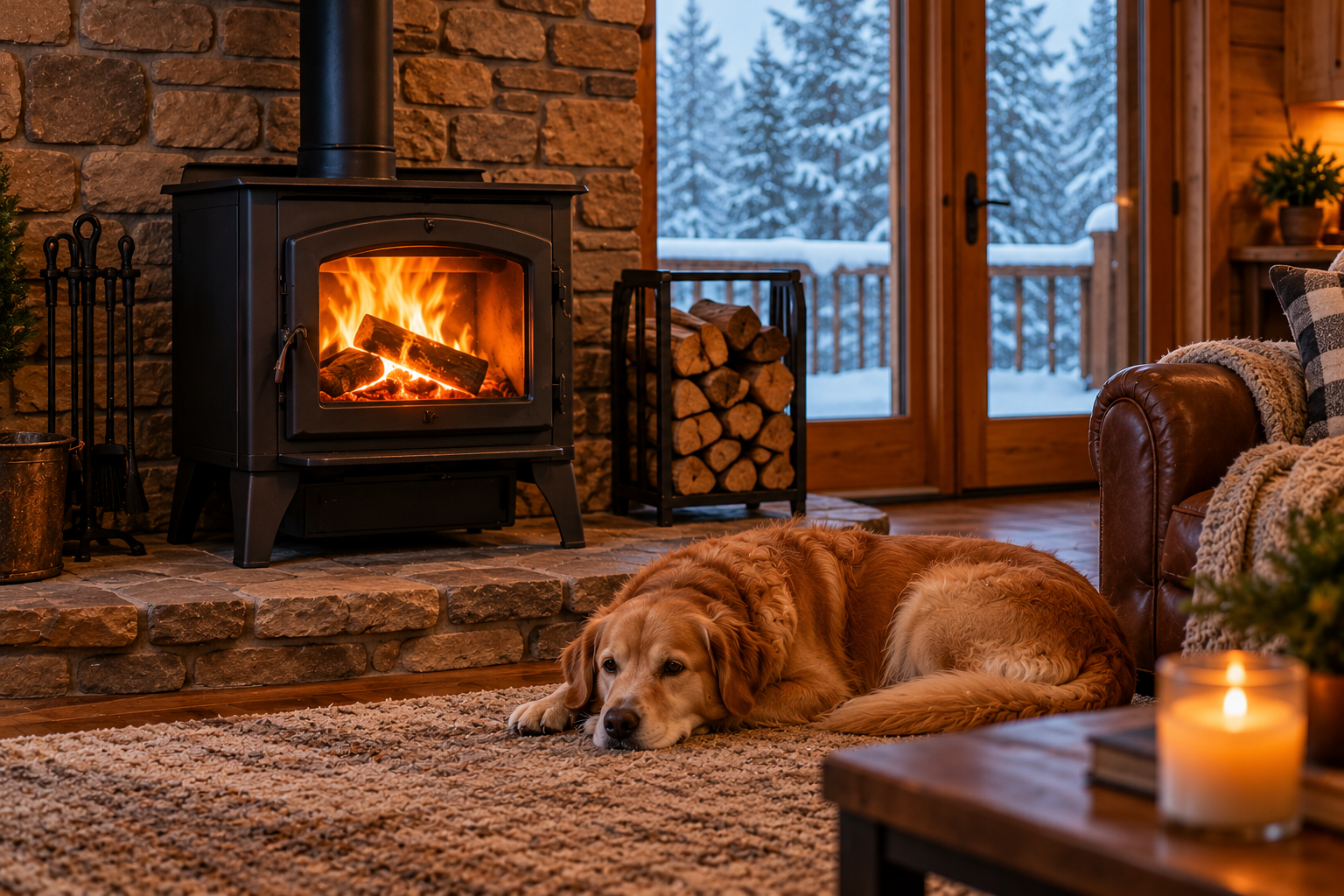
Best Backup Heating for Power Outages: 6 Ways to Stay Warm
When a winter storm knocks out the electricity, losing your lights and internet is inconvenient, but losing your heating system can quickly become a serious emergency, particularly when outdoor temperatures remain below freezing for several days. Even homes equipped with natural gas furnaces may lose their primary source of heat because the blower motor, ignition system, and electronic controls depend on electricity, leaving homeowners searching for another way to maintain safe indoor temperatures.
This post contains affiliate links. I may earn a small commission at no extra cost to you. Learn more.
Choosing the best backup heating for power outages requires more than finding a heater with the highest BTU rating. The right solution depends on whether you need to warm a single room or an entire house, how much fuel you can safely store, whether the equipment requires electricity, and what installation or ventilation requirements must be met before it can be operated safely.
Wood-burning stoves, propane heaters, natural gas appliances, and kerosene heaters can provide useful supplemental heat without grid electricity when the equipment is approved and properly installed for its intended location. Pellet stoves and conventional furnaces offer additional possibilities, but they generally require a generator or another suitable backup electrical supply to keep operating.
In this guide, we’ll compare six practical backup heating methods, examine specific equipment worth considering, estimate fuel requirements for a 72-hour blackout, and explain the precautions that matter most when your family is depending on an alternative heating source.
Quick Answer
The best backup heating options for power outages include a properly installed wood-burning stove for long-term heating, an approved propane or natural gas heater for supplemental warmth, and a kerosene heater where its use is permitted and appropriate. A pellet stove can also work when supplied with compatible backup electricity, while a properly sized generator may allow an existing gas furnace to heat the entire home.
For households preparing for extended winter blackouts, a wood stove offers an important advantage because many models continue producing heat without any electrical supply. However, the safest and most effective choice depends on the home’s construction, the heating equipment’s installation requirements, fuel availability, and local regulations.
Key Takeaways
- Most natural gas furnaces need electricity for their blowers and controls, even though natural gas supplies the heat.
- Many conventional wood stoves can produce heat without electricity, although optional electric blowers will stop operating.
- Portable propane heaters provide supplemental heat without grid power, but indoor use depends on the exact model’s approval, ventilation requirements, and local regulations.
- Some natural gas and propane wall heaters can operate without household electricity, but vent-free designs require particular attention to combustion safety and indoor air quality.
- Kerosene convection heaters can provide substantial heat without electricity when approved for the location and used according to their instructions.
- Pellet stoves normally require electricity for their augers, combustion blowers, and electronic controls.
- A generator can restore an existing gas furnace’s heating capability when correctly sized and connected through an approved electrical arrangement.
- Working smoke alarms and battery-powered or battery-backup carbon monoxide alarms are essential when using combustion heating equipment.
Comparison: 6 Best Backup Heating Methods for Power Outages
Before comparing individual products, it helps to understand how these heating systems differ in their electricity requirements, heating potential, and intended applications. A small portable heater may provide enough supplemental warmth for an occupied room, while a permanently installed wood stove or generator-powered furnace may be better suited to maintaining temperatures throughout a larger portion of the house.
| Heating Method | Grid Power Required? | Best Application | Main Limitation |
|---|---|---|---|
| Wood-burning stove | No, for conventional stove combustion | Extended winter outages | Requires chimney, installation, and firewood |
| Portable propane heater | No, for selected models | Temporary supplemental room heating | Ventilation, fuel storage, and room restrictions |
| Natural gas or propane wall heater | Some models operate without it | Installed supplemental heating | Installation and combustion safety requirements |
| Kerosene convection heater | No, for selected models | Supplemental heating during outages | Ventilation, fuel handling, and local restrictions |
| Pellet stove | Yes, normally | Automated heating with backup power | Requires electrical supply and pellet fuel |
| Generator-powered furnace | Yes, from generator | Whole-house heating | Generator fuel, sizing, and safe connection |
None of these options is automatically suitable for every home. A wood stove may be an excellent long-term investment for a rural property with available firewood, while someone living in a smaller home with an existing gas furnace may find that properly installed generator backup is more practical than purchasing another permanent heating appliance.
1. Ashley Hearth AW3200 Wood Stove: Best for Long-Term Power Outages
A conventional wood-burning stove is one of the most dependable ways to produce substantial heat during an extended winter blackout because combustion does not require an electric motor, fuel pump, or electronic control system. As long as the stove has been correctly installed, the chimney is functioning safely, and suitable dry firewood remains available, it can continue heating the home when the electrical grid is unavailable.
The Ashley Hearth AW3200 series wood stove is a large-capacity option worth considering for homeowners who want a permanent secondary heating system rather than a small emergency appliance. Its advertised coverage reaches approximately 3,200 square feet under suitable conditions, although real-world performance depends heavily on the building’s insulation, climate, layout, ceiling height, and the placement of the stove.
One of the most important distinctions between a wood stove and many other backup heating systems is that the fire itself can continue without electricity. If the stove includes an optional powered blower, that blower will not operate during a blackout unless backup power is available, but the stove can still transfer heat into the room through radiation and natural convection.
Advantages of the Ashley Hearth Wood Stove
- Produces heat without relying on grid electricity.
- Offers substantial heating potential for appropriately sized homes.
- Can use properly seasoned firewood stored before winter.
- May provide useful long-duration heating during multi-day outages.
- Does not depend on a generator to maintain the fire.
The principal disadvantages are installation expense, the need for a suitable chimney and hearth, routine ash removal, and the physical work involved in cutting, stacking, carrying, and loading firewood. A large stove may also overheat a small room while leaving distant bedrooms cooler, particularly when its blower is unavailable and the floor plan restricts natural air movement.
For homes without an existing chimney or approved installation location, a wood stove is a major building project rather than an appliance that can simply be purchased when a winter storm is approaching. Installation should comply with the stove manufacturer’s requirements, applicable building codes, chimney specifications, and required clearances from combustible materials.

Wood Stove Safety
Use only appropriate seasoned firewood, maintain the chimney and flue, and follow the manufacturer’s operating instructions. Never connect a wood stove to an improvised exhaust pipe or operate it with damaged venting, and make sure smoke and carbon monoxide alarms are functioning before the heating season begins.
JossaColar Heat-Powered Wood Stove Fan
One useful accessory for a conventional wood stove is a heat-powered fan that sits on a suitable section of the stove’s hot surface and uses a thermoelectric mechanism to operate its blades. Unlike a conventional electric stove blower, this type of fan does not require a wall outlet or separate battery supply, making it particularly relevant when the stove is operating during a blackout.
The JossaColar heat-powered wood stove fan is designed to help move some of the warm air away from the immediate stove area, although it should not be confused with a whole-house air circulation system or treated as a substitute for adequate stove sizing. Its performance depends on the stove surface temperature, placement, and surrounding airflow, and it must be kept within the temperature limits specified by the manufacturer.

A heat-powered fan can be a convenient addition to a wood stove setup, but the most important factors remain proper stove installation, adequate firewood supplies, and safe operation.
2. Mr. Heater Big Buddy: Best Portable Propane Backup Heater
Portable propane heaters appeal to homeowners because they can be stored until needed, transported more easily than permanent heating appliances, and operated without household electricity when designed for that purpose. They can be particularly useful when the objective is to supplement warmth in a limited occupied area rather than heat every room in the building.
The Mr. Heater Big Buddy is a familiar portable propane heater with adjustable heat output up to approximately 18,000 BTU per hour, making it more powerful than the smaller Portable Buddy model. That additional heating capacity may be useful in a larger occupied space, although the actual area it can warm depends on insulation, outdoor temperatures, air leakage, and the amount of fresh-air ventilation required.
Why the Big Buddy Is Worth Considering
The Big Buddy does not need grid electricity to produce heat, and its adjustable settings allow users to reduce fuel consumption when maximum output is unnecessary. Depending on the exact model and approved fuel arrangement, it may use portable propane cylinders or a compatible external propane supply with the appropriate manufacturer-approved accessories.
However, a portable propane heater should never be treated as a universally safe indoor appliance simply because it has an oxygen-depletion sensor or tip-over protection. The exact model’s indoor-use approval, room restrictions, ventilation instructions, and local regulations must be followed, and the heater should not be operated while occupants are sleeping or left unattended.
It is also important to understand that propane combustion consumes oxygen and produces moisture and combustion byproducts, which means adequate fresh air and functioning carbon monoxide alarms remain essential even when the heater appears to be operating normally.
How Long Will Propane Last?
Propane contains approximately 21,600 BTU per pound, so an 18,000 BTU-per-hour heater operating continuously at its maximum setting would consume roughly 0.83 pounds of propane per hour under idealized conditions. Actual consumption varies with the selected heat setting, equipment performance, and operating conditions.
At that theoretical maximum rate, a standard 20-pound propane cylinder containing approximately 20 pounds of usable fuel could provide around 24 hours of continuous heating, although practical runtime may be shorter or longer depending on the actual fill and heat setting. Only use cylinder arrangements specifically permitted by the heater manufacturer, and never bring an outdoor propane cylinder indoors unless the appliance instructions and applicable rules expressly allow that configuration.

Portable Propane Heater Warning
Use the Big Buddy only in locations expressly approved for the exact model, maintain the required clearances and ventilation, and follow all fuel-cylinder and hose instructions. Never use it in an enclosed sleeping area or leave it operating unattended, and remember that its built-in safety systems do not replace a separate carbon monoxide alarm.
3. Mr. Heater 30,000 BTU Dual-Fuel Heater: Best Natural Gas and Propane Option
For homeowners who want a more substantial supplemental heating system, a fixed natural gas or propane heater can provide greater output than many portable models while reducing the need to move equipment between rooms. Certain heaters can operate without grid electricity because their combustion and control systems do not require a continuously powered blower, although that capability must be confirmed for the exact model.
The Mr. Heater 30,000 BTU Vent-Free Blue Flame Dual Fuel Heater is an example of this category, offering a nominal maximum output of 30,000 BTU per hour and the ability to operate on an approved natural gas or propane connection. Its dual-fuel capability is useful for comparing household fuel arrangements, but it does not mean users can freely switch fuels without following the manufacturer’s specific setup and connection instructions.
Why a Dual-Fuel Heater Can Be Useful
A home already connected to natural gas may be able to use that fuel during an electrical outage if the gas utility continues supplying pressure and the heating appliance does not require grid power. In areas where natural gas service is unavailable, an approved propane installation may provide an alternative, although sufficient fuel storage and a suitable regulator arrangement are essential.
At 30,000 BTU per hour, the heater offers substantially more nominal output than the Big Buddy, making it a potential option for a larger occupied area. However, heating coverage claims are estimates rather than guarantees, and a single supplemental heater may not distribute warmth evenly throughout bedrooms, bathrooms, and other distant parts of a house.
Vent-Free Versus Direct-Vent Heating
The distinction between vent-free and direct-vent heaters is particularly important because it affects indoor air quality and installation suitability. A vent-free heater releases combustion products and moisture into the indoor environment and depends on the manufacturer’s specified ventilation and room conditions, while a properly installed direct-vent appliance separates its combustion system from the indoor living space and exhausts combustion gases outdoors.
Direct-vent equipment is generally worth considering when planning a permanent heating installation, although many direct-vent models use electrical controls or fans and therefore may not operate during a blackout without backup power. Vent-free heaters also face restrictions or prohibitions in certain states and local jurisdictions, and some buildings or rooms are unsuitable regardless of the appliance’s advertised heating capacity.
For the Mr. Heater dual-fuel model, the installation manual should determine whether the proposed room, fuel connection, ventilation arrangement, and operating schedule are permitted. It should not be relied upon as an unattended primary heating system, and homeowners should have the installation evaluated by a qualified professional.


4. Comfort Glow KW-24J: Best Kerosene Convection Heater
Kerosene heaters have long been used as supplemental heat sources in areas where winter storms can interrupt electrical service, largely because many traditional convection models can continue burning fuel without a powered fan or connection to household electricity. They are capable of producing substantial warmth, but their fuel handling and ventilation requirements make them less suitable for some homes than a properly installed vented heating system.
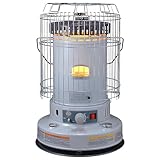
The Comfort Glow KW-24J Indoor Kerosene Convection Heater is rated at approximately 23,800 BTU per hour and uses a convection-style design intended to distribute heat around the appliance. Its advertised fuel capacity is approximately 1.9 gallons, with runtime dependent on the heater’s actual consumption and operating conditions.
Advantages of a Kerosene Heater
A conventional kerosene convection heater does not depend on the electrical grid to produce heat, and its fuel can be stored ahead of winter in approved containers under appropriate conditions. It can provide a meaningful amount of supplemental warmth during an outage, especially when the household has prepared a safe operating location and understands the heater’s fuel and ventilation requirements.
However, kerosene heaters are not suitable for every jurisdiction or building, and their use should never be improvised in an enclosed room. They require the exact fuel grade specified by the manufacturer, adequate ventilation, appropriate separation from combustible materials, and careful handling to prevent spills, fires, and exposure to combustion products.
How Much Kerosene Should You Store?
Fuel planning should begin with the manufacturer’s stated consumption rate rather than assuming the heater will always operate for the maximum advertised runtime. For illustration, a heater consuming 0.20 gallon per hour would use approximately 1.6 gallons during an eight-hour heating period, while the same heater operating for eight hours per day over three days would consume approximately 4.8 gallons.
These figures are planning examples rather than a verified consumption rate for the KW-24J. Real fuel needs depend on the specific appliance, temperature conditions, and operating schedule, and stored kerosene must be handled according to applicable fire-safety rules.
Kerosene Heater Safety
Never substitute gasoline, diesel, or an unapproved fuel for the kerosene specified by the manufacturer. Turn the heater off and allow it to cool before refueling, perform refueling in an approved outdoor location, and never operate an unvented combustion heater in a sleeping room or other prohibited space.
5. Cleveland Iron Works Pellet Stove: Best Automated Heating With Backup Power
Pellet stoves offer an appealing combination of controlled heat output, automatic fuel feeding, and relatively convenient day-to-day operation, but they differ from conventional wood stoves in one critical way: most pellet stoves need electricity to function. Their augers deliver pellets to the burn pot, combustion blowers maintain the required airflow, and electronic controls regulate operation, so a power outage normally stops the heating process unless a compatible backup electrical supply is available.
The Cleveland Iron Works Large Pellet Stove with a 130-Pound Hopper is a substantial heating appliance intended for larger residential spaces, with the hopper providing extended fuel storage between refills. The large capacity is useful during cold weather, but the number of hours it can operate depends on pellet consumption, heat setting, thermostat demand, and the availability of electricity.
Why a Pellet Stove Still Belongs in a Blackout Heating Guide
A pellet stove may be a practical backup heating option for homeowners who already own one and can provide reliable electrical power from a generator, compatible battery system, or manufacturer-approved backup arrangement. Once electrical power is available, the stove can offer controlled heating without the frequent manual loading associated with conventional wood stoves.
For someone purchasing a new heating system specifically to survive a prolonged blackout without any electricity, however, a conventional wood stove has a clear operational advantage because it does not depend on a powered auger or combustion fan.
Can a Portable Power Station Run a Pellet Stove?
Possibly, but the answer depends on the pellet stove’s ignition demand, running wattage, motor characteristics, and the power station’s continuous output and usable battery capacity. A pellet stove may draw more electricity during ignition than during steady operation, and its shutdown cycle may also require power to complete safely.
For example, a stove averaging 100 watts after ignition would consume approximately 1,200 watt-hours over 12 hours before accounting for conversion losses, startup consumption, and any changes in blower speed. A nominal 1,000-watt-hour power station would therefore not be expected to support that load for a full 12 hours, even if its output rating could handle the stove’s startup requirements.
Homeowners should verify electrical specifications in the stove manual, choose a backup system with suitable output characteristics, and follow the manufacturer’s procedures for power interruptions and safe shutdowns.

6. Generator-Powered Gas Furnace: Best for Whole-House Heating
For many households, the most practical winter backup heating solution may already be installed in the home. A conventional natural gas or propane furnace can provide substantial whole-house heat through existing ductwork, but it generally cannot operate during a blackout because its blower motor, electronic ignition, safety controls, and thermostat system require electricity.
A properly sized generator can restore that electrical supply, allowing a compatible furnace to operate as designed while using natural gas or propane as its primary heating fuel. This approach can be especially valuable for protecting plumbing throughout the home because the existing ductwork may distribute warmth to rooms that a single portable heater cannot reach.
Champion 4,500-Watt Dual-Fuel Inverter Generator
The Champion 4,500-Watt Dual-Fuel Inverter Generator is one candidate for homeowners investigating backup power for a conventional gas furnace and selected essential appliances. A model in this class offers approximately 4,500 starting watts and a lower continuous running-watt rating, with available output depending on whether gasoline or propane is being used.
The dual-fuel arrangement offers flexibility when one fuel becomes difficult to obtain, while inverter output can be useful for appliances with electronic controls. Nevertheless, a generator should never be selected solely because its advertised starting-watt number appears larger than the furnace’s running consumption.
What Size Generator Do You Need to Run a Furnace?
Generator sizing begins with the furnace’s actual electrical requirements, including blower motor running demand, startup current, controls, and any additional equipment connected to the same system. The type of heating system also matters because a conventional gas furnace may require only a fraction of the electricity consumed by an electric resistance furnace or a heat pump with auxiliary electric heating.

| Heating System | Generator Planning Range | Important Consideration |
|---|---|---|
| Typical gas furnace | Investigate 2,000–3,500 watts | Verify blower startup demand |
| Gas furnace plus essential appliances | Investigate 4,000–5,500 watts | Account for simultaneous loads |
| Pellet stove | Investigate 1,000–2,000 watts | Check ignition and shutdown requirements |
| Electric heat pump | Requires equipment-specific sizing | Compressor startup and auxiliary heat may be substantial |
| Electric resistance furnace | Often requires a much larger system | Heating elements consume significant power |
These ranges are preliminary shopping categories, not universal furnace requirements. An electrician or qualified HVAC professional should calculate the actual electrical load, including motor startup characteristics and the total equipment that will operate at the same time.
Connecting a Generator to Your Furnace Safely
A permanently wired furnace cannot simply be connected to a portable generator by plugging a homemade cord into a household outlet. The installation requires an approved transfer switch, interlock arrangement where permitted, or another code-compliant connection method that prevents dangerous backfeeding into utility lines.
Some furnaces also have specific grounding, neutral, and electrical compatibility requirements, making professional evaluation important before purchasing a generator. A generator with adequate wattage is not necessarily compatible with every furnace or home electrical system.
Critical Generator Safety Warning
Never operate a portable generator inside a house, garage, basement, shed, crawl space, carport, or enclosed porch, even when doors or windows are open. Place it outdoors at least 20 feet from the home, with exhaust directed away from buildings, doors, windows, and vents, and follow the manufacturer’s weather-protection instructions.
Never connect a generator directly to household wiring without an approved transfer arrangement, and keep battery-powered carbon monoxide alarms operating inside the home. A generator’s built-in carbon monoxide shutdown feature is an additional safeguard, not permission to operate it near occupied buildings.
How Much Heating Fuel Do You Need for a 72-Hour Blackout?
One of the most common mistakes in winter preparedness is purchasing a backup heater without calculating how much fuel will be needed if the power remains unavailable for several days. A heater that works perfectly for four hours provides limited protection during a three-day winter storm unless the household has adequate fuel storage and a realistic operating plan.
Fuel consumption varies considerably with the appliance’s heat setting, outdoor conditions, building insulation, and the number of hours heating is required. The following examples illustrate continuous or scheduled fuel use rather than guaranteed consumption for the specific products reviewed above.
| Fuel / Heater Example | Assumed Consumption | 24 Hours of Operation | 72 Hours of Operation |
|---|---|---|---|
| Propane heater at 18,000 BTU/hr | About 0.83 lb/hour | About 20 lb | About 60 lb |
| Propane heater at 30,000 BTU/hr | About 1.39 lb/hour | About 33 lb | About 100 lb |
| Kerosene heater example | 0.20 gal/hour assumed | 4.8 gallons | 14.4 gallons |
| Pellet stove example | 2 lb/hour assumed | 48 lb | 144 lb |
These calculations assume the heaters operate continuously at the stated rates, which may not be necessary or appropriate for a particular household. For example, operating a kerosene heater for eight supervised hours per day at the assumed 0.20-gallon hourly rate would require approximately 4.8 gallons over three days rather than 14.4 gallons.
Wood stove fuel planning is less straightforward because consumption depends on stove efficiency, firebox size, wood species, moisture content, and the desired heating output. Instead of assuming a universal number of logs per day, homeowners should track their actual firewood consumption during cold weather and maintain an appropriate reserve of seasoned wood.
Fuel storage must also be safe. Gasoline, propane cylinders, kerosene, and firewood have different storage requirements, and keeping excessive fuel in garages, living spaces, or near ignition sources can create hazards that outweigh the benefits of having an emergency reserve.
What Is the Safest Backup Heating Method for a Power Outage?
There is no single heating method that is safest under every circumstance because safety depends on the appliance design, installation quality, ventilation, maintenance, and how the equipment is operated. A professionally installed, properly vented heating system generally offers advantages over improvised or incorrectly used portable combustion equipment, but even permanent heating appliances can become dangerous when their chimneys, vents, or controls are damaged.
For a home already equipped with a conventional gas furnace, restoring the furnace through a properly installed generator connection may provide a familiar whole-house heating arrangement without introducing an additional unvented combustion appliance into the living space. A correctly installed wood stove can also be a practical long-term option when its chimney, clearances, and fuel supply are maintained.
Portable propane and kerosene heaters require closer attention to their approved locations, ventilation requirements, supervision, and fuel handling. A heater being advertised for indoor use does not mean it is appropriate for bedrooms, bathrooms, tightly enclosed rooms, or unattended overnight operation.
Carbon Monoxide Alarms Are Essential
Carbon monoxide is an odorless and colorless gas that can cause serious illness or death, and the risk increases when fuel-burning appliances or generators are improperly installed, vented, or operated. Households using combustion heating equipment should maintain carbon monoxide alarms on every level and outside sleeping areas, following applicable codes and the alarm manufacturer’s placement instructions.
Battery-operated alarms or models with battery backup are especially important during outages because an alarm that depends entirely on household electricity may stop functioning when it is needed most.
If a carbon monoxide alarm sounds, move everyone into fresh air immediately, contact emergency services, and do not reenter until the building has been evaluated and declared safe.
How to Keep Your House Warmer Without Using More Fuel
Backup heating becomes more effective when the household reduces unnecessary heat loss, especially during prolonged outages when fuel supplies may be difficult to replace. The goal is not to seal the home so tightly that combustion equipment loses required ventilation, but to conserve warmth in ways that do not interfere with safe heater operation.
Concentrate Activities in a Smaller Heated Area
When the selected heater cannot warm the entire house, consider concentrating daytime activities in an appropriately sized occupied area that meets the appliance’s installation and ventilation requirements. Closing doors to unused rooms may reduce unnecessary heat distribution, but it should never obstruct required combustion air, furnace return airflow, or safe exits.
Reduce Drafts and Unnecessary Door Openings
Weatherstripping, appropriate window coverings, and properly sealed building penetrations can reduce cold-air infiltration before winter arrives. During an outage, keeping exterior doors closed and limiting unnecessary trips outside helps conserve the heat already stored in the building.
Use Warm Clothing and Bedding
Thermal base layers, wool socks, insulated blankets, and suitable sleeping bags can reduce the amount of room heating needed for comfort, particularly when the family has moved to a safe heated location. However, bedding and clothing are not substitutes for adequate shelter when indoor temperatures become dangerously low.
Protect Plumbing in Unheated Areas
A single supplemental heater may keep the living room comfortable while pipes in a crawl space, garage, or exterior wall continue approaching freezing temperatures. For that reason, households preparing for winter blackouts should address vulnerable plumbing before severe weather arrives rather than assuming that keeping one room warm will protect the entire water system.
Our guide to how to keep pipes from freezing during a power outage explains how insulation, temperature monitoring, water shutoff planning, and proper winterization can reduce the risk of expensive plumbing damage.
Which Backup Heating Method Should You Choose?
The best choice depends on whether the goal is temporary supplemental heat or a long-term replacement for the home’s primary heating system. A homeowner who experiences occasional short outages may have different needs from someone living in a rural area where ice storms can interrupt electricity for several days.
| Household Situation | Heating Approach to Consider | Reason |
|---|---|---|
| Rural home with firewood supply | Properly installed wood stove | Operates without grid power |
| Home with an existing gas furnace | Generator-powered furnace | Uses existing heating and ductwork |
| Home needing temporary room heat | Approved portable propane heater | Portable supplemental heating |
| Home planning a fixed gas backup | Professionally installed gas heater | Dedicated supplemental system |
| Home with an existing pellet stove | Compatible battery or generator backup | Maintains existing stove operation |
| Location permitting kerosene heating | Approved kerosene convection heater | Supplemental heat without grid power |
For most homeowners, the smartest approach is to begin by identifying the existing heating system’s limitations and determining whether backup electricity can restore normal operation. When that is not practical, a properly installed independent heating appliance may provide greater resilience, particularly when the household can safely store enough fuel for several days.
Winter Backup Heating Checklist
Before Winter
- Identify whether the main furnace requires electricity to operate.
- Choose a backup heating method appropriate for the home’s layout and local regulations.
- Have permanent heating equipment professionally installed and inspected.
- Inspect chimneys, vents, fuel connections, and heating equipment.
- Test smoke alarms and battery-powered carbon monoxide alarms.
- Calculate fuel requirements for at least a 72-hour outage.
- Store approved fuels safely and according to local requirements.
- Learn the generator connection and startup procedures if applicable.
- Prepare warm clothing, blankets, and an alternative shelter plan.
During a Power Outage
- Check outdoor temperatures and expected outage duration.
- Use only heating equipment approved for the intended location.
- Maintain all required ventilation and combustible clearances.
- Never use a gas oven, charcoal grill, camping stove, or generator to heat indoor living spaces.
- Monitor indoor temperatures and watch for signs of carbon monoxide exposure.
- Keep children and pets away from hot surfaces and fuel connections.
- Do not leave portable space heaters operating unattended or while sleeping.
- Check vulnerable plumbing as temperatures decline.
- Relocate to a safe heated shelter if adequate warmth cannot be maintained.
After Power Returns
- Shut down emergency heating equipment according to its instructions.
- Inspect fuel connections, appliances, and electrical equipment before normal operation.
- Allow generators to cool before refueling or storage.
- Check for frozen pipes and leaks as the building warms.
- Replace consumed fuel and prepare equipment for the next outage.
Frequently Asked Questions
What is the best heater to use when the power goes out?
A properly installed wood stove is a strong choice for long-term heating without electricity, while an approved propane or kerosene heater may provide supplemental warmth in suitable locations. Homes with gas furnaces may benefit most from a correctly sized and connected generator.
Can a natural gas heater work without electricity?
Some natural gas heaters can operate without household electricity, but many conventional gas furnaces require power for their blowers, ignition, and controls. Always check the specific model’s operating requirements.
Will a pellet stove run during a power outage?
Most pellet stoves will not continue normal operation without electricity because their augers, combustion blowers, and electronic controls require power. Compatible battery backup or generator equipment may allow continued operation.
Is the Mr. Heater Big Buddy good for emergency heating?
The Big Buddy can provide portable supplemental propane heat without grid electricity when used in a location approved for the exact model. Its ventilation, clearance, fuel-cylinder, supervision, and room restrictions must be followed.
Can a wood stove heat an entire house without electricity?
A properly sized wood stove may heat a substantial portion of a home without electricity, but actual coverage depends on insulation, floor plan, stove placement, and outdoor conditions. Rooms far from the stove may remain significantly cooler when powered air circulation is unavailable.
Can I run my gas furnace with a 4,500-watt generator?
Many conventional gas furnaces may be compatible with a generator in this class, but the furnace’s actual running and startup requirements must be checked. The generator must also provide the correct voltage and be connected through an approved electrical arrangement.
Is propane or kerosene better for a winter blackout?
Both fuels can support certain heaters that operate without grid electricity, but the better choice depends on the approved appliance, fuel availability, storage arrangements, ventilation requirements, and local restrictions. Neither fuel should be used in an improvised heating device.
Can I use a portable heater while sleeping?
Portable combustion heaters should not be left operating while occupants sleep unless the specific appliance is expressly designed and approved for that use under all applicable conditions. A safer plan is to use an appropriately installed permanent heating system or move to suitable heated shelter.
How much propane do I need for three days without electricity?
A propane heater operating continuously at 18,000 BTU per hour would theoretically consume about 60 pounds of propane over 72 hours, while a 30,000 BTU-per-hour heater could consume about 100 pounds. Actual fuel needs depend on heat settings, operating schedules, and appliance efficiency.
What should I do if my home becomes too cold during a blackout?
If safe indoor temperatures cannot be maintained, move household members and pets to a heated location before dangerous cold exposure develops. Property protection and fuel conservation should never take priority over occupant safety.
Free Blackout Preparedness Planner
Prepare Before the Next Winter Blackout
A reliable backup heater is only one part of a winter emergency plan. Download our free Blackout Preparedness Planner to organize your backup power, emergency water, heating supplies, food storage, communication equipment, and household readiness checklist before severe weather arrives.
Final Thoughts
Choosing the best backup heating for power outages begins with understanding what will happen to your existing heating system when electricity becomes unavailable and identifying which alternatives can operate safely in your particular home. A conventional wood stove provides genuine independence from the electrical grid, while approved propane, natural gas, and kerosene heaters offer different forms of supplemental heat that require careful attention to installation, ventilation, and fuel handling.
Pellet stoves remain useful when supported by reliable backup electricity, and a properly sized generator may allow homeowners with conventional gas furnaces to maintain heat throughout the house without installing another permanent heating system. Rather than choosing equipment solely by its advertised BTU rating, compare its operating requirements, fuel availability, heating coverage, and long-term practicality.
The most effective winter heating plan combines dependable equipment with fuel reserves, working safety alarms, proper building insulation, and a clear decision about when conditions require relocating to a heated shelter. Preparing these details before a storm is far safer and more practical than trying to improvise a heating solution after the power has already failed.
Further Reading
- Blackout Survival Hub — Essential strategies for emergency power, heating, water, and communication.
- Emergency Preparedness Plan — Build a complete household preparedness strategy.
- Blackout Buyer’s Guide — Compare equipment for maintaining essential household functions during outages.
Safety References and Additional Resources
- Centers for Disease Control and Prevention: Safety During and After a Winter Storm — Guidance on heating safety, generators, and winter emergencies.
- U.S. Consumer Product Safety Commission: Generator, Furnace, and Space Heater Safety — Recommendations for preventing fires and carbon monoxide poisoning.
- U.S. Environmental Protection Agency: Winter Weather and Indoor Air Quality — Information about safe heating and indoor combustion hazards.
- Centers for Disease Control and Prevention: What to Do During a Power Outage — Emergency safety guidance and carbon monoxide prevention.