
15 Must-Have Summer Survival Tools for Extreme Heat
Extreme heat can turn an ordinary camping trip, day hike, or summer power outage into a dangerous situation. Without enough drinking water, reliable shade, and a way to get help, even experienced outdoor enthusiasts can run into trouble.
This post contains affiliate links. I may earn a small commission at no extra cost to you. Learn more.
The right summer survival tools help you manage the most common hot-weather risks: dehydration, sun exposure, overheating, equipment failure, and loss of communication.
But not every survival gadget deserves space in your backpack. A dependable water container is usually more important than a complicated multi-tool, and a proper shade shelter may be more useful during a heatwave than another electronic accessory.
In this guide, we’ll cover 15 must-have summer survival tools for extreme heat, explain when each item is useful, and show you how to build a practical hot-weather preparedness kit for hiking, camping, and grid-down emergencies.
Quick Picks: Essential Summer Survival Gear
- Best for carrying drinking water: Hydration pack with a compatible filter
- Best backup water container: Collapsible water bottle
- Best for sun protection: Wide-brimmed sun hat and UPF clothing
- Best for portable shade: Lightweight tarp or reflective shelter material
- Best for basic cooling: Cooling towel and portable fan
- Best for emergency communication: Personal locator beacon or satellite messenger
- Best for backup power: Portable solar charger and power bank
Start here: Prioritize safe drinking water, shade, a realistic travel plan, and communication before spending money on convenience accessories.
Why Extreme Heat Requires a Different Survival Kit
Summer emergencies are different from cold-weather emergencies. In high temperatures, your body relies heavily on sweating and blood circulation to release heat. High humidity makes sweat evaporation less effective, increasing the risk of heat-related illness.
Physical exertion, direct sunlight, inadequate hydration, and limited access to cooling can increase that risk further. A summer blackout can create similar problems when air conditioning and electric fans stop working.
Common hot-weather hazards include:
- Dehydration from insufficient fluid replacement
- Heat exhaustion during strenuous activity
- Heatstroke, a life-threatening medical emergency
- Sunburn and prolonged ultraviolet exposure
- Unsafe drinking water during remote travel
- Loss of communication during storms or power outages
Good equipment reduces some of these risks, but it cannot make dangerous heat conditions safe. Adjusting your schedule, resting in cooler environments, and recognizing warning signs remain essential.
Heat safety reminder: Confusion, collapse, seizures, or altered mental status during heat exposure may indicate heatstroke. Call emergency services immediately, move the person to a cooler location, and begin rapid cooling with cool or cold water while help is on the way. Do not delay cooling to look for special equipment.
Hydration and Cooling: The First Five Summer Survival Tools
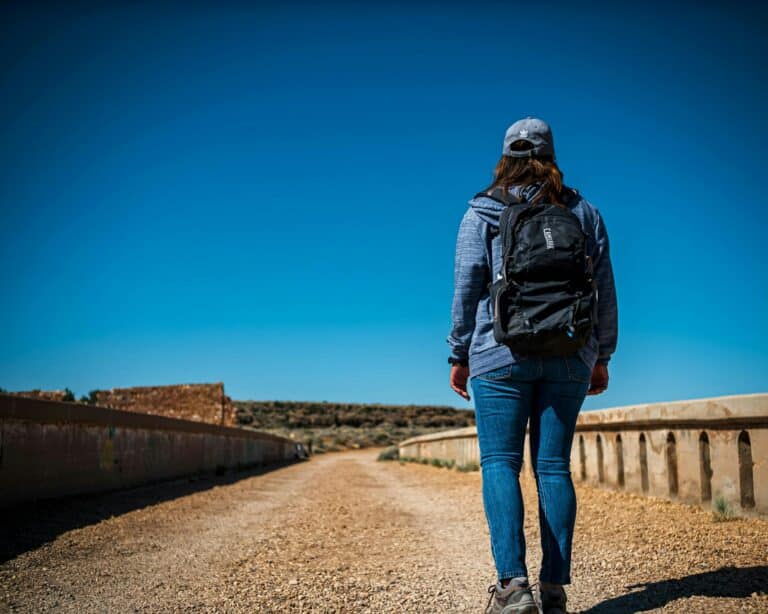
1. Hydration Pack for Summer Hiking
Best for: Long hikes, backpacking, and outdoor trips where water access may be limited.
A hydration pack lets you carry drinking water and access it without repeatedly stopping to open a bottle. Many models include a drinking tube, making them convenient during hiking and other outdoor activities.
Some hydration systems work with compatible water filters, allowing you to refill from suitable natural water sources. However, not every hydration pack includes a filter, and not every filter makes all water safe to drink.
Many portable backpacking filters remove bacteria and protozoa but do not reliably remove viruses, dissolved chemicals, or salt. Match your treatment method to the likely contamination risks.
What to Look For
- A reservoir capacity appropriate for the trip
- Comfortable shoulder straps and a secure fit
- An easy-to-clean bladder and drinking tube
- Compatibility with a suitable water-treatment system
- A reliable backup water container
Our verdict: A hydration pack is one of the most useful summer survival tools, but start with enough safe water and treat natural water sources appropriately.
Check the Hydration Pack on Amazon


2. Lightweight Collapsible Water Bottle
Best for: Backup water storage, emergency refills, and reducing pack bulk.
A collapsible water bottle gives you extra carrying capacity without taking up much space when empty. It can serve as a backup if your primary water reservoir leaks or you need to carry additional treated water.
Some collapsible bottles are compatible with threaded water filters, although compatibility varies by brand and model.
What to Look For
- Food-safe materials
- Leak-resistant cap or closure
- Useful capacity without excessive bulk
- Durable seams and reinforced attachment points
- Compatibility with your filter, if needed
Our verdict: An inexpensive backup container can be more valuable than many specialized survival gadgets.
Check Collapsible Water Bottles on Amazon
3. Electrolyte Powder Packets
Best for: Long periods of heavy sweating and strenuous outdoor activity.
Sweat contains water and electrolytes, especially sodium. During prolonged exertion in hot weather, an appropriate electrolyte drink may help replace some of these losses.
Electrolyte packets are compact, lightweight, and convenient to carry. However, they are not a substitute for drinking enough safe water, and they are not a treatment for heatstroke.
Most people do not need electrolyte supplements for every short outdoor activity. Needs vary depending on sweating, activity duration, diet, and individual health considerations.
What to Look For
- Clearly labeled sodium and other electrolyte content
- Easy-to-mix single-serving packets
- A formula appropriate for your activity and dietary needs
- Reasonable cost per serving
Our verdict: Useful for extended hot-weather exertion, but prioritize water, rest, and cooling.
Check Electrolyte Packets on Amazon
4. Cooling Towel or Neck Gaiter
Best for: Temporary comfort during warm-weather activities.
A cooling towel can help lower skin temperature through evaporation when dampened with water. It is lightweight and easy to keep in a hiking pack, vehicle emergency kit, or camping bag.
Evaporative cooling is generally less effective in very humid conditions. A cooling towel may improve comfort, but it cannot reliably prevent heat illness during dangerous exposure.
What to Look For
- Soft, comfortable material
- Reusable and washable construction
- Compact packed size
- Simple activation with clean water
Our verdict: A convenient comfort accessory, especially when paired with shade and rest.
Check Cooling Towels on Amazon
5. Portable Battery-Powered Fan
Best for: Improving airflow at camp, during travel, or in moderate indoor heat.
A small rechargeable fan can improve comfort by moving air across your skin and helping sweat evaporate under suitable conditions.
Portable fans are particularly convenient for camping tables, shaded rest areas, and temporary power outages. However, fans may be inadequate in extreme heat and should not be relied upon as the primary way to protect someone from heatstroke.
What to Look For
- Rechargeable battery with a clearly stated runtime
- Adjustable speed settings
- Stable base or secure clip
- USB charging compatibility
- Protective grille around the blades
Our verdict: Helpful for comfort, but access to a genuinely cooler environment is more important during dangerous heat.
Check the Portable Fan on Amazon

Sun Protection and Emergency Shelter
6. Wide-Brimmed Sun Hat
Best for: Hiking, gardening, fishing, and extended time in direct sunlight.
A wide-brimmed hat provides shade for the face, ears, and neck. This helps reduce direct ultraviolet exposure and makes outdoor activity more comfortable.
Look for a hat that is breathable, fits securely, and provides adequate coverage. Some hats use fabrics with an ultraviolet protection factor (UPF) rating.
What to Look For
- A wide brim with useful face and neck coverage
- Breathable construction
- UPF-rated material where available
- Adjustable chin strap
- Packable design
Our verdict: One of the simplest and most practical sun-protection items to carry.
7. Broad-Spectrum Sunscreen Stick
Best for: Protecting exposed skin during outdoor activities.
A sunscreen stick is convenient for applying protection to the nose, ears, cheeks, and other exposed areas. Its compact packaging also makes it easy to carry in a daypack.
Choose broad-spectrum sunscreen with SPF 30 or higher. Water-resistant formulas are useful when sweating or swimming, but no sunscreen is completely waterproof.
Follow the product label for application and reapplication. Sunscreen complements protective clothing and shade rather than replacing them.
What to Look For
- Broad-spectrum UVA and UVB protection
- SPF 30 or higher
- Water resistance appropriate for your activity
- Portable packaging
- A formula comfortable enough to use regularly
Our verdict: Essential for exposed skin, particularly when shade is limited.
Check Sunscreen Sticks on Amazon
8. Lightweight UPF Protective Clothing
Best for: Long hikes, exposed trails, and repeated outdoor work.
Long-sleeved sun shirts and lightweight protective pants can reduce the amount of skin exposed to direct sunlight.
UPF-rated fabrics are designed to limit ultraviolet radiation passing through the material. A UPF 50 rating means approximately one-fiftieth of the tested UV radiation passes through the fabric.
Choose clothing appropriate for the weather. Breathability, fit, and moisture management matter when working or hiking in hot conditions.
What to Look For
- UPF-rated fabric
- Lightweight, breathable construction
- Comfortable movement and fit
- Good coverage of arms and legs
- Easy washing and drying
Our verdict: Protective clothing offers dependable sun coverage without needing repeated application like sunscreen.
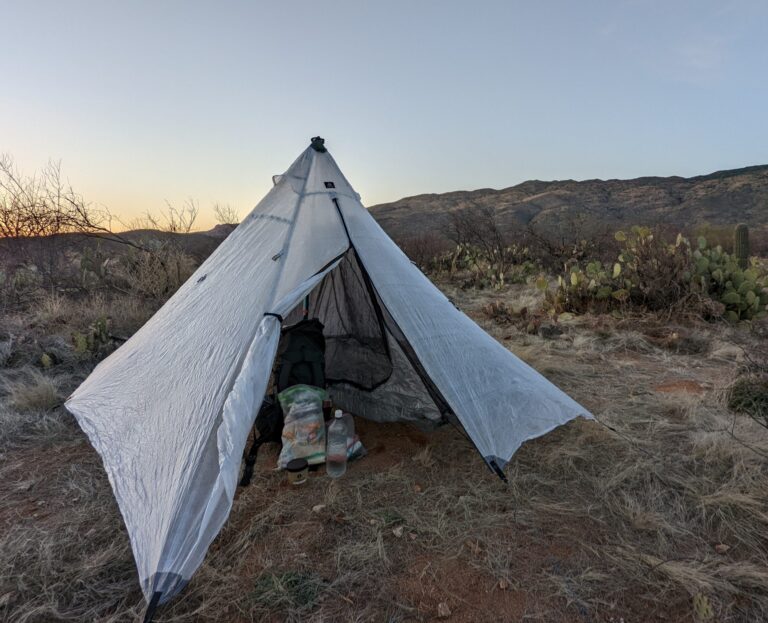
9. Emergency Shade Shelter or Reflective Tarp
Best for: Creating temporary shade during camping, roadside emergencies, and outdoor rest stops.
A lightweight tarp can help block direct sunlight when natural shade is unavailable. Reflective materials may reduce some solar heat gain, depending on how they are positioned.
For a practical summer survival kit, a purpose-built shade tarp is often more dependable than a thin emergency blanket. Emergency blankets can be useful as backup materials but may tear easily and can trap heat if used incorrectly.
Pitch shade shelters to allow airflow, secure them against wind, and avoid creating an enclosed hot space.
What to Look For
- Durable fabric and reinforced attachment points
- Useful coverage area
- Low packed weight
- Compatible cordage and stakes
- Easy setup with adequate ventilation
Our verdict: Reliable shade is a high-priority summer preparedness tool, especially where natural cover is scarce.
Check Emergency Shelter Materials on Amazon
For additional shelter ideas, see our guide to improvised cooling shelters.
Emergency Safety, Repair, and Communication Tools
10. First Aid Kit with Durable Storage Case
Best for: Treating minor injuries and carrying supplies for outdoor emergencies.
A compact first aid kit should address common hiking and camping problems such as cuts, blisters, insect stings, and minor burns.
For summer trips, add items suited to the environment, such as blister dressings, bandages, gloves, and any personal medications.
Instant cold packs can be useful for some minor injuries, but a few small packs are not an adequate treatment for heatstroke. Suspected heatstroke requires emergency medical assistance and rapid whole-body cooling.
What to Look For
- A durable, securely closing case that protects supplies from dirt and minor splashes.
- Bandages and wound-cleaning supplies
- Blister treatment supplies
- Protective disposable gloves
- Room for personal medications and emergency information
Our verdict: A dependable first aid kit belongs in every outdoor emergency bag.
Check the First Aid Only 335-Piece First Aid Kit on Amazon

11. Solar-Powered Charger
Best for: Extended trips and power outages where access to electrical outlets is limited.
A portable solar panel can help recharge a power bank, phone, or compatible device when sunlight is available.
Solar charging performance depends on panel size, sunlight, orientation, temperature, and device requirements. Small panels may charge slowly, particularly under cloud cover or while moving.
For reliability, consider pairing a solar panel with a separate power bank rather than depending on direct sunlight whenever you need to charge your phone.
What to Look For
- Realistic power output for your devices
- Compatible charging ports
- Portable folded size
- Durable outdoor construction
- Clear operating and storage instructions
Our verdict: A useful renewable charging option, especially when combined with a charged power bank.
Check the Solar Charger on Amazon

12. Multi-Tool for Emergency Repairs
Best for: Minor equipment repairs and general campsite tasks.
A compact multi-tool can help tighten hardware, cut cordage, repair equipment, and handle other small tasks that arise during outdoor trips.
Choose tools based on what you actually carry. Pliers, scissors, a screwdriver, and a usable knife blade may be more valuable than an oversized collection of specialized attachments.
A multi-tool is a supporting accessory, not a substitute for safe water, shelter, or communication equipment.
What to Look For
- Comfortable, secure grip
- Useful pliers and cutting tools
- Corrosion-resistant construction
- Reliable locking mechanisms where appropriate
- Manageable weight
Our verdict: A practical backup tool for maintaining equipment and solving small problems.
13. Emergency Signaling Mirror
Best for: Attracting attention in open terrain when communication devices are unavailable.
A signaling mirror reflects sunlight toward distant observers and can be useful during wilderness emergencies.
Its effectiveness depends on sunlight, visibility, terrain, and accurate aiming. A mirror should complement other signaling methods rather than replace a satellite communicator or emergency beacon.
What to Look For
- Purpose-built aiming aid
- Durable reflective surface
- Compact size
- Protective storage pouch
- Simple instructions for proper signaling
Our verdict: A lightweight, inexpensive backup signaling device that does not require batteries.
Check Signaling Mirrors on Amazon
14. Heat-Resistant Gloves
Best for: Handling hot cookware, campsite equipment, and other hot surfaces.
Heat-resistant gloves are useful when cooking outdoors or managing hot camping equipment.
They are not a primary heat-illness prevention tool, but they can prevent avoidable hand injuries when using camp stoves or handling cookware.
Choose gloves rated for the actual temperatures and tasks involved. Heat resistance varies widely, and no glove provides unlimited protection from hot objects or flames.
What to Look For
- Appropriate heat rating
- Secure grip
- Good fit and dexterity
- Durable construction
- Manufacturer guidance for safe use
Our verdict: Useful for camp cooking and equipment handling, but lower priority than water, shade, and emergency communication.
Check Heat-Resistant Gloves on Amazon
15. Personal Locator Beacon or Satellite Messenger
Best for: Remote hiking, backpacking, and areas without dependable cellular coverage.
A personal locator beacon (PLB) or satellite messenger can provide an important way to request help when a cellular phone has no signal.
These devices are not interchangeable. A registered PLB generally provides emergency distress signaling through a dedicated rescue system, while satellite messengers may offer two-way messaging, tracking, and SOS functions depending on the service and subscription.
Neither device guarantees immediate rescue. Performance depends on factors such as satellite visibility, device condition, proper activation, and the ability of responders to reach your location.
What to Look For
- Coverage suitable for your destination
- Reliable emergency SOS capability
- Battery life appropriate for your trip
- Water resistance and durability
- Clear registration or subscription requirements
Our verdict: One of the most important investments for people who regularly travel beyond cellular coverage.
Check the Satellite Communication Device on Amazon

Summer Survival Tools Comparison Table
Use this table to prioritize your purchases based on the problems each tool addresses.
| Tool | Main Purpose | Priority |
|---|---|---|
| Hydration pack | Carry drinking water | High |
| Collapsible bottle | Backup water storage | High |
| Electrolyte packets | Replace sweat losses when needed | Situational |
| Cooling towel | Temporary cooling comfort | Supplemental |
| Portable fan | Airflow and comfort | Supplemental |
| Sun hat | Sun protection | High |
| Sunscreen | UV protection | High |
| UPF clothing | Skin coverage | High |
| Shade shelter | Block direct sunlight | High |
| First aid kit | Minor injury care | High |
| Solar charger | Backup electricity | Situational |
| Multi-tool | Equipment repairs | Supplemental |
| Signaling mirror | Visual distress signaling | Situational |
| Heat-resistant gloves | Hand protection | Supplemental |
| PLB or satellite messenger | Remote emergency SOS | High for remote travel |
How to Recognize Heat Exhaustion and Heatstroke
Knowing when to stop an activity is just as important as carrying the right equipment.
Common Signs of Heat Exhaustion
- Heavy sweating
- Headache or dizziness
- Weakness and unusual fatigue
- Nausea
- Thirst
- Elevated body temperature
If someone develops symptoms of heat exhaustion, stop the activity, move to a cooler location, loosen excess clothing, and cool the person with water, wet cloths, or other available cooling methods. If fully alert and able to swallow safely, they can drink cool water. Seek medical help if symptoms worsen or fail to improve promptly.
Heatstroke Warning Signs
Heatstroke can involve confusion, abnormal behavior, collapse, seizures, or loss of consciousness. A person may be sweating or may have dry skin; sweating does not rule out heatstroke.
Emergency Response: Suspected Heatstroke
- Call 911 or the local emergency number immediately.
- Move the person away from heat when it is safe to do so.
- Begin rapid cooling immediately. Cool-water immersion is highly effective when feasible and safe; otherwise, continuously wet the skin with cool water and use airflow or other available cooling methods.
- Follow emergency dispatcher instructions.
- Do not give drinks to someone who is confused, unconscious, or unable to swallow safely.
Do not wait for a thermometer reading or for symptoms to get worse before seeking emergency help.
For more detail, read our guide to recognizing heat exhaustion in the wild.
How to Build a Practical Summer Survival Kit
You don’t need to buy all 15 tools at once. Start with the essentials and add equipment based on your activities.
For a Short Summer Day Hike
- Enough safe drinking water for the conditions and planned duration, plus a reserve
- Sun hat, protective clothing, and sunscreen
- Basic first aid supplies
- Navigation tools and a communication plan
- Emergency shade or shelter when appropriate
For Overnight Backpacking
- Primary and backup water containers
- Appropriate water-treatment equipment
- Weather-appropriate shelter
- First aid and equipment repair supplies
- Navigation and emergency communication equipment
- Charging equipment if needed
For a Summer Power Outage
- Stored drinking water
- A plan to access an air-conditioned or otherwise cooler location
- Battery-powered lighting and communication equipment
- Charged power banks
- Weather alerts and a household emergency contact plan
A portable fan and solar charger can support a blackout plan, but they are not substitutes for access to safe indoor temperatures during extreme heat.
For weather alerts when the grid is down, see our emergency solar radio guide.
Maintenance Tips for Summer Emergency Gear
Even reliable equipment can fail if it is stored incorrectly or neglected between trips.
- Water containers: Wash and dry according to manufacturer instructions. Inspect for leaks and damaged seals.
- Water filters: Follow the manufacturer’s cleaning, backflushing, storage, and replacement instructions. Protect filters from freezing when required.
- Power banks: Recharge periodically and avoid storing them in excessively hot vehicles.
- Solar panels: Keep charging surfaces clean and protect cables and connectors.
- First aid kits: Replace used supplies and check expiration dates.
- Satellite devices: Confirm registration or subscription status, battery condition, and operating instructions before leaving.
- Shade shelters: Inspect seams, stakes, and guy lines before each trip.
Frequently Asked Questions About Summer Survival Tools
What is the most important summer survival tool?
Safe drinking water and a reliable way to carry it are among the most important priorities. However, shade, avoiding dangerous exposure, and having a way to request help can be equally important depending on the situation.
How much water should I carry for a summer hike?
There is no single amount appropriate for every person or trip. Requirements vary with temperature, humidity, exertion, body size, duration, and access to safe refill locations. Plan conservatively and carry a reserve rather than relying on finding water along the trail.
Do electrolyte drinks prevent heatstroke?
No. Electrolyte drinks may help replace losses during prolonged sweating, but they cannot prevent heatstroke when heat exposure and exertion exceed the body’s ability to cool itself.
Can a cooling towel lower body temperature?
A damp cooling towel can cool the skin and improve comfort. Its effectiveness depends on environmental conditions, and it should not be relied upon to treat serious heat illness.
Is a solar charger enough for a summer blackout?
A small solar charger can help power certain devices, but charging depends on available sunlight and panel output. A precharged power bank and a plan for accessing cooler shelter are important additional precautions.
Do I need a satellite messenger for ordinary camping?
Not necessarily. A satellite messenger or PLB is most valuable when traveling beyond reliable cellular coverage or into remote terrain where emergency communication may be difficult.
Can a backpacking filter make any water safe to drink?
No. Filter capabilities vary. Many common filters are designed to remove bacteria and protozoa but not viruses, dissolved chemicals, or salt. Always choose treatment appropriate for the water source.
Final Verdict: Which Summer Survival Tools Matter Most?
The best summer survival tools are the ones that address realistic risks before they become emergencies.
Start with dependable drinking-water storage, sun protection, shade, first aid supplies, and a communication plan. Add water filtration, charging equipment, and specialized signaling tools when your activities justify them.
Cooling towels, portable fans, multi-tools, and other accessories can make summer trips more comfortable and manageable, but they should come after the essentials.
Most importantly, remember that equipment cannot replace good decisions. Check the weather, avoid unnecessary exertion during dangerous heat, know where to find cooler shelter, and recognize the warning signs of heat illness.
A practical summer preparedness kit should help you stay hydrated, protect yourself from the elements, and get assistance when something goes wrong.