
How to Stay Cool While Camping in Extreme Heat: Top Tips & Gear
If you’ve ever tried to stay cool while camping in the peak of summer, you know the challenge. A clear blue sky and open wilderness can feel like pure freedom—until the thermometer climbs past 90°F (32°C). What starts as a peaceful escape can quickly turn into a draining, sweat-drenched fight against dehydration, heat exhaustion, and even heatstroke.
This post contains affiliate links. I may earn a small commission at no extra cost to you. Learn more.
This guide isn’t about hiding from the heat—it’s about outsmarting it. You’ll learn how to transform harsh temperatures into a test of preparation and mindset. Whether you’re trekking through desert canyons, setting up a lakeside basecamp, or enduring a midsummer power outage, these strategies will keep your body cool, your mind clear, and your camp running comfortably.
In this post, you’ll learn how to:
- Choose a campsite that naturally stays cooler
- Adjust your schedule around peak heat hours
- Select clothing and shelter that reflect and vent heat
- Stay hydrated and maintain electrolyte balance
- Use proven cooling hacks for both day and night
If you’re gearing up for full summer readiness, these related hubs will round out your prep:
Best Survival & Off-Grid Generators of 2025
Ultimate Water Purification Guide
Best Survival & Basecamp Tents of 2025
1. Pick a Campsite That Fights the Heat
One of the most effective ways to stay cool is to set up camp in a location that naturally buffers against high temperatures. Consider these factors when choosing your spot:
- Natural Shade:
- Under Tree Canopies: Look for mature trees—oak, pine, or cottonwood—that cast broad shadows during midday.
- Rock Overhangs & Cliffs: Rocks absorb heat in the day but often provide cooler recesses beneath overhangs.
- Elevation & Terrain:
- Higher Elevation: Mountainous or hilly areas can be 5–10°F cooler than adjacent lowlands.
- Near Water Sources: Campsites next to lakes, rivers, or streams often have slightly lower temperatures and breezes.
- Wind Exposure:
- Breezy Clearings: Openings that allow gentle airflow help replace hot stagnant air.
- Avoid Wind Funnels: Stay clear of narrow canyon slots or rock passages that trap heat.
Tip: Arrive early enough to scout out shade patterns—what’s shady at sunrise may be full sun by noon. Walk the site at different times and visualize where your tent and gear will sit when the sun is highest.
2. Adjust Your Daily Schedule
When daytime temperatures peak, your body works overtime to keep cool. By structuring activities outside of the hottest hours, you’ll conserve energy and lower risk of heat-related issues.
- Early-Morning & Late-Afternoon Adventures:
- Sunrise Hikes: Set your alarm for a 4:30–5:00 AM start. The air is crisp, wildlife is active, and trails are less crowded.
- Evening Exploration: Plan side trips, photography, or wildlife watching between 6:00–8:00 PM when the sun dips.
- Midday Siesta (12 PM–4 PM):
- Stay in Shade: Use this time to nap, read, or relax in your tent or hammock.
- Learn & Plan: Review maps, plan next-day routes, or play card games with your group.
- Nighttime Activities (Post-Sunset):
- Stargazing & Campfire Talks: As the temperature cools, enjoy campfire stories or simply star surveys.
- Nocturnal Wildlife: Bring binoculars or a night-vision flashlight to observe owls, bats, or other night critters.
Pro Tip: Download a “Golden Hour” app or use your phone’s sun-tracking widget to know exactly when the sun will be at its zenith and set. This allows you to time your activities precisely and avoid midday heat.
3. Choose the Right Clothing & Sun Protection
Your clothing choices play a huge role in how hot you feel. Synthetic fabrics and technical designs can wick sweat and reflect sunlight more effectively than 100% cotton tees.
- Lightweight, Breathable Fabrics:
- Moisture-Wicking T-Shirts & Long-Sleeves: Look for nylon/polyester blends with mesh ventilation panels.
- Quick-Dry Shorts & Convertible Pants: Convertible zip-off pants let you adapt to shifting conditions.
- Light Colors & Loose Fit:
- White, Beige, or Pastel Hues: Reflect sunlight instead of absorbing it.
- Loose-Fitting Garments: Promote air circulation across skin, allowing sweat to evaporate.
- Sun Protection Accessories:
- Wide-Brimmed Hat or Boonie Hat: Shields face, neck, and ears from direct sun.
- UV-Blocking Sunglasses: Protects eyes from glare and harmful UV rays.
- Buff or Lightweight Scarf: Versatile for covering neck, face, or draping over shoulders.
- Sunscreen & Lip Balm:
- Broad-Spectrum SPF 30+ Lotion: Reapply every 2–3 hours, especially after sweating.
- SPF Lip Balm: Lips burn quickly; choose one with moisturizing properties.
Feature-Benefit List:
- ✅ Breathable Fabrics: Keeps you feeling dry by wicking sweat away from skin.
- ✅ UPF Clothing: Blocks up to 98% of UV rays, preventing sunburn and overheating.
- ✅ Ventilated Headwear: Shields your face and neck while letting heat escape.
- ✅ Lightweight Scarf/Buff: Multi-purpose protection—sun shield, sweat absorber, or cooling wrap when dampened.
4. Optimize Your Shelter & Sleeping Setup
A proper tent selection and sleep system are critical for nighttime comfort when humidity and heat can linger after sunset.
- Tent Selection Tips:
- Double-Wall Mesh Tents: Provide maximum ventilation. Mesh walls let breezes flow through; rainfly can be stowed during clear nights.
- Light-Reflective Rainfly: Some brands offer silver-coated fabrics that reflect sunlight away from tent interior.
- Avoid Dark, Heavy Fabric Tents: These trap heat during the day.
- Tent Placement Strategies:
- Under Tree Shade: Position tent footprint where shade is consistent during mid-afternoon.
- Orient Around Breeze: Face tent doors toward prevailing winds to increase airflow.
- Sleeping Gear Adjustments:
- Cooling Sleeping Pads: Some pads incorporate gel layers or perforated foams that dissipate heat.
- Breathable Sleeping Bags: Opt for lightweight quilts rated to ~40°F instead of bulky 0°F bags.
- Cotton vs. Synthetics: Synthetics dry faster and won’t stick to your skin when sweating.
- Evening Ventilation Routine:
- Remove Rainfly Early: As soon as the sun sets and skies are clear, pull back the rainfly to maximize cross-ventilation.
- Door/Zipper Management: Open door vestibules on opposite sides to create a wind tunnel effect.
Tip: If humidity is extremely high and condensation builds up, drape a lightweight towel over the mesh panels to catch drips before they wake you.
5. Stay Hydrated & Manage Electrolytes
When temperatures climb, your body can lose up to a quart of fluid per hour through sweat. Simply drinking water may not replace lost electrolytes—sodium, potassium, and magnesium—that keep your muscles and nerves functioning.
- Hydration Best Practices:
- Sip Continuously, Don’t Guzzle: Take small sips every 10–15 minutes during activity.
- Aim for 3–4 Liters/Day Per Person: Adjust based on exertion level and humidity.
- Electrolyte Strategies:
- Electrolyte Powder Packs: Add to filtered water; look for no-added-sugar formulas.
- Natural Sources (if backpacking light): Powdered coconut water, dried fruit, or a pinch of sea salt in water.
- Cooler Water Techniques:
- Pre-Chill Water Bottles: Freeze 20% of your water; as it melts, you’ll have iced hydration.
- Insulated Bottles or Hydration Sleeves: Keeps water cooler 2–3 hours longer.
- Signs of Dehydration & Heat Stress:
- Thirst & Dry Mouth: Early indicators—start sipping immediately.
- Dark Yellow Urine: Aim for pale straw color.
- Headache, Dizziness, Rapid Heartbeat: Stop activity, move to shade, and rehydrate with electrolytes.
Feature-Benefit List:
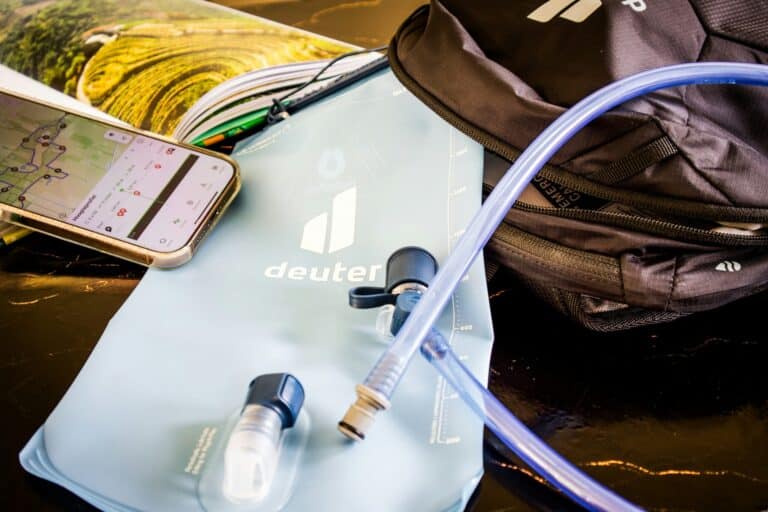
- ✅ Insulated Hydration Pack: Hands-free sipping with water staying cool longer.
- ✅ Electrolyte Tablets: Quick dissolve in water—prevents cramps and boosts energy.
- ✅ Collapsible Bottle Cover: Keeps water in shade and insulated without extra bulk.
6. Invest in Essential Cooling Gear
Beyond clothing and shelter, specialized gear can dramatically lower your perceived temperature. These items are worth adding to your camping checklist:
- Portable Camping Fan:
- Battery-Powered Fan with Clip: Clips onto tent frames or chairs; provides constant airflow.
- USB Rechargeable Fans: Can be powered via solar panel or portable power bank.
- Misting Fan Attachment: Creates a fine mist that cools as it evaporates (ideal for dry climates).
- Evaporative Cooling Towel or Bandana:
- Soak & Snap Technology: Retains water, stays cool for 2–3 hours with minimal drips.
- Lightweight & Packable: Can double as a face covering or head wrap.
- Portable Shade Solutions:
- Compact Pop-Up Sunshade: Easy to erect; UV-resistant fabric blocks 98% UV rays.
- UV-Reflective Tarp & Poles: Create a shaded communal area—sets up in under 5 minutes.
- Insulated Cooler & Beverage System:
- High-Performance Soft Cooler: Lightweight, water-resistant, and keeps ice 24–48 hours.
- Hydration Bladder Cooler Sleeve: Slides over hydration packs to keep water icy cold.
- Reflective Sunshade for Vehicles/Camps:
- Heat-Reflective Windshield Cover: If you’re car-camping, this can cut inside car temperatures by 20–30°F.
- Footprint Shade Mat: Reflects heat under your tent floor, making tent interior cooler by 5–10°F.
Tip: Limit electronic gear usage (phones, tablets) during midday. Devices can heat your tent from the inside; instead, store them in shaded, insulated pockets.
7. Smart Food Preparation & Meal Timing
Cooking meals over a hot camp stove can raise body temperature and increase dehydration. With a little planning, you can enjoy delicious meals without the extra heat load.
- Cold-Prep & No-Cook Meals:
- Pasta Salad or Grain Bowls: Cook at home; refrigerate. Pack in insulated cooler with ice packs.
- Yogurt & Oat Parfait: Layer in a reusable Mason jar with fresh berries, honey, and granola.
- Hydrating Snack Choices:
- Cucumber & Melon Slices: High water content and refreshing.
- Watermelon Cubes: Bonus electrolytes (potassium).
- Quick-Cooking, One-Pot Recipes:
- Foil-Packet Meals: Assemble meat/fish, veggies, and seasoning at home or campsite; cook over coals for 10–15 minutes.
- Instant Soups & Noodles: Boil water in early evening when temperatures dip to avoid midday heat.
- Meal Timing Recommendations:
- Breakfast Before Sunrise: Fuel your body early to avoid cooking in direct sun.
- Dinner After Sunset: Allows you to cook when it’s 10–15°F cooler, reducing heat stress.
- Keep Snacks Cold: Use a small mesh bag with frozen juice boxes—thaw by midday for a cold beverage.
Feature-Benefit List:
- ✅ Insulated Cooler with Ice Packs: Keeps perishable foods safe and refreshing.
- ✅ Meal-Prep Containers: Organize pre-cooked meals; minimize campfire cooking time.
- ✅ Lightweight, Compact Stove: Short boil times require less fuel and generate less ambient heat.
8. Nighttime Cooling Hacks
Even after the sun sets, heat can linger—especially in desert or humid regions. Follow these tips to maximize your overnight comfort:
- Enhance Tent Ventilation:
- Tent Doors Opposite: Open both doors/mesh panels to create cross-breeze.
- Use a Clip-On Fan: Position near the foot of your sleeping bag to circulate cool air.
- Use Moisture-Wicking Sleep Systems:
- Breathable Sleeping Quilt: Sheep’s wool or advanced synthetic quilts help move moisture.
- Cooling Gel-Pad Pillow: Keeps head airflow cooler throughout the night.
- Try a Damp Towel Trick:
- Drape Damp Towel Over Tent Roof (Exterior): As water evaporates, it cools the tent interior.
- Place a Wet Bandana in Front of Fan: Creates DIY evaporative cooling for tent occupants.
- Sleep Closer to Ground, Not Underneath:
- Elevated Cots vs. Low Pads: While cots keep you off hot ground, in extreme humidity the ground is cooler. Test both.
- Ground Ventilation: Clear away debris under tent to let cooler air flow beneath.
- Nighttime Hydration Routine:
- Sip Room-Temperature Water Before Bed: Too-cold drinks can constrict blood vessels and reduce cooling effect.
- Herbal Tea (Non-Caffeinated): Ingredients like peppermint promote a feeling of coolness.
Tip: If using a hammock, hang it with a slight breeze path and drape a damp shirt over the hammock to create a cooling microclimate around your torso.
9. Monitor Your Body & Recognize Warning Signs
In extreme heat, knowing when to push forward and when to rest can be lifesaving. Listen to your body and look out for these red flags:
- Heat Cramps:
- Symptoms: Muscle spasms, especially in legs or abdomen.
- Action: Move to shade, stretch gently, sip electrolyte water, and rest.
- Heat Exhaustion:
- Symptoms: Heavy sweating, weakness, cold/clammy skin, fast pulse, nausea, headache.
- Action: Lie down in cool spot, elevate feet, cool body with wet cloths, rehydrate slowly.
- Heatstroke (Medical Emergency):
- Symptoms: High body temperature (>104°F), hot/dry skin, rapid pulse, confusion, unconsciousness.
- Action: Call 911 (if available), move person to cool area, soak with cool water, use fan, apply ice packs.
- Dehydration Warnings:
- Symptoms: Dark urine, excessive thirst, dizziness, dry mouth.
- Action: Drink 1–2 cups of water every 15–20 minutes until symptoms improve.
Safety Reminder: Never ignore warning signs. Always err on the side of caution—heat-related illnesses can escalate quickly.
10. Emergency & Backup Strategies
Even with perfect planning, extreme heat can push gear and bodies to their limits. These “just-in-case” tactics can give you an edge if temperatures climb unexpectedly:
- Identify Nearby Cooling Refuge Points:
- Ranger Stations or Visitor Centers: Many national parks have air-conditioned buildings.
- Shaded Pavilions & Picnic Areas: Usually equipped with water fountains and restrooms.
- Carry a Mini First-Aid Cooling Kit:
- Flexible Ice Pack: Freezable or fillable with water—fits in your cooler.
- Electrolyte Tablets & Oral Rehydration Salts (ORS): Quick administration for cramps or nausea.
- Small Sponge or Microfiber Cloths: For dabbing sweat off face and neck rapidly.
- Plan Early Exits:
- Keep Vehicle Running Sparingly: If parked in shade, run A/C briefly to cool down before driving.
- Know the Nearest Trailhead Exit: In remote areas, heat can escalate faster than you anticipate.
- Leave a Trip Plan & Check-In Times:
- Share Itinerary: With a trusted friend or park office, including high-temperature contingency plans.
- Use Satellite Communicators (if out of cell range): Devices like Garmin inReach allow for SOS signals.
Feature-Benefit List:
- ✅ Portable Cooling Kit: Lightweight, saves space, but can be a literal lifesaver.
- ✅ Satellite Messenger: Peace of mind knowing you have direct line to help.
- ✅ Detailed Trip Plan: Ensures someone knows where you’ll be and when to expect you back.
11. Example Cooling Gear Checklist
Below is a quick-reference checklist you can copy/paste into your planning docs.
- ☑️ Lightweight, Breathable Clothing (UPF-rated shirts & pants)
- ☑️ Wide-Brimmed Sun Hat or Boonie Hat
- ☑️ UV-Blocking Sunglasses
- ☑️ Moisture-Wicking Socks & Underwear
- ☑️ Double-Wall Mesh Tent with Reflective Rainfly
- ☑️ Portable Battery-Powered Camping Fan
- ☑️ Evaporative Cooling Towel / Bandana
- ☑️ Insulated Cooler with Ice Packs
- ☑️ Electrolyte Powder or Tablets
- ☑️ Reusable Water Bottles (1-liter minimum × 3)
- ☑️ Compact Solar Charger or Power Bank
- ☑️ Wide, UV-Reflective Tarp & Adjustable Poles
- ☑️ Cooling Gel Pillow or Portable Sleeping Pad
- ☑️ First-Aid Kit with Oral Rehydration Salts
- ☑️ Satellite Communicator (optional, for remote areas)
12. Final Word: Outsmart the Heat, Own the Adventure
Camping under the relentless sun doesn’t have to mean sweltering misery. With smart preparation, cooling gear that actually works, and a flexible schedule that respects the rhythm of the day, you can thrive even when the mercury hits triple digits.
When you plan ahead and pack intentionally, you’re not surviving—you’re mastering your environment.
Further Reading
To complete your summer-readiness toolkit, check out these connected guides:
- Stay Cool Without Power: Off-Grid Heat Survival Guide — Beat dangerous heatwaves even when the grid fails.
- Ultimate Water Purification Guide — Find, filter, and store safe drinking water anywhere.
- Campfire-Free Ways to Cook Your Meals This Summer — Beat the heat with low-fuel, high-flavor meals.
- Best Solar Gear for Summer Survival and Camping — Keep your camp powered without the grid.
- DIY Bug Repellent: Natural Summer Protection That Works — Stay bite-free with natural defense.
- Best Survival & Basecamp Tents of 2025 — Ventilated, reflective shelters built for heat resilience.
- Wildfire Evacuation Planning: Summer Readiness Checklist — Prepare for the extreme side of summer.
- Essential Bushcraft Skills for Preppers to Survive Anywhere — Strengthen your fundamentals before you hit the trail.
Affiliate Disclosure:
This post contains affiliate links. If you make a purchase through them, I may earn a small commission at no extra cost to you.