
The New Rules of Bugging Out in 2025: Lessons from the Last 5 Years
The New Rules of Bugging Out in 2025: Lessons from the Last 5 Years
1. Introduction: Why 2025 Is Different
For more survival strategies and related content, check out our other posts on www.thesavvysurvivalist.com.
This post contains affiliate links. I may earn a small commission at no extra cost to you. Learn more.
In recent years, bugging out has significantly evolved due to increased surveillance, technology advancements, climate-related disasters, and shifting societal dynamics. What once was a simple plan to grab a bag and head to the woods now requires strategic thinking encompassing digital security, low-profile movement, and sustainable long-term survival. In this comprehensive guide, we’ll dive deep—over the next 3,000 words—into every facet of modern bug-out methodology, integrating lessons learned from large-scale evacuation events of the last half-decade.
In recent years, bugging out has significantly evolved due to increased surveillance, technology advancements, climate-related disasters, and shifting societal dynamics. What once was a simple plan to grab a bag and head to the woods now requires strategic thinking encompassing digital security, low-profile movement, and sustainable long-term survival. In this comprehensive guide, we’ll dive deep—over the next 3,000 words—into every facet of modern bug-out methodology, integrating lessons learned from large-scale evacuation events of the last half-decade.
- Technological Surveillance: Drones, body cameras, and ubiquitous smartphones mean your movements can be tracked from miles away. Staying off the grid is no longer just about avoiding roads; it’s about managing your digital footprint.
- Climate Acceleration: More frequent and severe weather events force faster, more chaotic evacuations. Traditional “bug-out corridors” can saturate in hours, requiring micro-level route planning.
- Social Fragmentation: In 2025, many urban areas have seen rising civil unrest, making evacuation through densely populated zones riskier. Understanding local social dynamics has become part of evacuation intelligence.
- Supply Chain Vulnerabilities: Early-pandemic experiences taught us that store shelves can empty in days. Preppers must now plan for both immediate evacuation and extended off-grid living.
As you read on, you’ll find a holistic blueprint integrating all of these elements, so you’re not caught off-guard when “the call” comes.
2. Low-Profile Movement
Remaining inconspicuous is the foundation of a successful bug-out. In 2025, flash mobs and opportunistic criminals can appear as fast as wildfire smoke. Blending into the environment—urban or rural—can be the difference between a smooth exit and being targeted.
Clothing and Gear Selection
- Clothing: Seek garments in muted, civilian-friendly colors: charcoal grays, earth-toned tans, and deep olive greens. Tactical pants with concealed pockets provide utility without drawing attention. Avoid logos or patterns associated with survivalist or military communities.
- Outerwear: Invest in a jacket that combines water resistance, concealed pockets, and a low-profile silhouette to help you blend effortlessly.
- Backpack: A covert-style bag is designed to hide gear. Internal compartments can be organized for efficient access to essentials—med kits, multi-tools, and emergency rations.
- Footwear: Slip-resistant, low-profile tactical boots keep you agile on uneven terrain while maintaining a civilian look.
- Concealment: Use natural camouflage—folding ponchos that double as ground cover or tarps that resemble commercial tarps. A foldable camouflage net can break up your outline in a field or wooded area.
Urban Blending Techniques
- Crowded Route Selection: When evacuating through cities, move during peak pedestrian hours. Morning and evening commutes offer natural concealment in crowds. Avoid midday lulls when streets empty.
- Behavioral Norms: Match your walking pace and general behavior to those around you. If locals jog during daylight, wearing exercise attire to jog along can help you mesh with the crowd.
- Vehicle Staging: Don’t park your bug-out vehicle in a visible survivalist-friendly spot. Instead, stash a compact folding bicycle or electric scooter near your home to reach a safer extraction point.
- Cover Stories: Carry believable cover items—e.g., a gym bag with workout clothes, a laptop bag with a visible school or business logo—to deflect suspicion.
Route Selection and Timing
- Map Overlays: Use digital and paper maps to create multiple route overlays. Highlight potential bottlenecks like bridges, choke points, and main arteries. Identify secondary roads and pedestrian trails.
- Timing Windows: If evacuation is voluntary, aim for off-peak hours: 2–4 AM or late afternoon (around 3–5 PM) before rush hour surge. During an active crisis, flexibility is key—monitor traffic apps (on a burner device) for real-time congestion updates.
- Weather Considerations: In monsoon-prone areas, roads can flood within hours. Always have a “water hazard” detour in mind—alternative paths 10–20 miles inland or uphill.
3. Digital Footprint Awareness
Surveillance tech and data brokers mean your digital activities can betray you. In 2025, millions of smartphones, ubiquitous security cameras, and IoT devices track movements continuously.
Burner Devices and Secure Communications
- Phones: Equip at least two burner phones (e.g., small flip phones dedicated to voice calls only) and keep one fully charged and sealed until needed. Avoid using smartphones that sync to your personal accounts.
- SIM Strategy: Purchase prepaid SIM cards under aliases or with cash to avoid linking numbers to your identity. Cycle through SIMs every 2–3 days if possible.
- Secure Messaging: If you must use messages, rely on end-to-end encrypted apps. However, avoid using these on a device linked to your everyday accounts.
- Email: Do not access personal email on your bug-out burner device. Use a throwaway, encrypted email service only if critical.
Physical Navigation vs. GPS Reliance
- Paper Maps: Always carry updated regional maps printed on waterproof paper. Store a compass in an accessible pocket.
- GPS as Backup: Install offline map apps on a locked-down tablet without personal accounts connected, powered by a solar charger.
- Coordinate Cross-Checks: If streaming maps to multiple devices (e.g., tablet + handheld GPS unit), cross-check coordinates manually to avoid manipulation or jamming.
Cybersecurity Habits for Preppers
- Regular Audits: Weekly, delete unnecessary apps, clear caches, and review account permissions. Use privacy tools on any laptop to block trackers.
- VPN Use: Connect to a reliable VPN on all devices when checking routes or conditions, especially on public Wi-Fi (e.g., malls or café hotspots). Consider a dedicated portable router with built-in VPN.
- Metadata Stripping: When sharing images or documents among your group, strip EXIF metadata (which can contain geolocation stamps) using simple tools.
- Two-Factor Authentication (2FA): Whenever possible, shift to authenticator apps (stored offline) instead of SMS-based 2FA on personal devices. This preserves your main accounts without using phones linked to your identity.
4. Fuel and Transportation Challenges
Fuel availability is the linchpin of any evacuation. In 2025, supply chain disruptions and sudden surges in demand can empty gas stations within hours. Planning for alternative transportation and fuel strategies is paramount.
Fuel Storage and Sharing Networks
- Approved Containers: Store up to 10 gallons of fuel in approved, leak-proof containers. Rotate every 6 months to maintain freshness.
- Fuel Rationing Protocol: If you share fuel within a prepper network or neighborhood, establish ration points—e.g., 2 gallons per vehicle per week until the crisis passes. Use secure apps (burner modules) to log distribution.
- Community Pools: Coordinate with 2–3 trusted households to create a “fuel co-op.” During normal times, each deposits 2 gallons per month to a shared container; during crisis, distribute based on need and role (e.g., medics get priority).
Alternative Transportation Modes
- Folding Bicycles: Lightweight collapsible bikes can be stashed in a car trunk or closet. They provide silent, fuel-free mobility, perfect for last-mile exits when roads gridlock.
- Electric Scooters: Compact e-scooters can cover 20–25 miles on a single charge. Use portable solar chargers for quick top-ups.
- Manual Carts: Heavy loads (e.g., water or medical supplies) can be transported using collapsible hand carts. Pair with a military duffel bag for discreet transport.
- On-Foot Movement: In some urban sieges or wildfire paths, cars become liabilities. Develop a walking plan that uses pedestrian-only routes—trails, alleys, and service roads. Map these using local hikers’ forums or trail apps.
Mapping and Travel Planning
- Multi-Modal Itineraries: Create layered itineraries for car → bike → foot transitions. For example: drive 50 miles out, fold bike, pedal 10 miles, stash it, then walk 5 miles into the woods.
- Redundancy Planning: Always have at least three route options; label them Primary, Secondary, and Tertiary. If roadblocks, protests, or natural barriers arise, instantly pivot to the next plan.
- Weather Overlay: Use historical and seasonal weather data to forecast likely route blockages (e.g., flash floods in summer). Annotate paper maps with color codes: red for high-risk areas, yellow for moderate, green for safe zones.
Case Study: Hurricane Ida Evacuation 2021
Background: When Hurricane Ida barreled toward Louisiana, supercharged by warming Gulf waters, evacuation orders spanned multiple parishes. Within 48 hours, nearly 500,000 vehicles jammed I-10 in bottlenecks stretching over 50 miles.
- Lesson 1: Early warning systems and pre-positioned shelters were overwhelmed due to a lack of micro-evacuation routes.
- Lesson 2: Individuals who used off-highway trails and secondary roads reached safe zones up to 12 hours faster than those on main highways.
- Lesson 3: Digital traffic-tracking apps guided evacuees to less-congested rural routes, cutting travel time by 30%.
Takeaway: During large-scale evacuations, secondary and tertiary routes are often underutilized. Integrating real-time data with manual reconnaissance optimizes movement speed.
5. Group vs. Solo Evacuation
The decision to evacuate alone or as part of a team depends on your risk tolerance, skills, and resource availability. Both approaches have strengths and weaknesses that must be weighed carefully.
Team Composition and Roles
- Leadership: One person should be designated leader based on decision-making skills, situational awareness, and conflict resolution capabilities.
- Medic: Assign a team member with medical training to carry a fully stocked kit.
- Navigator: This individual is responsible for route planning and real-time navigation, carrying maps, compasses, and GPS devices.
- Communications: A dedicated member oversees maintaining secure radio or satellite communications.
- Logistics: The person in charge of inventory management—tracking fuel, food, water, and gear to ensure equitable distribution.
Leadership and Conflict Resolution
- Pre-Define Roles: In stable times, hold regular meetings to discuss team structure. Create a simple org chart that outlines clear responsibilities.
- Decision Matrix: Use a consensus-based approach for high-stress decisions. For example, if power is down, majority vote on whether to bug out or hunker down, factoring in last intel from the medic and navigator.
- Conflict Drills: Simulate stressful scenarios (e.g., “Your planned route is blocked; half the team wants to wait, half wants to reroute immediately.”). Rehearse conflict resolution steps—active listening, empathy, and compromise.
Group Drills and Scenario Planning
- Quarterly Drills: At least once every three months, run a full bug-out drill: pack bags, move to a designated waypoint, set up temporary shelter, and return within 48 hours.
- Nighttime Drills: Evacuating at night poses unique risks—low visibility, disorientation. Conduct at least one drill under moonlight-only conditions.
- Stress Inducers: During drills, introduce obstacles: simulated communication failures, false alarm location changes, or “injured” team members requiring medical attention.
Solo Evacuation Tips for Minimalists
- Gear Prioritization: As a solo evacuee, you cannot carry everything. Use a minimalist pack list: a simple water filter, compact med kit, knife, and fire starter.
- Speed Over Stealth: Solo travelers can move faster. If a route isn’t working, pivot immediately without needing to wait for consensus.
- Financial Strategy: Carry emergency cash in RFID-blocking pouches and conceal small denominations in multiple hiding spots on your person.
6. Decision-Making Framework
Structured decision-making is critical when seconds count. Instead of ad-hoc impulses, use defined matrices and checklists.
Threat Assessment Matrix
| Threat Type | High Risk Indicators | Decision Threshold |
|---|---|---|
| Natural Disaster | Official warnings, severe weather updates | Evacuate within 2 hours |
| Civil Unrest | Social media trend spikes, local arrests | Evaluate personal safety margin |
| Infrastructure Failure | Mass power outages, gas station queues | Prepare backup power, assess roads |
| Personal Threat | Direct threats, stalking, break-ins | Immediate relocation |
- High Risk: If two or more high-risk indicators appear, trigger immediate evacuation protocols.
- Medium Risk: One high-risk or two medium-risk indicators—prepare to bug out, but confirm water, fuel, and route viability.
- Low Risk: No direct threat—monitor and update plan every 24 hours.
Resource Sustainability Checklist
- Water: Do you have two gallons per person per day for at least three days? If not, plan water sourcing from local rivers, lakes, or rainfall.
- Food: Are freeze-dried meals or MREs sufficient for 72 hours? If not, supplement with energy bars and dehydrated fruits.
- Fuel: How many miles can your vehicle drive on current reserves? Map nearest gas stations that are still operational.
- Medical Supplies: Do you have 7 days’ worth of medications and a med kit for major hemorrhage or fractures?
Transportation Viability Evaluation
- Road Status: Check traffic apps or local news (via burner device) for closures.
- Alternate Paths: Mark at least three roads/trails that bypass main highways.
- Vehicle Status: Perform a quick maintenance check—tire pressure, oil levels, battery charge.
- Fuel Stops: Identify stations that have both fuel and an operational generator.
Drills and Iterative Plan Testing
- Weekly Updates: Revisit all checklists weekly. Mark expired items (food, batteries) and replace.
- After-Action Reviews: After each drill, hold a debrief: what went right, what failed, and how to improve.
- Documentation: Maintain a living document (digital and print) that logs all changes, updated routes, and team member roles.
7. Essential Updated Bug-Out Gear & Supplies
A thoroughly optimized bug-out bag balances weight, utility, and adaptability. Below is a robust gear list broken into categories, with sample links for reference.
Water Procurement and Filtration
- Primary Filter: A top-rated personal water filter that removes bacteria and protozoa (e.g., LifeStraw).
- Secondary Backup: A squeezable pouch system for rapid filtering (e.g., Sawyer Squeeze).
- Purification Tablets: Chemical backup to ensure viral removal if needed (e.g., Potable Aqua Tablets).
- Collapsible Container: Holds up to 6 liters, folds flat when empty (e.g., Collapsible Water Bag).
Checklist: Always carry two liters of pre-filtered water in durable pouches, plus purification tablets in a waterproof case.
Power and Energy Solutions
- Solar Charger: Dual USB output, 21W solar panel that folds compactly (e.g., Anker Solar Charger).
- Battery Bank: 20,000mAh capacity to charge phones/tablets multiple times (e.g., Anker PowerCore).
- Rechargeable AA/AAA Batteries: Low self-discharge, ideal for flashlights and communication devices (e.g., Eneloop Batteries).
- Hand-Crank Generator: Provides emergency power and AM/FM weather radio capabilities (e.g., Eton Hand Crank Radio).
Checklist: Ensure at least 20,000mAh of battery capacity and a solar panel that can recharge fully in under 10 hours of sunlight.
Protective Gear and Clothing
- Head Protection: Lightweight helmet with protective capability (e.g., MICH-style helmet).
- Respiratory Protection: Half-face respirator with P100 filters for smoke, dust, and chemical protection (e.g., 3M Half-Face Respirator).
- Eye Protection: Impact-resistant goggles (e.g., ANSI-rated tactical goggles).
- Gloves: Padded tactical gloves with touchscreen-compatible fingertips.
- Footwear: Slip-resistant, durable boots with breathable mesh.
Checklist: Always carry at least two sets of moisture-wicking base layers, a lightweight waterproof jacket, and a durable hat or beanie.
Communication Tools and Signaling
- Primary Device: Satellite texting device with SOS beacon (e.g., Garmin inReach Mini).
- Backup Radio: Dual-band handheld radio for local communications (e.g., BaoFeng UV-5R).
- Signal Mirror: Multi-purpose mirror to signal aircraft or distant rescue parties.
- Whistle: Loud, pealess whistle that floats in water (e.g., Fox 40 Classic).
Checklist: Test satellite device monthly; keep extra batteries and charging cords with the communications kit.
Medical Preparedness
- Primary Med Kit: Comprehensive kit with trauma supplies for fractures, hemorrhage control, and wound care (e.g., Adventure Medical Kit).
- Advanced Trauma Tourniquet: Clinically proven to stop severe bleeding (e.g., CAT Tourniquet).
- Personal Medications: Keep a 7-day supply in waterproof pouches. Store copies of prescriptions and a medical summary card.
- CPR Mask and Gloves: Compact CPR mask and disposable nitrile gloves.
Checklist: Inventory medical supplies quarterly; replace expired items immediately.
Nutrition: Short-Term Rations vs. Long-Term Food Strategies
- Freeze-Dried Meals: Easy to prepare with boiling water (e.g., Mountain House Meals).
- Energy Bars and High-Calorie Snacks: Durable, high-energy food sources (e.g., Clif Bars).
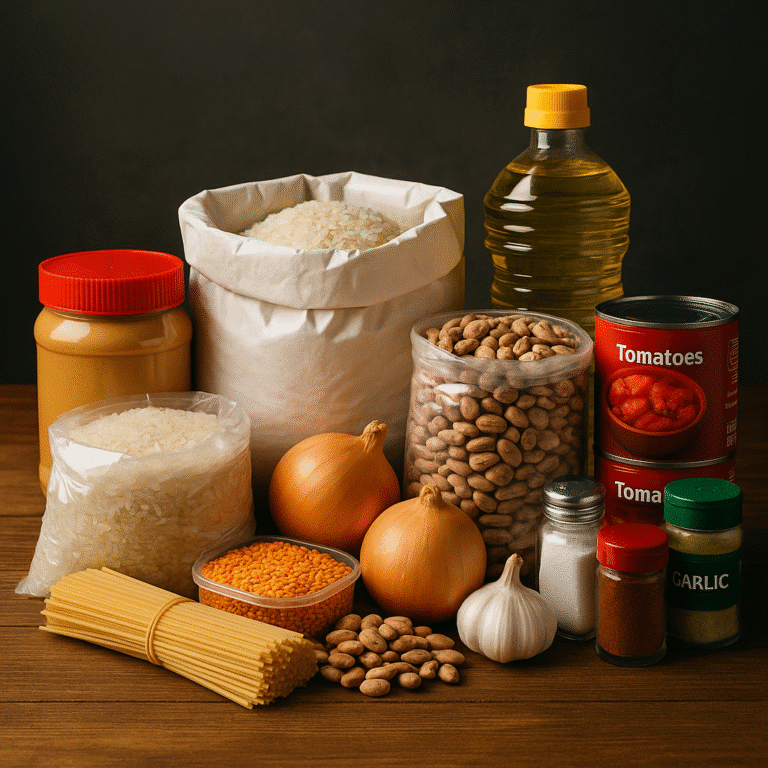
- Bulk Grains and Legumes: Store in Mylar bags with oxygen absorbers—rice, beans, oatmeal—for long-term storage.
- Fishing and Hunting Kit: Collapsible fishing rod and simple snares for small-game hunting.
Checklist: Maintain at least 2,500 calories per person per day for the first week. After that, shift to foraging/hunting protocols.
8. Psychological Preparedness
Bugging out pushes the body—but more importantly, the mind. Stress, fear, and decision fatigue can undermine even the most well-oiled operation.
Stress and Fatigue Management
- Routine Establishment: Even in crisis, keeping a daily ritual—wake at dawn, check gear, execute drills—helps anchor the mind.
- Meditation and Breathwork: Short guided mindfulness sessions during rest periods can reduce anxiety.
- Micro-Breaks: Every hour, perform a quick series of stretching exercises or eye rest to prevent physical and mental exhaustion.
Building Mental Resilience
- Scenario Journaling: Write short vignettes—”What if we lose comms?”—and outline responses. This primes the brain to react calmly under duress.
- Skill Rehearsal: Repetition builds confidence. Practice fire-starting, shelter assembly, and first aid weekly until muscle memory takes over.
- Visualization: Spend 5 minutes visualizing successful bug-out completion—arriving safely at your planned destination—to reduce anxiety.
Community and Morale: Group Dynamics
- Team Bonding: During normal times, hold quarterly “basecamp weekends” where team members camp together, cook communal meals, and solve puzzles to strengthen trust.
- Rotating Roles: Rotate leadership and responsibility monthly to allow each member to experience decision-making pressure and build empathy.
- Positive Reinforcement: Recognize small wins—completing a successful drill, crafting a functional whistle, or mapping a new route—to keep spirits high.
9. Real-Life Bug-Out Scenarios and Case Studies
Studying past events provides real-world validation for planning. Below are four case studies illustrating successes and failures.
9.1 Wildfire Evacuations in California (2020–2022)
- Background: Record-breaking wildfires in the Sierra Nevada foothills forced multi-county evacuations with less than 12 hours’ notice.
- Success Story: A family in Paradise, CA, used an amateur radio network to receive evacuation alerts when cell towers failed. They mobilized their folding bike and evacuated neighbors along calm shoulders, avoiding main highway choke points.
- Lessons Learned: Large-scale evacuation can overwhelm official channels. Grassroots communication (radio, community watch groups) can save lives.
9.2 Urban Unrest and Civil Disturbances (2023)
- Background: Following economic downturns, several mid-sized U.S. cities saw a spike in protests that escalated into looting and violence, necessitating temporary evacuations in certain districts.
- Success Story: A small business owner in Minneapolis tracked geotagged images on social media to avoid hotspot zones. By rerouting through residential streets and using a low-profile van, they reached a rural safe haven overnight.
- Lessons Learned: Social media can be both a surveillance threat and a real-time intel source. Burner accounts and VPNs allowed covert monitoring of violence hotspots.
9.3 Pandemic-Related Supply Chain Breakdowns (2020–2021)
- Background: During COVID-19, sudden surges in demand caused prolonged grocery shortages. Some areas rationed gasoline, leaving many without fuel for essentials.
- Success Story: A rural prepper co-op shared a community garden and grain mill, ensuring members had flour when stores ran out. They also pooled fuel reserves and organized weekly fuel caravans to distant stations.
- Lessons Learned: Self-reliance farms and local co-ops strengthen resilience. Diversifying food sources beyond store-bought items prevents total dependence.
9.4 Lessons from Global Disasters (Flooding, Tsunamis)
- Background: International events—e.g., Southeast Asia’s monsoon floods (2021) and Indonesia’s tsunamis—offer models for rapid evacuations in resource-scarce environments.
- Success Story: In the Philippines, community towers built on stilts doubled as vertical evacuation points during flash floods. Residents stored emergency kits upstairs.
- Lessons Learned: Vertical evacuation (e.g., multi-level shelters) can be as effective as horizontal bug-out in flood-prone regions. Adapt shelter design to geography.
10. Long-Term Survival Considerations
Bugging out might transition into extended off-grid living. Below, we explore ways to sustain water, food, shelter, and security over months or even years.
Shelter: Temporary vs. Semi-Permanent Structures
- Emergency Tents: Ultralight, multi-season tents provide rapid shelter but lack durability for extended use.
- Tarp Shelters: A heavy-duty tarp paired with paracord and trekking poles can be configured as an A-frame, lean-to, or ground cloth. It’s versatile for multiple terrains.
- Off-Grid Cabins: Using local timber and simple joinery techniques, you can erect small cabins with a hand saw and cordless drill. Prioritize sites above flood lines and near fresh water.
Step-by-Step: Building a Semi-Permanent Shelter
- Site Selection: Choose high ground, downwind of insect pools, and with natural windbreaks. Latitude between 32–42 degrees provides moderate climates.
- Foundation: Clear vegetation, level ground, and lay down 4×4 treated beams spaced 2 feet apart.
- Framing: Use basic lumber studs for walls, angled to catch sunlight in winter. Insulate with locally harvested cattail or hay.
- Roofing: Use corrugated metal sheets or recycled shingles. Ensure a 30-degree pitch to shed snow and rain.
- Sealing: Apply natural sealants (clay, chinking, moss) between logs or plywood seams to block wind and pests.
- Interior: Build elevated sleeping platforms (4 inches off ground) to prevent moisture buildup. Place a small wood stove for heating.
Food Procurement: Foraging, Hunting, and Small-Scale Farming
- Foraging Basics: Learn local edible plants—morels in early spring, acorns in fall. Forage with a guidebook on edible wild plants.
- Hunting and Fishing: Practice with a collapsible fishing rod and simple snares. Small-game hunting kits can yield sustainable protein.
- Gardening: Even a small 100-square-foot plot can sustain a family if planted intensively. Prioritize high-yield crops: potatoes, beans, squash.
- Livestock: In semi-permanent camps, consider raising rabbits or chickens for meat, eggs, and fertilizer. Portable hutches can be set up quickly.
Water Sources: Natural Springs, Rainwater Collection, Purification
- Rainwater Harvesting: Install a water collection tarp that funnels water into drums fitted with first-flush diverters.
- Spring Capture: Use simple PVC pipe to tap into natural springs. Ensure spring water is tested and always filter before drinking.
- Seasonal Streams: Learn to read topography maps to locate seasonal streams. Carry collapsible buckets to transport water to basecamp.
- Snow Melting: In winter climates, melt snow in dark-colored pans placed near fire; strain through fine cloth before boiling or filtering.
Medical Care: Field Medicine for Extended Periods
- Herbal First Aid: Grow Aloe Vera and plantain near camp—natural antiseptics and wound dressings.
- Basic Surgical Skills: At minimum, practice wound debridement and suture techniques using a simple suture kit.
- Pharmacy Setup: Stock antibiotics (if legally obtainable), antifungals, pain management (ibuprofen, acetaminophen), and antiseptics (iodine, chlorhexidine).
- Morale and Mental Health: Include comfort items—sleeping bag liners, favorite books, or board games—to alleviate cabin fever during long stays.
Security and Defense: Perimeter Planning, Early Warning Systems
- Perimeter Markers: Set up tripwire-triggered noise makers (tin cans, bells) at 10–20 foot intervals around camp perimeter.
- Natural Barriers: Use thick brush, fallen logs, and ditches to create physical obstacles. Plant thorny shrubs around the outer boundary.
- Guard Rotation: Implement 2-hour guard shifts. Each guard carries a sturdy flashlight and small-caliber defensive handgun (where legal).
- Observation Posts: Build elevated platforms (10–12 feet high) for 360-degree surveillance. Use binoculars to scan the horizon.
Barter and Trade: Creating a Local Survival Economy
- Skill Bartering: Offer skill services—basic medical care, foraging expertise, or small repairs—in exchange for food or tools.
- Crafted Goods: Produce handmade soaps, candles, or knitted garments. These lightweight items can have high trade value.
- Local Currencies: If formal currency collapses, consider locally accepted tokens (e.g., metal washers, beads) pegged to a stable resource such as food rations.
- Community Hubs: Establish a “barter day” once a week at a secure location. Share schedules via encrypted messaging boards to coordinate exchanges.
11. Advanced Topics
For those looking to push their survival capabilities further, these advanced approaches can be integrated incrementally.
Solar and Alternative Energy for Off-Grid Living
- Solar Array Sizing: To run essential devices (LED lights, small fans, comms chargers), a 200W solar panel array paired with a 500Wh battery suffices for 2–3 people.
- Wind Turbines: Small-scale turbines can complement solar in windy regions.
- Power Management: Use energy-efficient LED bulbs and low-draw devices (e.g., hand-crank flashlights) to conserve battery power.
Rainwater Harvesting Systems
- Design: Attach a large polyethylene tarp at a 10-degree slope feeding into a food-grade 55-gallon drum. Install a screen to block debris.
- First-Flush Diverter: Incorporate a simple PVC pipe mechanism that discards the initial 5 gallons of rain to remove contaminants from the collection surface.
- Filtration: Connect a basic sand-and-charcoal filter (DIY using buckets and graded sand layers) before feeding water into storage drums.
Radio and Satellite Communications
- HAM Operations: Learn basic HAM radio operation and obtain a technician license. Use a compact handheld radio for VHF/UHF communication.
- Satellite Phones: A satellite phone maintains contact when cell networks collapse. Pair with a compact solar charger to keep it powered.
- Mesh Networks: Use long-range Wi-Fi radios to link devices across several miles, forming local data-sharing networks.
Self-Defense Training and Legal Considerations
- Basic Hand-to-Hand: Enroll in Krav Maga or similar courses to learn disarming techniques and situational awareness.
- Firearms Training: Obtain certification in rifle and handgun safety, including maintenance and ammunition management.
- Local Laws: Familiarize yourself with state/province regulations around concealed carry, hunting seasons, and property rights to avoid legal pitfalls.
Integrating Tech Tools: Drones, Satellite Phones, Mesh Networks
- Recon Drones: A compact drone can scout ahead for obstacles or hostile groups. Practice stealth drone piloting to minimize noise.
- Mesh Networking App: Install a mesh networking app on Android devices; it forms an encrypted network for local chat without internet.
- GPS Spot Beacons: For tracking, small spot beacons can broadcast your location to family or basecamp.
12. Conclusion and Actionable Tips
Bugging out in 2025 requires a paradigm shift: blending low-profile movement, minimizing digital footprints, and planning for both immediate evacuation and extended off-grid survival. Here’s a concise checklist to ensure you’re fully prepared:
- Weekly Plan Review: Update threat assessments, resource inventories, and evacuation routes.
- Monthly Gear Audit: Check all gear for functionality—test filters, charge solar panels, inspect clothing for wear.
- Quarterly Drills: Conduct full-scale family or team drills, including Nighttime Evacuation and Urban vs. Rural transitions.
- Maintain Networks: Keep at least two burner contacts and one community watch group active for real-time intel sharing.
- Stay Informed: Subscribe to local emergency alerts on a dedicated device, and follow trusted prepper forums for regional updates.
- Continuous Training: Dedicate one weekend per month to skill-focused workshops: basic first aid, navigation, gardening, or mechanical repairs.
By embedding these best practices into your routine, you not only protect yourself and your loved ones but also gain peace of mind that you’re ready for uncertainty. Remember, knowledge and adaptability are your greatest assets—equip yourself wisely, practice relentlessly, and stay vigilant.
Safe travels, and stay prepared.