
First 72 Hours After a Disaster: What Actually Happens (And How to Survive It)
When a disaster hits—blackout, tornado, wildfire, flood, or civil unrest—the first 72 hours are where outcomes are decided.
This post contains affiliate links. I may earn a small commission at no extra cost to you. Learn more.
Not days later. Not when aid arrives.
Right then.
Most people picture emergency response showing up fast, stores reopening, and things stabilizing within hours. Reality is different. Systems fail in layers. Confusion spreads. Resources disappear. And if you don’t have a plan, you’re reacting while everyone else is panicking.
This is your playbook for those first three days—the window where you either stabilize your situation… or spiral with everyone else.
The first 72 hours don’t fail in isolation. Power, water, communication, and movement all break down together. See how it all connects in the full Emergency Preparedness Plan.
Most people don’t fail because of the disaster—they fail because of avoidable mistakes.
👉 Avoid the most common beginner survival mistakes before it’s too late.
Quick Answer
The first 72 hours after a disaster are when most critical survival decisions are made. During this period, power outages, communication failures, water disruptions, fuel shortages, and empty store shelves often occur in rapid succession. Your priorities should be securing safe water, preserving food, maintaining communication, conserving power, staying informed, and avoiding unnecessary travel unless your location becomes unsafe. Families that prepare early are far more likely to remain safe, comfortable, and self-sufficient while others struggle to react.
📖 In This Guide
Toggle✓ Key Takeaways
- The first 72 hours determine whether a short-term emergency becomes a long-term crisis for your household.
- Focus on water, food, communication, lighting, medical needs, and home security before shortages begin.
- Conserve batteries, fuel, refrigerated food, and clean water from the very beginning.
- Avoid unnecessary travel unless your home is no longer safe to occupy.
- Following a clear preparedness plan reduces panic, improves decision-making, and helps your family stay ahead of rapidly changing conditions.
First 10 Minutes: What To Do Immediately
- Fill every container with water
- Charge all devices
- Turn on emergency radio
- Gather lighting + gear
- Lock down your home
💡 Pro Tip
Don’t waste the first few minutes trying to determine how long the disaster will last. Treat every major outage or emergency as if you’ll be on your own for at least 72 hours. Filling water containers, charging devices, gathering emergency supplies, and securing your home immediately costs very little if the situation improves—but delaying those tasks can leave you scrambling once stores empty, communication becomes unreliable, and critical services begin failing.
What Happens in the First 72 Hours After a Disaster?
The first 72 hours follow a predictable pattern:
- Hours 0–6: Shock, confusion, immediate mistakes
- 6–24 hours: Panic buying, resource depletion
- 24–48 hours: Discomfort turns into real survival concerns
- 48–72 hours: Fatigue, shortages, and critical decisions
This guide breaks down exactly what happens in each phase—and what you need to do to stay ahead.
If you have to leave, where you go matters more than anything—👉 here’s how to choose the right bug-out location before it’s too late
What Fails First in a Disaster (Hour-by-Hour Breakdown)
When a disaster hits, systems don’t all fail at once—they collapse in layers. Understanding what goes down first gives you a massive advantage over everyone else reacting blindly.
Hour 0–2: Power Grid Instability
In most disasters, the power grid is the first system to fail.
- Lights go out instantly
- Refrigeration stops
- Charging devices becomes impossible
- Security systems may shut down
Even short outages trigger long-term problems if the grid can’t stabilize.
Most people underestimate how fast power loss turns into a full crisis—this breakdown of what size solar generator you actually need shows how to stay ahead of it.
If you don’t already have backup power, you’re relying on luck—this guide on Grid-Down Survival Power 2025: Off-Grid Energy Guide for Blackouts, Solar & Generators shows how to keep essential devices running when the grid goes down.
Hour 2–6: Cell Networks Overload
Your phone might still show signal—but that doesn’t mean it works.
- Towers get overloaded fast
- Calls fail
- Texts delay or don’t send
- Data becomes unreliable
Most people waste hours trying to use phones that are already failing.
Hour 6–12: Internet and Digital Services Collapse
Once power and network strain hit:
- Internet service drops
- Payment systems stop working
- ATMs go offline
- Stores may go cash-only—or close completely
If you’re relying on digital access, you’re already behind.
When phones and internet fail, most people don’t have a backup—and that’s exactly when they get cut off completely.
👉 How to Communicate When the Grid Goes Down
Hour 12–24: Water Systems Become Unreliable
Water pressure may still work—but quality becomes the issue.
- Treatment systems may fail
- Contamination risk increases
- Boil advisories often follow
If your water becomes unsafe, you need a reliable method fast—
👉 How to Purify Water Without Boiling in Any Survival Situation
Day 1–2: Fuel Shortages Begin
Gas stations rely on power and deliveries.
- Pumps stop working without electricity
- Fuel runs out quickly
- Lines form immediately
Mobility becomes limited fast.
Fuel disappears faster than people expect—this guide on generator fuel planning and safe power connections shows how to avoid getting stuck.
Day 1–3: Supply Chain Breakdown
Within 24–72 hours:
- Stores are empty
- Deliveries stop
- Essential goods disappear
At this point, what you have is what you live on.
📌 Did You Know?
Emergency management agencies commonly encourage households to be prepared to remain self-sufficient for at least 72 hours because widespread disasters can delay emergency response, utility restoration, and supply deliveries. During regional emergencies, first responders must prioritize life-threatening situations, meaning many families will need to rely entirely on their own preparations during the first three days.
Why the First 72 Hours Are the Most Dangerous
The first 72 hours are volatile because multiple systems collapse at the same time:
- ⚡ Power failure → No lights, no refrigeration, no charging
- 📡 Communication breakdown → Phones and internet fail quickly
Most people lose communication within the first 24 hours—and that’s where panic decisions start.
👉 How to Communicate When the Grid Goes Down
- 🚰 Water disruption → Pressure drops, contamination risk increases
- ⛽ Fuel shortages → Gas stations shut down or run dry
- 🛒 Supply chain freeze → Stores empty within hours
You’re not just dealing with one problem—you’re dealing with a cascade.
This is why having a complete system—not just random gear—is critical.
👉 Emergency Preparedness Master Plan 2026
The Survival Mindset (Most People Get This Wrong)
Before gear, before tactics—this matters more:
Most people freeze.
They wait for instructions. They assume things will return to normal. They burn critical time doing nothing.
You can’t afford that.
Your priorities need to be immediate and clear:
- Stabilize your environment
- Secure water and food
- Establish communication
- Control your energy and exposure
- Avoid unnecessary risk
👉 If you hesitate here, you fall behind fast.
Phase 1: The First 0–6 Hours (Shock, Confusion, and Mistakes)
This is where most damage is done—not by the disaster itself, but by poor decisions right after.
What Actually Happens
- People flood roads trying to leave at once
- Stores get wiped out within hours
- Phone networks become overloaded
- Misinformation spreads quickly
- Injuries go untreated due to overwhelmed services
What You Should Do Immediately
1. Stay Put (Unless You’re in Immediate Danger)
Leaving too early—or too late—is one of the biggest mistakes.
Only leave if:
- Your structure is unsafe
- Fire, flood, or structural collapse is imminent
Otherwise, staying put gives you:
- Shelter
- Supplies
- Control
2. Secure Water Immediately
Water is your #1 priority.
Even if the tap is still running—assume it won’t last.
- Fill bathtubs, sinks, containers
- Store as much as possible within the first hour
If your water supply becomes unsafe, you need a proven method—this complete breakdown in the Ultimate Water Purification Guide shows exactly how to filter, boil, and store safe drinking water in an emergency.
3. Lock Down Power and Lighting
You don’t know how long power will be out.
- Charge all devices immediately
- Gather flashlights and lanterns
- Turn off non-essential electronics
4. Get Reliable Information (Not Social Media Noise)
- Use emergency radios
- Monitor official alerts if available
- Avoid rumor-driven decisions
If you lose access to reliable information, you’re guessing—this guide on Best Emergency Solar Radios for Blackouts (2026 Guide) shows which radios still work when everything else fails.
5. Secure Your Home
- Lock all doors and windows
- Bring in outdoor gear
- Prepare for limited visibility at night
Stay or Leave? How to Decide in the First 24 Hours
One of the biggest mistakes people make is guessing when to leave—or refusing to leave when they should.
You need a clear decision framework.
Most people make the wrong call here—and it costs them.
👉 Beginner Survival Mistakes That Get People Hurt
Old survival advice doesn’t always apply anymore — here’s how bug-out strategies have evolved: The New Rules of Bugging Out in 2025
When You Should Stay (Bug-In)
Staying is usually the safest option if:
- Your home is structurally sound
- You have access to water and food
- There is no immediate threat (fire, flood, violence)
- You can secure your location
Staying gives you:
- Shelter
- Supplies
- Familiar environment
When You Should Leave (Bug-Out)
You should leave immediately if:
- Fire is spreading toward your area
- Flooding is rising
- Structural damage makes your home unsafe
- Civil unrest becomes a direct threat
Waiting too long here is deadly.
The Timing Mistake Most People Make
- Leave too early → get stuck in traffic, waste fuel, expose yourself
- Leave too late → roads blocked, danger increased
You need to decide fast and correctly.
Phase 2: 6–24 Hours (Reality Sets In)
This is when people realize:
Help isn’t coming anytime soon.
What Changes
- Stores are empty or closed
- Fuel is scarce
- Emergency services are stretched thin
- People begin to panic or make desperate moves
What You Need to Focus On
1. Controlled Food Consumption
Don’t start eating like it’s a normal day.
- Prioritize perishable food first
- Shift to shelf-stable items after
2. Fire and Cooking Strategy
If power is out, you need alternative cooking methods.
- Camp stoves
- Fire starters
- Outdoor cooking setups
If you can’t cook or boil water, you’re in trouble—this guide on Ultimate Survival Fire Starters Guide (2025 Update) shows reliable fire-starting methods that work even in bad conditions.
3. Situational Awareness
Things change fast during this window.
- Watch your surroundings
- Avoid unnecessary travel
- Stay off the roads unless needed
4. Establish Communication Plan
Phones may still work—but not reliably.
You need backups:
- Walkie talkies
- Emergency radios
- Pre-planned meeting points
Not all radios are equal—some fail when you need them most.
👉 Best Emergency Solar Radios for Blackouts
Short-range communication is one of the most reliable options when networks fail.
👉 Best Walkie Talkies for Grid-Down Communication
If your phone stops working, you need a real backup plan—this guide on Complete Off-Grid Communication System (No Phone, No Internet) breaks down exactly what works when networks fail.
⚠ Important Warning
The second day of a disaster is when many people begin taking unnecessary risks because they waited too long to prepare. Driving across town for fuel, searching multiple stores for supplies, or depending on unreliable phone service can waste valuable time, fuel, and energy while exposing you to crowded conditions. If your home is safe, your best strategy is usually to stay put, conserve resources, and avoid becoming part of the chaos.
Phase 3: 24–48 Hours (Discomfort Becomes Danger)
By now, reality hits hard.
What Happens
- Water becomes questionable
- Temperatures start affecting safety (heat/cold)
- Food routines break down
- Crime risk may increase in some areas
What You Must Do
1. Water Purification Becomes Critical
If your stored water runs low:
- Boil water
- Use filtration systems
- Use purification tablets if needed
If you’re relying on stored water, you need to know how long it actually lasts—this guide on long-term water storage breaks it down.
2. Temperature Control
This is where people get into serious trouble.
If it’s cold:
- Layer clothing
- Seal off rooms
- Use safe heat sources
Cold becomes dangerous fast without power—this guide on Emergency Heat Without Electricity: Safe Ways to Stay Warm (2026 Guide) shows safe ways to stay warm without risking your life.
If it’s hot:
- Hydrate constantly
- Avoid peak sun hours
- Use airflow strategies
3. Power Management
At this stage, your battery is running low.
- Limit device usage
- Rotate charging cycles
- Use solar if available
If you’re running low on power, you need to size your backup correctly—
👉 What Size Solar Generator Do You Need for a Blackout?
Building a 72-Hour Family Survival Plan
Survival isn’t just about gear—it’s about coordination.
If your family isn’t on the same plan, things fall apart fast.
1. Set Primary and Backup Meeting Points
You need at least two:
- Primary: Close to home
- Secondary: Outside your immediate area
Everyone should know both—no exceptions.
2. Communication Redundancy
Phones will fail.
You need:
- Walkie talkies
- Radios
- Pre-set check-in times
3. Plan for Kids and Dependents
- Teach basic emergency actions
- Keep simple instructions they can follow
- Assign roles if age-appropriate
4. Consider Medical Needs
- Medications stocked
- Backup supplies ready
- Emergency contacts written down (not just in phones)
Phase 4: 48–72 Hours (The Turning Point)
This is where people either stabilize… or break.
What Happens
- Fatigue sets in
- Supplies run low
- Frustration and poor decisions increase
- Some areas may begin to stabilize—others worsen
What You Should Be Doing
1. Maintain Routine and Structure
- Set meal times
- Rotate tasks
- Keep everyone focused
Chaos kills decision-making.
2. Strengthen Your Communication Plan
At this point:
- You need to know where everyone is
- You need backup plans if separated
3. Stay Low Profile
Avoid attention.
- Don’t advertise supplies
- Keep lighting controlled at night
- Avoid unnecessary interactions
4. Decide: Stay or Move
By 72 hours, you should know:
- Is help coming?
- Is your location sustainable?
If not—you may need to relocate.
If you’re in a populated area, your strategy changes completely—this guide on Urban Survival Skills: How to Stay Alive in a City Disaster (2025 Guide) breaks down what actually works in real-world scenarios.
🚨 Emergency Scenario
Imagine a severe storm causes a region-wide blackout on Friday afternoon. By the first evening, grocery stores are nearly empty and gas stations have long lines. On the second day, cell service is unreliable, refrigerated food is beginning to spoil, and many people are still searching for supplies that disappeared the day before. By the third day, fatigue, uncertainty, and limited resources begin affecting decision-making. Families that prepared before the disaster are staying home, conserving supplies, monitoring reliable information, and following a plan instead of competing for increasingly scarce resources.
Real Scenario: What 72 Hours Actually Looks Like
Let’s make this real.
Hour 1
Power goes out.
You think it’s temporary. You check your phone. Others are doing the same. Networks begin slowing.
You start seeing confusion—not action.
Hour 12
- Stores are crowded or empty
- Gas stations have lines
- Phones barely work
People are starting to panic.
Day 2
- Water concerns begin
- Food routines break down
- Tempers rise
This is where unprepared people start making bad decisions.
Day 3
- Fatigue hits
- Supplies run low
- Reality sets in
At this point, you’re either:
👉 Stable and in control
👉 Or struggling to catch up
There’s no middle ground.
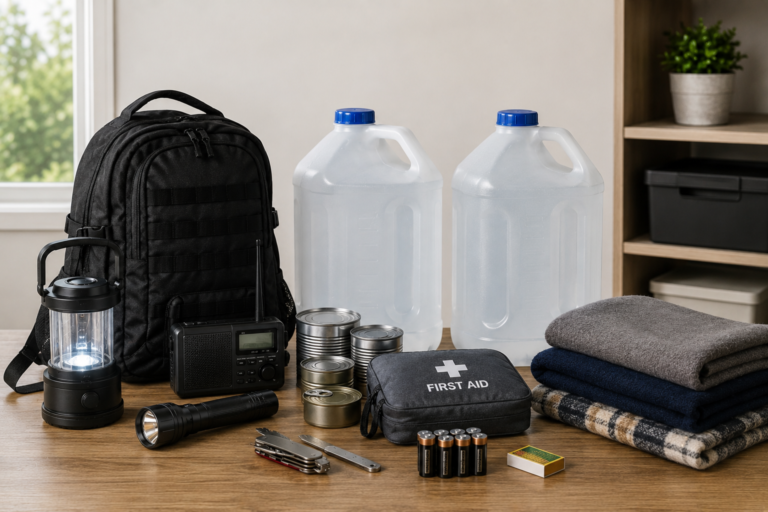
🛒 Recommended Gear for the First 72 Hours
The first three days of a disaster place the greatest strain on power, water, communication, food, and lighting. These are the same categories most households struggle with once stores begin running out of supplies. The gear below addresses those priorities while complementing the preparedness strategies covered throughout this guide.
Water Filtration
Safe drinking water quickly becomes your highest priority if municipal systems fail or contamination becomes a concern.


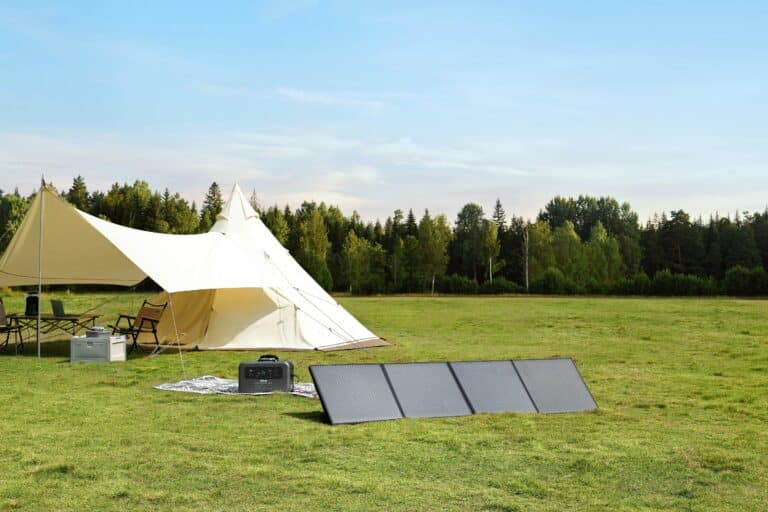
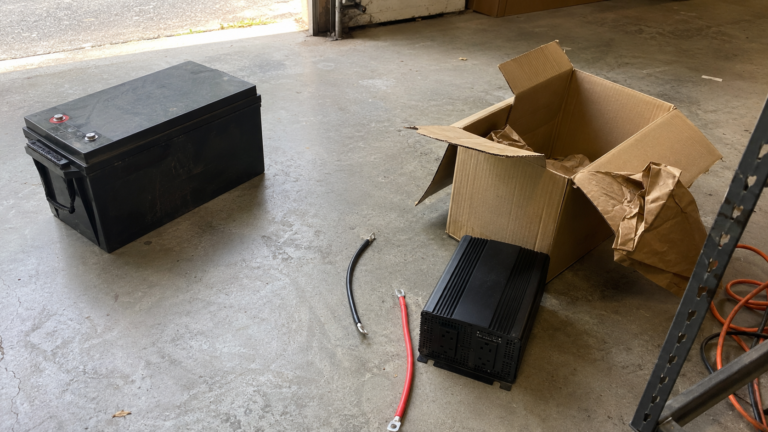
Portable Backup Power
Recharge phones, emergency radios, flashlights, medical devices, and other small electronics without relying on the electrical grid.
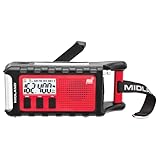
Emergency Weather Radio
Stay informed when cellular networks, television, and internet service become unreliable.
LED Lantern
Area lighting is safer and far more practical than depending on flashlights or candles throughout your home.

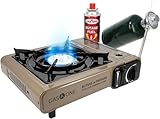
Portable Camp Stove
Cook meals, boil water, and prepare shelf-stable foods safely outdoors when your kitchen appliances no longer work.
Emergency Survival Kit
A compact backup kit keeps essential tools together for evacuations, vehicle emergencies, or unexpected situations away from home.

Having reliable equipment is only part of preparedness. Knowing when and how to use it during the first 72 hours is what allows prepared families to stay calm, conserve resources, and avoid many of the problems that overwhelm unprepared households.
☑ 72-Hour Disaster Survival Checklist
- ☑ Store at least three days of drinking water for every family member.
- ☑ Charge all phones, power banks, rechargeable lanterns, and medical devices as soon as an emergency begins.
- ☑ Fill additional containers with water while pressure is still available.
- ☑ Gather flashlights, lanterns, batteries, first aid supplies, medications, and important documents.
- ☑ Keep refrigerator and freezer doors closed as much as possible.
- ☑ Switch to shelf-stable food before refrigerated food spoils.
- ☑ Monitor emergency broadcasts with a weather radio instead of relying only on cellular networks.
- ☑ Avoid unnecessary travel once fuel shortages and traffic begin.
- ☑ Check on family members, neighbors, and anyone who depends on electricity for medical equipment.
- ☑ Review your family’s communication and evacuation plan before conditions become worse.
Final Thoughts
The first 72 hours after a disaster are rarely defined by a single problem. Instead, households face a series of connected challenges as power, communication, transportation, fuel, water, and normal routines begin breaking down one after another. Families who have prepared in advance spend those three days managing their resources and adapting to changing conditions, while everyone else is trying to catch up.
Preparation is less about owning expensive gear than understanding what happens first, what can wait, and which decisions matter most. Securing water, preserving food, conserving power, maintaining reliable communication, and avoiding unnecessary risks during those first three days will place your household in a much stronger position if recovery takes longer than expected.
Every preparedness step you complete before an emergency gives you more options when conditions become uncertain. The goal is not simply to survive the first 72 hours, but to come through them with your family safe, healthy, and ready for whatever comes next.
📚 Continue Reading
The first 72 hours are only one part of a longer blackout or disaster. Continue building your emergency preparedness plan with these in-depth guides.