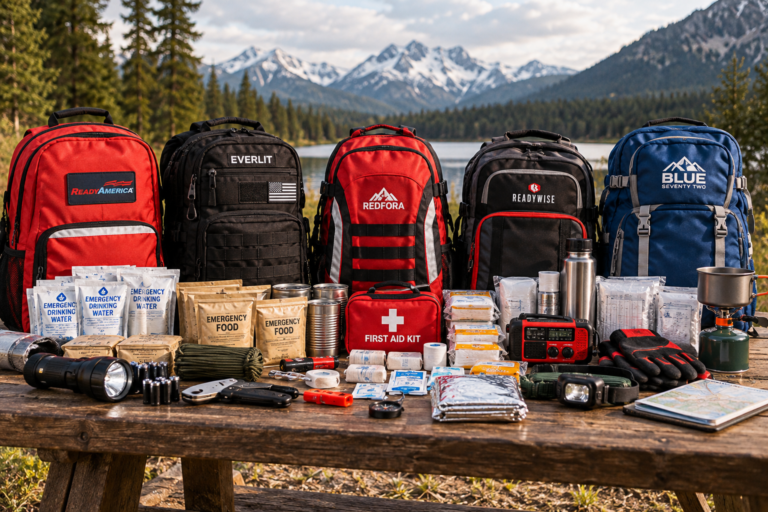

Family Camping Checklist: Everything You Need to Pack
Camping with children is easier when everyone knows what to pack and what to expect. This family camping checklist covers essential gear, sleeping arrangements, food, clothing, safety supplies, and activities for a comfortable family camping trip.
This post contains affiliate links. I may earn a small commission at no extra cost to you. Learn more.
Whether you’re taking your kids camping for the first time or planning another weekend outdoors, the goal is simple: pack what you need, stay organized, and spend more time enjoying the trip.
Family Camping Checklist: Quick Packing Guide
Start with this quick-reference list, then use the detailed sections below to make sure nothing important gets left behind.
| Category | What to Pack |
|---|---|
| Shelter | Tent, rainfly, footprint, stakes, guylines, mallet |
| Sleeping | Sleeping bags, insulated pads, pillows, blankets, pajamas |
| Cooking | Stove, approved fuel, cookware, utensils, plates, cooler |
| Food and Water | Meals, snacks, drinking water, bottles, food containers |
| Clothing | Daily outfits, extra socks, warm layers, rain gear, shoes |
| Hygiene | Soap, toothbrushes, towels, wipes, toilet supplies |
| Safety | First aid, medications, lights, whistles, maps, power bank |
| Activities | Games, books, nature journals, binoculars, outdoor toys |
| Cleanup | Trash bags, dishwashing supplies, towels, storage bins |
1. Planning Your Family Camping Trip
Choosing the right campground is one of the most important decisions when camping with children. A well-equipped campsite can make the difference between an enjoyable weekend and a stressful experience.
Choosing a Family-Friendly Campsite
- Accessibility: For younger children, consider a campground within a manageable driving distance.
- Restrooms: Look for clean bathrooms and convenient access, especially when traveling with small children.
- Drinking water: Confirm whether potable water is available.
- Activities: Consider short hiking trails, nature centers, playgrounds, and ranger-led programs.
- Safety: Avoid sites immediately beside steep drops, busy roads, or unprotected water.
- Shade: Look for appropriate shade during hot-weather trips without placing your tent beneath hazardous limbs.
Booking Your Campsite
Reserve early for popular weekends and holiday periods. Check arrival times, cancellation policies, quiet hours, pet restrictions, and campfire regulations.
For many public campgrounds, Recreation.gov is a useful place to begin researching available campsites.
Practice Before Leaving Home
Set up your tent in the backyard, check that all poles and stakes are present, test your lanterns, and make sure your camping stove operates correctly outdoors.
A practice night can help children become familiar with sleeping in a tent before your actual trip.
2. Family Tent and Sleeping Essentials
A good night’s sleep is important for everyone, particularly younger children who may be adjusting to unfamiliar surroundings.
Choosing the Right Family Tent
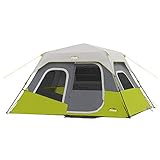
For a family of four, a six-person tent often provides more comfortable sleeping and storage space than a four-person model. However, always check the actual floor dimensions before purchasing.
The CORE 6-Person Tent is one option for families who prefer vehicle-based camping and want room for sleeping gear.
Family Tent Checklist
- Family-size tent
- Rainfly and tent poles
- Ground footprint that fits beneath the tent floor
- Tent stakes and guylines
- Stake mallet
- Small tent repair kit
- Entry mat for dirty shoes
- Waterproof bags for extra clothing
Sleeping Bags, Pads, and Bedding
Choose sleeping bags suitable for the expected overnight temperature. Summer camping does not always mean warm nights, especially at higher elevations.
Sleeping pads are important because they provide both cushioning and insulation from the ground.
The Sleepingo Camping Sleeping Pad is a lightweight sleeping option. Check its size, comfort, and insulation characteristics against your camping conditions.


Sleeping Checklist
- Sleeping bag or suitable bedding for each family member
- Insulated sleeping pads or mattresses
- Pillows
- Extra blankets
- Warm pajamas
- Extra socks
- Small lantern or nightlight
- Favorite comfort item for younger children
3. Camp Kitchen and Cooking Equipment
Cooking for a family is easier when meals are planned before the trip. Simple recipes, familiar ingredients, and organized equipment can reduce preparation time.
Camp Kitchen Checklist
- Portable camping stove
- Compatible cooking fuel
- Ignition source
- Pots and pans
- Spatula and serving utensils
- Cooking knife and cutting board
- Plates, bowls, and cups
- Forks, spoons, and reusable cutlery
- Can opener
- Food thermometer
- Cooler thermometer
- Food storage containers
- Dishwashing supplies
- Trash bags
Keeping Food Cold at Camp
A dependable cooler is essential when transporting raw meat, dairy products, eggs, and other perishable foods.
Keep cold foods at 40°F or below, and use a thermometer rather than guessing whether the cooler is cold enough.
The Coleman Classic Series Cooler is an option for family camping trips where refrigerated food and drinks need to be transported.

Store raw meat in sealed containers beneath ready-to-eat foods to reduce the risk of cross-contamination.
Refrigerate perishables within two hours, or within one hour when the surrounding temperature exceeds 90°F.
Follow campground rules for storing food, trash, and scented items. Some locations require designated food lockers or approved bear-resistant containers.
Choosing a Family Camping Stove
A two-burner stove is particularly convenient for family meals because it allows you to prepare two dishes simultaneously.
The Camp Chef Everest 2-Burner Stove is one option for car camping and preparing meals using conventional pots and pans.

Cooking safety: Operate fuel-burning camping stoves outdoors according to the manufacturer’s instructions. Never use them inside tents, vehicles, or enclosed shelters because of fire and carbon monoxide hazards.
For additional cooking ideas, see our Campfire-Free Cooking Methods and Recipes guide.
4. Family Camping Food and Meal Planning
Planning your meals before leaving home helps you estimate food quantities, organize your cooler, and reduce cleanup.
Simple Family Camping Menu
| Meal | Easy Camping Option |
|---|---|
| Breakfast | Oatmeal, eggs, fruit, pancakes |
| Lunch | Sandwiches, wraps, fruit, crackers |
| Dinner | One-pot pasta, chili, burgers, rice bowls |
| Snacks | Granola bars, apples, pretzels, trail mix |
| Backup Meals | Shelf-stable ready-to-eat foods |
Food Packing Checklist
- Preplanned breakfast, lunch, and dinner ingredients
- Healthy snacks for children
- Fresh fruit and vegetables
- Shelf-stable emergency meals
- Cooking oil and seasonings
- Condiments
- Ice or frozen cooler packs
- Resealable food bags
- Leakproof food containers
- Drinking water
How Much Water Should You Bring?
One gallon per person per day is a useful initial planning estimate, but hot weather, strenuous activity, cooking, and washing can increase your needs.
For a family of four on a three-day trip, that initial estimate would be 12 gallons. Carry additional water when the campground has no dependable potable supply.
Backup Water Treatment
Even when a campground advertises drinking water, having a backup treatment method can be useful if the supply becomes unavailable.
Aquatabs Water Purification Tablets are one portable treatment option. Follow the instructions for the exact product, including water volume, contact time, and any pretreatment required.

Water purification tablets do not necessarily remove sediment, chemicals, or every type of pathogen. Use a treatment method appropriate for the actual water source, and avoid water suspected of chemical contamination.
5. Family Camping Clothing Checklist
Pack clothing based on the forecast, but prepare for changes in temperature and unexpected rain.
Everyday Clothing
- Shirts for each day
- Shorts or lightweight pants
- Underwear
- Extra socks
- Pajamas
- Comfortable hiking clothes
- Extra outfit for each child
Weather Protection
- Waterproof rain jacket
- Warm fleece or hoodie
- Long pants
- Sun hat
- Sunglasses
- Weather-appropriate insulated layers
Footwear
- Comfortable hiking shoes
- Camp shoes
- Water shoes where appropriate
- Extra dry socks
Store at least one dry outfit for each child in a waterproof bag. Wet clothing can become uncomfortable quickly when temperatures drop after sunset.
6. Campsite Lighting and Power
Good lighting makes nighttime trips to the restroom, meal preparation, and campsite organization safer and easier.
Lighting Checklist
- LED lantern for the main campsite
- Headlamp for each adult
- Flashlight for each child
- Spare batteries
- Charging cables
- Portable power bank
- Small nightlight if needed
The GearLight LED Camping Lantern is a practical type of lighting to consider for family camping. Check the specific model’s power requirements and runtime before relying on it for an extended trip.

Give children their own age-appropriate flashlight and teach them where to keep it at night.
Keep a backup light available in case the primary lantern stops working.
7. Personal Care, Hygiene, and First Aid
Good hygiene is especially important when preparing meals outdoors and sharing a campsite with children.
Personal Care Checklist
- Toothbrushes and toothpaste
- Soap and handwashing supplies
- Quick-dry towels
- Washcloths
- Toilet paper
- Wet wipes
- Hand sanitizer
- Hairbrush or comb
- Feminine hygiene products where needed
- Diapers and changing supplies for younger children
First Aid Checklist
- Adhesive bandages
- Sterile gauze and medical tape
- Antiseptic supplies
- Tweezers
- Small scissors
- Digital thermometer
- Prescription medications
- Age-appropriate pain or fever medication
- Allergy medications as prescribed or recommended
- Emergency contact information
- Any prescribed emergency medications
Sun and Insect Protection
Pack broad-spectrum sunscreen with SPF 30 or higher and reapply according to the label, particularly after swimming or sweating.
Use an EPA-registered insect repellent appropriate for each child’s age and follow the product label. DEET-containing repellents can be appropriate for children when used as directed; DEET-free is not automatically safer or more effective.
For infants younger than two months, do not apply insect repellent to the skin. Use protective clothing and properly fitted mosquito netting instead.
8. Family Camping Safety Essentials
Camping safety starts with clear rules that everyone understands before exploring the campground.
Navigation and Communication
- Printed campground map
- Offline maps downloaded to a phone
- Charged phone and power bank
- Emergency contact card
- Weather alerts
- Emergency whistle for each child
- Two-way radios where useful
Establish Campsite Boundaries
Walk around the campsite together after arrival. Show children where they may play, which areas are off-limits, and where to find an adult.
Identify nearby roads, water, steep terrain, cooking equipment, and other hazards.
Teach Children What to Do If Separated
Teach children to stop moving, stay in a safe location, blow their whistle, and call for help if they become separated from the family.
For younger children, practice this rule before the trip rather than waiting for an emergency.
Water Safety
Closely supervise children around lakes, rivers, streams, and swimming areas. A campground setting does not reduce drowning risks.
Use properly fitted, appropriate life jackets for boating and other activities where required or recommended.
Campfire and Stove Safety
Keep children away from flames, hot cookware, and fuel containers. Adults should handle lighting and refueling camping stoves.
Always check local fire restrictions. A propane or alcohol stove may still be restricted even when you are not building a wood campfire.
Severe Weather and Lightning
Check the forecast before departure and monitor changing conditions during the trip.
9. Camping With Babies, Toddlers, and Older Children
Different age groups require different equipment and supervision.
Babies and Toddlers
- Age-appropriate safe sleep equipment
- Diapers and wipes
- Changing mat
- Formula or baby food
- Extra clothing
- Weather-appropriate layers
- Suitable stroller or child carrier
- Feeding and cleaning supplies
Choose a campground with suitable facilities, and plan for frequent feeding, changing, and rest breaks.
Preschool and School-Age Children
- Small backpack
- Refillable water bottle
- Child-size flashlight
- Emergency whistle
- Nature journal
- Coloring supplies
- Favorite book
- Comfort item for bedtime
Give children simple responsibilities such as organizing their belongings or helping set out games.
Teenagers
- Personal hygiene supplies
- Appropriate hiking gear
- Camera or journal
- Books or games
- Assigned meal-planning responsibilities
- Clear check-in and campsite boundary rules
Older children can help prepare meals, organize equipment, and learn outdoor skills under appropriate supervision.
10. Family Camping Activities and Entertainment
Children often enjoy simple outdoor activities more than elaborate entertainment plans.
Outdoor Activities
- Nature scavenger hunts
- Short family hikes
- Birdwatching
- Wildlife observation from a safe distance
- Ranger-led programs
- Fishing where permitted
- Stargazing
- Nature photography
Campsite Activities
- Card games
- Board games
- Coloring books
- Nature journals
- Storytelling
- Reading
- Binoculars and field guides
Quiet-Time Activities
Include a few quiet activities for rainy afternoons or when younger children need a break from hiking and exploring.
Hammocks can be enjoyable for supervised relaxation. For more information, see our 11 Hammock Camping Tips.
11. Organizing Your Family Campsite
A simple campsite organization system saves time and helps children learn where everything belongs.
Create Three Campsite Zones
- Sleeping zone: Tent, bedding, dry clothes, and personal items.
- Cooking zone: Stove, cookware, handwashing supplies, and supervised meal preparation.
- Activity zone: Chairs, games, books, and a safe place for family activities.
Keep the cooking area separate from children’s play space. Store food and scented items according to the campground’s wildlife rules.
Use Labeled Storage Bins
Organize gear into separate bins for cooking, sleeping, hygiene, and activities. Clear bins can make items easier to locate.
For more organization ideas, see our How to Organize Camping Gear guide.
12. Sample Three-Day Family Camping Itinerary
A flexible itinerary helps families balance outdoor activities with rest and meal preparation.
Day 1: Arrival and Campsite Setup
- Arrive with enough daylight to set up.
- Identify restrooms, campsite boundaries, and potential hazards.
- Set up the tent and sleeping equipment.
- Organize food and water storage.
- Prepare an easy dinner.
- Review nighttime safety rules.
- Enjoy a short evening activity.
Day 2: Outdoor Adventure
- Prepare breakfast.
- Take a short family hike.
- Enjoy a picnic lunch.
- Rest during the hottest part of the afternoon.
- Complete a nature scavenger hunt.
- Prepare dinner together.
- Play games or go stargazing.
Day 3: Cleanup and Departure
- Prepare a simple breakfast.
- Pack bedding and clothing.
- Clean the cooking area.
- Inspect the campsite for trash.
- Check that no gear has been forgotten.
- Leave before the campground checkout time.
13. Teaching Kids to Leave No Trace
Family camping provides an opportunity to teach children responsible outdoor habits.
- Pack out trash and food scraps.
- Stay on established trails.
- Never feed wildlife.
- Observe animals from a distance.
- Leave plants, rocks, and natural objects where they belong.
- Use approved restroom and waste-disposal facilities.
- Dispose of dishwater according to campground rules.
- Respect neighboring campers and quiet hours.
Even biodegradable soap should not be used directly in streams, lakes, or other natural water sources.
14. Final Family Camping Checklist Before Departure
Before leaving home, complete one final equipment and safety check.
- Confirm campsite reservation.
- Check weather and fire restrictions.
- Inspect tent poles, stakes, and rainfly.
- Count sleeping bags and pads.
- Test flashlights and lanterns.
- Verify stove fuel and cooking supplies.
- Check food storage temperatures.
- Pack enough drinking water.
- Confirm prescription medications are packed.
- Check first aid supplies.
- Download offline maps.
- Pack spare clothes and rain gear.
- Share your itinerary with a trusted contact.
- Keep snacks, wipes, and essential items accessible during travel.
Frequently Asked Questions About Family Camping
What should a family of four pack for camping?
A family of four should pack a suitable tent, four sleeping systems, weather-appropriate clothing, cooking equipment, food, drinking water, lighting, hygiene supplies, first aid equipment, and age-appropriate activities. Adjust the list for the weather and campground facilities.
Is a six-person tent big enough for a family of four?
Often, yes. A six-person tent can provide extra room for bedding and personal belongings, but actual comfort depends on the floor dimensions and sleeping arrangements.
How much drinking water should a family bring camping?
One gallon per person per day is a useful starting estimate. Bring more for hot weather, strenuous activity, cooking, and washing, especially when potable water is unavailable at the campsite.
How do you keep kids safe while camping?
Establish campsite boundaries, supervise children near water and cooking equipment, teach a separation plan, monitor weather conditions, and provide age-appropriate lighting and emergency whistles.
What are the easiest meals for family camping?
Oatmeal, sandwiches, one-pot pasta, pre-cooked chili, and simple skillet meals are practical choices. Keep perishable ingredients properly chilled and carry shelf-stable backup meals.
Can families camp during a fire ban?
Camping may still be permitted during a fire ban, but cooking and campfire restrictions vary. Check official campground regulations before using propane, butane, alcohol, or other flame-producing equipment.
What is the best way to organize camping gear?
Use separate labeled bins for kitchen supplies, sleeping equipment, clothing, hygiene products, and activities. Keep essential items in consistent locations and involve children in age-appropriate organization tasks.
Final Thoughts: Make Family Camping Easier
A successful camping trip does not require expensive equipment or a complicated schedule. It starts with a dependable family camping checklist, a suitable campsite, and realistic plans for meals, activities, and safety.
Begin with a manageable weekend trip, learn what works for your family, and adjust your packing list after every outing.
For additional advice, visit our Ultimate Camping Guide.
Further Reading
- What to Pack for Camping
- How to Organize Camping Gear
- Camping With Pets in Summer
- 11 Hammock Camping Tips
- DIY Off-Grid Shower Setups
Stay prepared.