How to Stay Cool Without Power This Summer
Stay cool without power — it might sound impossible in the peak of summer, but with the right survival tricks and gear, you can beat the heat even when the grid goes down.
This post contains affiliate links. I may earn a small commission at no extra cost to you. Learn more.
When blackouts hit and temperatures soar, air conditioners, fans, and electric coolers stop working, leaving you vulnerable to dangerous heat. But with a little planning and some proven off-grid hacks, you can keep yourself cool, hydrated, and safe without relying on electricity.
This guide breaks down exactly how to manage extreme heat during outages or off-grid living. And if you need a full comparison of backup systems, check the hub: Best Survival & Off-Grid Generators of 2025.
Recommended Gear: See our complete Emergency Power & Lighting Gear List for recommended solar generators, backup batteries, lanterns, flashlights, and blackout-ready power systems.
1. Understanding the Risks
Before you start your cooling crusade, recognize that extreme heat is more than “uncomfortable.” In a no-power scenario, indoor temperatures can climb rapidly—especially in poorly insulated homes. Heat exhaustion can set in within hours, and without intervention, progress to heat stroke, which can be fatal. Those most vulnerable include the elderly, children, pregnant women, and people with chronic illness. Always have a thermometer handy and a plan to move to a cooler location if symptoms appear.
- ❗ Heat Exhaustion: Heavy sweating, weakness, cold/pale/clammy skin, dizziness, headache. Requires immediate hydration and rest.
- ❗ Heat Cramps: Painful muscle spasms from electrolyte loss; treat with gentle stretching and electrolyte-rich fluids.
- ❗ Heat Stroke: High body temperature (above 103°F), confusion, rapid pulse, possible loss of consciousness. Call 911 immediately and begin rapid cooling (ice packs on neck, armpits, groin).
2. Optimize Passive Cooling
You don’t need power to slash indoor heat—just smart manipulation of sunlight and airflow. By blocking direct sun and creating cross-breezes, you can reduce your home’s temperature by as much as 15°F. These low-cost measures also save energy when the grid comes back online. Make these adjustments first thing in the morning before the heat builds.
- 🌞 Block the Sunlight: Close curtains and blinds on sun-facing windows. Consider thermal or blackout liners for an extra 30% reduction in heat gain.
- 🌬️ Create Cross-Ventilation: Open windows on opposite sides of your home during cooler hours. Position a hand-cranked or battery fan to boost the natural breeze through the house.
- 💧 Damp Sheet Trick: Hang a wet, white sheet in front of an open window. As the water evaporates, it cools the incoming air—an old camper’s secret to beating the heat.
3. DIY Evaporative Cooling Techniques
Evaporation is one of the most efficient cooling methods known—no electricity required. By combining ice or cold water with even the smallest fan, you create a “swamp cooler” effect that can drop air temperature 10–20°F. These techniques are portable, so you can use them in tents, porches, or any room you occupy.
- 🧊 “Swamp” Bowl Fan: Fill a shallow bowl with ice or frozen gel-packs and place it in front of a battery-powered fan. The breeze over the ice chills and humidifies the air.
- 💦 Misting & Wet Towel: Keep a spray bottle of ice-cold water in the fridge. Mist yourself every 15 minutes. Alternatively, wrap a soaked bandana around your neck—swap it for a fresh soak as needed.
- 🦺 DIY Cooling Vest: Sew pockets into an old vest or oversized T-shirt, slip in sealed ice packs, and wear while you move around your home or yard.
4. Cool Your Body, Not Just the Air
While cooling the room helps, your body’s core temperature is what determines comfort and safety. Rapidly cooling major blood vessels close to your skin—pulse points—can lower your core by several degrees in minutes.
- ✅ Stay Hydrated: Drink at least 8–10 cups of water daily, and add a pinch of salt or an electrolyte mix to replace minerals lost through sweat.
- ✅ Wear Breathable Clothing: Loose, lightweight fabrics like cotton or moisture-wicking synthetics in pale colors reflect heat.
- ✅ Cold Showers & Baths: A quick rinse every few hours on wrists, neck, and ankles rapidly cools circulating blood.
- ✅ Pulse-Point Cooling: Apply ice packs or cold wet cloths to your wrists, temples, and the back of your neck.
5. Leverage Alternative Power Sources
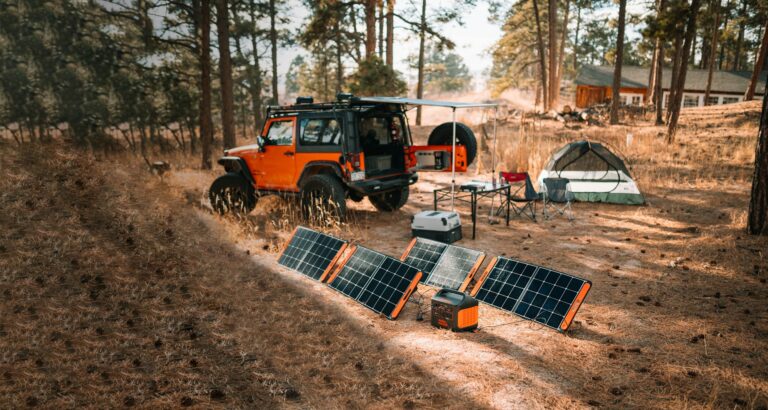
Even small solar panels and battery packs can run critical cooling tools for hours. Think of these as your emergency “mini-grid.” Charging them in daylight ensures you have a reliable backup at dusk. Prioritize fans and essential medical devices if needed.
- 🔋 Solar-Powered Fans: Compact, foldable panels power fans all day—no inverter needed. Buy a solar fan kit
- 🔌 Rechargeable Battery Packs: Charge USB power banks in sunlight to run fans, charge phones, or power LED lights after dark.
- 🚗 Car Air Conditioning: If safe, run your car’s AC for 5–10 minutes, then sit inside with the exterior shaded—your vehicle becomes a temporary cooler.
6. DIY Cooling Shelters & Structures
Setting up a dedicated “cool zone” in your yard or porch can be a lifesaver when indoor temperatures spike. You don’t need fancy tools—natural materials and emergency tarps get the job done. These shelters also give you a shaded workspace or retreat during extended outages.
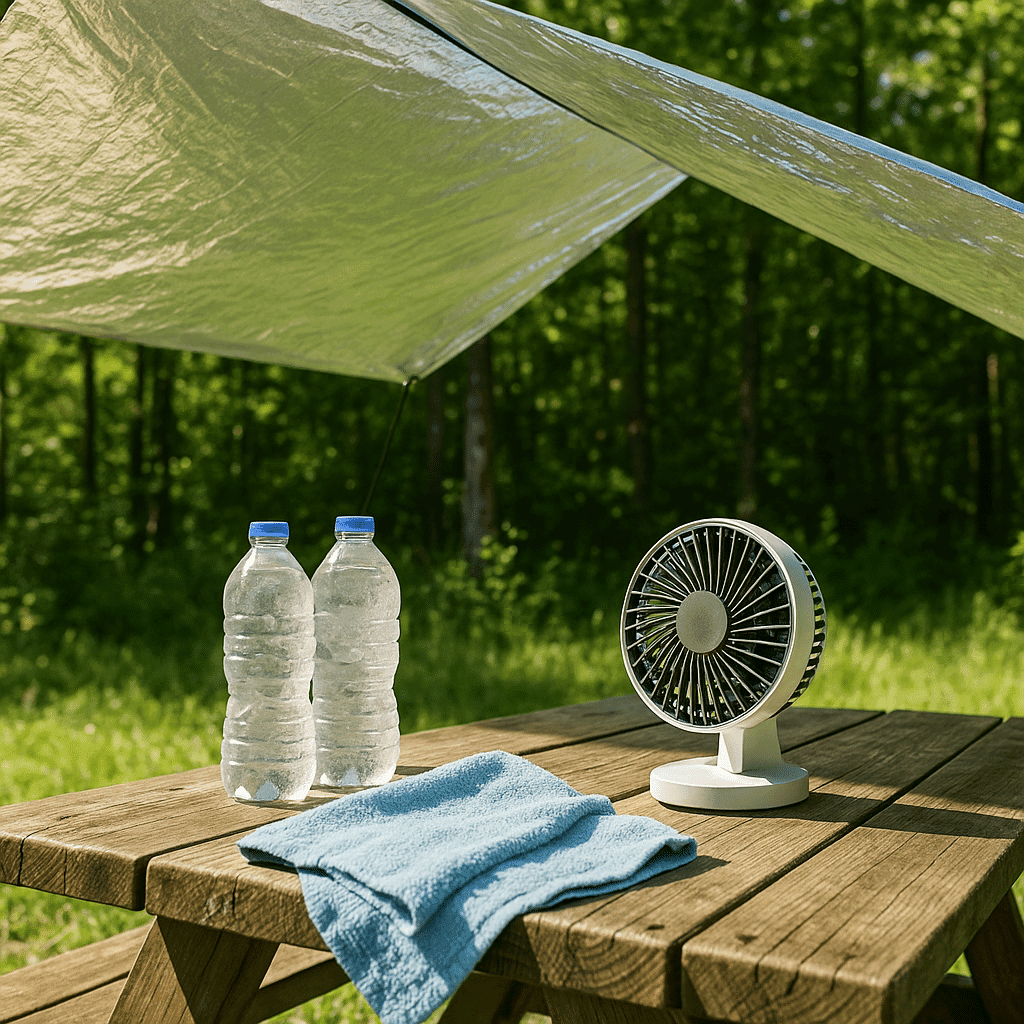
- 🌴 Reflective Tarp Canopy: Stretch a silver-backed tarp between trees or poles. Angle it to block afternoon sun, and secure the edges for stability.
- ⛺ White Sheet Hammock Tent: Drape a wet, white cotton sheet over a rope or line between supports. The airflow through the tent shape enhances evaporative cooling.
- 🏜️ Earth-Bag “Cool Cave”: Stack polypropylene bags filled with soil into a low dome. Even a shallow trench with a simple roof stays cool underground.
- ⛱️ Portable Pop-Up Shelter: Quick-deploy UPF shelters with mesh vents provide instant shade and airflow. Shop pop-up shelters
7. Recommended Gear & Supplies (Under $50)
These under-$50 items pack a punch when the power goes out. Keep them charged or on ice and ready to deploy at a moment’s notice. Stash them in a central “cool kit” for easy access.
- ✅ Battery-Operated Fan: Moves air where you need it most. Buy a battery fan
- ✅ Collapsible Solar Charger: Powers everything from fans to phones; folds flat for storage. Get a solar charger
- ✅ Reflective Sunshade: Instantly cuts heat on windows or windshields. Buy a sunshade
- ✅ Lightweight Cooling Towel: Soak in water for hours of evaporative chill. Grab a cooling towel
8. Harness Thermal Mass & Phase-Change Cooling
Materials that absorb “cold” and release it slowly extend your comfort window long after your ice has melted. These hacks are perfect for bedside tables and seating areas.
- ❄️ Frozen Water Bottles / Ice Bricks: Freeze bottles or gel bricks and place them near you or in front of fans to circulate chilled air.
- 🧊 Chilled Ceramic Plates: Freeze heavy tiles or plates; they hold cold longer than ice and make excellent lap or footrests.
- 🔬 DIY Phase-Change Packs: Mix hot-melt glue with saltwater in sealable bags. Freeze—salt lowers freeze point, extending the cold release.
9. Nighttime Radiative Cooling
Night brings the coolest air of the day—don’t waste it. By venting your house and leveraging radiative cooling, you can purge trapped heat before dawn, making the next afternoon much more bearable.
- 🌙 Roof & Attic Venting: Crack roof vents or gable windows overnight to flush out heat.
- 🌌 Sky-Blanket Tarp: Drape a damp white sheet on a roof or balcony railing; it releases heat into the clear night sky.
10. Food & Hydration Prep to Reduce Indoor Heat
Avoid generating indoor heat by planning meals that require zero cooking. Cold dishes and frozen drinks not only spare your stove but also help you stay refreshed from the inside out.
- 🥗 No-Cook Meals: Prepare salads, wraps, cold soups (like gazpacho), and smoothies.
- 🍧 Pre-Ice Hydration Packs: Freeze electrolyte drinks into “ice pops” for cooling hydration on the go.
- 🥤 Overnight Jars: Pre-make chia pudding or overnight oats—grab them straight from the fridge.
11. Reflective & “Cool” Roofing
Your roof takes the brunt of solar radiation—reflect it away with DIY coatings. A light-colored or reflective surface can shave 10–15°F off attic temperatures, reducing heat seep inside.
- 🎨 DIY Cool Roof Coating: Apply elastomeric white paint to reflect infrared heat. Buy cool roof paint
- 🛠️ Temporary Roof Membrane: Secure a silver tarp over your shingles with grommets and bungee cords.
12. Pet & Kid-Friendly Cooling Solutions
Little bodies (both two-legged and four-legged) struggle more in the heat. These quick solutions keep everyone in the family safe and comfortable without power.
- 🐾 Pet Cooling Mat: Gel-infused mats stay cool under your pet—no electricity required. Buy a pet cooling mat
- 👶 Kiddie Pool: A few inches of water under shade drops core temperature for kids—and pets—faster than a fan alone.
- 🛁 Ice Bath Station: Fill a plastic tub with cool water and ice; add a few drops of lavender oil for a soothing scent. Supervise children closely.
13. Smart Backup Power & Micro-Grids
If your region suffers frequent outages, consider investing in small-scale power solutions. Even a modest inverter or community solar share can keep fans, lights, and medical devices running.
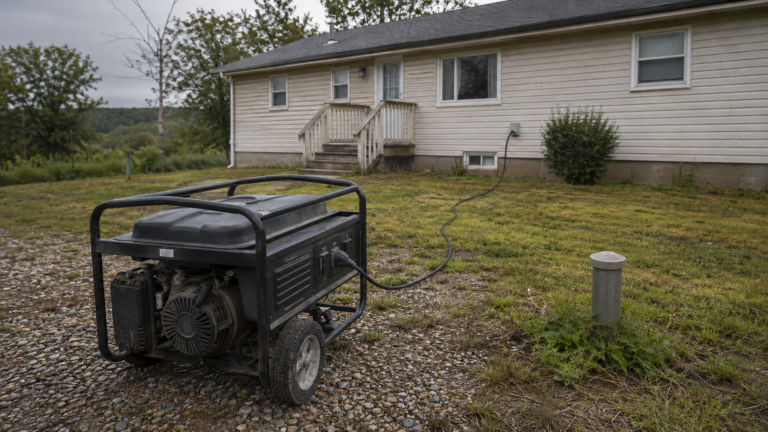
- 🔋 Solar Generator/Inverter: Powers essentials—fans, lights, CPAP machines—without the noise of a gas generator.
- ☀️ Community Solar Shares: User Community solar projects provide credits for use during outages.
- 🔌 DIY Battery Bank: Repurpose deep-cycle RV batteries with an inverter; charge via rooftop panels or vehicle alternator.
14. Heat-Health Monitoring & Alerts
Knowing when you’re approaching danger is half the battle. Wearable monitors track your core temperature in real-time and alert you before you reach critical levels.
- ⌚ Wearable Thermometer Straps: Vibration alerts when your body temperature hits unsafe thresholds.
- 📱 Smart Home Sensors: Battery-powered room sensors that push temperature alerts to your phone.
- 📞 Manual Check-Ins: Assign a “heat buddy” to call or text every hour during a blackout—especially for isolated family members.
Building a reliable blackout power setup? See our recommended emergency power and lighting gear here.
Staying cool isn’t just about comfort — it’s about survival. Don’t wait until the next blackout. Learn the full power plan at the hub: Best Survival & Off-Grid Generators of 2025.
Conclusion
A summer without electricity doesn’t have to be miserable—or dangerous. By layering passive cooling, DIY evaporative methods, body-focused strategies, and smart gear, you’ll stay comfortable when the lights go out. Prep your home, assemble your “cool kit,” and keep this guide bookmarked for your next outage.
Extreme heat during a blackout becomes far more dangerous when power is out for days.
For a full grid-down readiness plan covering water, food, lighting, communication, and backup power, see
How to Prepare for a Two-Week Power Outage
📚 Further Reading:
- Best Survival & Off-Grid Generators of 2025 – master the core of your off-grid power strategy.
- Top Emergency Solar Radios That Never Leave You in the Dark – stay informed during blackouts.
- Ultimate Water Purification Guide – staying hydrated matters even more without power.
Affiliate Disclosure: This post contains affiliate links. If you purchase through these links, The Savvy Survivalist earns a small commission at no extra cost to you.