
15 Most Forgotten Survival Items That Could Save Your Life
When most people think about survival gear, they picture the big stuff: a sturdy tent, a sharp knife, a water filter, or maybe a backpack stuffed with MREs. Those are important — no doubt. But here’s the truth: it’s rarely the big items that catch you off guard when things go sideways. It’s the small, often overlooked tools that you didn’t think to pack, the ones you don’t realize you need until it’s too late.
This post contains affiliate links. I may earn a small commission at no extra cost to you. Learn more.
Picture this: You’ve set up camp after a long hike, only to realize your one flashlight just died and you forgot spare batteries. Or maybe you’ve filtered clean water from a stream, but you didn’t bring a container to carry it back to camp — so you’re forced to hike back every time you need a sip. Worse still, you’re trying to signal a rescue team from a distance, and suddenly it hits you — you don’t have any way to make yourself seen or heard. These aren’t dramatic, Hollywood-style emergencies; they’re the real-world frustrations that turn a tough situation into a dangerous one.
The problem isn’t a lack of preparation — it’s missing the “little things.” That’s why veteran preppers, search-and-rescue teams, and seasoned campers often talk about the forgotten gear list: the items everyone assumes are covered, but almost nobody actually packs. And when you leave them out, your survival plan has a hole big enough to cost you comfort, safety, or even your life.
In this guide, we’ll cover 15 of the most commonly forgotten survival items, explain why they’re essential, and give you pro tips on choosing the right ones for your kit. These aren’t expensive gadgets or overhyped gimmicks — most of them are cheap, lightweight, and easy to add to your bug-out bag, glove box, or camping gear right now.
By the end, you’ll have a survival loadout that doesn’t just cover the obvious — it covers the forgotten. And that’s what separates someone who thinks they’re prepared from someone who actually is.
Building a kit you can actually trust? Start with our 72-Hour Bug-Out Bag Checklist—then plug the gaps with the forgotten items below.
1. Collapsible Water Container (The Most Forgotten Survival Essential)
Most survivalists think about how to make water safe — filters, tablets, boiling — but almost nobody thinks about how to store and transport it once it’s clean. That’s a massive oversight. Without storage, you’re stuck drinking at the source or making endless trips back and forth. In an emergency, that’s wasted energy, wasted time, and potentially dangerous exposure.
This is where collapsible water containers shine. They’re light, compact, and fold flat when empty, but expand to hold gallons of water when you need them most. Imagine being able to haul water from a creek back to camp in one trip instead of three — or having clean water safely sealed for days when your town’s water main is down.
Why They Matter
- Lightweight & Packable – Takes almost no space in your bug-out bag.
- Emergency-Ready – Store days’ worth of water for a family.
- Versatile – Great for drinking, cooking, washing, even makeshift hand-wash stations.
- Durable – Quality containers don’t split or leak under pressure.
Survival Pro Tip
Always carry two containers — one marked for dirty water (unfiltered) and one for clean water (ready to drink). It prevents contamination and helps you stay organized under stress.
Recommended Gear
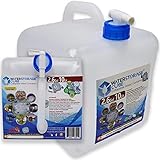
One of the best options right now is the WaterStorageCube Collapsible Water Container with Spigot (⭐ 4.4 with 16,000+ reviews).
✅ Food-Grade & BPA-Free – Won’t leave your water tasting like plastic.
✅ Foldable & Portable – Packs flat, expands to 2.6 gallons when filled.
✅ Leak-Proof Spigot – Easy pour without mess.
✅ Emergency Tested – Proven for hurricanes, blackouts, and camping.
✅ Bonus Survival Guide – Includes a 30-page preparedness eBook with purchase.
💡 Many survivalists buy two: one for the bug-out bag, one to keep in the car for road emergencies.
2. Headlamp / Hands-Free Lighting
Here’s the next one, expanded in the same detailed, product-ready style:
Most people pack a flashlight and call it good — but ask any search-and-rescue team or seasoned backpacker what they reach for in the dark, and the answer is almost always a headlamp. The difference is simple: hands-free lighting. When you’re pitching a tent, treating a wound, or even just cooking at night, trying to juggle a flashlight in your teeth or under your arm is a recipe for disaster.
Why It Matters
- Hands-Free Safety – Work, climb, or cook without losing light.
- Multi-Mode Lighting – Switch between flood, spot, and red light to conserve power or protect night vision.
- Compact & Lightweight – Small enough to keep in every pack.
- Critical for Emergencies – Rescuers often look for moving light sources; headlamps make you more visible than flashlights.
Survival Pro Tip
Keep one headlamp in your bug-out bag and another in your nightstand. Emergencies don’t wait until you’re outdoors — a blackout at home is just as dangerous when you’re fumbling in the dark.
If you’re assembling your first Bug-Out (B.O.B.) from scratch, this DIY Survival Kit guide walks you through priorities, containers, and weight trade-offs so nothing critical gets missed.
Recommended Gear
A proven option available now:
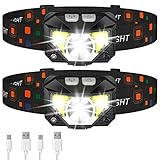
- LHKNL Rechargeable Headlamp, 2-Pack (⭐ 4.5, 30,000+ reviews)
✅ 1100 Lumens – Bright enough for trails or blackouts
✅ 8 Light Modes – Includes red light for stealth/night vision
✅ Waterproof & Rechargeable – Reliable in storms or camping
✅ 2-Pack – One for your kit, one for home or car
3. Emergency Whistle (Be Heard When It Counts)
When things go wrong, being heard can save your life. Yet most survival kits skip the simplest signaling tool: a whistle. People assume they can just shout, but in reality, your voice will fail fast — especially in cold, exhaustion, or injury. A whistle, on the other hand, can blast through wind, rain, and distance with almost no effort.
This tiny tool weighs practically nothing, but it’s one of the fastest ways to get attention if you’re lost in the woods, trapped after a storm, or separated from your group. Search-and-rescue teams often recommend them because the sharp, piercing sound carries far better than human shouting.
Why It Matters
- Loud & Long-Range – Whistles can be heard hundreds of yards away.
- Energy Efficient – Save your voice and strength.
- Weatherproof – Works in rain, wind, and cold where electronics may fail.
- Tiny & Lightweight – Clips easily to a lanyard, strap, or keychain.
Survival Pro Tip
Attach your whistle to your pack strap or wear it on a lanyard. Don’t bury it deep inside your bag — if you need it, you’ll need it fast.
Recommended Gear
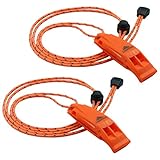
- LuxoGear Emergency Whistles with Lanyard (2-Pack) (⭐ 4.7, 22,000+ reviews)
✅ 120 Decibels – Piercing sound that cuts through noise
✅ Pealess Design – Won’t freeze or clog in wet/cold conditions
✅ Bright Colors – Easy to find if dropped
✅ 2-Pack – Keep one in your kit and one in your car or at home
4. Duct Tape (The Ultimate Survival Multi-Tool)
If there’s one survival item that’s nearly impossible to overpack, it’s duct tape. This humble roll is so versatile that seasoned outdoorsmen joke it’s the only thing holding civilization together. Yet for some reason, it’s one of the most forgotten items in bug-out bags and emergency kits. People assume it’s too bulky, or they underestimate just how many survival problems a few strips of tape can solve.
Forget the MacGyver jokes — duct tape is real-world survival gold. With it, you can repair torn clothing, patch a tent, seal a leaky water container, fix broken gear, improvise bandages, and even make a splint. Without it? Small problems spiral into big ones fast.
Why It Matters
- Repairs Gear Fast – Fix tents, sleeping pads, backpacks, and tarps on the spot.
- First-Aid Uses – Secure bandages, improvise a sling, or immobilize an injured limb.
- Waterproofing – Seal seams, patch leaks, and weatherproof gear.
- Improvisation – Create tools, lashings, or even emergency cordage.
Survival Pro Tip
Don’t pack a giant, heavy roll. Instead, wrap 5–10 feet of duct tape around a lighter, water bottle, or trekking pole. You’ll have plenty when you need it, without the bulk.
Recommended Gear
One of the best survival-grade options in stock right now is:
- Gorilla Tape, Black Duct Tape, 1.88” x 35 yd (⭐ 4.8, 50,000+ reviews)
✅ Extra Thick Adhesive – Sticks to rough, uneven surfaces
✅ Weather-Resistant – Works in hot, cold, and wet conditions
✅ Tear-By-Hand – No scissors needed in the field
✅ Proven Brand – Trusted by campers, contractors, and survivalists alike
💡 For ultralight kits, pre-wrap a few feet of Gorilla Tape around your headlamp strap or trekking pole.


5. Backup Power Bank (Because Batteries Don’t Last Forever)
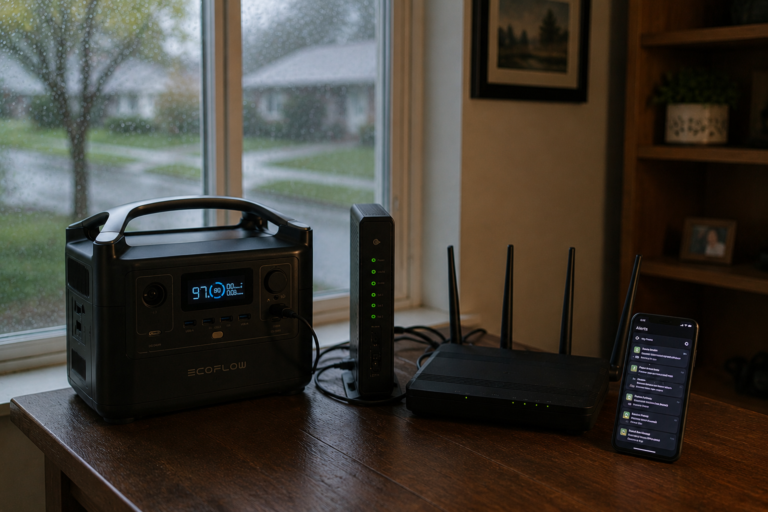
Ask anyone who’s lived through a blackout or spent nights in the backcountry: electronics die faster than you think. Flashlights, radios, GPS units, and even headlamps can drain in a single night of heavy use. Without backup power, you’re left in the dark, cut off from communication, and carrying useless gear.
That’s why a USB power bank is a must-have in any bug-out bag. Unlike spare batteries that only fit certain devices, a power bank can recharge multiple essentials — from your headlamp to your radio to your phone. Compact, lightweight, and durable, it’s one of the smartest insurance policies you can carry.
Why It Matters
- Keeps Critical Gear Running – Flashlights, radios, GPS, phones.
- Portable & Lightweight – Fits easily in any pack.
- Universal Use – Works with any USB-charged device.
- Survival-Proven – Blackouts, storms, and long hikes all demand backup power.
Survival Pro Tip
Keep your power bank fully charged at all times. Rotate it every few weeks to ensure it’s topped up, and store a short USB cord with it so you’re never digging through your pack for cables.
Want to see how a full blackout setup looks in practice? Our Urban Blackout Preparedness guide shows how to keep power, light, and communication running when the grid goes dark.
Recommended Gear
- Anker PowerCore Slim 10,000mAh Portable Charger (⭐ 4.7, 100,000+ reviews)
✅ Compact & Slim — Easy to pack in bug-out or day bags
✅ High Capacity — Enough to recharge a smartphone 2–3 times
✅ Durable Build — Designed to handle outdoor use
✅ Trusted Brand — Anker is one of the most reliable names in portable power

💡 Pro survivalists pair alkaline batteries for gear storage with a USB power bank for rechargeable devices. That way you’re covered no matter what gear you rely on.
🔥 Don’t skip ignition: get the proven options in our Ultimate Survival Fire Starters Guide 2025.
6. Compass (Navigation That Never Fails)
GPS apps make it tempting to skip old-school tools, but when the grid goes down or your phone dies, you’ll be glad you packed a compass. Most bug-out bags skip this critical piece of gear — and without it, getting turned around in the woods or during an evacuation is almost guaranteed.
A compass weighs next to nothing, takes up no space, and doesn’t rely on batteries, satellites, or cell towers. Pair it with a simple printed map of your area, and you’ve got a navigation system that will never fail you.
Why It Matters
- Reliable Anywhere – Works when GPS and phones don’t.
- Light & Compact – Adds almost no weight to your kit.
- Disaster-Proof – Hurricanes, wildfires, or earthquakes can knock out all digital infrastructure.
Survival Pro Tip
Take 10 minutes to learn how to use a compass before you actually need it. Even knowing just how to orient a map and follow a bearing can keep you moving in the right direction when panic sets in.
Recommended Gear
- Suunto A-10 Compass (⭐ 4.6, trusted survival pick)
✅ Rugged & Simple — No batteries, no frills
✅ Easy to Read — High-contrast markings for low light
✅ Lightweight — Just a few ounces, slips in any pocket

7. Emergency Cash (Because ATMs Don’t Work in Disasters)
When power goes out or networks fail, your debit card, credit card, and mobile payment apps become useless. Yet most people don’t think to carry emergency cash. In hurricanes, blackouts, and even short-term evacuations, being able to hand over cash for gas, food, or lodging can mean the difference between getting what you need and going without.
The catch? Stashing a roll of bills loose in your pocket or pack isn’t smart. They get lost, soaked, or stolen easily. That’s why preppers often use small, discreet wallets designed to hide and protect cash — gear that keeps your money safe until you need it most.
Why It Matters
- Works When Cards Don’t – Grid-down = no card readers or ATMs.
- Fast Transactions – No waiting, no excuses, no tech needed.
- Portable & Discreet – Hidden wallets keep cash safe from loss or theft.
Survival Pro Tip
Carry a mix of small bills ($1s, $5s, $10s) rather than just large notes. In an emergency, most people can’t break $100s — and you’ll risk overpaying for essentials if that’s all you have.
Recommended Gear
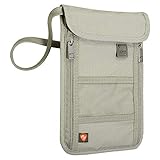
- Lewis N. Clark RFID-Blocking Neck Stash Travel Pouch (⭐ 4.6, 10,000+ reviews)
✅ Slim & Concealable — Worn under clothing for extra security
✅ RFID Blocking — Protects cards as well as cash
✅ Lightweight & Durable — Nylon construction, travel-tested
8. Work Gloves (Protect the Hands That Keep You Alive)
Your hands are your most valuable survival tool — but they’re also the most vulnerable. Splitting wood, clearing debris, handling hot cookware, or digging through rubble all expose you to cuts, blisters, and burns. In an emergency, even a small hand injury can stop you from building shelter, carrying supplies, or defending yourself.
The problem? Most bug-out bags and camping kits don’t include gloves. People remember knives, flashlights, and food, but they forget the gear that protects the body parts doing the work. A rugged pair of work gloves weighs almost nothing but can save you from painful — and dangerous — setbacks.
Why They Matter
- Prevents Injuries – Cuts, burns, and splinters are common in survival work.
- Grip & Dexterity – Handle tools, ropes, and firewood with control.
- Weather Protection – Insulation from cold, heat, or rough surfaces.
- Durable & Reusable – One pair can last years if chosen well.
Survival Pro Tip
Pack one pair in your bug-out bag and keep another in your vehicle. Emergencies don’t always happen outdoors — a car breakdown or sudden storm can leave you handling rough or hazardous materials unexpectedly.
Recommended Gear
- Mechanix Wear M-Pact Tactical Work Gloves (⭐ 4.7, 25,000+ reviews)
✅ Padded Knuckle Guard — Protects against impacts and scrapes
✅ Reinforced Grip — Excellent for rope, tools, or gear handling
✅ Tactical Design — Durable yet flexible for dexterity
✅ Proven Brand — Trusted by military, mechanics, and outdoorsmen

9. Bandanas & Shemaghs (The Cloth That Does It All)
Few items in survival are as versatile as a simple piece of cloth — yet most people leave them out of their kits. A bandana or shemagh weighs next to nothing, costs almost nothing, and can be used in a dozen different ways: protecting your face from dust, filtering debris from water, wrapping wounds, making a sling, or even signaling for help.
Despite all that, this is one of the most commonly forgotten items in bug-out bags. Why? Because it doesn’t look “tactical” enough — but in reality, it’s a survival workhorse.
Why It Matters
- Sun & Wind Protection – Wrap around your face and neck.
- Water Pre-Filter – Strain out debris before using a purifier.
- First Aid – Sling, bandage, or tourniquet support.
- Insulation – Add warmth in cold weather, shade in hot climates.
- Signaling – Bright colors can double as a distress marker.
Survival Pro Tip
Choose a shemagh over a plain bandana if possible. It’s larger (typically 42” square), giving you more fabric to work with, and has been used for centuries in desert survival.
Recommended Gear
- Rothco Shemagh Tactical Scarf (⭐ 4.7, 20,000+ reviews)
✅ Large 42” x 42” Size — More coverage and uses than a small bandana
✅ 100% Cotton — Breathable, durable, easy to wash
✅ Multipurpose — From desert protection to emergency bandage
✅ Multiple Colors — Choose bright for signaling or subdued for tactical use

10. Sanitation Supplies (The “Uncomfortable” Essential Everyone Forgets)
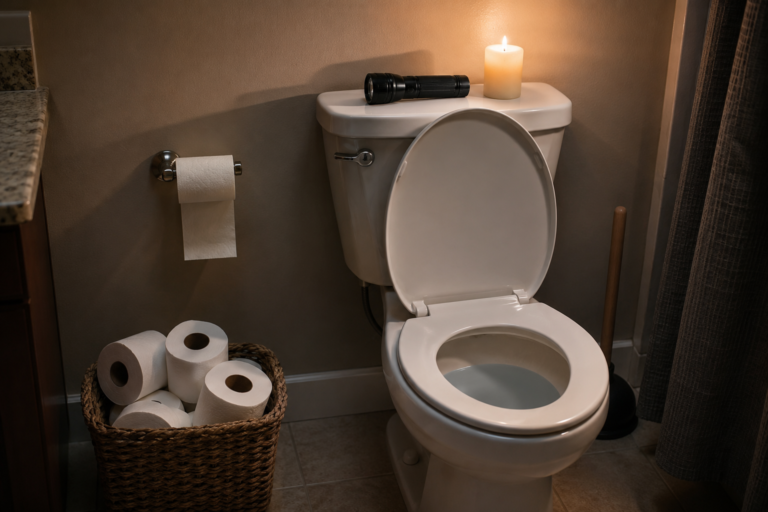
Survival isn’t just about food, fire, and shelter — it’s also about hygiene. In fact, poor sanitation is one of the fastest ways a survival situation can spiral into sickness. Diarrhea, skin infections, and contamination all spread quickly when there’s no clean restroom or running water. Yet toilet paper, wipes, and basic sanitation supplies are among the most commonly forgotten items in bug-out bags.
Most people laugh it off — until the first time they need to dig a cathole in the rain or clean their hands after handling raw fish or wild game. A lack of hygiene doesn’t just make you uncomfortable — it can knock you down when you need your strength most.
Why It Matters
- Prevents Illness – Clean hands = fewer infections.
- Morale Boost – Staying clean keeps spirits high in tough conditions.
- Lightweight & Packable – A small pack of wipes or compressed towels takes almost no room.
- Multi-Use – Hygiene, wound cleaning, even quick gear wipe-downs.
Survival Pro Tip
Don’t just rely on toilet paper. Pack biodegradable wet wipes that can handle everything from hygiene to basic cleaning. They’re more versatile, store longer, and work even when wet.
Recommended Gear
- Surviveware Biodegradable Wet Wipes (32-Pack) (⭐ 4.7, 11,000+ reviews)
✅ Biodegradable — Safe to bury after use
✅ Extra-Large Sheets — One wipe goes a long way
✅ Unscented & Gentle — Safe for sensitive skin and first aid use
✅ Resealable Pack — Keeps wipes moist, even after weeks in storage
Summer heat can make hygiene even harder to maintain. Check out our Summer Survival Tools guide for cooling gear, hydration solutions, and smart ways to stay fresh when temperatures rise.

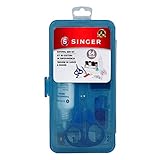
11. Sewing Kit & Safety Pins (Tiny Tools, Huge Value)
A ripped backpack strap. A torn tent seam. A button that pops off your pants. In everyday life, those are minor annoyances. In a survival scenario, they can become critical failures. Without repair gear, your expensive equipment can quickly turn useless — and you’ll be stuck improvising fixes with paracord and duct tape.
That’s why a compact sewing kit with safety pins is one of the most overlooked but most valuable survival items. It’s small, light, and inexpensive, yet gives you the ability to patch, reinforce, and extend the life of your gear when you need it most.
Why It Matters
- Repairs Gear Fast – Fix tents, tarps, clothes, and packs in minutes.
- Light & Compact – A full kit weighs just a few ounces.
- Multi-Use Safety Pins – Temporary repairs, securing bandages, even fishing improvisations.
- Long-Term Survival – Extends the life of every other piece of gear you own.
Survival Pro Tip
Choose a kit with heavy-duty needles (not just tiny ones for buttons). Heavy fabric like nylon and canvas needs tough tools. And stash a few large safety pins in your first aid kit — they double as improvised splint fasteners or sling connectors.
Recommended Gear
- SINGER Survival Sewing Kit with Heavy-Duty Needles & Safety Pins (⭐ 4.7, 18,000+ reviews)
✅ Heavy-Duty Needles — Strong enough for canvas or nylon
✅ Thread Variety — Multiple colors for patching different gear
✅ Includes Safety Pins — Critical for both clothing and first-aid use
✅ Compact Case — Small enough to slip into any pack
12. Spare Eyeglasses (Because Clear Vision = Survival)
If you rely on glasses or contacts, your eyesight is one of your biggest vulnerabilities in a survival scenario. Yet spare glasses almost never make it into bug-out bags. Break or lose your only pair, and suddenly navigating terrain, reading maps, or even starting a fire becomes a dangerous challenge.
Think about it: you wouldn’t go without a backup knife or flashlight, so why risk going without a backup for your most important tool — your eyes? A spare set of glasses is light, compact, and potentially life-saving.
Why It Matters
- Critical Function – Reading maps, aiming tools, spotting hazards.
- Cheap Insurance – Backup pair costs little but saves everything.
- Light & Compact – Adds no real weight to your pack.
- Often Forgotten – Most preppers simply overlook this need.
Survival Pro Tip
Don’t toss in an old scratched-up pair — get a sturdy backup designed for durability. Keep them in a crush-proof case, and if you use contacts, always carry a small supply of daily disposables plus saline solution as backup.
Recommended Gear
- ROCKNIGHT Unbreakable TR90 Survival Glasses (⭐ 4.6, 5,000+ reviews)
✅ Shatterproof & Flexible Frame — Won’t snap under stress
✅ Lightweight Design — Comfortable for all-day wear
✅ Polarized Lenses — Helps with glare in outdoor settings
✅ Comes with Case — Protects your backup pair in the field

13. Notebook & Pencil (Low-Tech Tools That Never Fail)
In an emergency, memory can’t be trusted. Stress, fatigue, and adrenaline make people forget critical details. That’s why a simple notebook and pencil is one of the most underrated survival tools. Yet it’s almost always missing from bug-out bags.
With paper and pencil, you can jot down directions, record water sources, leave notes for others, track your food supply, or even log symptoms in case of illness. Unlike phones, they don’t run out of batteries, crash, or break from a little rain.
Why It Matters
- Communication – Leave notes for rescuers or your group.
- Tracking – Record supplies, map routes, or log first aid.
- Durability – Pencil works when pens freeze, leak, or run dry.
- Mental Clarity – Writing organizes thoughts during stress.
Survival Pro Tip
Always go with waterproof paper and a simple pencil. Pens can leak or freeze, but pencils work in almost any conditions. And waterproof pages mean your notes won’t wash away in the rain.
Recommended Gear
- Rite in the Rain All-Weather Pocket Notebook (⭐ 4.8, 20,000+ reviews)
✅ Waterproof Pages — Writes in rain, sweat, mud, or snow
✅ Compact Pocket Size — 3.5” x 5” for easy carry
✅ Works with Pencil — Reliable in all conditions
✅ Proven Brand — Used by military, law enforcement, and outdoor pros

14. Waterproof Dry Bags & Ziplocks (Tiny Protection, Big Payoff)
Water ruins gear faster than anything. Matches, maps, batteries, phones, first-aid supplies — all useless once they’re soaked. Yet most survival kits are packed without a single dry bag or waterproof pouch. People assume their backpack is “good enough,” but rainstorms, river crossings, or even just setting your bag down in wet grass can destroy critical supplies.
A waterproof dry bag is cheap insurance. It keeps fire-starting gear dry, protects electronics, and ensures important documents (like ID, insurance cards, or cash) survive a flood or storm. Without it, you’re gambling your gear’s reliability against the weather.
Why It Matters
- Protects Fire Gear – Wet matches or tinder = no fire.
- Saves Electronics – Phones, radios, batteries stay functional.
- Document Safety – IDs, maps, and cash remain intact.
- Lightweight & Compact – Packs flat and adds minimal weight.
Survival Pro Tip
Don’t just toss everything into one bag. Pack smaller dry bags inside your main pack — one for fire gear, one for electronics, one for hygiene/first aid. That way, if water gets into one section, the rest of your gear stays dry.
Recommended Gear
- Earth Pak Waterproof Dry Bag with Shoulder Strap (⭐ 4.8, 40,000+ reviews)
✅ Fully Waterproof — Trusted for kayaking, camping, and survival kits
✅ Multiple Sizes — From 5L to 40L for different uses
✅ Includes Phone Case — Bonus waterproof pouch for electronics
✅ Durable Build — Thick material, reinforced seams, reliable buckle closure

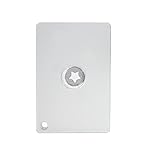
15. Signal Mirror (Sunlight = Survival Signal)
Rescue crews often say: “We can find you if we can see you.” That’s why a signal mirror is one of the smartest, lightest survival tools you can carry — yet it’s almost always forgotten. People assume waving a flashlight or shouting will do the trick, but in reality, nothing beats a properly angled flash of sunlight.
A quality signal mirror can send a bright, focused beam visible for miles — even to aircraft. Unlike electronics, it doesn’t run on batteries, doesn’t fail when wet, and doesn’t weigh more than a couple of ounces. In emergencies, that makes it one of the cheapest lifesavers you can pack.
Why It Matters
- Long-Range Visibility – Flashes visible from miles away, even to aircraft.
- Battery-Free – Always ready to use.
- Durable & Waterproof – Works in rain, snow, and extreme conditions.
- Multi-Use – Doubles as a hygiene mirror or wound-checking tool.
Survival Pro Tip
Practice aiming the mirror before you need it. Use the sighting hole to align the sun’s reflection on your target. It only takes a few tries, but in an emergency, knowing how to do it under stress can make all the difference.
Recommended Gear
- No products found. (⭐ 4.6, proven in SAR use)
✅ Lightweight & Compact — Easy to slip into any pocket or kit
✅ Nearly Unbreakable Plastic — Built to survive drops and rough use
✅ Targeting Star — Helps aim reflection precisely at rescuers
✅ Floats in Water — Perfect for boating, kayaking, or flood zones
🌧️ Packing for bad weather? Learn the setups that still light: Starting a Fire in Wet Weather.
Final Thoughts: Don’t Leave These Items Behind
It’s easy to focus on the big, flashy pieces of survival gear — knives, tents, or fire starters — but it’s the small, forgotten items that often make or break a real emergency. From something as simple as a whistle to a power bank or spare glasses, these lightweight essentials are the difference between being prepared and being caught off guard.
The good news? Every item on this list is inexpensive, proven, and easy to stash in a bug-out bag, glove box, or camping kit. Add them now — before you need them — and you’ll never be one of the people who realizes too late what they left behind.
👉 Stock up while these items are still in stock — and turn your bug-out bag into a real survival kit, not just a camping pack.
Get Your Free Camping Checklist
Never forget the essentials again. Enter your email below and I’ll send you a ready-to-use 48-hour survival & camping checklist.
We respect your privacy. No spam—just survival tips & gear updates.