
$60 Emergency Food Plan: 14 Days of Budget Meals
Can you build a two-week emergency food supply for $60? With carefully selected pantry staples, a limited grocery budget can provide a substantial amount of shelf-stable food for one adult. The challenge is choosing ingredients that deliver enough calories, useful protein, manageable cooking requirements, and meals you can actually prepare.
This post contains affiliate links. I may earn a small commission at no extra cost to you. Learn more.
This $60 emergency food plan is designed for people dealing with delayed SNAP benefits, temporary financial hardship, grocery shortages, or short-term disruptions. It uses familiar foods such as rice, lentils, oats, pasta, peanut butter, canned fish, and beans.
The goal is to assemble enough basic ingredients for 14 days of breakfasts, lunches, and dinners without depending on refrigerated groceries. It is a temporary food-security plan, not a guarantee of complete nutrition or a substitute for long-term food assistance.
Quick Answer: What Can $60 Buy for Two Weeks?
A $60 grocery budget can potentially cover 14 days of basic pantry meals for one adult when inexpensive staples are available. Rice, dried legumes, oats, pasta, and cooking oil provide most of the calories, while peanut butter, canned fish, tomatoes, and milk add variety and nutrients.
Important: Grocery prices vary by store and location. The example shopping list below is a planning budget, not a verified local checkout total. Cooking fuel, equipment, and drinking water are separate expenses.
Key Takeaways
- This plan is intended for one adult over 14 days, not an entire family.
- Use shelf-stable foods that can remain unopened without refrigeration.
- Choose rice, oats, legumes, and pasta for affordable calories.
- Include fats and protein sources instead of relying on grains alone.
- Cook only what you can eat promptly when refrigeration is unavailable.
- Keep a separate supply of safe drinking and cooking water.
- Use outdoor cooking equipment only in locations approved by the manufacturer.
- Adjust quantities for age, activity level, health needs, and actual food prices.
The $60 Emergency Food Shopping List
The following list is a practical starting point for building a low-cost pantry. Prices are illustrative budget targets and must be checked against current shelf prices. If a product exceeds its target, compare store brands, package sizes, and local discount stores.
| Food | Quantity | Budget Target |
|---|---|---|
| White rice | 10 lb | $8.00 |
| Dry lentils | 4 lb | $7.00 |
| Dry beans | 2 lb | $3.00 |
| Pasta | 2 lb | $2.50 |
| Rolled oats | 2 lb | $3.00 |
| Peanut butter | 16 oz | $3.00 |
| Canned tomatoes | 4 cans | $4.00 |
| Canned tuna or sardines | 4 cans | $5.00 |
| Vegetable oil | 16 fl oz | $4.00 |
| Powdered or shelf-stable milk | 1 package | $5.00 |
| Onions and garlic | Small amount | $2.50 |
| Salt, bouillon, basic seasoning | Budget packages | $4.00 |
| Estimated subtotal | $51.00 | |
| Price adjustment allowance | $9.00 | |
| Total budget | $60.00 |
Shopping note: The $9 allowance helps absorb price differences, but it does not guarantee every store will meet the budget. If lentils or powdered milk are expensive locally, compare alternative package sizes or replace part of the purchase with a lower-cost equivalent. Recalculate the meal plan when making substitutions.
Does This $60 Emergency Food Plan Provide Enough Calories?
One of the most important parts of emergency food planning is knowing how many calories your stored food actually provides. A pantry can look full without containing enough energy to sustain someone for two weeks.
For this $60 emergency food plan, the primary calorie sources are rice, lentils, beans, pasta, oats, peanut butter, and vegetable oil. Together, these seven foods provide approximately 39,400 calories, based on standard food composition estimates.
The canned fish, tomatoes, powdered or shelf-stable milk, onions, and other ingredients add calories and nutrients, but their exact contribution depends on the products and package sizes purchased.
Estimated Calorie Breakdown of the Grocery List
| Food | Quantity | Estimated Calories |
|---|---|---|
| White rice | 10 lb | 16,550 |
| Dry lentils | 4 lb | 6,390 |
| Dry beans | 2 lb | 3,100 |
| Dry pasta | 2 lb | 3,370 |
| Rolled oats | 2 lb | 3,440 |
| Peanut butter | 16 oz | 2,710 |
| Vegetable oil | 16 fl oz | 3,840 |
| Total | Seven staple foods | 39,400 calories |
Calorie estimates are rounded and based on typical dry-food nutrition values. Actual totals vary by brand and product. This calculation excludes the additional calories from canned fish, tomatoes, milk, onions, and seasonings.
How Many Calories Does That Provide Per Day?
Dividing the estimated 39,400 calories by 14 days gives approximately 2,814 calories per day if all seven staple foods are consumed during the two-week period.
14-Day Emergency Food Calculation
39,400 total staple-food calories ÷ 14 days = approximately 2,814 calories per day.
That is the average amount available, not a requirement to eat that many calories daily.
For comparison, an adult consuming 2,000 calories per day would need approximately 28,000 calories over 14 days. Individual calorie requirements vary based on age, body size, activity level, and other factors.
This means the grocery list contains a substantial calorie reserve for one adult. Some ingredients may remain unused after 14 days, depending on portions and individual needs.
How Should You Divide the Calories Between Meals?
For an adult planning around 2,000 calories per day, the following meal distribution provides a simple starting point:
| Meal | Example Calorie Target |
|---|---|
| Breakfast | 500 calories |
| Lunch | 700 calories |
| Dinner | 800 calories |
| Daily Total | 2,000 calories |
These are planning targets rather than fixed meal requirements. Use the nutrition labels on your actual groceries to calculate portions of rice, lentils, oats, pasta, beans, peanut butter, and oil.
Calories Are Only Part of Emergency Nutrition
Although this grocery list can provide substantial energy, calories alone do not make a nutritionally complete diet.
Rice, beans, and lentils provide carbohydrates, protein, and some minerals. Peanut butter and vegetable oil supply concentrated calories from fat. Oats contribute fiber and additional nutrients.
However, the plan has limited fruit, vegetables, and dietary variety. It may fall short of certain vitamins and minerals if used as a long-term diet.
Bottom line: This $60 pantry can provide enough food energy for a two-week emergency plan for one adult, but the actual meals must be portioned carefully. When possible, add affordable canned vegetables, fruit, and additional protein sources to improve nutritional balance.
How to Divide the Food Across 14 Days
A practical emergency menu does not require 42 different recipes. It requires a manageable rotation of breakfasts, lunches, and dinners using ingredients that can be combined in several ways.
| Meal | Basic Approach |
|---|---|
| Breakfast | Oats with peanut butter or prepared shelf-stable milk |
| Lunch | Rice with lentils, beans, or canned fish |
| Dinner | Pasta, lentil stew, bean-and-rice bowl, or tomato rice |
Use oil in measured amounts to add energy to meals. Divide the canned fish across several meals rather than depending on it as the main protein source every day.
If you cannot refrigerate cooked food, prepare small batches and eat them promptly. The dry ingredients can remain shelf-stable, but cooked rice, beans, pasta, and opened canned foods generally cannot be stored safely at room temperature for later meals.
14-Day Budget Emergency Meal Schedule
This schedule shows how the ingredients can be rotated. It is a menu framework rather than a precisely calculated nutritional prescription. Portion sizes should be adjusted using the actual product labels and individual calorie needs.
| Day | Breakfast | Lunch | Dinner |
|---|---|---|---|
| 1 | Peanut butter oats | Lentil rice | Tomato pasta |
| 2 | Milk oats | Bean rice | Lentil soup |
| 3 | Peanut butter oats | Tuna rice | Lentil pasta |
| 4 | Savory oats | Bean rice | Tomato lentils |
| 5 | Milk oats | Lentil rice | Garlic pasta |
| 6 | Peanut butter oats | Sardine rice | Bean stew |
| 7 | Savory oats | Lentil rice | Tomato pasta |
| 8 | Milk oats | Bean rice | Lentil soup |
| 9 | Peanut butter oats | Tuna rice | Lentil pasta |
| 10 | Savory oats | Bean rice | Tomato lentils |
| 11 | Milk oats | Lentil rice | Garlic pasta |
| 12 | Peanut butter oats | Sardine rice | Bean stew |
| 13 | Savory oats | Lentil rice | Tomato pasta |
| 14 | Milk oats | Bean rice | Lentil soup |
Portion planning: Divide the available oats into 14 breakfasts and allocate rice, pasta, beans, and lentils across the remaining meals. Measure dry ingredients before cooking so the supply lasts. The canned fish meals should use one can per listed day, and the remaining meals depend primarily on legumes for protein.
Seven Simple Recipes Using Budget Pantry Staples
1. Peanut Butter Oatmeal
Ingredients: Rolled oats, water, peanut butter, and optional prepared shelf-stable milk.
- Cook a measured portion of oats according to the package instructions.
- Stir in peanut butter after the oats have softened.
- Add a small amount of prepared milk if available.
- Eat immediately.
This breakfast combines carbohydrates, fat, and some protein. Adjust the serving size based on the calories available in the pantry.
2. Lentils and Rice
Ingredients: Dry lentils, white rice, salt, bouillon, and optional oil.
- Rinse the lentils and inspect them for debris.
- Cook according to package instructions until tender.
- Cook a separate portion of rice.
- Combine the cooked ingredients, season, and add a measured amount of oil.
- Serve immediately.
Lentils are especially useful in a limited-fuel pantry because they generally cook faster than many varieties of dried beans.
3. Tomato Lentil Pasta
Ingredients: Pasta, lentils, canned tomatoes, garlic, and seasoning.
- Cook the lentils until tender.
- Prepare the pasta according to its package directions.
- Heat an appropriate portion of canned tomatoes with garlic and seasoning.
- Combine and serve.
For one person without refrigeration, choose small cans or plan to use the full opened can in a meal rather than leaving leftovers unrefrigerated.
4. Beans and Rice
Ingredients: Dried beans, rice, onion, seasoning, and oil.
- Sort and rinse the beans.
- Soak if recommended for the bean variety.
- Cook thoroughly according to package directions.
- Prepare the rice separately.
- Combine, season, and serve hot.
Bean safety: Some dried beans, especially red kidney beans, contain natural lectins that require proper boiling and cooking. Never assume that soaking alone makes beans safe to eat. Follow reliable preparation instructions for the exact variety.
5. Tuna or Sardine Rice Bowl
Ingredients: Cooked rice, one can of fish, and seasoning.
- Cook enough rice for the current meal.
- Open the canned fish immediately before serving.
- Combine with the rice and season as desired.
- Eat promptly and discard unrefrigerated leftovers.
Do not leave cooked rice and opened fish sitting at room temperature for the rest of the day.
6. Savory Oatmeal
Ingredients: Oats, water, bouillon, garlic, and optional oil.
- Prepare oats with water according to the package directions.
- Add a small amount of bouillon or seasoning.
- Stir in oil if additional calories are needed.
- Serve as a savory alternative to breakfast oatmeal.
Savory oats help provide variety without purchasing additional ingredients.
7. Simple Lentil Soup
Ingredients: Lentils, water, onion, garlic, bouillon, and optional tomatoes.
- Rinse the lentils.
- Add them to a pot with the recommended amount of water.
- Cook until tender, adding onion and seasoning as desired.
- Add tomatoes when available and heat thoroughly.
- Serve immediately.
Soup can make a small assortment of ingredients feel like a complete meal, but the serving still needs enough calories and protein for the person eating it.
How to Cook During a Power Outage
Food supplies are only useful when you have a safe way to prepare them. A budget based on dry rice and beans assumes access to clean water, cookware, and cooking energy.
Option 1: A Normal Kitchen Stove
When household utilities are working, a regular kitchen stove is usually the simplest option. Follow the appliance manufacturer’s operating instructions and use normal kitchen ventilation.
Option 2: A Portable Camping Stove Outdoors
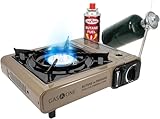
Portable butane or propane camping stoves may be useful during outages when used outdoors in a safe, manufacturer-approved location.
Carbon Monoxide Warning: Never use a portable gas camping stove inside a home, tent, garage, vehicle, or other enclosed space. Opening a window does not make indoor camp-stove use safe. Carbon monoxide is odorless and can cause fatal poisoning.
Keep cooking equipment on a stable, nonflammable surface, away from children and combustible materials. Follow all fuel-storage and clearance instructions.
Option 3: An Electric Cooking Appliance
If electricity is available from a suitable backup system, a low-power electric appliance may be convenient. However, heating appliances can draw significant power, so compare their actual wattage and operating time with the available battery capacity.
For more information, read the Solar + Generator Hybrid Backup Guide.
Basic Cooking Equipment for an Emergency Pantry
A modest cooking kit can make shelf-stable meals easier to prepare. These items are separate from the $60 food budget.
- Cooking pot with a fitted lid
- Long spoon and basic eating utensils
- Manual can opener
- Measuring cup
- Clean water containers
- Food-safe storage containers
- Outdoor cooking equipment and compatible fuel, if needed
- Soap and supplies for washing hands and dishes
Optional Amazon Cooking Equipment
Portable Camping Stove

Compatible Camping Fuel
Stainless Steel Cooking Pot

Airtight Pantry Storage Container

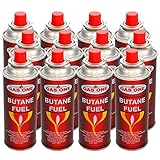
Important: Check stove and fuel compatibility. Do not use a windscreen that surrounds a fuel canister unless the stove manufacturer specifically approves that configuration; trapped heat can create a serious hazard.
How Much Drinking and Cooking Water Do You Need?
Dry rice, beans, lentils, oats, and pasta all require water. Drinking needs must also be met independently of the cooking supply.
A commonly used emergency storage starting point is at least one gallon of water per person per day for drinking and basic sanitation, with additional water needed for hot weather, physical activity, medical needs, and food preparation.
For one adult over 14 days, that starting point is 14 gallons, and actual requirements may be higher. The $60 food budget does not include the purchase or storage of this water.
Learn more in the Long-Term Water Storage Guide.
Food Safety When You Have No Refrigerator
There is an important difference between shelf-stable ingredients and cooked food. Unopened dry goods and commercially canned foods can often be stored safely without refrigeration when packaging is intact and storage instructions are followed.
Once food is cooked or a perishable canned product is opened, different rules apply.
- Cook small amounts when you cannot refrigerate leftovers.
- Refrigerate perishable leftovers within two hours, or within one hour when temperatures exceed 90 degrees Fahrenheit.
- Do not store cooked rice, pasta, beans, or fish overnight at room temperature.
- Do not assume reheating makes improperly stored food safe.
- Keep dry food protected from moisture, pests, and contamination.
- Discard cans that are bulging, leaking, or otherwise show signs of unsafe packaging.
These precautions are particularly important when preparing food during a blackout.
How to Reduce Cooking Fuel Costs
Dry staples are inexpensive, but cooking them requires energy. Fuel-saving methods can help, although savings depend on the stove, pot, ingredients, and conditions.
- Use a fitted lid: It helps retain heat and reduces evaporation.
- Choose lentils more often: Many varieties cook faster than dried beans.
- Soak beans when appropriate: This may reduce cooking time, but proper boiling and thorough cooking are still required.
- Measure water: Avoid heating unnecessary amounts.
- Prepare sensible portions: Without refrigeration, oversized batches create food waste and safety problems.
- Follow equipment instructions: Avoid improvised insulation or windshields that create fire or overheating hazards.
Fuel consumption varies too much to promise that a single canister will cook a fixed number of meals. Test your cooking setup in advance and plan fuel reserves around actual use.
How to Make the $60 Plan More Nutritious
This grocery list emphasizes affordability, calories, and shelf stability. Its main limitation is dietary variety. A repetitive diet of grains and legumes may not provide adequate amounts of every essential nutrient.
When additional funds or food assistance are available, consider adding:
- Canned vegetables, particularly varieties with different colors and nutrients
- Canned fruit packed in juice or water
- Additional canned fish or other shelf-stable protein sources
- Fortified foods that provide vitamins and minerals
- Additional shelf-stable milk or suitable fortified alternatives
- Foods that accommodate personal dietary or medical needs
These additions may push the grocery total beyond $60, but they improve the plan’s usefulness beyond a short-term emergency.
What If You Have Children or Food Allergies?
The shopping list and meal schedule are designed for one adult. They should not simply be divided among several family members.
Children, pregnant people, older adults, and people with certain medical conditions may have different nutritional requirements. A low-cost emergency pantry should be adjusted for those needs rather than assuming every household member can follow the same menu.
Practical Ingredient Substitutions
- Peanut allergy: Use a suitable seed butter or another safe protein and fat source, adjusting for cost and nutrition.
- Fish allergy: Substitute an appropriate canned protein or additional legumes.
- Gluten intolerance: Replace regular pasta with rice or a suitable gluten-free product.
- Milk allergy or lactose intolerance: Select an appropriate shelf-stable alternative and check whether it is nutritionally fortified.
- Low-sodium diet: Compare labels on bouillon, canned foods, and seasonings.
Substitutions change the budget and nutrient totals. Check package labels before assuming an alternative provides the same calories or protein.
How to Stretch SNAP Benefits and Build a Rolling Pantry
A two-week food supply is easier to maintain when it becomes part of normal grocery shopping rather than a separate emergency purchase.
Start With Foods You Already Eat
Rice, pasta, oats, and beans are useful because they can support everyday meals. Foods that regularly get used are less likely to expire unnoticed.
Compare Price Per Pound
Large packages are not always the best value. Check the unit price, especially when comparing store brands and bulk bags.
Buy One Extra Staple When Possible
Adding an extra bag of rice, oats, or lentils during a normal grocery trip can gradually build a reserve without requiring a large one-time expense.
Rotate Your Supplies
Use older packages first and replace them with newer purchases. Record purchase dates and check storage conditions periodically.
Use Food Assistance Resources When Needed
If SNAP benefits are delayed or groceries are insufficient, contact your state SNAP agency or local food pantry for available assistance. Emergency food planning should supplement support resources, not replace them.
Should You Buy Emergency Food Buckets Instead?
Commercial emergency food buckets may offer convenience and long advertised storage lives, but they are not necessarily the lowest-cost way to purchase calories.
Before buying a bucket, compare the total calories, number of complete meals, protein content, preparation water, dietary restrictions, and price per calorie. A large serving count does not necessarily mean a product will feed one adult for the advertised number of days.
For a tight $60 budget, ordinary grocery-store staples generally deserve priority. Packaged emergency meals may be more useful as an additional reserve once basic food, water, and cooking needs are covered.
Common Mistakes With Budget Emergency Food Plans
- Counting servings instead of calories: Small servings may not provide enough daily energy.
- Ignoring protein and micronutrients: Calories alone do not establish nutritional adequacy.
- Assuming prices are identical everywhere: Grocery costs vary by store, location, and package size.
- Forgetting cooking water: Dry staples need additional water for preparation.
- Forgetting cooking fuel: A bag of dry beans is less useful when no safe heat source is available.
- Cooking too much at once: Leftovers can become unsafe without refrigeration.
- Using camping stoves indoors: Portable fuel-burning camp stoves can create deadly carbon monoxide exposure.
- Buying unfamiliar foods: A pantry is more dependable when you know how to prepare its ingredients.
Frequently Asked Questions
Can $60 really buy two weeks of food?
It may be possible for one adult when inexpensive staple foods are available. However, the total depends on current local prices, serving sizes, calorie requirements, and any dietary restrictions. The example budget is not a guaranteed checkout price.
Is this a complete 14-day diet?
It is a temporary emergency menu built around affordable staples, not a professionally individualized or nutritionally complete diet. Additional vegetables, fruit, and varied protein sources would improve its nutritional balance.
Can you store all these groceries without a refrigerator?
Most of the unopened dry and canned ingredients are shelf-stable when stored properly. Cooked meals, opened canned fish, and prepared milk may require refrigeration and should not be left at room temperature for extended periods.
What is the cheapest food for emergency calories?
Rice, oats, pasta, dried beans, lentils, and vegetable oil often provide relatively inexpensive calories. Their prices and nutritional characteristics differ, so a mixture is preferable to relying on one ingredient.
What should you eat if the power goes out?
Start with ready-to-eat shelf-stable foods when cooking is unavailable. If you have a safe outdoor cooking setup and sufficient water, rice, lentils, and other dry staples can become practical meal ingredients.
Is a butane camping stove safe to use indoors?
No. Portable gas camping stoves should not be used inside homes, tents, garages, or vehicles. Follow the manufacturer’s outdoor-use instructions and carbon monoxide safety precautions.
Can a family of four use this $60 plan?
Not as written. This example is intended for one adult. A four-person household needs a separate calculation based on the ages, energy requirements, and dietary needs of its members.
How can I turn a two-week pantry into a 30-day supply?
Gradually increase the amounts of foods your household already uses, then add more varied protein sources, vegetables, fruit, water, and appropriate cooking supplies. Track actual calories and storage dates rather than estimating preparedness by the number of packages alone.
Final Verdict: Is a $60 Emergency Food Plan Worth Building?
A $60 emergency food plan can be a useful starting point for building a short-term pantry. Affordable staples such as rice, lentils, oats, pasta, beans, and peanut butter can provide substantial food energy without relying on refrigerated groceries.
The most important improvement is to treat the grocery list as a measured plan rather than a promise. Check actual prices, read nutrition labels, calculate daily portions, and account for safe drinking water and cooking requirements.
For someone facing a temporary disruption, a simple pantry that can be prepared safely may provide more practical value than an expensive emergency food kit. As finances allow, improve the plan with more vegetables, fruit, varied protein sources, and additional stored water.
Start with what you can afford, store it correctly, and build the reserve gradually.