Solar + Generator Hybrid Backup: Complete Home Power Guide
A portable generator can handle a short power outage without much trouble. But when an outage stretches into several days, running that generator around the clock creates a different problem: fuel consumption.
This post contains affiliate links. I may earn a small commission at no extra cost to you. Learn more.
Even when your household is using relatively little electricity, the generator still has to keep running. That means more fuel, more noise, more engine hours, and more trips outside to refuel and maintain it.
A solar + generator hybrid backup system takes a different approach. Instead of relying on the generator continuously, it combines battery storage, an inverter/charger, solar panels, and a fuel-powered generator so each power source can be used where it makes the most sense.
During normal operation, the battery system can quietly power essential loads such as your refrigerator, freezer, lights, communications equipment, and CPAP machine. Solar panels replenish some or all of that energy during daylight. When solar production falls short or the batteries need a faster recharge, the generator can take over temporarily.
The goal is not to eliminate the generator. It is to stop running it when you don’t need it.
That can conserve fuel during a long outage while still giving you dependable backup power when cloudy weather, heavy electrical loads, or depleted batteries make the generator necessary.
A hybrid blackout system uses batteries for quiet everyday loads, solar panels to replace energy when sunlight is available, and a generator for dependable recharging and higher-demand loads. Instead of asking one power source to do everything, you build several layers that support each other.
If keeping food cold is one of your main concerns, see our guide to running a refrigerator during a blackout. If you’re still deciding how much battery storage you need, start with our solar generator sizing guide.
This article is part of our Grid-Down Survival Power Guide, where we cover battery storage, generators, solar charging, and other ways to keep essential systems operating during extended outages.
Why Hybrid Backup Makes Sense During a Long Blackout
The biggest advantage of a hybrid system is that it separates energy storage from energy production. A generator produces electricity whenever its engine is running. A battery bank stores electricity so you can use that energy later without keeping an engine running in the background.
That distinction becomes especially valuable overnight. A refrigerator may cycle on and off, a CPAP may run for several hours, and phones or radios may need charging, but those loads may not justify running a several-thousand-watt generator continuously.
With a properly sized hybrid system, the generator can be used during planned charging periods or when larger loads need power. The battery bank can then carry lighter loads quietly between generator runs.
Adding solar creates another charging source. On a productive sunny day, the panels may replace a meaningful portion of the electricity your household consumes. During poor weather, the generator remains available instead of forcing you to depend entirely on solar production.
That gives a hybrid system several practical advantages:
- Fuel conservation: The generator does not have to run continuously just to support intermittent or low-power loads.
- Quiet overnight power: Batteries can operate refrigerators, medical equipment, lights, and electronics without engine noise.
- Redundant charging: Batteries can be replenished from solar when conditions are favorable and from the generator when they are not.
- Reduced generator runtime: Fewer operating hours can reduce maintenance demands and unnecessary engine wear.
- Room to expand: A properly designed system can often grow with additional battery storage or solar capacity as your needs change.
Hybrid backup is especially useful for households preparing for outages lasting longer than a few hours, rural properties where fuel availability may become a concern, and anyone who wants battery power without giving up the reliability of a fuel-powered generator.
The important part is sizing those components correctly. A battery bank that is too small will require frequent generator charging. An oversized battery bank with inadequate solar or charging capacity may take too long to replenish. And an inverter that cannot handle your appliances’ running and startup loads can shut the system down even when plenty of battery energy remains.
The rest of this guide will show you how those pieces fit together and how to size them around the loads your household actually needs during an outage.
Choosing an Inverter/Charger for a Hybrid Backup System
The inverter/charger is one of the most important components in a DIY hybrid backup system. The inverter side converts DC electricity stored in the battery bank into AC electricity for household loads, while the charger side can use an approved AC source—such as a compatible generator—to recharge the batteries.
Some inverter/chargers also include an automatic transfer function that can pass AC power through to supported loads when an external source is available and switch those loads to inverter power when that source disappears. Exactly how that works depends on the equipment and installation, so don’t assume every inverter/charger provides the same transfer, charging, or grid-integration capabilities.
For blackout planning, the inverter/charger needs to be sized around three things: the loads you expect to operate, the battery bank that supplies them, and the charging source used to replenish that battery bank.
Continuous Output and Startup Surge
Start with the appliances you actually need during an outage. Refrigerators, freezers, well pumps, sump pumps, and other motor-driven equipment can briefly require considerably more power when they start than they consume while running.
Your inverter therefore needs enough continuous output for the loads that may operate at the same time and enough short-duration surge capability for compatible equipment with high startup demand.
For example, a household running a refrigerator, freezer, lights, router, and several small electronics may have a relatively modest average load, but the inverter still needs enough headroom for a compressor starting while other equipment is already operating.
Don’t size the inverter solely by adding appliance nameplate wattages. Check the manufacturer’s specifications for your appliances whenever possible, particularly for pumps, compressors, and other equipment with significant startup loads.
Charging Output Matters Too
The charger portion determines how quickly the generator can put energy back into the battery bank. This is critical in a hybrid system because one of the main goals is to avoid running the generator longer than necessary simply because the batteries recharge slowly.
But faster is not automatically better. The battery bank has a maximum recommended charge rate, and the inverter/charger must be configured within the battery manufacturer’s charging specifications. Your generator must also be capable of supplying the charger and any other loads being powered at the same time.
A well-matched system allows you to run the generator when charging is actually needed, put a meaningful amount of energy back into the batteries, and then return to quiet battery power.
Battery Compatibility
If you’re using LiFePO₄ batteries, choose charging equipment that supports the battery manufacturer’s required charging profile and voltage limits. The same principle applies to AGM and other battery chemistries.
Do not rely on a generic charging-voltage recommendation for every battery. Follow the specifications supplied by the battery manufacturer and make sure the inverter/charger can be configured accordingly.
Transfer Capacity and System Voltage
If the inverter/charger will feed a dedicated backup-load panel or another permanently installed circuit, its AC pass-through capacity, transfer capability, voltage configuration, overcurrent protection, grounding and bonding requirements, and installation method all need to match the electrical system.
This becomes particularly important with 120/240V loads such as some well pumps and other large equipment. A large wattage rating alone does not mean an inverter can operate every appliance in a home.
Choose the inverter around the loads you actually intend to operate—not around how many appliances you might someday own. Allow reasonable headroom for simultaneous loads and startup demand, but don’t buy a massive inverter simply because a larger number sounds safer. Larger inverters can cost more and may have higher standby consumption.
How to Size the Battery Bank
Battery-bank sizing starts with energy consumption, not the number of batteries you want to buy.
The question is simple: how many watt-hours or kilowatt-hours will your essential equipment consume between charging opportunities?
Once you know that number, you can decide how much stored energy you need and how frequently you’re willing to run the generator.
Step 1: Calculate Your Essential Daily Loads
List the equipment you expect to operate during an outage and estimate its energy consumption over a 24-hour period. For devices that operate continuously at a relatively steady load, multiply watts by hours of operation.
Cycling appliances such as refrigerators and freezers require a different approach. A refrigerator rated at 150W does not normally consume 150W continuously for 24 hours. Its compressor cycles on and off, so using 150W × 24 would significantly overstate energy consumption in many cases.
Whenever possible, use the appliance’s measured daily energy consumption or an energy-monitor reading. Manufacturer energy-use information can also provide a better starting point than assuming the compressor runs continuously.
| Example Load | Estimated Daily Energy |
|---|---|
| Refrigerator | 1,200Wh |
| CPAP | 400Wh |
| Router + Modem | 360Wh |
| LED Lighting | 300Wh |
| Phones + Small Electronics | 200Wh |
| Example Total | 2,460Wh/day |
These are planning examples, not universal appliance-consumption figures. Your refrigerator, CPAP settings, lighting use, ambient temperature, and other conditions can produce very different results.
Efficient emergency lighting is particularly useful in a battery-powered system because LEDs can provide useful illumination without consuming a large share of your stored energy.
Step 2: Decide How Long the Battery Must Carry the Load
A hybrid system does not necessarily need enough battery capacity to operate everything for several days without charging. That’s one of the advantages of having multiple energy sources.
You might instead size the battery bank to carry essential loads overnight, then recharge from solar during the day. If solar production is inadequate, the generator can provide additional charging.
Using the example above, a household consuming about 2.46kWh over an entire day would not necessarily need a 2.46kWh battery just to make it through the night. You would calculate the energy consumed during the period when you expect the batteries to carry the system.
Step 3: Account for Usable Capacity and System Losses
The capacity printed on a battery is not necessarily the same amount of AC energy that reaches your appliances. Inverter conversion, wiring, standby consumption, temperature, battery-management limits, and other factors reduce delivered energy.
Battery chemistry also matters. LiFePO₄ batteries are commonly used in modern backup systems because they can generally tolerate deeper cycling and provide substantially longer cycle life than traditional lead-acid batteries. However, the allowable depth of discharge and charging limits should come from the specific battery manufacturer’s specifications rather than a universal percentage.
For planning purposes, build some reserve into the system rather than sizing the battery to reach empty under ideal conditions every day.
Step 4: Choose the System Voltage
Battery banks are commonly built around 12V, 24V, or 48V architectures. As inverter power increases, higher-voltage battery systems can reduce DC current for the same amount of power.
For example, ignoring losses for illustration, supplying 2,400W requires roughly:
- 200 amps at 12V
- 100 amps at 24V
- 50 amps at 48V
That difference matters because high DC current affects conductor size, fusing, connections, voltage drop, and overall system design.
This does not mean every household should automatically choose 48V. The battery bank, inverter/charger, solar charge controller, and other DC components must be designed for the same system voltage. Choose the architecture as a complete system rather than buying batteries first and trying to make everything else fit later.
Understanding Battery Capacity: Wh vs Ah
Amp-hours by themselves do not tell you how much energy a battery stores unless you also know its voltage.
The basic calculation is:
Volts × Amp-hours = Watt-hours
For example, a battery rated at 12.8V and 100Ah contains approximately:
12.8V × 100Ah = 1,280Wh
Two of those batteries contain approximately 2,560Wh of nominal stored energy. The amount actually available to AC appliances will be lower after battery limits and system losses are considered.
“Two batteries” or “four batteries” tells you almost nothing by itself. Compare systems using watt-hours or kilowatt-hours, then verify voltage, allowable depth of discharge, maximum charge/discharge current, and inverter compatibility.
LiFePO₄ Battery Management
For a LiFePO₄ battery bank, use batteries with an appropriate battery management system (BMS). The BMS provides important protection against conditions such as excessive charge or discharge current, over-voltage, under-voltage, and temperature extremes.
The BMS is not a substitute for proper system design. The battery bank still requires correctly sized conductors, overcurrent protection, compatible charging equipment, and installation according to the battery and inverter manufacturers’ instructions.
Cold-weather charging deserves particular attention. Many LiFePO₄ batteries should not be charged below freezing unless the battery incorporates suitable low-temperature protection or heating. Check the specific battery’s operating limits if the system will be installed in a garage, shed, RV, or other location exposed to winter temperatures.
Using a Generator to Recharge Your Battery Bank Efficiently
One of the main advantages of a hybrid backup system is that the generator does not have to run continuously. Instead, you can use it when the battery bank needs additional energy, then shut it down and return to quiet battery power.
This can be particularly useful during a multi-day outage. Solar may provide part of your daily energy, but poor weather, short winter days, or heavier-than-expected electrical use can leave the batteries below the level you want before nightfall. The generator becomes your dependable backup charging source.
The key is matching the generator, inverter/charger, and battery bank so the generator can provide useful charging power without exceeding the limits of any component.
For broader fuel and supply planning during an extended outage, see our two-week power outage preparedness guide.
Set the Charging Current Around the Battery Bank
Do not choose charging current based solely on the size of the generator. The battery bank itself has limits on how quickly it should be charged.
Start with the battery manufacturer’s recommended and maximum charging specifications. Then make sure the inverter/charger can be configured within those limits and that the generator can supply the required AC input without being overloaded by charging plus any other loads operating at the same time.
For example, if your inverter/charger is drawing heavily from the generator to recharge the battery while the refrigerator, freezer, and other appliances are also being powered, the generator must support the combined demand.
The goal is not to hit an arbitrary percentage of generator capacity. The goal is to operate within the generator manufacturer’s rated limits while providing as much useful charging power as your battery bank and inverter/charger safely support.
A larger generator is not automatically more fuel-efficient for battery charging. Generator design, engine speed, inverter technology, electrical load, and operating conditions all affect fuel consumption. Check the manufacturer’s fuel-consumption data when comparing generators for a hybrid system.
Use the Correct Battery Charging Profile
Charging voltage and behavior must match the specific battery bank. AGM, flooded lead-acid, and LiFePO₄ batteries do not necessarily use the same charging profile, and even batteries using the same chemistry can have different manufacturer requirements.
Instead of relying on a generic voltage table, program the inverter/charger according to the battery manufacturer’s specifications. Depending on the system, those settings may include:
- Bulk or absorption voltage
- Absorption time
- Float voltage or whether float charging is required
- Maximum charging current
- Low-temperature charging restrictions
- Low- and high-voltage limits
For LiFePO₄ systems, also verify that the charging equipment is compatible with the battery’s BMS and operating limits.
When Should the Generator Start?
Some hybrid systems can automatically start a compatible generator when battery state of charge reaches a programmed threshold. Others require manual generator operation.
There is no universal state-of-charge percentage that works for every battery bank. The appropriate start and stop points depend on battery chemistry, usable capacity, expected overnight consumption, available solar production, generator charging speed, and the battery manufacturer’s recommendations.
For example, if poor weather is expected overnight, you may intentionally recharge to a higher state of charge before shutting the generator down. On a sunny morning with adequate solar available, you may decide that additional generator charging is unnecessary.
This is one of the biggest advantages of a hybrid system: you can choose the charging source according to current conditions instead of automatically burning fuel whenever the battery drops.
A Practical Daily Charging Strategy
A typical hybrid routine might begin with the battery bank carrying essential loads overnight. After sunrise, solar panels begin replacing some of the energy that was consumed.
If solar production is strong enough, the generator may not need to run at all. If the batteries remain low because of clouds, winter conditions, or heavier electrical use, you can run the generator during a planned charging period.
Whenever possible, that generator run can also coincide with other useful loads. The important point is to remain within the generator’s continuous output rating and the inverter/charger’s input and charging limits.
Once the batteries have reached the appropriate state of charge for your system and expected needs, shut the generator down and return to battery power.
Keep Your System Settings With the Equipment
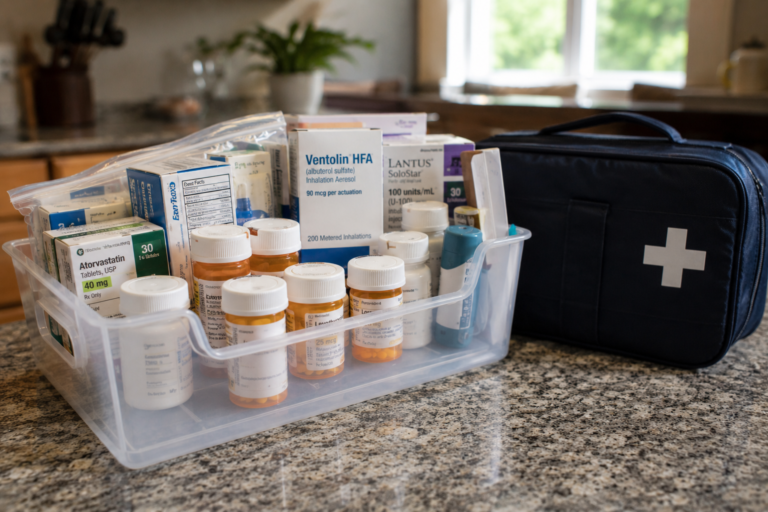
Keep a printed or laminated reference card near the system showing the settings and operating information specific to your equipment. Include the battery manufacturer’s charging limits, inverter/charger settings, generator operating instructions, normal shutdown procedure, and any important maintenance information.
During a long outage, you should not have to remember configuration numbers or search through manuals in the dark.
How Power Sources Work Together in a Hybrid System
A hybrid backup system can have several possible sources of electricity: utility power, solar panels, a battery bank, and a generator. How those sources are prioritized depends on the inverter/charger, transfer equipment, system configuration, and the settings you choose.
There is no universal “A → B → C” sequence that applies to every hybrid system. Some systems prioritize solar whenever it is available. Others use utility power first and reserve the batteries for outages. During a grid failure, a system may use solar and battery power together, then call for generator charging when stored energy falls below a programmed threshold.
For blackout preparedness, a practical operating strategy often looks like this:
- Solar: Use available sunlight to support loads and recharge the battery bank.
- Battery: Supply stored energy when solar production is insufficient or unavailable.
- Generator: Provide additional power or recharge the batteries when solar and stored energy cannot keep up.
- Utility: When grid power returns, the system can return to normal operation according to its programmed settings.
The exact behavior depends on your equipment. Some inverter/chargers support automatic generator start, programmable source priority, and automatic transfer. Others require the generator to be started manually.
Transfer Time Matters for Some Equipment
If an inverter/charger automatically transfers supported loads between utility power and battery power, the transfer time can matter for sensitive electronics. Some equipment can tolerate a brief interruption without a problem, while other devices may reboot.
Do not assume that a particular transfer time guarantees uninterrupted operation for every electronic device. Check the inverter/charger specifications and the requirements of any equipment that must remain continuously powered.
Automation is convenient, but your household should still know how to operate the system manually if an automatic generator-start feature, communications link, or other control component fails during an outage.
How a Hybrid Backup System Is Connected
At a high level, a hybrid system connects energy sources to battery storage and then supplies selected household loads through an inverter. Solar panels provide DC energy through compatible charging equipment, while a generator can provide AC power to a compatible inverter/charger or other approved charging equipment.
A typical system may include:
- Solar array
- Solar charge controller or hybrid inverter with compatible solar input
- LiFePO₄ battery bank
- Inverter/charger
- Generator
- Approved generator inlet and transfer equipment
- Overcurrent protection and disconnects
- Dedicated critical-load or backup-load panel
One common approach is to place selected circuits—such as refrigeration, communications, lighting, and other essential loads—on a dedicated backup panel. The inverter supplies those circuits from the battery bank during an outage, while solar and/or the generator replenish the stored energy.
Larger systems may support 120/240V loads and more extensive household backup, but that requires equipment specifically designed for those voltages and loads.
Do Not Treat a Generic Diagram as Installation Instructions
Hybrid electrical systems can involve high DC current, generator power, utility power, transfer equipment, grounding and bonding, and potentially 120/240V circuits. The correct wiring depends on the exact inverter, generator, batteries, electrical service, transfer equipment, and applicable electrical requirements.
Never backfeed a household electrical panel through a receptacle or improvised connection. A generator connected to household wiring requires approved transfer equipment that prevents unsafe interaction with utility power.
Permanent connections to a home’s electrical system should follow the equipment manufacturers’ instructions and applicable electrical codes. When the installation involves a service panel, transfer equipment, generator inlet, or other fixed household wiring, use a qualified electrician.
The system layouts in this guide are for planning purposes, not a substitute for equipment-specific wiring diagrams. Conductor size, overcurrent protection, disconnects, grounding, bonding, neutral configuration, battery protection, and transfer equipment must be designed for the actual system.
Three Practical Hybrid Backup System Sizes
There is no universal battery-and-generator package that fits every household. Instead of promising a certain number of runtime hours, it is better to think in terms of the loads each system is intended to support.
1. Small Essential-Load System
A smaller hybrid system is appropriate when the goal is to preserve refrigeration, communications, lighting, and a few other low-to-moderate-power essentials rather than operate the entire home normally.
A system in this category might include:
- Approximately 2–4kWh of battery storage
- An inverter/charger sized for the selected essential loads and their startup requirements
- A portable generator sized to support charging and planned simultaneous loads
- A modest solar array for supplemental daytime charging
This type of system can make sense for short-to-moderate outages, cabins, smaller households, or anyone primarily concerned with keeping food cold and basic electronics operating.
2. Family Essential-Load System
A larger household may want enough stored energy to operate refrigeration, communications, lighting, medical equipment, and several additional loads between generator runs.
A system in this category might include:
- Approximately 5–10kWh of battery storage
- A larger inverter/charger matched to expected simultaneous and startup loads
- Enough solar capacity to replace a meaningful portion of average daily consumption
- A generator capable of supplying the inverter/charger while supporting planned loads
- A dedicated backup-load panel for selected household circuits
This is often the point where load calculations become especially important. A household with municipal water and gas heat may have dramatically different electrical requirements from a rural home relying on an electric well pump.
3. Larger Home or Rural Hybrid System
Households that need to support well pumps, multiple refrigerators or freezers, larger battery reserves, or other substantial loads may need a considerably larger system.
That could involve:
- 10kWh or more of battery storage
- A higher-output inverter or inverter system designed for the required loads
- 120/240V capability when required by the equipment being powered
- A larger solar array
- A generator sized around charging demand and critical household loads
- Professionally installed transfer and distribution equipment
Do not assume that a large battery bank automatically provides “whole-home backup.” Electric resistance heat, central air conditioning, electric water heaters, ranges, dryers, and large pumps can dramatically increase both inverter and battery requirements.
If your home relies on a well, calculate that load separately before choosing the inverter or generator. Pump voltage, running wattage, startup demand, pressure-tank cycling, and daily water use can substantially change the system requirements.
These system sizes are planning ranges, not shopping lists. Calculate your critical daily energy use and maximum simultaneous load first. Then size the battery bank, inverter, charging equipment, generator, and solar array around those requirements.
Portable Power Station or DIY Hybrid System?
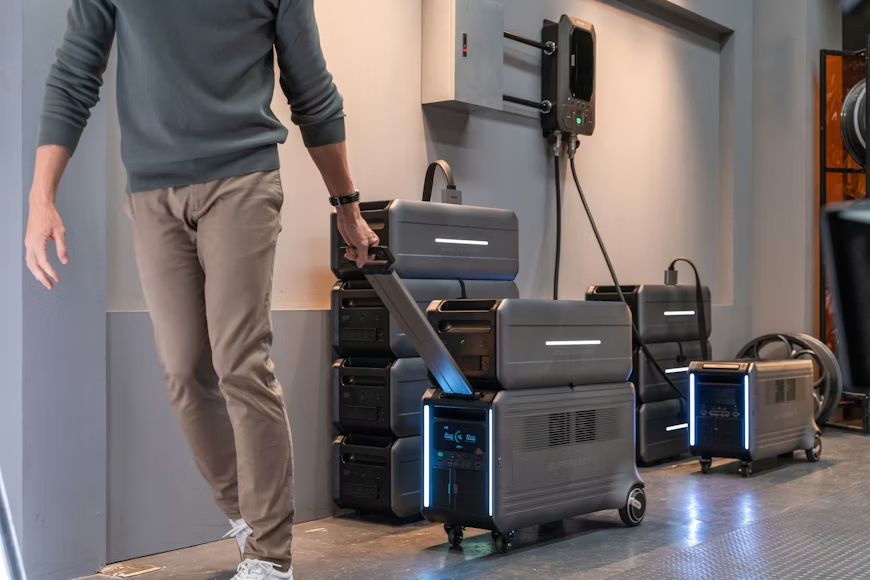
Not every household needs a permanently installed battery bank and inverter/charger. Modern portable power stations combine the battery, inverter, charging electronics, outlets, and controls into one package, which can make them much easier to deploy during an outage.
A portable system can be a good fit when you want to power individual appliances with extension cords, need something movable, or do not want to build a permanent battery system.
A component-based hybrid system becomes more attractive when you need larger battery capacity, more customization, dedicated household circuits, higher-power equipment, or the ability to expand individual components over time.
If you’re deciding between portable systems, see our best solar power stations for blackouts. For households comparing battery power with traditional generators, our solar generator vs. gas generator guide explains the tradeoffs.
Recommended Gear for a Hybrid Backup Power System
If you’re building a component-based solar + generator hybrid system, these are the main pieces of equipment to consider. Always verify voltage, charging limits, output requirements, and compatibility with the rest of your system before buying.
Inverter / Charger
The inverter/charger converts battery power to household AC power and allows a compatible generator to recharge the battery bank.

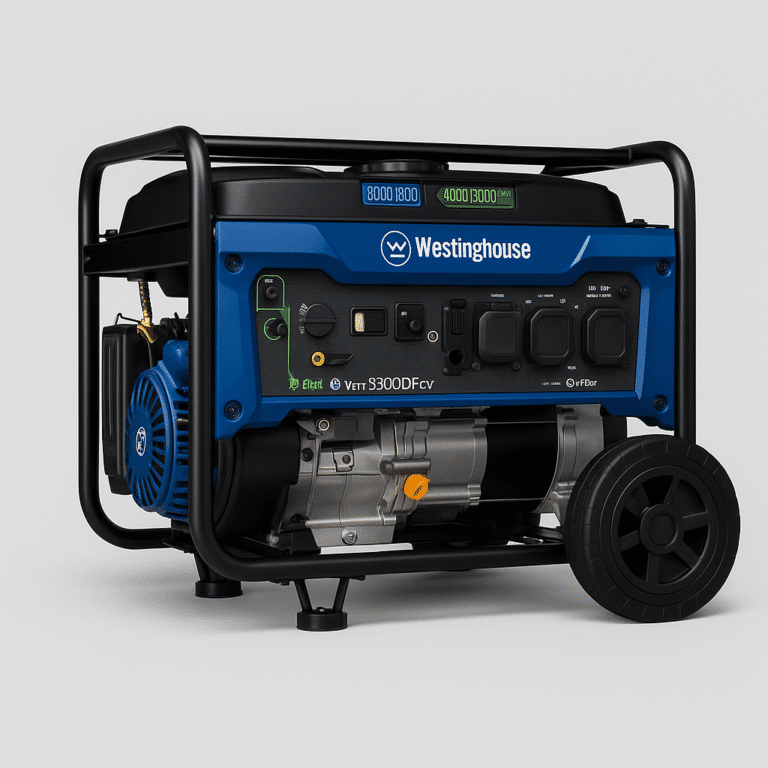
Generator for Hybrid Charging
A properly sized generator provides dependable charging when solar production is inadequate or the battery bank needs to be replenished quickly.


Dual-Fuel Generator Option
A dual-fuel generator adds flexibility by allowing you to use more than one fuel source during an extended outage.

Important: These components are not automatically compatible with one another. Size and select each component according to your battery voltage, inverter requirements, charging limits, generator output, and the manufacturers’ specifications.
Cold-Weather Considerations for Hybrid Backup Power
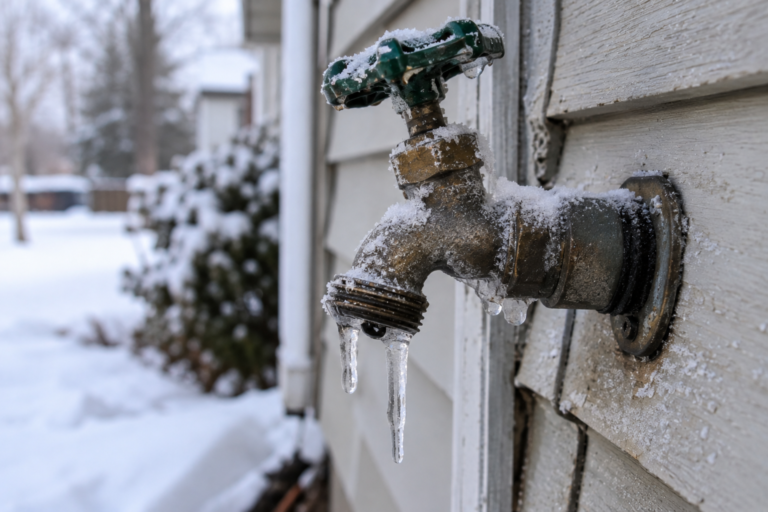
Winter outages create some of the hardest conditions for a hybrid power system. Solar production is often lower, batteries may be exposed to freezing temperatures, and generators can be harder to start just when your household may need more energy for heating, lighting, and other essential loads.
The solution is not simply buying a larger battery. Your entire system needs to be planned around cold-weather operation, including battery temperature limits, generator maintenance, fuel storage, solar production, and where the equipment will be located.
Extended outages also make non-electric food storage more important. Reducing your dependence on refrigeration lowers the amount of electricity your backup system must produce each day. Our guide to survival foods with a long shelf life covers foods that can remain useful without continuous refrigeration.
Protect LiFePO₄ Batteries From Cold-Weather Charging
LiFePO₄ batteries perform well in backup-power systems, but cold-weather charging requires special attention. Many LiFePO₄ batteries should not be charged when their internal temperature is below freezing unless they include an appropriate low-temperature charging cutoff or internal heating system.
Discharging and charging also have different temperature limits, so always follow the specifications for the exact battery you own.
If your batteries will be installed in an unheated garage, shed, RV, or other cold location, consider batteries with built-in low-temperature protection or self-heating capability. An insulated or temperature-controlled battery location may also be appropriate depending on the installation.
Cold temperatures can also reduce available battery performance. Instead of assuming a fixed percentage of capacity loss, build additional reserve into your winter power plan and check the manufacturer’s temperature-performance specifications.
Prepare the Generator for Winter Operation
A generator that has been sitting unused should not be expected to start perfectly during an ice storm. Follow the manufacturer’s maintenance schedule and use the oil viscosity specified for the temperatures in which the generator will operate.
Before severe-weather season, check the oil, fuel system, battery or electric-start system if equipped, air filter, spark plug, extension cords, and any transfer equipment you expect to use.
Gasoline should be stored and rotated according to safe storage practices and the generator manufacturer’s recommendations. If you use propane, remember that very cold temperatures and high fuel demand can reduce a tank’s ability to vaporize propane fast enough to supply an engine. Tank size, fill level, temperature, and generator demand all affect performance.
Plan around your worst realistic conditions, not a perfect sunny day. A system that easily replaces your daily energy use in summer may produce substantially less solar energy during short, cloudy winter days.
Don’t Ignore Extension-Cord Losses
Long extension cords can create voltage drop, especially when powering larger loads. The correct conductor size depends on the current being carried, cord length, equipment requirements, and applicable electrical ratings.
Use outdoor-rated cords with the proper amperage and conductor size for the load, and avoid undersized cords simply because they reach the appliance. Inspect cords, plugs, and receptacles for heat, damage, loose connections, or corrosion before relying on them during an outage.
For permanent generator inlets, transfer equipment, or household wiring, use properly rated equipment installed according to manufacturer instructions and applicable electrical requirements rather than treating an extension cord as permanent wiring.
Test Your Hybrid System Before You Need It
A backup-power system is only useful if it actually works when the grid fails. Testing should verify the entire system—not just whether the generator starts or the battery display turns on.
Run the appliances you actually expect to use during an outage. Confirm that the inverter handles their combined running loads and startup surges, that the generator can recharge the battery bank properly, and that solar charging works as expected.
Routine System Check
Periodically inspect and test the system according to the maintenance schedules for your generator, batteries, inverter/charger, solar equipment, and transfer hardware. A practical check may include:
- Inspecting battery state of charge and checking for warnings or fault codes
- Confirming the inverter can operate your planned essential loads
- Starting the generator and allowing it to reach normal operating condition
- Confirming the inverter/charger accepts generator input and charges the battery correctly
- Checking solar input under suitable daylight conditions
- Inspecting cords, plugs, connectors, disconnects, and accessible wiring for damage
- Checking generator oil, fuel condition, filters, and other maintenance items specified by the manufacturer
- Testing carbon monoxide alarms and replacing batteries when required
If your system includes automatic transfer or generator-start functions, test those features according to the equipment manufacturer’s instructions rather than waiting for a real outage to discover a configuration problem.
Perform a Realistic Blackout Test
At least periodically, simulate the loads you expect the system to support during an actual outage. Run the refrigerator or freezer, lights, communications equipment, medical devices, and other planned essentials long enough to see how the system behaves under realistic conditions.
Record how quickly the battery state of charge falls, how much energy your loads consume, how long generator charging takes, and how much solar energy the system produces. Those real measurements are much more useful than relying entirely on advertised battery capacity or estimated appliance wattage.
If your generator manufacturer specifies a particular exercise or load-testing procedure, follow that procedure. Do not apply an arbitrary percentage load or test duration to every generator.
Keep a Backup-Power Log
Keep a simple record with the system so you can track generator runtime, oil changes, fuel rotation, battery condition, test dates, faults, and any settings you change.
Also keep copies of important operating procedures and equipment specifications where they can be found without internet access. During a widespread outage, the manufacturer’s website or an instructional video may not be available when you need it.
Don’t just start the generator once a month and call the system ready. Test the actual chain: appliance load → inverter → battery → charging source. The purpose is to discover weak points while the grid is still available.
Backup electricity is only one layer of a larger preparedness plan. Our Emergency Preparedness Plan explains how power fits alongside water, food, communication, evacuation, and other systems needed during an extended emergency.
Final Thoughts: Build a Hybrid System Around Your Actual Needs
A solar + generator hybrid system works because it doesn’t force one power source to solve every problem. Batteries provide quiet stored power, solar can replace energy without consuming fuel, and a generator remains available when you need faster charging, higher output, or dependable power during poor solar conditions.
For most households, the goal shouldn’t be to recreate normal grid-connected life during an outage. Start with the loads that actually matter: refrigeration, medical equipment, communications, lighting, water systems, and other household essentials.
Calculate how much energy those loads consume, determine their startup requirements, and then size the battery bank, inverter/charger, solar array, and generator around those numbers.
That approach also makes the system easier to expand. You might begin with enough battery capacity to carry essential loads overnight, add more solar later, or increase storage as your budget and needs change.
Most importantly, don’t wait for an outage to find out whether the system works. Test it with the appliances you actually intend to run, measure real energy consumption, verify generator charging, confirm solar production, and learn how to operate the system manually if automation fails.
The strongest hybrid backup system isn’t necessarily the one with the biggest generator or battery bank. It’s the one that can keep your critical loads operating, recharge from more than one source, conserve limited fuel, and continue functioning when an outage lasts longer than expected.
Continue Building Your Blackout Power Plan
If you’re still building your backup-power system, these guides cover the next pieces in more detail:
- What Size Solar Generator Do I Need for a Blackout? — Calculate battery capacity around the appliances you actually need to operate.
- Best Solar Power Stations for Blackouts — Compare portable battery systems for refrigeration, CPAP use, communications, and other essential loads.
- Generator Power Connections & Safe Setup — Learn about safer ways to deliver generator power where it’s needed.
- Transfer Switches for Portable Generators — Understand how transfer equipment fits into a household backup-power system.
- Two-Week Power Outage Preparedness — Plan beyond the electrical system for fuel, food, water, communications, and other long-outage problems.
For the full strategy covering generators, solar, batteries, fuel planning, and long-term backup power, return to our Grid-Down Survival Power Guide →