How to Prepare for a Two-Week Power Outage: The Complete Survival Guide
A two-week power outage changes nearly every part of daily life because modern homes depend on electricity for far more than lighting. Refrigerators stop cooling, freezers begin warming, water systems may lose pressure, internet and cellular service can become unreliable, fuel grows harder to obtain, grocery stores struggle to restock shelves, and heating or air conditioning disappears when it is needed most. What begins as a simple power outage quickly becomes a series of connected challenges that affect every member of the household. Solving one problem rarely solves the next because each essential system depends on another. Water supports cooking and sanitation. Backup power keeps communication devices and medical equipment operating. Food storage depends on refrigeration, fuel, and safe preparation methods. As the outage continues, these individual problems begin overlapping, making every decision more important than the last.
This post contains affiliate links. I may earn a small commission at no extra cost to you. Learn more.
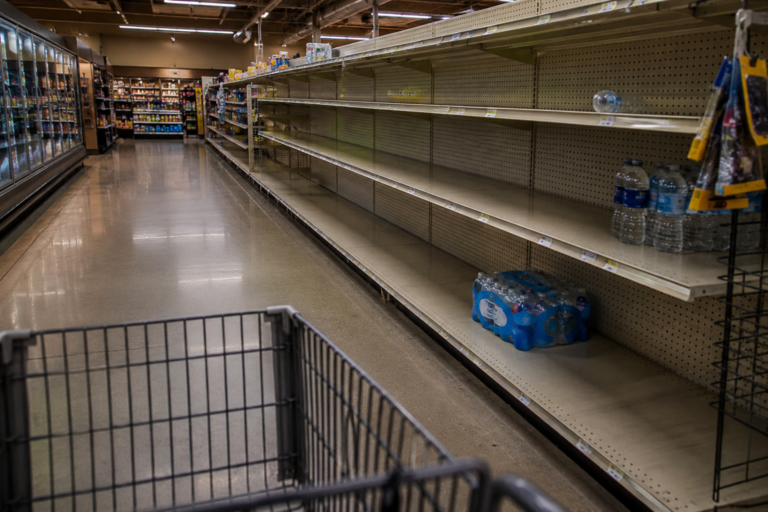
This is why preparing for a two-week blackout is fundamentally different from preparing for a storm that lasts a few hours or even overnight. During shorter outages, most families can rely on refrigerated food, fully charged devices, nearby stores, functioning gas stations, and emergency services that continue operating normally. Once an outage stretches into several days, those assumptions begin disappearing one by one. Ice becomes difficult to find, generator fuel becomes more valuable, batteries run low, pharmacies may experience delays, and supply chains struggle to replenish the items everyone suddenly needs at the same time. Families who prepared in advance shift into their emergency routines, while those without a plan often spend valuable time searching for supplies that are no longer available.
The goal of this guide is not simply to provide another preparedness checklist. It is to help you build a complete survival system that continues functioning even when multiple services fail simultaneously. Throughout this guide, you’ll learn how to store enough water for every member of your household, create a practical emergency food supply, cook safely without electricity, preserve refrigerated food as long as possible, maintain communication when networks become unreliable, prepare for medical needs, secure your home, and develop realistic backup power solutions that match your family’s priorities. Each section builds on the others because long-term preparedness works best when every system supports the next instead of operating independently.
Rather than overwhelming yourself by trying to prepare for every possible emergency at once, think of your blackout plan as something you build in layers. Start with the essentials that protect life—water, food, shelter, medical supplies, and communication—then strengthen those systems with backup power, sanitation, lighting, fuel storage, security, and seasonal planning. Every improvement you make today increases your ability to remain calm, comfortable, and self-sufficient during the next extended outage. By the time you finish this guide, you’ll understand not only what supplies to store, but how each part of your preparedness plan works together to help your family remain safe and resilient throughout a full two-week blackout.
Quick Answer
Preparing for a two-week power outage means creating a complete survival system instead of collecting random emergency supplies. Your plan should include enough water, food, cooking capability, backup power, lighting, communication equipment, medical supplies, sanitation, and security to remain self-sufficient for at least 14 days. The households that handle long-term blackouts best are those that prepare every essential system before the outage begins rather than trying to solve problems one at a time after the lights go out.
✓ Key Takeaways
- A successful two-week blackout plan is built around complete systems for water, food, power, communication, sanitation, medical care, and security—not individual pieces of gear.
- Water should always be your first priority, followed by food preservation, safe cooking, reliable lighting, and backup communication.
- Fuel, batteries, ice, and grocery store supplies often become scarce within the first few days of a widespread outage.
- Preparing before an emergency allows you to avoid panic buying, long lines, and unnecessary risks while everyone else is scrambling.
- Practicing your blackout plan and maintaining your emergency supplies regularly is just as important as buying the equipment itself.
1. Understand the Risks of a Long-Term Blackout
A two-week power outage is much more than an inconvenience. As the days pass, problems with food storage, water, sanitation, heating, cooling, communication, and transportation can begin affecting one another.
The severity depends on the season, how widespread the outage is, and which community services remain operational. A neighborhood outage lasting 14 days may look very different from a regional blackout affecting multiple counties.
What Can Happen During a Two-Week Blackout?
- Refrigeration failure: An unopened refrigerator generally keeps food safely cold for about four hours without electricity. A full freezer can maintain safe temperatures for approximately 48 hours if unopened, while a half-full freezer may last about 24 hours.
- Water interruptions: Private wells usually require electricity to operate their pumps. Municipal water systems may also experience pressure problems if pumping or treatment equipment loses power.
- Cooking limitations: Electric ranges, ovens, and microwaves become unavailable unless you have sufficient backup power.
- Heating and cooling loss: Extreme temperatures can become dangerous, particularly for children, older adults, and people with medical conditions.
- Lighting problems: Dark hallways, stairs, and outdoor areas increase the risk of falls and other injuries.
- Communication disruptions: Cellular networks and internet services may become unreliable as backup batteries and generator fuel are depleted.
- Supply shortages: Gas stations, pharmacies, grocery stores, and other businesses may have difficulty operating or receiving deliveries.
⚠ Food Safety Reminder: Never assume refrigerated food is safe simply because it still feels cool. Use an appliance thermometer and follow established food-safety guidelines. Discard perishable refrigerated food that has been above 40°F for more than two hours.
Plan for Multiple Systems to Fail
One of the biggest mistakes households make is preparing for the loss of electricity without considering what depends on that electricity.
A private well may stop delivering water. A gas furnace may have fuel available but still require electrical power for its blower and controls. A generator may provide electricity but become useless when its fuel supply runs out.
Build your preparedness plan around these connections. Store water before you need it, choose food you can prepare without refrigeration, and keep communication equipment that does not depend entirely on cellular service.
When phones and internet fail, having another way to receive information and contact family members becomes essential.
👉 How to Communicate When the Grid Goes Down
💡 Related Post: Emergency Preparedness Surviving Summer Storms
2. How to Prepare for a Two-Week Power Outage: Essential Survival Needs
Before buying emergency equipment, calculate what your household will actually need for 14 days. Start with the number of people in your home, their medical and dietary requirements, the season, and the essential appliances you expect to operate.
Two-Week Emergency Supply Baseline for a Family of Four
| Essential Supply | 14-Day Planning Amount | Important Considerations |
|---|---|---|
| Water | 56 gallons minimum | Based on one gallon per person daily; additional water may be needed for heat, cooking, and sanitation. |
| Food | Approximately 112,000 calories | Based on 2,000 calories per person daily; adjust for individual needs. |
| Lighting | Enough for 14 nights | Use multiple lanterns, headlamps, and spare batteries or reliable recharging. |
| Medication | At least 14 days when possible | Discuss emergency refills and temperature-sensitive medications with your pharmacist. |
| Sanitation | 14 days of supplies | Include toilet paper, soap, trash bags, hand sanitizer, and a backup toilet plan. |
| Cooking | 14 days of meals and sufficient fuel | Include ready-to-eat foods that require no cooking. |
💡 Pro Tip: Where storage space and budget allow, build a reserve beyond the 14-day minimum. A 25% buffer increases a 14-day supply to approximately 17–18 days, helping cover delays or unexpected needs.
Prioritize Supplies in the Right Order
- Water: Secure a safe drinking-water supply and a backup treatment method.
- Food: Store shelf-stable meals that match your family’s normal diet.
- Medical needs: Prepare medications, first aid supplies, and backup electricity for essential medical equipment.
- Temperature control: Establish a safe heating or cooling plan appropriate for the season.
- Sanitation: Prepare for toilets, wastewater systems, or municipal services becoming unavailable.
- Communication: Keep emergency radios, charging equipment, and a family contact plan.
- Backup power: Reserve limited electricity for the equipment that matters most.
Build One Connected Preparedness System
Water storage supports drinking, cooking, and hygiene. Your emergency food supply must match your available cooking fuel and water. Backup power supports communication equipment, refrigeration, and essential medical devices.
For example, storing two weeks of dried beans and rice is useful only if you also have enough safe water and cooking fuel to prepare them. Likewise, purchasing a large battery power station will not solve a prolonged outage unless you have a realistic way to recharge it.
⚡ Preparedness Principle: Every major emergency supply should have a backup. If one system fails, another should be available to meet the same essential need.
3. Water Storage & Purification
Water is one of the most important supplies during a prolonged blackout. Without electricity, private well pumps may stop working, and some municipal water systems may eventually experience pressure or treatment problems.
Do not wait until water pressure drops to begin filling containers. Store a dedicated emergency supply before an outage occurs.
How Much Water Do You Need for 14 Days?
A common emergency planning minimum is one gallon per person per day for drinking and basic food preparation. For a family of four, that equals:
- 1 day: 4 gallons
- 3 days: 12 gallons
- 7 days: 28 gallons
- 14 days: 56 gallons
This is a minimum planning amount, not a guarantee that all household needs will be covered. Hot weather, strenuous activity, certain medical conditions, pets, and additional cooking or hygiene requirements can increase consumption.
Where possible, store additional water specifically for washing, cleaning, and sanitation rather than relying on your drinking-water reserve for everything.
Long-Term Water Storage Options
- 55-Gallon Water Barrel: Provides substantial storage in one container. A full barrel is extremely heavy, so place it on a stable surface before filling.
- Stackable 7-Gallon Containers: Easier to distribute around the home and transport individually, although each full container is still heavy.
- Commercial Bottled Water: Convenient for drinking, evacuation kits, and smaller storage spaces.
Gear Pick:
Augason Farms Emergency Water Storage Barrel Kit — Includes pump, wrench, and treatment for long-term storage.
How to Store Emergency Water Safely
- Choose containers designed for drinking-water storage.
- Clean and sanitize reusable containers according to appropriate drinking-water storage guidance.
- Fill containers with safe drinking water and seal them securely.
- Label containers with their filling dates.
- Store them in a cool location away from direct sunlight, fuel, pesticides, and other chemicals.
- Inspect containers periodically for leaks, damage, or contamination.
Never use containers that previously held pesticides, gasoline, or other hazardous chemicals, even if they have been washed.
For households preparing for extended outages, combining stored water with a reliable backup treatment method is especially valuable.
Start with our long-term water storage guide to ensure you have enough safe drinking water before relying on filtration.
Emergency Water Purification
If your stored drinking water runs low, you may need to treat water from another source. However, not every filter removes every type of contamination.
Important: Boiling and common backpacking filters can address certain biological hazards, but they do not reliably remove dissolved chemicals, fuel contamination, or heavy metals. Water suspected of containing hazardous chemicals should not be treated as safe simply because it has been boiled or passed through a basic filter.
Water Treatment Options
- Lifestraw Personal Water Filter Straw — A portable filtration option for certain biological contaminants. Verify the exact model’s rated capacity and contaminant-removal specifications before relying on it.
- Gravity Water Filters: Useful for treating larger amounts of water, provided the specific filter is rated for the contaminants involved.
- Boiling: Bring water to a rolling boil for one minute, or three minutes at elevations above 6,500 feet, to inactivate common disease-causing microorganisms.
Cloudy water should be allowed to settle or be prefiltered through a clean cloth before disinfection. Always follow current public-health instructions, especially when a boil-water advisory or chemical contamination warning is in effect.
💡 Related: Ultimate Water Purification Guide
Plan for Water Service Failure
If your home uses a private well, determine whether you can operate the pump from a properly sized generator or another compatible backup-power system. Well pumps can have substantial startup demands, and many require 240V electricity.
If you use municipal water, keep stored water available even when pressure remains normal. Widespread power failures can affect pumping, treatment, and distribution, depending on the system’s backup capabilities.
📌 Did You Know?
A household’s emergency water needs extend far beyond drinking. Preparing meals, washing hands, cleaning dishes, taking medication, and maintaining basic sanitation all consume water.
Bottom Line: Store enough safe water for at least 14 days, maintain a separate sanitation reserve where practical, and identify a backup source and appropriate treatment method before an emergency occurs.
4. Food for a Two-Week Blackout
During a two-week power outage, your food supply must do more than provide enough calories. It should include meals that are easy to prepare, require little cooking fuel, and can be stored safely without refrigeration.
One of the biggest mistakes people make is stocking up on emergency food without considering how much water and fuel they will need to prepare it. A pantry full of dry rice, beans, and freeze-dried meals is useful, but only if you have the resources to cook or rehydrate those foods.
How Much Food Do You Need for 14 Days?
A practical starting point is approximately 2,000 calories per adult per day, although actual calorie requirements vary with age, body size, health, and activity level.
| Household Size | 14-Day Planning Estimate |
|---|---|
| 1 person | 28,000 calories |
| 2 people | 56,000 calories |
| 3 people | 84,000 calories |
| 4 people | 112,000 calories |
| 5 people | 140,000 calories |
These are planning examples, not fixed nutritional requirements. Adjust your supplies for children, older adults, pregnancy, medical conditions, and individual dietary needs.
Best Foods to Store for a Two-Week Power Outage
- Freeze-Dried Meals: Lightweight, compact, and convenient. Many products offer long shelf lives when stored according to their packaging, but most require clean water for preparation.
- Canned Goods: Soups, stews, beans, vegetables, fruit, and canned meats provide ready-to-eat options that often require little or no cooking.
- Dry Staples: Rice, pasta, oats, and beans provide inexpensive calories, although some require substantial cooking time and water.
- High-Calorie Snacks: Peanut butter, nuts, trail mix, granola, and shelf-stable snack bars provide convenient energy without cooking.
- Ready-to-Eat Foods: Crackers, tortillas, canned fish, and other shelf-stable foods can help conserve cooking fuel.
Choose foods your household already eats whenever possible. An emergency is not the ideal time to introduce unfamiliar meals, especially for children or anyone with dietary restrictions.
If you’re building a long-term pantry for emergencies, start with our guide to survival foods with a long shelf life that can last years without refrigeration.
Gear Pick:
Mountain House 2-Week Emergency Food Supply — 84 servings, just add water, 25-year shelf life.
Important: A serving is not necessarily a complete meal. Check the package’s total calorie count and nutritional information before assuming one emergency food kit will meet a person’s needs for 14 days.
Build a Simple 14-Day Emergency Meal Plan
Instead of buying random emergency food, organize your supplies into repeatable daily meals.
- Breakfast: Oatmeal, peanut butter, dried fruit, or shelf-stable breakfast foods.
- Lunch: Canned soup, crackers, tuna, beans, or ready-to-eat meals.
- Dinner: Rice and canned meat, pasta, canned stew, or freeze-dried meals.
- Snacks: Nuts, granola bars, dried fruit, and other shelf-stable foods.
Count the calories in your planned meals to make sure your household has enough food for the full outage. Include any necessary infant formula, special dietary foods, and pet food.
Use Refrigerated Food First, but Follow Food-Safety Rules
When electricity fails, avoid opening your refrigerator and freezer unnecessarily. An unopened refrigerator generally keeps food safely cold for about four hours. A full freezer may maintain safe temperatures for approximately 48 hours, while a half-full freezer may last about 24 hours.
These estimates depend on the doors remaining closed and the appliances starting at safe temperatures.
Use appliance thermometers to check temperatures. Discard perishable refrigerated food that has been above 40°F for more than two hours. Frozen food that still contains ice crystals or remains at 40°F or below may be safe to refreeze or cook.
Never taste questionable food to determine whether it is safe.
Rotate Your Emergency Food Supply
Store food in a cool, dry location, follow package storage instructions, and inspect supplies regularly for damage, pests, and expired products.
A simple first-in, first-out rotation system allows you to use older food during normal meals and replace it with fresh supplies.
💡 Related: Long-Term Food Storage Tips
Bottom Line: Build your emergency pantry around calories, nutrition, safe storage, and meals you can realistically prepare with limited water and cooking fuel.
5. Cooking Without Electricity
Cooking becomes a major challenge during a two-week blackout, especially in homes that rely entirely on electric appliances.
Even if you have enough food stored, you still need a reliable way to prepare it. The best approach is to combine foods that require no cooking with an outdoor cooking system and a realistic fuel supply.
Emergency Cooking Options
- Portable Propane Stoves: Useful for boiling water and preparing simple meals outdoors. Check fuel requirements and estimate how much propane your household will consume.
- Rocket Stoves: Burn wood and other suitable biomass efficiently, making them useful where dry fuel is available and outdoor fires are permitted.
- Solar Ovens: Can prepare certain meals without conventional fuel, but depend heavily on sunlight and weather conditions.
- Charcoal or Propane Grills: Useful for outdoor cooking, especially when preparing food from a refrigerator or freezer before it spoils.
Gear Pick:
EcoZoom Versa Rocket Stove — Burns wood, charcoal, or biomass, with a heavy-duty design suitable for outdoor cooking.
⚠ Never Use Outdoor Cooking Equipment Indoors
Camping stoves, rocket stoves, charcoal grills, and outdoor propane grills can produce dangerous carbon monoxide. Never operate them inside a home, garage, basement, tent, or other enclosed space.
Opening a window or door does not make outdoor cooking equipment safe to use indoors.
Use these devices outdoors according to the manufacturer’s instructions, away from combustible materials, doors, windows, and ventilation openings.
How Much Cooking Fuel Should You Store?
Fuel requirements depend on your stove, the meals you prepare, weather conditions, and the amount of water you need to heat.
Rather than guessing how many propane cylinders or how much firewood will last two weeks, test your cooking equipment before an emergency.
- Choose several meals from your emergency pantry.
- Prepare them using your backup cooking equipment.
- Measure how much fuel you consume.
- Estimate your daily fuel needs based on your planned meals.
- Multiply that amount by 14 days and include a reasonable reserve.
Remember that boiling large quantities of water, cooking dried beans, and preparing multiple hot meals daily can consume significantly more fuel than simply heating canned food.
Conserve Fuel During an Extended Blackout
- Use ready-to-eat foods for some meals.
- Prepare one-pot meals that require less cooking time.
- Use a lid when heating water or cooking food.
- Prepare only the amount of food your household can safely consume.
- Choose quick-cooking foods when fuel supplies are limited.
- Keep cooking equipment clean and properly maintained.
💡 Fuel-Saving Tip: Include meals that can be eaten cold. Having several days of no-cook food provides a valuable backup when weather conditions prevent outdoor cooking or fuel becomes scarce.
Store Cooking Fuel Safely
Store propane cylinders, gasoline, charcoal, and other fuels according to their manufacturers’ instructions and applicable fire-safety requirements.
Keep fuel away from ignition sources, living spaces, and locations where leaks or fumes could accumulate. Never refill disposable cylinders unless they are specifically designed and approved for refilling.
Bottom Line: A dependable emergency cooking plan includes safe outdoor equipment, enough fuel for your actual meals, and shelf-stable food that can be eaten without cooking.
6. Heating & Staying Warm
During a winter blackout, maintaining a safe indoor temperature can become one of your household’s most urgent priorities.
Even homes with natural gas or propane heating may lose heat when the electricity fails because many furnaces require power for blowers, electronic controls, and ignition systems.
Your emergency heating plan should focus on conserving existing warmth, using appropriate heating equipment safely, and recognizing when indoor conditions are no longer safe.
Emergency Heating Options
- Mr. Heater Big Buddy Indoor Propane Heater — A portable propane heater with multiple heat settings. Use only in applications specifically permitted by the exact model’s manufacturer instructions, including all ventilation, clearance, fuel, and operating requirements.
- Wool Blankets and Thermal Sleeping Bags: Help conserve body heat without electricity or fuel.
- Layered Clothing: Thermal base layers, insulating clothing, warm socks, and hats can help reduce heat loss.
⚠ Propane Heater Safety
Not every propane heater is approved for indoor use. Even models marketed for indoor applications must be operated according to their exact instructions.
Before using a portable propane heater:
- Confirm that your specific heater model is approved for the intended location and use.
- Follow the manufacturer’s ventilation and minimum-clearance requirements.
- Use only approved fuel cylinders, hoses, regulators, and accessories.
- Keep the heater away from curtains, furniture, bedding, and other combustible materials.
- Install working carbon monoxide alarms and smoke alarms.
- Never leave a portable heater unattended or operate it while sleeping unless the manufacturer explicitly permits that use.
- Never use a cooking stove, charcoal grill, or outdoor heater as a substitute for an approved indoor heating system.
Carbon monoxide alarms provide an important additional safety measure, but they do not replace proper ventilation, approved equipment, or safe operating practices.
Keep One Room Warm Instead of the Entire House
Trying to heat every room during a long outage can waste limited fuel. A more practical approach is to designate one suitable room as your household’s primary living area.
- Choose a room that can accommodate everyone safely.
- Close doors to unused rooms where appropriate.
- Reduce drafts around windows and exterior doors without blocking required ventilation.
- Use curtains or other window coverings to reduce heat loss.
- Keep blankets, sleeping bags, and warm clothing readily available.
- Monitor indoor temperatures and check frequently on vulnerable household members.
Never block combustion-air openings or required ventilation to make a room warmer.
Prevent Frozen Pipes
Extended winter outages can also threaten plumbing. If indoor temperatures approach freezing, pipes in exterior walls, crawl spaces, and unheated areas may be especially vulnerable.
Know where your home’s main water shutoff valve is located. Insulate vulnerable pipes before winter and follow appropriate winterization procedures if you must leave the home unheated.
If pipes freeze, never attempt to thaw them with an open flame.
Recognize When Staying Home Is Unsafe
Cold indoor conditions can become dangerous even when everyone is wearing warm clothing. Young children, older adults, and people with certain medical conditions may be especially vulnerable.
Warning signs of hypothermia can include uncontrolled shivering, confusion, unusual drowsiness, slurred speech, and loss of coordination. Hypothermia is a medical emergency.
If you cannot maintain a safe temperature, your heating equipment is malfunctioning, or someone develops signs of cold-related illness, seek appropriate emergency assistance and move to a safer heated location when possible.
❄ Winter Blackout Rule: Do not rely on a single portable heater as your entire winter survival plan. Combine safe heating equipment, insulation, warm clothing, appropriate fuel storage, and an evacuation option.
Bottom Line: Staying warm during a two-week outage requires more than buying a heater. Prepare a safe heating strategy, reduce heat loss, protect your plumbing, and know when conditions require leaving the home.
7. Lighting That Lasts During a Two-Week Blackout
Reliable emergency lighting becomes increasingly important as a power outage stretches from a few hours into several days. Without electricity, hallways, staircases, bathrooms, and outdoor areas can become difficult to navigate safely after dark.
For a two-week blackout, the goal is not simply to own a few flashlights. You need multiple lighting options, a dependable supply of batteries, and a way to recharge equipment when the outage continues longer than expected.
Best Emergency Lighting Options
- Rechargeable LED Lanterns: Provide area lighting for kitchens, living spaces, and family gathering areas while generally consuming much less electricity than traditional bulbs.
- Solar Garden Lights: Can provide supplemental indoor lighting after charging outdoors during the day. Their brightness and runtime vary, so they should not be your primary emergency lighting source.
- Headlamps: Keep both hands free for cooking, repairs, carrying supplies, and checking equipment after dark.
- Battery-Powered Flashlights: Provide a dependable backup when rechargeable lighting cannot be charged.
Candles may seem convenient, but they introduce unnecessary fire risks, particularly around children, pets, curtains, and bedding. Battery-powered lighting is generally a safer choice.
For more options, see our guide to emergency lighting solutions for power outages.
Gear Pick:
Goal Zero Lighthouse 600 Lantern & USB Power Hub — Rechargeable via solar, crank, or USB.
How Much Lighting Do You Need for 14 Nights?
Instead of trying to illuminate the entire house, identify the areas that actually need lighting:
- Kitchen: One lantern or other area light for food preparation.
- Bathroom: A flashlight or motion-activated light for nighttime use.
- Bedrooms: A flashlight or headlamp for each household member who can use one safely.
- Main Living Area: A rechargeable lantern for evening activities.
- Emergency Supplies: A dedicated flashlight stored with your first aid kit and emergency equipment.
For a family of four, several independent light sources are more useful than one extremely bright lantern. If a battery fails or a light is misplaced, the household still has other options.
Calculate Battery and Charging Requirements
Consider how many hours each light will operate every night. A lantern used for four hours daily will accumulate 56 operating hours over a 14-day outage.
Check the manufacturer’s runtime specifications at the brightness setting you actually expect to use. Maximum advertised runtimes are often measured at the lowest brightness setting.
If your lights use rechargeable batteries, include their energy consumption in your backup-power plan. Keep spare batteries for devices that support replaceable cells.
Conserve Lighting Power
- Use lower brightness settings when sufficient.
- Turn off lights in unoccupied rooms.
- Use headlamps for individual tasks rather than lighting an entire room.
- Recharge devices during daylight hours when solar power is available.
- Keep emergency lights in designated locations so they can be found quickly.
💡 Lighting Tip: Test your emergency lighting by turning off your household lights for one evening. You’ll quickly discover which rooms need better coverage and whether your current equipment provides enough illumination.
Bottom Line: Prepare multiple safe lighting sources and enough battery or charging capacity for 14 nights. A combination of LED lanterns, headlamps, and flashlights provides flexibility without consuming excessive backup power.
8. Communication & Information During a Blackout
Communication becomes one of the most important challenges during a prolonged power outage. Cell phones may continue working initially, but cellular towers, internet infrastructure, and local communication networks can experience disruptions as backup power and fuel supplies become limited.
A two-week communication plan should not depend on a single device or network. Your household needs reliable ways to receive emergency information, contact family members, and communicate locally when normal services are unavailable.
Essential Emergency Communication Equipment
- Kaito Voyager Pro NOAA Emergency Radio — Solar, crank, and battery-powered.
- Two-Way Radios: Useful for communication between family members or nearby households when cellular service is unavailable.
- Ham Radio: Can provide additional communication capabilities over local or longer distances, depending on equipment, operating conditions, and available infrastructure. Transmitting on amateur radio frequencies generally requires an appropriate FCC license.
Keep an Emergency Radio Ready
A dedicated emergency radio allows you to receive weather warnings, emergency broadcasts, and other available information without depending on your phone’s internet connection.
Choose a radio that can operate from more than one power source, such as replaceable batteries, rechargeable batteries, or a hand crank.
Keep it accessible, learn how to tune local stations, and test it periodically. NOAA Weather Radio reception depends on your location and transmitter coverage.
Reliable information becomes critical during extended outages. A solar emergency radio provides another way to receive weather alerts and emergency broadcasts when cellular service is unavailable.
Use Two-Way Radios for Local Communication
Two-way radios can help family members communicate while checking property, gathering supplies, or coordinating with nearby households.
However, advertised communication ranges are often based on ideal conditions. Buildings, hills, vegetation, and other obstacles can greatly reduce practical range.
Before an emergency:
- Test your radios around your home and neighborhood.
- Choose a primary communication channel and a backup channel.
- Make sure everyone understands basic radio operation.
- Keep compatible spare batteries or charging equipment.
- Establish scheduled check-in times to conserve power.
Short-range radios are valuable when normal communication systems become unreliable.
👉 Best Walkie Talkies for Grid-Down Communication
Create a Family Communication Plan
Every household member should know what to do if phones stop working or family members become separated.
- Emergency Contacts: Keep important phone numbers written on paper.
- Meeting Locations: Establish a nearby meeting point and an alternative location outside your immediate area.
- Out-of-Area Contact: Identify someone outside the affected region who can help relay messages if service is available.
- Check-In Schedule: Agree on specific times to communicate rather than continuously draining batteries.
- Emergency Information: Keep local emergency management and utility contact information available offline.
Preserve Phone Battery Power
Even when cellular service is disrupted, smartphones can remain useful for stored maps, documents, emergency contacts, photographs, and other offline information.
Reduce battery consumption by lowering screen brightness, limiting unnecessary applications, and using airplane mode when appropriate. Periodically check for service when needed.
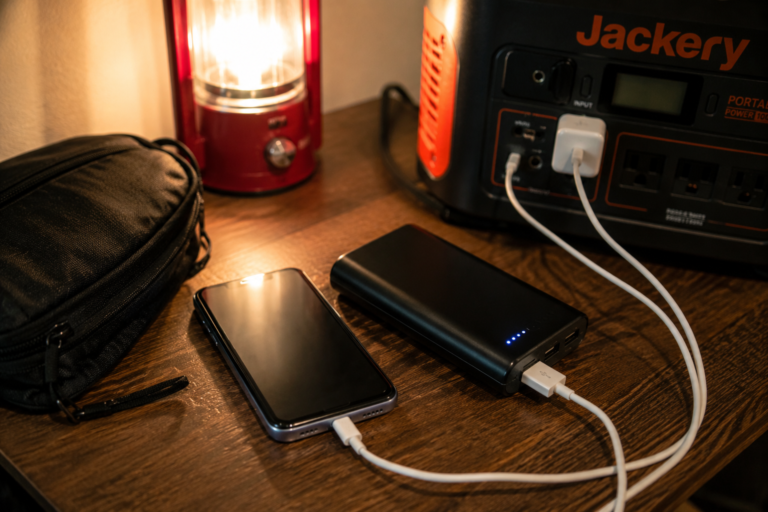
Download offline maps and save important documents before an outage occurs. Keep a charged power bank available and include phone charging in your emergency electricity budget.
📻 Communication Tip: A radio cannot guarantee contact with emergency responders or family members. Build your plan around several methods of communication, written instructions, and agreed-upon meeting locations.
Bottom Line: During a 14-day blackout, information can be as important as equipment. Keep a working emergency radio, test local communication options, preserve battery power, and establish a family plan before cellular networks become unreliable.
9. Medical & Hygiene Essentials
Medical care and sanitation are easy to overlook when preparing for a power outage. However, minor injuries, medication shortages, contaminated water, and poor hygiene can become much more serious when emergency services, pharmacies, and healthcare facilities are operating under difficult conditions.
A two-week preparedness plan should account for everyday medical needs as well as the possibility that normal services may be delayed or temporarily unavailable.
Build a Complete Emergency First Aid Kit
Keep a well-organized first aid kit in a location everyone in your household can access.
Useful supplies include:
- Adhesive bandages in several sizes.
- Sterile gauze pads and medical tape.
- Antiseptic supplies and disposable gloves.
- Elastic bandages and basic wound dressings.
- Thermometer and appropriate over-the-counter medications.
- Any prescribed emergency medications or supplies required by household members.
- Written medical information and emergency contact numbers.
Choose supplies appropriate for your household and make sure adults know how to use them. Consider completing a recognized first aid and CPR course before an emergency.
Prepare Prescription Medications in Advance
Whenever possible, maintain at least a two-week supply of essential prescription medications, subject to prescribing instructions, refill restrictions, and insurance requirements.
Discuss emergency refill options with your healthcare provider or pharmacist before severe weather arrives.
Keep a written list of:
- Medication names and prescribed doses.
- Prescription numbers and pharmacy contact information.
- Medical conditions and important allergies.
- Healthcare provider contact information.
- Medical equipment and supplies needed for daily care.
Store medications according to their labeled requirements. Do not assume medications that require refrigeration will remain safe or effective after prolonged exposure to unsuitable temperatures.
Plan for Medical Equipment That Requires Electricity
Some households depend on CPAP machines, oxygen concentrators, refrigerated medications, mobility equipment, or other medical devices that require reliable electricity.
If someone in your household uses essential powered medical equipment, prepare a device-specific backup plan with their healthcare team.
Determine:
- The equipment’s actual electrical requirements.
- Whether it requires AC power or supports a compatible DC power source.
- How much energy it consumes over the required operating period.
- How long a suitable backup battery can support it.
- Whether an alternative power source or evacuation location is necessary.
Do not estimate medical-device runtime from generic wattage figures alone. Settings, accessories, operating modes, and manufacturer requirements can significantly change power consumption.
Maintain Hygiene When Running Water Is Limited
Personal hygiene becomes more difficult when household water pressure is lost or stored water must be conserved.
Keep a two-week reserve of:
- Toilet paper and facial tissues.
- Soap and hand sanitizer.
- Wet wipes and personal hygiene products.
- Diapers and infant care supplies if needed.
- Heavy-duty trash bags and disposable gloves.
- Cleaning and disinfecting supplies.
- Feminine hygiene products and other household-specific necessities.
Handwashing with soap and safe water remains especially important after using the toilet, handling waste, and before preparing food. Alcohol-based hand sanitizer can be useful when hands are not visibly dirty, but it is not a complete substitute for washing in every situation.
Prepare for Toilet and Sewer Problems
A prolonged outage may affect private well systems, septic pumps, municipal sewer lift stations, or other wastewater equipment.
Some gravity-fed toilets can continue flushing when adequate water is available and the sewer system is functioning. However, toilets connected to powered pumps or failing wastewater systems may become unusable.
Determine how your home’s plumbing operates before an emergency. Never continue flushing if wastewater is backing up or local authorities advise against using the sewer system.
If your toilet becomes unusable, prepare an emergency sanitation arrangement that follows local public-health guidance. This may involve a portable camping toilet or another appropriate waste-containment system.
Keep waste contained, separate it from food and drinking-water supplies, and follow local instructions for disposal. Never dispose of untreated human waste near wells, surface water, or areas where it could contaminate drinking water.
Prevent Illness During an Extended Outage
- Wash hands regularly with safe water and soap.
- Keep drinking water separate from water used for cleaning.
- Use safe food-handling practices and discard questionable perishables.
- Clean food-preparation surfaces and utensils appropriately.
- Keep household waste contained and away from living areas.
- Check regularly on children, older adults, and anyone with medical needs.
- Seek medical assistance promptly for serious injuries, dehydration, breathing problems, or other emergency symptoms.
⚠ Medical Preparedness Reminder: Backup power for life-sustaining medical equipment requires individualized planning. If equipment cannot be operated reliably throughout an outage, arrange an appropriate alternative location or emergency support plan before the battery runs out.
Bottom Line: A successful two-week blackout plan includes medication reserves, first aid supplies, personal hygiene, safe waste management, and a reliable strategy for any essential medical equipment.
10. Security During a Two-Week Power Outage
During an extended power outage, home security systems, outdoor lighting, electronic locks, and internet-connected cameras may stop working. At the same time, emergency services could experience increased demand, particularly during a widespread disaster.
That does not mean crime is inevitable. However, preparing your household for reduced lighting, unreliable communications, and slower emergency response is a sensible part of a two-week blackout plan.
Secure Your Home Before an Outage
- Check Doors and Windows: Make sure exterior doors, locks, windows, and garage doors close and secure properly.
- Install Battery-Powered Lighting: Motion-activated lights can improve visibility around entrances and walkways without depending on household electricity.
- Prepare Manual Access: Learn how to operate garage doors, gates, and other electrically powered entrances during an outage.
- Keep Emergency Supplies Organized: Store flashlights, radios, first aid equipment, and essential tools where they can be located quickly.
- Maintain Communication: Establish a way to contact nearby family members or trusted neighbors if cellular service becomes unreliable.
Build a Neighborhood Support Network
Trusted neighbors can be valuable during an extended emergency. Sharing information about road closures, available services, and local hazards may help everyone make better decisions.
Before an outage, consider exchanging emergency contact information with neighbors you know and trust. Identify anyone who may need assistance, such as older residents or people with limited mobility.
Keep personal safety in mind, and avoid taking unnecessary risks to investigate suspicious activity or dangerous conditions.
Protect Your Emergency Supplies
Store water, food, fuel, and backup equipment in appropriate locations protected from weather, pests, and unauthorized access.
Keep generators and fuel storage arrangements compliant with fire-safety requirements. Never move a running generator into a garage, enclosed porch, or other unsafe location simply to protect it from theft or rain.
Prepare for Nighttime Emergencies
Darkness can make ordinary activities more hazardous. Keep walkways clear, designate safe routes through the house, and place flashlights near sleeping areas.
Every household member should know how to exit the home safely during a fire or other emergency, even when the lights are out.
🔒 Security Tip: The most effective blackout security measures often involve preparation rather than confrontation: dependable lighting, functioning locks, good communication, and cooperation with trusted neighbors.
Bottom Line: Focus on preventing accidents, maintaining household security, and staying informed. A two-week blackout plan should make your home safer without assuming that every outage will lead to widespread disorder.
11. Backup Power Sources for a Two-Week Blackout
Backup electricity can make a prolonged power outage considerably easier to manage. However, a two-week blackout requires more planning than simply purchasing a generator or portable power station.
You need to know which appliances are essential, how much electricity they consume, how long your backup system can operate, and how you will replenish its energy supply.
Identify Your Essential Electrical Loads
Start by listing the devices you actually need to operate during an outage.
- Refrigerator or Freezer: Helps preserve food when adequate backup power is available.
- Medical Equipment: May require continuous or scheduled operation according to individual medical needs.
- Phones and Radios: Support emergency communication and access to information.
- LED Lighting: Provides efficient illumination after dark.
- Well Pump: May be necessary for household water but can require substantial startup power.
- Heating Equipment: Some gas and propane heating systems require electricity for fans, controls, or ignition.
Do not assume a portable power station can operate every appliance. High-wattage equipment such as electric water heaters, conventional electric space heaters, and electric ranges can rapidly exhaust battery capacity.
Compare Emergency Backup Power Options
| Power Source | Best Uses | Main Limitations |
|---|---|---|
| Portable Power Station | Phones, radios, lights, selected appliances, and compatible medical equipment | Limited battery capacity; requires recharging |
| Portable Fuel Generator | Refrigeration, well pumps, and larger electrical loads | Requires fuel, maintenance, and safe outdoor operation |
| Solar Panels With Battery Storage | Recharging batteries and supporting selected daily loads | Output varies with sunlight, weather, and system size |
| Hybrid Generator and Battery System | Combining higher-output generation with quieter battery operation | Greater equipment cost and system complexity |
Portable Power Stations
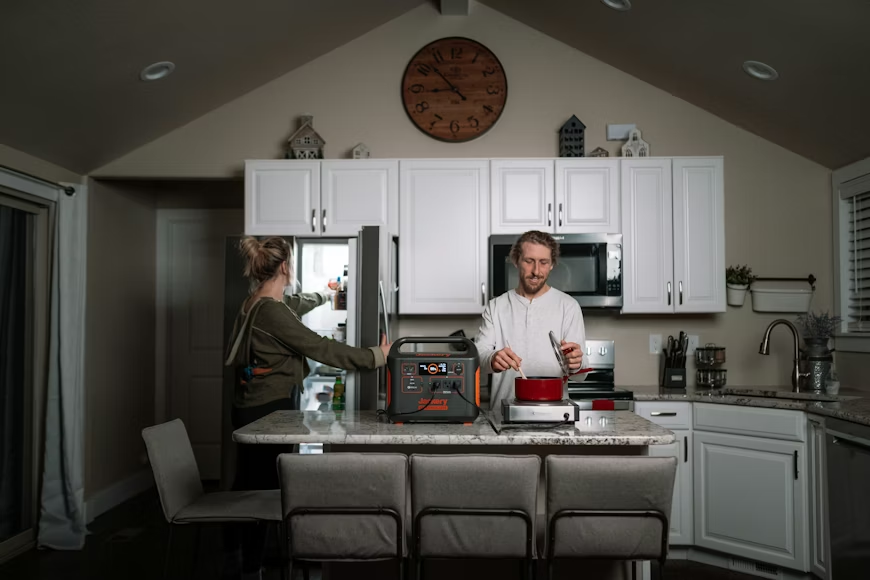
Portable battery power stations are useful because they can supply electricity without combustion exhaust at the point of use. They are particularly convenient for phones, LED lighting, radios, laptops, and other relatively low-power equipment.
Some larger models can operate refrigerators or selected household appliances, but actual runtime depends on usable battery capacity, inverter losses, and the connected load.
Gear Pick:
Jackery Explorer 1500 Solar Generator — Portable backup electricity for compatible appliances and electronics. Verify the specific model’s capacity, output rating, and charging options before purchasing.
Calculate How Long a Power Station Will Last
A power station’s battery capacity is usually measured in watt-hours (Wh). Appliance consumption is measured in watts (W).
A simplified runtime estimate is:
Runtime (hours) = Usable Battery Energy (Wh) ÷ Average Appliance Power (W)
For example, a battery system delivering 1,200 usable watt-hours to a steady 100-watt load could theoretically operate that load for approximately 12 hours.
Actual results vary because of inverter efficiency, standby consumption, battery operating limits, and changing appliance loads.
Refrigerators are especially variable because their compressors cycle on and off. Measure actual energy consumption whenever possible rather than relying only on a nameplate wattage rating.
For a more detailed explanation, see our solar generator hybrid backup guide.
Portable Generators
Fuel-powered generators can support larger electrical loads and may be especially useful for refrigerators, freezers, well pumps, and selected heating equipment.
However, operating a generator for two weeks requires a realistic fuel plan.
Fuel consumption depends on generator size, engine efficiency, electrical load, and operating schedule. A generator that consumes fuel continuously may require far more gasoline or propane than a household initially expects.
Learn more in our best survival generators guide.
⚠ Generator Safety Is Critical
Portable generators produce deadly carbon monoxide. Operate them outdoors only, at least 20 feet from doors, windows, and vents, with exhaust directed away from occupied buildings. Follow all manufacturer requirements and adjust placement for local conditions.
Never run a generator inside a house, garage, basement, shed, or enclosed porch, even with doors or windows open.
Install functioning carbon monoxide alarms inside your home.
Never connect a generator directly to a household outlet to energize home wiring. This practice, known as backfeeding, can endanger utility workers and occupants.
If you want to power household circuits, have a qualified electrician install an appropriate transfer switch or other code-compliant interconnection equipment.
Plan for Recharging Over 14 Days
A large battery may support essential devices for several hours or days, but a two-week outage requires a way to recharge it.
Possible options include:
- Solar Charging: Useful when compatible solar panels receive sufficient sunlight.
- Generator Charging: Allows a fuel generator to recharge a power station when the equipment is compatible.
- Vehicle Charging: May support smaller devices or compatible power stations, but should not be relied upon without checking charging limitations and vehicle safety requirements.
Solar production can be substantially lower during cloudy weather and short winter days. Size your charging system for realistic conditions rather than assuming panels will operate at their advertised maximum output throughout the day.
Build a Daily Power Budget
Calculate how many watt-hours your essential devices consume each day. Then compare that total with the usable energy available from your battery and your realistic daily recharging capacity.
If daily electricity consumption exceeds the amount you can replenish, your battery will eventually run out, regardless of its initial size.
Use our Emergency Power Planner to help organize your household’s electrical needs.
You can also compare equipment options in our Best Solar Power Stations for Blackouts guide.
⚡ Power Planning Tip: A combination of efficient appliances, limited operating hours, battery storage, and dependable recharging can be more practical than attempting to run every household appliance continuously.
Bottom Line: For a two-week blackout, backup power must be treated as an energy-management system. Calculate your loads, understand equipment limitations, and plan how to recharge or refuel safely throughout the outage.
12. Mental & Emotional Preparedness During an Extended Blackout
A two-week power outage can disrupt nearly every part of daily life. Limited communication, uncomfortable temperatures, uncertainty about restoration times, and changes to normal routines can create stress for adults and children alike.
Mental and emotional preparedness is not about pretending an emergency is easy. It is about maintaining routines, making practical decisions, and supporting one another while conditions remain uncertain.
Establish a Daily Routine
A simple schedule can help your household stay organized during an extended emergency.
- Morning: Check weather updates, inspect supplies, and review the day’s priorities.
- Midday: Prepare meals, recharge equipment when possible, and complete necessary household tasks.
- Afternoon: Check on family members, organize supplies, and address developing problems.
- Evening: Prepare lighting, secure the home, review emergency information, and establish a consistent bedtime.
Assign age-appropriate responsibilities so everyone can contribute without becoming overwhelmed.
Help Children Feel Secure
Young children may have difficulty understanding why lights, televisions, internet access, or familiar routines are unavailable.
Explain the situation in simple, age-appropriate language without making promises about when electricity will return.
Keep a few activities that do not require electricity:
- Books and storytelling.
- Board games and card games.
- Coloring books and drawing supplies.
- Puzzles and simple crafts.
- Outdoor activities when weather and safety conditions permit.
Maintaining familiar mealtimes and sleeping arrangements can help children adjust to temporary changes.
Manage Stress and Fatigue
Long outages can involve physically demanding tasks such as carrying water, preparing fuel, cleaning, and managing equipment.
Take breaks, stay hydrated, eat regular meals, and avoid attempting every task at once.
When possible, divide responsibilities among capable household members. Prioritize urgent needs such as drinking water, medical care, safe temperatures, and sanitation before less important chores.
Avoid Constantly Checking for Updates
When communication networks remain available, repeatedly checking restoration estimates and news reports can consume both battery power and attention.
Instead, establish reasonable times to check official utility notices, weather warnings, and local emergency information.
Continue monitoring urgent alerts when severe weather or other immediate hazards are present.
Prepare for Uncertainty
Even when utility companies provide estimated restoration times, major repairs can be delayed by damaged infrastructure, hazardous conditions, or supply shortages.
Plan for the possibility that an outage may last longer than expected.
Keep a written list of essential tasks, available supplies, and problems requiring attention. Reviewing that list each day can help your household make decisions based on actual needs rather than uncertainty alone.
💡 Preparedness Tip: Practice a short, voluntary blackout drill before an emergency. Spending one evening without normal household electricity can reveal problems with lighting, communication, meals, and family routines while you still have time to correct them.
Bottom Line: Staying organized, communicating clearly, preserving familiar routines, and sharing responsibilities can make a prolonged blackout more manageable for the entire household.
13. Your 14-Day Power Outage Survival Plan
Preparing for a two-week blackout is one thing. Knowing what to do once the electricity goes out is just as important.
The first few hours should focus on safety, protecting refrigerated food, checking essential equipment, and determining how widespread the outage is. As the days pass, your priorities shift toward conserving supplies, maintaining sanitation, managing backup power, and preparing for possible delays in restoration.
The following timeline provides a practical starting point for managing a 14-day power outage at home.
Day 1: Assess the Situation and Protect Essential Supplies
- Determine whether the outage affects only your home, your neighborhood, or a larger area.
- Check official utility updates and emergency weather alerts when available.
- Make sure everyone in your household is safe and accounted for.
- Check on anyone who depends on electrically powered medical equipment.
- Keep refrigerator and freezer doors closed to preserve safe food temperatures.
- Locate emergency lighting, radios, first aid supplies, and backup power equipment.
- Fill additional clean water containers if the water supply is still safe and operating normally.
- Unplug sensitive electronics where appropriate to reduce the risk of damage when power returns.
Priority: Protect life, health, drinking water, and perishable food before worrying about comfort or convenience.
Days 2–3: Establish Your Emergency Routine
- Begin using your planned emergency meals and track food consumption.
- Measure your household’s daily drinking-water use.
- Establish a safe outdoor cooking area if cooking without electricity is necessary.
- Set up a designated living area to reduce heating, cooling, and lighting demands.
- Check backup power equipment and monitor battery levels or generator fuel consumption.
- Establish family communication schedules and monitor reliable emergency information.
- Evaluate refrigerator and freezer contents using appliance temperatures and established food-safety guidelines.
Priority: Develop a sustainable daily routine instead of consuming supplies as though electricity will return immediately.
Days 4–7: Conserve Resources and Monitor Conditions
By this point, the outage may be affecting household routines, fuel supplies, refrigeration, and local services.
- Review remaining drinking water and food supplies.
- Adjust meal plans if cooking fuel is being consumed faster than expected.
- Check generator maintenance requirements and remaining fuel.
- Recharge power stations and other batteries whenever suitable charging opportunities are available.
- Inspect sanitation arrangements and maintain proper handwashing practices.
- Check on trusted neighbors or family members who may need assistance.
- Monitor indoor temperatures and watch for signs of heat-related or cold-related illness.
- Review emergency announcements and available community assistance.
Priority: Keep essential systems operating while preventing avoidable problems with food, water, sanitation, and equipment.
Days 8–10: Reassess Your Ability to Stay Home
After more than a week without electricity, it becomes increasingly important to evaluate whether your household can safely continue sheltering at home.
- Count your remaining food and safe drinking-water supplies.
- Review medication quantities and essential medical needs.
- Determine whether your heating or cooling arrangements remain adequate.
- Check the availability of generator fuel and other necessary supplies.
- Evaluate sanitation and wastewater conditions.
- Confirm that communication equipment remains functional.
- Identify a safe alternative location if conditions deteriorate.
Important: Do not wait until food, water, medication, or heating fuel is completely exhausted before considering relocation. Leaving earlier may be safer when supplies are limited or weather conditions are worsening.
Days 11–14: Maintain Safety and Prepare for Restoration
- Continue rationing equipment use and managing supplies according to household needs.
- Monitor official information about utility restoration and local hazards.
- Maintain safe food preparation and sanitation practices.
- Inspect extension cords, generator connections, and other electrical equipment for damage.
- Keep essential medications, documents, and evacuation supplies accessible.
- Prepare to inspect refrigerated and frozen food once electricity returns.
- Be ready for restoration delays or another interruption after initial service returns.
Priority: Continue operating safely without assuming the outage will end exactly on day 14.
What to Do When Electricity Returns
Power restoration does not automatically mean every household system is ready for normal use.
- Check for electrical damage, unusual odors, or other hazards before using affected equipment.
- Disconnect portable generators and restore household power only through properly installed, approved equipment and procedures.
- Inspect refrigerator and freezer temperatures and discard unsafe food.
- Follow any drinking-water advisories issued by local authorities.
- Check heating, cooling, and plumbing systems for problems.
- Recharge emergency batteries and replace used supplies.
- Document equipment failures and shortages so your emergency plan can be improved.
Never reconnect or operate damaged electrical equipment until it has been inspected and made safe.
💡 Preparedness Tip: Keep a notebook with your emergency supplies. Record daily water use, generator fuel consumption, battery charging times, and meals prepared. These details can help you calculate what your household actually needs during future outages.
Bottom Line: Surviving a two-week blackout depends on making good decisions throughout the emergency. Reassess your supplies and household conditions daily, conserve limited resources, and remain prepared to relocate if staying home becomes unsafe.
14. Two-Week Power Outage Preparedness Checklist
Use this checklist to identify missing supplies and confirm that your household is ready for at least 14 days without normal electricity.
Print a copy and keep it with your emergency supplies so you can review it before severe weather or another potential outage.
💧 Water and Hydration
- ☐ Store at least one gallon of safe drinking water per person per day for 14 days.
- ☐ Store additional water for cooking, hygiene, and sanitation.
- ☐ Keep clean, food-grade water storage containers.
- ☐ Have an appropriate backup water-treatment method.
- ☐ Know where to obtain additional safe water if necessary.
- ☐ Include water for pets and any special household needs.
🥫 Emergency Food and Cooking
- ☐ Store at least 14 days of shelf-stable food.
- ☐ Calculate approximate calorie requirements for household members.
- ☐ Include foods that require no cooking.
- ☐ Keep a manual can opener.
- ☐ Prepare an appropriate outdoor cooking system.
- ☐ Store enough approved cooking fuel for planned meals.
- ☐ Include infant formula, dietary supplies, and pet food when needed.
- ☐ Keep basic cooking utensils and cleaning supplies.
🔦 Lighting and Communication
- ☐ Keep multiple flashlights and LED lanterns.
- ☐ Have a headlamp or personal light for each appropriate household member.
- ☐ Store spare batteries and compatible charging equipment.
- ☐ Keep an emergency radio with a dependable power source.
- ☐ Charge portable phone power banks.
- ☐ Test two-way radios if they are part of your communication plan.
- ☐ Write down emergency contacts and important phone numbers.
- ☐ Establish family meeting locations and check-in procedures.
⚡ Backup Power and Fuel
- ☐ Identify essential appliances and electrical loads.
- ☐ Calculate daily backup electricity requirements.
- ☐ Test generators and portable power stations before an emergency.
- ☐ Prepare a safe generator operating location outdoors.
- ☐ Install working carbon monoxide alarms.
- ☐ Store fuel safely and according to applicable requirements.
- ☐ Have a realistic plan for recharging batteries over 14 days.
- ☐ Use a professionally installed, code-compliant transfer arrangement when connecting a generator to household circuits.
❄ Heating, Cooling, and Shelter
- ☐ Have a safe backup heating strategy for cold weather.
- ☐ Keep blankets, sleeping bags, and warm clothing accessible.
- ☐ Identify a room suitable for concentrating household activities.
- ☐ Prepare ways to reduce heat exposure during summer outages.
- ☐ Know how to shut off the main water supply if necessary.
- ☐ Protect vulnerable plumbing from freezing conditions.
- ☐ Identify an alternative location if your home becomes unsafe.
🩹 Medical Supplies and Sanitation
- ☐ Maintain a well-stocked first aid kit.
- ☐ Keep essential prescription medications available as permitted.
- ☐ Prepare backup electricity for necessary medical devices.
- ☐ Store soap, hand sanitizer, and personal hygiene supplies.
- ☐ Keep toilet paper, trash bags, and disposable gloves.
- ☐ Establish a backup toilet and waste-management plan.
- ☐ Keep cleaning and disinfecting supplies available.
- ☐ Store written medical information and emergency contacts.
🏠 Home Security and Family Preparedness
- ☐ Check exterior locks, doors, and windows.
- ☐ Prepare battery-powered lighting near entrances.
- ☐ Know how to operate garage doors and gates manually.
- ☐ Keep important documents in a protected, accessible location.
- ☐ Establish a daily household emergency routine.
- ☐ Prepare games, books, and activities for children.
- ☐ Coordinate with trusted family members or neighbors.
- ☐ Keep an evacuation plan and essential travel supplies ready.
📋 Final 14-Day Readiness Check
Before considering your household prepared, answer these questions:
- Can everyone in your household access enough safe drinking water for 14 days?
- Do you have enough food and the resources needed to prepare it?
- Can you maintain safe indoor conditions during the expected season?
- Can essential medical equipment operate reliably or be supported elsewhere?
- Do you have dependable lighting and emergency communication options?
- Can you manage sanitation safely if normal water or sewer services fail?
- Can your backup power system operate and recharge throughout the outage?
- Do you know when and where your household would relocate if staying home becomes unsafe?
If you cannot answer yes to an essential question, make that area a priority before spending money on additional emergency gear.
✅ Final Preparedness Reminder: The goal is not to own the most expensive survival equipment. It is to have a realistic, tested plan that provides your household with safe water, sufficient food, appropriate shelter, medical support, communication, and backup energy for the entire emergency.
What Runs Out First in a 2-Week Power Outage?
The first things to run out during an extended outage aren’t always what people expect. Refrigerated perishables can become unsafe within hours, while a full, unopened freezer may keep food safely frozen for approximately 48 hours. Clean drinking water can also become a serious concern if you haven’t stored enough in advance. Generator fuel, cooking supplies, and battery power may become harder to replenish, especially during widespread outages. Understanding these risks helps you prioritize what to store and what to conserve first.
How Long Can You Survive Without Power?
Survival without power depends on preparation. Most households can function for 24–72 hours with minimal disruption, but after that, systems begin to fail. Food spoils, water pressure may drop, and communication becomes unreliable. With proper planning—stored water, backup power, and alternative cooking—you can extend that window to two weeks or longer.
What Happens After 3 Days Without Power?
After three days without power, the situation can shift from an inconvenience to a serious emergency. Refrigerated food may no longer be safe, households without stored water could begin running low, and communication networks may become unreliable. Depending on how widespread the outage is, grocery stores and gas stations may be closed, operating with limited services, or experiencing supply shortages. Having a structured emergency plan becomes increasingly important as the outage continues.
This is where most people start falling behind. See exactly how those first days unfold in the First 72 Hours After a Disaster guide.
Building a reliable blackout power setup? See our recommended emergency power and lighting gear here.
Final Thoughts
A two-week power outage isn’t simply a longer version of a short blackout. Every day without electricity places additional pressure on your food, water, fuel, communication, medical supplies, and ability to adapt. Families who prepare only for the first day often discover that their biggest challenges begin after the initial emergency has passed.
The most effective preparedness plans are built around complete systems instead of individual pieces of equipment. When your water storage supports your cooking plan, your backup power supports communication and medical needs, and your food supplies match your available fuel and cooking methods, you’re able to make calm, informed decisions instead of reacting to one crisis after another.
Preparation doesn’t require perfection. Every improvement you make today increases your family’s resilience during the next extended outage. Building your plan one step at a time before disaster strikes is far easier than trying to solve multiple problems after the lights have already gone out.
📚 Continue Reading
A two-week blackout combines every preparedness challenge into one event. These in-depth guides will help you strengthen each part of your emergency plan.
- The First 24 Hours Without Power
- The First 72 Hours Without Power
- Why Summer Blackouts Turn Dangerous Faster
- How to Store Food Without Refrigeration During a Blackout
- How to Cook During a Power Outage
- How Long Will Municipal Water Systems Work During a Blackout?
- How Long Will Cell Towers Work During a Blackout?
- How Much Food Should a Family Store for 30 Days?