
Essential Bushcraft Skills for Preppers to Survive Anywhere
Bushcraft skills for preppers are more than just clever outdoor tricks—they’re the foundation of true self-reliance. If your life depended on nothing but your brain, your hands, and what nature provides—would you survive?
This post contains affiliate links. I may earn a small commission at no extra cost to you. Learn more.
When the grid goes dark, bushcraft is what separates survivors from victims. These hands-on, forgotten survival skills form the backbone of real-world resilience. If modern conveniences vanish—whether from disaster, grid failure, or long-term crisis—bushcraft turns raw nature into fire, shelter, food, and clean water.
For preppers, these time-tested bushcraft methods aren’t optional—they’re a lifeline built on centuries of hard-earned wisdom. Mastering these techniques means you can adapt, improvise, and thrive when help isn’t coming. Learn how they connect to 100 Forgotten Survival Skills That Could Save Your Life — the complete bushcraft master list that keeps ancient know-how alive for the modern survivor.
🔥 Firecraft – How to Build a Blaze in Any Weather
Why It Matters:
In a survival situation, fire is more than comfort—it’s life insurance. Without it, you’re at the mercy of hypothermia, contaminated water, raw food, and predators. Fire can dry soaked clothing, ward off insects, and even be used to harden wooden tools. It’s a psychological anchor too—watching flames dance in the dark can calm panic and keep you thinking clearly. In a long-term collapse, fire also becomes a tool for signaling, sterilizing medical tools, and preserving food through smoking.
Step-by-Step (Ferro Rod Fire):
Pick Location – Dry, sheltered, bare soil base.
Gather Fuel:
Tinder – Birch bark, fatwood shavings, cotton balls with petroleum jelly, or Billy Buckskin Fatwood Tinder Sticks
Kindling – Pencil-thick sticks, pine needles
Fuelwood – Wrist-thick to forearm-thick pieces
Build Structure – Teepee for quick ignition or log cabin for longer burns.
Ignite – Use ferro rod, flint & steel, or bow drill.
Feed Slowly – Small fuel first, then larger logs.
Advanced Techniques:
Wet Weather Fire: Split wet logs to expose dry inner wood, then make feather sticks. Use fatwood or pine resin.
Dakota Fire Hole: Dig two holes with a tunnel between them—one for the fire, one for airflow. Produces less smoke and works in wind.
Ice Lens Fire: In freezing conditions, carve clear ice into a convex lens to focus sunlight onto tinder.
Practice Drill:
On a damp day, start a fire with only a ferro rod and natural tinder. Time yourself and aim for under 10 minutes.
Recommended Gear:
Learn More:
🏕 Shelter Building – Staying Warm and Dry Without a Tent
Why It Matters:
Shelter protects you from the number one killer in the outdoors—exposure. Even in mild weather, rain plus wind can drop your core temperature dangerously fast. A good shelter shields you from the elements, traps body heat, and provides security from wildlife or hostile people. Knowing multiple shelter types means you can adapt to seasons and available materials, ensuring protection year-round.
Step-by-Step Debris Hut:
Find a dry, elevated location.
Lay a sturdy ridgepole between two supports.
Lean sticks for ribs on both sides.
Add leaves, grass, or pine boughs until a foot thick.
Layer bark or large leaves for waterproofing.
Keep entrance small; block at night.
Advanced Techniques:
Snow Quinzee: Pile snow, let it sinter for 1–2 hours, then hollow it out.
Insulated Raised Bed: Build a platform of logs to keep off cold, damp ground.
Stealth Shelter: Use natural camouflage to blend into the environment.
Practice Drill:
Build a leaf debris hut in your backyard without tools, then spend a night in it during mild weather.
Gear Alternative: Emergency Sleeping Bag Bivvy
💧 Water Sourcing & Purification – Finding Safe Drinking Water
Why It Matters:
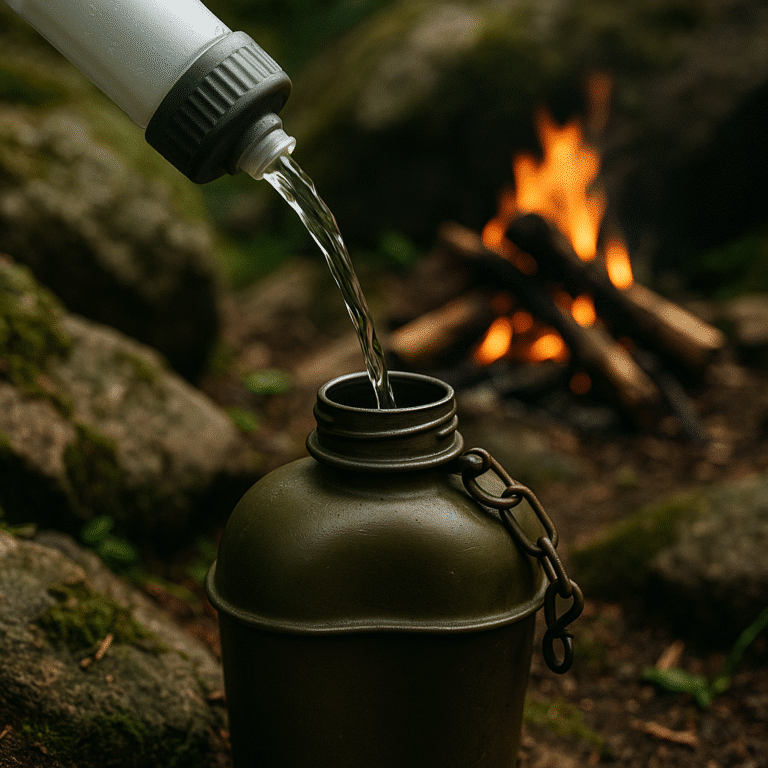
You can survive weeks without food but only about three days without water. Dehydration slows your brain, causes fatigue, and can kill quickly in heat. Worse, drinking contaminated water can lead to diarrhea and vomiting that make dehydration worse. In survival, you must be able to locate and purify water on the move, even in contested or polluted areas.
Step-by-Step:
Locate: Follow animal tracks, check green vegetation, rock crevices, and low ground.
Collect: Use a container, tarp, or cloth to capture water.
Purify:
Boil for 1–3 minutes.
Filter with Personal Water Filter Straw
Use iodine or chlorine tablets.
Advanced Techniques:
Solar Still: Dig a pit, place a container in the center, cover with plastic, weight the center—collects condensed vapor.
Improvised Filter: Layer sand, charcoal, and grass in a bottle.
Tree Transpiration Bag: Tie a clear plastic bag over a leafy branch to collect evaporated moisture.
Practice Drill:
Find and purify one liter of water using only natural materials within one hour.
Related Post: Ultimate Water Purification Guide
🥩 Foraging & Trapping – Getting Food in the Wild
Why It Matters:
Food might not be urgent in a 24-hour emergency, but in a long-term crisis, it’s essential for energy, strength, and morale. Stores will be emptied in days, and stockpiles run out. Foraging teaches seasonal plant knowledge, while trapping lets you passively hunt while working on other survival priorities.
Foraging Steps:
Learn 5–10 edible plants in your area.
Use guides to avoid poisonous look-alikes.
Harvest sustainably.
Trapping Steps:
Locate game trails by tracks or droppings.
Build a wire or paracord snare.
Set loop at head height of target animal.
Advanced Techniques:
Figure-4 Deadfall: Trigger mechanism for small game.
Fish Weir: Funnel fish into a trap.
Edible Bark & Roots: Birch cambium, cattail rhizomes.
Practice Drill:
Identify and harvest three edible plants in your area, then prepare a meal using only wild ingredients.
Extra: Keep a compact fishing kit in your survival pouch.
🔪 Knife & Tool Skills – Your All-in-One Survival Partner
Why It Matters:
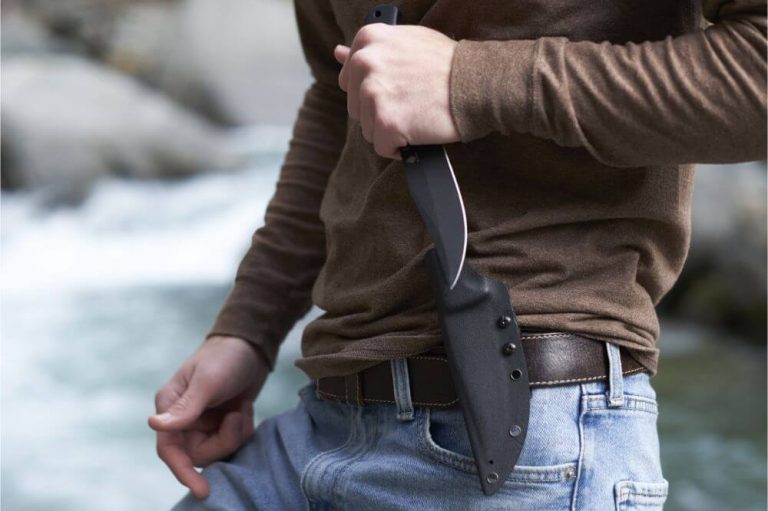
A survival knife is your most versatile tool—it cuts, carves, processes food, shapes traps, and protects you. Without skill, even the best blade is just dead weight. In grid-down conditions, knowing how to sharpen and maintain your knife extends its life for years.
Core Knife Skills:
Feather sticking for tinder
Batoning to split wood
Carving trap parts and stakes
Advanced Techniques:
Bow Drill Set: Carve a fire-starting kit using only your knife.
Improvised Spear: Lash your knife to a pole for fishing or defense.
Feather Sticking in Wet Weather: Practice with damp wood.
Practice Drill:
Spend one day using only your bushcraft knife to complete all camp tasks.
Recommended Gear: 14-in-1 Outdoor Emergency Survival Kit
🧭 Navigation Without GPS – Finding Your Way Naturally
Why It Matters:
Getting lost wastes energy, resources, and time—sometimes fatally. GPS can die or lose signal. Knowing natural navigation keeps you oriented even without tech, whether you’re finding water, returning to camp, or avoiding danger.
Shadow Stick Method:
Plant stick upright.
Mark shadow tip (Point A).
Wait 20 min, mark new tip (Point B).
Line between A & B = East–West.
Advanced Techniques:
Star Navigation: Use Orion’s Belt and North Star.
Moss Indicators: Moss grows thicker on the north side of trees (check multiple).
Practice Drill:
Hike a short loop using only compass and natural signs—no GPS.
🛠 Cordage & Knot Tying – The Backbone of Bushcraft
Why It Matters:
Cordage is essential for shelter building, traps, repairs, and hauling. In survival, store-bought rope may be scarce, so making cordage from plants or animal sinew keeps you equipped. Mastering knots makes your cordage truly useful.
Essential Knots:
Bowline (secure loop)
Clove hitch (fast attachment)
Trucker’s hitch (tightening)
Advanced Techniques:
Natural Cordage: Strip and twist fibers from nettle, milkweed, or bark.
Three-Strand Braid: Adds strength to natural fibers.
Practice Drill:
Make 10 feet of cordage from natural materials and use it to build a tripod.
🐾 Tracking & Sign Reading – Awareness in the Wild
Why It Matters:
Tracking turns the wilderness into a readable map. You can locate food, find water, avoid predators, and detect human presence before you see it. This skill also improves stealth and situational awareness.
Step-by-Step:
Look for fresh prints in soft ground.
Identify gait and direction.
Spot other signs—broken branches, fur, droppings.
Advanced Techniques:
Aging Tracks: Learn how time and weather change prints.
Backtracking: Follow tracks to bedding or feeding areas.
Practice Drill:
Track an animal for at least 100 yards without losing its trail.
Learn More: Tracking Animals for Food Using Old-School Survival Skills
🆘 First Aid & Improvised Medicine – Staying Alive After Injury
Why It Matters:
In survival, medical help isn’t coming. Small cuts can turn deadly from infection. First aid skills allow you to stop bleeding, treat injuries, and prevent illness when modern supplies run out. Improvised medicine from plants and natural materials can keep you alive.
Basic First Aid Steps:
Stop bleeding with pressure or tourniquet.
Clean with boiled or filtered water.
Splint with sticks and cordage.
Advanced Techniques:
Improvised Splints: Sticks + cloth.
Herbal Remedies: Yarrow for bleeding, willow bark for pain.
Boiled Water Irrigation: Clean wounds when antiseptic isn’t available.
Practice Drill:
Apply a tourniquet and splint to yourself or a partner in under two minutes.
Carry This: Compact Survival First Aid Kit
Every prepper should master these basics before moving deeper into primitive survival. For the full catalog of forgotten techniques, visit 100 Forgotten Survival Skills That Could Save Your Life.
Final Word
Bushcraft skills for preppers are more than survival tricks—they’re your insurance policy for when everything else fails. The more you practice, the more natural these become, until survival isn’t luck—it’s skill.
📌 Next Step: Pick one skill, practice it until you can do it under stress, then move on to the next.