
Gray Man Urban Survival Gear: Stay Invisible, Stay Alive in the City
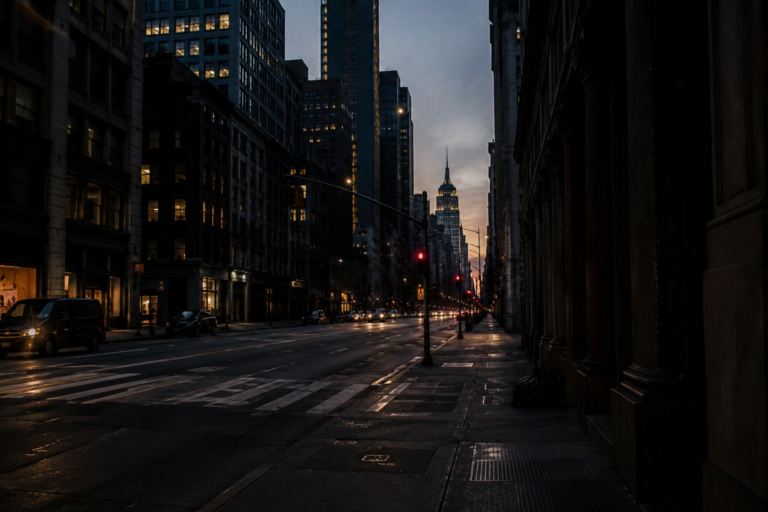
In an urban emergency, the best survival gear is not necessarily the most expensive, tactical, or noticeable. It is the equipment that helps you meet your basic needs without making everyday movement unnecessarily difficult.
This post contains affiliate links. I may earn a small commission at no extra cost to you. Learn more.
That is the idea behind gray man urban survival gear: choosing practical clothing, bags, and emergency supplies that fit naturally into your surroundings. Instead of carrying a military-style backpack covered in attachments, you might use an ordinary commuter bag. Instead of wearing specialized tactical clothing, you might choose comfortable jeans, a weather-resistant jacket, and walking shoes.
The gray man approach is not about becoming invisible or avoiding legitimate emergency instructions. It is about remaining adaptable, avoiding unnecessary confrontation, and keeping essential supplies organized and accessible.
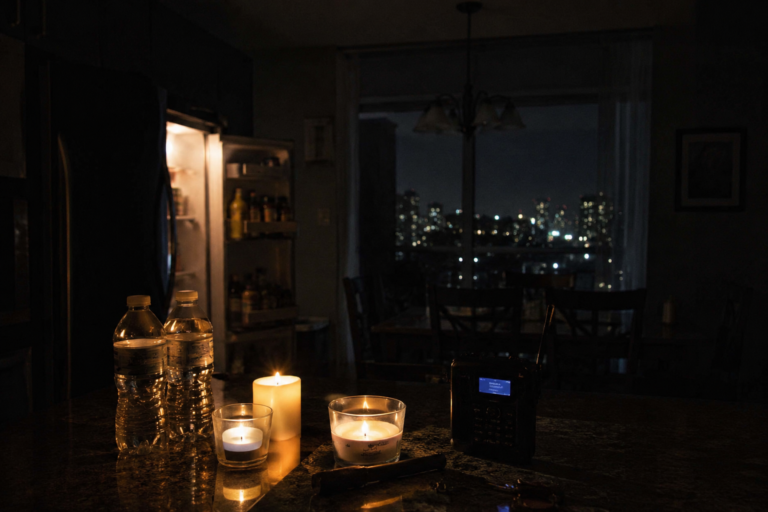
Whether you are preparing for a prolonged blackout, transportation shutdown, severe storm, or evacuation, these 10 items can form the foundation of a practical urban emergency kit.
For broader planning, see our urban survival guide, which covers power, lighting, communication, and other city-specific challenges.
What Is the Gray Man Approach to Urban Survival?
The gray man approach means looking and behaving like an ordinary person while maintaining a reasonable level of preparedness. Your clothing and equipment should be appropriate for your environment, your activities, and the conditions you expect to encounter.
A gray man does not need to dress entirely in black or hide every useful item. In fact, clothing that looks unusually coordinated or deliberately tactical can attract more attention than normal everyday wear.
Consider a commuter walking through a downtown neighborhood. A conventional backpack, comfortable shoes, and a rain jacket are ordinary sights. A large camouflage pack, heavy equipment belt, and conspicuous accessories may be less appropriate for the same setting.
Neither appearance guarantees safety. The real advantage comes from being comfortable, mobile, prepared, and aware of your surroundings.
Five Practical Gray Man Principles
- Dress for the environment: Wear clothing that suits the weather, neighborhood, and activity.
- Carry useful equipment: Prioritize water, communication, lighting, medication, and weather protection.
- Keep your load manageable: A heavy bag can slow you down and cause fatigue.
- Maintain situational awareness: Pay attention to changing conditions without becoming distracted or confrontational.
- Have an emergency plan: Know where you can safely shelter, how to communicate, and when to evacuate.
These principles are more valuable than any particular product. A person with a small, well-maintained emergency kit and a realistic plan may be better prepared than someone carrying expensive equipment they have never tested.
10 Essential Gray Man Urban Survival Gear Items
The following equipment covers common urban emergencies while remaining suitable for everyday travel. You do not necessarily need every item in your daily bag. Choose what fits your situation, local rules, and expected travel distance.
1. Low-Profile Urban Backpack
A dependable backpack is the foundation of a gray man emergency kit. It keeps supplies together and makes them easier to carry during a long walk, transportation interruption, or unexpected overnight stay.
Choose a bag that resembles something a student, commuter, or office worker would normally carry. Dark blue, gray, brown, and other ordinary colors can work, but matching your environment matters more than following a strict color rule.
For most everyday urban kits, a backpack around 15 to 25 liters offers enough room for basic supplies without becoming excessively bulky. Larger bags may be appropriate for longer evacuations or additional clothing.
What to Look For
- Comfortable shoulder straps and a padded back panel
- Durable zippers and reinforced stitching
- Separate compartments for water, electronics, and medical supplies
- Water-resistant fabric or an inexpensive rain cover
- A size that remains comfortable when fully packed
Avoid overloading the bag with equipment simply because there is room. Keep frequently needed supplies near the top and test the packed weight on a normal walk.
Amazon gear option:


2. Compact Multi-Tool
A compact multi-tool can handle everyday repairs without requiring a separate collection of screwdrivers, pliers, and cutting tools.
During an emergency, you might need to tighten a loose fastener, repair a bag strap, open packaging, or adjust small equipment. A well-made multi-tool can perform several of these jobs while taking up relatively little space.
For urban use, prioritize practical functions rather than the largest possible tool count. Pliers, screwdrivers, scissors, and a small cutting blade may be more useful than numerous specialized attachments.
What to Look For
- Reliable pliers and common screwdriver sizes
- Securely locking implements where appropriate
- Comfortable handles without sharp pressure points
- Corrosion-resistant construction
- A manageable size for your pocket or bag
Remember that knives and other tools may be restricted in schools, government buildings, transportation facilities, and other locations. Check applicable rules before carrying them.
Amazon gear option:

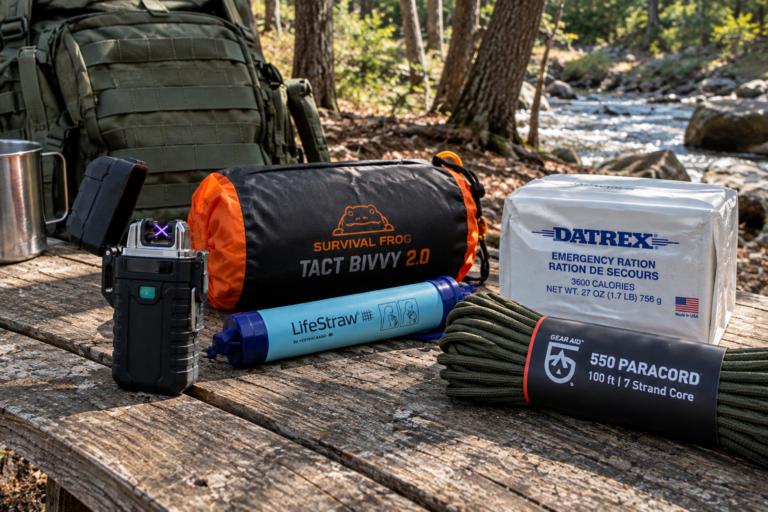
3. Personal Water Filter
Reliable drinking water is a priority during a citywide emergency. A portable filter can be useful when traveling outdoors or when access to treated water is interrupted, but its limitations are particularly important in urban environments.
Many lightweight straw filters are designed to reduce bacteria and protozoan parasites. They generally do not reliably remove viruses, dissolved chemicals, petroleum products, or heavy metals.
That means a filter straw should not be considered a safe way to drink from street runoff, floodwater, industrial drainage, or water suspected of chemical contamination.
What to Look For
- Published contaminant-reduction specifications
- Clear cleaning and maintenance instructions
- A compact design with protective caps
- Instructions for storage and freezing conditions
- Compatibility with a bottle or other clean container
For most urban emergency kits, carry sealed drinking water first. A portable filter is a supplemental option, not a replacement for a safe water supply or a complete treatment plan.
Learn more in our Ultimate Water Purification Guide.
Amazon gear option: Shop portable water filters.
4. Everyday Pen and Small Notebook
A normal-looking pen and pocket notebook are simple but useful additions to an urban emergency kit. They allow you to record addresses, emergency contacts, meeting locations, medication information, and important instructions when your phone is unavailable.
Your original gear list included a tactical pen. For general preparedness, an ordinary durable pen is usually a better choice because it is inexpensive, familiar, and less likely to create problems at restricted locations.
No pen or concealed tool should be assumed to pass every security screening. Rules differ by facility, and security personnel determine what is permitted.
What to Look For
- Dependable ink that writes consistently
- A secure pocket clip
- A compact notebook with durable pages
- Water-resistant paper if you expect wet conditions
- A simple design without unnecessary attachments
Write down at least two important phone numbers rather than relying entirely on your contacts app. Include a family meeting point and a secondary destination.
Amazon gear option: View this pen on Amazon
5. Portable Power Bank
A charged power bank can extend the usefulness of your phone, rechargeable flashlight, or other small electronics during an outage.
Phones are especially valuable for emergency alerts, offline maps, stored documents, and communication when networks remain available. However, a power bank cannot restore a failed cellular network or guarantee connectivity.
A 10,000mAh power bank is a reasonable starting point for a lightweight everyday kit. A 20,000mAh model offers more stored energy but generally weighs more and takes longer to recharge.
What to Look For
- USB-C input and output connections
- Enough capacity for your expected device use
- Clear battery-level indicators
- Reliable charging from a wall outlet
- Suitable output ratings for your electronics
Store a short charging cable with the power bank. Recharge it regularly and test it with your phone before relying on it.
Download offline maps and save important contact information in advance. These preparations can remain useful even when cellular service is unavailable.
Amazon gear option:

6. Money Belt or Secure Document Pouch
Cash and identification can become important during a power outage, evacuation, or transportation disruption. Electronic payment terminals may stop working, and accessing online records may be difficult.
A compact money belt or document pouch provides a way to organize essential items separately from the rest of your bag.
The goal is not to hide valuables from legitimate inspections. It is to protect important documents from moisture, accidental loss, and everyday damage.
What to Look For
- Comfortable materials for extended wear
- Secure zippers or closures
- Moisture-resistant construction
- Enough room for identification and folded documents
- A low-bulk design that does not interfere with movement
Consider carrying small bills, a printed emergency contact card, and copies of relevant documents where appropriate. Keep originals secure and protect sensitive personal information.
Amazon gear option: Explore travel money belts.
7. Weather-Resistant Everyday Jacket
A comfortable jacket can be more valuable than a specialized tactical garment. During a long walk or unexpected evacuation, staying dry and maintaining a comfortable body temperature directly affects your ability to continue moving.
Choose outerwear that matches your local climate. A lightweight rain shell may be appropriate for warm, wet weather, while colder conditions may require insulated layers beneath a wind-resistant outer jacket.
Useful pockets are convenient, but avoid stuffing them with so much equipment that the jacket becomes uncomfortable or restricts movement.
What to Look For
- Weather protection suited to your climate
- Comfortable fit over normal clothing
- Secure pockets for small essentials
- Breathable fabric or adjustable ventilation
- Durable zippers and cuffs
Keep a compact rain layer in your bag if you do not normally wear a jacket. During severe weather, follow official shelter and evacuation guidance rather than assuming outdoor travel is always safer.
Amazon gear option: Browse everyday urban jackets.
8. Comfortable Urban Walking Shoes
Footwear is one of the most overlooked parts of emergency preparedness. A transportation shutdown or evacuation may require walking farther than you normally would.
Comfortable walking shoes or trail-style sneakers often blend naturally into urban settings while providing support and traction.
The best choice depends on weather, terrain, fit, and the condition of your feet. There is no universal rule against work boots or protective footwear; in some environments, those may be more appropriate.
What to Look For
- A proven fit with room for normal socks
- Reliable traction on wet pavement
- Comfort during extended walking
- Durable construction and secure laces
- Weather protection appropriate for local conditions
Break in footwear before an emergency. New shoes can cause blisters, discomfort, and reduced mobility even when they appear well designed.
If you normally wear dress shoes or other unsuitable footwear to work, consider storing a comfortable walking pair nearby.
Amazon gear option: Explore comfortable urban footwear.
9. Compact LED Flashlight
A small flashlight helps you navigate dark stairwells, inspect supplies, locate a safe exit, and perform basic tasks during a power failure.
Although phones have built-in lights, a dedicated flashlight can preserve phone battery power and provide better handling during extended use.
For an everyday urban kit, choose a light with a practical low setting rather than focusing exclusively on maximum brightness. Lower settings often extend runtime and reduce glare.
What to Look For
- Multiple brightness levels
- Published runtime at usable settings
- Water-resistant construction
- A simple switch that works reliably
- USB charging or readily available replacement batteries
Store the flashlight where you can find it without emptying your bag. A small headlamp is another useful option when you need both hands free.
For additional options, see our guide to the best emergency lights for power outages.
Amazon gear option:

10. Reusable Shopping Tote
A reusable shopping tote is an inexpensive addition to an emergency kit. It can carry extra clothing, packaged food, or supplies that do not fit comfortably in your primary bag.
A foldable tote also looks ordinary in most urban environments, making it useful for everyday errands as well as preparedness.
However, a tote is not a substitute for a properly fitted backpack when carrying heavy equipment over long distances. Handles can become uncomfortable, and unsecured contents may shift.
What to Look For
- Reinforced handles and seams
- A clearly stated carrying capacity
- Fabric that folds into a compact pouch
- Easy-to-clean materials
- A size appropriate for normal errands
Keep the tote folded inside your backpack until needed. Avoid carrying more weight than you can comfortably manage.
Amazon gear option: Browse reusable shopping totes.
How to Build a Practical Gray Man Everyday Carry Kit
An everyday carry kit should help with common disruptions without becoming a burden. Start with supplies you already use and add emergency-specific items according to your commute, health needs, and local risks.
Basic Everyday Carry Supplies
- Charged phone and compact power bank
- Charging cable and offline maps
- Small flashlight
- Water bottle and packaged snack
- Emergency contact card
- Cash in small denominations
- Personal medications and basic first aid supplies
- Weather-appropriate clothing or rain protection
- Pen and pocket notebook
Additional items might include a whistle, compact hygiene supplies, spare socks, or a printed transit map. Choose items based on realistic needs rather than filling every pocket.
For longer evacuations, your everyday carry kit can complement a larger emergency bag. See our Ultimate 72-Hour Bug-Out Bag Guide for a more complete packing framework.
Organize Supplies by How Often You Need Them
Place your phone, flashlight, water, and frequently used items in accessible compartments. Store spare clothing and less frequently needed supplies deeper in the bag.
Keep liquids away from electronics and documents. Small waterproof pouches can help protect items from spills or heavy rain.
Walk with the packed bag before considering it finished. If the weight causes discomfort after a short distance, remove nonessential items.
What Not to Include in a Gray Man Kit
The gray man approach favors practicality over appearance. Equipment that is unnecessarily heavy, difficult to use, or inappropriate for your destination may create more problems than it solves.
- Oversized tactical backpacks: They may be unnecessarily bulky for a normal commute.
- Excessive duplicate tools: Carry backups for critical functions, not several versions of everything.
- Unfamiliar equipment: Practice using tools before relying on them.
- Unnecessary valuables: Expensive accessories may add risk without improving preparedness.
- Restricted items: Check rules for workplaces, schools, transportation, and public facilities.
- Too much weight: Mobility and comfort matter during extended travel.
Bright colors are not automatically a mistake. Reflective clothing and high-visibility equipment can be essential near traffic, during roadside emergencies, or when rescuers need to locate you.
The objective is not to avoid being seen at all costs. It is to make sensible choices for the situation.
Gray Man Behavior and Urban Situational Awareness
Equipment cannot replace sound judgment. During a citywide emergency, changing conditions, blocked roads, misinformation, and transportation problems may create uncertainty.
Start by checking reliable alerts and official instructions. If authorities advise sheltering indoors, do not assume walking through unfamiliar areas is safer. If evacuation is necessary, use designated routes whenever practical.
Maintain Awareness Without Drawing Unnecessary Attention
- Pay attention to exits and changing surroundings.
- Avoid arguments and unnecessary confrontation.
- Keep your belongings secured and accessible.
- Do not become distracted by your phone while moving.
- Maintain appropriate distance from dangerous crowds or damaged structures.
- Follow lawful instructions at checkpoints and restricted areas.
- Use well-established routes rather than unknown shortcuts.
Unfamiliar alleys, service corridors, and restricted exits may introduce additional hazards. Do not enter private or unsafe areas simply to avoid other people.
If a public gathering becomes dangerous, move away from immediate hazards when it is safe to do so, seek an appropriate sheltered location, and follow emergency guidance.
Plan Before You Need to Leave
Identify a primary route home and at least one alternative. Consider what happens if your normal transportation is unavailable, roads are closed, or your phone battery runs low.
Discuss a meeting location with family members and decide how you will communicate if ordinary calling and messaging are disrupted.
For more detailed planning, read our guide to evacuating a city without getting stuck in gridlock.
Gray Man Survival Gear Checklist
Use this checklist to review your urban emergency supplies.
- Ordinary, comfortable backpack
- Compact multi-tool where permitted
- Sealed drinking water and optional portable filter
- Pen and small notebook
- Charged power bank and cable
- Cash, identification, and emergency contacts
- Weather-resistant jacket or rain layer
- Comfortable walking shoes
- Compact flashlight
- Foldable shopping tote
- Personal medications and first aid supplies
- Packaged food or snacks
- Offline maps and a family communication plan
Inspect your kit regularly. Recharge batteries, replace expired supplies, check clothing sizes, and make sure the bag still fits your daily routine.
Frequently Asked Questions About Gray Man Gear
What is the most important gray man survival item?
There is no single item that fits every emergency. A comfortable backpack containing water, communication supplies, lighting, and personal necessities is a practical starting point. Your plan and ability to use the equipment matter just as much.
Does gray man clothing have to be black or gray?
No. Ordinary clothing that suits your environment is generally more appropriate than following a strict color scheme. Comfort, weather protection, and mobility should guide your choices.
Is a tactical backpack better than a regular backpack?
Not necessarily. Tactical packs can be durable, but many everyday backpacks provide adequate organization and carrying comfort. Choose based on fit, construction, and intended use rather than appearance alone.
Should you carry a weapon in a gray man kit?
Weapon possession and carry rules vary by location and facility. For general urban preparedness, prioritize avoiding dangerous situations, maintaining communication, and knowing how to reach assistance. Follow applicable laws and seek qualified training for any specialized equipment you choose to carry.
Can a gray man kit replace a 72-hour emergency bag?
Usually not. An everyday carry kit is designed for manageable daily use and shorter disruptions. A larger 72-hour kit may require additional food, water, clothing, shelter supplies, and personal necessities.
Final Thoughts: Preparedness Without Unnecessary Attention
Gray man urban survival gear works best when it is ordinary, dependable, and suited to the environment. You do not need to look tactical or carry an oversized collection of equipment to prepare for a blackout, transportation shutdown, or unexpected evacuation.
Start with a comfortable bag, reliable lighting, safe drinking water, a charged power bank, weather protection, and essential personal supplies. Add equipment only when it serves a clear purpose.
Most importantly, develop a practical emergency plan, maintain your gear, and learn when staying put is safer than traveling.
For additional preparation, explore our urban blackout and emergency survival guide and 100 Forgotten Survival Skills.