
Lost in the Woods Alone? Here’s Exactly What to Do
This post contains affiliate links. I may earn a small commission at no extra cost to you. Learn more.
Lost in the woods survival checklist — it’s something every hiker, camper, and prepper should know by heart before venturing off-grid. Getting lost in the woods alone can happen fast, and panic kills quicker than hunger or thirst. The key is to stop, think, and take control before small mistakes turn into life-threatening ones. This guide builds on the core principles from How to Navigate Without a Compass in the Wilderness — giving you a clear, step-by-step plan for what to do in the crucial first hour after you realize you’re lost.
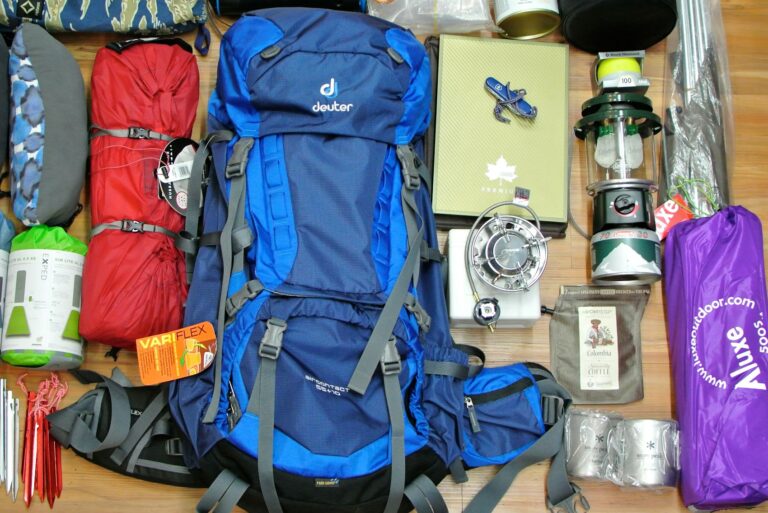
Quick Gear-Check
- Fixed-blade knife
- Compass
- 50 ft paracord
- Ferro rod or mini-Bic lighter
- Mini first-aid kit
- 1 L metal water bottle
- Phone in airplane mode running topo-map app
- Satellite communicator (optional but recommended)
Missing anything? Review our 15 Survival Tools You’ll Regret Not Packing checklist.
Pre-Lost Preparations
- Map Check: Study your route thoroughly. Know key landmarks.
- Weather Forecast: Plan around expected conditions—pack for worst case.
- Communication Plan: Inform two reliable contacts of your route, timeline, and return time.
- Gear Test: Check every item at home—flick your ferro rod, unfold your tarp, swap batteries.
Pro Tip: Lay out your gear the night before and photograph it—digital checklist beats paper in low light.
Mindset & the STOP Method
The first survival tool isn’t in your pack—it’s between your ears. SAR case studies prove people who survive wilderness ordeals share one trait: calm, deliberate thinking. Embrace the STOP acronym:
- Sit—literally plant your backside on a log.
- Think—run through the facts, not the fears.
- Observe—scan for hazards, natural resources, trail clues.
- Plan—set a 30-minute micro-goal before acting.
Extra Insight: Pair STOP with 4-7-8 breathing: inhale for 4s, hold 7s, exhale 8s to drop your heart rate on the spot.
If you want the complete survival priority framework, review our full Wilderness Survival Guide before making your next move.
Immediate Hazard Sweep
Before you plan grand rescues, kill the threats right now:
- Is a dead tree (“widow-maker”) looming overhead?
- Do you hear rockfall, rushing water, or thunder?
- Check skin for ticks or bleeding injuries.
- Sniff for smoke—wildfires change priorities fast.
Pro-Level Tip: Spin slowly in place—this 360° scan helps spot hazards hidden outside your initial field of view.
Stay Put or Move? Decision Matrix
| Factor | Stay | Move |
|---|---|---|
| Injury or exhaustion | ✅ | ❌ |
| Known landmark ≤ 2 mi | ❌ | ✅ |
| Daylight < 2 hrs | ✅ | ❌ |
| Severe weather inbound | ✅ | ❌ |
| No itinerary left with anyone | ❌ | ✅ |
If three or more “Stay” boxes are ticked, build a base camp and focus on signaling.
Navigation 101—No GPS Required
Read the Sun & Shadows
In the Northern Hemisphere, the sun arcs through the southern sky. At noon, shadows point north. Use a stick-shadow clock: mark shadow tip, wait 15 minutes, mark again—the line between marks is east-west.
Map & Compass Quick-Refresher
- Find true-north arrow on your topo map.
- Line edge of compass along your intended direction of travel.
- Rotate bezel until orienting arrow matches map north.
- Hold compass flat, turn your body till needle sits in the shed—that is your bearing.
Field Hack: If no compass, flip a watch on your wrist—hour hand toward sun, halfway to 12 marks south.
If you’re unsure of direction, don’t guess. Learn how to navigate without a compass before committing to movement.
Shelter: Rules of 3 & Rapid Builds
Rules of 3: 3 minutes without air, 3 hours without shelter in extreme cold or heat, 3 days without water, 3 weeks without food. Unless you’re bleeding, shelter beats meal planning every time.
Fast Tarp Lean-To (5 min)
- Run paracord between two trees at chest height.
- Drape ripstop tarp over cord; stake rear edge to ground.
- Prop front corners with trekking poles for venting.
Bonus Tip: Line the floor with evergreen boughs or insulated emergency blanket to trap body heat and repel moisture.
Water: Finding, Purifying, Rationing
Cognitive decline begins at 2% dehydration. Prioritize water sources:
- Moving water over stagnant pools.
- South-facing snowmelt run-offs in alpine zones.
- Plant transpiration: Tie a plastic bag around a leafy branch—sun drives vapor condensation.
Purification Options
- Boil 3 minutes (high altitude: 5 min).
- 2 drops of 2% tincture of iodine per quart; wait 30 min.
- LifeStraw—filters 99.9% protozoa & bacteria.
Advanced Hack: Add sand or charcoal layer under filter element to catch fine particulates before purification.
Fire Craft Under Pressure
Fire equals warmth, morale, and smoke signal. Best practice:
- Gather three times the tinder you think you need.
- Create a pencil-thick platform of twigs—keeps flame off damp soil.
- Use fatwood shavings or cotton-ball/Vaseline as accelerator.
- Spark ferro rod into tinder nest, then feed match-stick twigs, finger-sized, wrist-sized.
Pro Technique: Carve “feather sticks” by shaving curls into a dead branch—catches spark instantly and gives controlled burn.
Signaling for Rescue
Visual
- Signal mirror: Aim at aircraft by flashing hand-held V—use outstretched arm, two fingers to bracket target.
- Fire triangle: Build three fires 100 ft apart.
- Ground symbols: “V” = need assistance; “X” = injured. Make 10 m long, high-contrast.
Audible
Whistle three blasts, pause 30 sec, repeat. Continue for 1 min at top of each hour.
Electronic
Send pre-typed emergency SMS (low power) if any signal bars. Personal Locator Beacon (PLB) like Garmin inReach transmits GPS to GEOS 24/7.
Field Note: Tie reflective tape or flagging to high branches so aerial searches spot you from above.
Food: When, What & How Much
The average hiker carries enough glycogen for 24–48 hours. Conserve calories—don’t build palatial shelters or bushwhack uphill unless necessary.
- Snack when working, not resting.
- Favor high-fat trail mix, jerky, nut butter packets.
- Avoid foraging mushrooms unless you are 110% sure of ID.
Extra Insight: Freeze-dried meals can be rationed—use water from condensation bag to rehydrate and stretch portions.
Field First Aid & Health Threats
- Blisters: Lance side with sterilized needle, tape with Leukotape.
- Sprains: RICE—Rest, Ice-cold water immersion, Compression wrap, Elevate.
- Hypothermia: Shiver? That’s Stage 1. Strip wet layers, don dry base, drink warm water with sugar.
- Heat-stroke: Core temp > 104 °F, confusion. Immediate shade, soak clothing, fan aggressively, sip electrolyte mix.
Pro Tip: Carry a small roll of self-adherent wrap—it doubles as bandage, sling, or emergency tourniquet.
Wildlife Encounters—Prevent & Respond
| Animal | Avoid | If Confronted |
|---|---|---|
| Black bear | Hang food 12 ft up | Stand tall, shout, throw rocks |
| Grizzly | Carry bear spray | Play dead (face-down, hands on neck) |
| Cougar | Avoid dawn/dusk ridges | Maintain eye contact, enlarge your profile |
| Venomous snake | Step on logs—don’t step over | Back away slowly; no tourniquet |
Insider Hack: Hang all scented items at least 12 ft off the ground and 6 ft out on a branch to keep both bears and rodents at bay.
Weather, Hypo/Hyperthermia & Micro-Climates
Mountain weather shifts in 15 minutes. Build habit of scanning:
- Clouds: Anvil tops → thunder in < 30 min.
- Wind: Sudden calm after gusts often precedes lightning cell.
- Temperature lapse rate: Expect 5.4 °F drop per 1 000 ft gain—pack layer margin.
Bonus Insight: Watch for virga (rain shafts) on distant peaks—that’s a microburst marker. Seek shelter early.
Psychology of Solitude
Isolation triggers time distortion and panic loops. Counter with:
- Task stacking: Give yourself micro-missions every 30 minutes.
- Self-talk scripts: “I’m lost, not doomed. Skills > fear.”
- Sleep hygiene: Set alarm every 90 min to rotate and tend fire—prevents oversleeping into hypothermia.
Mind Hack: Sing or recite poetry aloud—it breaks panic loops and keeps morale high.
Self-Rescue Strategies
- Leave an LKP (Last Known Position) note with date, time, bearing.
- Follow water courses downhill; 85% of SAR finds occur within 300 ft of a stream.
- Travel during first two daylight thirds; rest in midday heat or after dusk.
Field Tip: Tie a piece of paracord to every tenth step—if you must backtrack, you’ll see your exact path.
Preventive Packing & Pre-Trip Prep
- Share your trip plan with two contacts and set a hard “panic time.”
- Carry a satellite communicator if venturing beyond cell service.
- Drill the STOP method at home so it’s muscle memory, not an article you half-remember.
Prep Note: Pack your bag in “lost-in-woods” configuration monthly—practice ensures you won’t fumble under stress.
Understanding SAR Operations
Knowing how Search-and-Rescue teams work helps you help them:
- Search grids: Stay put, make yourself visible. SAR systematically searches areas where hikers were last known.
- Night searches: SAR teams use infrared sensors and night-vision goggles. Use reflective gear or fire signals at night.
- Noise discipline: SAR teams call out periodically. Respond loudly and clearly when you hear voices.
- Dog teams: Keep clothing or gear handy to give scent articles to SAR dogs.
Pro Insight: Leave your pack open in a clearing—it’s a clear aerial marker and shows you’re prepared, not panicked.
Final Thoughts & Next Steps
Once you’ve stabilized and regained control, your next priority is visibility. Rescuers can’t save what they can’t see — your job now is to get noticed. Learn how to attract attention using light, smoke, and sound in How to Signal for Help in Remote Wilderness Areas — it’s the essential follow-up skill every survivalist should master.
Before your next trip, be proactive instead of reactive. Download your free Lost in the Woods Survival Checklist (PDF) so you’ll have a ready plan and critical gear list before disaster ever strikes.
Remember — prevention beats rescue every single time. Arm yourself with knowledge, pack smart, and respect the wild. The forest rewards preparation, not panic.
Further Reading (links to other spokes in the same pillar)
Build a complete wilderness navigation skillset with these related guides:
- Shadow Stick Method: Find True North Without a Compass — Use sunlight and shadow to orient yourself with zero gear.
- Lost in the Woods Survival Checklist — Downloadable one-page reference for what to do, what to carry, and how to signal if you get turned around.
Heads-up: This guide contains affiliate links. If you click and buy, we may earn a small commission at no extra cost to you. That helps keep The Savvy Survivalist humming—thank you!