
Urban Survival Skills: How to Stay Alive in a City Disaster (2025 Guide)
When most people imagine survival, they think of the wilderness — campfires, makeshift shelters, and living off the land. But for millions of us, the real danger zone isn’t deep in the forest. It’s right outside our doorsteps: the city.
This post contains affiliate links. I may earn a small commission at no extra cost to you. Learn more.
In an urban disaster, power grids fail, grocery shelves empty within hours, and civil unrest can spark overnight. You’re surrounded by thousands — even millions — of people fighting for the same scarce resources. Unlike the wilderness, there’s no stream to fish from or quiet woods to escape into.
That’s where this urban survival guide comes in. Survival in the city isn’t about brute strength — it’s about preparation, adaptability, and skill. The strategies ahead will show you how to stay alive and stay ahead when disaster strikes in an urban environment.
👉 If you want a complete survival strategy (not just one piece of the puzzle), start with the full system here: Emergency Preparedness Plan 2026
Recommended Gear: See our complete Apartment Prepping Essentials List for compact emergency gear, blackout supplies, water storage, and space-saving preparedness tools designed for apartments and small homes.
Why Urban Survival Is Different
Surviving in a city requires a different mindset than wilderness survival. Instead of worrying about wild animals or exposure, your biggest threats come from:
- Infrastructure collapse – water mains shut down, power grids fail, ATMs and card systems stop working.
- Population density – more people, more competition, and greater potential for violence.
- Limited storage and mobility – most city dwellers live in small apartments with little room for bulk supplies.
- Security risks – break-ins, riots, and opportunistic crime rise quickly when the lights go out.
The skill set is less about bushcraft and more about resourcefulness, mobility, and risk management in tight spaces.
The Top Urban Survival Skills
1. Finding and Purifying Water in a City
Water is always the first critical resource to vanish in a city disaster. Within 24 hours of a shutdown, store shelves are stripped of bottled water, and municipal pipes may run dry or become contaminated. In an urban environment, the challenge isn’t just finding water — it’s making sure what you find is safe to drink.
Where to Find Water in a City
- Household water heaters – A standard 40-gallon water heater can supply a family of four with nearly two weeks of rationed drinking water. Shut off power/gas first, then use the drain valve at the bottom to access.
- Toilet tanks (not the bowl) – The clean water in the upper tank is safe to drink if it hasn’t been treated with chemical tablets.
- Building storage tanks – Many high-rises and apartment complexes use rooftop or basement tanks that hold thousands of gallons. Access may require tools or planning, but they’re one of the largest reserves available.
- Pipes and plumbing – When pressure drops, open the lowest faucet in a building to drain remaining water. If you have warning before a blackout, fill bathtubs and sinks immediately.
- Rooftop catchment – Flat roofs and gutters can be rigged with tarps or containers to collect rainwater. This is one of the few renewable water sources in a city grid-down scenario.
- Public sources – Decorative fountains, fire hydrants, and even abandoned swimming pools can hold usable water if you know how to filter it.
How to Make It Safe
Almost all city water sources become unsafe without treatment. Chemical spills, sewage leaks, and old pipes can introduce bacteria, heavy metals, and toxins. Purification is non-negotiable.
- Boiling – Bring water to a rolling boil for at least one minute (three at higher elevations). This kills bacteria, viruses, and parasites.
- Chemical purification – Iodine tablets, chlorine drops, or even unscented household bleach (8 drops per gallon) can disinfect water when boiling isn’t possible.
- Portable filters – Compact filters like the Sawyer Mini or Lifestraw remove bacteria and protozoa. Some advanced models (Katadyn, MSR Guardian) also handle viruses. Always carry at least one.
- DIY filtration – In a pinch, you can layer cloth, sand, and charcoal to remove sediment before chemical treatment or boiling. This won’t make water safe on its own, but it improves results when paired with disinfection.
Storing Water in Tight Spaces
Apartments don’t leave room for 55-gallon drums, so you need compact, flexible storage strategies.
- Rotate bottled water – Keep several cases of standard bottles and rotate every six months.
- Collapsible containers – Store flat until needed, then fill from working taps or rain catchment.
- Bathtub bladders – In a “last-minute” emergency, a bathtub bladder can store 50–100 gallons of clean water from your tap before the system shuts down.
If you’re short on space, these apartment prepping strategies show how to store water and food without turning your home into a warehouse.
Why It Matters
A healthy adult can survive weeks without food, but only three days without water. In a city disaster, dehydration is one of the fastest killers, often striking before violence, starvation, or exposure. By knowing where to find hidden reserves, how to purify them, and how to store water in small spaces, you put yourself ahead of 90% of the population.
2. Securing Food Without a Garden
You won’t be planting rows of corn in a high-rise, but that doesn’t mean you’re helpless when it comes to urban food security. In a city, survival means thinking smaller, storing smarter, and finding ways to keep calories coming in long after the grocery shelves are bare.
Stockpile Smart, Not Just Big
Space is limited in apartments, so every item you store has to give maximum nutritional return for its size and weight. Focus on high-calorie, nutrient-dense, and shelf-stable foods:
- Rice and oats – Cheap, compact, and calorie-rich staples. Store in mylar bags with oxygen absorbers for years of shelf life.
- Peanut butter – Packed with protein, fat, and calories in a small container.
- Canned meats (tuna, chicken, spam, sardines) – Critical for protein when fresh meat is impossible to get.
- Freeze-dried meals – Lightweight, long shelf life, just add water. Great for bug-out bags and long-term emergencies.
- Powdered milk or protein powders – Adds nutrition when fresh dairy is unavailable.
Don’t just pile random items into a closet. Build a balanced survival pantry that covers carbs, protein, fat, and micronutrients.
Stretching and Extending Meals
Even a good stockpile will run out if you eat like it’s business as usual. Learn how to stretch calories:
- Bulk meals – Combine rice, beans, and spices to stretch protein and calories across multiple days.
- Foraged add-ins – Even small amounts of wild greens, sprouted seeds, or traded food can make meals more filling.
- Portion control – Practice rationing now, not later. Train your body to run on smaller meals without crashing.
A disciplined ration plan can double or triple the lifespan of your stockpile.
Urban Foraging and Small-Scale Growing
You may not have farmland, but you can still supplement your food supply:
- Balcony or rooftop gardening – Small planters can grow tomatoes, peppers, and herbs. While they won’t feed you entirely, they provide fresh nutrients and variety.
- Sprouting seeds indoors – Sprouts like alfalfa, mung beans, or wheat grow quickly in jars and deliver high-value vitamins. No soil or sunlight needed.
- Edible wild plants in cities – Parks, alleys, and vacant lots often grow dandelion greens, plantain, clover, and other edibles. Learn to identify safe species before you need them.
Foraging and micro-growing aren’t about calories — they’re about nutrient diversity and morale, both of which are vital during long-term crises.
Bartering and Community Food Networks
In a city-wide disaster, food becomes a form of currency. Building trust with neighbors or local groups before an emergency increases your odds of trading for what you lack. A few items — extra rice, canned goods, even cigarettes or coffee — can become valuable barter chips.
Rotation and Shelf Management
A survival pantry only works if it stays fresh. Rotate canned goods and packaged food into your daily meals, then replace them. This “store what you eat, eat what you store” system ensures nothing expires on the shelf and you’re always stocked.
Why It Matters
Food shortages turn desperate crowds violent faster than almost anything else. By building a compact, efficient food supply and knowing how to stretch and supplement it, you gain independence when others are at the mercy of empty shelves. In a city, food security isn’t about abundance — it’s about planning, discipline, and creativity.
3. Navigation Without GPS
Modern city dwellers rely on their phones for everything — directions, traffic updates, even finding the nearest grocery store. But when the cell towers go down or GPS satellites are jammed, that digital crutch disappears. In a disaster, your ability to move through the city without technology can mean the difference between reaching safety or being trapped in chaos.
The Limits of Digital Navigation
In normal times, Google Maps can reroute you around construction or gridlock in seconds. In a large-scale emergency, however:
- Cell towers may be overloaded or offline.
- Power outages kill Wi-Fi and phone charging options.
- GPS signals can be jammed, blocked by buildings, or intentionally disabled.
- Panic-driven crowds clog streets, making “shortcuts” useless.
This means you need old-school navigation skills, backed by preparation.
Building a Paper Map Kit
- City street map: A detailed map of your metro area showing highways, surface streets, and back routes.
- Transit maps: Subway, train, or bus line maps — useful even if the system is down, since the tunnels and routes can guide foot travel.
- Regional map: A road atlas or state-level map to plan evacuation once outside the city.
Laminating these or keeping them in waterproof sleeves prevents damage from rain or sweat.
Practicing Landmark Awareness
Memorize major landmarks and geographic features in your area. Tall buildings, rivers, bridges, and unique intersections can help you orient without a compass. On foot, even stairwells, skybridges, or underground connections become critical shortcuts. Practice identifying and remembering:
- Key intersections near your home and work.
- Alternate exits from subways and underground garages.
- Distinctive buildings or natural features you can see from a distance.
By training yourself to recognize and mentally map these, you’ll move faster and with more confidence when panic sets in.
Planning Multiple Evacuation Routes
Relying on one “go-to” escape route is dangerous. Highways will clog, bridges may be closed, and police or military checkpoints could redirect traffic. Instead:
- Primary route: The fastest and most obvious way out under normal conditions.
- Secondary route: Smaller surface streets, backroads, or industrial areas that bypass congestion.
- On-foot route: Sidewalks, alleys, railroad tracks, or even drainage paths that vehicles can’t use.
Walk or drive these routes in advance if possible, noting hazards and bottlenecks. A mental rehearsal now saves time and reduces hesitation during the real thing.
Using Compass and Directional Skills
Even in dense cities, a simple compass can help. Knowing where north is allows you to align your paper map, track progress, and avoid circling back under stress. Combine this with your knowledge of the sun’s position at different times of day to stay oriented without electronics.
Why It Matters
During disasters, people tend to freeze when their phone dies or routes are blocked. Those who’ve practiced manual navigation move with purpose while others hesitate. If you know how to read a paper map, follow landmarks, and adapt routes on the fly, you’ll avoid chokepoints, stay ahead of the crowds, and dramatically increase your chances of escaping a collapsing city.
4. Situational Awareness and Security
In an urban disaster, the greatest threat often isn’t the storm, the blackout, or even hunger — it’s other people. Crowds panic, opportunists take advantage, and crime rises fast when the lights go out. Developing strong situational awareness and smart security habits can keep you alive when law enforcement is stretched thin or absent.
Master Situational Awareness
Situational awareness is the ability to understand what’s happening around you and anticipate problems before they become threats. It’s not paranoia — it’s alertness.
- Baseline your environment – Know what “normal” looks like in your neighborhood: usual noise levels, traffic, and crowd behavior. Changes signal potential danger.
- Heads up, not phone down – Avoid walking with earbuds or staring at your screen. Being distracted makes you an easy target.
- Read body language – Raised voices, clenched fists, or people forming groups are warning signs that conflict may erupt. Move away before it happens.
- Trust your gut – If something feels wrong, it usually is. Instincts often detect subtle threats before your brain processes them.
Blend In with Gray Man Tactics
Building a proper low-profile kit using proven Gray Man urban survival gear principles keeps you prepared without advertising that you are.
In disaster zones, standing out can make you a target. Gray Man tactics help you move through crowds unnoticed.
- Dress neutrally – Avoid flashy clothing, tactical camo, or expensive brands. Dark, plain clothing draws less attention.
- Conceal your gear – Keep backpacks low-profile. Don’t hang knives, radios, or gear where others can see. A nondescript school or laptop bag is less suspicious than a military pack.
- Keep quiet – Don’t broadcast what you have or where you’re going. Even casual bragging can paint you as a target.
- Move with the flow – Don’t sprint or act nervous unless necessary. Walk with purpose, but not in a way that makes you stand out.
Apartment Security in Shelter-in-Place Scenarios
If you’re hunkering down, your apartment becomes your fortress. A few upgrades can make it far more secure.
- Doors – Reinforce frames with long screws, install a security bar or door jammer, and use deadbolts. Weak doorframes fail quickly under pressure.
- Windows – Add security film to resist shattering, or use plywood if you expect extended unrest. Blackout curtains prevent light from drawing attention at night.
- Noise and light discipline – Don’t advertise you have power, food, or water. Keep lights covered and noise low when others are in the dark.
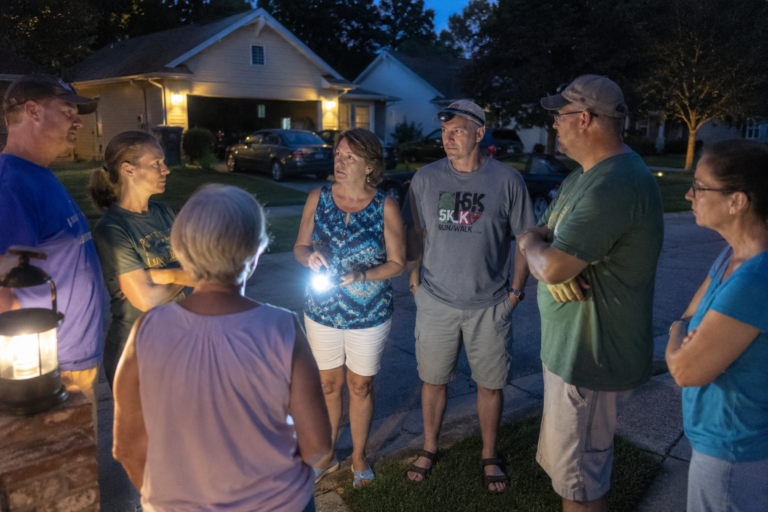
- Community watch – If possible, coordinate with trusted neighbors. A group is harder to target than a lone household.
Personal Defense Options
While avoidance is best, you need to be ready if confrontation becomes unavoidable.
- Learn basic self-defense – Martial arts like Krav Maga or Brazilian Jiu-Jitsu teach practical skills for urban encounters.
- Carry legal tools – Pepper spray, expandable batons, or personal alarms may be legal options where firearms are restricted.
- Firearms (where legal and trained) – If you choose this route, get proper training, secure storage, and know your local laws. In high-density environments, irresponsible use can be as dangerous as the threat itself.
- Improvised weapons – In a pinch, everyday items (flashlights, umbrellas, belts with heavy buckles) can be used for defense.
The Priority: Avoidance, Not Confrontation
Fighting or flashing weapons should be your last resort. The smartest survivors are the ones nobody noticed.
- If a crowd starts to shift or grow aggressive, leave early before panic takes hold.
- If someone targets you, de-escalate first. Words and calm body language can defuse many situations.
- If forced into a fight, end it quickly and create space to escape.
Why It Matters
In a city disaster, staying alive often means avoiding attention. Supplies, strength, and skills matter — but if you advertise them, they make you a target. By sharpening situational awareness, practicing Gray Man tactics, and reinforcing your shelter, you reduce risks without drawing unnecessary fights. In urban survival, invisibility is often the greatest security.
5. Medical Skills and Sanitation
In an urban disaster, medical care is one of the first systems to collapse. Hospitals and urgent care centers fill within hours, ambulances get stuck in traffic, and basic supplies vanish from pharmacies. If you can’t handle common medical problems yourself, you’re at the mercy of an overwhelmed system. At the same time, sanitation becomes just as important as medicine — disease spreads far faster in crowded apartments and city blocks than it does in the wilderness.
Build and Maintain a Real First Aid Kit
Forget the cheap “50-piece” kits that are just a handful of bandages and cotton swabs. For urban survival, you need a well-rounded kit that covers trauma, infection control, and long-term care.
- Core items: sterile gauze, adhesive bandages, medical tape, antiseptic wipes, alcohol pads, and nitrile gloves.
- Medications: pain relievers (ibuprofen, acetaminophen), antihistamines (for allergies), antidiarrheals, electrolyte powders, and any prescription meds you rely on.
- Wound care: disinfectants (povidone-iodine, hydrogen peroxide), antibiotic ointments, and butterfly closures for cuts.
- Tools: tweezers, trauma shears, digital thermometer, elastic bandages, and a CPR mask.
- Upgrades: tourniquet, Israeli bandage, hemostatic clotting agents, and burn dressings if you have the training.
Stock extras of items you actually use day to day — if you take blood pressure medication or inhalers, keep at least a 30-day backup supply.
Learn to Treat Common Urban Injuries
Most city disasters don’t immediately lead to wilderness-style injuries, but they do produce plenty of accidents. You should know how to:
- Stop bleeding from cuts or lacerations using pressure, dressings, or a tourniquet if it’s severe.
- Handle burns from kitchen fires, candles, or improvised stoves by cooling the area and applying sterile dressings.
- Splint sprains or fractures using elastic wraps or improvised supports.
- Manage dehydration and heat exhaustion, especially if power outages hit in summer. Recognize early signs like dizziness, confusion, and dark urine.
- Treat respiratory irritation from smoke, dust, or poor ventilation using masks and clean air spaces.
Even a few hours of a basic first aid or CERT course can put you miles ahead of the average person.
Sanitation When Plumbing Fails
When city water and sewage systems stop working, sanitation rapidly becomes a survival issue. Human waste, garbage, and spoiled food can breed disease in days. Plan now to handle it.
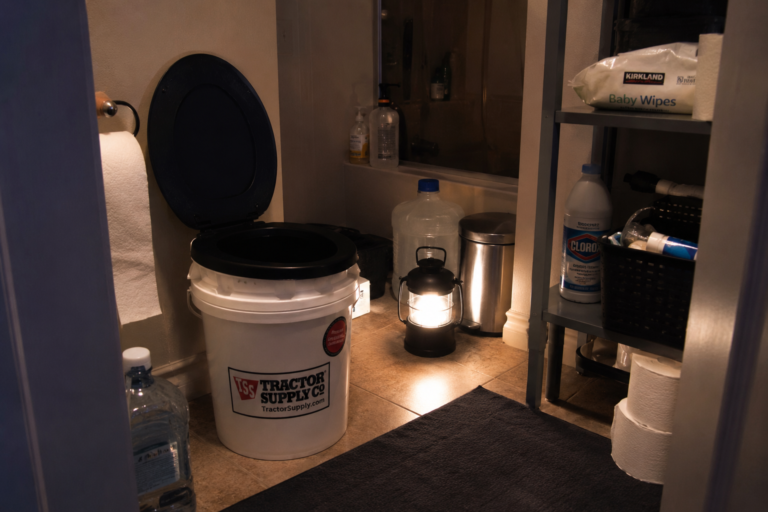
- Waste disposal: Heavy-duty contractor bags, buckets with tight lids, and plenty of bleach or lime for disinfection. A “bucket toilet” setup is cheap and effective.
- Hand hygiene: Stock liquid soap, hand sanitizer, and disposable gloves. Handwashing prevents more deaths in disasters than antibiotics ever will.
- Water for cleaning: Don’t waste drinking water, but keep gray water (from rinsing produce, washing hands) for flushing or cleaning surfaces.
- Trash control: Seal garbage in double bags and keep it away from your living space to avoid pests.
Disease Prevention in Crowded Spaces
When thousands of people are stuck in close quarters without reliable sanitation, disease spreads like wildfire. Outbreaks of gastrointestinal illness, respiratory infections, and skin problems can do more damage than the disaster itself.
- Maintain ventilation to reduce mold and airborne contaminants.
- Cook food thoroughly to kill bacteria.
- Don’t share personal items like utensils or water bottles.
- If someone in your household gets sick, isolate them and use masks to slow the spread.
Why It Matters
In the city, it’s often not the initial disaster that kills — it’s the aftermath. Without sanitation, a minor cut can turn septic, or a simple stomach bug can sweep through an entire apartment building. By keeping a solid first aid kit, learning the basics of care, and planning for hygiene breakdowns, you drastically reduce your vulnerability when professional medical help is unavailable.
6. Power and Light Improvisation
Modern cities run on electricity. For a deeper breakdown of surviving prolonged outages, study our full urban blackout survival guide before the grid fails. When the grid goes down, life grinds to a halt almost instantly — no elevators, no refrigeration, no internet, and in some cases, no running water. For survival, even a small amount of power and light can make the difference between staying functional and slipping into panic.
Why Power Matters in a City Disaster
- Communication: Phones, radios, and small electronics are lifelines for information.
- Medical needs: Some people rely on powered devices (CPAP machines, insulin refrigeration, or nebulizers).
- Security: Light deters break-ins and helps you avoid accidents in dark stairwells and hallways.
- Morale: A lantern or charged radio provides psychological stability when the world outside feels chaotic.
Portable Power Options
In a blackout, you’re not going to run a full apartment, but you can keep the essentials alive.
- Small solar panels: Compact, foldable panels (10–40W) can recharge phones, radios, and power banks. Place them in windows or on balconies.
- Hand-crank chargers: A reliable backup when sunlight isn’t available. Slow, but effective for radios and small devices.
- Power banks: Store multiple charges for phones and headlamps. Keep at least one large-capacity unit (20,000+ mAh) in rotation.
- Portable battery stations: If you have space and budget, lithium stations (Jackery, Bluetti, Goal Zero) can run small appliances, recharge multiple devices, and power LED lighting.
Lighting for Survival
Light doesn’t just keep you comfortable — it keeps you safe.
- LED lanterns: Efficient, long-lasting, and can light up entire rooms. Choose rechargeable models if possible.
- Headlamps: Keep hands free for work or movement through dark stairwells. Stock extra batteries or use USB-rechargeable models.
- Flashlights: Compact tactical lights are good for moving around, but don’t rely on them as your only source.
- Candles and oil lamps: Old-school options, but they carry fire risks in tight apartments. Use only if you can ventilate safely and never leave them unattended.
Battery and Charging Discipline
Electricity becomes a rationed resource in a blackout. Treat every watt as precious.
- Rotate backups: Keep spare batteries labeled and charged.
- Top off often: Whenever the grid flickers back on, recharge everything immediately.
- Prioritize devices: Phones, radios, and lanterns take priority over luxury items like tablets.
- Low-power habits: Dim screens, use airplane mode, and shut off unnecessary lights.
Why It Matters
In the dark, panic spreads faster, accidents multiply, and people become more desperate. Even a few watts of reliable power for communication and light puts you far ahead of most urban dwellers. It lets you stay informed, keep your space secure, and maintain a sense of normalcy when the city is collapsing into chaos.
7. Communication During Blackouts
When the power fails in a city, so does the flow of information. Internet service, cell towers, and even landlines can go dark, leaving you cut off from news, loved ones, and emergency updates. In survival terms, this is just as dangerous as running out of food or water. Without reliable communication, you can’t make informed decisions — and in an urban disaster, blind guessing often leads straight into danger.
When phones and networks stop working, you need a full backup plan — here’s how to communicate when the grid goes down in urban environments.
Radios: Your Lifeline in a Grid-Down City
A radio is one of the few tools that keeps working when everything else stops.
- Hand-crank radios – Generate power on demand, often with built-in flashlights and USB outputs. No batteries required.
- Battery-powered radios – Reliable as long as you rotate and store extra batteries.
- NOAA and weather-band radios – Crucial for tracking storms, floods, or government alerts.
- Two-way radios (FRS/GMRS) – Useful for local communication with family or neighbors when phones don’t work.
A small radio that weighs a few ounces can literally provide the information that tells you when to stay, when to move, or where to find resources.
Family and Group Communication Protocols
In a disaster, confusion kills. Don’t wait until after the blackout to decide how to talk with your family. Set protocols in advance:
- Meeting points – Designate two: one near home, one farther away in case your area is unsafe.
- Check-in times – Agree on specific times to attempt communication each day. This conserves battery life and reduces stress.
- Channel plans – If you use radios, decide which frequencies everyone will monitor. Avoid broadcasting sensitive information publicly.
- Message boards – Some families pre-select a “drop point” (like a neighbor’s mailbox or a specific building) where notes can be left if electronic communication fails.
The more clearly everyone understands the plan, the less likely panic will spread within your own group.
Offline Tools and Apps
Don’t rely 100% on physical tools if you can prep digitally beforehand. Many apps can function offline if downloaded in advance:
- Offline maps (Google Maps offline mode, Maps.me) – Store city and regional maps to your phone for GPS navigation without service.
- First aid and survival manuals – Download PDFs or apps so you don’t have to guess in an emergency.
- Messaging apps with offline features – Some apps allow Bluetooth or mesh-network messaging between nearby devices without cell towers.
Think of your phone as a multipurpose survival manual — as long as you plan for offline use and have a way to keep it charged.
Situational Awareness in a Blackout
Staying informed is about more than just news broadcasts.
- Monitor crowds – If people in your neighborhood start looting or evacuating, you need to know why.
- Listen for official alerts – Governments often broadcast evacuation orders or curfews by radio.
- Network with neighbors – Even basic face-to-face updates can be lifesaving. Sharing information builds community resilience.
Why It Matters
In a crowded city during a disaster, ignorance is deadly. The difference between heading into a riot versus avoiding it could be a single news update. Communication keeps you connected to the bigger picture, reassures your family, and helps you act decisively instead of guessing. If food and water keep your body alive, information keeps your mind sharp and your decisions on target.
Essential Compact Gear for Urban Survival
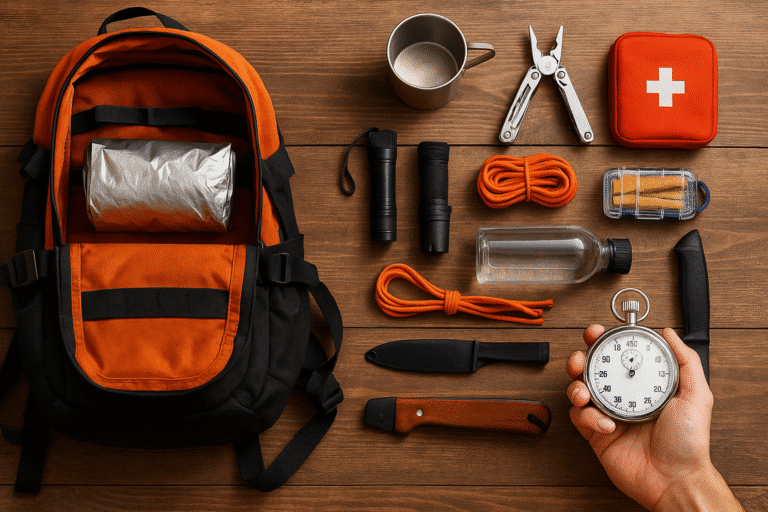
While skills matter most, some compact gear is nearly universal for city prepping:
- Portable water filter
- Collapsible containers
- First Aid Kit
- Solar charger or power bank
- Multi-tool
- Compact stove or fuel tabs
- Flashlight/headlamp
- Radio
Unlike rural prepping, space is limited — choose gear that is compact, multi-use, and easy to carry if evacuation becomes necessary.
Shelter-in-Place vs. Evacuate
One of the hardest choices in a disaster is deciding whether to stay put or leave. In a rural setting, bugging in is often safer. In a city, conditions can change by the hour. Knowing when to lock down and when to move out is critical.
When to Shelter-in-Place
- Your building is structurally safe – No fire, flooding, or imminent collapse.
- You have resources on hand – Water, food, medical supplies, and a secure shelter.
- The outside is more dangerous than inside – Riots, active violence, or severe weather.
- You can maintain a low profile – Blackout curtains, noise discipline, and reinforced entry points.
Sheltering in place often buys you time, keeps you off dangerous roads, and conserves energy. But it only works as long as conditions remain stable.
When to Evacuate
- Structural threats – Fire, gas leaks, flooding, or earthquakes compromise your building. If you live above the second floor, understand how to evacuate a high-rise apartment safely before smoke or stairwell congestion traps you.
- Resource collapse – No water, food, or safe sanitation options left.
- Official evacuation orders – Sometimes authorities direct people out of unsafe zones for good reason.
- Escalating violence – If your area becomes a hotspot for looting or unrest, leaving early is safer than being trapped later.
If evacuation becomes necessary, review exactly how to bug out from the city without getting stuck in gridlock before millions hit the same roads.
City kits usually miss tiny lifesavers—cross-check the 15 Most Forgotten Survival Items so a five dollar oversight does not become a five hundred dollar problem.
The Middle Ground: Be Ready for Both
The smartest urban survivors prepare for either option.
- Bug-in kit – Supplies to last at least two weeks without leaving your apartment.
- Bug-out bag – A ready-to-go pack with water, food, clothing, and essential gear for at least 72 hours.
- Pre-planned routes – At least three ways out of the city, practiced and mapped.
- Trigger points – Decide in advance what conditions will make you leave (e.g., 48 hours without water, visible violence in your neighborhood, building damage).
Why It Matters
Hesitation can be deadly. People who delay evacuation often end up trapped in gridlock or overwhelmed by crowds. Others who leave too soon sometimes abandon a perfectly safe shelter. By knowing the signs and preparing for both sheltering and evacuation, you maximize your options when the pressure is on.
Prepping for Specific City Disasters
- Blackouts/EMP – backup power, food storage, and security.
- Floods/Hurricanes – waterproofing supplies, evacuation maps, higher-ground shelters.
- Earthquakes – structural awareness, drop-cover-hold drills, backup comms.
- Civil Unrest – security, stealth movement, safe zones identified ahead of time.
Tailor your urban survival plan to the most likely disasters in your region.
Key Takeaways
- Urban survival is about adaptability in tight, resource-limited environments.
- Skills often matter more than bulk storage or wilderness gear.
- Focus on water, food security, navigation, security, medical basics, power, and communication.
- Know when to stay put and when to evacuate — and plan for both.
The city can be one of the hardest places to survive in a disaster, but with preparation and the right mindset, you can dramatically increase your odds.
Urban households must apply the layers of the Emergency Preparedness Master Plan differently — but the structure remains the same.
Preparing for blackouts in a small space? See our recommended apartment preparedness gear here.
Conclusion
This urban survival guide proves one thing clearly: survival in a city collapse is a completely different beast than survival in the wilderness. You’re not worried about finding deer tracks or making a bow drill fire — you’re battling the loss of power, empty shelves, and the chaos of millions of people reacting all at once. That means your edge won’t come from brute strength but from foresight and preparation.
The reality is that blackouts, food shortages, and civil unrest aren’t far-fetched scenarios. They happen every year somewhere in the world, and cities are always the hardest hit. This is why having backup power sources, simple lighting, and reliable communication tools isn’t optional — it’s the foundation of city survival. When the grid goes down, a few watts of solar power or a hand-crank radio can make the difference between staying informed and stumbling blind into danger.
But gear alone won’t save you. What makes this urban survival guide different is the emphasis on adaptability and skill. Anyone can buy a flashlight; not everyone can stay calm when the streets go dark. Training yourself to think ahead, to improvise solutions, and to keep moving when others freeze is what separates the prepared from the unprepared.
Preparedness is freedom. By investing the time now — stocking supplies, practicing skills, and making your communication plan — you buy yourself peace of mind in uncertain times. Instead of being caught in the panic when disaster hits the city, you’ll already be steps ahead.
👉 Keep building your urban edge: master blackout survival, strengthen your apartment setup, refine your evacuation routes, and build a low-profile security plan before the next crisis hits. Start with our urban blackout survival guide, then review apartment prepping strategies, and make sure you know how to bug out from the city without getting stuck in gridlock.
Survival isn’t about luck — it’s about being savvy.
Continue building your city survival plan with these focused guides: