
How to Run a Well Pump During a Power Outage: Generator, Solar & Manual Backup Options
Learn how to keep your private well running during a blackout with generators, solar battery systems, manual pumps, and emergency water storage.
No products in the cart.
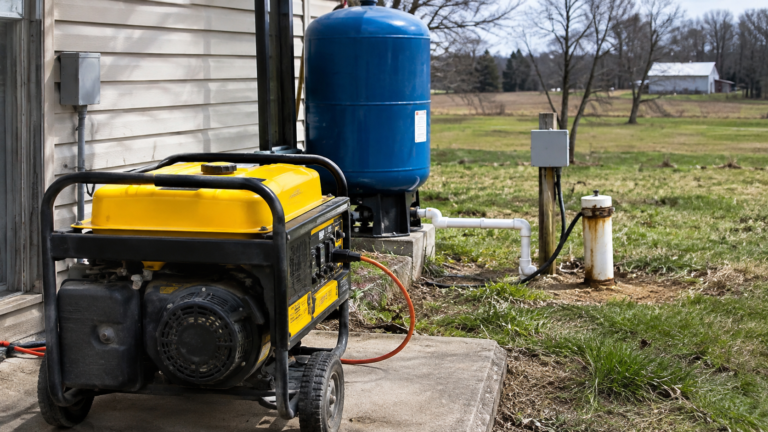
Learn how to keep your private well running during a blackout with generators, solar battery systems, manual pumps, and emergency water storage.
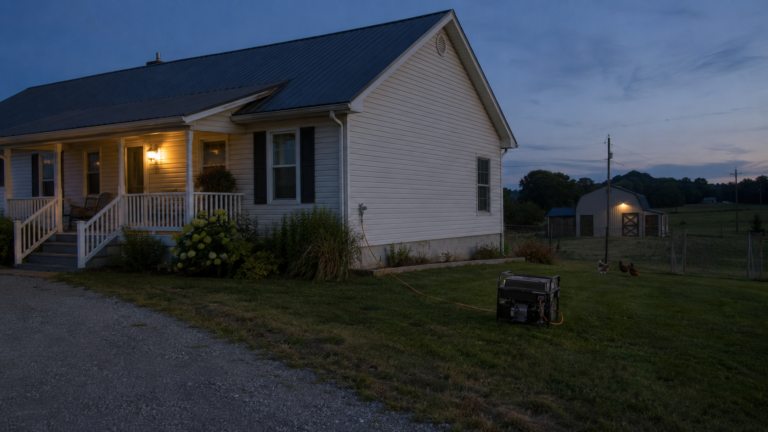
A power outage can create far more problems on a homestead than it does in an ordinary household. Beyond losing lights and household appliances, you may also lose the well pump, livestock waterers, electric fencing, irrigation equipment, barn ventilation, freezers filled with homegrown food, and the tools needed to keep daily chores moving. When several…
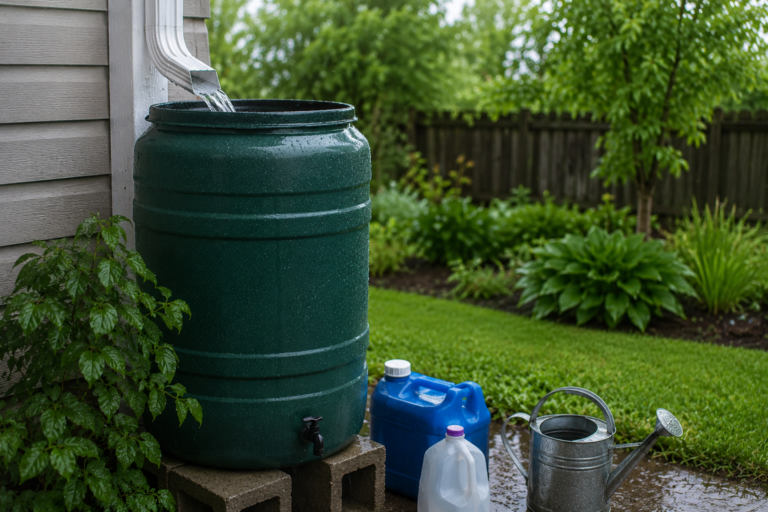
Knowing how to collect rainwater for emergency use can provide a dependable source of water during blackouts, droughts, and other disasters. When the power goes out or municipal water systems stop working, access to clean drinking water quickly becomes one of the biggest challenges. While storing bottled water and filling containers before a storm are…
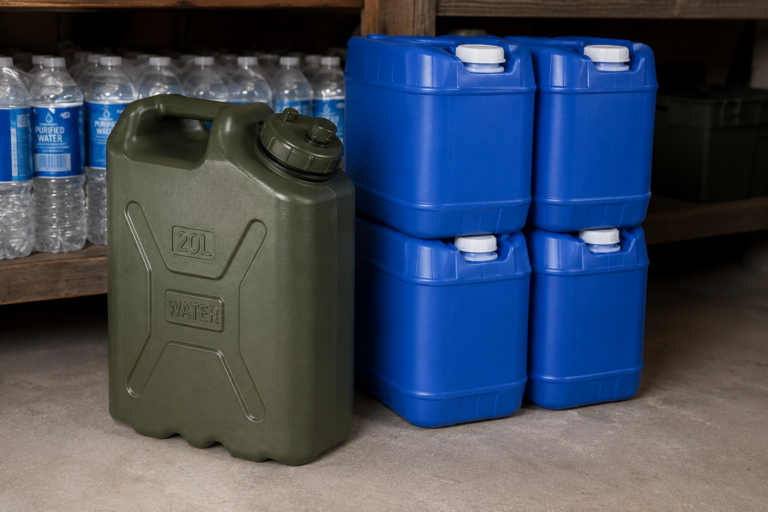
How Long Does Stored Water Last? The answer depends on the container, storage conditions, and whether contamination is introduced during storage. Stored water can last for years when it is kept in clean, food-grade containers and protected from heat, sunlight, chemicals, and contamination. Water itself does not spoil the same way food does, but the…
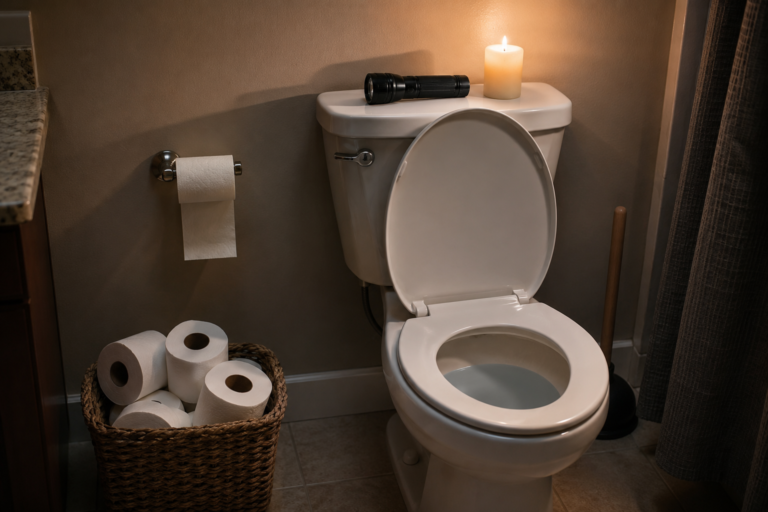
When will toilets stop working during a blackout? The answer depends on water pressure, municipal infrastructure, wastewater systems, and how long the outage lasts. In many situations, toilets continue working for hours or even days after the power goes out, but longer emergencies can eventually affect both water and sewer service. One of the first…
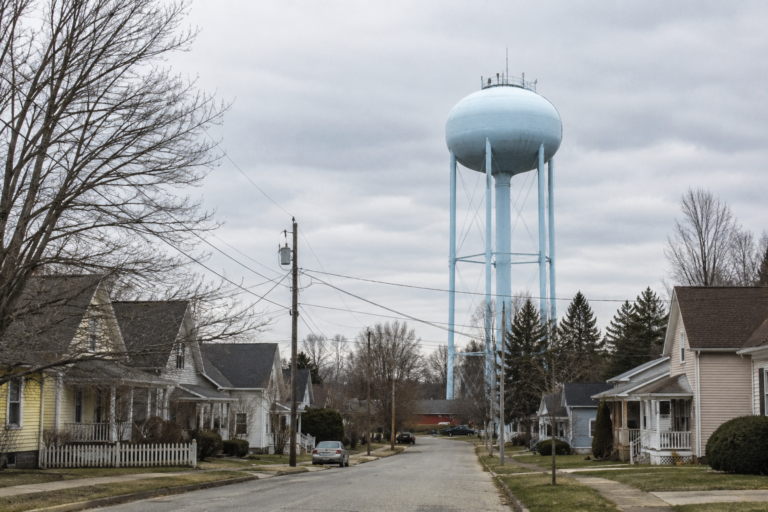
How long will city water work during a blackout? In many communities, water may continue flowing for hours or even days thanks to water towers, storage tanks, and backup power systems, but prolonged outages can eventually reduce pressure and affect service. Most people expect the lights to go out during a blackout, but far fewer…
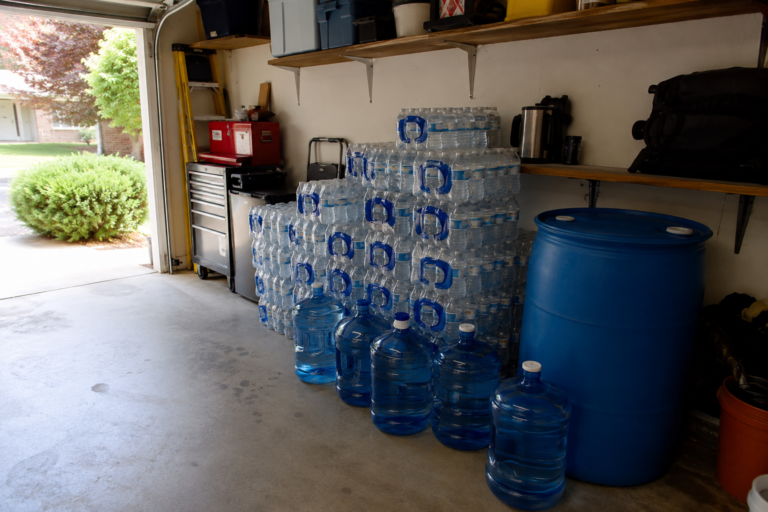
How much water does a family need for 30 days? The answer depends on family size, climate, activity level, and sanitation needs, but most households require more water than they initially expect. Water is often the first supply people think about when preparing for emergencies, yet it is also one of the resources that families…
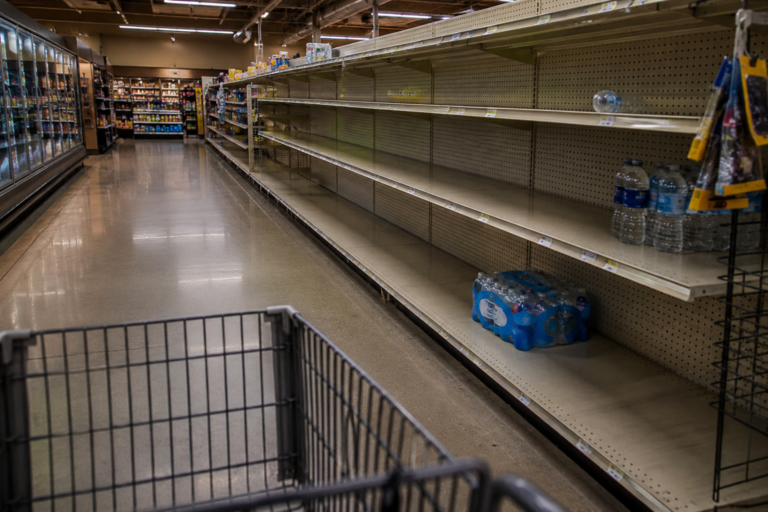
The first supplies to disappear during emergencies are usually the items people depend on most every single day. Water, food, batteries, fuel, medications, sanitation supplies, and backup power systems often vanish from shelves long before many households realize a crisis is becoming serious. Most stores are not designed to handle sudden spikes in demand. Modern…
When a long-term power outage begins, most people assume electricity will return within a few hours. They check the utility outage map, charge their phones in the car, and continue with their normal routines. During this early stage, stores may remain open, cellular service may still work, and traffic continues moving. The situation changes when…

Long-term water storage is one of the most important parts of emergency preparedness. When municipal water systems fail during extended blackouts, natural disasters, or infrastructure emergencies, having a dependable supply of safe drinking water can make the difference between staying comfortably at home and facing a serious water shortage. Whether you’re preparing for a two-week…