How to Make Your Homestead Blackout-Ready
A power outage can create far more problems on a homestead than it does in an ordinary household. Beyond losing lights and household appliances, you may also lose the well pump, livestock waterers, electric fencing, irrigation equipment, barn ventilation, freezers filled with homegrown food, and the tools needed to keep daily chores moving. When several of these systems depend on electricity, one outage can quickly affect your water supply, animals, food, security, and ability to remain on the property.
This post contains affiliate links. I may earn a small commission at no extra cost to you. Learn more.
Homestead blackout preparedness does not require powering everything exactly as you would during normal conditions. The goal is to identify the systems that protect life, water, food, and property, then create practical alternatives for keeping those systems operating. A combination of stored supplies, backup power, manual equipment, written procedures, and regular testing can keep a short outage from becoming a serious homestead emergency.
⚡ Quick Answer
To make a homestead blackout-ready, begin by identifying every essential system that depends on electricity. Prioritize backup plans for your well pump, drinking water, livestock water, refrigeration, heating or cooling, cooking, sanitation, communication, security, and critical medical equipment. Store enough fuel and water for an extended outage, maintain at least one safe backup-power source, and test the entire plan before an actual emergency.
📌 Key Takeaways
- A homestead blackout can interrupt water, food preservation, animal care, irrigation, security, and sanitation at the same time.
- Backup power should be sized around essential equipment instead of attempting to run the entire property normally.
- Every critical electric system needs either an independent power source or a practical manual alternative.
- Stored water, fuel, shelf-stable food, written instructions, and spare supplies remain essential even when you own a generator or solar power system.
- A realistic blackout drill is the best way to find weaknesses before the grid actually goes down.
Why Homesteads Face Different Blackout Risks
Most households experience a power outage as an interruption to lighting, refrigeration, heating, cooling, internet service, and everyday appliances. Those same problems occur on a homestead, but the outage may also disable systems responsible for producing food, supplying water, containing animals, and protecting equipment. The more self-sufficient the property becomes, the more important it is to understand which parts of that self-sufficiency still depend on electricity.
A private well is one of the clearest examples. The property may have an abundant supply of groundwater, but that water remains inaccessible when the electric well pump cannot operate. Automatic livestock waterers may stop refilling, irrigation systems may become unusable, and household faucets may lose pressure after the pressure tank is depleted. One electrical failure can therefore affect drinking water, sanitation, gardening, cooking, and animal care at the same time.
Food production can create similar vulnerabilities. A homestead may have several freezers holding meat, vegetables, fruit, and prepared meals representing months of work and a considerable amount of money. Without a plan for refrigeration, cooking, preservation, or backup power, that stored food can begin spoiling during an extended summer outage. Barn fans, incubators, brooder heaters, electric fences, security lights, automatic feeders, and powered gates may also stop working without warning.
These connected failures are why a homestead needs more than a basic household emergency kit. A general emergency preparedness plan provides the foundation, but the property also needs backup procedures for the systems that support animals, crops, water, and stored food. Preparing each system separately makes the overall plan easier to manage and prevents one failure from creating several additional emergencies.
The objective is not to make the homestead completely immune to power outages. It is to prevent the most important systems from failing at the same time and to maintain safe, workable conditions until grid power returns.
Audit Every Homestead System That Depends on Electricity
Before buying a larger generator or adding more batteries, identify exactly what will stop working when utility power fails. Walk through the house, barn, sheds, garden, livestock areas, and other outbuildings while listing every electrically powered system. Include equipment that operates automatically because it is often forgotten until it stops.
Identify Life-Safety and Water Systems First
Begin with equipment that protects people and animals. This may include medical devices, smoke and carbon-monoxide alarms, a private well pump, livestock waterers, sump pumps, sewage pumps, barn ventilation, brooder heaters, and equipment used to prevent dangerous indoor temperatures. These systems should receive the highest priority because allowing them to remain offline could quickly create unsafe conditions.
Record Food, Security, and Property Systems
Next, document refrigerators, chest freezers, upright freezers, electric fences, powered gates, security cameras, exterior lighting, irrigation pumps, greenhouse fans, incubators, automatic feeders, garage doors, and essential tools. Some equipment may not need continuous power, but you still need to know how often it must run and whether a manual alternative is available.
Do not assume that every appliance can be connected to the same backup-power source. Record the running wattage and starting wattage shown on each motor, pump, freezer, or appliance label. Motor-driven equipment can briefly require several times its normal operating wattage when it starts, which is one reason a generator that appears large enough on paper may still overload.
Assign Each System a Priority
Divide the completed list into three groups: equipment that must operate immediately, equipment that can run on a schedule, and equipment that can remain off until utility power returns. A well pump may only need to run long enough to refill storage containers and the pressure tank, while freezers may be powered at intervals if their doors remain closed. Decorative lighting, workshop equipment, and other nonessential loads should usually remain disconnected.
This audit becomes the foundation of the entire homestead blackout plan. It shows how much backup power is actually needed, where manual alternatives are necessary, and which failures require immediate attention.
Build a Backup-Power Plan Around Essential Loads
A blackout-ready homestead does not necessarily need enough backup power to operate every appliance, tool, and outbuilding at once. Attempting to duplicate normal grid usage can require an unnecessarily large generator, consume fuel quickly, and make the system harder to manage. A more practical approach is to build the power plan around the equipment that protects water, food, people, animals, and property.
Separate Essential Loads Into Power Levels
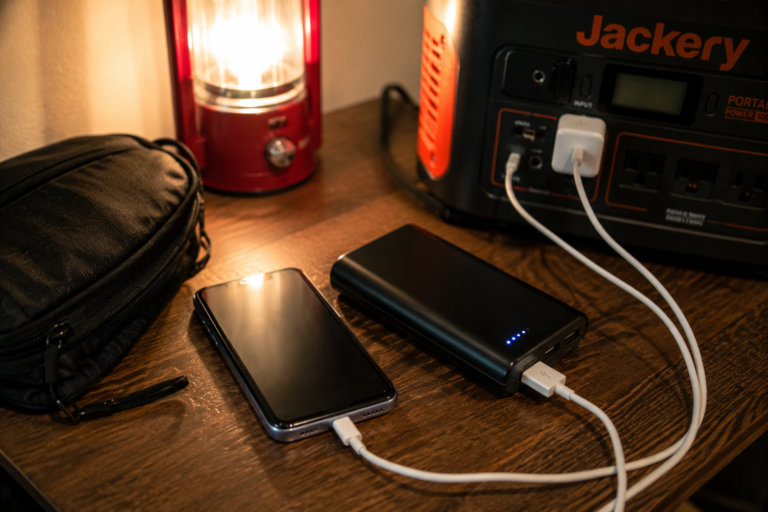
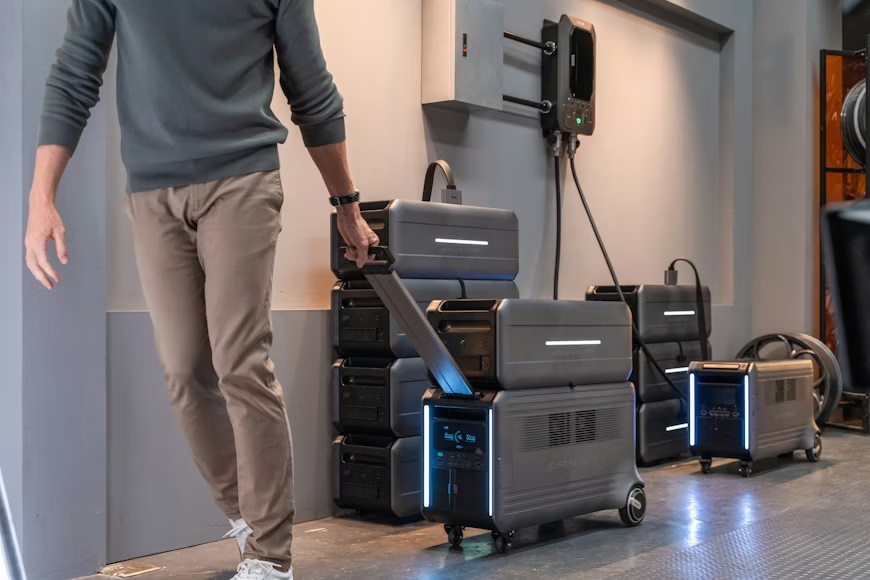
Small battery banks and portable power stations are well suited for lights, phones, radios, internet equipment, fans, security devices, and certain medical equipment. Larger power stations, battery-and-inverter systems, or solar generators may operate refrigerators, freezers, small cooking appliances, and selected tools when their output and battery capacity are sufficient.
Equipment with large motors or heating elements usually requires more power. Well pumps, sewage pumps, barn ventilation systems, air conditioners, electric water heaters, and shop equipment may need a generator or a permanently installed backup system. Motor-driven equipment also has a starting surge that can be considerably higher than its normal running wattage.
Calculate the running watts of everything that may operate simultaneously, then confirm that the backup source can handle the largest starting surge. The guides explaining how many solar panels are needed during an outage and choosing an inverter for a 12V 200Ah battery provide more detailed help with sizing those parts of the system.
Decide How Equipment Will Connect Safely
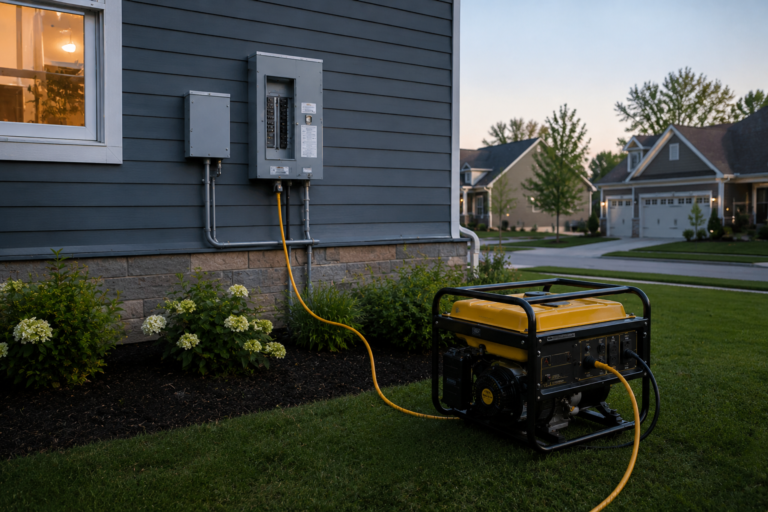
Small appliances can often be connected directly to a power station or generator with properly rated cords, provided the equipment manufacturer permits it. Supplying household circuits is different. A generator used to power wiring inside the house, barn, or another structure needs approved transfer equipment that prevents generator electricity from feeding back into utility lines.
⚠️ Important Generator Safety Warning
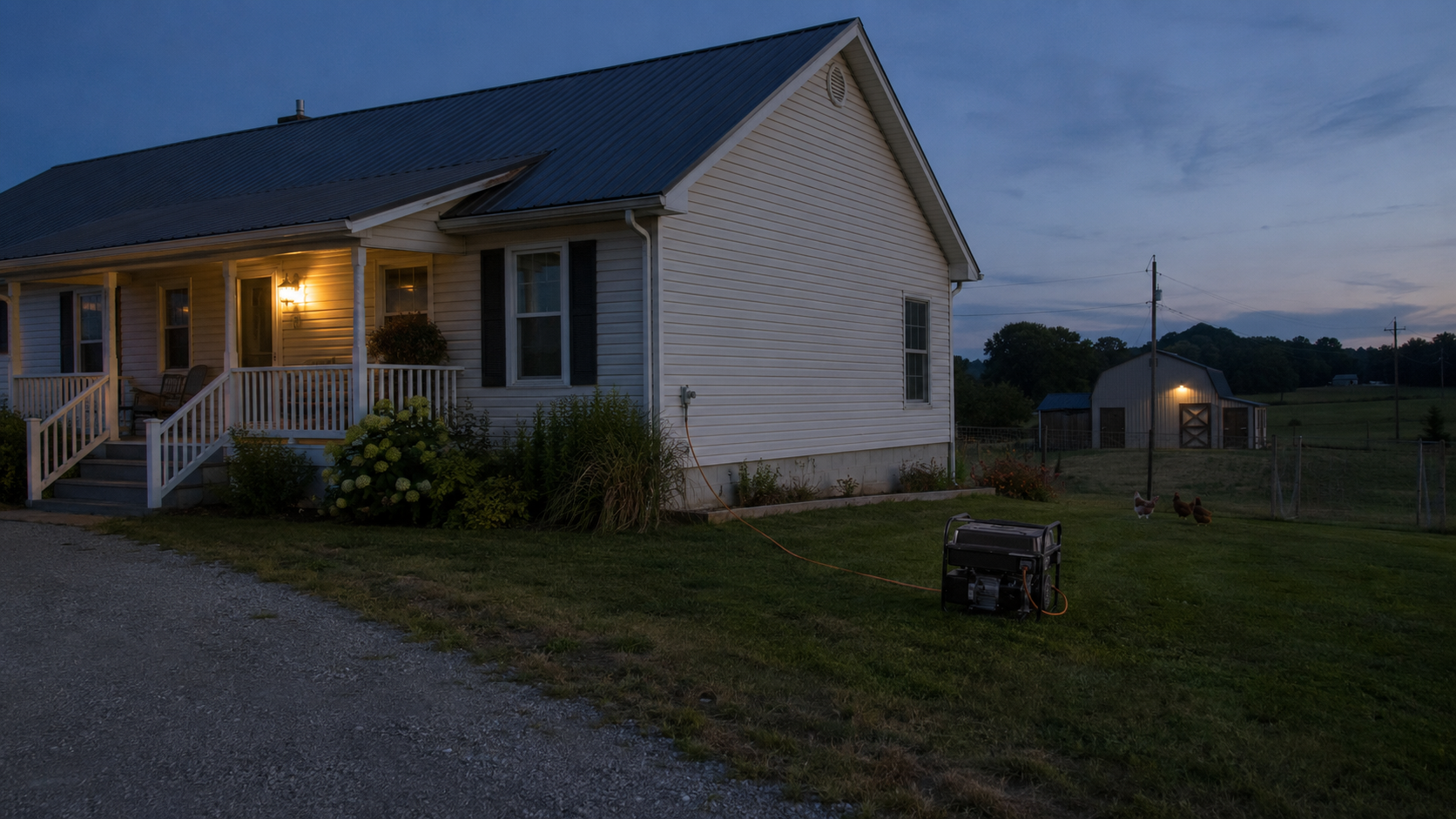
Never connect a portable generator to a wall outlet or improvise a double-ended power cord. This can backfeed electricity into utility lines and create electrocution and fire hazards. Have an approved transfer switch or interlock installed by a qualified electrician when powering building circuits. Operate a portable generator outdoors at least 20 feet from homes and buildings, direct the exhaust away from doors, windows, and vents, and maintain working carbon-monoxide alarms.
Avoid Depending on One Power Source
A layered system is usually more reliable than one oversized machine. Batteries can quietly handle lights, communication, and nighttime loads, while a generator runs periodically to operate pumps, cool freezers, and recharge batteries. Solar panels can extend battery runtime when weather conditions cooperate, but they should not be treated as a guaranteed source of daily energy.
Write down which equipment connects to each power source, the order in which loads should be started, and how long each device needs to run. This prevents guesswork during an outage and reduces the chance of overloading the system when several urgent needs appear at once.
Safety guidance verified against current recommendations from the U.S. Consumer Product Safety Commission and OSHA.
Keep Water Flowing When the Well Pump Stops
Water is often the first major system affected on a homestead because most private wells depend entirely on electricity. When the power fails, the pump stops moving water into the pressure tank. Faucets may continue working briefly, but only until the usable water and pressure already stored in the tank are depleted.
This creates more than a drinking-water problem. Water may also be needed for cooking, washing, flushing toilets, irrigating valuable crops, cleaning equipment, and caring for livestock. A household that could manage with stored drinking water may still struggle to meet the much larger daily demand created by animals and gardens.
Plan More Than One Way to Access Water
The primary backup may be a generator capable of starting and operating the well pump. Confirm the pump’s voltage, running wattage, starting demand, and connection requirements before assuming an existing generator will work. Many residential well pumps use 240-volt power and cannot simply be plugged into a standard generator outlet with an ordinary extension cord.
The guide explaining what happens to a well pump during a power outage covers these limitations in greater detail. If the well is essential to the entire property, consider having a qualified electrician install safe transfer equipment and a clearly labeled circuit that allows the pump to be powered without energizing unnecessary household loads.
Store Water Before It Is Needed
Backup power can fail, fuel can run out, and mechanical problems can prevent a generator from starting. Store a separate supply of potable water for drinking, cooking, basic hygiene, and medication needs. Keep additional nonpotable water available for flushing, cleaning, and other uses that do not require drinking-water quality.
Livestock water requires its own calculation. Record how much water the animals normally use during hot weather, identify every container that can be filled before a storm, and keep a practical method for transporting water when automatic waterers stop. Large tanks, barrels, troughs, and a small trailer or utility cart can make manual watering considerably easier.
Use Rainwater and Gravity Where Practical
A properly designed rainwater system can reduce pressure on stored drinking water by supplying gardens, cleaning tasks, and other appropriate uses. The amount available depends on roof area, rainfall, storage capacity, and how quickly water is consumed. The guide to collecting rainwater for emergency use explains how to estimate collection and store it more effectively.
Whenever possible, position nonpotable storage so gravity can move water without another electric pump. Clearly label every container, keep potable and nonpotable systems separate, and never assume collected surface water is safe to drink without appropriate treatment. A reliable homestead water plan combines pump backup, stored potable water, larger utility reserves, and at least one method that does not require electricity.
Protect Refrigerated Food and Maintain a Cooking Plan
A homestead may have far more refrigerated and frozen food than an average household. Chest freezers can contain garden produce, home-raised meat, wild game, bulk purchases, and prepared meals representing months of work. That makes refrigeration one of the first loads to consider when creating a backup-power schedule.
Know How Long Food Will Remain Cold
Keep appliance thermometers inside every refrigerator and freezer so decisions can be based on temperature rather than appearance or smell. According to federal food-safety guidance, an unopened refrigerator generally keeps food cold for about four hours. A full freezer may maintain its temperature for approximately 48 hours, while a half-full freezer may hold it for about 24 hours when the door remains closed.
Those estimates are not guarantees. Room temperature, appliance condition, how much food is stored, and how often the door is opened all affect the actual result. The guide on keeping a refrigerator cold during a power outage explains how to extend that window and decide when backup power is necessary.
Run Refrigeration on a Schedule
Refrigerators and freezers do not always need continuous generator power. Depending on the appliance, weather, internal temperature, and amount of stored food, it may be possible to run them periodically while also operating the well pump or recharging batteries. Start large loads separately to avoid combining their starting surges.
Keep freezers organized and maintain a written inventory outside each unit. This prevents people from holding the door open while searching for food. Frozen containers of water can fill empty space and provide additional thermal mass, but containers need enough expansion room to prevent cracking.
Prepare Ways to Cook Without Household Electricity
A blackout cooking plan should include meals that require little water, fuel, preparation, or cleanup. Use refrigerated foods first, followed by frozen foods that cannot be kept cold, while preserving shelf-stable supplies for a longer outage. A stocked 30-day emergency pantry provides an important backup if cooking and refrigeration become limited.
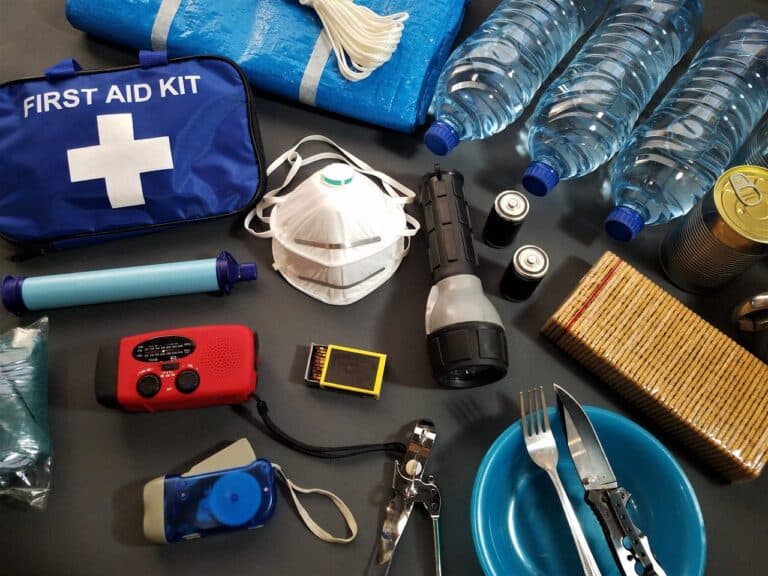
Outdoor grills, camp stoves, and similar fuel-burning appliances must remain outdoors and away from doors, windows, and vents. Never use an outdoor cooking appliance inside the house, barn, garage, or enclosed porch. Store the correct fuel for each appliance and keep a manual can opener, basic cookware, matches or lighters, and a fire extinguisher with the cooking supplies.
For a prolonged outage, decide in advance which foods could be canned, dehydrated, cooked, shared, or moved to another working freezer. Trying to make those decisions after several freezers begin warming wastes valuable time and may result in food being kept after it is no longer safe.
Food-temperature guidance verified with the FDA’s power-outage food-safety recommendations and the USDA Food Safety and Inspection Service.
Prepare Livestock and Poultry for an Extended Outage
Animals cannot wait for utility power to return. Water, ventilation, safe containment, feed access, and temperature control must continue even when automatic equipment stops working. List every animal-care system that uses electricity, including well pumps, automatic waterers, electric fences, barn fans, heaters, incubators, lights, gates, and feed-handling equipment.
Maintain Water and Safe Containment
Keep enough tanks, troughs, buckets, and portable containers to water animals manually. Plan how water will be moved from storage to each pasture, coop, or barn without relying on an electric pump. During hot weather, consumption can increase quickly, making livestock water one of the largest demands on the property.
Electric fencing also needs a backup. A battery- or solar-powered fence energizer may keep essential sections operating, but physical fencing and secure gates should remain the primary containment system. Store spare insulators, wire, gate hardware, and basic repair tools where they can be reached without electric lighting.
Prepare for Temperature Extremes
Barn fans and ventilation systems may become life-safety equipment during summer heat. Brooder heaters, stock-tank heaters, and other warming equipment can become equally important during winter. Identify which animals face the greatest risk, then prepare a lower-power or non-electric alternative whenever possible.
Keep feed stored where it can be measured and moved manually. Write down feeding, watering, ventilation, and containment procedures so another family member can complete essential chores if the person who normally handles them is unavailable. The plan should prioritize animal survival and basic welfare rather than attempting to maintain every normal convenience during the outage.
Keep Gardens and Irrigation Working Without Grid Power
A summer blackout can damage a garden quickly when irrigation depends on a well pump, electric timer, or pressure system. Identify which beds and crops would suffer first, then prepare a manual watering method before hot, dry weather arrives.
Rain barrels, storage tanks, buckets, watering cans, and gravity-fed drip lines can keep essential plants alive without running a generator every day. Position water storage close enough to the garden that moving it remains practical. Mulch around plants to slow evaporation, reduce soil temperatures, and extend the time between watering.
During a prolonged outage, prioritize seedlings, newly planted perennials, fruiting vegetables, and crops that provide the greatest amount of food. Established plants and lower-value areas may need to receive less water. The planning principles used when building a self-sufficient garden for a family of four can help determine which crops deserve limited water and labor.
Keep hose-repair parts, connectors, washers, buckets, and hand tools together in one accessible location. A simple irrigation plan that uses stored water and gravity is generally more dependable during a blackout than one that requires another pump, battery, or complicated control system.
Plan for Heating, Cooling, and Sanitation
Temperature control can become more urgent than lighting or convenience appliances. Decide which room can serve as the safest living area during extreme heat or cold, then concentrate people, supplies, and limited backup power there instead of trying to condition the entire house.
Prepare for Extreme Temperatures
During summer, use shade, closed curtains, ventilation, battery-powered fans, and cooler nighttime air before relying on an air conditioner. If indoor temperatures become dangerous, relocate rather than exhausting fuel while attempting to cool an unsuitable space. The guide to keeping a house cool during a summer power outage provides a more complete heat plan.
For winter outages, identify safe heating equipment that does not depend completely on grid power. Never use a grill, outdoor heater, or cooking appliance inside the home for warmth. Maintain working smoke and carbon-monoxide alarms regardless of which backup heating method is used.
Know What Happens to the Septic System
Many gravity-fed septic systems can continue accepting limited wastewater, but systems with lift pumps, aerators, alarms, or powered treatment components may not operate normally. Determine which type of system serves the property and whether any part requires electricity.
Reduce laundry, long showers, dishwashing, and unnecessary toilet flushing until both the water supply and wastewater system are dependable. Keep heavy trash bags, toilet liners, absorbent material, disinfectant, soap, gloves, and toilet paper available for an emergency sanitation setup. Store sanitation supplies separately from food and drinking-water equipment.
Store and Rotate Enough Fuel
A generator is only useful while fuel remains available. Estimate consumption using the generator’s actual load and expected daily runtime rather than its maximum advertised runtime. Include fuel for tractors, utility vehicles, chainsaws, and other equipment that may be needed for storm cleanup or animal care.
Store gasoline, diesel, and propane only in approved containers and locations permitted by local fire codes. Keep fuel away from living areas, ignition sources, children, animal feed, and direct sunlight. Label each container with the fuel type and purchase date, and never mix fuel reserved for different engines.
Rotate stored fuel through normal equipment use before it becomes unreliable. Inspect containers for leaks, swelling, rust, damaged seals, or fading labels whenever the supply is rotated. Keep the correct engine oil, filters, spark plugs, funnels, and maintenance tools beside the generator supplies.
Do not build the plan around continuous generator operation. Running the generator only when pumps, refrigeration, or battery charging are needed can make a limited fuel supply last considerably longer.
Protect Communication, Security, and Outbuildings
Blackouts can disable internet service, security cameras, powered gates, exterior lights, and some cellular equipment. Keep charged power banks, flashlights, a battery-powered radio, written contact information, and at least one communication method that does not depend entirely on home internet service.
Establish scheduled check-in times so family members are not constantly using phones or radios. The guide on how to communicate when the grid goes down explains how to build a more complete backup communication system.
Walk the property before dark and secure barns, sheds, gates, fuel storage, tools, and livestock areas. Place battery or solar lights along the routes used for nighttime chores, but avoid advertising valuable equipment or fuel supplies unnecessarily. Mechanical locks and gates should continue working even when cameras and electronic access systems do not.
Keep keys, headlamps, radios, and basic security equipment in designated locations where every responsible family member can find them. If neighbors are nearby, discuss how to exchange information and request help without depending on cell service. Reliable communication and simple physical security measures become more important as an outage continues and normal services become less dependable.
Create and Test a Written Homestead Blackout Plan
A plan that exists only in one person’s memory is unreliable. Write down what each family member should do when the power fails, beginning with checking people and animals, confirming whether the outage is local, filling available water containers, protecting refrigeration, and preparing backup power.
List every essential appliance and piece of equipment with its voltage, running watts, starting watts, circuit location, fuel requirement, and approved backup source. Label transfer equipment, cords, switches, fuel valves, and shutoffs clearly. Keep printed operating instructions with the generator, power station, well equipment, and other critical systems.
Run a Realistic Blackout Drill
Turn off nonessential circuits for several hours and complete normal chores using only the equipment included in the plan. Test the well pump, refrigerator, freezers, animal watering routine, communication equipment, lighting, and cooking method. Confirm that cords reach safely, batteries are charged, fuel is usable, and everyone knows where supplies are stored.
Record every problem discovered during the drill. Common failures include missing adapters, dead batteries, inaccessible equipment, inadequate extension cords, forgotten starting surges, and plans that require more physical labor than expected.
Repeat the test at least once before summer and once before winter because seasonal demands are different. Update the written plan whenever animals, appliances, pumps, electrical systems, or backup equipment change. A tested plan turns separate supplies into a working system and gives the household a clear order of operations when an actual outage begins.
☑ Homestead Blackout-Readiness Checklist
- List every essential system that requires electricity.
- Record running watts, starting watts, voltage, and circuit locations.
- Provide safe backup power for the well, refrigeration, and critical equipment.
- Store drinking water and a separate supply for animals, sanitation, and gardens.
- Prepare manual feeding, watering, ventilation, and containment methods.
- Maintain appliance thermometers, carbon-monoxide alarms, radios, and emergency lighting.
- Store approved fuel containers and rotate the supply regularly.
- Keep printed instructions, contact information, and equipment manuals accessible.
- Test generators, batteries, pumps, cords, and transfer equipment before each season.
- Conduct a blackout drill and correct every problem it reveals.
🛒 Recommended Homestead Blackout Gear
A homestead needs equipment that keeps essential systems operating rather than a collection of small emergency gadgets. Focus first on gear that supports water, food preservation, communication, and safe backup power.
Westinghouse WGen9500DFc EFI Dual-Fuel Portable Generator
This 120/240-volt generator can provide backup power for properly matched well pumps, refrigerators, freezers, and other essential homestead equipment. It operates on gasoline or propane and includes a carbon-monoxide shutdown sensor.


Jackery Explorer 1000 v2 Portable Power Station
This battery power station can quietly operate lights, radios, phones, fans, internet equipment, and selected smaller appliances without running a fuel-powered generator continuously.

Southwire 25-Foot 10/3 Outdoor Extension Cord
This heavy-duty outdoor cord is suitable for connecting approved 120-volt appliances directly to a generator. It is not a replacement for a transfer switch, interlock, or generator inlet.

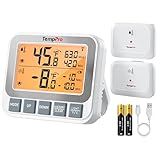
ThermoPro Wireless Refrigerator and Freezer Thermometer
This wireless thermometer allows refrigerator or freezer temperatures to be checked without repeatedly opening the door during an outage.
Kidde Battery-Powered Carbon-Monoxide Alarm
This battery-powered alarm continues monitoring for carbon monoxide when household electricity is unavailable. Install and maintain carbon-monoxide alarms according to the manufacturer’s instructions.

Frequently Asked Questions
How much backup power does a homestead need?
The required capacity depends on the equipment that must operate simultaneously. Add the running wattage of essential loads and include the highest motor-starting surge. Well pumps, sewage pumps, freezers, barn fans, and heating equipment can significantly increase the required generator or inverter size. Equipment voltage must also match the backup source.
Can solar panels keep a homestead running during a blackout?
Solar panels can recharge batteries and reduce generator runtime, but panels alone do not normally provide usable backup electricity when the grid fails. The system needs compatible batteries, an inverter, charge controls, and equipment designed for backup operation. Cloud cover, seasonal daylight, and high electrical demand must also be considered.
Should a generator run continuously during an outage?
Continuous operation is often unnecessary and consumes fuel quickly. Many homesteads can operate pumps, refrigerators, freezers, and battery chargers on a planned schedule. However, medical equipment, extreme-temperature protection, ventilation, and other life-safety loads may require uninterrupted power. Follow the generator manufacturer’s operating and maintenance instructions.
What should be powered first on a homestead?
Prioritize equipment that protects people, animals, water, food, and property. The exact order may include medical devices, the well pump, livestock water systems, barn ventilation, refrigerators, freezers, sump or sewage pumps, communication equipment, and essential lighting. Comfort appliances and workshop equipment should remain off unless adequate capacity and fuel are available.
How often should a homestead blackout plan be tested?
Conduct a full test before the hottest and coldest parts of the year and after making major changes to the property. Generators, batteries, pumps, fuel, extension cords, alarms, and communication equipment should be checked more frequently according to their manufacturers’ instructions.
Final Thoughts
Making a homestead blackout-ready is not about powering every appliance or eliminating every inconvenience. It is about protecting the systems that keep people and animals safe, maintain access to water, preserve food, and prevent avoidable property damage.
Start with a complete electrical audit, then build layers of backup power, stored water, fuel, manual equipment, and written procedures around the most important loads. Test those plans under realistic conditions instead of assuming each piece will work when needed.
A homestead prepared to operate without grid power is more resilient during short outages, severe storms, and longer emergencies. Every weak point corrected before the power fails reduces the number of urgent decisions that must be made afterward.