The First Supplies to Disappear During Emergencies (And Why Most People Wait Too Long)
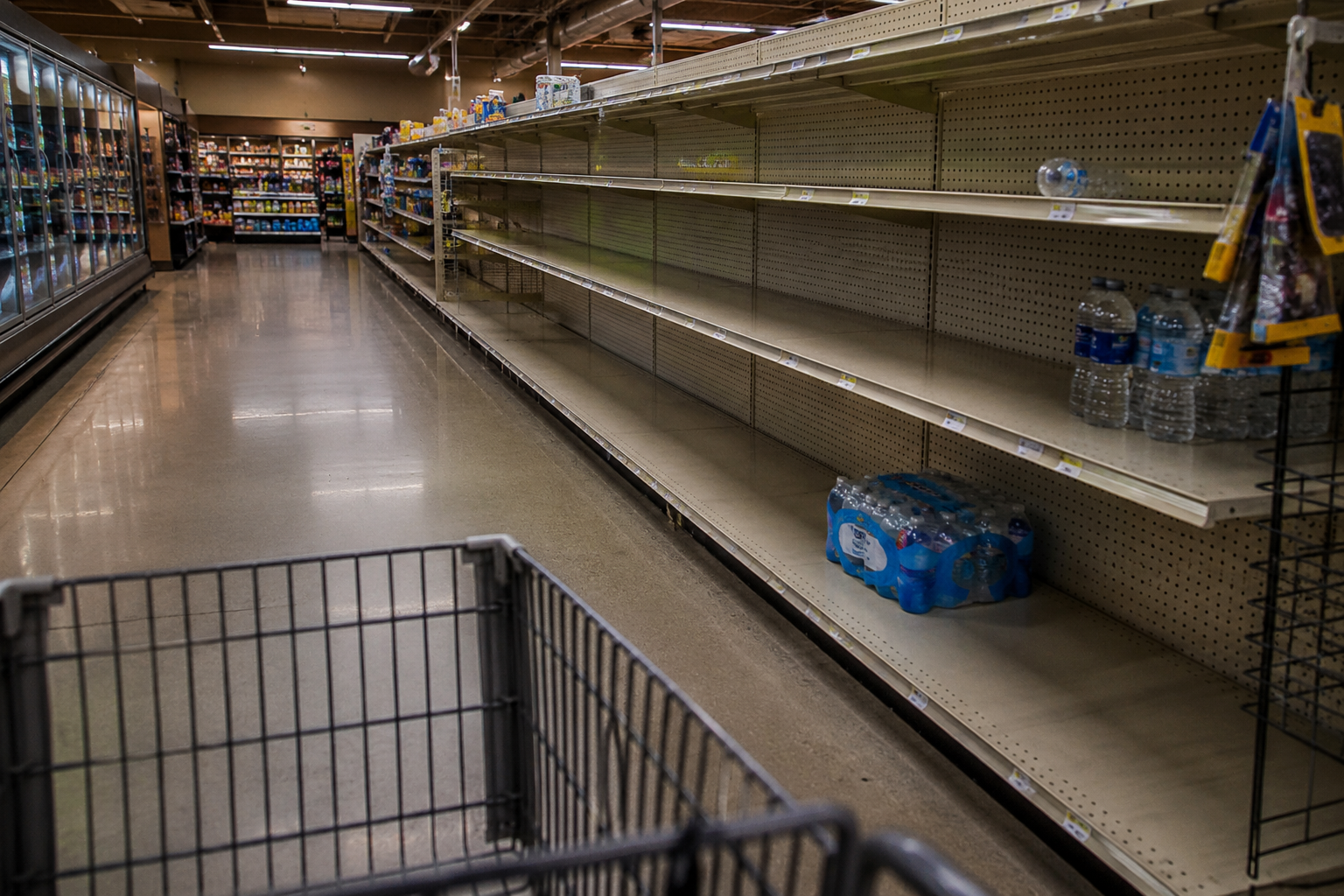
The first supplies to disappear during emergencies are usually the items people depend on most every single day. Water, food, batteries, fuel, medications, sanitation supplies, and backup power systems often vanish from shelves long before many households realize a crisis is becoming serious.
This post contains affiliate links. I may earn a small commission at no extra cost to you. Learn more.
Most stores are not designed to handle sudden spikes in demand. Modern supply systems operate on continuous deliveries instead of massive backroom stockpiles. Products arrive regularly, sell quickly, and are replaced by incoming shipments that keep shelves appearing full under normal conditions. The problem is that these systems depend on transportation, fuel availability, staffing, electricity, and stable distribution networks functioning without interruption.
Once even one of those systems begins struggling, shortages spread fast.
People usually do not panic over luxury items first. They rush toward the products they suddenly realize they cannot function without. Drinking water disappears almost immediately. Batteries, flashlights, fuel cans, generators, medications, canned food, toilet paper, hygiene supplies, and shelf-stable groceries often follow within hours. In larger emergencies, entire sections of stores can look stripped bare before many households even realize the situation is becoming serious.
What makes this dangerous is how dependent modern households have become on uninterrupted convenience. Most families only keep a few days of supplies inside the home at any given time. Refrigerators stay stocked because grocery stores are nearby. Phones stay charged because the electrical grid remains stable. Vehicles stay fueled because gas stations continue operating normally. Few people think about how quickly daily routines begin collapsing once those systems become unreliable, which is exactly what we covered in our How Fast Society Changes During a Long-Term Power Outage breakdown.
That is why preparedness is less about fear and more about reducing dependency before everyone else starts competing for the same limited supplies. Households that already have backup systems, stored essentials, emergency lighting, reserve food, water storage, and alternative communication methods are usually far more stable during the opening phase of a disaster. If you are still building your overall preparedness system, start with our Emergency Preparedness Plan 2026, which breaks down the core systems most families overlook until they fail.
History repeatedly shows the same pattern during hurricanes, winter storms, wildfires, extended blackouts, and national emergencies. The people who prepare early usually avoid the worst panic, while those who wait until shortages become visible are often left searching through empty shelves alongside thousands of others doing the exact same thing.
In this guide, we are going to break down the first supplies that usually disappear during emergencies, why these shortages happen so quickly, how long critical resources realistically last, and which preparedness systems help households stay operational when stores become unreliable. Many of these shortages begin during the first several hours of a crisis, which is why understanding the First 72 Hours After a Disaster can completely change how you prepare.

| Supply | Why It Disappears Fast | How Quickly It Goes | Better Long-Term Solution |
|---|---|---|---|
| Water | People panic once clean drinking water becomes uncertain. | Within hours | Stored water + filtration systems |
| Batteries & Lighting | Power outages immediately increase demand for lighting and charging. | Same day | Rechargeable lighting and backup power |
| Shelf-Stable Food | Families rush to buy food that lasts without refrigeration. | Within 24 hours | Layered long-term food storage |
| Fuel | Vehicles, generators, and evacuation plans depend on fuel. | Hours to 1 day | Fuel rotation and backup power systems |
| Communication Gear | People realize phones may not remain reliable. | Within hours | Emergency radios and backup communication plans |
| Sanitation Supplies | Basic hygiene becomes harder during outages and shortages. | 1–2 days | Stored hygiene and cleaning supplies |
| Medical Supplies | Pharmacies and hospitals become overwhelmed quickly. | Within days | First aid kits and medication backups |
| Cooking Fuel | Normal kitchen appliances stop working during outages. | 1–2 days | Portable stoves and propane reserves |
| Cash | Digital payment systems fail during outages. | Same day | Emergency cash reserve |
1. Water Disappears First Almost Every Time
Few supplies disappear faster during emergencies than drinking water. The moment people believe normal utilities may become unreliable, entire communities begin rushing toward bottled water aisles almost simultaneously. It happens during hurricanes, winter storms, boil advisories, infrastructure failures, flooding events, cyberattacks, and long-term blackout situations. Even households that never think about preparedness suddenly realize how dependent daily life is on having clean water available at all times.
What surprises many people is how little water most households actually keep inside the home. Under normal conditions, grocery stores, restaurants, convenience stores, and municipal systems create the illusion of unlimited availability. Water flows from faucets constantly, refrigerators dispense filtered water instantly, and stores restock shelves every few days. Most families never stop to calculate how quickly those conveniences disappear once transportation or infrastructure becomes unstable.
The average household burns through far more water than expected during emergencies. Drinking water is only one part of the equation. Water is needed for cooking, washing dishes, basic hygiene, sanitation, hand cleaning, pet care, and flushing toilets. During hot summer blackouts or severe weather events, dehydration risks increase even faster, especially for children, elderly family members, and anyone working outdoors.
Another problem is that panic buying creates shortages before systems necessarily fail completely. People do not wait until water stops flowing to start clearing shelves. They begin buying the moment uncertainty appears. That means households attempting to prepare late often discover that bottled water, storage containers, and filtration systems are already gone before the actual emergency fully develops.
Large cases of bottled water usually disappear first because they are easy for inexperienced shoppers to grab quickly. After that, people begin targeting gallon jugs, refill containers, purification tablets, portable filters, and anything else remotely connected to water security. Once stores start limiting quantities, shortages often spread even faster because people interpret rationing as confirmation that conditions are worsening.
That is why many prepared households focus less on endless bottled water stockpiles and more on layered water systems. Reliable preparedness usually involves combining stored water reserves with filtration capability, purification methods, backup containers, and alternative collection options. Families that already have those systems in place are far less likely to join crowded panic-buying lines during the opening phase of a crisis.
If you have not already built a dedicated water preparedness system, our Long-Term Water Storage Guide for Emergencies breaks down realistic storage goals, filtration options, purification methods, and common mistakes that leave households vulnerable during extended outages.
Water shortages also create ripple effects throughout every other survival system. Once clean water becomes uncertain, sanitation problems begin developing fast. Toilets stop functioning normally, hand washing becomes limited, food preparation becomes harder, and illness risks begin increasing. We covered this chain reaction in detail inside When Water Stops Running: What Happens in the First 72 Hours, because losing water infrastructure changes daily life far faster than many people expect.
Even communication systems become more difficult to maintain once water shortages begin affecting communities. Large crowds, panic buying, road congestion, and infrastructure strain often escalate simultaneously, which is why maintaining reliable emergency coordination matters long before supplies begin disappearing. That is also why building backup communication options covered in our Emergency Communication Systems Guide becomes increasingly important during wider infrastructure disruptions.

2. Batteries, Flashlights, and Backup Power Vanish Within Hours
Once people realize an emergency could involve power outages, one of the first waves of panic buying immediately shifts toward lighting and backup electricity. Batteries, flashlights, lanterns, power banks, extension cords, portable generators, and charging equipment often disappear almost as quickly as bottled water. During major storms or grid disruptions, entire sections dedicated to emergency lighting can be stripped bare before the first outage even begins.
The reason this happens so quickly is simple. Modern households depend on electricity for nearly every part of daily life. Phones, refrigeration, internet access, cooking appliances, communication systems, medical devices, entertainment, lighting, and even basic banking all rely on stable electrical infrastructure functioning continuously in the background. Most people do not think about that dependency until outage warnings begin appearing across the news or social media.
As soon as uncertainty develops, shoppers begin targeting anything connected to power survival. Disposable batteries disappear first because they are inexpensive and familiar to everyone. Families begin grabbing AA, AAA, D-cell, and 9-volt batteries in bulk whether they actually have a long-term plan for them or not. After that, LED lanterns, flashlights, headlamps, USB battery banks, solar chargers, and portable power stations usually begin selling out rapidly.
One problem many households run into is realizing too late that owning flashlights alone is not enough. A flashlight without spare batteries eventually becomes useless. A dead phone without a charging system becomes little more than a paperweight. During prolonged outages, even small power management mistakes begin compounding quickly.
That is why many prepared households think in terms of layered backup systems instead of relying on single emergency gadgets. Rechargeable lighting, solar charging capability, battery rotation systems, portable power stations, fuel reserves, and low-power communication devices all work together to reduce dependence on the electrical grid during longer disruptions.
Another issue people underestimate is how psychologically stressful darkness becomes during emergencies. Homes without reliable lighting immediately feel less secure, especially during widespread outages affecting entire neighborhoods. Simple tasks become harder. Movement becomes slower. Security concerns increase. Sleep schedules become disrupted. Families with children often experience stress levels rising dramatically once nighttime conditions settle in without stable lighting.
Reliable emergency lighting matters for far more than convenience alone. Good lighting improves safety, morale, visibility, organization, and communication during the opening stages of a crisis. Our Best Emergency Lights for Power Outages guide breaks down which lighting systems actually perform well during extended outages and which options fail when conditions become difficult.
As outages stretch longer, backup power itself becomes one of the most valuable resources in a household. Refrigerators begin warming, freezers start thawing, communication devices drain, and temperatures inside homes become increasingly difficult to manage. That is why larger preparedness systems involving generators, solar charging, battery storage, and fuel planning have become increasingly important during grid instability and severe weather events.
If you are building a more complete blackout preparedness setup, our Grid-Down Survival Power Guide walks through realistic backup power strategies, fuel planning, solar options, and common mistakes that leave households vulnerable during extended outages.
Many people also underestimate how quickly smaller outages can evolve into longer infrastructure problems. A storm that initially looks manageable can turn into a multi-day power emergency once fuel shortages, damaged substations, overwhelmed repair crews, or transportation disruptions begin slowing recovery efforts. That is exactly why planning beyond the first 24 hours matters, especially if you are trying to prepare for scenarios like the ones discussed in our Two-Week Power Outage Preparedness guide.


3. Shelf-Stable Food and Easy Meals Disappear Fast
Food shortages during emergencies rarely begin with exotic survival products or specialty prepper meals. The first grocery items to disappear are usually the same products people already eat regularly. Canned soups, pasta, rice, peanut butter, oatmeal, cereal, boxed meals, instant potatoes, canned meat, protein bars, baby formula, snacks, bottled drinks, and shelf-stable comfort foods often vanish within hours once communities begin preparing for possible disruptions.
One reason these shortages happen so quickly is because most households are not storing weeks or months of food inside their homes. Grocery shopping has become heavily tied to convenience. Many families buy only enough supplies to cover several days at a time, assuming stores will always remain open and stocked. When emergencies suddenly threaten transportation systems, electrical infrastructure, or local supply chains, millions of people begin purchasing extra food simultaneously.
Store shelves start thinning out almost immediately.
What makes food shortages especially dangerous is that panic buying often spreads emotionally. Once shoppers begin seeing partially empty shelves, many instinctively start buying more than they originally planned. People who only intended to pick up a few extra supplies suddenly begin grabbing bulk quantities because they fear there may not be another opportunity later. That behavior accelerates shortages even further.
Another issue is that many people buy the wrong types of food during emergencies. They often focus on products requiring refrigeration, large amounts of water, complicated cooking setups, or heavy fuel consumption. Once power outages begin lasting longer than expected, refrigerators warm up quickly, frozen food begins thawing, and cooking becomes far more difficult than most households anticipated.
This is why shelf-stable foods become so valuable during disasters. Foods that can survive without refrigeration, require minimal preparation, and provide reliable calories become critical once normal kitchen systems begin breaking down. Canned goods, dry staples, dehydrated meals, shelf-stable protein sources, and ready-to-eat foods allow households to continue functioning even when refrigeration and cooking options become limited.
Longer emergencies also expose how dependent most homes are on electric appliances. Microwaves, ovens, refrigerators, coffee makers, air fryers, and freezers all become useless during prolonged outages unless backup power systems are available. Families that have alternative cooking methods already in place are usually far more stable once outages extend beyond the first day or two.
One of the biggest mistakes people make is assuming frozen food will last indefinitely during outages. In reality, food temperatures become unsafe much faster than many households realize, especially during summer blackouts. That is why understanding refrigeration timelines becomes critical before emergencies happen. Our How Long Food Lasts Without Power guide breaks down realistic refrigerator and freezer survival timelines during outages.
Food storage also becomes much harder once refrigeration systems fail completely. Families quickly discover they need backup cooking systems, cooler management strategies, shelf-stable ingredients, and realistic meal planning options that work without grid power. That is exactly why our How to Store Food Without Refrigeration During a Grid Failure guide has become increasingly important for long-term preparedness planning.
Cooking itself becomes another major problem during infrastructure failures. Many households own large amounts of food but have no realistic way to prepare it once electricity disappears. Portable stoves, propane cooking systems, solar ovens, outdoor cooking methods, and fuel-efficient meal planning become critical during longer disruptions. We covered multiple backup cooking approaches inside our Campfire-Free Ways to Cook Your Meals This Summer guide because emergency cooking becomes far more complicated once normal appliances stop working.
People who prepare early usually focus less on panic-buying random groceries and more on building layered food systems over time. Having dependable calories, long shelf life, minimal cooking requirements, and backup preparation methods creates far more stability than trying to clear shelves at the last minute alongside everyone else.

4. Fuel Becomes One of the Most Valuable Supplies Almost Overnight
Fuel shortages create a different type of panic during emergencies because fuel affects nearly every survival system people depend on. Once gasoline, diesel, or propane availability becomes uncertain, transportation, evacuation, backup power, heating, cooking, communication, and supply movement all become harder simultaneously. This is why gas stations often develop long lines long before an emergency fully unfolds.
Many people assume fuel shortages only happen during catastrophic disasters, but even relatively short-term emergencies can create serious problems. Hurricanes, cyberattacks, pipeline disruptions, refinery shutdowns, winter storms, regional blackouts, and transportation interruptions have all triggered fuel shortages across different parts of the country. In many situations, the actual supply may not disappear immediately, but panic buying overwhelms normal distribution systems faster than stations can restock.
One major problem is that modern fuel systems rely heavily on electricity and transportation infrastructure. Gas stations cannot pump fuel without power unless they have backup generators installed. Delivery trucks require clear roads and functioning supply chains. Refineries and distribution centers depend on stable operations to keep fuel moving consistently into local communities.
Once even one part of the supply chain slows down, shortages begin spreading fast.
People also tend to underestimate how fast fuel disappears during emergencies. Vehicles are often left partially empty under normal conditions because drivers assume stations will always remain accessible. Once evacuation traffic begins or panic buying starts, many households suddenly realize they have very little reserve fuel available.
This becomes especially dangerous during prolonged outages because fuel affects much more than transportation. Portable generators begin consuming gasoline rapidly. Families using backup heating systems may burn through propane faster than expected. Long idling times during evacuation traffic increase consumption even more. In hot weather, people often waste fuel trying to stay cool inside vehicles because homes no longer have air conditioning.
Another issue is that many households store fuel improperly or wait too long to think about rotation and stabilization. Fuel has a shelf life. Gasoline especially begins degrading over time if it is not stored correctly or treated with stabilizers. Poor storage methods also create major safety hazards that become even more dangerous during emergencies.
That is why long-term preparedness involves much more than simply filling a few gas cans before a storm arrives. Reliable fuel planning usually includes safe storage methods, fuel rotation schedules, backup fuel types, efficient power usage, and realistic calculations for how much fuel generators or vehicles actually consume under stress.
If you are building a safer emergency fuel system, our How to Store Gasoline Safely for Emergencies guide covers proper storage, fuel stabilization, common mistakes, and how to reduce fire and contamination risks during long-term storage.
Fuel shortages also force many households to rethink their backup power strategies entirely. Traditional gas generators work extremely well during shorter outages, but they become heavily dependent on ongoing fuel access during prolonged emergencies. That is one reason solar generators and hybrid backup systems have become increasingly popular for grid-down preparedness. Our Solar Generator vs Gas Generator comparison breaks down where each system performs best and where major limitations begin appearing during extended outages.
For households building more serious long-term preparedness systems, backup power reliability often becomes directly tied to fuel planning. Efficient generators, layered charging systems, battery storage, and reduced energy consumption can dramatically lower fuel dependency once shortages begin spreading. We covered many of those strategies inside our Best Survival Generators 2025 guide because generator selection matters far more during real emergencies than most people realize.
During widespread emergencies, fuel quickly becomes more than a convenience. It becomes mobility, refrigeration, communication, evacuation capability, and electrical survival all at once. That is why shortages at gas stations often trigger some of the earliest signs that a situation is escalating beyond normal conditions.

5. Communication Gear Disappears Once People Realize Phones Are Not Guaranteed
Most people assume their phones will continue working during emergencies because modern communication systems feel permanent under normal conditions. Cell towers, internet access, text messaging, GPS navigation, and social media updates have become such constant parts of daily life that many households never seriously consider what happens when those systems become overloaded or unavailable.
That confidence usually changes very quickly during major emergencies.
Once power outages spread, storms damage infrastructure, evacuation traffic overwhelms networks, or emergency services become overloaded, communication systems begin struggling under massive demand. Calls fail. Text messages arrive late. Mobile data slows to unusable speeds. Internet access becomes unstable. In larger disasters, even fully functioning towers can become congested simply because too many people are trying to use them simultaneously.
This is when communication gear suddenly becomes one of the most sought-after emergency supply categories.
NOAA radios, emergency radios, battery-powered radios, solar-powered radios, walkie-talkies, GMRS radios, charging systems, portable batteries, and backup communication devices often disappear from shelves very quickly once people realize normal smartphone communication may not remain reliable.
One reason these shortages escalate so fast is because communication affects decision-making during emergencies. Families want updates. Parents want to reach children. Relatives try coordinating evacuation plans. Communities begin searching for information about outages, road closures, supply shortages, and weather developments. Once uncertainty spreads, access to reliable information becomes psychologically critical.
Another major problem is that modern smartphones depend on multiple fragile systems working simultaneously. Phones themselves may still function perfectly while towers lose power, fiber lines fail, backup batteries drain, or network congestion overwhelms local infrastructure. Many people do not realize how vulnerable modern communication systems actually are until disruptions begin happening in real time.
That is why many prepared households build layered communication systems instead of relying entirely on smartphones. Emergency radios provide access to weather alerts and emergency broadcasts even when internet systems fail. GMRS and handheld radios allow local communication without cellular networks. Backup charging systems help maintain operational devices longer during extended outages.
Reliable information also becomes one of the most valuable resources during emergencies because misinformation spreads rapidly when fear and uncertainty increase. Rumors about fuel shortages, evacuations, contaminated water, additional outages, or civil unrest often circulate faster than verified updates. Households with dependable communication systems are usually in a much stronger position to make calm, informed decisions instead of reacting emotionally to panic.
If you are building a more dependable emergency communication setup, our Emergency Communication Systems Guide breaks down layered communication strategies, backup options, and how to stay informed when traditional systems become unreliable.
Emergency radios remain one of the most important preparedness tools because they continue functioning even when internet access disappears completely. NOAA weather alerts, emergency broadcasts, evacuation notices, and regional updates can still reach households long after phones become unreliable. That is why our Best Emergency Solar Radios guide focuses heavily on radios that continue working during extended outages instead of cheap novelty devices that fail under real-world conditions.
Communication planning also becomes far more important during long-term grid failures where normal digital systems may remain unstable for extended periods. Families that already have backup communication plans, meeting locations, radio familiarity, and power redundancy are usually far more coordinated once conditions deteriorate. We covered those long-term communication realities inside How to Communicate When the Grid Goes Down, because maintaining information flow becomes increasingly difficult once infrastructure failures begin compounding together.
During the opening stages of almost every emergency, communication systems become overloaded long before people expect them to. That is exactly why communication gear disappears from stores so quickly once uncertainty begins spreading.

6. Sanitation and Hygiene Supplies Disappear Faster Than Most People Expect
One of the clearest patterns during emergencies is how quickly sanitation-related products vanish once people begin preparing for possible disruptions. Toilet paper, paper towels, baby wipes, soap, trash bags, feminine hygiene products, diapers, disinfectants, bleach, and basic cleaning supplies often disappear from stores within hours of panic buying beginning. Even people who normally never think about preparedness suddenly realize how difficult daily life becomes once sanitation systems are disrupted.
Many households underestimate how psychologically important hygiene and cleanliness are during emergencies. Food and water usually receive most of the attention, but sanitation problems create stress, illness risks, discomfort, and household instability much faster than people expect. Once normal routines break down, even basic cleaning tasks become harder to manage.
This becomes especially dangerous during prolonged outages where water access becomes limited, garbage pickup slows down, plumbing systems become unreliable, or crowded living conditions increase contamination risks. Families quickly discover that maintaining even minimal sanitation requires far more supplies than they originally assumed.
Toilet paper shortages have become one of the most visible examples of emergency panic buying because they demonstrate how emotionally driven shortages can become once fear spreads through communities. During uncertain situations, shoppers often begin buying large quantities of familiar comfort items simply because they want to feel more secure. Once shelves begin looking partially empty, panic buying accelerates even further.
But sanitation preparedness goes far beyond toilet paper.
Trash management becomes a serious issue during outages because spoiled food, packaging waste, and contaminated materials accumulate quickly. Hand cleaning becomes critically important once healthcare systems become strained or illness begins spreading through communities. Families with children, infants, elderly relatives, or medical needs usually burn through hygiene supplies far faster during emergencies than they expected.
Another overlooked problem is that sanitation failures create secondary emergencies. Once households lose the ability to clean properly, manage waste effectively, or maintain basic hygiene, illness risks begin increasing rapidly. Small problems compound fast when households are already under stress from heat, lack of power, limited supplies, or communication disruptions.
That is why many households slowly build sanitation reserves over time instead of trying to buy everything during an active emergency. Small backups of soap, disinfectants, trash bags, paper products, wipes, and hygiene supplies dramatically reduce pressure during longer disruptions.
Many people also fail to consider how difficult sanitation becomes inside apartments, densely populated neighborhoods, or urban environments during outages. Limited water access, shared infrastructure, and restricted space can turn basic hygiene into a major challenge surprisingly quickly. That is one reason our Apartment Blackout Survival guide focuses heavily on practical sanitation planning for smaller living environments.
Sanitation shortages also tend to overlap with broader supply chain failures. Once panic buying begins affecting grocery stores and big-box retailers, households often discover that cleaning products, paper goods, diapers, and hygiene supplies are much harder to replace than expected. This pattern often develops alongside the exact shortages covered in What Runs Out First in a Blackout, because sanitation supplies are among the first products communities begin competing for once uncertainty spreads.
By the time most households realize sanitation preparation matters, shortages are usually already underway. That is why maintaining backup hygiene supplies before emergencies happen can dramatically reduce stress during the first several days of a crisis. As we covered in First 72 Hours After a Disaster, the opening phase of any emergency is usually the most chaotic period, and losing basic sanitation capability during that window makes every other survival problem harder to manage.

7. Medical Supplies and First Aid Products Become Hard to Find Very Quickly
Medical supplies are one of the most underestimated emergency shortages because many people assume pharmacies, hospitals, and healthcare systems will continue operating normally no matter what happens. In reality, even moderate disruptions can place enormous pressure on medical infrastructure within a very short period of time. Once emergencies begin affecting transportation, staffing, utilities, or public demand, basic medical products often become difficult to find surprisingly fast.
Over-the-counter medications usually disappear first. Pain relievers, fever reducers, cold medicine, allergy medication, stomach remedies, electrolyte products, prescription refills, and basic first aid supplies often vanish within hours once panic buying begins. Families with children, elderly relatives, or chronic medical conditions typically rush to stores immediately because they understand how dangerous medication shortages can become during prolonged disruptions.
One major issue is that most households keep very limited medical reserves inside the home. Many prescriptions are refilled only when nearly empty. First aid kits are often incomplete or outdated. Basic supplies like bandages, antiseptics, gloves, masks, and wound care products are frequently overlooked until emergencies begin developing.
As concern spreads through communities, pharmacies and medical aisles usually get hit fast.
Another problem is that medical shortages tend to overlap with every other infrastructure issue happening simultaneously. During blackouts, pharmacies may close entirely if they lose power or communication systems. Transportation disruptions slow medication deliveries. Hospitals become overcrowded. Emergency response times increase. In severe situations, even routine medical problems become significantly harder to manage.
People also underestimate how many injuries occur during disasters themselves. Storm cleanup, generator accidents, debris removal, broken glass, flooding, chainsaw injuries, falls, burns, dehydration, and heat exhaustion all become more common during emergencies. Once healthcare systems begin straining, households are often forced to manage minor injuries independently for longer periods than expected.
That is why prepared households usually focus heavily on backup medical supplies. Reliable first aid kits, backup medications, wound care supplies, gloves, masks, trauma items, electrolyte support, and sanitation products all help reduce vulnerability when healthcare access becomes slower or less reliable.
Respiratory protection also tends to disappear rapidly during emergencies involving smoke, wildfires, airborne contamination concerns, illness outbreaks, or infrastructure damage. N95 masks and filtration products often become nearly impossible to find once public demand spikes nationwide.
Medical preparedness also becomes critically important during evacuation scenarios where families may suddenly need to leave home quickly with limited access to pharmacies or hospitals. That is why our Ultimate 72-Hour Bug Out Bag Guide emphasizes carrying medical gear capable of handling realistic short-term emergencies instead of relying entirely on outside assistance.
One difficult reality many people avoid thinking about is that emergency services may not arrive quickly during widespread disasters. Ambulances become overwhelmed. Hospitals reach capacity. Road congestion slows response times. In larger infrastructure failures, households may need to stabilize injuries or illnesses themselves for far longer than they expected.
This is one reason emergency planning should always include realistic decisions about evacuation versus sheltering in place. Medical conditions, mobility limitations, medication dependency, and healthcare access all heavily influence whether staying home or leaving becomes safer during a crisis. We covered those decision-making factors in detail inside Should You Stay or Bug Out? because emergency movement becomes much more dangerous once systems begin failing simultaneously.
Urban areas create additional medical challenges because population density increases competition for resources almost immediately. Pharmacies, urgent care centers, hospitals, and retail stores become overwhelmed far faster once panic buying spreads through heavily populated areas. That is one reason our Urban Survival: How to Bug Out From the City Without Getting Stuck in Gridlock guide focuses heavily on preparation before infrastructure failures create mass congestion and supply shortages.
During almost every major emergency, households that already have layered medical supplies prepared ahead of time are usually far more stable than those attempting to find critical products after shortages begin spreading through stores and pharmacies.

8. Propane, Cooking Fuel, and Emergency Heat Sources Become Critical Fast
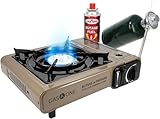
One emergency supply category people consistently underestimate is cooking fuel. Most households focus heavily on food itself while overlooking the systems required to actually prepare it once normal utilities stop functioning. During major blackouts, winter storms, infrastructure failures, or fuel disruptions, propane cylinders, butane canisters, camp stoves, portable heaters, firewood, and emergency cooking systems often disappear from stores extremely quickly.
The problem is that modern kitchens are heavily dependent on electricity even when people assume they are not. Electric stoves obviously fail during outages, but many gas appliances also rely on electric ignition systems, powered ventilation, or electronic controls that stop functioning once the grid goes down. Microwaves, air fryers, coffee makers, and electric ovens immediately become useless without backup power.
That leaves many households with food in the house but no dependable way to prepare it.
Once outages begin lasting longer than expected, panic buying rapidly shifts toward alternative cooking methods. Portable camp stoves, propane cylinders, charcoal, fire starters, butane fuel, and outdoor cooking equipment begin disappearing almost immediately. In colder regions, emergency heating products also become heavily targeted because families suddenly realize indoor temperatures may continue dropping for days.
Another issue is that people dramatically underestimate how much fuel they actually burn during emergencies. Cooking multiple meals per day, boiling water, making coffee, heating simple foods, or trying to warm living spaces consumes fuel much faster than most inexperienced households expect. Small propane cylinders that seem adequate during camping trips often disappear surprisingly quickly during real multi-day emergencies.
This becomes even more dangerous during winter outages where heating and cooking systems overlap. Families attempting to stay warm indoors may simultaneously burn through propane reserves for cooking, heating, and water preparation much faster than planned. Once stores sell out, replacement fuel can become difficult to locate for days or even weeks depending on supply chain conditions.
One reason these shortages escalate so quickly is because emergency cooking systems provide psychological stability in addition to practical survival value. The ability to make hot meals, boil water, prepare coffee, or warm food dramatically improves morale during stressful situations. Households without backup cooking systems often experience frustration and anxiety much earlier during outages because normal routines collapse faster.
Many prepared households solve this problem by building layered cooking and heating systems before emergencies occur. Portable stoves, propane reserves, fuel rotation, cast iron cookware, solar cooking options, and low-fuel meal planning all reduce dependency on fragile infrastructure during longer disruptions.
If you are building a blackout cooking setup, our How to Cook During a Power Outage guide breaks down realistic emergency cooking systems, fuel planning, indoor safety concerns, and common mistakes households make during outages.
Many households also overlook how difficult outdoor cooking becomes during severe weather itself. Heavy rain, snow, extreme heat, high winds, or wildfire smoke can make traditional cooking methods far less practical than expected. That is why alternative approaches covered in Campfire-Free Ways to Cook Your Meals This Summer become increasingly valuable during real infrastructure failures where conditions may already be dangerous outdoors.
Longer outages magnify these problems significantly because fuel availability often becomes increasingly unstable over time. Delivery systems slow down, gas stations struggle, propane refills become harder to find, and stores stop restocking emergency supplies consistently. That is exactly why planning beyond the first several days matters, especially for households preparing for extended scenarios like the ones covered in our Two-Week Power Outage Preparedness guide.
Once emergencies begin affecting both power and fuel availability simultaneously, households without backup cooking or heating systems often realize very quickly how dependent normal life is on stable infrastructure operating quietly in the background every single day.
9. Cash, ATMs, and Digital Payment Systems Become Unreliable Faster Than People Expect
One of the most overlooked emergency preparedness problems is how dependent modern society has become on electronic payment systems. Most people rarely carry significant cash anymore because debit cards, credit cards, digital wallets, banking apps, and online payment systems function so smoothly during normal conditions. The problem is that these systems depend entirely on electricity, internet infrastructure, communication networks, and operational financial systems remaining stable at all times.
During emergencies, that stability can disappear very quickly.
Power outages, cyberattacks, network failures, infrastructure damage, overloaded systems, and communication disruptions can all interfere with payment processing almost immediately. Stores may remain physically open while card readers stop functioning. ATMs may shut down completely once backup power systems fail or networks become overloaded. Banking apps can become inaccessible during communication disruptions or high traffic surges.
That leaves many households in a situation where they still have money in the bank but suddenly cannot access it easily.
Many people do not think seriously about this vulnerability until they encounter it firsthand during outages or severe storms. Long gas station lines, crowded grocery stores, evacuation traffic, and overloaded payment systems often develop simultaneously during the opening phase of major emergencies. Once systems begin slowing down, panic spreads quickly because people realize modern commerce depends heavily on invisible infrastructure operating continuously behind the scenes.
Another issue is that businesses themselves may struggle during payment disruptions. Smaller stores often cannot process cards without internet access. Some gas stations switch to cash-only operations. Restaurants may shut down entirely. Even stores with backup generators can experience communication failures that prevent transactions from processing correctly.
During larger disasters, ATM shortages can become severe because cash demand spikes suddenly while machines cannot be refilled quickly enough. Households trying to withdraw emergency funds often discover empty ATMs, transaction limits, or long lines forming almost immediately after outages begin spreading.
That is why many prepared households keep at least some emergency cash stored securely before crises develop. Cash itself does not solve every emergency problem, but it provides flexibility when digital systems become unreliable. Small bills are especially important because many businesses may struggle to provide change during outages or infrastructure disruptions.
Another overlooked problem is that financial instability often increases emotional panic during emergencies. People who cannot access money, fuel, food, or communication systems simultaneously tend to make rushed decisions driven by fear instead of planning. That stress compounds quickly once shortages, outages, and uncertainty begin overlapping together.
Digital dependency also creates serious risks during larger infrastructure failures where multiple systems begin collapsing at once. Power grids, communication networks, banking systems, supply chains, and transportation systems all depend heavily on each other to function properly. Once disruptions begin spreading between systems, recovery becomes increasingly difficult.
That interconnected vulnerability is exactly what we explored in What Happens When the Grid Goes Down, because large-scale outages affect far more than just lighting and convenience. Financial systems, communication infrastructure, transportation, fuel distribution, and emergency services all begin experiencing pressure simultaneously once outages become widespread.
Communication failures themselves also heavily affect banking and commerce. Payment systems rely on data transmission, network stability, and operational communication infrastructure to process transactions correctly. Once those systems begin degrading, even businesses with inventory available may struggle to continue operating normally. That is one reason the breakdown stages covered in our Communication Failure Timeline (0–72 Hours) become increasingly important during long-term preparedness planning.
Preparedness is not just about storing supplies. It is about understanding how deeply interconnected modern systems really are. Households that build backup plans before emergencies happen are usually far more stable once financial systems, communication networks, and infrastructure begin straining at the same time. That broader preparedness mindset is exactly why building layered systems through guides like our Emergency Preparedness Plan 2026 becomes increasingly important in a world that depends so heavily on uninterrupted infrastructure.
Once payment systems begin failing during emergencies, many people suddenly realize how fragile modern convenience actually is. By that point, preparation opportunities are usually already disappearing alongside the supplies themselves.

Why Waiting Until Shelves Empty Never Works
Every major emergency follows the same general pattern. At first, most people assume conditions will remain manageable. Warnings feel temporary. Store shelves still appear mostly full. Utilities continue functioning. Traffic moves normally. Phones still work. Because daily life has not fully broken down yet, many households convince themselves there is still plenty of time to prepare later.
Then the rush begins.
Once shortages become visible, panic buying spreads extremely fast because people stop thinking long term and start reacting emotionally. Water disappears. Batteries vanish. Fuel lines form. Grocery aisles empty. Pharmacies become crowded. Communication systems slow down. Stores begin limiting purchases. And by the time many families realize the situation is becoming serious, the supplies they intended to buy are already gone.
Preparedness is not really about stockpiling random gear or living in fear of disaster. Real preparedness is about reducing dependency before everyone else suddenly realizes they are dependent too.
Households that already have stored water, backup lighting, shelf-stable food, communication systems, medical supplies, fuel reserves, sanitation products, and emergency cooking capability usually experience emergencies very differently than households attempting to prepare during active shortages. They are not fighting crowds. They are not driving from store to store searching for supplies. They are not making rushed decisions based entirely on fear and uncertainty.
Instead, they already have systems in place.
That kind of stability becomes incredibly valuable once normal systems start breaking down.
Preparedness also creates time. When supplies are already available inside the home, families gain the ability to slow down, think clearly, monitor developing conditions, and make better decisions instead of reacting emotionally under pressure. During emergencies, calm decision-making becomes one of the most valuable survival advantages a household can have.
Another important reality is that modern shortages often spread faster now than they did in previous decades. Social media, viral news coverage, panic-driven headlines, and instant communication cause buying behavior to accelerate rapidly once uncertainty appears. Entire regions can begin clearing shelves within hours after major warnings are announced.
Waiting until shortages become obvious usually means competing with everyone else at the worst possible time.
The good news is that effective preparedness does not require building everything overnight. Most resilient households build emergency systems gradually over time. Extra water storage. Backup lighting. Shelf-stable food. Medical supplies. Alternative cooking methods. Communication redundancy. Fuel planning. Small improvements added consistently create far more long-term stability than last-minute panic buying ever will.
If you are still building your overall preparedness system, our Emergency Preparedness Plan 2026 is the best place to start because it breaks down the core systems most households rely on without realizing how fragile they actually are.
Understanding how quickly shortages begin is also why learning the realities covered in First 72 Hours After a Disaster matters so much. The opening phase of an emergency is usually where confusion, panic buying, infrastructure strain, and supply shortages hit hardest.
And if you want a deeper breakdown of how supply shortages spread during outages specifically, our What Runs Out First in a Blackout guide expands even further on the chain reactions that develop once stores, utilities, fuel systems, and communication networks begin failing together.
The reality is simple. Most emergency supplies do not disappear slowly.
They disappear the moment millions of people suddenly realize they need the exact same things at the exact same time.
That is why the best time to prepare is always before shelves start emptying.