How Fast Society Changes During a Long-Term Power Outage
When a long-term power outage begins, most people assume electricity will return within a few hours. They check the utility outage map, charge their phones in the car, and continue with their normal routines. During this early stage, stores may remain open, cellular service may still work, and traffic continues moving.
This post contains affiliate links. I may earn a small commission at no extra cost to you. Learn more.
The situation changes when restoration estimates disappear, refrigerated food starts warming, fuel becomes harder to find, and communication systems grow less reliable. A blackout that initially felt inconvenient begins affecting water, food, transportation, banking, medical care, sanitation, and public safety.
These problems do not appear everywhere at the same time. A rural community with private wells and long travel distances faces different pressures than an apartment building with elevators and electric water pumps. Weather, population density, local fuel supplies, emergency services, and the cause of the outage all influence how quickly conditions deteriorate.
Still, most prolonged outages follow a recognizable pattern. The first several hours bring confusion and increased demand. After the first day, food safety and communication become serious concerns. Around the third day, shortages and exhaustion begin affecting decisions. If the outage lasts a week or longer, households must operate with limited fuel, unreliable services, and fewer outside resources.
Understanding that progression helps you act while useful options are still available. The goal is not to predict the exact hour that each system will fail. It is to recognize the warning signs early enough to protect your household before conditions become harder to manage.
Quick Answer
Society usually does not break down immediately during a long-term power outage. Conditions change in layers as backup batteries expire, refrigerated food becomes unsafe, stores lose inventory, fuel supplies tighten, and communication becomes unreliable. The first 24 hours offer the best opportunity to gather information, secure water, preserve food, charge essential devices, and decide whether your home can remain safe. After 72 hours, shortages, fatigue, sanitation problems, and limited emergency response can make even routine tasks more difficult.
Long-Term Power Outage Timeline at a Glance
| Time Without Power | What May Be Happening | Household Priority |
|---|---|---|
| First several hours | Confusion, traffic problems, crowded stores and gas stations, and heavy phone use | Confirm the outage, gather information, charge devices, fill safe containers with water, and avoid unnecessary travel. |
| 6–24 hours | Refrigerators warm, some businesses close, card systems become unreliable, and cellular networks slow down | Protect food, conserve batteries and fuel, prepare safe lighting, and establish a family communication schedule. |
| 24–72 hours | Food spoilage increases, popular supplies disappear, fuel availability declines, and fatigue grows | Move to shelf-stable meals, track water use, limit generator operation, and monitor local conditions. |
| Three days to one week | Some backup systems fail, sanitation becomes harder, and pharmacies and emergency services face added pressure | Protect health and sanitation, keep a low profile, help trusted neighbors, and review evacuation triggers. |
| Beyond one week | Restocking becomes difficult, transportation is limited, medical needs grow, and conditions vary widely | Follow a written supply plan and relocate if your home can no longer provide safe water, temperature control, medical support, or security. |
This timeline is a planning guide rather than a guaranteed schedule. A localized outage with functioning roads and nearby utilities may remain manageable for days. A widespread outage during extreme heat, freezing weather, flooding, or civil disruption can become dangerous much sooner.
Key Takeaways
- A long-term blackout affects far more than household lighting.
- The first several hours provide the best opportunity to secure water, information, food, fuel, and communication.
- Conditions depend heavily on weather, location, population density, and the size of the affected area.
- After 24 to 72 hours, food safety, fatigue, shortages, and sanitation become increasingly important.
- A written household plan helps prevent wasteful and emotional decisions.
- Leaving should be based on clear safety triggers, including unsafe temperatures, loss of water, medical needs, fire, flooding, or a credible security threat.
The First Several Hours
During the first several hours of a widespread power outage, the biggest problem is uncertainty. Most households do not know whether the outage affects one neighborhood, an entire city, or several states. Utility websites may be slow, restoration estimates may change, and social media quickly fills with unconfirmed reports.
Normal activity often continues during this period. Roads remain busy, some stores operate with emergency lighting, and cellular service may still work. This temporary appearance of normalcy can cause people to wait when they should be checking supplies, preserving phone power, and preparing for the possibility that the outage will continue overnight.
Begin by checking for immediate hazards. Look for downed power lines, fire, storm damage, flooding, unusual odors, or electrical damage inside the home. If the problem appears limited to your house, check the main breaker without touching wet equipment or damaged wiring. Report the outage to the utility and use official local sources to learn how widespread it is.
Your detailed plan for this opening stage is covered in The First 24 Hours of a Blackout.
Stores and Gas Stations Become Crowded
Once residents realize an outage is widespread, grocery stores and gas stations can become crowded quickly. Many drivers top off their vehicles, while shoppers look for bottled water, batteries, ice, flashlights, propane, canned food, and other basic supplies.
Fuel availability depends on more than the amount of gasoline stored at a station. Pumps, payment terminals, inventory systems, and underground tank controls all require electricity. A station with backup power may continue operating, but increased demand can produce long lines and exhaust its available fuel.
Avoid joining the rush unless your household lacks something essential. Heavy traffic, dead signals, crowded parking lots, and uncertain fuel availability can turn a simple supply trip into an unnecessary risk. If you already have adequate supplies, staying home gives you time to assess the situation and organize what you have.
If gasoline is part of your emergency plan, review how to store gasoline safely for emergencies. Store only approved quantities in proper containers and follow local fire codes.
Communication May Become Unreliable
Cellular service does not always disappear when grid power fails. Many towers and network facilities have backup power, but performance can still decline as call volume increases and batteries or generators are depleted. Calls may fail while text messages continue working, and mobile data may become slow or intermittent.
Send a short message to your household contacts while service is available. State where you are, whether you are safe, and when you will check in again. Short text messages generally place less demand on a congested network than repeated calls or video messages.
Save phone power by lowering screen brightness, turning on battery-saving mode, closing unnecessary applications, and avoiding streaming. Write down essential phone numbers and local radio frequencies in case you cannot access stored contacts later.
Your household should also have an agreed meeting location and an out-of-area contact. The guide to communicating when phones fail explains practical backup options, including radios and scheduled check-ins.
Water Needs Attention Early
Tap water may continue flowing during an electrical outage, especially where water systems have generators, elevated storage tanks, or gravity-fed distribution. That does not guarantee service will remain available. Private wells usually stop pumping unless the property has backup power, and municipal systems can lose pumping or treatment capacity during a prolonged regional outage.
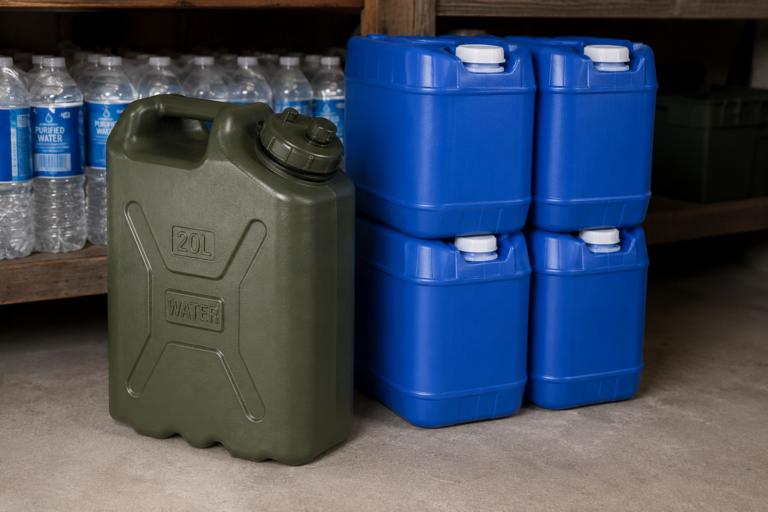
If local authorities have not issued a contamination warning and water is still running normally, fill clean food-grade containers for drinking, cooking, medication, and basic hygiene. Do not use bathtubs, chemical containers, trash cans, or containers that previously held unsafe substances for drinking water.
Stored drinking water gives your household a buffer if pressure drops or a boil-water notice is issued. It also reduces the need to leave home searching for bottled water after stores become crowded.
Protect Refrigerated Food Before It Warms
Keep refrigerator and freezer doors closed. Do not repeatedly open them to see whether food still feels cold. Each opening releases cold air and shortens the useful storage time.
Make a quick written list of important refrigerated items instead. Identify food that should be eaten first, food that can be cooked safely if the outage continues, and frozen items that need to remain undisturbed. Place an appliance thermometer inside if one is not already there.
A refrigerator generally keeps food cold for only a limited period without power, while a full, unopened freezer holds its temperature longer. Actual conditions depend on the appliance, room temperature, how full it is, and how often the door is opened. Use measured food temperatures rather than appearance, smell, or guesswork when deciding what remains safe.
What to Do During the First Several Hours
- Check for fire, flooding, downed lines, and electrical damage.
- Report the outage and monitor official local information.
- Charge essential devices while backup power is available.
- Send one short household status message and establish the next check-in time.
- Fill clean water containers if service remains safe and available.
- Keep refrigerator and freezer doors closed.
- Locate flashlights, medications, first-aid supplies, and battery-powered radios before dark.
- Record the amount of water, food, fuel, batteries, and cash currently available.
- Avoid unnecessary driving and crowded stores.
The purpose of these early actions is to preserve choices. If electricity returns quickly, you have simply organized your household. If it remains off, you enter the first night with protected food, stored water, charged devices, and a clearer understanding of your available supplies.
After 24 Hours Without Power
Once an outage passes the 24-hour mark, it no longer feels temporary. Utility crews may still be working, but households must begin planning as if electricity could remain unavailable for several more days.
The first night often reveals problems that were easy to overlook during daylight. Homes become too hot or too cold, exterior lighting disappears, phone batteries run low, and familiar background noise is replaced by generators, sirens, and unfamiliar activity. Poor sleep and limited information can make the second day feel more difficult than the first.
At this stage, focus on preserving safe food, controlling water and fuel use, maintaining communication, and establishing a household routine. Constantly reacting to new information wastes energy and supplies. A simple written schedule for meals, generator use, radio checks, medication, and family check-ins creates stability.
Refrigerated Food Requires a Decision
Food safety becomes one of the first serious household concerns. According to the USDA, an unopened refrigerator generally keeps food safely cold for about four hours. A full freezer can hold a safe temperature for approximately 48 hours, while a half-full freezer may hold it for about 24 hours if the door remains closed.
These time estimates are useful, but temperature provides the best evidence. Perishable food that has remained above 40°F for more than two hours may be unsafe. Do not taste food to determine whether it is safe, and do not rely on smell or appearance because harmful bacteria may be present without obvious signs.
Use food in a planned order. Begin with safe refrigerated items that will spoil first, followed by thawing frozen food. Save canned goods, dry staples, and other shelf-stable food for later. If you have a cooler and enough ice to keep food at 40°F or colder, move only the items you expect to use soon.
For a complete pantry plan, see how much emergency food a family should store.
Food Safety Warning
When in doubt, throw questionable food away. Never run a generator, propane stove, charcoal grill, or other fuel-burning appliance inside a home, garage, basement, shed, or enclosed porch. Carbon monoxide can accumulate without warning and become deadly.
Cash and Payment Problems Become More Noticeable
Some stores may reopen using generators, but that does not mean every part of the business will function. Internet service, card authorization, inventory systems, refrigeration, and fuel pumps can fail independently. A store may have lights while accepting cash only, or it may close because it cannot safely process sales.
ATMs also depend on electricity and communication networks. Even a working machine may run out of cash during unusually high demand. Banks may shorten operating hours or remain closed until their security and computer systems are stable.
Use emergency cash carefully. Small bills are more useful than large denominations because stores may have limited change. Keep money concealed and avoid discussing how much cash or supplies your household has.
If you have not established a reserve, the guide to how much emergency cash to keep at home explains how to choose a practical amount.
Communication Problems Increase Uncertainty
Communication may become less reliable as the outage continues. Some cell sites remain operational on batteries or generators, while others lose service. Network congestion, damaged lines, exhausted backup power, and interruptions farther upstream can all affect calls and internet access.
Check information at scheduled times instead of constantly refreshing applications. Listen to local radio, review official utility updates when available, and compare important claims with more than one reliable source. Avoid sharing reports that cannot be confirmed.
Use short text messages for routine check-ins. Tell family members when you will communicate again so everyone does not drain phone batteries attempting repeated calls. If someone misses a scheduled check-in, follow the backup steps in your family communication plan.
The communication failure timeline explains what may happen to phones and networks during the first 72 hours.
The First Night Changes Household Behavior
Darkness changes how a neighborhood feels. Traffic signals and streetlights may remain off, businesses close earlier, and people spend more time outside looking for information or relief from uncomfortable homes. None of this automatically means the area is unsafe, but reduced visibility increases the risk of accidents, theft, and misunderstandings.
Bring loose equipment, extension cords, fuel containers, and valuable tools out of sight. Lock vehicles, sheds, windows, and exterior doors. Use curtains or blinds to limit visibility into the home after dark. Outdoor lighting can improve safety around entrances, but excessive lighting or continuous generator noise may advertise that your household has power and fuel.
Assign every flashlight a location and avoid leaving candles unattended. Headlamps are useful because they keep both hands free while cooking, checking equipment, or assisting children.
Prepared Households Begin Conserving
A household that expects restoration at any moment tends to use supplies normally. A household preparing for several more days starts measuring them. The difference becomes significant by the third day.
Record how much drinking water, shelf-stable food, generator fuel, medication, battery capacity, cash, and sanitation material you have. Estimate daily use and divide the available amount across several days. This does not require severe rationing when supplies are adequate. It prevents accidental waste before the length of the outage is known.
- Water: Separate drinking and cooking water from water intended for cleaning or toilet use.
- Fuel: Run a generator only during planned periods for essential loads rather than continuously.
- Battery power: Charge necessary devices together and disconnect equipment that does not need to remain on.
- Food: Plan meals around what must be used first and avoid cooking more than the household can safely eat.
- Information: Check official updates on a schedule instead of keeping phones and radios running constantly.
- Lighting: Light occupied areas and use headlamps for movement rather than illuminating the entire house.
Conservation buys time. It also gives your household room to respond if the outage lasts longer than expected, a family member becomes ill, or local supplies remain unavailable.
After 72 Hours Without Power
After three days, the condition of a community depends heavily on the size of the outage and what remains operational nearby. A neighborhood outage surrounded by working towns may still receive fuel, food, emergency assistance, and utility crews. A regional outage affecting roads, communications, water systems, and distribution centers creates much greater pressure.
This is why 72 hours should be treated as a decision point rather than a guaranteed collapse point. Reassess your household, available supplies, weather, medical needs, neighborhood conditions, and access to reliable information. Plans made on the first day may need to change.
The detailed First 72 Hours After a Disaster guide explains the actions households should take during this critical period.
Shortages Become Easier to See
By the third day, stores that stayed open may have limited bottled water, ice, batteries, propane, canned food, infant supplies, and common medications. Gas stations with power may face long lines or purchase limits. Deliveries can also be delayed when warehouses, payment systems, traffic controls, or fuel distribution are affected.
A shortage at one store does not mean the entire supply chain has failed. It does mean your household should stop depending on daily shopping. Repeated trips waste fuel, expose you to traffic and crowds, and may return little of value.
Take a complete inventory before leaving home. Write down exactly what is essential, call ahead when possible, and combine necessary trips. If trusted neighbors are checking the same locations, share confirmed information and avoid duplicating travel.
Fatigue Begins Affecting Decisions
Three nights of poor sleep can reduce patience and make ordinary problems feel more serious. Heat, cold, generator noise, darkness, worried children, interrupted routines, and the lack of reliable information all add strain.
Fatigue can lead to dangerous mistakes, including mishandling fuel, forgetting medication, leaving cooking equipment unattended, driving while exhausted, or arguing over minor decisions. Establishing a basic routine helps prevent these errors.
- Set regular times for meals, medication, radio checks, and generator operation.
- Give each adult a protected period for uninterrupted rest.
- Keep children on a familiar schedule when conditions allow.
- Write down important information instead of relying on memory.
- Delay nonessential decisions when everyone is tired or upset.
Temperature control deserves special attention. A home that becomes dangerously hot or cold is more than uncomfortable. Children, older adults, and people with certain medical conditions may need to relocate before other household members.
Neighborhood Conditions May Change
People become more aware of what others have after several days. Generator noise, extension cords, exterior lights, cooking smells, and frequent deliveries can reveal which homes have fuel, food, or backup power.
Most neighbors will remain cooperative, and mutual assistance can make an outage easier for everyone. A trusted neighborhood can share information, check on vulnerable residents, watch unattended homes, and combine limited equipment. At the same time, supplies should be handled discreetly.
Keep fuel and valuable equipment secured and out of sight. Avoid posting inventories or generator use on social media. Do not tell unfamiliar people how much food, cash, water, or power equipment you have. Helping someone with an immediate need does not require revealing your entire supply.
Watch for specific changes rather than assuming every unfamiliar sound signals danger. Useful warning signs include repeated theft, forced entry, threats, fires, uncontrolled crowds, or emergency officials advising residents to leave.
Generators Require Tighter Control
Generator fuel often becomes harder to replace during an extended outage. A generator that runs continuously may consume most of a household’s stored fuel before the outage reaches the end of the week.
Use backup power for defined priorities such as refrigeration, medical equipment, water pumping, communication, and limited battery charging. Group electrical needs into scheduled generator sessions when possible. This reduces fuel use, noise, maintenance, and the amount of time equipment remains unattended.
Check oil, ventilation, extension cords, and electrical loads according to the manufacturer’s instructions. Allow the generator to cool before refueling. Keep it outdoors and well away from windows, doors, vents, garages, and enclosed spaces.
If you need to calculate a longer-term fuel reserve, use the guide to how much fuel is needed for a two-week blackout.
Communication Gaps Increase the Risk of Bad Decisions
When reliable updates become scarce, people often fill the gaps with assumptions. A delayed utility update may be treated as proof that repairs have stopped. An empty store may become a rumor that no more deliveries are coming. A temporary loss of cellular service may be mistaken for a complete communications failure.
Base major decisions on conditions you can confirm. Use a battery-powered radio, official emergency alerts, utility information, and direct reports from trusted local contacts. Record the time and source of each important update because old information is often repeated as if it were new.
Establish specific check-in windows with family members. Leaving a phone on continuously or repeatedly attempting calls drains batteries without guaranteeing contact. Scheduled communication also makes a missed check-in easier to recognize.
Small Problems Can Compound
Extended outages become difficult because several manageable problems begin interacting. Limited fuel restricts travel and generator use. Reduced generator use affects refrigeration and well pumps. Water shortages make cooking and sanitation harder. Poor sanitation increases illness risk. A minor illness then consumes more water, medication, and household attention.
Review the household as a connected system:
- Can everyone obtain enough safe drinking water?
- Can necessary medications and medical devices be maintained?
- Can the home remain within a safe temperature range?
- Can food be prepared without creating a fire or carbon monoxide hazard?
- Can toilets, trash, handwashing, and wastewater be managed safely?
- Can you receive reliable information and contact help?
- Is the property still physically secure?
- Do you have enough fuel or transportation to leave later if necessary?
The 72-Hour Household Check
At the end of the third day, count your remaining water, food, medication, fuel, and usable battery capacity. Compare those supplies with the household’s actual daily use. Then decide whether staying remains safe for at least another 48 hours. If water, temperature control, medical support, sanitation, or security is already failing, begin acting on your relocation plan before roads and fuel conditions become worse.
This assessment helps you act before dwindling supplies turn an orderly relocation into an emergency evacuation.
After One Week Without Power
After a full week, a widespread outage requires a different kind of household management. Temporary solutions may be wearing out, stored supplies are lower, and replacement items can be difficult to obtain. Families who expected the outage to end quickly must now decide whether their home can support another week without normal services.
Some communities may have working water, open stores, and regular emergency response even though homes remain without electricity. Other areas may be dealing with damaged roads, failing communications, fuel shortages, unsafe temperatures, or disrupted water service. Judge the situation by confirmed local conditions rather than a fixed timeline.
The two-week power outage guide explains how to prepare when an outage moves beyond the short-term emergency stage.
Fuel Becomes a Limiting Resource
By the end of the first week, many households have used more fuel than expected. Generators consume fuel every day, while vehicles may be used for charging devices, searching for supplies, checking on relatives, or traveling to work. Even when nearby gas stations reopen, long lines or purchase limits can make resupply uncertain.
Calculate how many gallons remain and how quickly they are being used. Do not estimate by looking at the containers. Record generator run time and measure actual fuel use. This shows whether your current schedule can continue or must be reduced.
Reserve vehicle fuel for necessary travel and possible evacuation. A household should not consume its final transportation reserve to keep nonessential appliances running.
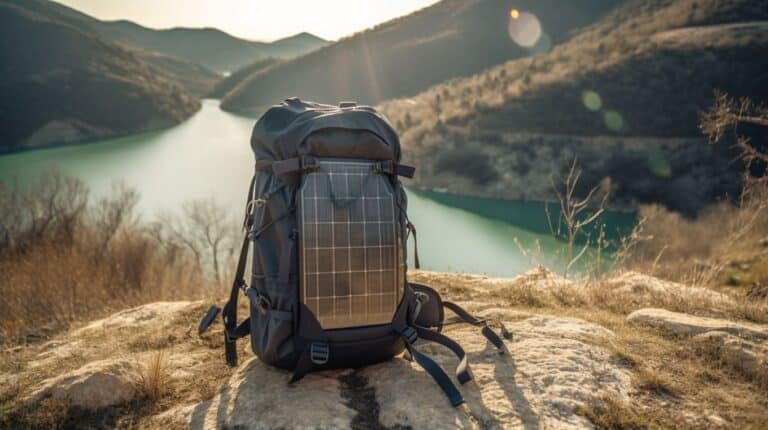
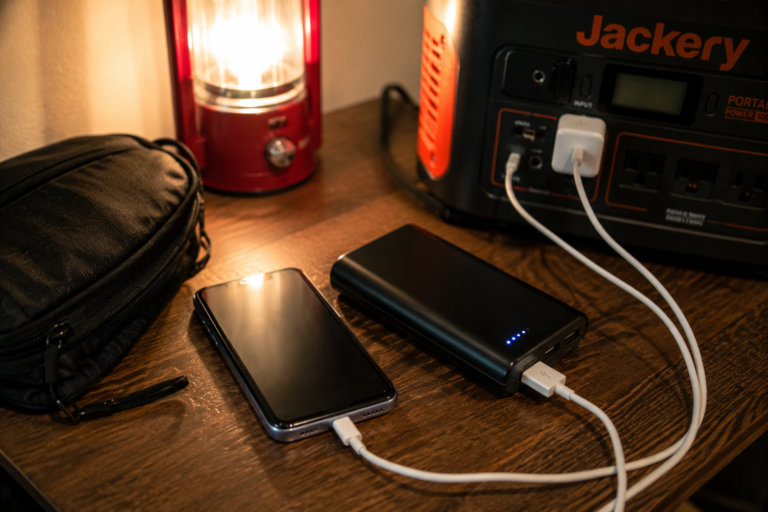
Solar panels and portable power stations can reduce generator use, but their output depends on panel size, weather, shade, battery capacity, and electrical demand. Small solar systems are useful for phones, radios, lights, and other low-power devices. Refrigerators, well pumps, heating equipment, and air conditioners require much more careful planning.
Water and Sanitation Become Closely Connected
If water service remains safe and reliable, sanitation may still be manageable. If pressure has fallen, a boil-water notice is active, or a private well cannot operate, every gallon must be assigned a purpose.
Drinking, medication, and essential cooking receive first priority. Water used for handwashing, dish cleaning, bathing, laundry, and toilet flushing must be controlled separately. Never assume water from a swimming pool, rain barrel, creek, or questionable container is safe to drink without appropriate treatment.
Trash and food waste should be sealed and moved away from living and food-preparation areas. Clean food-contact surfaces, wash hands before preparing meals, and prevent insects and animals from reaching waste. If toilets cannot flush, establish a backup sanitation method before waste begins accumulating indoors.
Sanitation failures rarely begin as dramatic emergencies. They develop through overflowing trash, poor handwashing, spoiled food, contaminated surfaces, and the inability to dispose of human waste properly. Addressing these problems early protects the household’s health and makes the home more livable.
Medical Needs May Determine Whether You Can Stay
After a week, medication and medical equipment require careful review. Prescription supplies may be running low, pharmacies may have reduced hours, and electronic prescription systems may be unavailable. Temperature-sensitive medicine may also require refrigeration that the household can no longer support reliably.
Count every essential dose and contact the prescribing provider or pharmacy while communication remains available. Follow professional instructions for storing temperature-sensitive medication. Do not change a prescribed dose or substitute another person’s medication to make supplies last longer.
People who depend on oxygen concentrators, powered mobility equipment, CPAP machines, refrigerated medication, or other electrical medical devices need a dependable power and relocation plan. If the backup system cannot support the equipment safely, relocate before the remaining battery or fuel is exhausted.
Medical Relocation Trigger
Do not wait for essential medicine, oxygen, battery power, or safe temperature control to run out. If a household member’s health depends on a system you can no longer maintain, contact local emergency management, the healthcare provider, or an appropriate shelter and relocate while transportation remains available.
Emergency Services May Take Longer to Respond
Police, fire departments, ambulance services, hospitals, public works crews, and utility workers may remain operational throughout an outage. However, a large regional emergency can increase call volume while traffic signals, communications, fuel access, and damaged roads slow response.
Households should reduce avoidable risks. Use fuel-burning equipment correctly, keep exits clear, maintain working battery-powered smoke and carbon monoxide alarms, and avoid unnecessary driving. Treat minor injuries promptly and keep emergency contact information written on paper.
Call emergency services for genuine emergencies. For outage updates, shelter locations, supply distribution, and nonurgent assistance, use local emergency-management announcements or designated community information lines when available.
Some Households Begin Relocating
Leaving after a week does not mean the household failed to prepare. Relocation may be the safest decision when the home can no longer provide water, safe temperatures, medical support, sanitation, or physical security.
Whenever possible, choose a confirmed destination before departing. Verify that the route is open, the destination has power or necessary services, and everyone in the household can be accommodated. Take identification, medication, water, food, clothing, chargers, cash, important documents, and supplies for children or pets.
Tell a trusted contact where you are going and the route you intend to use. Secure the home, shut down equipment safely, and avoid posting publicly that the property will be empty.
Conditions that may justify leaving include:
- Indoor heat or cold that threatens health
- No reliable source of safe drinking water
- An essential medical need that cannot be supported at home
- Fire, flooding, structural damage, or hazardous-material exposure
- Sanitation conditions that cannot be managed safely
- A credible security threat or official evacuation order
- Insufficient transportation fuel to remain and still leave later
If the home remains structurally safe, water and sanitation are manageable, medical needs are covered, and the neighborhood is stable, staying may still be the safer option. Unnecessary travel can expose a family to blocked roads, fuel shortages, severe weather, and uncertain accommodations.
Communities Adapt Unevenly
A week without electricity does not produce one universal outcome. Some neighborhoods organize welfare checks, share equipment, distribute meals, and exchange reliable information. Local businesses may reopen with generators, utilities may restore portions of the system, and outside assistance may begin arriving.
Other communities recover more slowly because the outage covers a larger area or involves severe physical damage. Rural roads may remain blocked, apartment buildings may lack elevators or water pressure, and isolated households may have difficulty reaching assistance.
Modern society depends on connected systems, so one failure can place pressure on several others. Electricity supports fuel pumps, refrigeration, communications, banking, water treatment, traffic control, and supply distribution. As backup systems and stored supplies are depleted, the effects become more visible.
This is usually a gradual process. Individual services fail, recover, or operate at reduced capacity at different times. Prepared households watch those changes closely and adjust before a manageable problem becomes an immediate crisis.
What Determines How Quickly Conditions Deteriorate?
The length of an outage matters, but it is only one part of the risk. Two communities can remain without electricity for the same number of days and experience completely different conditions. A household should evaluate the cause, geographic reach, weather, available infrastructure, and local recovery efforts together.
The Size of the Affected Area
A small outage is usually surrounded by working infrastructure. Residents may be able to drive a few miles for fuel, food, ice, cellular service, medical care, or temporary lodging. Utility crews can also concentrate resources in a limited area.
A regional outage removes many of those options. Nearby stores, gas stations, hotels, banks, and pharmacies may be affected at the same time. Repair crews must cover more territory, supply deliveries travel farther, and working businesses receive customers from several communities.
Before making a supply trip or relocation decision, determine how far the outage extends. A working location nearby can relieve pressure. If the nearest functioning services are several hours away, fuel and travel conditions become much more important.
The Cause of the Outage
An outage caused by a failed transformer may have a relatively clear repair path. A hurricane, tornado outbreak, ice storm, wildfire, flood, cyber incident, or widespread equipment failure can damage several systems at once.
Physical damage often slows recovery because crews must clear roads, remove hazards, replace equipment, inspect lines, and restore major infrastructure before individual homes receive power. Flooding and wildfire may also prevent residents from remaining safely on their property even if they have adequate supplies.
Pay attention to what caused the outage and whether the danger is continuing. Electricity is only one concern during an active storm, rising floodwater, extreme heat, or spreading fire.
Weather and Indoor Temperature
Moderate weather gives households more time. Extreme heat or freezing temperatures can make a home unsafe long before stored food and water run out.
During hot weather, indoor temperatures may continue rising after sunset, especially in upper-floor apartments, mobile homes, and houses with limited shade or ventilation. Dehydration, heat exhaustion, and heat-related illness can develop quickly among children, older adults, and people with certain medical conditions.
During freezing weather, homes lose heat at different rates based on insulation, wind, outdoor temperature, and construction. Water pipes may freeze, and unsafe attempts to heat the home can create fire or carbon monoxide hazards.
Set a temperature threshold for relocation before the outage. Waiting until someone shows signs of heat illness or hypothermia leaves less time to travel safely.
Water Infrastructure
Water availability often determines how long a household can remain at home. Municipal systems may continue operating with generators, storage tanks, and gravity-fed pressure, but a prolonged outage can affect pumping, treatment, monitoring, and wastewater systems.
Homes with private wells generally need electricity to pump water. A large stored-water reserve helps, but drinking, cooking, medication, hygiene, and sanitation consume more water than many households expect.
Monitor water pressure, color, odor, and official notices. A faucet that still runs does not prove the water is safe. Follow boil-water and do-not-use instructions exactly when issued.
Transportation and Fuel Access
Road conditions affect almost every part of recovery. Utility crews, ambulances, supply trucks, fuel deliveries, and residents all need passable routes. Fallen trees, floodwater, ice, debris, and dead traffic signals can slow movement even where fuel remains available.
A vehicle with a full tank gives the household options. It can support evacuation, medical travel, supply collection, or temporary charging. Unnecessary driving reduces that margin.
Keep enough fuel reserved to reach a confirmed destination. The distance your vehicle normally travels on a full tank may be reduced by detours, idling, congestion, extreme temperatures, or carrying additional weight.
Household Health and Dependence on Electricity
An outage that is manageable for one family may be dangerous for another. Medical equipment, refrigerated medication, mobility limitations, pregnancy, very young children, and older adults can shorten the safe period at home.
Evaluate the household’s most vulnerable person first. Backup power should be sized around essential medical and safety needs before refrigeration, entertainment, or general convenience.
Pets and livestock also affect the plan. Animals require water, temperature protection, feed, ventilation, and safe containment. A relocation destination must be able to accept them, or a separate care arrangement must be established.
How Location Changes the Blackout Experience
Long-term outages create different problems in urban, suburban, and rural settings. Your plan should reflect the systems your household actually depends on rather than a general preparedness checklist.
Urban and Apartment Settings
Dense neighborhoods may have nearby hospitals, shelters, public transportation, and emergency resources. They also contain more people competing for limited stores, fuel, charging locations, and assistance.
Apartment residents may lose elevators, electronic entry systems, hallway lighting, ventilation, and water pressure. Carrying water and supplies up several flights of stairs becomes difficult, especially for residents with mobility limitations.
Generators and fuel-burning cooking equipment are generally unsuitable for apartments because residents may have no safe outdoor operating location. Battery power, safe lighting, stored water, shelf-stable food, and an early relocation plan become especially important.
See the complete guide to apartment blackout survival for problems specific to multi-unit buildings.
Suburban Settings
Suburban households often have more storage space and may be able to operate generators outdoors safely. Garages, sheds, yards, and driveways can support water containers, fuel storage, solar panels, cooking equipment, and sanitation backups.
However, suburbs remain dependent on fuel, municipal water, grocery distribution, and passable roads. Generator noise and exterior lighting are also easy to notice in closely spaced neighborhoods.
Coordination with trusted neighbors can improve security and reduce wasted travel. One person can check an open store while another monitors local radio or assists a vulnerable resident. Clear boundaries around fuel, equipment, and household supplies help prevent misunderstandings.
Rural Settings
Rural households may have wells, septic systems, livestock, gardens, wood heat, larger fuel reserves, and more room for backup equipment. These resources can support a longer period of self-reliance when they are properly maintained.
Distance creates the main weakness. Fuel, medical care, utility crews, pharmacies, and replacement parts may be farther away. A private well is useful only if the household can power the pump or retrieve water another way. Livestock can also consume large quantities of water every day.
Rural residents should keep vehicles fueled, clear access roads when safe, store critical repair parts, and maintain more than one method of communication. Someone should know the household’s location and when to initiate a welfare check if contact is lost.
Use Your Actual Location to Build the Plan
Write down the systems your household depends on for water, heat, cooling, cooking, communication, transportation, medical care, and sanitation. Identify which ones stop immediately when electricity fails, which have backup power, and which can operate manually. That list will reveal the weak points that require attention first.
What Prepared Households Do at Each Stage
Prepared households do not need to predict exactly how long an outage will last. They respond to the conditions in front of them while protecting enough supplies and transportation capacity for the next stage.
The most useful plans are built around water, food, temperature control, medical needs, communication, sanitation, and transportation. Equipment matters, but it must support one of those essential systems.
Before the First Night
Prepare the home for safe movement after dark. Place flashlights or headlamps in bedrooms, bathrooms, the kitchen, and near exits. Remove tripping hazards from hallways and stairs. Lock doors, windows, vehicles, sheds, and fuel storage areas.
Choose one primary living area so you do not need to light or heat the entire house. Gather water, medications, communication equipment, and first-aid supplies in locations everyone can find.
If a generator will be used, position it outdoors according to the manufacturer’s instructions and well away from doors, windows, vents, garages, and other enclosed spaces. Test carbon monoxide and smoke alarms before settling in for the night.
After 72 Hours
At the three-day point, calculate how long the remaining supplies will last at the household’s current rate of use. If the answer is unclear, measure consumption for the next 24 hours rather than guessing.
Check whether local conditions are improving. Signs of recovery may include reliable utility updates, restored traffic signals, reopened stores, stable water pressure, regular fuel deliveries, and working cellular service. Worsening conditions may include unsafe temperatures, declining water pressure, closed pharmacies, blocked roads, repeated theft, or the loss of reliable information.
Contact vulnerable relatives and trusted neighbors when communication permits. Sharing verified information can save fuel and reduce unnecessary trips. Keep the details of your household inventory private.
This is also the time to review the evacuation plan. Confirm the destination, route, vehicle fuel, medications, documents, pet arrangements, and conditions that would cause the household to leave.
After One Week
After a week, temporary workarounds require replacement with sustainable routines. Generator use must match the remaining fuel supply. Drinking-water use must reflect the amount still available and whether resupply is dependable. Medication and sanitation supplies need the same review.
Inspect equipment daily. Check generator oil, extension cords, solar connections, batteries, water containers, coolers, cooking equipment, smoke alarms, and carbon monoxide alarms. Small equipment problems become more serious when stores and repair services are unavailable.
Households remaining at home should reassess safety every day. A decision to stay on Day 3 does not automatically remain correct on Day 8. Weather, health, water, security, and transportation conditions can change.
They Build Backup Options for Essential Systems
Every essential need should have more than one workable solution. A single piece of equipment can fail, run out of fuel, become damaged, or prove too small for the job.
- Water: Stored drinking water, filtration, and a known resupply source
- Cooking: Shelf-stable food that requires no cooking plus a safe outdoor cooking method
- Lighting: Rechargeable lights, replaceable-battery lights, and headlamps
- Communication: Mobile phones, battery-powered radio, written contacts, and a meeting plan
- Power: Battery storage, generator capacity, solar charging, or another system appropriate for the household
- Temperature: Seasonal sheltering supplies and a confirmed relocation destination
- Sanitation: Working plumbing when available and a safe backup toilet and waste-disposal plan
The Preparedness Calculators can help estimate water, food, generator fuel, battery runtime, and solar charging needs before an outage occurs.
They Keep Written Records
A notebook becomes extremely useful when phones are unavailable or batteries are being conserved. Record utility updates, weather information, household check-ins, medication times, generator hours, fuel use, water use, food temperatures, and important phone numbers.
Written records prevent confusion between household members and make trends easier to see. If daily fuel use is increasing or water pressure is declining, the household can adjust before the problem becomes urgent.
Daily Blackout Planning Check
- Is everyone in the household safe and medically stable?
- How much drinking water remains?
- Which food must be used today?
- How much generator and vehicle fuel remains?
- Are phones, radios, lights, and medical equipment adequately charged?
- Are toilets, trash, and handwashing being managed safely?
- Are local conditions improving, stable, or getting worse?
- Can the household still leave safely if conditions change tomorrow?
Preparedness gives a household time to make deliberate decisions. Stored supplies reduce unnecessary travel, backup systems keep essential needs functioning, and a written plan helps everyone respond consistently as conditions change.
Warning Signs That It Is Time to Leave
Staying home usually provides the greatest control over shelter, food, water, equipment, and security. That advantage disappears when the home can no longer protect the people inside it.
The decision to leave should be based on specific conditions established before the household is exhausted or frightened. A clear trigger prevents everyone from debating the same question while roads, weather, fuel availability, or health conditions continue getting worse.
Follow Official Evacuation Orders
Leave when local authorities issue a mandatory evacuation order. Emergency officials may have information about fire movement, flood projections, hazardous materials, damaged infrastructure, or road closures that is not yet visible from your property.
Do not wait until you can personally see the danger. By that point, traffic may be congested and familiar routes may already be closed.
Leave When the Home Is Physically Unsafe
Power loss alone does not normally require evacuation. Structural damage and active hazards do.
Leave if the home has serious storm damage, fire, rising floodwater, a gas leak, exposed electrical hazards, toxic smoke, chemical contamination, or another condition that cannot be controlled safely. Move away from downed power lines and report them without approaching or driving across them.
If you are unsure whether structural damage is safe, stay out of the affected area until it can be evaluated.
Leave When Temperature Threatens Health
Extreme indoor temperatures can become dangerous even when the home remains structurally sound. Children, older adults, pregnant people, and anyone with heart, respiratory, circulation, or temperature-regulation problems may be affected sooner.
Do not wait for serious symptoms before relocating. If the household cannot maintain a safe temperature and a safer confirmed location is available, leave while travel remains practical.
During extreme heat, warning signs requiring urgent attention include confusion, fainting, severe weakness, vomiting, or an altered mental state. During extreme cold, confusion, slurred speech, severe shivering, loss of coordination, or unusual drowsiness require immediate action.
Leave When Safe Water Is No Longer Available
A household cannot remain safely in place without enough water for drinking, medication, and essential food preparation. Filtration equipment does not create water, and many filters do not remove chemicals, fuel, salt, or every other possible contaminant.
Relocation may be necessary when stored drinking water is nearly exhausted, the local supply is unsafe, and no dependable resupply source is available. Make that decision before the last containers are opened so the household has water for travel.
Leave When Medical Needs Cannot Be Supported
Medical requirements can override every other part of the plan. Relocate when essential medication, refrigeration, oxygen, electrical equipment, mobility assistance, or professional care cannot be maintained at home.
Contact the healthcare provider, pharmacy, local emergency management office, or shelter before departing when communication is available. Confirm that the destination can support the person’s needs and bring medication lists, equipment instructions, chargers, and identification.
Leave When Sanitation Cannot Be Managed
Loss of normal plumbing does not always require evacuation if the household has a safe backup toilet, enough hygiene supplies, and a workable waste-disposal plan. Staying becomes unsafe when human waste, spoiled food, contaminated water, insects, rodents, or accumulated trash cannot be controlled.
This risk is especially serious in apartments and densely populated neighborhoods, where sanitation problems in one unit or common area may affect many residents.
Leave When Security Conditions Create a Credible Threat
Rumors, distant sirens, or unfamiliar activity do not automatically mean evacuation is necessary. Base the decision on behavior and events you can confirm.
A credible threat may include repeated break-ins, nearby fires set intentionally, direct threats, uncontrolled violence, or the loss of a secure route out of the area. If conditions are clearly worsening, leaving earlier may be safer than waiting until movement becomes difficult.
Do not leave without considering the risks at the destination and along the route. Traveling into blocked roads, severe weather, floodwater, or an unknown area can create a greater danger than remaining in a secure home.
Prepare the Vehicle Before the Decision Becomes Urgent
A relocation plan should include a primary destination, an alternate destination, and more than one route. Confirm that the destination is outside the affected area and can accommodate every household member, including pets.
Keep the vehicle fueled and positioned so it can leave without moving other equipment. Load items that will not be needed inside the home, but keep medications, documents, phones, water, and other essentials accessible.
Bring:
- Identification and important documents
- Prescription medication and medical equipment
- Drinking water and ready-to-eat food
- Weather-appropriate clothing and blankets
- Phones, charging cables, battery banks, and a radio
- Cash in small denominations
- First-aid and hygiene supplies
- Maps and written contact information
- Children’s and pets’ essential supplies
Five Questions to Ask Before Staying Another Day
- Can the home protect everyone from the current weather and hazards?
- Is there enough safe water, food, medication, and sanitation capacity?
- Can essential medical and communication equipment remain operational?
- Are neighborhood and emergency-response conditions stable enough to remain?
- Will the household still have enough fuel and a safe route to leave tomorrow?
If any essential need is failing and no dependable replacement is available, begin relocating while you still control the timing.
For a more detailed comparison, read Should You Stay or Bug Out? before an emergency forces the decision.
Frequently Asked Questions About Long-Term Power Outages
How long can society function without power?
Many communities remain relatively functional during the first 24 hours, but conditions depend on the size of the outage, weather, infrastructure damage, and whether nearby areas still have power. After several days, fuel shortages, communication failures, supply disruptions, and fatigue can make normal routines increasingly difficult.
What runs out first during a blackout?
High-demand items such as fuel, bottled water, batteries, flashlights, ice, and ready-to-eat food can disappear quickly during widespread outages.
How long does refrigerated food last without electricity?
Most refrigerators keep food cold for about 4 hours if unopened. A full freezer may maintain a safe temperature for about 48 hours, while a half-full freezer may last about 24 hours if the door remains closed.
Why do long-term blackouts become dangerous?
Long-term outages affect multiple systems at once, including communication, water, transportation, fuel distribution, healthcare access, and emergency response.
What do prepared families do differently during a blackout?
Prepared families maintain emergency water, food, lighting, backup power, communication equipment, and other essential supplies before an outage, reducing the need for last-minute shopping when supplies become limited.
Preparation works best when the household has reviewed and practiced the plan before an emergency. Download the FREE 17-Page Blackout Preparedness Planner and start building a practical preparedness system for your household today.
Final Thoughts
A long-term power outage does not change a community according to one exact schedule. A short, localized outage may remain manageable because nearby stores, hospitals, fuel stations, and communication systems continue working. A widespread outage combined with extreme weather or damaged infrastructure can become dangerous much sooner.
The change usually happens in layers. Communication becomes less dependable. Refrigerated food becomes unsafe. Fuel and popular supplies become harder to replace. Fatigue affects decisions. Water, sanitation, medication, and indoor temperature eventually determine whether a household can remain safely at home.
The first several hours give you the most choices. Use that time to confirm the situation, protect food, store safe water, charge essential devices, locate medications, and establish a communication schedule. As the outage continues, measure what remains and compare it with actual daily use.
Preparedness cannot prevent an outage, but it can prevent many of the problems that follow one. A household with stored water, shelf-stable food, safe backup power, working communication methods, sanitation supplies, and a confirmed relocation plan can make decisions before conditions become urgent.
Review your plan before severe weather or another threat arrives. Test the equipment, update medication and contact lists, rotate stored supplies, and make sure every household member understands what to do during the first day. The best time to discover a weak point is while electricity, stores, roads, and communication are still available.