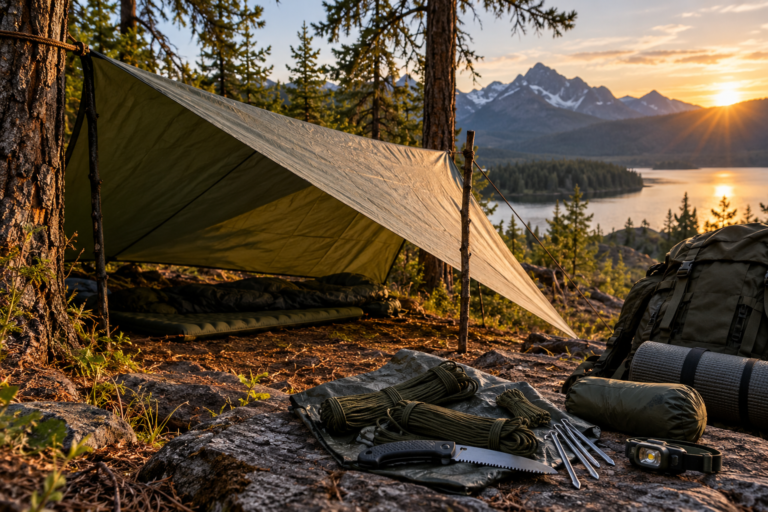

15 Winter Camping Essentials (With Video)
Winter camping offers quiet trails, snow-covered forests, and a completely different outdoor experience. But freezing temperatures, shorter daylight hours, and unpredictable weather make preparation especially important.
This post contains affiliate links. I may earn a small commission at no extra cost to you. Learn more.
Having the right winter camping essentials can make the difference between a comfortable outdoor adventure and a dangerous situation. Clothing, shelter, sleeping equipment, food, water, and emergency supplies must all work together to protect you from the cold.
In this guide, we’ll cover 15 essential pieces of winter camping gear, along with practical cold-weather camping tips to help you stay warm, dry, and prepared.
For a broader approach to emergency readiness, visit our Emergency Preparedness Master Plan.
Winter Camping Essentials: Quick Packing Checklist
Before heading outdoors, make sure you have these 15 essentials:
- Moisture-wicking clothing layers
- Insulated boots and dry socks
- Gloves, hat, and face protection
- Weather-appropriate tent and rainfly
- Cold-weather sleeping bag and insulated pad
- Emergency blanket or bivy
- Fire-starting supplies
- Outdoor camping stove and cookware
- Snowshoes when conditions require them
- Gear sled for transporting supplies
- Compact snow shovel
- First aid kit
- Food and drinking water
- Emergency signaling equipment
- Camping knife or multitool
Safety reminder: Check the forecast, share your route and expected return time, and never depend on a campfire or camping stove as your only protection against freezing temperatures.
15 Winter Camping Essentials You Should Bring
The following video introduces important winter camping basics. Below, you’ll find 15 essential pieces of gear and practical safety tips for cold-weather camping.
1. Proper Winter Camping Clothing
Winter camping clothing should keep you warm while allowing moisture to escape. Wearing several layers is generally more effective than relying on one extremely thick coat.
Base Layer
The base layer sits against your skin. Choose merino wool or synthetic materials that wick moisture away from your body.
Avoid cotton for cold-weather base layers because it absorbs moisture and dries slowly.
Insulating Layer
Your middle layer traps warm air. Fleece jackets, wool sweaters, and insulated clothing are practical choices.
The amount of insulation you need depends on the temperature, wind, and your activity level.
Outer Layer
The outer layer protects against snow, wind, and precipitation. A windproof, weather-resistant jacket and appropriate pants can help keep your insulating layers dry.
Pack spare clothing in waterproof bags. Dry clothes are particularly important before going to sleep.
2. Insulated Boots and Warm Socks
Your feet are exposed to frozen ground, snow, and moisture throughout a winter camping trip.
Choose insulated winter boots with dependable traction, weather protection, and enough room for comfortable socks.
Merino wool and synthetic socks are generally better choices than cotton. Carry several spare pairs so you can change immediately if your feet become wet.
Some campers prefer thin liner socks beneath thicker wool socks. However, avoid wearing so many layers that your boots become tight and restrict circulation.
For deep snow, gaiters can prevent snow from entering your boots.
3. Gloves, Hat, and Face Protection
Protecting your hands, ears, and face is essential during freezing weather.
Bring insulated gloves or mittens, a warm hat, and a neck gaiter or balaclava. Mittens often provide greater warmth, while gloves make handling equipment easier.
Carry a second pair of gloves in a waterproof bag. Wet gloves can quickly become a serious problem when setting up a tent or preparing meals.
Watch for numbness, unusual skin color, or loss of sensation, which may indicate frostbite.
4. Weather-Appropriate Tent and Rainfly
Your tent is your primary shelter from wind, snow, and precipitation.
For demanding winter conditions, a four-season tent is often a better choice than a lightweight summer tent. These shelters are generally designed with stronger structures and better resistance to severe weather.
A properly fitted rainfly helps keep precipitation outside. Ventilation is equally important because condensation can collect inside a tent during cold weather.
Remember that a tent does not generate meaningful heat. Your sleeping bag, sleeping pad, and clothing provide most of your insulation.
Never block all ventilation or use an outdoor camping stove inside a tent to stay warm.
5. Cold-Weather Sleeping Bag and Insulated Sleeping Pad
Your sleeping system is one of the most important winter camping investments.
Choose a sleeping bag with an appropriate temperature rating for the expected conditions. Where available, compare standardized comfort ratings rather than relying only on an advertised extreme-temperature number.
An insulated sleeping pad is equally important because the frozen ground can pull heat away from your body.
Look at the pad’s R-value, which measures resistance to heat loss. For many freezing-weather trips, an R-value around 5 or higher is a useful starting point, although the appropriate insulation depends on conditions.
A closed-cell foam pad can provide extra insulation beneath an inflatable pad and serve as a backup if the inflatable pad fails.
Sleeping bag liners can add comfort, but they should not replace an adequately rated sleeping bag.
6. Emergency Space Blanket or Bivy
An emergency blanket or bivy is a lightweight backup item worth carrying on winter camping trips.
Reflective blankets can help reduce radiant heat loss when used properly, while emergency bivies may provide additional protection from wind and precipitation.
These items are intended for emergencies. They are not substitutes for a properly insulated sleeping system.
Keep emergency shelter equipment in an accessible location in your backpack.
7. Fire Starter and Appropriate Firewood
Starting a campfire during winter can be difficult when natural materials are wet or buried beneath snow.
Bring waterproof matches, a reliable lighter, and suitable fire-starting material. Having multiple ignition methods gives you a backup if one fails.
When campfires are permitted, use locally sourced firewood to reduce the risk of spreading invasive pests.
Do not depend on a campfire to keep you warm overnight. Your clothing and sleeping equipment must be adequate without it.
Keep fires away from tents, overhanging branches, and combustible equipment. Fully extinguish them before leaving.
8. Outdoor Camping Stove and Cookware
A dependable camping stove allows you to prepare hot meals and boil water without relying on a campfire.
For winter camping, choose a stove and fuel system suitable for the expected temperatures. Some gas canisters perform poorly in extreme cold.
Jetboil Flash Cooking System
The Jetboil Flash is a compact outdoor cooking system designed to heat water efficiently. It can be useful for preparing freeze-dried meals, instant oatmeal, and hot drinks.
Its compact design is convenient when packing space is limited, although fuel performance and compatibility must be considered in cold conditions.
Important: Never operate a Jetboil or other outdoor combustion stove inside a tent, vehicle, or enclosed shelter. Carbon monoxide and fire hazards can be deadly.

Gas One Dual-Fuel Camping Stove
A compatible dual-fuel camping stove provides another outdoor cooking option, especially for campers who prefer traditional pots and pans.
Use only approved fuel and follow the manufacturer’s instructions. Do not use a camping stove as a tent heater.
GasOne 15,000 BTU Propane or Butane Stove Dual Fuel Stove...Carry enough fuel for meals and anticipated snow melting, plus a reasonable reserve for unexpected delays.
9. Snowshoes for Deep Snow
Snowshoes help distribute your weight across deep snow, making travel easier when ordinary boots sink into the surface.
They are particularly useful when hiking to a remote campsite or exploring snow-covered trails.
Choose snowshoes based on terrain, snow conditions, and your combined body and pack weight.
Snowshoes are not substitutes for crampons or specialized mountaineering equipment on steep, icy terrain.
10. Gear Sled for Transporting Supplies
Winter camping equipment is often heavier than summer gear. Additional clothing, fuel, sleeping insulation, and emergency supplies can quickly increase pack weight.
A small gear sled can help transport equipment across relatively flat, snow-covered terrain.
Secure supplies to prevent them from falling out, and consider how the sled will handle slopes and obstacles.
For steep or rocky trails, a well-balanced backpack may be more practical.
11. Compact Snow Shovel
A compact snow shovel is useful for preparing your campsite, clearing tent entrances, and digging out equipment after snowfall.
Choose a sturdy shovel appropriate for your trip.
If traveling through avalanche terrain, specialized equipment, training, and careful route planning are essential. Carrying a shovel alone does not make avalanche terrain safe.
12. First Aid Kit and Emergency Supplies
Every winter camping trip should include a first aid kit suitable for the group size, trip length, and distance from emergency services.
Include bandages, wound-care supplies, blister treatment, personal medications, and other necessary items.
Learn to recognize cold-related emergencies such as hypothermia and frostbite.
A first aid kit is only one part of your emergency plan. Navigation equipment, communication tools, and a safe evacuation route are equally important.
13. Food and Drinking Water
Cold-weather activities can require considerable energy, so bring enough food for each day and additional supplies in case your return is delayed.
Choose simple meals that require minimal preparation, such as freeze-dried meals, oatmeal, soups, nut butter, and energy-dense snacks.
Carry drinking water from the beginning of your trip. Do not assume that nearby snow will provide an adequate supply.
Snow can be melted when necessary, but melting alone does not make it safe to drink. Appropriate treatment is required, and chemically contaminated snow should be avoided.
Keep water bottles insulated and protect them from freezing.
For additional emergency water planning, see our Emergency Preparedness Master Plan.
14. Emergency Signaling and Communication Equipment
If you become lost, injured, or stranded, reliable communication equipment can help you contact others or attract rescuers.
Carry a loud whistle, signal mirror, headlamp, and suitable communication equipment.
Two-way radios can help members of a group communicate over short distances, although range depends on terrain and equipment.
For remote areas without cellular service, consider a satellite emergency communication device or personal locator beacon.
Midland ER310 Emergency Weather Radio
The Midland ER310 is a useful emergency radio for receiving NOAA weather broadcasts in areas with coverage. It offers multiple charging options, including a rechargeable battery and hand crank.
It is better suited to receiving weather information than replacing a two-way communication system.

For more options, see our Best Emergency Solar Radios guide.
15. Reliable Camping Knife or Multitool
A dependable camping knife or multitool can help with food preparation, cutting cordage, opening packages, and making small equipment repairs.
Choose a practical tool that is comfortable to use while wearing gloves.
Keep it securely stored and maintained. A knife is useful, but it should not take priority over adequate shelter, water, insulation, or communication equipment.
Essential Winter Camping Tips for Staying Safe
Having the right equipment is only part of preparing for a winter camping trip. How you use that equipment matters just as much.
1. Plan Your Drinking Water and Snow-Melting Fuel
Snow may be abundant, but converting it into drinking water requires time, fuel, and appropriate treatment.
Begin your trip with drinking water already available. If you plan to melt snow, bring enough fuel for both cooking and water preparation.
Collect snow from the cleanest available location, away from roads, campsites, and other potential contamination.
When microbial contamination is a concern and chemical contamination is not suspected, bring melted water to a rolling boil for one minute, or three minutes above 6,500 feet.
Boiling does not remove many chemical contaminants.
2. Protect Batteries and Power Banks From Cold
Freezing temperatures can reduce the usable capacity of batteries and shorten the operating time of electronic equipment.
Keep spare batteries, phones, and power banks insulated and protected from moisture.
When practical, carry smaller electronics inside an inner clothing pocket.
Follow manufacturer instructions regarding charging temperatures. Many lithium-ion batteries should not be charged below freezing unless they have an approved low-temperature charging system.
3. Choose a Safe Winter Campsite
Look for a campsite protected from strong winds but away from falling branches, unstable snow, avalanche hazards, and potential flooding.
Low valleys can collect cold air, so the lowest location is not necessarily the safest or warmest.
Avoid pitching tents beneath heavily snow-loaded branches.
In avalanche-prone regions, check current avalanche forecasts and obtain appropriate training before entering hazardous terrain.
4. Prepare Snow Before Pitching Your Tent
A winter tent can be pitched directly on snow when the site is properly prepared.
Pack down the snow to create a firm platform. Use appropriate snow stakes or buried anchors when ordinary tent stakes will not hold.
Keep the entrance accessible and maintain the ventilation required by the shelter design.
5. Use Tarps Carefully
A tarp can protect equipment or create a separate sheltered work area.
However, suspending a tarp above a tent without proper structural support can create a dangerous snow-loading hazard.
If using a groundsheet, keep its edges beneath the tent floor so rain or melting snow does not collect between the groundsheet and tent.
6. Bring Reliable Lighting
Winter nights can be long, making dependable lighting particularly important.
A headlamp is useful for hands-free activities such as preparing meals, setting up shelter, and finding equipment after dark.
Carry a backup flashlight or lantern and spare batteries.
GearLight LED Camping Lanterns
The GearLight LED Camping Lantern 2-Pack provides a convenient battery-powered lighting option for camping and emergency preparedness.
Having two lanterns makes it easier to keep one near your shelter and another with your supplies.

For additional lighting recommendations, see our Best Emergency Lights for Power Outages guide.
7. Practice Safe Campfire Management
Build campfires only where permitted and follow local fire restrictions.
Snow can melt beneath a fire and make the burning materials unstable. Prepare a suitable fire area and keep combustible equipment well away.
Never build a campfire inside a tent or enclosed shelter.
Extinguish the fire completely before leaving or going to sleep.
8. Stay Dry and Avoid Excessive Sweating
Moisture management is one of the most important winter camping skills.
Remove an insulating layer before you become overheated while hiking or setting up camp. Replace it when you stop moving.
Change out of wet clothing as soon as possible.
Do not rely on sleeping in wet clothes to dry them. Moisture can transfer into your sleeping bag and reduce its insulation.
Keep a separate set of dry sleeping clothes in a waterproof bag.
9. Plan for Overnight Bathroom Trips
Leaving your sleeping bag during freezing weather can be uncomfortable, especially in strong winds or deep snow.
Keep a headlamp within reach and identify a safe route to the designated bathroom area.
Some campers use a clearly labeled, leakproof container for nighttime urination when appropriate. Keep it separate from drinking-water containers.
Do not intentionally dehydrate yourself to avoid bathroom trips.
10. Prepare for Long Winter Nights
Winter days are shorter, leaving more time inside your shelter after sunset.
Bring a book, cards, or another lightweight activity to help pass the time.
Use daylight hours to prepare meals, organize supplies, check weather updates, and secure your campsite.
Keep emergency equipment accessible in case conditions change overnight.
When Should You Cancel or End a Winter Camping Trip?
Even experienced campers should be prepared to change plans when conditions become unsafe.
Consider postponing or ending your trip when severe weather is forecast, essential equipment fails, travel becomes unsafe, or someone develops symptoms of cold-related illness.
Hypothermia may cause shivering, confusion, loss of coordination, slurred speech, and unusual drowsiness.
Frostbite can cause numbness and changes in skin color or texture.
Seek emergency medical assistance for suspected serious hypothermia or frostbite.
No campsite or planned route is worth risking your safety.
Frequently Asked Questions About Winter Camping Essentials
What is the most important winter camping gear?
A properly rated sleeping bag, insulated sleeping pad, weather-appropriate shelter, and dry clothing are among the most important items. They work together to reduce heat loss.
Can you use a regular tent for winter camping?
Some three-season tents may be suitable for mild winter conditions, but demanding snow and wind conditions may require a four-season shelter.
How do you stay warm while sleeping in a tent?
Use an appropriately rated sleeping bag, an insulated sleeping pad, dry sleeping clothes, and a suitable shelter. Do not depend on outdoor combustion heaters inside tents.
Can you drink melted snow while camping?
Melting snow produces water but does not guarantee that it is safe to drink. Appropriate treatment is necessary, and potentially chemically contaminated snow should be avoided.
How much extra clothing should you pack?
Bring enough dry base layers and socks to replace clothing that becomes wet. The amount depends on the trip length, expected conditions, and opportunities to dry equipment.
Conclusion: Prepare Your Winter Camping Essentials Before You Go
Winter camping can be an enjoyable experience, but it requires careful preparation and a realistic understanding of cold-weather risks.
The 15 winter camping essentials in this guide cover the equipment needed for shelter, insulation, cooking, hydration, communication, and emergencies.
Start with a dependable sleeping system and appropriate clothing. Then build your kit around suitable shelter, food, water, lighting, and emergency equipment.
Before every trip, inspect your gear, review the forecast, tell someone where you’re going, and make sure you have a safe way to return if conditions deteriorate.
The best winter camping gear is equipment you understand, have tested, and can depend on when temperatures drop.
Continue Building Your Preparedness Plan
- Emergency Preparedness Master Plan
- Emergency Heat Without Electricity
- Best Emergency Lights for Power Outages
- Best Emergency Solar Radios
Affiliate disclosure: This article contains Amazon affiliate links. As an Amazon Associate, The Savvy Survivalist earns from qualifying purchases at no additional cost to you.