
10 Essential Camping Items for Beginners: Complete Checklist
Planning your first camping trip is exciting, but figuring out what to pack can quickly become overwhelming. With hundreds of tents, sleeping bags, cooking systems, and outdoor accessories available, it’s easy to spend money on equipment you don’t actually need.
This post contains affiliate links. I may earn a small commission at no extra cost to you. Learn more.
The good news is that beginners can enjoy a comfortable, safe camping trip with a relatively small collection of dependable gear. The key is choosing equipment that matches the weather, your campsite, and how you plan to travel.
In this guide, we’ll cover the 10 essential camping items for beginners, explain what to look for when choosing each item, and provide a practical packing checklist to help you prepare for your first overnight adventure.
Whether you’re camping at an established campground or planning a short backcountry trip, these essentials will help you stay sheltered, hydrated, organized, and prepared for unexpected conditions.
Quick Answer: What Do You Really Need for Camping?
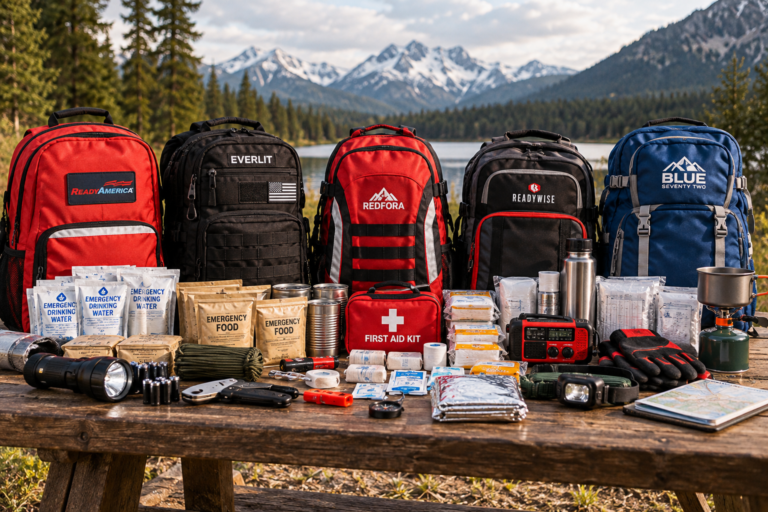
For a beginner camping trip, prioritize shelter, a suitable sleeping system, safe drinking water, lighting, first aid, food, appropriate clothing, a way to carry your supplies, navigation, and emergency communication.
Beginner tip: Start with a one- or two-night trip at an established campground. You can learn how your equipment works without immediately taking on the challenges of remote wilderness camping.
Essential Camping Items Checklist
Use this checklist when preparing for your trip. The exact equipment you need will depend on your destination, the season, and whether you’re car camping or backpacking.
| Essential Item | What to Bring |
|---|---|
| 1. Shelter | Tent, stakes, rainfly, and ground protection if recommended |
| 2. Sleeping system | Sleeping bag, insulated sleeping pad, and pillow |
| 3. Water | Water bottles, adequate water supply, and treatment equipment if needed |
| 4. Lighting | Headlamp or flashlight, spare batteries, and optional lantern |
| 5. First aid | Basic first aid kit, personal medications, and emergency supplies |
| 6. Food and cooking | Meals, snacks, stove if needed, fuel, cookware, and utensils |
| 7. Clothing | Weather-appropriate layers, rain protection, and suitable footwear |
| 8. Backpack or gear bag | A comfortable pack or organized storage containers |
| 9. Navigation | Offline maps, paper map, compass, or appropriate GPS equipment |
| 10. Communication | Charged phone, whistle, and additional communication equipment when appropriate |
Before buying everything on this list, consider which items you already own. A reliable flashlight, reusable water bottle, and weatherproof jacket may be perfectly adequate for your first trip.
1. Tent: Your Primary Camping Shelter
A tent is one of the most important camping essentials because it provides protection from rain, wind, insects, and changing weather conditions.
For most beginners, a three-season tent is a practical starting point. These tents are generally designed for spring, summer, and fall conditions, although their actual weather performance varies by model.
How to Choose the Right Tent Size
Tent capacity ratings usually describe how many people can fit inside, not how comfortably they can sleep with their gear.
- Solo camping: A one- or two-person tent may be sufficient.
- Two campers: A three-person tent often provides more room for sleeping and equipment.
- Family camping: Consider a larger dome or cabin-style tent with enough space for occupants and their belongings.
For car camping, comfort and interior space are often more important than minimizing weight. Backpackers should prioritize a shelter they can realistically carry over long distances.
Features Worth Looking For
- A properly fitted rainfly
- Durable tent poles and stakes
- Ventilation to reduce condensation
- A waterproof floor and appropriate seam protection
- Simple setup instructions
- Enough interior space for your sleeping system
Beginner tip: Set up your tent at home before leaving. Check that all poles, stakes, guylines, and rainfly components are included.
Recommended Camping Tent for Beginners
For beginners who want a practical camping shelter, consider this Coleman tent. Compare its capacity, weather protection, and setup requirements with your campsite needs before purchasing.


For additional shelter considerations, see our survival and basecamp tent guide.
2. Sleeping Bag and Sleeping Pad
A good sleeping system can make the difference between a comfortable camping experience and a miserable night outdoors.
Beginners often focus entirely on the sleeping bag, but the sleeping pad is just as important. The ground can draw heat away from your body, even when the air temperature doesn’t feel particularly cold.
Choosing a Sleeping Bag
Look for a sleeping bag appropriate for the lowest overnight temperatures you reasonably expect.
Where available, compare standardized comfort ratings rather than relying only on an advertised lower-limit temperature. A bag’s lowest survival or extreme rating is not a suitable target for comfortable sleeping.
Common sleeping bag insulation options include:
- Synthetic insulation: Often more affordable and generally retains some insulating ability when damp.
- Down insulation: Can offer excellent warmth for its weight, but requires careful moisture management.
Why Sleeping Pad Insulation Matters
Sleeping pads provide cushioning and insulation from the ground. Their R-value indicates resistance to heat flow; higher values generally mean greater insulation.
For mild summer camping, a modestly insulated pad may be adequate. Colder conditions require more insulation, and winter camping demands a properly matched sleeping system.
Beginner tip: Test your sleeping bag and pad together before the trip. Make sure you can sleep comfortably and that your equipment fits inside your tent.
3. Water Bottles and Safe Drinking Water
Clean drinking water is essential for every camping trip. How much you need depends on temperature, physical activity, trip duration, and whether reliable water is available at the campground.
For an established campground with confirmed potable water, reusable bottles and a water container may be enough. Remote campsites require more careful planning.
Water Storage Options
- Reusable water bottles: Durable, inexpensive, and easy to clean.
- Hydration reservoirs: Convenient for hiking because you can drink while moving.
- Large water containers: Useful for car camping, cooking, cleaning, and group use.
Don’t assume water from a clear stream, spring, or lake is safe to drink. Natural water sources can contain disease-causing microorganisms and may require treatment.
Do You Need a Camping Water Filter?
If you plan to collect water from natural sources, carry an appropriate treatment method and understand its limitations.
Many portable backpacking filters are effective against bacteria and protozoa but are not designed to remove viruses. Chemical contaminants can require different treatment methods, and some sources may not be suitable for drinking even after ordinary filtration.
Learn more in our water purification methods guide.
For larger emergency supplies, review our long-term water storage guide.
4. Flashlight, Headlamp, or Camping Lantern
Reliable lighting is essential when navigating a campground after dark, finding supplies inside your tent, preparing meals, or responding to an emergency.
A headlamp is one of the most useful choices for beginners because it keeps both hands free.
Which Camping Light Should You Bring?
- Headlamp: Best for walking, cooking, and completing tasks after dark.
- Flashlight: Useful as a general-purpose light or backup.
- Camping lantern: Provides broader illumination for a picnic table or shared campsite.
Choose lighting with adequate runtime and weather resistance. Carry spare batteries or a reliable way to recharge your equipment.
Safety reminder: Never use fuel-burning lanterns, camp stoves, or other combustion equipment inside a tent. Carbon monoxide poisoning and fire are serious hazards.
Recommended Camping Headlamp
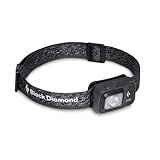
The Black Diamond Astro 300 is a compact, hands-free lighting option for camping, hiking, and nighttime tasks. It offers 300 lumens of brightness, adjustable output, and uses AAA batteries, making it a practical choice for beginners.
For additional lighting options, see our emergency lighting guide.
5. First Aid Kit and Personal Medical Supplies
Even a short camping trip can involve minor cuts, blisters, insect bites, burns, or unexpected illness. A basic first aid kit allows you to address common problems while deciding whether additional medical care is needed.
Basic Camping First Aid Checklist
- Adhesive bandages in several sizes
- Sterile gauze and medical tape
- Antiseptic wipes
- Blister treatment supplies
- Tweezers
- Disposable medical gloves
- Elastic bandage
- Any necessary personal medications
- Appropriate over-the-counter medications
- Emergency contact information
- Sun protection and insect repellent
Choose medications based on your household’s needs, product directions, and any relevant medical guidance.
For remote trips, consider taking a wilderness first aid course. Knowing how to recognize a serious injury, control bleeding, and arrange evacuation can be more important than carrying an oversized kit.
Before leaving, tell a trusted person where you’re going and when you expect to return.
Also review our guide on how to signal for help in the wilderness.
6. Camping Food and Cooking Equipment
Food planning doesn’t need to be complicated for your first camping trip. Start with familiar meals that require minimal preparation and don’t depend on elaborate cooking equipment.
For a one- or two-night trip, sandwiches, oatmeal, trail mix, shelf-stable snacks, and simple one-pot meals may be sufficient.
Basic Camping Cooking Supplies
- Portable camping stove, if cooking is planned
- Compatible fuel
- Pot or pan
- Cooking utensils
- Plate, bowl, and eating utensils
- Water for cooking and cleanup
- Food storage containers
- Cooler and ice for perishable foods
- Trash bags and cleanup supplies
Keep perishable foods at safe temperatures. Use a cooler capable of maintaining appropriate cold storage, and avoid leaving food exposed to heat for extended periods.
Camping Stove Safety
Use camping stoves outdoors in accordance with the manufacturer’s instructions. Never operate a fuel-burning stove inside a tent, vehicle, or other enclosed sleeping area.
Check campground fire restrictions before your trip. During periods of high wildfire danger, open flames and certain types of stoves may be prohibited.
For shelf-stable meal ideas, see our guide to survival foods with a long shelf life.
7. Weather-Appropriate Camping Clothing
Choosing the right clothing is about more than staying comfortable. Wet clothing, strong wind, and falling temperatures can create dangerous conditions even outside winter.
Check the forecast for your specific campsite and elevation rather than relying only on the weather report for the nearest city.
Use a Layering System
- Base layer: Moves moisture away from your skin.
- Insulating layer: Helps retain body heat in cooler weather.
- Outer layer: Provides protection against wind and rain.
Wool and many synthetic fabrics are useful for outdoor activities because they manage moisture better than cotton in cold, wet conditions.
Additional Clothing Essentials
- Extra socks
- Comfortable, appropriate footwear
- Rain jacket
- Warm hat for cool conditions
- Sun hat and sunglasses
- Sleepwear suited to overnight temperatures
- Spare dry clothing
Beginner tip: Pack one complete dry clothing change in a waterproof bag, especially if rain is possible.
8. Backpack or Organized Gear Storage
You need a dependable way to transport and organize your camping equipment, but not every beginner needs an expensive hiking backpack.
For car camping, duffel bags, storage bins, and smaller daypacks may be more practical than a large technical backpack.
Car Camping vs. Backpacking
Car camping: You park near your campsite and carry equipment only a short distance. Weight is less important, so you can prioritize comfort and convenience.
Backpacking: You carry your shelter, sleeping equipment, food, water, and other essentials on foot. Pack weight, fit, and load distribution become much more important.
If buying a backpack for hiking, consider torso fit, hip-belt comfort, pack capacity, and how the loaded pack feels during movement.
Practice packing and carrying your gear before committing to a long hike.
9. Navigation Equipment and Offline Maps
Getting lost can turn a recreational camping trip into an emergency. Even when visiting an established campground, it’s wise to understand the local trail system and surrounding roads.
Cell phones are helpful navigation tools, but cellular coverage can be unreliable in remote areas. GPS positioning may still work without service, provided your device has power and the necessary maps are available offline.
Beginner Navigation Essentials
- Downloaded offline maps
- Paper map of the area
- Compass and knowledge of how to use it
- Fully charged phone
- Backup battery or power bank
- Knowledge of trail markers and return routes
For backcountry travel, learn basic map-and-compass navigation before relying on electronic equipment alone.
If you become disoriented, avoid wandering without a plan. Review our guide on what to do when lost in the woods.
10. Emergency Communication Equipment
Communication is easy to overlook when packing for a camping trip, especially when you expect to have cell phone service.
However, remote campgrounds, mountainous terrain, and wilderness trails may have limited or no cellular coverage.
Communication Options for Campers
- Cell phone: Useful for ordinary communication and emergency calls where service is available.
- Safety whistle: Lightweight, inexpensive, and useful for attracting attention nearby.
- Two-way radios: Can help group members communicate within their actual operating range.
- Satellite communication device: Worth considering for remote travel where conventional communication may be unavailable.
Some satellite devices provide two-way messaging or emergency SOS functions, but their capabilities depend on the model, subscription, coverage, and operating conditions.
Before departure, share your destination, planned route, and expected return time with someone who isn’t traveling with you.
Learn more in our emergency communication systems guide.
Car Camping vs. Backpacking: What Changes?
Although the same basic survival priorities apply to both activities, the equipment you choose can be very different.
| Consideration | Car Camping | Backpacking |
|---|---|---|
| Tent | Roomier, heavier models | Lightweight and compact |
| Sleeping system | Comfort-focused | Compact and weight-conscious |
| Cooking | Larger stove and cookware | Compact stove and minimal cookware |
| Water | Larger stored supply | Carry capacity plus treatment plan |
| Storage | Bins and duffel bags | Fitted hiking backpack |
For your first trip, an established campground with restrooms, potable water, and vehicle access is usually the easiest environment for testing new equipment.
Commonly Forgotten Camping Supplies
The 10 essentials cover your major needs, but several small items can make a significant difference during a camping trip.
- Toilet paper and personal hygiene supplies
- Trash bags
- Hand sanitizer and biodegradable soap where appropriate
- Extra tent stakes and repair supplies
- Power bank and charging cables
- Insect repellent
- Sunscreen
- Fire-starting equipment where fires are permitted
- Food storage equipment appropriate for local wildlife
- Campground reservation information and permits
- Emergency contact information
Check campground rules regarding food storage, campfires, quiet hours, pets, and waste disposal. In bear country, follow the local land manager’s specific food-storage requirements.
How to Prepare for Your First Camping Trip
Good preparation matters as much as the equipment you bring.
1. Check the Weather
Review the forecast shortly before leaving and monitor changing conditions. Pay particular attention to thunderstorms, wind, overnight temperatures, and flood risk.
2. Test Your Equipment at Home
Practice setting up your tent, using your sleeping system, operating your stove safely, and organizing your gear.
3. Plan Your Meals and Water
Calculate the amount of food and safe drinking water your group needs, including supplies for cooking and cleanup.
4. Know Your Campsite Rules
Confirm whether drinking water, restrooms, fire rings, and other facilities are available. Check for restrictions and any required permits.
5. Leave a Trip Plan
Tell someone where you’ll be camping, who is traveling with you, and when you expect to return.
6. Have a Backup Plan
Know where you can seek shelter, how to leave the area, and when to cancel or shorten a trip if conditions become unsafe.
Frequently Asked Questions About Beginner Camping Gear
What are the most important camping items for beginners?
The most important camping items include a suitable tent, sleeping bag and pad, drinking water, lighting, first aid supplies, food, weather-appropriate clothing, a way to carry gear, navigation tools, and emergency communication equipment.
Do I need expensive camping equipment for my first trip?
No. Many beginners can start with affordable, dependable gear and items they already own. Prioritize safety, weather protection, and reliability over premium features.
Is a sleeping pad really necessary?
A sleeping pad is strongly recommended because it provides insulation from the ground as well as cushioning. Even a warm sleeping bag may not keep you comfortable if the ground is drawing heat away from your body.
How much water should I bring camping?
The amount depends on the number of campers, trip duration, temperature, physical activity, and cooking requirements. Verify whether your campground provides potable water, and carry additional water or a suitable treatment plan when necessary.
What should I avoid bringing on my first camping trip?
Avoid unnecessary heavy equipment, complicated cooking systems you haven’t tested, excessive clothing, and unfamiliar gadgets that add weight without meeting a real need.
Is car camping easier than backpacking?
Generally, yes. Car camping allows beginners to bring more comfortable equipment and usually provides easier access to supplies, transportation, and established campground facilities.
Final Thoughts: Start With the Camping Essentials
You don’t need a garage full of outdoor equipment to enjoy your first camping trip. The best approach is to begin with the essential camping items for beginners, learn how to use them, and expand your gear collection as your experience grows.
Focus on dependable shelter, a comfortable sleeping system, clean water, suitable clothing, food, lighting, and basic emergency preparedness.
Start with a short trip close to home, take notes about what worked, and improve your equipment gradually. The goal isn’t to own the most camping gear. It’s to have the right gear for the conditions you’ll encounter.
Related Camping and Survival Guides
- Emergency Preparedness Master Plan – Build a practical foundation for emergency readiness.
- Water Purification Methods – Learn how to make water safer during outdoor emergencies.
- Survival Foods With a Long Shelf Life – Choose dependable foods for camping and emergency storage.
- Lost in the Woods Survival Guide – Understand what to do when you become disoriented outdoors.
- How to Signal for Help in the Wilderness – Explore practical emergency signaling methods.
Stay prepared. Stay sharp. Stay savvy.