What to Do If Your Furnace Stops Working in Freezing Weather
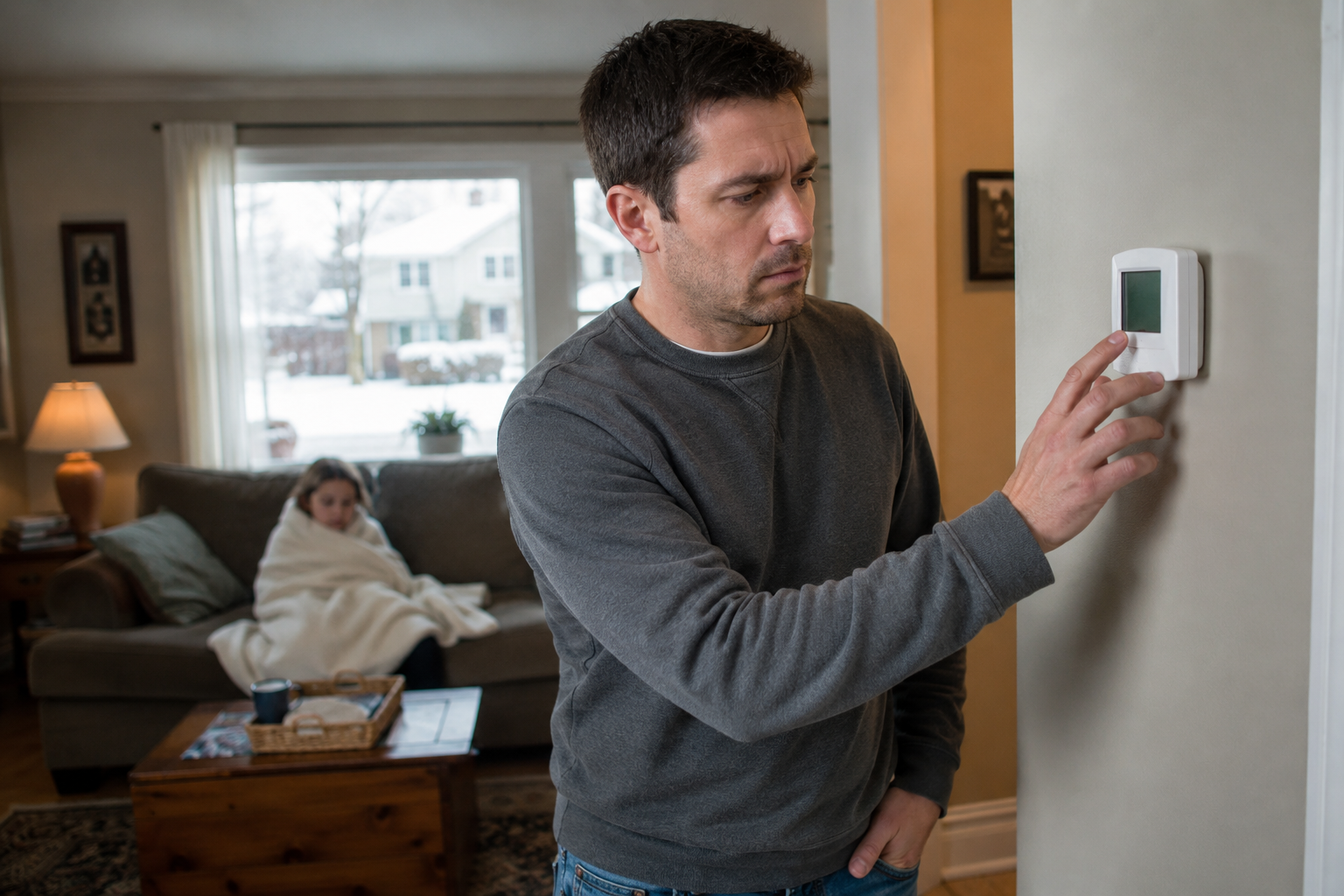
If your furnace stops working in freezing weather, an inconvenience can turn into a household emergency surprisingly quickly.
As the indoor temperature falls, children, older adults, pets, and anyone with certain medical conditions may become vulnerable. Plumbing along exterior walls, inside cabinets, and in unheated spaces can also begin freezing.
This post contains affiliate links. I may earn a small commission at no extra cost to you. Learn more.
The problem may be as simple as incorrect thermostat settings, a tripped breaker, a dirty filter, or an obstructed furnace vent. However, this is not the time to dismantle equipment or repeatedly reset a system that keeps shutting down. Your immediate priorities are to check for simple problems safely, arrange professional repair, conserve the heat already inside the house, and protect your family and plumbing.
Quick answer: If your furnace stops working in freezing weather, record the indoor temperature, confirm the thermostat is set to HEAT, check the furnace switch, inspect the air filter, and check the furnace breaker once. If the breaker trips again, the furnace repeatedly shuts down, or you notice smoke, sparking, a burning odor, or unusual noises, stop troubleshooting and call an HVAC technician.
If a carbon monoxide alarm sounds or you smell gas, get everyone outside immediately and call 911 or the gas utility from a safe location. While waiting for repairs, gather everyone in one room, close off unused areas, use only properly rated indoor heating equipment, and begin protecting vulnerable pipes. Never use an oven, outdoor grill, charcoal, camp stove, or portable generator to heat the house.
What to Do in the First 15 Minutes
Do not wait until the house feels severely cold before taking action. The first few minutes should be used to identify the type of failure, check for immediate hazards, and slow the loss of indoor heat.
- Determine whether only the furnace has stopped. Check whether lights, outlets, and other appliances still work. If the entire house has lost electricity, follow your winter blackout plan instead of treating the problem as an isolated furnace failure.
- Check for immediate danger. Pay attention to a gas odor, smoke, sparking, a carbon monoxide alarm, or a strong burning smell. If any of these are present, get everyone outside and contact emergency services or the gas utility from a safe location.
- Record the indoor temperature and time. Check a reliable thermometer rather than judging the temperature by comfort alone. Write down the reading and check it again every 30 to 60 minutes. This will show how quickly your house is cooling.
- Call for furnace repair early. If a quick thermostat and power check does not restore heat, contact a licensed technician immediately.
- Start conserving heat. Close curtains and blinds, shut doors to unused rooms, block obvious drafts with rolled towels, and gather everyone in a central room. Avoid repeatedly opening exterior doors.
Once these steps are underway, you can perform a short series of safe furnace checks. Limit yourself to controls and components intended for routine homeowner access.
Safe Furnace Checks You Can Perform
Many no-heat calls are caused by simple problems homeowners can check without opening the furnace or touching electrical and fuel components. Work through these checks once. If the furnace starts but shuts down again, do not keep resetting it.
Check the Thermostat
Confirm that the thermostat is set to HEAT and raise the setting several degrees above the current room temperature. Replace the batteries if the screen is blank, fading, or unresponsive. A programmable thermostat may have returned to an energy-saving schedule, especially after a brief power interruption, so temporarily place it on a manual hold.
Check the Furnace Switch and Breaker
Look for a switch mounted on or near the furnace that resembles an ordinary light switch. Make sure it has not been accidentally turned off. At the electrical panel, locate the furnace breaker. If it has tripped, move it fully to the off position and then back on once. If it trips again, leave it off and call a technician. Repeatedly resetting a breaker can create an electrical or fire hazard.
Inspect the Air Filter and Vents
A severely clogged filter can restrict airflow and cause a furnace to overheat and shut itself down. Turn the system off, remove the filter, and replace it if it is visibly packed with dust. Use the correct size and follow the airflow arrow printed on the filter. Make sure return-air grilles and supply vents are not blocked by furniture, rugs, curtains, or stored belongings.
Confirm That Fuel Is Available
If you use propane or heating oil, check the tank gauge. Natural gas customers can check whether the utility has reported an interruption. Do not loosen fittings, disconnect fuel lines, or attempt to repair a gas valve. Never try to relight a pilot unless the furnace manufacturer’s instructions specifically identify it as a normal homeowner procedure. If you smell gas, leave immediately.
Inspect Accessible Outdoor Openings
High-efficiency furnaces commonly use PVC intake and exhaust pipes that terminate outside. From ground level, check whether snow, ice, leaves, nests, or other debris are blocking the openings. Remove loose material around the ends without inserting tools into the pipes. Do not climb onto an icy roof or dismantle venting. A frozen condensate drain can also stop some furnaces, but anything beyond an obvious external blockage should be handled by a technician.
Record the Furnace Error Code
Some furnaces display a number or flashing-light pattern through a small viewing window. Record the pattern and compare it with the owner’s manual if one is available. This information can help the HVAC company diagnose the failure. Do not remove a service panel, bypass a safety switch, or touch internal wiring to reach the indicator.
If these checks do not restore steady heat, move on to temporary heating and cold-weather protection while waiting for professional service.
When to Stop Troubleshooting and Call for Repair
Stop troubleshooting when the problem goes beyond a thermostat setting, a tripped breaker, a dirty filter, or an accessible blocked vent. Furnaces contain high-voltage electrical parts, moving components, hot surfaces, fuel connections, and combustion safeguards that should not be bypassed or repaired during an emergency.
Turn the furnace off and contact a licensed HVAC technician if:
- The breaker trips again after being reset once.
- The furnace starts but repeatedly shuts down.
- You hear grinding, banging, buzzing, or unusually loud ignition noises.
- You see sparking, soot, scorch marks, melted wiring, or water near electrical components.
- The blower runs continuously but produces no heat.
- An error code returns after the basic checks are completed.
- You see visible soot or an abnormal flame through the furnace’s existing viewing window. Do not remove a panel to inspect the flame.
- The exhaust or condensate system is frozen or blocked somewhere you cannot safely access.
Leave immediately: If you smell gas, a carbon monoxide alarm sounds, or anyone develops unexplained headache, dizziness, weakness, nausea, confusion, or unusual sleepiness, get everyone into fresh air. Call 911 or the gas utility from outside. Do not re-enter the house to locate the source or retrieve belongings.
Tell the HVAC company the outdoor and indoor temperatures, furnace type, symptoms, error code, and steps already attempted. This can help them determine how urgent the call is and arrive with the appropriate parts.
How to Keep One Room Warm While Waiting for Repairs
Instead of trying to heat the entire house, concentrate people and available heat in one manageable room. This reduces heat loss and makes it easier to monitor children, older adults, pets, and heating equipment.
Choose the Best Room
Select a room near the center of the house with few exterior walls and windows. A smaller living room, bedroom, or finished basement may retain heat better than a large open area. Choose a room with enough space for everyone to sit and sleep without placing bedding near a heater.
Avoid rooms with large windows, high ceilings, strong drafts, or exposed plumbing along exterior walls. If you use an electric space heater, the room must also have a suitable wall outlet.
Reduce Heat Loss
- Close doors leading to unused rooms and hallways.
- Place rolled towels along the bottom of drafty doors.
- Close blinds and curtains after sunset.
- Hang a blanket over a drafty doorway if it will not obstruct an exit.
- Open curtains on sunny windows during the day, then close them before temperatures fall.
- Keep exterior doors closed and combine necessary trips outside.
Do not cover furnace vents, combustion-air openings, smoke alarms, carbon monoxide alarms, or the room’s only exit. Avoid sealing the room so tightly that approved fuel-burning heating equipment cannot receive the ventilation required by its manufacturer.
Warm People Before Warming the Room
Dress everyone in loose layers, warm socks, and a hat. Replace damp clothing immediately because moisture pulls heat away from the body. Use blankets and sleeping bags, but keep them at least three feet from space heaters, fireplaces, and other heat sources.
Serve warm drinks and meals when possible, but do not rely on alcohol for warmth. Keep children active enough to remain comfortable without allowing them to become sweaty. Check the room thermometer regularly rather than waiting for someone to complain about feeling cold.
Savvy Tip: Set up sleeping arrangements before the house becomes extremely cold. Moving mattresses, medications, chargers, water, flashlights, and pet supplies into the warm room early is easier and safer than doing it after dark.
Using Backup Heat Without Starting a Fire
Backup heat can keep an occupied room comfortable, but improper heating causes fires and carbon monoxide poisoning every winter. Use the safest available option and follow the appliance manufacturer’s instructions exactly.
Electric Space Heaters
If electricity is still working, a modern electric space heater is generally the simplest temporary option. Place it on a level, hard surface where children and pets cannot knock it over. Keep bedding, curtains, clothing, furniture, paper, and other combustible materials at least three feet away.
Plug the heater directly into a wall outlet. Do not use an extension cord, power strip, plug adapter, or overloaded outlet. Turn the heater off before leaving the room or going to sleep. The National Fire Protection Association recommends maintaining this three-foot safety zone around heating equipment.
Fuel-Burning Heaters
Use a propane or kerosene heater indoors only when the exact model is specifically listed by its manufacturer for indoor use and permitted by local rules. Provide the required ventilation, use only the specified fuel, and keep working carbon monoxide and smoke alarms nearby. Never leave a fuel-burning heater operating unattended.
Before choosing one, review the differences between indoor emergency heater options and the precautions required for each type.
Fireplaces and Wood Stoves
Use a fireplace or wood stove only if it has been properly installed, maintained, and inspected. Keep a screen in front of an open fireplace and remove combustible items from the surrounding area. Never leave an active fire unattended or allow children to manage it.
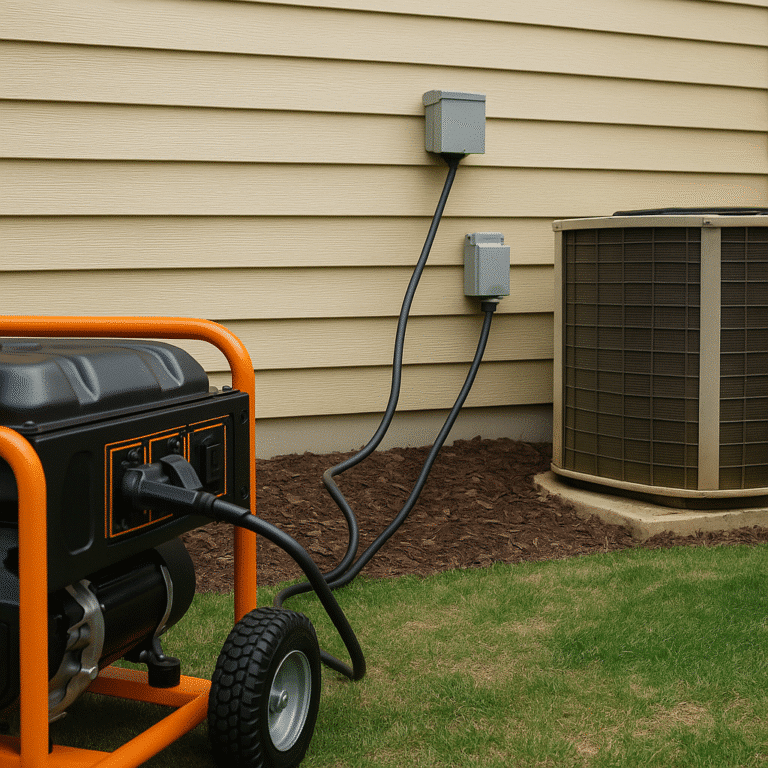
Never use these indoors for heat: A kitchen oven, charcoal grill, outdoor propane heater, camp stove, or portable generator. The CDC warns that grills and camp stoves can produce deadly carbon monoxide indoors. Generators must remain outdoors more than 20 feet from windows, doors, and vents.
Keep a multipurpose fire extinguisher accessible, test smoke and carbon monoxide alarms, and make sure everyone can exit the warm room without passing close to a heater.
How to Protect Your Pipes From Freezing
Pipes do not freeze the moment the furnace stops, but the risk increases as the house continues cooling. Plumbing in exterior walls, crawl spaces, garages, attics, cabinets, and other poorly insulated areas is usually vulnerable first.
Move Warm Air Toward Vulnerable Plumbing
Open kitchen and bathroom cabinet doors so warmer room air can circulate around pipes. Keep garage doors closed if water lines run through the garage. If you are heating only one room, do not completely abandon areas containing exposed plumbing. Safely position available heat where it can prevent those areas from falling below freezing without placing a heater inside a cabinet or against combustible materials.
Let Vulnerable Faucets Trickle
Allow a small trickle of cold water to flow from faucets supplied by pipes in exterior walls or unheated spaces. Moving water can reduce the chance of freezing, although it does not guarantee protection during prolonged extreme cold. The American Red Cross recommends letting water drip from faucets served by exposed pipes and opening cabinet doors around plumbing.
If a single-handle faucet supplies both hot and cold lines through a vulnerable area, position the handle so a slight flow moves through both lines. Do not leave water running heavily, and make sure drains are open and functioning.
Know the Location of the Main Water Shutoff
Locate the main shutoff before a pipe freezes or bursts. If the house cannot be kept warm, repairs will take an extended time, or everyone must leave, ask a plumber whether the plumbing should be shut off and properly drained. Turning off the main by itself does not remove water already trapped inside the pipes.
If a pipe freezes: Do not use a torch, open flame, or fuel-burning heater to thaw it. Shut off the water if the pipe appears split, bulged, or leaking. Apply gentle heat only to accessible pipes and call a plumber when the frozen area is hidden inside a wall or cannot be located.
Monitor the Temperature and Vulnerable Family Members
There is no single indoor temperature that becomes dangerous for every person at the same moment. Risk depends on age, health, clothing, moisture, activity level, and how long the exposure continues. Monitor both the thermometer and the people inside the house.
Place a reliable thermometer in the occupied room away from the space heater, fireplace, exterior door, or direct sunlight. Record the temperature every 30 to 60 minutes. A steady decline means temporary heating is not keeping pace with the house’s heat loss.
Who Is Most Vulnerable?
- Babies and young children
- Adults over age 65
- People with heart, circulation, thyroid, respiratory, or mobility problems
- Anyone taking medication that affects body-temperature regulation
- People who are wet, exhausted, underfed, or unable to communicate clearly
- Pets that are very young, old, small, short-haired, or ill
The National Institute on Aging recommends keeping homes at least 68°F for older adults and warns that prolonged exposure to indoor temperatures between 60°F and 65°F can cause hypothermia in some older people. Do not wait for the room to approach freezing before relocating a vulnerable person.
Review the warning signs and treatment steps in this frostbite and hypothermia guide before severe winter weather arrives.
Watch for hypothermia: Uncontrolled shivering, unusual tiredness, fumbling hands, confusion, slurred speech, poor coordination, or excessive sleepiness require immediate action. Move the person to a warmer location, replace wet clothing, wrap them in dry layers, and call 911 when symptoms are severe or the person is confused, difficult to wake, or no longer shivering despite being cold.
Check children, older adults, and sleeping occupants directly instead of relying on them to report discomfort. If the warm room cannot remain reasonably comfortable, begin relocating everyone before roads worsen or nighttime temperatures fall further.
When You Should Leave the House
Leaving early is safer than waiting until the house is extremely cold, roads are covered with ice, or someone begins showing symptoms of hypothermia. A home can be repaired; people should not remain in unsafe conditions to protect the property.
Leave Immediately for a Safety Hazard
Get everyone outside without attempting further troubleshooting if a carbon monoxide alarm sounds, you smell gas, see smoke or sparking, or anyone develops possible carbon monoxide poisoning symptoms. Call 911, the fire department, or the gas utility from outside. Do not return until emergency personnel say the house is safe.
Relocate Before the Cold Becomes Dangerous
Move to a relative’s home, hotel, shelter, or public warming center when:
- The indoor temperature continues falling despite temporary heat.
- The repair company cannot arrive for several hours or until the following day.
- Older adults, young children, or medically vulnerable people cannot be kept warm.
- You cannot operate temporary heaters safely through the night.
- A winter storm may soon make travel dangerous or impossible.
- Water lines are beginning to freeze or the house cannot be protected from damage.
Before leaving, turn off portable heaters, extinguish fires completely, collect medications, chargers, warm clothing, identification, and necessary pet supplies. Tell a trusted person where you are going. If the house may remain unheated long enough to freeze, contact a plumber about shutting off and draining the plumbing correctly.
Build a Furnace-Failure Emergency Kit
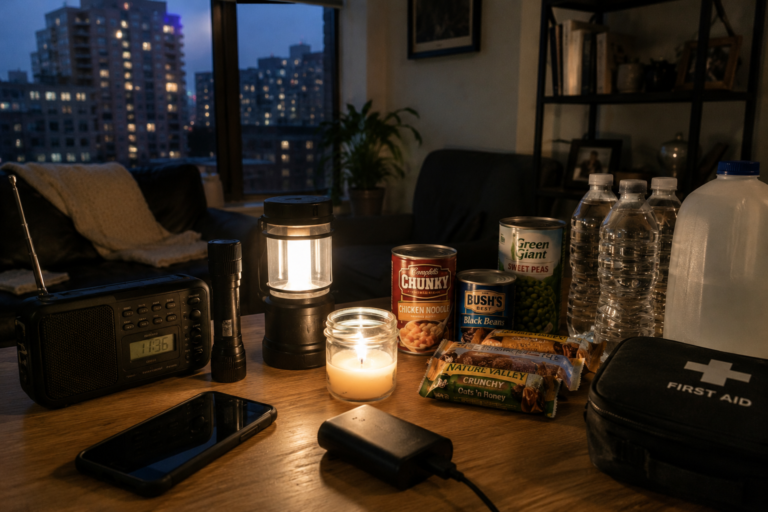
Keep basic heating and plumbing supplies together before winter begins. A furnace rarely stops at a convenient time, and stores may sell out of space heaters, filters, and pipe-protection supplies during a major cold snap.
Furnace-Failure Kit Checklist
- A modern electric space heater with automatic tip-over and overheat protection
- Working smoke and carbon monoxide alarms with spare batteries
- A reliable battery-powered indoor thermometer
- Warm blankets, sleeping bags, hats, gloves, and extra socks
- Flashlights, headlamps, and charged power banks
- A multipurpose fire extinguisher
- A clean replacement furnace filter in the correct size
- Spare thermostat batteries
- Foam pipe insulation and outdoor faucet covers
- A water-shutoff tool if your valve requires one
- Printed contact information for your HVAC company, plumber, gas utility, insurance company, and local warming center
- A written list of medications, pet needs, and items to take if you must relocate
Test the space heater before winter and identify a suitable wall outlet in the room you plan to occupy. Do not assume several heaters can run on the same circuit. Most full-size electric space heaters place a substantial load on household wiring, especially when another appliance is operating on that circuit.
If furnace failure could happen during an electrical outage, prepare a separate plan for creating emergency heat without electricity. An electric heater will not help when household power is unavailable unless it is connected through a properly designed backup system.
Prepare Before the Next Cold Snap
Once the furnace is operating again, correct the weakness that turned the breakdown into an emergency. Preparation should cover the heating system, backup heat, plumbing, and a relocation plan.
- Schedule annual furnace service. Have a qualified technician inspect the burners, heat exchanger, blower, electrical connections, safety controls, and venting before the heating season begins. The CDC recommends having the furnace system and vent checked each winter.
- Replace filters on schedule. Keep at least one correctly sized replacement filter available. Check it more frequently during periods when the furnace runs continuously.
- Test safety alarms monthly. Install smoke and carbon monoxide alarms in the locations recommended by their manufacturers. Replace batteries and expired alarms promptly.
- Inspect outdoor furnace openings. Know where intake and exhaust pipes terminate and keep the surrounding area clear of leaves, snow, ice, and stored items.
- Test backup heating equipment. Confirm that space heaters work correctly, cords and plugs are undamaged, and suitable wall outlets are available.
- Protect vulnerable plumbing. Insulate exposed pipes, seal drafts near plumbing, disconnect garden hoses, and locate the main water shutoff.
- Keep fuel levels adequate. Propane and heating-oil users should avoid entering a severe cold spell with a nearly empty tank.
- Make a relocation plan. Identify at least one warm place where your family and pets can stay if repairs are delayed overnight.
Do not ignore warning signs: Short cycling, weak airflow, delayed ignition, unusual odors, rising energy use, or new noises often appear before a complete furnace shutdown. Scheduling service early is usually easier than finding emergency repair during the coldest night of the year.
Frequently Asked Questions
How quickly will a house get cold after the furnace stops?
There is no fixed timeframe. Outdoor temperature, wind, insulation, air leaks, house size, and starting indoor temperature all affect heat loss. Record the indoor temperature when the furnace stops and check it every 30 to 60 minutes instead of relying on an estimate.
Why does a furnace stop working during extremely cold weather?
Common causes include restricted airflow, a dirty filter, ignition failure, a frozen condensate line, blocked intake or exhaust pipes, electrical problems, an empty fuel tank, or worn parts failing under extended operation. An error code can help a technician narrow down the cause.
Is it safe to leave an electric space heater running overnight?
Portable space heaters should be turned off before you go to sleep or leave the room. If the house cannot remain warm without an unattended heater, relocate to a safe heated location rather than accepting the fire risk.
Will a gas furnace work during a power outage?
Most gas furnaces still require electricity for the thermostat, control board, ignition system, safety controls, and blower. A working natural gas supply does not mean the furnace can operate without electrical power.
Can a portable generator power a furnace?
Sometimes, but the generator must have sufficient capacity and use approved generator power connections, such as properly installed transfer equipment. Never power a furnace by backfeeding a household outlet or using an improvised cord. Have an electrician determine the correct connection method before an emergency.
Will the pipes freeze as soon as the furnace stops?
No, but pipes in exterior walls and unheated spaces can become vulnerable before the center of the house reaches freezing. Open sink cabinets, protect exposed plumbing, and monitor the indoor temperature while repairs are underway.
Stay Ahead of a Furnace Failure
A furnace failure during freezing weather requires quick, calm decisions. Check only the controls and components intended for homeowner access, call for professional repair early, conserve the heat already inside, and use temporary heating equipment carefully. Monitor the indoor temperature, vulnerable family members, and exposed plumbing instead of waiting for the house to become dangerously cold.
If safe heat cannot be maintained, relocate before travel conditions worsen. A serviced furnace, working alarms, backup heater, pipe-protection supplies, and a written emergency plan can keep a routine breakdown from becoming a much larger emergency.