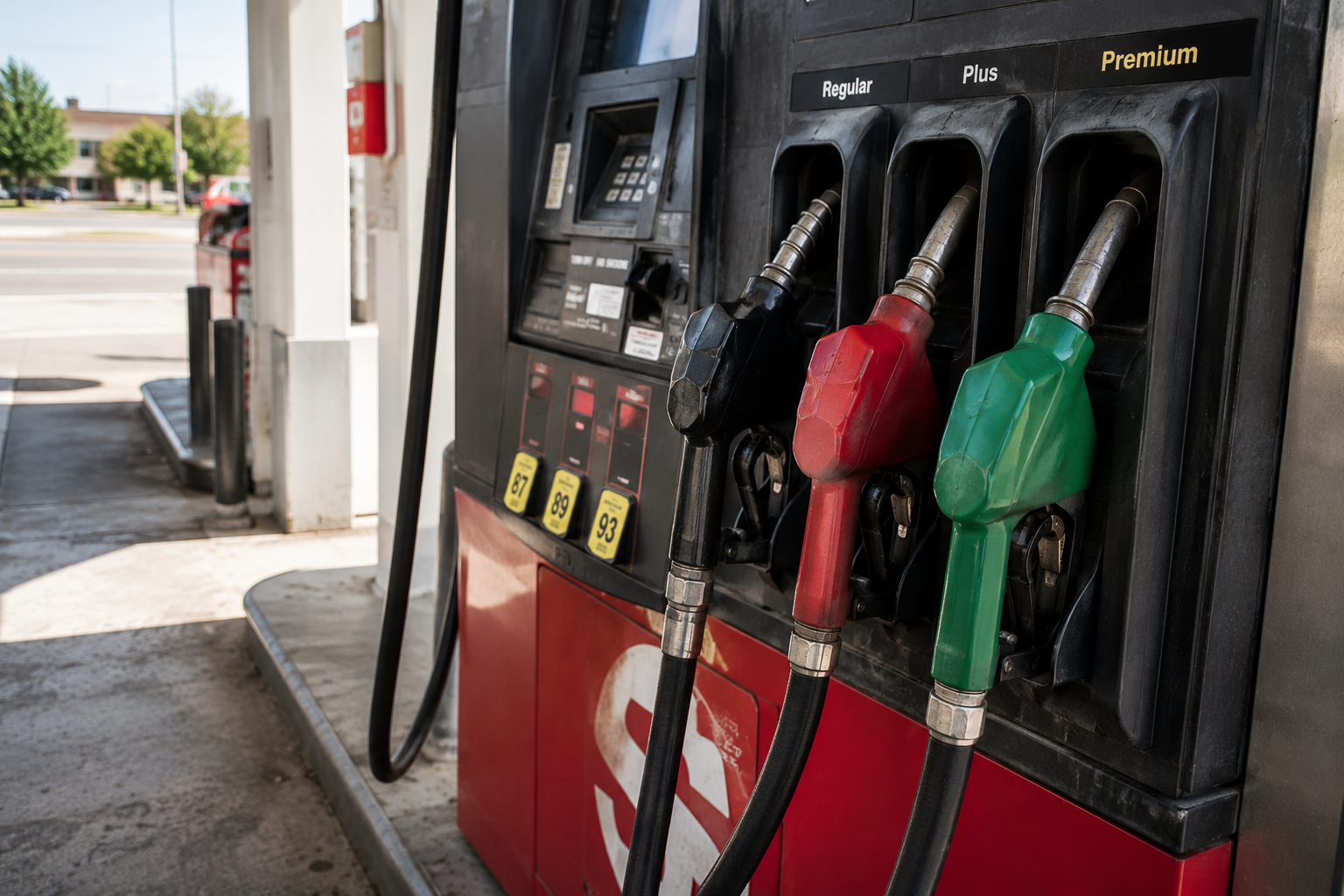
How Much Fuel You Need for a 2-Week Blackout
Most blackout preparedness plans fail for one simple reason: people underestimate how much fuel a modern household can consume once the power grid goes down. A generator may seem manageable when you think in terms of a few hours of operation, but fuel requirements increase quickly when refrigeration, cooking, transportation, battery charging, water systems, heating, and cooling all begin drawing from limited reserves.
This post contains affiliate links. I may earn a small commission at no extra cost to you. Learn more.
Knowing how much fuel you may need for a two-week blackout is therefore about more than estimating generator consumption. Gas stations may be unable to pump fuel without electricity, vehicles continue consuming gasoline during supply and medical trips, portable stoves use propane or butane every day, and refrigerators and freezers may require repeated generator cycles to maintain safe temperatures. Small demands that seem insignificant during a one-day outage can consume a substantial portion of your reserves when repeated for 14 days.
The first 24 hours are rarely the hardest part of fuel planning. Problems become more serious as an outage stretches into several days and households discover that the fuel supply they expected to last for weeks may only support their normal usage for a fraction of that time. Many people have enough gasoline or propane to handle a short storm-related outage, but a true two-week infrastructure disruption requires a different level of planning, conservation, and fuel management.
Resupply also becomes less dependable as an outage continues. Gas stations need electricity to operate pumps and payment systems, fuel deliveries depend on functioning transportation and distribution networks, and widespread demand can empty operating stations quickly. A realistic plan should therefore assume that additional fuel may be difficult or impossible to obtain when it is needed most.
Anyone building a realistic preparedness system should also read First 72 Hours After a Disaster: What Actually Happens (And How to Survive It) because decisions made during the earliest phase of an outage can determine how quickly fuel, food, water, and other critical reserves are consumed.
In this guide, we will break down realistic fuel consumption for:
- Generators
- Vehicle usage
- Food preservation
- Cooking systems
- Emergency heating or cooling
- Battery charging
- Supply runs
- Long-term fuel storage
More importantly, we will look at how these demands overlap during a full 14-day outage and how to estimate a practical fuel reserve without assuming ideal conditions. The goal is not simply to store as much fuel as possible, but to understand where that fuel will be used, how quickly different systems consume it, and where conservation can extend your available reserves.


Once the grid goes down, every gallon of usable fuel represents additional generator runtime, transportation capability, cooking capacity, or another essential task that can still be performed. Planning those gallons before an emergency is far more reliable than trying to find additional fuel after local supplies are already under pressure.
Why Most Blackout Fuel Calculations Fail Almost Immediately
One of the biggest mistakes households make when planning for an extended power outage is estimating fuel consumption under ideal conditions instead of accounting for how equipment is actually used during an emergency. Generator runtime estimates can look reassuring on paper, but real-world fuel consumption changes with electrical load, generator size and efficiency, weather conditions, maintenance, and how many hours the unit operates each day.
Manufacturer runtime specifications can provide a useful starting point, but they should not be treated as a guarantee of how long a tank of fuel will last during a blackout. Published runtime figures are typically tied to a specific load and operating condition. If your generator is powering several appliances, cycling large motor loads, or operating for longer periods than originally planned, actual fuel consumption can differ substantially from the number you used when building your emergency fuel reserve.
Weather can increase demand as well. During a summer outage, refrigerators and freezers may cycle more frequently as indoor and outdoor temperatures rise, while fans or portable air conditioners can add significant electrical load. In winter, furnace blowers, circulation pumps, and other heating-related equipment may increase generator usage. At the same time, phones, radios, battery banks, lighting, medical devices, and other smaller equipment continue requiring power throughout the outage.
Refrigeration is particularly easy to mismanage because households often run a generator longer than necessary simply because they are uncertain how long food will remain safe without continuous power. Anyone relying heavily on refrigerated or frozen food should also read How Long Food Lasts Without Power (Fridge, Freezer & Pantry Breakdown). Understanding refrigerator and freezer temperature limits can help you develop a more deliberate generator schedule instead of consuming fuel simply to keep the generator running continuously.
Generator fuel is also only one part of a household’s total fuel requirement. A prolonged outage can create several competing demands at the same time, and those demands become increasingly important as normal infrastructure becomes less reliable. Gasoline reserved for a generator may also be needed for transportation, while propane may be divided between cooking and other emergency equipment.
A two-week blackout may require fuel for:
- Generator operation
- Vehicle transportation
- Supply acquisition
- Battery charging
- Medical equipment backup
- Portable heating or cooling
- Chainsaws or cleanup equipment after storms
- Cooking systems
- Water transportation or pumping
These overlapping demands are why simply calculating gallons per hour for a generator does not provide a complete two-week fuel plan. A household may have enough gasoline to operate its generator according to schedule but still reduce that reserve through pharmacy trips, supply runs, storm cleanup, or other unexpected transportation needs. The longer the outage lasts, the more important it becomes to separate essential fuel uses and protect reserves for the systems that cannot easily be replaced.
Anyone building a realistic long-term preparedness system should also review What Stops Working First in a Long-Term Blackout? because fuel planning becomes more difficult as power, communications, transportation, retail, and other infrastructure systems are disrupted.

A useful fuel plan should therefore be based on realistic daily usage rather than a best-case estimate. Account for generator load and runtime, transportation requirements, cooking fuel, weather-related demand, and a reserve for unexpected needs. Building those variables into the plan before an outage provides a much more realistic picture of how long your stored fuel can actually support the household.
What Actually Uses Fuel During a 2-Week Blackout
Many households picture blackout fuel usage as little more than occasionally running a generator to keep a refrigerator and freezer cold. Generator operation may be the largest single fuel demand in many homes, but a two-week outage can create several additional demands that compete for the same limited reserves. Transportation, cooking, battery charging, water access, storm cleanup, and emergency equipment can all consume fuel at the same time.
Vehicle use is one of the easiest demands to underestimate. Even if normal commuting stops during an outage, a household may still need transportation for pharmacy visits, medical appointments, supply runs, checking on family members, or responding to changing conditions. If nearby gas stations are closed or empty, simply searching for available fuel can require additional driving and consume part of the reserve you were trying to replenish.
Cooking creates another daily fuel requirement. Portable propane and butane stoves are useful when electric ranges and ovens are unavailable, but preparing multiple meals every day for two weeks can consume more fuel than expected. Boiling water, heating canned foods, preparing shelf-stable meals, and cooking refrigerated or frozen food before it spoils can all increase daily consumption.
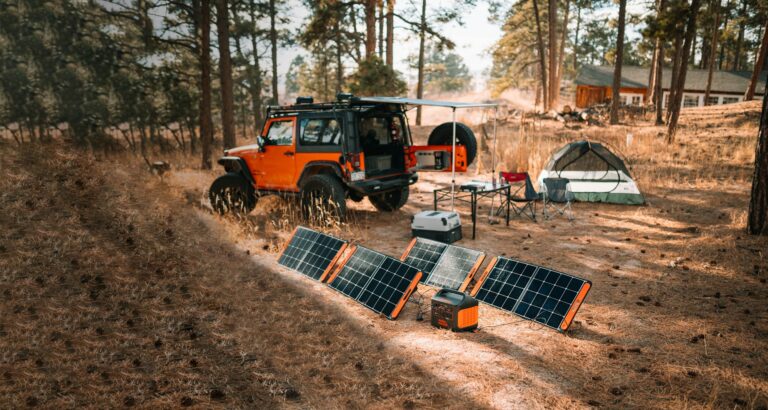
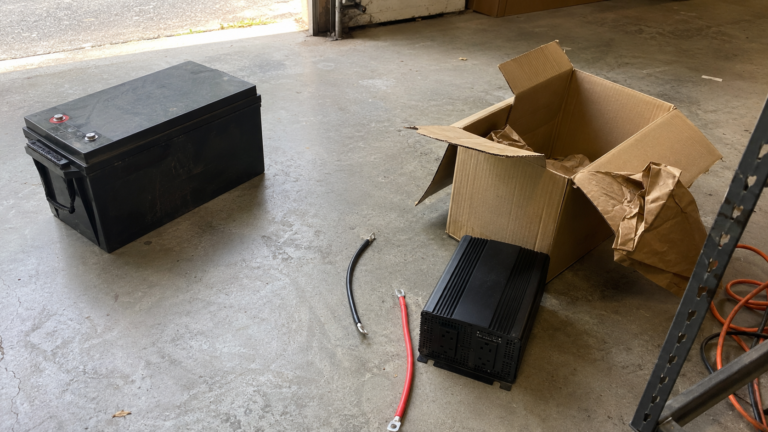
Backup electrical systems create their own fuel demands as well. Phones, radios, rechargeable lights, battery banks, and portable power stations eventually need to be recharged. A layered system can reduce the number of hours a generator must operate, but the energy stored in those batteries still has to come from somewhere. During an extended outage, households may use short generator runs to recharge batteries and power essential appliances simultaneously rather than operating the generator continuously.
Storm-related outages can add equipment that was never included in the original fuel plan. Chainsaws and other cleanup equipment may be needed after tornadoes, ice storms, hurricanes, or severe wind events. These demands may be temporary, but they can consume gasoline at the same time the household is trying to preserve fuel for transportation and emergency power.
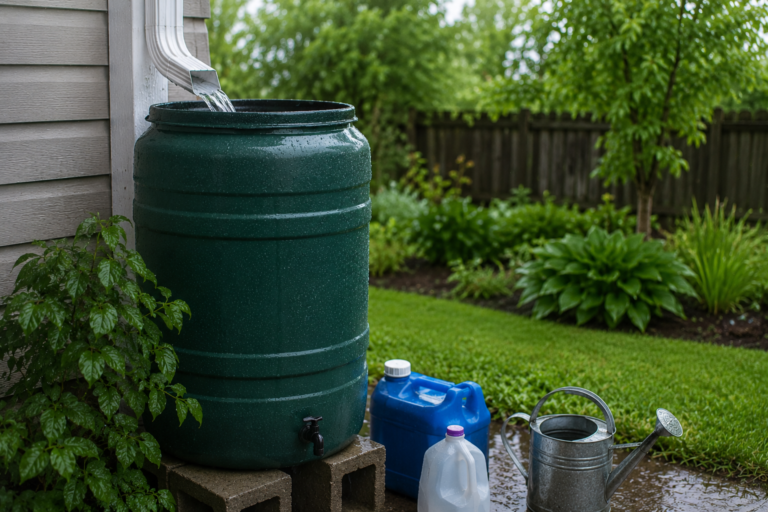
Private wells can create another important energy requirement. When utility electricity fails, many electric well pumps stop operating unless the household has a properly sized backup-power system. Generator operation may therefore be necessary not only for appliances but also for periodically refilling the pressure tank and maintaining household water access.
Anyone relying on stored water reserves should also review Long Term Water Storage | Complete Prepper Guide for Emergencies because stored water provides an important buffer when operating a well pump continuously is impractical or when backup power must be conserved.
The important point is that these fuel demands do not occur independently. A household may need gasoline for the generator in the morning, vehicle fuel for a supply run that afternoon, and propane for cooking that evening. Over 14 days, even relatively small daily uses begin adding up, which is why a realistic fuel plan should account for the household’s complete emergency routine rather than generator consumption alone.
Anyone building a serious blackout plan should also read How Fast Society Changes During a Long-Term Power Outage because changing conditions in the surrounding community can affect transportation, resupply, and how quickly household reserves are consumed.
Understanding where fuel is actually being consumed makes conservation much easier. Once you separate generator fuel, transportation fuel, cooking fuel, and contingency reserves into distinct needs, you can identify where consumption can be reduced before shortages begin limiting essential tasks.
How Much Fuel Generators Actually Burn During Extended Outages
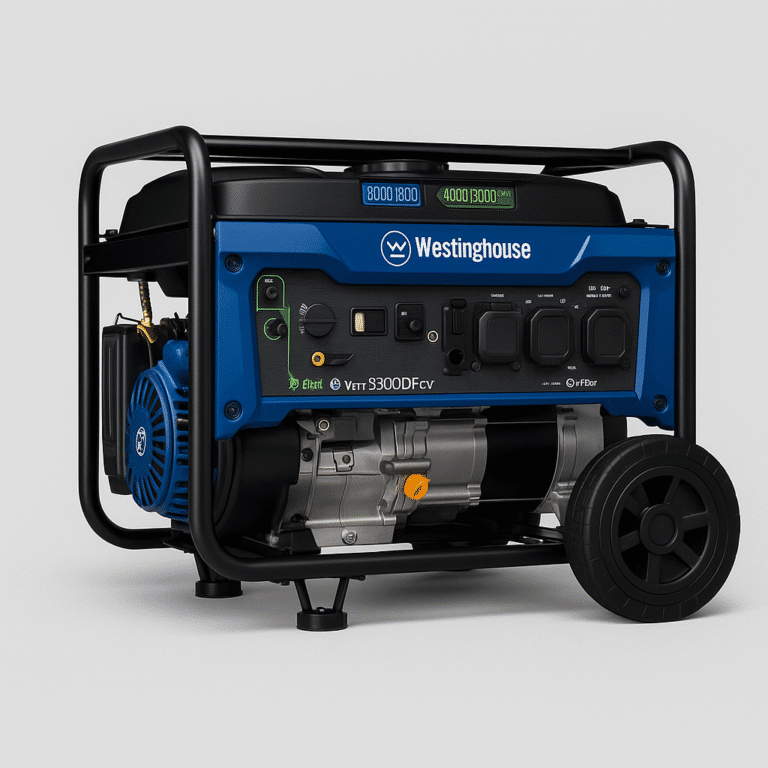
Generators are often the centerpiece of a household blackout plan, but they can also become the largest source of fuel consumption during an extended outage. Many households underestimate how much gasoline, propane, or diesel they will need because they think about generator consumption in terms of a single hour or tank rather than the total number of operating hours accumulated across a full 14-day emergency.
A generator running only several hours per day may initially seem manageable, but those hours add up quickly. Operating a generator for six hours per day, for example, produces 84 hours of total runtime over two weeks. Increasing the schedule to 10 hours per day raises that total to 140 hours, while near-continuous operation can require hundreds of operating hours before utility power is restored.
Actual fuel consumption depends on the generator, fuel type, electrical load, operating conditions, and runtime schedule. A lightly loaded inverter generator may consume considerably less fuel than a large conventional portable generator supplying several household circuits. This is why using a generic gallons-per-day estimate can produce a misleading fuel plan.
Use our Generator Runtime Calculator to estimate how long your generator can run and how much fuel you may need based on generator size, load, fuel type, and daily runtime.
Electrical load has a major effect on how efficiently stored fuel is converted into usable power. Refrigerators, freezers, lights, battery chargers, furnace blowers, well pumps, televisions, internet equipment, microwave ovens, and other appliances can all compete for generator capacity. Adding high-demand equipment such as portable air conditioners or electric heating appliances can increase both the electrical load and the amount of fuel required to maintain the same daily operating schedule.
This does not mean the generator must be kept as lightly loaded as possible at all times. The more useful strategy is to make each operating period productive. When the generator is running, a household can cool refrigerators and freezers, recharge portable power stations and battery banks, charge phones and radios, operate a well pump, and complete other essential electrical tasks during the same planned power window.
Anyone building a complete emergency power strategy should also review Grid-Down Survival Power because combining generator power with batteries, solar charging, and deliberate load management can reduce the number of generator hours required during a prolonged outage.
Scheduled Generator Runtime Can Extend Fuel Reserves
One of the most effective ways to reduce fuel consumption is to avoid treating the generator as a permanent replacement for utility power. Instead of attempting to maintain normal household electricity around the clock, establish scheduled operating periods based on the equipment that actually needs power.
Refrigerators and freezers, for example, do not necessarily require continuous generator operation when temperatures are being monitored and doors remain closed as much as possible. During planned generator periods, refrigeration equipment can cool back down while batteries, phones, radios, lights, and portable power stations recharge at the same time. Homes with electric well pumps can also use these periods to refill the pressure tank or complete other water-related tasks.
This approach concentrates several electrical needs into fewer generator hours instead of repeatedly starting the generator for individual tasks throughout the day. The exact schedule will depend on weather, refrigeration temperatures, medical requirements, water needs, battery capacity, and the equipment being powered, but the objective remains the same: obtain as much useful work as possible from each hour of generator operation.
Starting Surges Must Be Included in the Power Plan
Generator planning also has to account for starting watts, not just normal running watts. Motor-driven equipment such as refrigerators, freezers, furnace blowers, air conditioners, and well pumps can briefly require substantially more power when their motors start than they consume once they are running.
Several motor loads starting at approximately the same time can exceed a generator’s surge capacity even when their combined running wattage appears acceptable. Managing when large loads start can therefore prevent overloads and may allow a household to operate essential equipment without unnecessarily moving to a much larger generator.
A properly sized generator is important, but buying more wattage than necessary is not automatically a better fuel strategy. The goal is to match generator capacity to the loads you actually intend to operate while maintaining enough reserve for startup demand and unexpected loads.
Long Outages Also Require Generator Maintenance
Fuel calculations are only part of extended generator operation. A generator accumulating dozens or hundreds of operating hours during a prolonged blackout may require oil changes, inspections, air-filter service, spark-plug maintenance, and other work specified by the manufacturer. The generator also needs appropriate cooldown and safe refueling procedures throughout the outage.
Maintenance supplies should therefore be stored alongside the fuel supply. Having gasoline for two weeks does little good if the generator reaches a required maintenance interval and the correct oil, filter, spark plug, or basic tools are unavailable.
Anyone depending heavily on a generator should also read Two-Week Power Outage Preparedness because a prolonged outage requires a different operating strategy than a short storm-related interruption.

The most resilient generator plan is not necessarily the one with the largest machine or the largest fuel stockpile. A properly sized generator, realistic runtime schedule, coordinated electrical loads, adequate maintenance supplies, and additional battery or solar capacity can make the same amount of stored fuel support essential household needs for considerably longer.
How Refrigerators and Freezers Quietly Drain Fuel Reserves
Food preservation can become one of the largest hidden fuel demands during a prolonged blackout because households are trying to protect refrigerated and frozen food at the same time they are trying to conserve generator fuel. The goal is not necessarily to keep a refrigerator and freezer powered continuously. Instead, the objective is to keep food within safe temperature ranges while using as little generator runtime as practical.
Many people assume refrigerators and freezers need constant generator power during an outage, but these appliances can retain cold temperatures for a period of time after power is lost. How long they remain cold depends on the appliance, how full it is, the surrounding temperature, how often the door is opened, and the temperature of the food when the outage begins. Repeatedly opening the door allows cold air to escape and forces the compressor to work longer the next time power is restored.
This is where generator scheduling becomes important. Rather than running a generator continuously simply because refrigerated food is present, households can monitor appliance temperatures and coordinate refrigeration with other scheduled power needs. A generator period used to cool the refrigerator and freezer can also recharge phones, radios, battery banks, portable power stations, and other essential equipment at the same time.
Anyone trying to preserve food during an outage should also read How Long Food Lasts Without Power (Fridge, Freezer & Pantry Breakdown). Knowing the actual food-safety limits for refrigerators and freezers makes it easier to develop a sensible generator schedule instead of burning fuel simply because the utility power is off.
Freezers and Refrigerators Require Different Strategies
A full freezer generally retains cold better than a partially filled one because the frozen contents create additional thermal mass. Keeping the freezer closed as much as possible can therefore extend the time between generator cycles and reduce the amount of fuel devoted exclusively to food preservation.
Refrigerators require more active management because frequently used food, drinks, medications, and other items may cause the door to be opened throughout the day. Organizing the refrigerator before an expected outage, or immediately after one begins, can reduce the amount of time the door remains open. Knowing exactly where essential items are located is a simple step, but repeated unnecessary door openings can add to compressor runtime over a long outage.
Outdoor and indoor temperatures also affect the plan. A refrigerator in a hot kitchen or a freezer located in an unconditioned garage may warm considerably faster during a summer outage than the same appliance would during mild weather. High surrounding temperatures can also increase the amount of work required when the generator is restarted and the appliance begins cooling again.
Use Temperature, Not Guesswork, to Decide When Power Is Needed
A refrigerator/freezer thermometer is one of the simplest tools for managing generator runtime because it provides actual temperature information instead of forcing you to guess whether an appliance needs power. Ideally, use a thermometer that can be read without repeatedly opening the appliance door.
Frequently accessed items can also be moved to a cooler when appropriate. Drinks, snacks, and other items that family members reach for throughout the day can be kept separately so the main refrigerator remains closed longer. This is especially useful when the household is trying to stretch generator fuel across a week or more.
During a prolonged blackout, refrigeration becomes more than a food-storage problem. It becomes part of the household’s overall energy budget. Monitoring temperatures, limiting door openings, grouping electrical tasks into planned generator periods, and reducing unnecessary refrigeration demand can preserve food while leaving more fuel available for water, transportation, medical equipment, and other essential needs.
How Cooking During a Blackout Consumes More Fuel Than Most Families Expect
Cooking can become a surprisingly significant fuel demand during an extended blackout because most households rarely think about how much energy goes into preparing meals. Once electric ranges, ovens, microwaves, and other kitchen appliances are unavailable, every hot meal may begin drawing directly from stored propane, butane, charcoal, wood, or another backup cooking fuel. Over a full 14-day outage, even relatively simple meal preparation can consume more fuel than expected.
The problem becomes worse when families try to maintain their normal cooking habits. Long simmering times, repeatedly reheating food, boiling more water than necessary, using oversized cookware, and preparing several separate dishes all increase fuel consumption. Generator fuel often receives most of the attention in blackout planning, but cooking three meals a day for an entire household can create another continuous demand that needs its own fuel plan.
Shelf-stable foods can help reduce that demand because many require little or no cooking and do not depend on refrigeration. A blackout food supply built around canned foods, ready-to-eat items, quick-cooking staples, and meals that require minimal preparation can preserve both cooking fuel and generator fuel. The goal is not to eliminate hot meals, but to avoid spending limited fuel preparing food in the same way you would when unlimited utility power is available.
Daily Cooking Habits Add Up Over Two Weeks
Portable propane or butane camp stoves can provide a practical way to prepare food when the grid is down, but their fuel supply still needs to be managed carefully. A single meal may use relatively little fuel, yet breakfast, coffee, lunch, dinner, boiling water, and reheating food can turn into multiple burner sessions every day. Multiply those small uses across 14 days and cooking becomes a meaningful part of the household’s overall fuel budget.
Families can reduce consumption by planning meals around the same cooking session. Water can be heated while another dish is being prepared, several servings can be cooked at once, and leftovers can be incorporated into the next meal rather than repeatedly starting the stove. Keeping lids on pots and matching cookware size to the burner can also reduce the amount of time a flame needs to remain on.
Refrigeration Failure Can Suddenly Increase Cooking Demand
Cooking fuel consumption can rise sharply if refrigerated or frozen food begins approaching unsafe temperatures. Instead of following the original meal plan, a household may suddenly need to prioritize perishable foods that would otherwise be lost. Meat and other expensive frozen foods can create a particularly large workload if several items begin thawing at approximately the same time.
This is another reason the refrigerator, freezer, generator, and cooking plans should work together. Maintaining safe freezer temperatures may preserve food longer and prevent the household from being forced into an unnecessary burst of cooking simply to avoid waste. Anyone trying to protect freezer food during an extended outage should also read What Runs Out First in a Blackout? because cooking fuel and refrigeration capacity can become closely connected as an outage continues.
Use Cooking Methods That Reduce Burner Time
Fuel-efficient cooking does not require complicated survival equipment. Pressure cookers can shorten the cooking time for foods that would otherwise require long simmering, while one-pot meals allow several ingredients to be prepared using a single burner. Batch cooking can produce enough food for more than one meal, provided leftovers can be stored safely, and retained-heat cooking can allow some foods to continue cooking after the active heat source has been removed.
Meal selection matters just as much as the stove itself. During a prolonged blackout, foods that cook quickly or can be eaten without cooking should make up a larger portion of the menu, while meals requiring hours of continuous heat should be used more selectively. A dependable emergency cooking system should therefore include both an appropriate stove and foods chosen specifically to reduce fuel consumption.
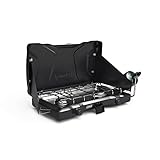
Households that conserve cooking fuel successfully during a long blackout usually make the adjustment early rather than waiting until their reserves are running low. Simplifying meals, combining cooking tasks, reducing unnecessary burner time, and keeping a supply of low-cook and no-cook foods can make the same amount of stored fuel last substantially longer.
How Vehicle Usage Quietly Drains Fuel Reserves During Long-Term Outages
Many blackout preparedness plans focus heavily on generator fuel while overlooking another major source of gasoline consumption: transportation. Even when normal commuting stops, a prolonged outage can create new reasons to drive, including pharmacy visits, medical needs, supply runs, checking on family members, searching for food or fuel, and preparing for a possible evacuation. Over a two-week period, those trips can consume a significant portion of a household’s gasoline reserve.
Transportation can become even less efficient when an outage affects an entire community. Traffic signals may stop working, roads can become congested around operating stores and gas stations, and drivers may spend additional time searching for businesses that still have power or supplies. A trip that normally takes 15 minutes can require considerably more driving and idling when normal infrastructure is disrupted.
Fuel searches can create a particularly wasteful cycle. Once nearby stations close, lose power, or run out of gasoline, drivers may begin traveling farther in hopes of finding an operating pump. Waiting in long lines with the engine running consumes additional fuel, and driving from station to station can use part of the reserve the household is trying to replace. For that reason, a transportation plan should include a dedicated vehicle reserve rather than assuming generator fuel can always be redirected to the vehicle later.
Anyone building a serious blackout transportation plan should also read Should You Stay or Bug Out? (Real Emergency Decision Guide). Unnecessary movement during a widespread infrastructure failure can consume valuable fuel and expose the household to additional problems without providing a meaningful benefit.
Rural Households May Need Larger Transportation Reserves
Rural households face a different transportation problem because essential services may already be many miles away before an emergency begins. Grocery stores, pharmacies, medical facilities, hardware stores, and operating fuel stations can require substantial round trips, and those distances may increase if the nearest businesses are closed or out of supplies.
This makes trip planning especially important during a prolonged outage. Instead of making separate trips for groceries, prescriptions, fuel, and other supplies, households can combine necessary errands whenever conditions allow. Keeping vehicles reasonably fueled before severe weather or other predictable disruptions also reduces the need to join fuel lines immediately after an outage begins.
Medical and family needs should be considered separately from ordinary supply trips. If a household member may require transportation for medical care, or if relatives depend on regular welfare checks, enough vehicle fuel should be protected for those purposes. Using that reserve for unnecessary trips early in the outage can leave the household with fewer options if conditions deteriorate later.
Anyone preparing for prolonged infrastructure failure should also review What Happens After 30 Days Without Power because transportation and fuel-distribution problems can become more serious as an outage extends beyond the initial emergency period.

During a true two-week blackout, transportation is no longer simply a matter of convenience. Every unnecessary trip reduces the fuel available for medical needs, critical resupply, family emergencies, or evacuation. Separating vehicle fuel from generator fuel, combining necessary trips, and maintaining a protected mobility reserve can keep transportation available when it is genuinely needed.
How Much Fuel a Household Actually Needs for a Realistic 14-Day Blackout
There is no single fuel-storage number that works for every household during a two-week blackout. Actual requirements depend on generator size and efficiency, daily runtime, electrical load, transportation needs, cooking method, weather conditions, and the amount of conservation built into the plan. A household running a small generator for several scheduled hours each day can have a dramatically different fuel requirement than one attempting to maintain near-normal electrical use.
The best way to estimate a two-week supply is to calculate each major fuel demand separately and then combine them. Generator fuel should be based on expected daily runtime and load, vehicle fuel should reflect essential transportation rather than normal driving habits, and cooking fuel should be estimated according to the stove and meal plan you actually intend to use.
Use our Generator Runtime Calculator to estimate generator runtime and fuel consumption, then multiply your planned daily usage across the full 14-day outage. Keep transportation and cooking fuel separate so those reserves are not accidentally consumed by the generator.
If your generator runs on propane, use our Propane Runtime Calculator to estimate how long your stored propane supply may last during an outage.
Resupply should not be treated as guaranteed. Gas stations depend on electricity, communications, functioning payment systems, fuel deliveries, and transportation infrastructure. Some stations may remain operational with backup power while others may not, and widespread demand can reduce local availability quickly. A stronger two-week plan is built around the fuel already available to the household rather than assuming additional gasoline or propane will be easy to obtain later.
Anyone building a broader preparedness system should also review Emergency Preparedness Plan 2026: The Complete Survival Framework because fuel requirements are closely connected to water, food, power, transportation, communication, and other household needs.
Break the 14-Day Fuel Supply Into Separate Categories
Instead of treating every gallon or propane cylinder as part of one general emergency supply, divide the fuel plan according to its intended purpose. This makes it much easier to see where fuel is being consumed and prevents one system from quietly using reserves intended for another.
A practical two-week fuel plan may include:
- Generator fuel: Gasoline, propane, or diesel reserved for planned generator operation.
- Vehicle fuel: A protected reserve for medical trips, essential resupply, family needs, or other necessary transportation.
- Cooking fuel: Propane, butane, charcoal, wood, or another appropriate fuel dedicated to meal preparation.
- Equipment fuel: Fuel needed for chainsaws, pumps, or other equipment that may be required during the emergency.
- Contingency reserve: Fuel held back for unexpected needs or an outage that lasts longer than originally anticipated.
Generator fuel will often represent a significant portion of the total requirement, but its consumption can be controlled through scheduling. If the generator is operated during planned windows for refrigeration, battery charging, water pumping, and other essential loads, the household can calculate a relatively predictable daily requirement and multiply that amount across 14 days.
Transportation should be calculated separately. Start with the vehicle’s approximate fuel economy and estimate the mileage required for essential trips rather than normal weekly driving. Then maintain enough reserve to preserve mobility for unexpected medical needs, evacuation, or critical resupply instead of consuming the entire vehicle supply during routine trips early in the outage.
Cooking fuel requires the same treatment. The amount needed depends heavily on the appliance, fuel type, household size, meal plan, and how often hot meals are prepared. A household relying heavily on shelf-stable foods and batch cooking may use considerably less cooking fuel than one attempting to prepare three conventional meals every day.
Protect Critical Fuel Instead of Treating It as One Shared Supply
Separating fuel by purpose also creates a simple form of rationing before rationing becomes necessary. Generator fuel remains available for power, vehicle fuel remains available for transportation, and cooking fuel remains available for meals. If conditions worsen, the contingency reserve can then be assigned to the area where it provides the greatest benefit.
Anyone relying heavily on stored fuel should also review Grid-Down Survival Power because reducing electrical demand, using batteries strategically, and adding alternative charging methods can often extend a finite generator fuel supply more effectively than simply increasing the amount of fuel stored.

A realistic 14-day fuel plan is therefore not a single gallon target. It is a combination of calculated generator consumption, protected transportation capacity, cooking requirements, equipment needs, and a contingency reserve. Once those categories are calculated separately, you have a much clearer picture of how much fuel your household actually needs and where conservation will have the greatest effect.
The Fuel Storage Mistakes That Cause Problems During Real Emergencies
Storing emergency fuel sounds straightforward until a household tries to maintain a usable reserve for months or years. Fuel quality, approved storage containers, temperature, rotation, available storage space, and local fire-safety requirements all affect how practical a large reserve really is. A two-week fuel plan therefore needs to consider not only how much fuel may be required, but whether that fuel can be stored and maintained safely until it is needed.
One of the most common problems is allowing stored gasoline to sit indefinitely without a rotation plan. Gasoline changes during storage, and fuel containing ethanol can be particularly sensitive to moisture and storage conditions. Rather than filling containers and forgetting about them for years, stored gasoline should be treated as a rotating supply that is periodically inspected and replaced according to the fuel, stabilizer, container, and equipment manufacturers’ recommendations.
Use Proper Fuel Containers and Storage Practices
Container quality matters just as much as fuel quantity. Gasoline and other fuels should be kept only in containers designed and approved for the specific fuel being stored, with caps, seals, and vents used according to the container manufacturer’s instructions. Damaged, leaking, deteriorated, or improvised containers can turn an emergency reserve into a fire, vapor, contamination, or spill hazard.
Fuel storage also needs to account for heat and ignition sources. Gasoline vapors are highly flammable, so fuel should never be stored or handled near generators, heaters, open flames, sparks, or other ignition sources. Storage requirements can vary by location and by the amount and type of fuel involved, so households planning larger reserves should check applicable local fire codes and follow the storage instructions provided by the fuel-container and equipment manufacturers.
Never refuel a generator while it is running or hot. Shut it down and allow it to cool according to the manufacturer’s instructions before adding fuel. Generators should also be operated outdoors and well away from doors, windows, vents, and other openings because carbon monoxide can accumulate rapidly in enclosed or partially enclosed spaces.
Rotate Fuel Instead of Forgetting About It
A reliable emergency fuel reserve should be part of a regular rotation system rather than a collection of containers that disappear into storage for years. Marking containers with the purchase or fill date makes it easier to track their age, inspect them periodically, and rotate appropriate fuel into normal use before replacing it with fresh fuel.
If a fuel stabilizer is used, follow its label directions rather than assuming it makes gasoline suitable for indefinite storage. Stabilizers can be useful fuel-management tools, but storage life still depends on the fuel, container, environmental conditions, and the requirements of the equipment that will eventually use it.
Do Not Store More Fuel Than You Can Manage Safely
Another common mistake is deciding on a large gallon target without first considering where and how that quantity can be stored. As the reserve grows, so do the practical requirements for approved containers, safe storage space, inspection, rotation, and organization. Local codes, lease agreements, insurance requirements, and fire regulations may also restrict where or how much fuel can be stored.
Apartment residents and people with limited outdoor storage face particularly important constraints. Keeping a large gasoline reserve inside a living space is not an acceptable substitute for proper fuel storage, so these households may need to rely more heavily on lower energy consumption, battery systems, alternative charging options, and other preparedness strategies.
Anyone living in tighter spaces should also review Apartment Blackout Survival: How to Live Without Power in a Small Space because smaller living environments require a different approach to backup power and emergency supplies than properties with appropriate dedicated storage areas.
Keep the Equipment Needed to Use the Fuel
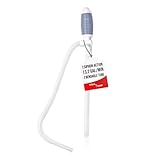
Stored fuel is only useful if it can be transferred and used safely when the power is out. Appropriate funnels, manufacturer-approved transfer equipment, spare container caps or seals, absorbent material for small spills, generator maintenance supplies, and any other equipment required by your specific fuel system should be organized before an emergency begins.
Trying to improvise fuel transfer during a blackout increases the chance of spills, contamination, wasted fuel, and fire hazards. The equipment used for transferring gasoline or other fuels should be specifically suitable for that fuel and used according to its instructions.

Anyone building a realistic blackout system should also review What Stops Working First in a Long-Term Blackout? because fuel availability becomes more important as transportation, retail, communications, and other infrastructure systems are disrupted.
During a prolonged blackout, the useful reserve is not simply the number of gallons sitting in storage. It is the amount of properly stored, maintained, accessible fuel that can actually be used safely when generators, vehicles, or other essential equipment need it.
How to Stretch Fuel Supplies as Long as Possible During a Blackout
Making a limited fuel supply last through an extended blackout depends as much on reducing demand as it does on the amount stored before the outage. Every gallon conserved during the first several days remains available later for refrigeration, water pumping, transportation, medical needs, or other priorities that may become more important as conditions change.
One of the most effective adjustments is to stop trying to maintain a normal utility-powered routine. During a prolonged outage, generator power should be treated as a limited resource rather than a continuous replacement for the electrical grid. Running a generator for unnecessary lighting, entertainment, convenience appliances, or other nonessential loads can consume fuel that may be much more valuable later in the emergency.
Group Electrical Loads Into Planned Generator Windows
Instead of operating a generator throughout the day for individual tasks, group as many essential electrical needs as practical into scheduled power windows. Refrigerators and freezers can cool while phones, radios, rechargeable lights, battery banks, and portable power stations recharge. Homes with electric well pumps can also use these periods to restore water pressure or fill appropriate water containers.
This approach allows each hour of generator operation to accomplish several jobs at once. The exact schedule will depend on weather, refrigeration temperatures, medical requirements, water needs, battery capacity, and the equipment being powered, so households should monitor actual conditions rather than relying on a rigid universal schedule.
Anyone building a layered emergency power strategy should also review Grid-Down Survival Power because batteries, solar charging, load management, and generator scheduling can work together to reduce dependence on stored fuel.
Reduce Cooking Fuel Consumption
Food planning can also extend fuel reserves. Meals that require long simmering, repeated reheating, or several burners consume more cooking fuel than simple meals prepared in a single session. One-pot meals, batch cooking, pressure cooking, quick-cooking staples, and foods that require little or no heat can reduce the amount of propane, butane, charcoal, or other cooking fuel used over two weeks.
Meal planning should also account for refrigeration. Using perishable foods strategically and then shifting toward shelf-stable foods can reduce both cooking demand and the amount of generator runtime devoted to keeping food cold.
Protect Vehicle Fuel for Trips That Matter
Transportation fuel should be conserved with the same discipline as generator fuel. Combining errands into a single trip, avoiding unnecessary driving, and planning supply runs before leaving home can reduce mileage substantially. Searching repeatedly for fuel or supplies can consume the gasoline a household is trying to obtain, particularly when operating stations are farther away or surrounded by long lines.
A protected transportation reserve is especially important for medical needs, critical family responsibilities, and possible evacuation. Treating that fuel as unavailable for routine trips helps preserve mobility if conditions worsen.
Reduce Heating and Cooling Loads Before Adding Generator Runtime
Heating and cooling can place substantial demands on an emergency power system, so reducing the amount of space that needs to be conditioned can preserve fuel. During hot weather, closing blinds or curtains against direct sunlight, limiting heat-producing activities, improving airflow where appropriate, and concentrating activity in more comfortable areas can reduce cooling demand.
During cold weather, closing off unused rooms where appropriate, reducing drafts, using suitable insulation measures, and concentrating household activity can reduce the amount of energy required to maintain tolerable conditions. These measures do not eliminate the need for safe heating or cooling when temperatures become dangerous, but they can reduce how heavily backup power systems must be used.
Move Low-Power Tasks Away From the Generator
Not every electrical task requires a generator. Rechargeable lanterns, radios, phones, small battery banks, and similar low-power devices can often operate from stored battery capacity between generator periods. Portable power stations and solar charging can provide another layer for appropriate loads, allowing the generator to be reserved for equipment that genuinely requires higher power.
Anyone preparing communication systems for outages should also review Emergency Communication & Radios Guide because radios and other communication equipment can often be maintained with relatively modest amounts of stored electrical energy.
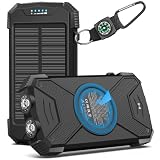
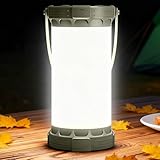
The objective is not to eliminate fuel use altogether. It is to make every generator hour, vehicle trip, and cooking session accomplish something worthwhile. A household that reduces unnecessary demand early in an outage can preserve more of its fuel reserve for the point when resupply is uncertain and essential needs become harder to postpone.
⚡ Free Blackout Preparedness Planner
Not sure where your blackout plan is weak? Download the FREE 17-page planner and organize your water, food, fuel, medical supplies, communication plan, and evacuation strategy.
Conclusion: Fuel Is What Keeps Modern Survival Systems Alive
Fuel becomes increasingly important during a prolonged blackout because so many household systems depend directly or indirectly on stored energy. Generators may be needed for refrigeration, well pumps, medical equipment, battery charging, lighting, and other essential loads, while vehicles require their own reserve for transportation and emergency travel. Cooking equipment and storm-cleanup tools can create additional fuel demands at exactly the same time those reserves become harder to replace.
This is why realistic blackout planning requires more than purchasing a generator and storing a few containers of gasoline. A household needs to understand how much fuel its generator actually consumes, how many hours it intends to operate each day, which electrical loads truly need backup power, how much transportation must remain available, and what other fuels will be required for cooking or emergency equipment.
A two-week outage also changes the value of conservation. Reducing generator runtime during the first several days, combining electrical loads into scheduled power windows, limiting unnecessary vehicle trips, simplifying meals, and using batteries or solar power for appropriate low-demand equipment can preserve fuel for needs that become more important later.
The strongest plan is therefore not built around maintaining a normal lifestyle without utility power. It is built around prioritizing essential systems and using limited resources deliberately. Fuel that is properly stored, rotated, divided according to purpose, and supported by a realistic conservation plan provides far more flexibility than a large reserve with no strategy behind it.
Before an outage occurs, calculate your expected generator consumption, identify a protected transportation reserve, estimate cooking requirements, and decide which loads can be shifted to batteries or alternative power. Those decisions are much easier to make while fuel, supplies, and replacement equipment are readily available than after a widespread outage has already disrupted local services.
A well-planned fuel reserve cannot guarantee that a two-week blackout will be easy, but it can keep essential systems operating longer and give the household more options as conditions change. That is ultimately the purpose of fuel preparedness: not to preserve every modern convenience, but to maintain the power, mobility, water access, food preservation, and other essential capabilities the household depends on until normal services return.