What to Plant in August in Zone 7: Fall Vegetable Garden Guide
August may feel like the end of the growing season, but it is one of the most important planting months for a fall vegetable garden. Gardeners wondering what to plant in August in Zone 7 still have time to grow leafy greens, root vegetables, brassicas, peas, and several fast-maturing crops before cold weather arrives.
This post contains affiliate links. I may earn a small commission at no extra cost to you. Learn more.
The main challenge is getting cool-season vegetables established while the soil and daytime temperatures are still hot. Seeds may dry out quickly, young transplants can suffer from heat stress, and crops planted too late may not mature before daylight hours become shorter. Choosing the right vegetables and planting them at the right point in August makes a major difference.
This guide covers what Zone 7a and Zone 7b gardeners can plant throughout August, which crops should be direct-sown or transplanted, and how to protect young plants during late-summer heat. Because frost dates vary within Zone 7, use your local average first-frost date to make the final adjustment to your planting schedule.
Because planting dates vary by location, use our free Vegetable Planting Date Calculator to create a schedule based on your local spring and fall frost dates.
Quick Answer
In Zone 7, August is the time to plant beets, carrots, radishes, turnips, lettuce, kale, collards, spinach, Swiss chard, peas, and other cool-season vegetables for fall. Broccoli, cabbage, cauliflower, and Brussels sprouts are generally more dependable when planted as established transplants. Gardeners may also sow fast-maturing bush beans and cucumbers during early August if at least 55 to 65 frost-free days remain. Heat-tolerant crops should be planted first, while spinach and other temperature-sensitive greens are usually more successful later in the month.
Key Takeaways
- August begins the main fall-garden planting season in Zone 7.
- Plant slow-growing brassica transplants early in the month.
- Direct-sow root vegetables and fast-growing leafy greens.
- Wait until later in August to plant spinach if the soil remains hot.
- Base final planting dates on the seed packet’s maturity time and your local first-frost date.
Understanding August Planting in Zone 7
USDA Zone 7 is divided into Zone 7a and Zone 7b according to average extreme winter temperatures. The designation helps determine which perennial plants can survive winter, but it does not provide an exact first-frost date. Elevation, location, and local weather patterns can cause fall frost dates to vary considerably within the same growing zone.
For vegetable planting, your expected first frost is more useful than the zone number alone. Count backward from that date using the crop’s listed days to maturity, then add approximately seven to fourteen days because plant growth slows as fall days become shorter. A vegetable listed at 50 days may need closer to 60 days when grown late in the season.
August planting also requires balancing two different conditions. Seeds and transplants must survive late-summer heat while becoming established early enough to mature in cooler weather. Crops with long maturity periods should be planted first, while fast-growing radishes, lettuce, spinach, and baby greens can be planted later or sown in several rounds.
Zone 7 August Vegetable Planting Chart
The following chart provides general August planting windows for Zone 7. Gardeners in cooler parts of Zone 7a may need to plant slightly earlier, while those in warmer Zone 7b locations may have more time. Always compare these windows with your local first-frost date and the maturity period listed for the specific variety.
| Vegetable | Best August Window | Planting Method | Typical Maturity |
|---|---|---|---|
| Carrots | Early to mid-August | Direct-sow | 60–75 days |
| Beets | Mid to late August | Direct-sow | 50–70 days |
| Turnips | Throughout August | Direct-sow | 40–60 days |
| Radishes | Mid to late August | Direct-sow | 22–40 days |
| Broccoli | Early to mid-August | Transplants preferred | 60–80 days |
| Cabbage and cauliflower | Mid to late August | Transplants preferred | 60–75 days |
| Bush beans | Early August | Direct-sow | 50–60 days |
| Swiss chard | Mid to late August | Direct-sow or transplant | 50–70 days |
| Spinach | Late August | Direct-sow | 35–50 days |
These planting windows should be adjusted for local conditions. Timing is based partly on the University of Arkansas Cooperative Extension Service fall planting guide.
Root Vegetables to Plant in August
Carrots, beets, turnips, and radishes are dependable choices for an August garden because they are planted directly in the soil and generally tolerate light fall frosts. Loose, well-drained soil is important because rocks, compacted clay, and undecomposed organic matter can cause roots to become forked or misshapen. Remove old plant material, loosen the upper several inches of soil, and work in finished compost before sowing.
Carrots and Beets
Plant carrots during early to mid-August so they have enough time to form usable roots before growth slows. Sow the seeds shallowly and keep the soil surface consistently damp until germination. Beet seeds can usually be planted from the middle through the end of August. Because each beet “seed” is actually a cluster that may produce multiple seedlings, thin crowded plants after they emerge. Beet greens removed during thinning can be eaten rather than discarded.
Turnips and Radishes
Turnips grow quickly and can provide both edible roots and nutritious greens. Plant small amounts every two weeks during August instead of sowing the entire packet at once. Radishes mature even faster, but extreme heat can produce strong-tasting or woody roots. In hotter parts of Zone 7, wait until the middle or end of August and choose varieties that mature in fewer than 35 days.
Planting Tip
Cover newly planted root-crop rows with a light layer of untreated grass clippings, straw, or breathable row cover to slow moisture loss. Remove or loosen the covering as soon as seedlings emerge so they receive adequate light.
Leafy Greens to Plant in August
Leafy greens are valuable fall-garden crops because they can be harvested at several stages. Baby leaves may be ready within a few weeks, while full-size plants continue producing as temperatures cool. Kale, collards, Swiss chard, mustard greens, lettuce, and spinach are all suitable for Zone 7, but they should not necessarily be planted at the same time.
Kale, Collards, and Swiss Chard
Kale, collards, and Swiss chard are among the better choices for early and mid-August because established plants tolerate more heat than spinach or lettuce. They can be direct-sown, but transplants provide a head start when the fall growing window is limited. Plant them where they will receive morning sun and some afternoon protection until temperatures begin dropping.
Lettuce, Spinach, and Mustard Greens
Mustard greens can be planted throughout much of August, although their flavor usually becomes milder in cooler weather. Lettuce is more likely to germinate when soil temperatures decline, so mid-to-late August is generally more dependable than the beginning of the month. Spinach is especially sensitive to hot soil and may germinate poorly if planted too early. Waiting until late August—or pre-sprouting the seeds indoors—can improve results.
Sow small amounts every seven to fourteen days rather than planting an entire bed at once. This succession-planting approach produces a steadier supply of fresh greens and reduces the chance that one period of extreme heat will ruin the entire planting.
Broccoli, Cabbage, and Other Brassicas
Broccoli, cabbage, cauliflower, Brussels sprouts, and related brassicas need more time to mature than radishes or leafy greens. For an August planting, established transplants are usually more reliable than seeds placed directly in the garden. Gardeners who want to grow their own transplants should start the seeds indoors several weeks before the intended outdoor planting date.
Broccoli can generally be transplanted during early to mid-August, while many cabbage and cauliflower varieties can be set out from the middle through the end of the month. Brussels sprouts require a long growing season, so use sturdy transplants and choose a shorter-season variety. Kale and collards are more forgiving and may be grown from seeds or transplants.
Set transplants out during the evening or on a cloudy day to reduce heat stress. Water the planting holes before setting the plants, then water again after the soil has been firmed around their roots. Temporary shade for the first several days can prevent severe wilting while the plants become established.
Watch for Fall Garden Pests
Cabbage worms, loopers, flea beetles, and aphids can damage young brassicas quickly. Inspect the undersides of leaves several times each week. Lightweight insect netting can protect the plants, but it should be installed immediately after planting and secured around every edge.
Peas, Beans, and Other Fast-Growing Crops
August provides one final opportunity to plant several warm-season vegetables, but timing is critical. Bush beans are one of the most dependable choices because many varieties begin producing in 50 to 60 days. Plant them during early August and select an early-maturing variety rather than pole beans, which generally need more time to produce a useful harvest.
Fast-growing cucumbers and summer squash may also produce when planted at the beginning of August, especially in warmer parts of Zone 7. These late plantings carry more risk from insects, disease, drought, and an early frost, so they should be considered an extra harvest rather than the foundation of the fall garden.
Fall peas can be planted near the middle or end of August, but results vary. Hot soil can reduce germination, while an early freeze may arrive before the pods mature. Choose short-season snap peas, snow peas, or shelling peas and plant them where they receive afternoon shade. Soaking the soil before planting and keeping it evenly damp can help the seeds emerge during warm weather.
What to Plant in Early, Mid, and Late August
Dividing the month into shorter planting windows makes it easier to give every crop enough time to mature. These dates are flexible and should be moved forward or backward according to local temperatures and the expected first frost.
Early August
Begin with vegetables that require the longest growing period. Transplant broccoli, kale, and collards, and direct-sow carrots and turnips. This is also the best remaining window for planting short-season bush beans, cucumbers, or summer squash. Gardeners attempting Brussels sprouts should set out healthy transplants as early as possible.
Mid-August
Direct-sow beets, Swiss chard, mustard greens, turnips, and heat-tolerant lettuce. Set out cabbage and cauliflower transplants once they can be protected from the strongest afternoon sun. Short-season peas may also be planted if enough frost-free growing time remains.
Late August
Shift the garden toward faster cool-season crops. Plant spinach, radishes, leaf lettuce, mustard greens, turnips, and additional rows of baby kale. Continue succession planting every one to two weeks where space is available. Late-August seeds may still need daily moisture, but they often germinate more successfully as nighttime and soil temperatures begin to decline.
How to Help Fall Crops Survive the August Heat
The vegetables planted in August may prefer cool weather, but they must first survive some of the hottest conditions of the year. Consistent moisture and temporary protection are more important during establishment than heavy fertilizer or frequent soil disturbance.
Keep the Seedbed Moist
Shallowly planted seeds can fail if the soil surface dries before they germinate. Water gently in the morning and check the bed again during the afternoon. A fine spray is less likely to wash seeds away or create a hard crust over the soil. The goal is consistently damp soil, not standing water.
Provide Temporary Afternoon Shade
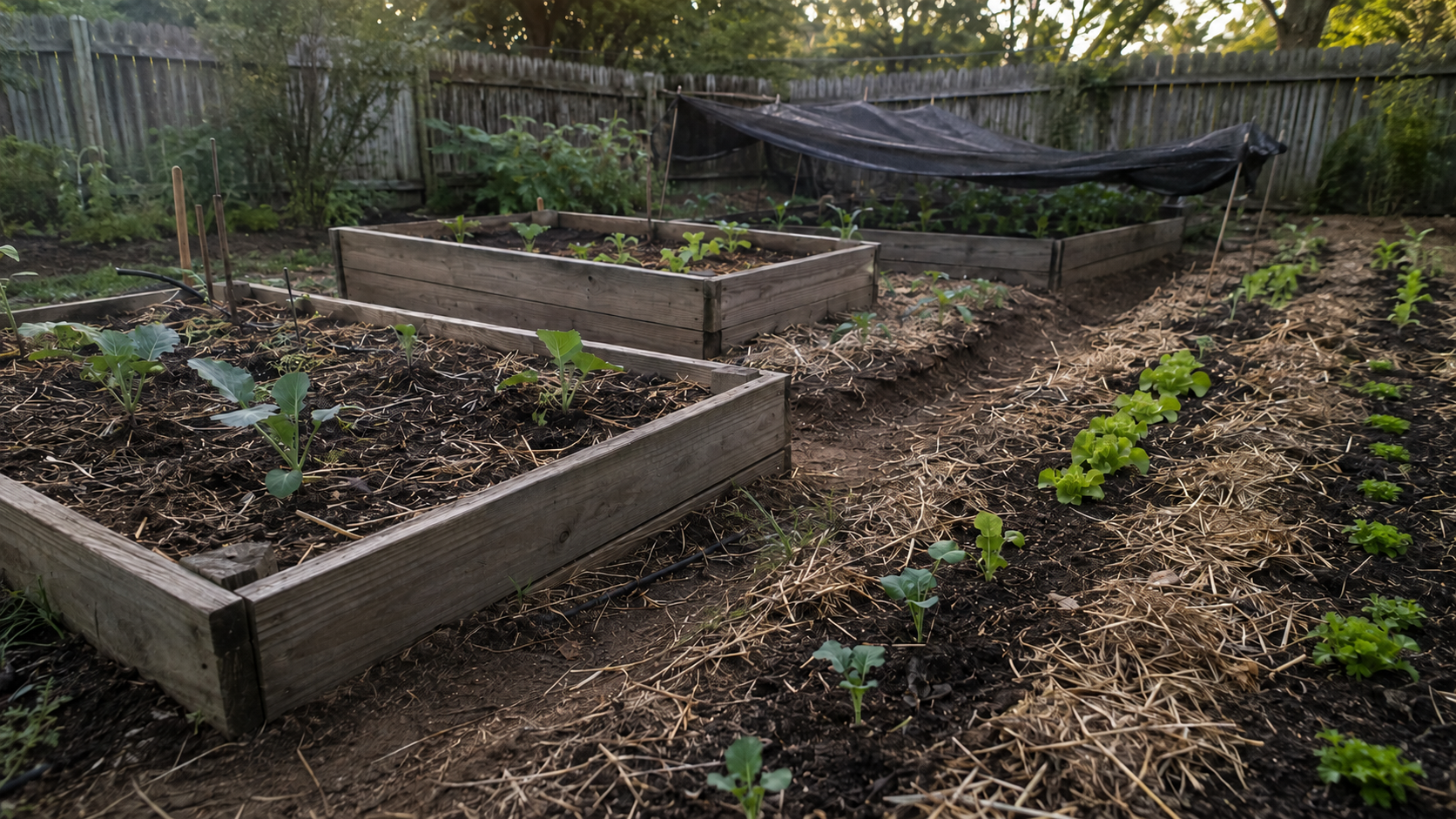
Shade cloth, an old screen, or lightweight row cover supported above the bed can protect seedlings and new transplants from intense afternoon sun. Remove solid coverings after the hottest part of the day so air can circulate. Gradually increase sun exposure as the plants become established.
Mulch After Seedlings Emerge
Apply a thin layer of clean straw, shredded leaves, or untreated grass clippings around established seedlings. Mulch reduces evaporation, moderates soil temperature, and limits weed growth. Keep it slightly away from stems to reduce the risk of rot and pest damage.
Delay Heavy Fertilizing
Compost may be mixed into the bed before planting, but avoid applying excessive nitrogen to stressed seedlings. Strong fertilizer can damage young roots or encourage weak, leafy growth. Once the plants are established and actively growing, use fertilizer according to soil-test recommendations.
🛒 Recommended Fall Garden Supplies
These basic supplies can help newly planted fall vegetables survive the August heat and avoid early pest damage.
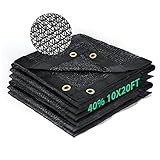
40% Garden Shade Cloth
Provides temporary protection from intense afternoon sun while allowing air and some light to reach young seedlings and transplants.
Ultra-Fine Garden Insect Netting
Helps protect broccoli, cabbage, kale, and other fall vegetables from cabbage worms, flea beetles, aphids, and similar garden pests.

Gentle-Spray Watering Wand
Produces a soft shower that keeps shallow seedbeds moist without washing away seeds or disturbing delicate seedlings.

August Planting Checklist
- Remove exhausted summer crops and weeds.
- Loosen the soil and add finished compost.
- Check the expected first-frost date.
- Choose varieties with enough time to mature.
- Plant long-season crops first.
- Water seedbeds before and after sowing.
- Provide temporary afternoon shade.
- Label each row with the crop and planting date.
- Inspect seedlings regularly for insects.
- Plant additional greens and radishes every one to two weeks.
Frequently Asked Questions
Is August too late to start a fall garden in Zone 7?
No. August is one of the main planting months for fall vegetables in Zone 7. The key is choosing cool-season crops and varieties with enough time to mature before the first hard freeze.
Should fall vegetables be planted from seeds or transplants?
Carrots, beets, turnips, radishes, beans, and most leafy greens are usually direct-sown. Broccoli, cabbage, cauliflower, and Brussels sprouts are more dependable when planted as established transplants.
When should spinach be planted in Zone 7?
Spinach is generally more successful when planted during late August or early September. Hot soil can prevent germination, so gardeners may need to wait until nighttime temperatures begin declining.
Which vegetables grow fastest when planted in August?
Radishes, baby lettuce, mustard greens, turnip greens, and some bush bean varieties provide the fastest harvests. Always check the individual variety because maturity times can differ considerably.
Can fall vegetables survive frost?
Many cool-season vegetables tolerate light frost. Kale, collards, spinach, carrots, and turnips may even improve in flavor after cold weather. Young seedlings and tender crops should still be protected during unusually hard freezes.
Final Thoughts
August is not the end of the growing season in Zone 7. It is the beginning of a second opportunity to produce fresh food before winter. Carrots, beets, turnips, leafy greens, brassicas, and other short-season vegetables can keep an otherwise empty garden productive well into fall.
Success depends on planting long-season crops early, waiting for slightly cooler conditions before sowing spinach and lettuce, and keeping seeds consistently moist during hot weather. Start with the space and seeds you have, protect young plants from afternoon heat, and adjust future planting dates according to what performs best in your garden.