
How to Stay Cool While Camping in Extreme Heat: 12 Practical Tips
Staying cool while camping in extreme heat takes more than a portable fan and a cooler full of ice. When summer temperatures climb into the 90s or triple digits, your campsite, shelter, clothing, hydration, and daily schedule all affect how safely and comfortably you can spend time outdoors.
This post contains affiliate links. I may earn a small commission at no extra cost to you. Learn more.
Hot-weather camping can be especially challenging in humid forests, exposed desert campsites, and areas where temperatures remain high after sunset. Even experienced campers can underestimate how quickly heat exposure and physical exertion can become dangerous.
Fortunately, practical planning can make a major difference. From choosing a shaded campsite to improving tent ventilation and organizing no-cook meals, this guide covers proven ways to reduce heat exposure and prepare for summer camping conditions.
You’ll learn how to choose a cooler campsite, manage daytime activities, improve your sleeping setup, select useful cooling gear, and recognize warning signs that mean it’s time to stop and seek help.
Important Heat Safety Warning
Camping equipment cannot make dangerous heat conditions safe. If a camper develops confusion, seizures, collapse, or reduced responsiveness after heat exposure, suspect heat stroke. Call 911 or activate emergency rescue and begin rapid cooling immediately.
1. Choose a Campsite That Naturally Stays Cooler
One of the most effective ways to stay cool while camping is to choose a location that limits direct sunlight and allows air to circulate.
Look for Reliable Natural Shade
Tree cover can reduce direct solar exposure and make outdoor activities more comfortable. Mature trees with broad canopies are particularly useful for campsites occupied throughout the day.
However, shade changes as the sun moves. A tent protected from morning sunlight may receive full afternoon exposure.
- Tree canopies: Look for healthy trees that provide substantial shade without dangerous overhead limbs.
- Established campground shelters: Covered picnic areas and shade structures can provide daytime relief.
- Rock formations: Natural shade may help, but avoid unstable overhangs, rockfall areas, and narrow canyons with flash-flood hazards.
Consider Elevation and Airflow
Higher-elevation campsites may experience cooler temperatures, although local conditions vary. Breezy areas can improve comfort when outdoor temperatures are moderate enough for airflow to help.
Avoid choosing a campsite solely because it is close to water. Low-lying areas near streams may be humid, prone to insects, or exposed to flash flooding.
Inspect the Campsite Before Setting Up
Before pitching your tent, consider where afternoon sunlight will fall, whether the area has dependable shade, and whether there is a safe evacuation route if conditions deteriorate.
Campsite Selection Tip
A shaded campsite with dependable airflow is generally preferable to an exposed site, but shade alone does not eliminate heat illness risk during extreme temperatures.
2. Plan Camping Activities Around the Heat
Adjusting your daily schedule is often more effective than relying on cooling gadgets. The goal is to reduce strenuous activity during the hottest conditions.
| Time of Day | Recommended Activities | Heat-Safety Considerations |
|---|---|---|
| Early morning | Hiking, camp chores, meal preparation | Often cooler, but check actual temperatures and humidity |
| Late morning | Short activities, water preparation, light chores | Increase shade and rest breaks as temperatures rise |
| Hottest afternoon hours | Rest, reading, low-exertion activities in a cool location | Avoid strenuous activity; use air-conditioned shelter when needed |
| Evening | Dinner, campsite organization, short walks | Confirm that temperatures have actually declined |
| Overnight | Sleep and recovery | Monitor overnight heat and ventilation |
There is no universally safe hiking hour. In some locations, dangerous heat begins early and persists long after sunset.
Check local heat alerts and adjust or cancel activities when conditions become unsafe.
3. Wear Clothing That Reduces Sun Exposure
Appropriate clothing can reduce direct sun exposure while allowing sweat to evaporate.
Choose Lightweight, Breathable Fabrics
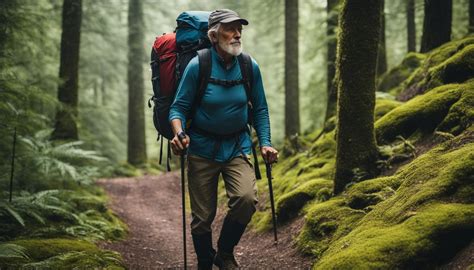
Look for comfortable clothing designed for warm-weather activity. Lightweight synthetic blends and other breathable fabrics can help manage moisture, especially during hiking.
Loose-fitting clothing may allow better air circulation than tight garments. Fabric thickness, weave, color, and ventilation all affect comfort.
Protect Your Head and Neck
- Wide-brimmed hat: Provides shade for the face, ears, and neck.
- UPF-rated clothing: Offers measurable protection against ultraviolet radiation.
- UV-blocking sunglasses: Help protect the eyes from sunlight and glare.
- Lightweight neck covering: Can provide additional sun protection and may be dampened for evaporative cooling.
- Broad-spectrum sunscreen: Use SPF 30 or higher and reapply according to the label, especially after sweating or swimming.
Sun protection is important even on cloudy days because ultraviolet radiation can penetrate cloud cover.
4. Keep Your Tent Cooler During the Day
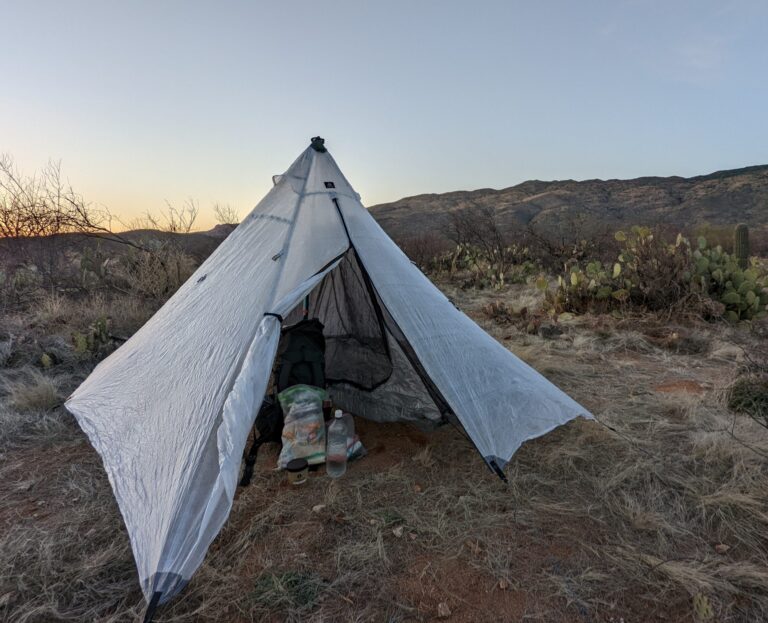
Tents can become dangerously hot in direct sunlight. Their enclosed interiors can trap heat, especially when airflow is limited.
Set Up in Shade Whenever Possible
Place your tent where it receives reliable shade during the hottest hours. If natural shade is unavailable, a properly positioned tarp may reduce direct sunlight on the shelter.
Leave space between the tarp and tent to encourage ventilation rather than trapping hot air.
Improve Cross-Ventilation
Open compatible vents, mesh windows, and doors when weather and campsite security allow. Orient the tent to take advantage of prevailing breezes.
During clear weather, some tents allow the rainfly to be partially removed or adjusted. Follow the manufacturer’s setup guidance and remain prepared for sudden rain.
Avoid Resting Inside an Overheated Tent
An enclosed tent in direct sunlight can be hotter than the surrounding outdoor air. If the tent feels dangerously hot, move to a cooler location instead of trying to endure the conditions.
Tent Safety
Never assume a tent is safe for daytime sleeping during extreme heat. A battery fan or open mesh door may improve comfort but cannot reliably prevent dangerous overheating.
5. Choose a Better Hot-Weather Sleeping Setup
Sleeping comfortably during summer camping requires ventilation, appropriate bedding, and a safe overnight temperature.
Use Lighter Bedding
A heavy sleeping bag may retain more warmth than you need during summer. Depending on expected overnight temperatures, a lightweight quilt, breathable sheet, or appropriately rated sleeping bag may be more comfortable.
Check the forecast before choosing bedding. Desert and mountain temperatures can drop significantly overnight, even after a hot day.
Consider a Camping Cot
A cot may improve airflow beneath the sleeping surface and reduce contact with warm ground. However, comfort depends on humidity, air movement, and the cot’s design.
Use Ventilation Without Sacrificing Safety
Mesh panels can provide airflow while helping keep insects outside. Position sleeping gear so it does not block vents.
If overnight conditions remain dangerously hot, relocate to an air-conditioned or otherwise adequately cooled shelter when possible.
6. Stay Hydrated Without Overdrinking
Water planning is essential during hot-weather camping. Heat, physical exertion, sweating, and the distance between reliable water sources all influence how much water you may need.
Carry Enough Water for the Conditions
Estimate drinking water needs based on the forecast, planned activities, number of campers, and access to safe refills. Include a reserve for delays or unexpected problems.
There is no single daily water quantity that works for every person or camping trip.
Drink According to Your Needs
Drink regularly and pay attention to thirst. During strenuous activities, avoid both inadequate fluid intake and forcing excessive amounts of water.
Overdrinking can contribute to exercise-associated hyponatremia, a potentially dangerous reduction in blood sodium.
Use Electrolytes Appropriately
During prolonged exertion with substantial sweating, regular food or an appropriately formulated electrolyte drink may help replace sodium losses.
For routine camping, plain water and normal meals are often sufficient. Electrolyte tablets and powders are not required for everyone, and more sodium is not automatically better.
Keep Drinking Water Cool
- Store water containers in shade.
- Use insulated bottles when practical.
- Pre-chill water before leaving home.
- Freeze partially filled bottles when the container is designed to tolerate freezing.
- Keep drinking water separate from untreated water.
For additional preparation, read our Ultimate Water Purification Guide.
7. Choose Cooling Gear That Actually Helps
Useful cooling gear should solve a specific problem, such as creating shade, improving comfort during moderate heat, or keeping food and drinking water cold.
No fan, towel, or portable shade structure can guarantee protection from heat illness.
Rechargeable Camping Fan
A rechargeable fan can improve comfort in a ventilated tent or shaded sitting area when environmental conditions are suitable. Look for adjustable airflow, secure mounting, reliable charging, and a battery capacity appropriate for the trip.
Fans are not a substitute for air conditioning during dangerous heat. In very hot environments, blowing hot air across the body may increase heat stress, particularly when evaporative cooling is ineffective.
A compact clip-on fan is useful for car camping, picnic shelters, and overnight airflow when conditions are safe.
No products found.
Evaporative Cooling Towel
A cooling towel is a lightweight option for dampening the neck, arms, or other exposed skin. Evaporation can help provide a cooling sensation, especially in drier air.
Cooling towels tend to be less effective when humidity is very high because water evaporates more slowly.
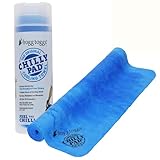
The FROGG TOGGS Chilly Pad is an example of a reusable evaporative cooling towel suitable for outdoor activities.

Portable Shade Tarp or Sun Shelter
A UV-resistant tarp or portable shade shelter can create a more comfortable outdoor seating and cooking area.
Choose a structure with adequate coverage, dependable anchors, and materials appropriate for expected wind conditions. Keep the shelter well ventilated.
Insulated Camping Cooler
For summer camping, choose an insulated cooler with dependable ice retention, a secure lid, and enough capacity for your group’s food and drinks. Look for a model with a removable liner for easier cleaning, and use a cooler thermometer to make sure perishable foods stay at 40°F or below.
Reflective Windshield Sunshade
For car camping, a reflective windshield shade can reduce solar heating inside a parked vehicle. It does not make a parked vehicle safe for people or pets during hot weather.
View Reflective Sunshades on Amazon
8. Prepare Meals Without Heating Up Your Campsite
Cooking over a stove or campfire adds heat to an already warm environment. Planning meals that require little or no cooking can improve comfort during summer camping.
Pack No-Cook Meals
- Sandwiches and wraps with properly refrigerated fillings
- Pre-cooked grain bowls kept cold
- Fresh fruit and vegetables
- Crackers, nut butter, and shelf-stable snacks
- Ready-to-eat foods that do not require heating
Cook During Cooler Hours
When cooking is necessary, prepare meals early in the morning or after temperatures decline. Keep stoves and grills outdoors and away from tents, enclosed shelters, and combustible materials.
Never operate fuel-burning camping equipment inside a tent because of fire and carbon monoxide hazards.
Keep Perishable Foods at Safe Temperatures
Cold perishable food should generally be maintained at 40°F or below. Discard perishable foods left above 40°F for more than two hours, or more than one hour when the surrounding temperature exceeds 90°F.
Use a cooler thermometer rather than assuming that remaining ice means every food item is safely chilled.
For additional ideas, see Campfire-Free Ways to Cook Outdoors and Best Foods for Hot-Weather Camping.
9. Use Practical Nighttime Cooling Techniques
Nighttime heat can be one of the most uncomfortable parts of summer camping, especially when humidity remains high after sunset.
Ventilate Before Bed
Open appropriate tent vents and mesh panels as outdoor temperatures decline. Position a fan where it can circulate air without obstructing exits or creating a tripping hazard.
Choose Breathable Sleepwear
Lightweight sleepwear and bedding may help reduce discomfort. Avoid unnecessarily heavy sleeping bags when the forecast calls for warm overnight conditions.
Use Cool Water for Comfort
A cool damp cloth on the neck or skin can provide temporary relief. A cool shower or washing exposed skin may also help before bedtime.
Do not drape wet materials over electrical devices, obstruct ventilation, or soak bedding to the point that it creates an unsafe sleeping environment.
Pay Attention to Overnight Temperatures
If the overnight temperature remains dangerously high and there is no effective way to cool the sleeping environment, consider changing campsites or using a properly cooled indoor shelter.
10. Recognize Heat Exhaustion and Heat Stroke
Knowing when ordinary heat discomfort has become a medical problem is one of the most important camping safety skills.
| Condition | Possible Symptoms | Immediate Action |
|---|---|---|
| Heat cramps | Muscle pain or spasms during or after exertion | Stop activity, rest somewhere cool, and replace fluids appropriately |
| Heat exhaustion | Heavy sweating, headache, dizziness, nausea, weakness, fatigue | Stop exertion, move to a cooler place, actively cool, and seek medical evaluation when indicated |
| Possible heat stroke | Confusion, unusual behavior, seizures, collapse, reduced responsiveness | Call 911 or activate emergency rescue and begin rapid cooling immediately |
| Possible dehydration | Thirst, dry mouth, reduced urination, weakness | Rest, assess symptoms, and drink fluids if alert and able to swallow; seek care for severe symptoms |
Heat stroke can occur even when someone is sweating. Do not wait for dry skin or a particular thermometer reading before seeking emergency assistance.
What to Do for Suspected Heat Exhaustion
- Stop physical activity immediately.
- Move the person to shade or an air-conditioned location.
- Remove unnecessary clothing and equipment.
- Cool the skin with cool water, wet cloths, or other appropriate methods.
- Offer small sips of cool water only if the person is fully alert and can swallow safely.
- Stay with the person and watch for worsening symptoms.
- Seek medical care if symptoms are significant, worsening, or not improving promptly.
What to Do for Suspected Heat Stroke
Call emergency services immediately. Begin rapid cooling using cold water, cold-water immersion when it can be done safely with continuous airway protection, or other effective cooling methods.
Do not give anything by mouth to a confused, unconscious, or poorly responsive person. Continue cooling while arranging rescue and follow emergency dispatcher instructions.
Emergency Response Rule
If a camper becomes confused, collapses, has a seizure, or is difficult to wake after heat exposure, treat the situation as a possible heat stroke emergency. Activate rescue and start rapid cooling without delay.
For a detailed guide, read How to Spot Heat Exhaustion in the Wild.
11. Prepare an Emergency Cooling and Evacuation Plan
Extreme heat can change camping plans quickly. A reliable backup strategy is especially important when camping far from medical services.
Identify Nearby Cooling Locations
Before arriving, determine whether the campground or surrounding area has air-conditioned visitor centers, ranger stations, public buildings, or other dependable cooling locations.
Verify operating hours and availability instead of assuming facilities will be open.
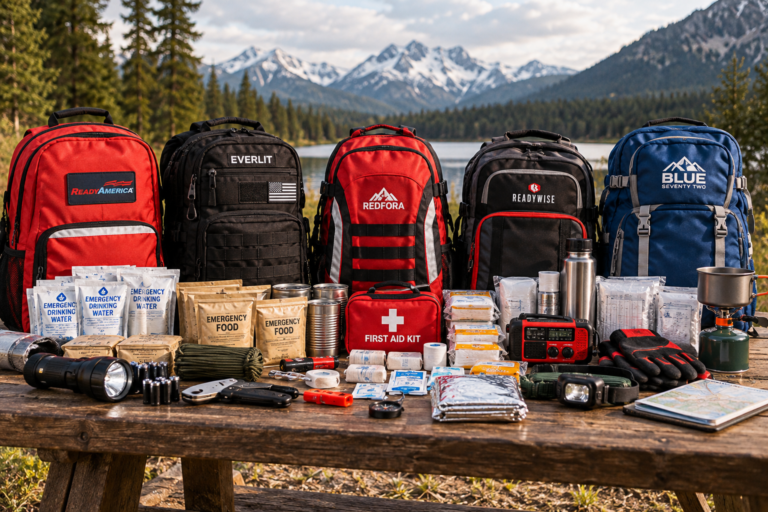
Carry Basic Cooling Supplies
- Extra drinking water
- Clean cloths or towels for wetting the skin
- Instant cold packs or ice when practical
- A basic first-aid kit
- A reliable communication device
- Maps showing roads and emergency exits
Leave a Trip Plan
Tell a trusted person where you are camping, which trails you intend to use, and when you expect to return.
In remote areas without dependable cellular coverage, consider a satellite communicator or personal locator beacon.
Know When to Leave
Do not wait for a medical emergency to change plans. If temperatures become unsafe, drinking water runs low, cooling options fail, or someone begins showing heat illness symptoms, prioritize reaching a safer location.
12. Hot-Weather Camping Checklist
Use this checklist when preparing for a summer camping trip.
- Lightweight, breathable clothing
- Wide-brimmed sun hat
- UPF-rated clothing and sunscreen
- UV-blocking sunglasses
- Adequate drinking water and backup supply
- Water-treatment equipment where appropriate
- Insulated bottles or hydration containers
- Shade tarp or portable sun shelter
- Ventilated tent suitable for the forecast
- Appropriate lightweight sleeping gear
- Rechargeable camping fan for suitable conditions
- Evaporative cooling towel
- Insulated cooler and food thermometer
- Low-heat or no-cook meal supplies
- First-aid and cooling supplies
- Weather forecast and heat-alert information
- Emergency contacts and evacuation route
- Satellite communication device for remote trips when appropriate
Frequently Asked Questions
How Do You Keep a Tent Cool in 90-Degree Weather?
Choose a shaded campsite, maximize appropriate ventilation, reduce direct sunlight with a separate shade tarp, and avoid unnecessary heat sources. However, a tent can still become dangerously hot in 90-degree weather, especially with high humidity. Use a properly cooled shelter when conditions are unsafe.
Do Cooling Towels Really Work for Camping?
Evaporative cooling towels can provide temporary relief when dampened with water, particularly in dry conditions. Their effectiveness is reduced in humid weather, and they cannot prevent heat stroke on their own.
Is a Battery-Powered Fan Worth Bringing Camping?
A rechargeable fan can improve comfort during suitable temperatures, particularly in a ventilated tent or shaded seating area. It should not be relied upon as the primary protection against extreme heat.
What Is the Best Way to Stay Cool While Sleeping in a Tent?
Use a shaded campsite, ventilate the tent, choose lightweight bedding, and avoid trapping unnecessary warmth. If overnight temperatures remain dangerously high, use a cooler sleeping location.
Should You Drink Electrolytes Every Day While Camping?
Not necessarily. For routine camping, water and normal meals are often sufficient. Electrolyte replacement may be useful during prolonged heavy sweating, but individual needs vary.
Can You Safely Camp in 100-Degree Weather?
Triple-digit temperatures can create serious heat illness risks. Safety depends on humidity, overnight temperatures, exertion, personal health, access to reliable cooling, and emergency resources. In dangerous conditions, postponing the trip or using air-conditioned accommodation may be the safest option.
Final Thoughts: Stay Cool by Planning Ahead
Staying cool while camping in extreme heat begins long before you arrive at the campground. Choosing shade, scheduling activities during cooler hours, carrying adequate water, preparing simple meals, and selecting appropriate sleeping gear can all improve comfort and reduce unnecessary heat exposure.
Portable fans, cooling towels, insulated coolers, and shade shelters can be useful additions to your camping setup, but they work best as part of a broader heat-safety plan.
Most importantly, know when to stop. Recognizing heat illness early, changing plans when conditions become dangerous, and having a dependable emergency exit strategy are more important than any individual piece of equipment.
Further Reading From The Savvy Survivalist
- How to Stay Cool Without Power
- DIY Cooling Neckwraps for Hot-Weather Camping
- How to Find Natural Shade and Build Sun Shelters
- Best Foods to Pack for Hot-Weather Camping
- Ultimate Water Purification Guide
- Campfire-Free Ways to Cook Outdoors
- Best Solar Gear for Summer Survival and Camping
- DIY Bug Repellent: Natural Summer Protection
- Wildfire Evacuation Planning Checklist
Safety and Medical References
- CDC: About Heat and Your Health
- CDC/NIOSH: Heat-Related Illnesses
- American Heart Association and American Red Cross: First Aid Guidelines
This article provides general educational information and is not a substitute for professional medical advice or emergency care.