
How to Purify Water with Natural Methods (Complete Survivalist Guide)
In a survival situation, access to clean drinking water can mean the difference between life and death. The human body can survive weeks without food, but only a few days without water — and that’s assuming the water you find is safe. Unfortunately, rivers, lakes, ponds, and even rainwater can be contaminated with harmful bacteria, viruses, protozoa, parasites, and chemical pollutants.
This post contains affiliate links. I may earn a small commission at no extra cost to you. Learn more.
While modern filters and chemical purifiers are ideal, they’re not always available. That’s when natural water purification methods become lifesavers. These techniques use nothing more than heat, sunlight, plants, earth materials, or improvised tools to make water safer for drinking. In this guide, we’ll cover every proven natural purification method, how they work, and when to use them — so you can stay hydrated no matter where you are.
For the full survival toolkit, start with our Water Purification & Storage Systems hub.
If you’re building a complete emergency water system, also review our
Long-Term Water Storage Guide to secure a reliable supply during extended disasters.
(Disclaimer: Some methods improve water quality but may not make it completely safe from all contaminants. Whenever possible, combine methods for the highest safety.)
If you’re building a real emergency kit, combine primitive skill with reliable modern backup tools.
Recommended Gear: See our complete Emergency Water Storage & Filtration Gear List for recommended containers, filters, purification tools, and backup water systems.
| Purification Method | Kills Pathogens | Removes Chemicals | Speed | Difficulty |
|---|---|---|---|---|
| Boiling | ✅ | ❌ | Fast | Easy |
| Distillation | ✅ | ✅ | Slow | Moderate |
| SODIS | ✅ | ❌ | Slow | Easy |
| Charcoal Filter | ❌ | Some | Moderate | Easy |
| Sand Filter | ❌ | ❌ | Moderate | Easy |
| Purification Tablets | ✅ | ❌ | Fast | Easy |
Bottom Line: Boiling remains the most reliable natural water purification method for most survival situations, while distillation is the best option when chemical contamination is a concern. If fuel is limited, combining filtration with solar disinfection (SODIS) can significantly improve water safety.
1. Boiling — The Gold Standard of Natural Purification
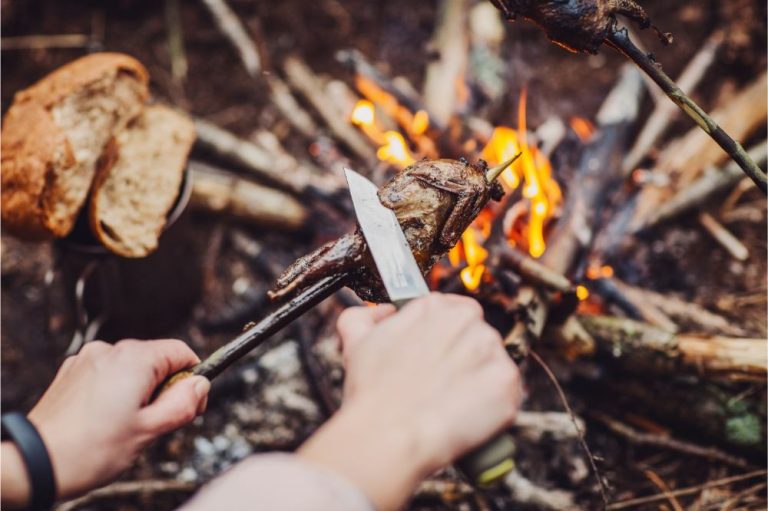
Boiling is the simplest and most reliable natural method for killing most waterborne pathogens. By heating water to a rolling boil, you destroy bacteria, viruses, and parasites that cause diseases like dysentery, giardia, and cholera. At sea level, one minute of rolling boil is generally enough; at altitudes above 6,500 feet (2,000 meters), boil for at least three minutes due to lower atmospheric pressure.
If you don’t have a pot, you can improvise by heating water in metal cans, clay pots, or even large shells. Another trick is to heat stones in a fire and drop them into a non-metal container like wood, bamboo, or animal hide to bring the water to a boil. This technique — known as the rock boil method — was used by indigenous peoples worldwide.
👉 Want to compare these natural methods to modern gear? See our Top 10 Water Purification Methods Reviewed.
Carry a Bottle You Can Boil In
Boiling is only effective if you have a container that can handle direct heat.
Plastic melts. Insulated bottles can rupture. Improvised containers often fail when you need them most.
A single-wall stainless steel water bottle allows you to place the bottle directly in coals or over flame to bring water to a rolling boil. It doubles as your everyday carry bottle and eliminates the need to improvise in an emergency.


2. Solar Disinfection (SODIS Method)
The SODIS method uses the UV-A radiation in sunlight to destroy microorganisms. Simply fill clear PET plastic bottles with water, shake to oxygenate, and lay them in direct sunlight for six hours (or two days if cloudy). The combination of UV rays and heat inactivates bacteria, viruses, and some protozoa.
SODIS works best with relatively clear water — murky water should be filtered first through cloth or sand to remove particles that block sunlight. This method is extremely low-tech and has been used by communities worldwide where boiling fuel is scarce.
3. Charcoal Filtration
Charcoal — especially activated charcoal — is a powerful adsorbent, trapping chemicals, toxins, and some microorganisms on its surface. In the field, you can crush campfire charcoal and layer it inside a bottle or bamboo section, alternating with sand and gravel. Pour water through slowly for best results.
While charcoal won’t kill all pathogens, it can improve taste, remove some chemicals, and reduce turbidity. Always follow charcoal filtration with boiling or solar disinfection for safety.
Compare these natural options to modern gear in Top 10 Water Purification Methods Reviewed.
4. Sand and Gravel Filtration
A basic sediment filter uses gravity to pass water through layers of sand and gravel, which remove dirt, leaves, and larger debris. While this method won’t kill pathogens, it’s an important first step before chemical or heat treatment.
Survivalists often combine sand filtration with charcoal in a multi-layer filter. This reduces the workload for your final purification method, saving fuel and time.
Upgrade to Reliable Pathogen Removal
Sand and charcoal filtration improve clarity — but they don’t reliably eliminate bacteria or protozoa.
A gravity-fed water filtration system provides consistent pathogen removal without pumping or electricity. Fill the reservoir, hang it, and let gravity handle the rest.
For basecamp setups, family emergency kits, or extended outages, this is one of the most dependable upgrades you can carry.

5. Plant-Based Purification
Some plants naturally remove impurities from water:
- Moringa seeds contain proteins that cause particles and bacteria to clump together and settle. Crush the seeds, mix into water, stir for 5 minutes, then let settle for an hour before decanting.
- Banana peels have been shown to adsorb heavy metals like lead and copper from water. Peel strips can be stirred in and removed after settling.
While plant-based methods can make water clearer and reduce contaminants, they must be paired with a pathogen-killing step like boiling.
6. Distillation
Distillation uses evaporation and condensation to separate pure water from contaminants. Boil water and collect the steam in a clean container, leaving behind salts, heavy metals, and most pathogens.
In survival situations, a solar still can distill water using sunlight. Dig a hole, place a container at the center, surround it with vegetation or pour brackish water in the trench, then cover with clear plastic. Place a small rock in the center above the cup to create a drip point. Over several hours, evaporated water will condense on the plastic and drip into your container.
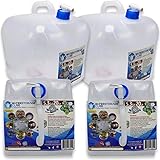
Collect Before You Treat
Distillation and settling require storage capacity.
A collapsible water container lets you gather larger volumes, allow sediment to settle naturally, and transport water back to camp safely.
In desert or extended survival conditions, collection capacity becomes critical.
Once it’s clean, stash it safely with the Long-Term Water Storage Guide.
7. Cloth Filtration
Cloth filtration is a crude but useful pre-treatment method. Pouring water through several layers of clean cotton, silk, or synthetic fabric removes visible debris and some larger organisms. This is often used in combination with boiling or SODIS.
No flame available? Use these non-boil purification methods in the field.
Silk is particularly effective, as its fine weave can trap some microscopic parasites like guinea worm larvae.
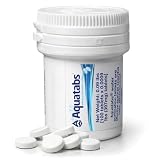
Keep a Chemical Backup on Hand
Natural methods require time, sunlight, or fuel.
A compact pack of water purification tablets treats multiple liters quickly and weighs almost nothing. When fire isn’t possible or filtration fails, tablets provide immediate backup.
Redundancy matters.
8. Bio-Sand Filters
Bio-sand filters are long-term setups using layers of sand and gravel that develop a “biolayer” on top. This living layer of microorganisms outcompetes and consumes harmful pathogens passing through.
While they take weeks to mature, bio-sand filters can produce safe water for months or years with minimal maintenance.
9. Clay Pot Filtration
Porous clay pots naturally filter water as it seeps through microscopic holes. Adding a coating of colloidal silver greatly improves bacterial removal.
Clay filters are common in rural water programs because they’re cheap, durable, and require no electricity. However, they can be slow and may need regular cleaning.
10. Rock Boil Method
If you have no fireproof container, heat stones in a fire until red-hot, then drop them into your water container. The transfer of heat will bring the water to boiling.
This works with containers made from wood, bone, hides, or large leaves shaped into a bowl. Avoid river rocks that may explode when heated due to trapped moisture.
11. Snow and Ice Melting
Snow can be melted for drinking water, but eating it directly lowers your body temperature and speeds dehydration. Always melt snow over a fire, in the sun, or in a container near your body heat before consuming.
Ice from freshwater sources is usually safer than sea ice, but still should be boiled or disinfected before drinking.
12. Extracting Water from Trees & Vines
Certain trees store potable water in their trunks or branches. Birch trees can be tapped in spring to collect sap, which is drinkable and mildly sweet. In tropical regions, cutting certain vines allows water to drip out, but always test for bitterness or irritation before drinking.
Bamboo can be split open to access stored rainwater in its chambers.
13. Solar Evaporation Pits
In desert environments, digging a pit and covering it with clear plastic can collect evaporated moisture from soil and vegetation. Condensation runs down to the center container. While yields are low, this method requires no fuel and can run for days.
14. Reed Straws and Natural Strainers
Some indigenous communities used hollow reeds or bamboo to sip from clean sections of water. Combined with plant fibers or moss inside the reed, this can remove larger debris.
It’s not fully effective against pathogens, so always follow with boiling or SODIS.
15. Ash Water Treatment
Wood ash can raise the pH of water, making it less hospitable for certain bacteria. This method is not foolproof and should be followed by another purification step.
A small amount of ash is stirred into water, allowed to settle, and the clearer water poured off.
16. Mud Settling & Decanting
Heavily silted water can be cleared by letting it sit undisturbed for hours, allowing particles to settle to the bottom. The clearer water is carefully poured off for further treatment.
This is an important pre-step before filtration to extend the life of filters and reduce boiling time.
17. Rainwater Catchment
Rainwater is one of the purest natural sources, but it can pick up contaminants from collection surfaces. Use clean tarps, plastic sheets, or food-grade barrels, and filter before drinking.
18. Sphagnum Moss Filtering
Sphagnum moss, found in bogs and wetlands, has mild antibacterial properties and can be used to pre-filter water. While it won’t remove all pathogens, it can reduce bacteria before final purification.
19. Combining Methods for Safety
No single method works against all contaminants. The safest approach is to combine a sediment filter (cloth, sand, charcoal) with a pathogen-killing step (boiling, distillation, SODIS). In areas with chemical pollution, distillation or activated charcoal should be included.
For a full breakdown of modern purification tools and survival techniques, see our
Ultimate Water Purification Guide.
20. Environment-Specific Strategies
Arctic Environments
In arctic conditions, snow and ice are often the most accessible water sources. However, eating snow directly lowers body temperature and increases dehydration risk. Whenever possible, melt snow before drinking and follow with boiling or another purification method.
Desert Environments
Water is scarce in desert regions, making conservation just as important as purification. Solar stills, dew collection, and careful water storage can help stretch limited supplies while reducing the need for constant travel in extreme heat.
Jungle Environments
Jungle environments often provide abundant water sources, but they also contain high levels of biological contamination. Rainwater collection, vine water, cloth filtration, and boiling are often the safest combination of methods.
Mountain Environments
Mountain streams may appear clean, but they can still contain harmful microorganisms. Higher elevations also affect boiling temperatures, making longer boiling times necessary for reliable purification.
Next, compare these methods to real-world gear in our Top 10 Water Purification Methods Reviewed.
Natural Methods vs Modern Survival Filters
Primitive purification methods are effective when applied correctly, but they require time, fuel, and careful judgment.
Modern filtration systems offer:
- Faster purification
- Certified pathogen removal
- Higher daily capacity
- Less guesswork
Learning natural methods builds skill. Carrying modern tools builds resilience.
Recommended Core Water Survival Setup
Skill matters. Redundancy matters more.
The following three items cover high-volume filtration, boil capability, and immediate drinking access:

Recommended Gear: See our complete Emergency Water Storage & Filtration Gear List for recommended containers, filters, purification tools, and backup water systems.
Dangerous Water Purification Mistakes
Even experienced outdoorsmen make mistakes when treating water. Some of the most common errors include drinking untreated water because it looks clean, relying only on cloth filtration, assuming mountain streams are always safe, and storing purified water in contaminated containers. In survival situations, taking shortcuts with water treatment can quickly lead to dehydration, illness, or worse.
Conclusion
When modern tools aren’t available, nature provides multiple ways to make water safer. Mastering these techniques now means you won’t have to learn them the hard way in an emergency. In survival, water is life — and knowing how to purify it with nothing but the resources around you is one of the most valuable skills you can have.
Immediate Hydration Backup
If you’re exhausted, injured, or forced to drink immediately, a compact emergency straw filter allows you to drink directly from a water source while you establish a more permanent purification setup.
Lightweight. Compact. Reliable.
FAQ
What’s the single best natural method?
Boiling. If fuel is limited, clarify first so you don’t waste heat on mud.
Can I drink straight from a spring?
Springs are usually cleaner, but “usually” isn’t a guarantee. If you can, give it a quick boil.
Is SODIS safe for muddy water?
No. Pre-filter through cloth/sand/charcoal, then SODIS.
How do I handle chemical contamination?
Favor distillation or charcoal + distillation. If you suspect serious industrial pollution, relocate if at all possible.
External references: CDC Boil Water • WHO SODIS • EPA Emergency Disinfection
Further Reading
- Top 10 Water Purification Methods Reviewed
- Long-Term Water Storage Guide
- How to Purify Water Without Boiling
Want to build a complete system? Go back to the Water Purification & Storage Systems hub.