How to Store Gasoline Safely for Emergencies
Knowing how to store gasoline safely for emergencies is one of the most overlooked parts of blackout preparedness.
This post contains affiliate links. I may earn a small commission at no extra cost to you. Learn more.
But during a real blackout, generator ownership is only half the equation.
The real problem is fuel.
A generator without usable gasoline becomes an expensive paperweight the moment gas stations lose power, supply chains slow down, or panic buying empties local fuel supplies. And most families are completely unprepared for how quickly fuel shortages begin during long-term outages.
Gasoline also doesn’t last forever. Improperly stored fuel can break down faster than people realize, leading to engine damage, clogged carburetors, hard starts, and complete generator failure when you need backup power the most.
Experienced preppers understand that emergency power is really a fuel-management system.
If you’re still building your backup power setup, start with our complete Grid-Down Survival Power Guide to understand how fuel storage fits into a larger blackout preparedness plan.
This guide breaks down how to safely store gasoline for emergencies, how long fuel actually lasts, the biggest storage mistakes people make, and how prepared families build fuel systems that continue working when everyone else is fighting over the last gallon at the gas station.


Why Fuel Becomes a Major Problem During Blackouts
Many households assume fuel availability will continue normally during emergencies.
That assumption disappears fast during a major outage.
Modern gas stations rely on electricity to operate fuel pumps, payment systems, lighting, and inventory management. Even if underground tanks are full, stations often cannot pump fuel once power goes down unless they have commercial backup systems.
The first few hours of a blackout usually trigger a rush to local gas stations. Long lines form quickly. Tempers rise. Fuel shortages begin even before stations completely run dry.
During regional disasters, fuel delivery systems can also break down. Storm damage, blocked roads, panic buying, and overwhelmed supply chains create shortages that last far longer than most people expect.
This becomes especially dangerous for households relying entirely on gasoline-powered generators.
Many people discover too late that they only stored enough fuel for a single day or weekend outage.
During larger grid failures, fuel consumption becomes a constant problem:
- Refrigerators require ongoing power
- Freezers begin thawing
- Medical equipment may need electricity
- Phones and communication devices need charging
- Sump pumps and heating systems may fail
And generators consume fuel much faster than most people realize.
If you haven’t already read it, our guide on The First 72 Hours After a Disaster explains how quickly critical systems begin failing during extended outages.
Long-term outages also create another major issue: transportation.
Once fuel shortages begin:
- emergency travel becomes harder
- evacuation routes become congested
- fuel theft increases
- supply runs become risky
This is why serious preparedness plans focus on fuel storage before emergencies happen — not after.
How Long Gasoline Actually Lasts in Storage
One of the biggest misconceptions in emergency preparedness is that gasoline lasts forever.
It doesn’t.
Gasoline begins degrading much faster than most people expect, especially modern ethanol-blended fuel.
Under normal conditions, untreated gasoline may begin breaking down in as little as 3 to 6 months. Heat, oxygen exposure, moisture, and container quality all accelerate fuel degradation.
As gasoline ages:
- volatile compounds evaporate
- oxidation increases
- gum and varnish deposits form
- water contamination becomes more likely
- combustion efficiency drops
This can damage generators, small engines, and fuel systems during emergencies.
Ethanol-Blended Gasoline Causes More Problems
Most fuel sold today contains ethanol.
Ethanol absorbs moisture from the air over time, which creates major long-term storage problems. Water contamination can eventually cause phase separation, where water and ethanol separate from the gasoline itself.
Once this happens, the fuel may become unsafe or unusable in generators and engines.
Whenever possible, ethanol-free gasoline is significantly better for long-term emergency storage.
Fuel Stabilizers Help — But They’re Not Magic
Fuel stabilizers can dramatically extend storage life when used correctly.
Stabilized gasoline stored properly in sealed containers may remain usable for 1 to 2 years depending on conditions.
But stabilizers cannot reverse already degraded gasoline.
They work best when added to fresh fuel immediately after purchase.
Important storage factors include:
- temperature stability
- sealed containers
- limited oxygen exposure
- moisture control
- sunlight protection
High heat accelerates breakdown dramatically.
Fuel stored in hot garages, sheds, or outdoor containers may degrade much faster during summer months.
If you’re building a long-term outage plan, this becomes critical because extended blackouts often happen during:
- hurricanes
- summer heat waves
- winter storms
- regional infrastructure failures
Our Two-Week Power Outage Preparedness Guide explains how quickly normal systems begin failing once outages stretch beyond a few days.

The Biggest Fuel Storage Mistakes Most People Make
Most emergency fuel failures aren’t caused by bad luck.
They’re caused by bad storage habits.
Even households that prepare ahead of time often make mistakes that ruin fuel quality or create serious safety risks.
Storing Fuel in Cheap Containers
Low-quality plastic containers can degrade over time, especially under heat exposure.
Poor seals also allow oxygen and moisture intrusion that speeds up gasoline breakdown.
Cheap containers may crack, leak, swell, or vent improperly.
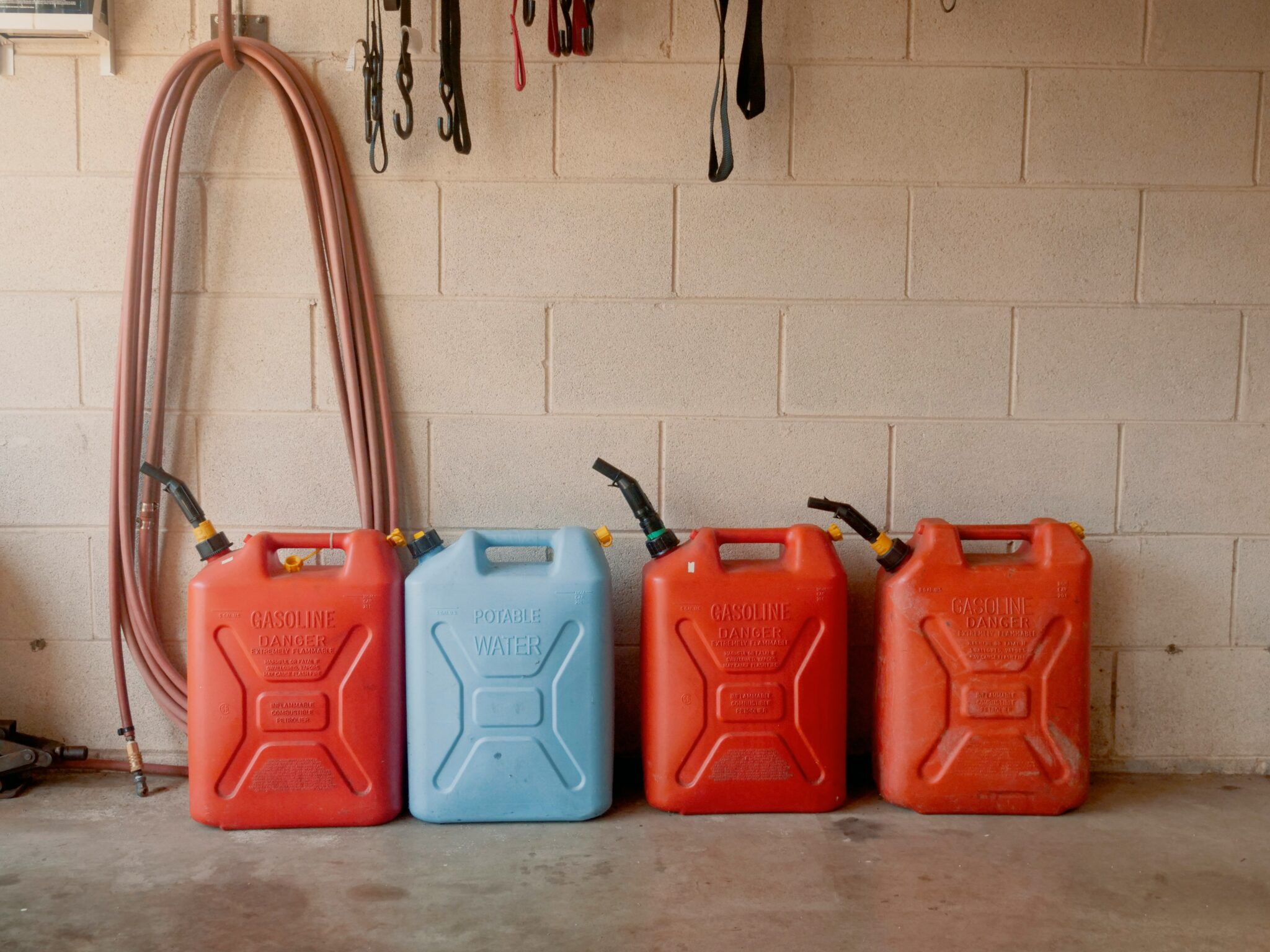
High-quality EPA-compliant containers or metal safety cans are far safer for long-term storage.
Never Rotating Stored Fuel
A surprising number of people store gasoline and completely forget about it.
Years later, they attempt to pour degraded fuel into generators during emergencies and discover:
- hard starting
- engine sputtering
- clogged carburetors
- complete failure
Experienced preparedness plans include regular fuel rotation schedules.
Old fuel should be used before it expires and replaced with fresh stabilized gasoline on a consistent schedule.
Overestimating Generator Runtime
This is one of the biggest preparedness mistakes online.
Many people assume a few gas cans will support their household indefinitely.
Reality is much different.
Large generators can consume significant amounts of fuel every single day depending on load size.
Air conditioners, refrigerators, freezers, heaters, and power tools dramatically increase consumption.
This is why many experienced preppers eventually move toward hybrid systems combining:
- solar backup
- battery storage
- propane
- limited gasoline use
Our Solar Generator vs Gas Generator Guide explains why many households regret relying entirely on one power source.
Storing Fuel Near Ignition Sources
Gasoline vapors are extremely dangerous.
Never store fuel near:
- water heaters
- furnaces
- open flames
- electrical sparks
- smoking areas
Even small vapor leaks can become catastrophic under the right conditions.
Ignoring Theft Risks
During long-term outages, visible fuel supplies become targets.
Large generators and fuel containers attract attention fast once neighborhoods lose power.
Fuel security becomes part of preparedness planning during extended emergencies.

Gasoline vs Propane vs Diesel for Emergency Storage
No fuel type is perfect.
Each fuel system has advantages and weaknesses during emergencies, and the best option depends on your climate, storage space, generator setup, and expected outage length.
Many families make the mistake of relying entirely on one fuel source without understanding the limitations that appear during real-world blackouts.
Most resilient backup power plans rely on layered systems instead.
That often means combining:
- solar backup power
- battery storage
- propane reserves
- limited gasoline storage
- fuel-efficient generator usage
Our Grid-Down Survival Power Guide explains how layered systems outperform single-source backup setups during extended outages.
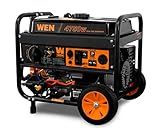
Gasoline
Gasoline remains the most common emergency fuel because most portable generators are designed around it.
It’s easy to obtain during normal conditions, widely available, and provides strong power output for temporary outages.
But gasoline has serious long-term preparedness weaknesses.
Its relatively short shelf life creates constant rotation requirements, and fuel shortages happen extremely fast during emergencies.
Gasoline is also one of the most dangerous fuels to store improperly because of vapor ignition risks.
Advantages of gasoline include:
- easy availability under normal conditions
- works with most portable generators
- high energy output
- easy transportation
Disadvantages include:
- shorter storage lifespan
- rapid degradation
- ethanol contamination issues
- high flammability
- panic-buying shortages
Propane
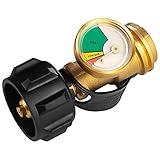
Propane has become one of the most popular preparedness fuels for long-term emergency storage.
Unlike gasoline, propane can remain usable for years without degrading significantly.
This makes propane extremely attractive for preparedness-minded households that want fuel reserves without constant rotation schedules.
Dual-fuel generators have also become increasingly popular because they allow households to switch between gasoline and propane depending on fuel availability.
Advantages of propane include:
- very long shelf life
- clean-burning fuel
- less engine maintenance
- safer long-term storage
- excellent for backup redundancy
Disadvantages include:
- reduced efficiency in extreme cold
- larger storage tanks required
- harder transportation compared to gasoline
- refill availability may become limited during disasters
Many experienced preppers now rely on propane as their primary long-term emergency fuel while keeping gasoline only for short-term flexibility.
If you’re comparing backup systems, our Solar Generator vs Gas Generator Guide breaks down why many households are moving toward hybrid fuel and battery setups.
Diesel
Diesel systems are extremely popular in commercial backup power environments because diesel generators often provide excellent fuel efficiency and long engine life.
For residential preparedness, diesel can work very well for larger properties or long-duration operation.
However, diesel storage introduces its own challenges.
Diesel fuel can develop microbial contamination over time, sometimes called diesel algae, especially when moisture enters storage containers.
Cold weather can also create fuel gelling problems in certain climates.
Advantages of diesel include:
- excellent fuel efficiency
- long-lasting engines
- strong heavy-duty performance
- good long-duration runtime
Disadvantages include:
- higher system cost
- cold-weather complications
- fuel contamination risks
- larger equipment size
Which Fuel Is Best for Emergency Preparedness?
For most suburban households, the best answer is usually a combination of systems instead of complete dependence on one fuel type.
Prepared families often use:
- solar power for small electronics and daytime charging
- propane for long-term generator storage
- limited gasoline reserves for flexibility
- battery systems to reduce fuel consumption
This dramatically reduces dependence on gas stations during emergencies.
It also extends fuel reserves during longer outages when fuel availability becomes unpredictable.
Our Best Survival Generators Guide covers several dual-fuel and fuel-efficient options that work far better during long-term outages than traditional high-consumption generators.

How Much Fuel You Actually Need for a Blackout
Most people drastically underestimate how much fuel generators consume during emergencies.
That mistake becomes obvious fast during extended outages.
Many households assume a few gas cans will support their family for days or even weeks, but real-world generator usage often burns through stored fuel much faster than expected.
The larger the generator load, the faster fuel disappears.
Powering refrigerators, freezers, HVAC systems, lights, chargers, sump pumps, and medical devices simultaneously creates heavy fuel consumption around the clock.
And during severe weather, generators often need to run longer than families originally planned for.
Choosing a fuel-efficient backup system matters far more during long outages than simply buying the largest generator available. Our Best Survival Generators Guide breaks down which systems provide the best runtime efficiency during extended blackouts.
Fuel Usage Depends on Runtime — Not Just Generator Size
One of the biggest preparedness mistakes is assuming generator wattage alone determines fuel needs.
Runtime matters just as much.
A smaller inverter generator running nonstop may still consume large amounts of fuel over several days.
Meanwhile, a larger generator used strategically for limited periods may preserve fuel more effectively.
Prepared households often rotate power usage instead of running generators continuously.
That includes:
- cooling refrigerators periodically
- charging battery banks during scheduled runtime windows
- using solar during daylight hours
- reducing unnecessary appliance loads
- powering only critical systems
This approach dramatically extends emergency fuel supplies.
A Simple Fuel Planning Formula
Emergency fuel planning becomes much easier when you estimate realistic generator runtime instead of guessing.
A basic calculation looks like this:
Fuel Needed = Generator Consumption Rate × Hours Used Daily × Days of Outage
Even moderate daily generator usage can consume surprising amounts of fuel over a one- or two-week outage.
This is why many experienced preppers prioritize fuel-efficient generators instead of simply buying the largest unit possible.
If you haven’t already, our Two-Week Power Outage Preparedness Guide explains why fuel planning becomes one of the most important survival factors during prolonged outages.

Most Families Plan for Short Outages — Not Long Ones
Short blackouts are inconvenient.
Long blackouts become logistical problems.
Food preservation, heating, cooling, communication systems, and medical needs all begin competing for limited fuel reserves.
Fuel shortages also create another major issue:
Resupply becomes unpredictable.
During severe outages, gas stations may:
- lose power completely
- run out of fuel
- limit purchases
- experience supply delays
- develop massive wait lines
This is exactly why fuel storage should happen before emergencies begin.
Once outages start, the entire community suddenly tries solving the same problem at the same time.
Households that prepare early avoid that panic cycle entirely.
Safe Fuel Storage Locations Around the Home
Where you store fuel matters just as much as how you store it.
Improper storage locations create serious fire risks, accelerate fuel degradation, and can even make emergency fuel completely unusable when you need it most.
Many people focus entirely on buying fuel containers without thinking about temperature control, ventilation, moisture exposure, or safety separation.
Prepared households build fuel storage systems designed for both safety and long-term reliability.
Never Store Gasoline Inside Living Areas
Gasoline vapors are extremely flammable.
Even sealed containers can release small amounts of vapor over time, especially during temperature changes.
Fuel should never be stored inside:
- bedrooms
- basements with appliances
- laundry rooms
- utility closets
- enclosed living spaces
Gasoline vapors can travel farther than most people realize and may ignite from:
- pilot lights
- electrical sparks
- water heaters
- furnaces
- power tools
Even small ignition sources can become catastrophic in enclosed areas.
The Garage Is Common — But Not Always Ideal
Many households store emergency fuel in attached garages because it feels convenient.
But garages create several long-term problems:
- high summer temperatures
- poor ventilation
- vehicle ignition risks
- water heater exposure
- moisture fluctuations
Hot garages can dramatically accelerate gasoline degradation during summer months.
Fuel containers stored near direct sunlight or heat sources often deteriorate much faster than expected.
If a garage is your only option, fuel should be:
- stored away from ignition sources
- kept off concrete when possible
- protected from direct sunlight
- secured upright
- placed in well-ventilated areas
Detached Sheds Usually Work Better
For most suburban homes, detached outdoor sheds provide safer long-term fuel storage than attached garages.
A detached structure creates separation between fuel reserves and living spaces while also reducing vapor accumulation risks.
Proper fuel sheds should ideally provide:
- shade from direct sunlight
- good ventilation
- temperature stability
- dry conditions
- secure locking systems
Prepared households also keep fuel storage areas organized instead of stacking random containers together.
Clear labeling and rotation schedules become much easier when fuel systems stay organized.
Flood Zones Create Major Fuel Problems
Flood-prone areas require additional planning.
Floodwater can damage containers, contaminate fuel supplies, and create dangerous environmental hazards.
Fuel containers stored directly on floors inside sheds or garages may become unstable or submerged during severe storms.
Prepared families in hurricane or flood regions often elevate fuel storage above expected water levels.
This becomes especially important because many large-scale blackouts happen during severe weather events.
Our First 72 Hours After a Disaster Guide explains why infrastructure failures often escalate rapidly after major storms.
Wildfire Areas Require Extra Caution
In wildfire-prone regions, fuel storage requires additional safety considerations.
Large fuel reserves positioned near dry vegetation, wood piles, or combustible materials can become extremely dangerous during fast-moving fires.
Fuel storage areas should remain clear of:
- dry grass
- brush piles
- firewood stacks
- combustible debris
- flammable chemicals
Preparedness should never create unnecessary fire hazards.
Fuel Theft Becomes More Common During Long Outages
One overlooked preparedness issue is fuel security.
During prolonged blackouts, visible fuel supplies attract attention quickly.
Once neighborhoods lose power for multiple days, generators and fuel containers become valuable resources.
Prepared households often:
- store fuel discreetly
- avoid visible stockpiles
- secure storage areas with locks
- limit generator noise when possible
- reduce nighttime visibility
Our How Fast Society Changes During a Long-Term Power Outage guide explains why security concerns increase significantly once outages stretch beyond a few days.

How to Rotate Emergency Fuel Properly
Fuel storage only works if the fuel remains usable.
That’s where rotation becomes critical.
Many households spend hundreds or even thousands of dollars building emergency fuel reserves, then accidentally ruin their entire supply simply because they never developed a rotation system.
Prepared families treat fuel like any other emergency resource — it requires maintenance.
Why Fuel Rotation Matters
Gasoline naturally degrades over time, especially ethanol-blended fuel exposed to heat and moisture.
Without rotation, stored fuel may eventually:
- lose combustion efficiency
- develop varnish deposits
- absorb moisture
- damage carburetors
- cause generator failures
Fuel problems rarely appear during normal times because most people aren’t relying heavily on stored gasoline.
But emergencies expose weaknesses fast.
The last thing you want during a blackout is discovering your generator refuses to start because your fuel degraded months ago.
The Simplest Rotation System
The easiest fuel rotation system is usually the best one.
Most prepared households simply cycle older fuel into:
- vehicles
- lawn equipment
- ATVs
- tractors
- other gasoline-powered equipment
Then they replace it with fresh stabilized fuel.
This keeps emergency reserves consistently fresh without wasting fuel.
Labeling containers with purchase dates also makes rotation much easier.
Prepared households avoid guessing.
Every container should clearly identify:
- purchase date
- fuel type
- stabilizer usage
- rotation deadline

Seasonal Rotation Works Extremely Well
Many preparedness-minded families rotate fuel seasonally.
For example:
- spring fuel replacement
- fall fuel replacement
This creates a predictable maintenance schedule that’s easy to remember.
Seasonal rotation also aligns well with:
- hurricane season
- winter storm preparation
- summer heat concerns
- generator testing schedules
Our What Runs Out First in a Blackout? guide explains why fuel shortages become one of the first major problems during large-scale outages.
Test Generators Before Emergencies
Fuel rotation should always include generator testing.
Many people store generators for years without ever verifying:
- startup reliability
- fuel system condition
- battery health
- runtime performance
- load capability
Prepared families test equipment regularly before emergency conditions appear.
Even small startup tests can identify problems early enough to fix them before outages happen.
Don’t Forget Propane Rotation Checks
Although propane stores much longer than gasoline, propane systems still require periodic inspection.
Prepared households regularly check:
- tank condition
- hose integrity
- valve function
- regulator condition
- leak detection
Long-term preparedness works best when systems stay operational year-round instead of sitting untouched until emergencies happen.
Propane Storage for Emergencies
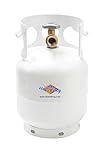
Propane has become one of the most reliable long-term emergency fuel options available for modern preparedness.
Unlike gasoline, propane does not degrade quickly over time, making it extremely attractive for households building long-duration blackout plans.
Many experienced preppers eventually move toward propane-centered backup systems because propane solves one of the biggest problems in emergency preparedness:
fuel shelf life.
A properly stored propane tank can remain usable for years without the constant rotation schedules gasoline requires.
That long-term stability makes propane ideal for:
- backup generators
- portable heaters
- camp stoves
- outdoor cooking
- water heating
Prepared households often combine propane systems with solar backup and limited gasoline reserves to create layered emergency power setups.
If you’re still building your overall backup strategy, our Emergency Power & Energy Backup Guide explains how different systems work together during extended outages.
Why Propane Works So Well for Preparedness
One of propane’s biggest advantages is storage stability.
Gasoline constantly fights against:
- oxidation
- ethanol contamination
- moisture absorption
- heat degradation
Propane avoids most of those problems entirely.
This makes propane far easier to maintain for households that want emergency fuel reserves without constant maintenance schedules.
Propane also burns cleaner than gasoline, which can reduce maintenance issues on compatible generators and appliances.
Advantages of propane storage include:
- extremely long shelf life
- clean-burning fuel
- less fuel degradation
- reduced engine deposits
- excellent long-term reliability
For many families, propane becomes the “set it and leave it” emergency fuel system.
Choosing the Right Propane Tank Sizes
Preparedness setups vary dramatically depending on household needs.
Smaller tanks work well for portable cooking and short-term outages, while larger tanks support long-duration generator operation.
Common propane tank sizes include:
- 1-pound camping cylinders
- 20-pound grill tanks
- 30-pound portable tanks
- 100-pound stationary tanks
- large residential propane systems
Most households begin with standard 20-pound propane tanks because they’re widely available and compatible with many emergency devices.
Dual-fuel generators also commonly support these tanks.
Prepared families usually store multiple smaller tanks instead of relying entirely on one large container.
This creates:
- better redundancy
- easier transportation
- safer handling
- more flexible usage
Store Propane Tanks Outside Whenever Possible
Propane tanks should generally remain outdoors in well-ventilated areas.
Unlike gasoline, propane itself is stored under pressure inside sealed tanks, but leaking gas can still become extremely dangerous in enclosed spaces.
Prepared households avoid storing large propane tanks inside:
- basements
- living rooms
- enclosed sheds without ventilation
- utility rooms
- garages with ignition sources
Outdoor storage areas should ideally provide:
- good ventilation
- stable surfaces
- shade from direct heat
- distance from ignition sources
- protection from physical damage
Propane tanks should also remain upright during storage and transportation.
Cold Weather Can Affect Propane Performance
One limitation many people discover during winter outages is that propane performance changes in extremely cold temperatures.
As temperatures drop, propane pressure decreases.
This can reduce efficiency and sometimes create startup issues for generators or heaters during severe winter conditions.
Large propane tanks generally perform better than small portable cylinders in cold environments because they maintain pressure more effectively.
This becomes important during winter blackouts where heating systems become critical for survival.
Our What Happens When the Grid Goes Down guide explains how quickly heating problems escalate during prolonged winter outages.
Propane Refills Become a Preparedness Problem Too
Although propane stores extremely well, resupply still matters during long emergencies.
Many people assume propane availability will remain stable during disasters, but refill stations may experience:
- long wait times
- delivery interruptions
- power failures
- regional shortages
- transportation delays
This is why prepared households store enough propane beforehand instead of depending entirely on emergency refills.
The goal of preparedness is reducing dependence on unstable systems during disasters — not joining the panic once shortages begin.
What Prepared Families Do Differently
Most people approach emergency fuel completely backward.
They wait until storms are approaching, shelves are emptying, or blackouts have already started before thinking seriously about fuel storage.
That’s when panic buying begins.
Prepared families operate differently.
Instead of reacting to emergencies, they build fuel systems ahead of time that reduce dependence on fragile supply chains during outages.
They understand that emergency power is not just about owning a generator.
It’s about maintaining reliable access to usable fuel when everyone else suddenly realizes they should have planned sooner.
Prepared Households Build Layered Fuel Systems
One of the biggest differences between average households and serious preparedness-minded families is redundancy.
Prepared families rarely rely entirely on one power source or one fuel type.
Instead, they combine systems together.
A realistic layered setup might include:
- solar backup power
- battery banks
- limited gasoline storage
- long-term propane reserves
- fuel-efficient generator usage
This dramatically reduces dependence on gas stations during emergencies.
It also prevents total failure if one fuel source becomes unavailable.
Our Solar Generator vs Gas Generator Guide explains why many families now combine both systems instead of choosing only one.

They Reduce Fuel Consumption Instead of Chasing More Fuel
Another major preparedness difference is efficiency.
Most people try solving blackout problems by storing larger amounts of fuel.
Prepared households focus on reducing fuel demand instead.
That includes:
- running generators only when necessary
- using battery storage for smaller devices
- switching to LED lighting
- rotating appliance usage
- prioritizing essential systems only
Fuel efficiency becomes critical during outages lasting longer than expected.
Our Two-Week Power Outage Preparedness Guide breaks down how quickly fuel shortages become one of the biggest survival problems during prolonged blackouts.
They Rotate Fuel Before It Becomes a Problem
Prepared families do not “set and forget” gasoline storage.
They maintain systems consistently.
That includes:
- rotating gasoline regularly
- testing generators
- checking propane systems
- labeling storage dates
- monitoring container condition
Small maintenance habits prevent major failures during emergencies.
The goal is reliability — not just ownership.
They Avoid Panic Buying Entirely
One of the biggest advantages of preparedness is avoiding chaos.
Once fuel shortages begin, normal behavior changes quickly.
Gas station lines grow longer. Tempers rise. Supplies disappear fast.
Prepared families avoid that entire cycle because they already solved the problem before the emergency started.
That reduces stress, improves decision-making, and allows households to focus on larger survival priorities during outages.
If you’re building a complete blackout readiness system, start with our Emergency Preparedness Plan 2026 to connect fuel storage, power, communication, water, and long-term survival planning together into one realistic preparedness strategy.
Final Thoughts
Fuel storage is one of the most overlooked parts of emergency preparedness.
Many people spend thousands of dollars on generators and backup equipment without ever building a realistic fuel plan to support them during long-term outages.
But real emergencies expose weak systems fast.
Fuel shortages, gas station failures, panic buying, and degraded gasoline can turn expensive backup power setups into useless equipment when families need them most.
Prepared households avoid that problem by planning ahead.
They store fuel safely. Rotate supplies consistently. Build layered backup systems. Reduce unnecessary fuel consumption. And most importantly, they prepare before shortages begin.
Because during a real blackout, usable fuel quickly becomes one of the most valuable resources in the entire neighborhood.