What Happens If Oil Supply Gets Disrupted? (The Chain Reaction Most People Miss)
Right now, tensions around the Strait of Hormuz have people asking one question:
This post contains affiliate links. I may earn a small commission at no extra cost to you. Learn more.
What happens if oil supply gets disrupted?
Most people assume it just means higher gas prices.
They’re wrong.
Because when oil flow is disrupted—even partially—it doesn’t just affect the pump.
It starts a chain reaction that hits fuel, food, transportation, and supply systems faster than most people expect.
And by the time you notice it in your daily life, the system has already been under pressure for weeks.
Here’s why this matters right now:
Why the Strait of Hormuz Matters Right Now
Roughly 20% of the world’s oil supply is estimated to move through this route, making it one of the most critical energy choke points on the planet.
If that flow is disrupted—even temporarily—it doesn’t just affect one region.
It sends shockwaves through global fuel markets, transportation systems, and supply chains almost immediately.
That’s why even the threat of disruption can move prices and create instability.
And once that pressure starts, it spreads fast—and it doesn’t stay contained.
This Doesn’t Start Where You Think
When a global oil crisis begins, most people assume the problem starts at the gas pump.
Higher prices. Longer lines. Maybe some panic buying.
That’s not where the real breakdown begins.
The truth is, a global oil crisis starts quietly—inside weaker economies, fragile supply chains, and systems that depend on constant fuel flow just to function. By the time you notice it, the pressure has already been building for weeks.
And when it spreads, it doesn’t stay contained.
It moves in a clear pattern:
- struggling countries
- to global supply chains
- to your grocery store, your fuel costs, and your daily routine
And it happens fast.
How This Reaches You Faster Than You Expect
Even if the disruption starts overseas, the effects don’t stay there.
You’ll feel it through:
- higher fuel costs within days
- rising grocery prices within weeks
- slower deliveries and restocking
- less consistency in everyday supplies
👉 The system doesn’t need to fail to affect you—it just needs to slow
This is where a fuel problem turns into a system-wide problem most people don’t see coming.
It’s about where pressure builds first—and how that pressure spreads across the entire system.
Because once fuel becomes unstable, everything connected to it starts to follow:
- transportation
- food distribution
- power systems
- communication networks
👉 The real danger isn’t the price spike.
It’s the loss of reliability across systems people depend on every day.
It’s the chain reaction that comes after it.
Here’s what you need to understand:
- which countries get hit first
- why they break before others
- and how that pressure moves outward until it reaches you
Why Some Countries Get Hit First (The Hidden Weak Points)
When a global oil crisis begins, not every country feels it the same way.
Some absorb the shock.
Others break almost immediately.
The difference comes down to a few critical weaknesses most people never think about.
1. Heavy Dependence on Imported Oil
Countries that produce little or no oil are completely exposed to global price swings.
When oil spikes:
- they can’t increase supply
- they can’t control pricing
- they rely entirely on external sources
That means every increase hits them instantly—and hard.
👉 If supply tightens at the same time, it’s even worse.
They’re not just paying more… they may not get fuel at all.
2. Weak Currency Makes Everything Worse
Oil is traded globally in U.S. dollars.
So if a country’s currency weakens, they’re effectively paying more than the global price.
Example:
- oil rises globally
- local currency drops
- fuel cost doubles (or worse) inside that country
This creates a compounding effect:
- higher import costs
- rising inflation
- reduced purchasing power
👉 What starts as an oil problem quickly turns into a full economic strain.
3. Fuel Subsidies Collapse Under Pressure
We’ve seen this before. During past fuel crises, countries that removed subsidies overnight saw immediate price spikes, protests, and supply disruptions within days—not months.
Many governments subsidize fuel to keep prices affordable for their population.
That works—until oil prices spike.
Then governments face a lose-lose situation:
- keep subsidies → burn through national reserves fast
- remove subsidies → fuel prices jump overnight → public backlash
We’ve seen this play out repeatedly in real-world crises.
👉 When subsidies fail, fuel prices don’t gradually rise—they shock the system.
4. High Debt + Low Financial Reserves
Countries already under financial stress have no buffer.
They can’t:
- absorb higher energy costs
- stabilize their currency
- support large-scale imports
So when oil spikes, they hit a wall quickly.
This leads to:
- supply shortages
- reduced imports
- economic contraction
👉 At this point, the issue isn’t just expensive fuel—it’s access to fuel at all.
5. Fragile Infrastructure and Logistics
Even if fuel is available, some countries lack the infrastructure to distribute it efficiently during stress.
That includes:
- limited storage capacity
- weak transportation networks
- inefficient supply systems
When disruption hits:
- fuel doesn’t reach key areas
- deliveries slow or stop
- shortages become uneven and unpredictable
👉 This is where localized failures begin—and spread.
The Critical Pattern Most People Miss
These weaknesses don’t operate alone.
They stack.
A country with:
- high import dependence
- weak currency
- fuel subsidies
- financial instability
…doesn’t just struggle.
👉 It becomes the first point of failure in a global crisis.
And once that failure starts, it doesn’t stay contained.
It spreads outward—into supply chains, trade networks, and eventually into stronger economies.
Countries Most Likely to Feel Pressure First (Days to Weeks)
Import-Dependent, Lower-Income Nations
When a global oil crisis begins, the first visible cracks don’t appear in major economies.
They show up in countries that rely heavily on imported fuel and don’t have the financial strength to absorb sudden shocks.
Examples often include:
- Pakistan
- Bangladesh
- Sri Lanka
- Kenya
These countries aren’t weak—but they’re more exposed to sudden energy shocks.
What Happens First
The breakdown doesn’t happen all at once.
It starts with fuel.
- imports become too expensive or delayed
- governments struggle to secure supply
- fuel distribution becomes inconsistent
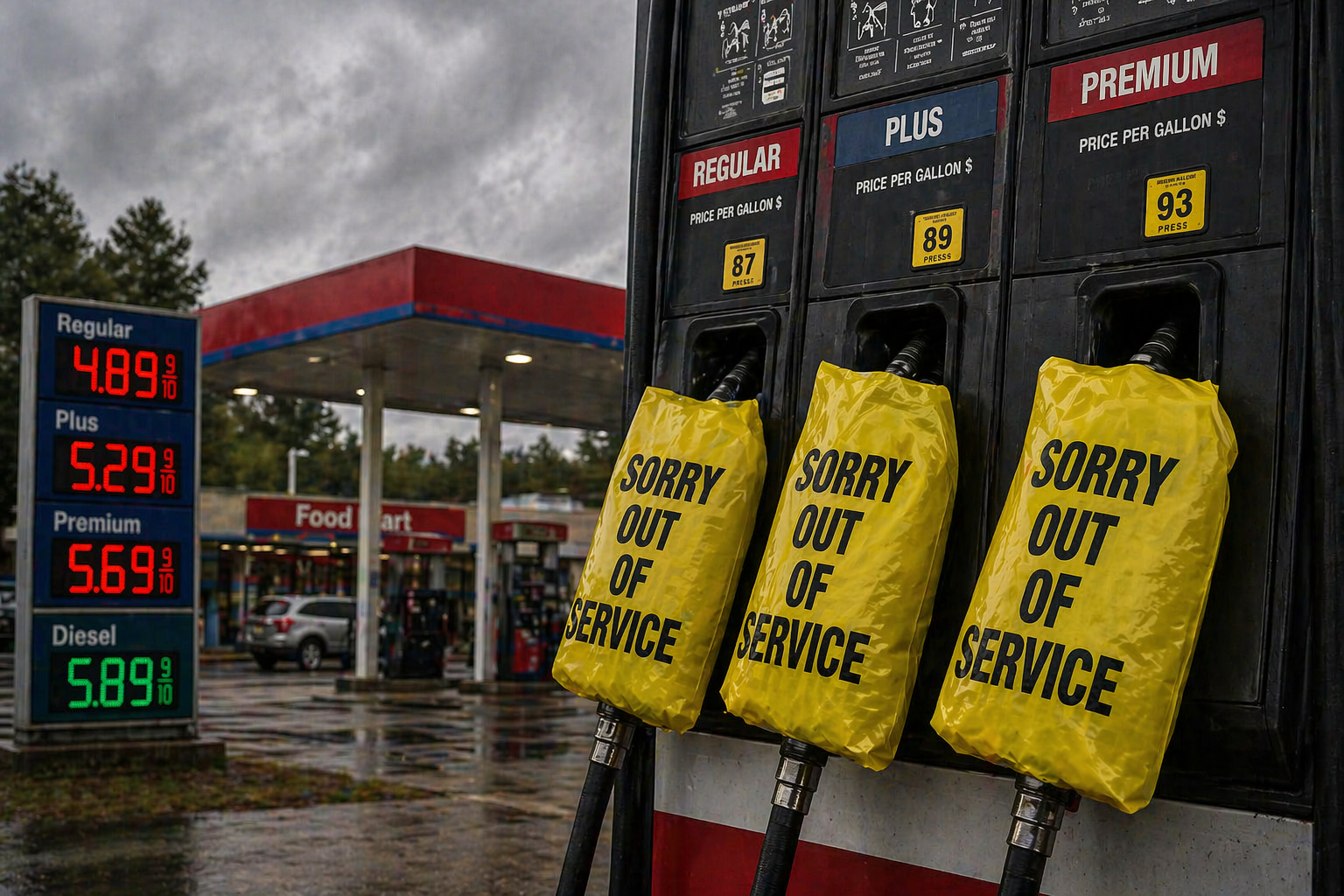
Gas stations begin to run dry—not everywhere at once, but enough to create panic.
Lines get longer. Availability becomes unpredictable.
👉 This is the moment fuel shifts from a commodity… to a limited resource.
Power and Transportation Start Failing
Fuel shortages don’t stay isolated.
They immediately hit:
- public transportation
- freight movement
- power generation support systems
You start seeing:
- buses and trucks running less frequently
- delivery delays increasing
- rolling blackouts becoming more common
Even if a country doesn’t rely heavily on oil for electricity, it still depends on fuel for:
- maintenance crews
- backup generators
- infrastructure support
👉 That’s how a fuel problem turns into a power problem.
Food Supply Begins to Strain
Once transportation slows, food distribution is next.
- fresh food deliveries become inconsistent
- grocery stores struggle to restock
- prices rise quickly
Urban areas feel this fastest because they rely heavily on constant deliveries.
👉 It’s not immediate starvation—it’s gaps in availability that grow over time.
The Shift Most People Don’t See Coming
At this stage, the crisis hasn’t spread globally yet—but the pattern is already set.
Inside these countries:
- fuel becomes unreliable
- supply chains weaken
- daily life becomes unstable
And here’s the key:
👉 These countries are early indicators, not isolated cases.
What happens here first will eventually:
- hit global trade
- disrupt manufacturing
- and move outward into stronger economies
Why This Stage Matters
Most people ignore what happens in these regions.
That’s a mistake.
Because by the time major economies feel it, the system is already under pressure.
- supply chains are tightening
- production is slowing
- costs are rising
👉 This is the start of the chain reaction—not the end.
Countries Where Pressure Escalates Quickly (Weeks)
Economies Already Under Pressure
After the first wave hits import-dependent nations, the pressure doesn’t stop.
It moves into countries that are already balancing on the edge—economies dealing with inflation, debt, or political strain before the crisis even begins.
Examples include:
- Turkey
- Egypt
- Nigeria
These aren’t the first to break—but they’re the first where things can spiral quickly.
Fuel + Inflation = Pressure Cooker
In these countries, rising oil prices don’t hit in isolation.
They combine with:
- already high inflation
- weakening currencies
- rising cost of living
Fuel becomes more expensive → transportation costs rise → food prices increase.
Everything stacks at once.
👉 What was manageable before becomes unaffordable fast.
Shortages Start Triggering Public Reaction
As fuel becomes harder to get:
- lines get longer
- supply becomes inconsistent
- price increases accelerate
At this point, it’s not just inconvenience.
It’s disruption to daily life:
- people can’t commute reliably
- businesses struggle to operate
- essential services slow down
👉 This is where frustration builds—and becomes visible.
Protests and Unrest Begin
When fuel and food costs rise together, people react.
You begin to see:
- protests over fuel prices
- demonstrations over cost of living
- pressure on governments to act
Governments are forced into difficult decisions:
- raise prices and risk unrest
- or subsidize fuel and drain resources
👉 Either way, the system is under strain.
Government Response Gets Complicated
At this stage, leaders are trying to contain the situation—but options are limited.
They may:
- cap fuel prices
- restrict supply
- increase subsidies
- limit exports
These actions can help short-term—but often make long-term problems worse.
👉 This is where the crisis shifts from economic… to structural instability.
Why This Stage Matters Globally
This phase is where the ripple effect accelerates.
These countries play roles in:
- regional trade
- manufacturing
- resource distribution
When they become unstable:
- trade slows
- exports drop
- supply chains tighten further
👉 This is how a localized energy crisis begins turning into a global problem.
The Critical Turning Point
At this point, the crisis has moved beyond isolated fuel shortages.
Now you have:
- economic strain
- public unrest
- supply chain disruption
All happening at the same time.
👉 And once multiple regions hit this stage, containment becomes much harder.
Industrial Economies Take the Hit (Weeks to Months)
Energy-Dependent Manufacturing Nations
After pressure builds in vulnerable and unstable economies, the next phase hits the countries that keep the global system running.
These are highly developed, industrial economies that depend on steady energy to power manufacturing and exports.
Examples include:
- Japan
- Germany
- South Korea
These countries don’t collapse—but they slow down.
And that slowdown affects everything.
Energy Costs Ripple Through Industry
Manufacturing depends on energy at every level:
- running factories
- transporting raw materials
- shipping finished goods
When oil prices surge:
- production costs increase
- profit margins shrink
- companies reduce output
Factories may:
- cut shifts
- slow production lines
- temporarily shut down
👉 Not because they want to—but because they have to.
Global Supply Chains Begin to Strain
These countries are major exporters.
When their output drops:
- fewer goods enter global markets
- shipping schedules become inconsistent
- delays start stacking
Ports become congested, containers sit longer, and delivery timelines begin to stretch out across entire supply networks.
👉 This is where the crisis moves from regional disruption to global impact.
What This Means for Availability
At this stage, you don’t see total shortages everywhere—but you start noticing:
- certain products harder to find
- longer wait times for deliveries
- rising costs across multiple categories
It shows up in:
- electronics
- automotive parts
- household goods
- imported food items
👉 Not everything disappears—but reliability drops.
Prices Start Climbing Everywhere
As production slows and shipping costs rise:
- businesses pass costs to consumers
- retailers raise prices
- inflation spreads across sectors
This isn’t just fuel anymore.
It’s:
- higher grocery bills
- more expensive goods
- increased cost of living
👉 This is where a fuel crisis becomes a full economic pressure point.
The Hidden Shift
This stage is critical because it changes how the system behaves.
Before:
- goods flowed consistently
- supply chains operated smoothly
Now:
- delays are normal
- costs are unstable
- availability is unpredictable
👉 The system doesn’t collapse—it becomes less reliable.
And that’s what people feel.
Why This Stage Matters to You
This is the point where the crisis reaches beyond headlines.
You start to see it in:
- what you pay
- what you can find
- how long things take
It’s no longer distant.
👉 It’s part of your daily life.
When It Reaches the United States (And Other Developed Countries)
This is what it looks like in real life:
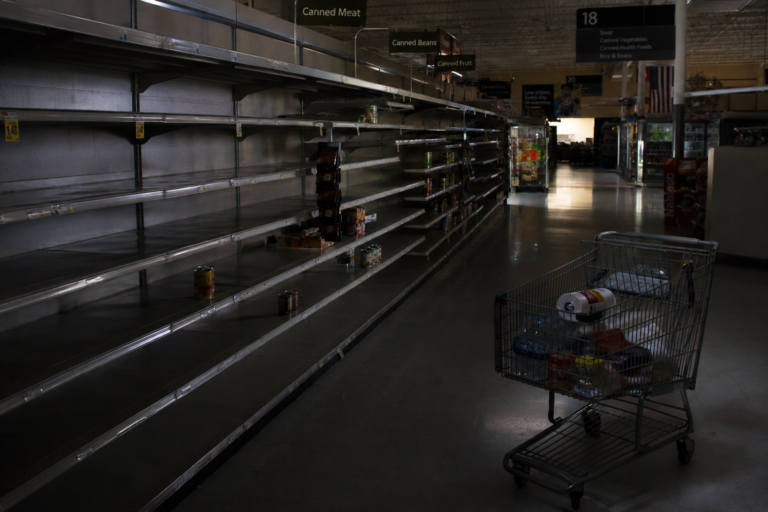
- You go to the store and notice certain items missing.
- Gas prices jump again—faster than expected.
- Deliveries that used to take 2 days now take a week.
Nothing is completely broken—but nothing feels reliable either.
By the time a global oil crisis reaches developed economies, it doesn’t look like collapse.
It looks like pressure.
Constant, noticeable, unavoidable pressure across everyday life.
Even in countries like the United States, which produce oil, the system is still tied to global markets.
That means when the rest of the world is under strain—you feel it too.
👉 For a full breakdown of backup power during outages, see:
Emergency Power Backup Guide
Fuel Prices Surge Fast
The most visible impact shows up at the pump.
- gas prices jump quickly
- diesel becomes more expensive (and harder to get in some cases)
- transportation costs rise across the board
Even if supply isn’t fully cut off, the cost alone changes behavior.
People:
- drive less
- combine trips
- start thinking about fuel as a limited resource
👉 This is where awareness starts—but it’s only the beginning.
Food Costs and Availability Shift
As fuel and transport costs rise, food follows.
You begin to see:
- higher grocery bills
- fewer discounts and bulk deals
- inconsistent availability of certain items
Fresh food is usually affected first because it depends on fast, reliable delivery.
👉 It’s not empty shelves everywhere—it’s gaps that shouldn’t be there.
Delivery and Supply Delays Increase
At this stage, supply chains are still functioning—but not smoothly.
- shipping times get longer
- restocking slows down
- certain products take weeks instead of days
You might notice:
- backorders becoming more common
- limited inventory in stores
- delays on everyday items
👉 The system still works—but it’s no longer efficient.
Cost of Living Climbs Across the Board
Fuel doesn’t just affect transportation—it affects everything connected to it.
That includes:
- food production
- manufacturing
- shipping
- retail pricing
As those costs rise, they spread.
You feel it in:
- groceries
- utilities
- everyday purchases
👉 This is where the impact becomes financial pressure on daily life.
The Subtle but Important Shift
This stage doesn’t look dramatic.
There’s no sudden collapse.
But things feel… different.
- prices stay high
- reliability drops
- planning becomes more important
People start noticing:
- how dependent systems really are
- how quickly conditions can change
- how little buffer exists in everyday supply
👉 This is where mindset begins to shift from convenience… to awareness.
Why This Stage Matters Most
For most readers, this is the only stage they’ll experience directly.
They won’t see the early failures.
They won’t see the tipping points.
But they will feel:
- rising costs
- reduced reliability
- increasing uncertainty
👉 And by the time it reaches this point, the system has already been under stress for weeks or months.
How the Crisis Spreads Worldwide (The Chain Reaction)
A global oil crisis doesn’t stay in one place.
It spreads.
Not randomly—but in a predictable chain reaction most people never see coming.
Once you understand this sequence, everything else makes more sense.
Step 1: Oil Prices Spike or Supply Tightens
It starts with a disruption:
- production cuts
- geopolitical conflict
- supply bottlenecks
Oil becomes:
- more expensive
- harder to secure
- less predictable
👉 This is the trigger—but not the real damage.
Step 2: Fuel Becomes Expensive or Unreliable
As oil prices rise:
- gasoline and diesel costs increase
- availability becomes inconsistent in some regions
Businesses that depend on fuel feel it immediately:
- trucking
- shipping
- agriculture
👉 Fuel shifts from a stable input… to a risk factor.
Step 3: Transportation Costs Surge
Everything moves on fuel.
When fuel costs rise:
- trucking becomes more expensive
- shipping rates increase
- delivery routes get reduced
Some companies:
- raise prices
- cut services
- delay shipments
👉 Movement slows—and that affects everything else.
Step 4: Food and Goods Prices Rise
As transportation slows and costs increase:
- food becomes more expensive
- imported goods cost more
- supply becomes less consistent
Fresh goods are hit first because they rely on fast delivery.
👉 This is where people start noticing real impact.
Step 5: Deliveries Slow and Supply Chains Strain
With rising costs and reduced efficiency:
- shipments get delayed
- inventory becomes harder to maintain
- restocking slows down
Businesses can’t keep shelves as full or as consistent as before.
👉 The system still works—but it starts to lose reliability.
Step 6: Shortages Begin (Uneven and Unpredictable)
This isn’t total collapse.
It’s worse in some ways.
You see:
- certain items missing
- inconsistent availability
- sudden gaps in supply
One store has it. Another doesn’t.
One week it’s available. The next it’s gone.
👉 This unpredictability is what drives panic behavior.
The Key Insight Most People Miss
Each step feeds the next.
- higher oil prices → higher fuel costs
- higher fuel costs → slower transport
- slower transport → supply disruption
- supply disruption → shortages and price spikes
👉 It’s not one problem.
It’s a connected system under pressure.
Why This Matters
Once this chain reaction starts, it doesn’t stop quickly.
Even if oil prices stabilize:
- supply chains take time to recover
- inventories take time to rebuild
- systems take time to reset
👉 That’s why the effects linger—even after the initial shock.
What Fails First (Timeline Most People Miss)
When a global oil crisis starts spreading, most people assume everything fails at once.
That’s not how it happens.
Failures come in stages—and the order matters more than most people realize.
Because by the time the obvious systems go down, the important ones have already been under pressure.
👉 For a complete off-grid communication strategy, see:
How to Communicate When the Grid Goes Down
First 24–48 Hours: Fuel Shock
The first signs show up fast.
- gas prices jump quickly
- panic buying begins
- fuel availability becomes inconsistent in some areas
You start seeing:
- longer lines at gas stations
- limited supply at certain locations
- early signs of distribution strain
👉 At this point, most people still think it’s temporary.
3–7 Days: Delivery Systems Start Slipping
As fuel costs rise and supply tightens:
- trucking slows down
- delivery schedules get disrupted
- restocking becomes inconsistent
Businesses begin adjusting:
- fewer shipments
- delayed deliveries
- reduced inventory
👉 This is where the system starts losing efficiency.
1–2 Weeks: Food Supply Gaps Appear
Once transportation is affected, food is next.
You begin to notice:
- empty spots on shelves
- reduced selection of fresh goods
- rising grocery prices
Urban areas feel this fastest because they rely heavily on constant deliveries.
👉 It’s not full shortages—it’s gaps that shouldn’t exist.
2–4 Weeks: Power Reliability Starts to Slip
As fuel availability tightens:
- backup systems become harder to maintain
- maintenance and repair crews face delays
- grid reliability begins to weaken
You may see:
- brief outages
- rolling blackouts in some areas
- slower restoration times
👉 Even systems not directly powered by oil begin to feel the strain.
1 Month and Beyond: Communication Becomes Unstable
Communication systems depend on power—and backup fuel.
As both become less reliable:
- cell towers lose backup support
- outages become more frequent
- network reliability drops
👉 To see exactly how communication breaks down during these scenarios, read:
Communication Failure Timeline (0–72 Hours)
The Critical Pattern
The order matters:
- Fuel
- Transportation
- Food supply
- Power reliability
- Communication
Most people prepare for the last step.
👉 The biggest mistakes happen early—before most people realize anything is wrong.
👉 But the first three are where the real problems begin.
Why This Catches People Off Guard
Because nothing “collapses” all at once.
Instead:
- systems weaken gradually
- reliability drops
- pressure builds over time
By the time major failures happen, the warning signs were already there.
Most people just didn’t recognize them.
See How This Plays Out in Real Time
If you want a full breakdown of how these failures unfold once systems start collapsing:
👉 What Happens When the Grid Goes Down
👉 First 72 Hours After a Disaster: What Actually Happens
These show exactly how fast conditions can change once the system is under pressure.
What People Get Wrong About an Oil Crisis
When oil prices spike or supply tightens, most people underestimate what it actually means.
Not because they’re careless—but because the effects aren’t obvious at first.
There are a few assumptions that show up every time.
And they’re usually wrong.
❌ “It’s Just Higher Gas Prices”
This is the most common mistake.
People see rising prices at the pump and assume that’s the main issue.
It’s not.
Fuel is the foundation for:
- transportation
- food distribution
- manufacturing
- emergency services
When fuel becomes unstable, everything connected to it feels the pressure.
👉 Gas prices are just the first visible symptom.
❌ “It Won’t Affect Me That Much”
It might not hit immediately—but it spreads.
Even if you’re not dealing with fuel shortages directly, you’ll still see:
- higher grocery costs
- increased delivery times
- reduced availability of certain goods
That’s because supply chains are global.
👉 If one part of the system weakens, it affects everything connected to it.
❌ “The System Will Adjust Quickly”
People assume markets will correct and things will stabilize fast.
Sometimes they do—but not instantly.
Supply chains take time to adjust.
- production has to ramp up
- transportation has to normalize
- inventory has to be rebuilt
👉 Even after prices stabilize, the effects can linger for weeks or months.
❌ “There Will Be Clear Warning Signs”
Most people expect a crisis to be obvious.
Something dramatic. Something sudden.
But real system pressure looks different.
It’s:
- small disruptions
- inconsistent availability
- rising costs across multiple areas
👉 Nothing feels critical—until it adds up.
❌ “If Something Serious Happens, It Will Be Everywhere at Once”
This is another major misconception.
In reality:
- some areas are hit first
- others feel it later
- impacts vary by region
This uneven spread is what makes it confusing.
👉 One place looks normal while another is already under pressure.
The Reality Most People Miss
A global oil crisis doesn’t create instant collapse.
It creates:
- instability
- inconsistency
- and increasing pressure across systems
Why This Matters
If you understand how these situations actually unfold, you’re not caught off guard.
You recognize:
- early warning signs
- shifting conditions
- where pressure is building
👉 And that gives you time to adjust before problems get worse.
How to Prepare Before It Hits
When people think about preparing for a crisis, they usually go too far… or not far enough.
The goal isn’t to prepare for collapse.
It’s to prepare for disruption.
Because that’s what a global oil crisis actually creates:
- delays
- higher costs
- reduced reliability
If you cover the basics early, you avoid the worst of it.
Reduce Dependence on Daily Fuel Use
Fuel is one of the first pressure points.
You don’t need to eliminate it—you just need to rely on it less.
Simple adjustments:
- combine trips instead of driving multiple times
- keep your tank from running near empty
- avoid unnecessary travel during unstable periods
👉 The less dependent you are on constant fuel access, the more flexibility you have.
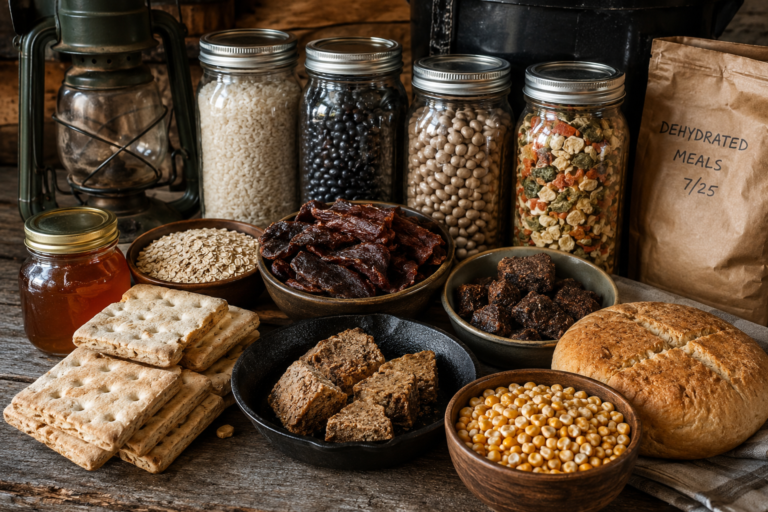
Keep Essential Supplies Stocked Early
Don’t wait until shelves start looking empty.
Focus on:
- shelf-stable food
- basic household supplies
- items you already use regularly
You’re not stockpiling—you’re building a buffer.
👉 The goal is to avoid needing the system when it’s under pressure.
Secure Water Before It Becomes an Issue
Water is one of the most overlooked vulnerabilities.
Even if supply doesn’t stop, disruptions can affect:
- distribution
- treatment systems
- availability in stores
Make sure you have:
- stored water
- a way to filter or purify it
👉 Water problems don’t start first—but when they do, they escalate fast.
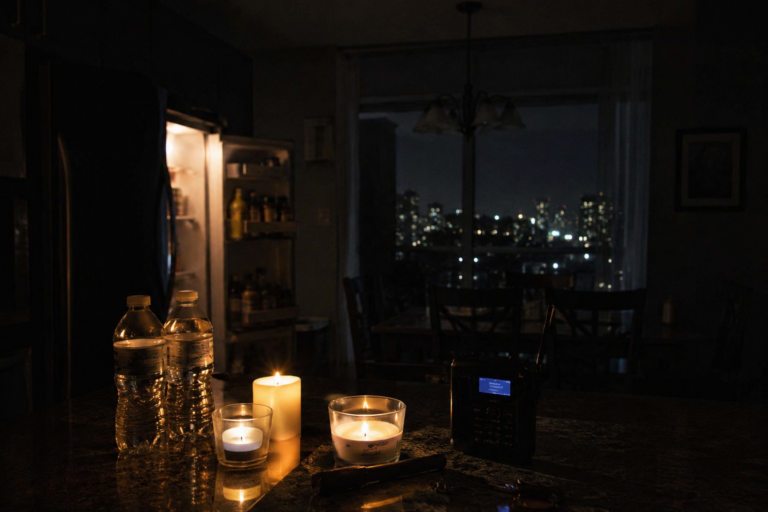
Plan for Short-Term Power Disruptions
You don’t need a full off-grid setup.
But you should be able to handle:
- short outages
- limited access to power
- unreliable service
Start with:
- backup lighting
- battery packs or power stations
- basic charging options
👉 Power isn’t always the first system to fail—but it’s one of the most noticeable when it does.
Have a Simple Communication Backup Plan
Most people rely completely on their phone.
That works—until it doesn’t.
Think through:
- how you would contact family if networks are down
- where you would meet if communication fails
- what you would do if you can’t reach anyone
👉 You don’t need advanced gear—you need a plan.
Focus on Flexibility, Not Perfection
The biggest advantage you can have isn’t more gear.
It’s adaptability.
If you can:
- adjust your routine
- work around delays
- operate without constant convenience
You’re already ahead of most people.
What You’re Really Preparing For
Not collapse.
Not chaos.
👉 You’re preparing for:
- slower systems
- higher costs
- less reliability
And that’s where most people struggle—because they expect things to keep working the same way they always have.
Build a Complete Preparedness System
Preparation works best when it’s part of a bigger plan.
If you want a full breakdown of:
- power
- water
- communication
- long-term preparedness
Start here:
👉 Emergency Preparedness Plan 2026: Master Framework
Final Thought: This Is How It Spreads
A global oil crisis doesn’t start with empty shelves or blackouts.
It starts quietly.
- Fuel gets tighter.
- Costs go up.
- Systems slow down.
Most people don’t react at that stage—because nothing feels broken yet.
But underneath the surface, the pressure is building.
- supply chains are stretching
- production is slowing
- reliability is slipping
By the time it reaches everyday life—higher grocery bills, delayed deliveries, rising fuel costs—the system has already been under stress for weeks or months.
👉 That’s the part most people miss.
It doesn’t collapse all at once.
It spreads.
From:
- vulnerable countries
- to unstable economies
- to global industry
- to your daily routine
Step by step.
And once that chain reaction starts, it takes time to reverse.
The Bottom Line
Oil doesn’t just power transportation.
It supports:
- food distribution
- manufacturing
- emergency services
- modern daily life
When it becomes unstable, everything connected to it starts to feel the strain.
👉 Not all at once—but in ways that add up fast.
What Matters Most
The difference isn’t who sees it first.
It’s who understands what’s happening early enough to adjust.
Because once the effects are obvious, the system is already under pressure.
Keep Building Your Preparedness System
Because once this kind of pressure reaches your daily life, you’re not preparing anymore—you’re reacting.
And that’s where most people fall behind.
If you want to go deeper into how these failures unfold and how to stay ahead of them:
👉 What Happens When the Grid Goes Down
👉 First 72 Hours After a Disaster
👉 Emergency Preparedness Plan 2026