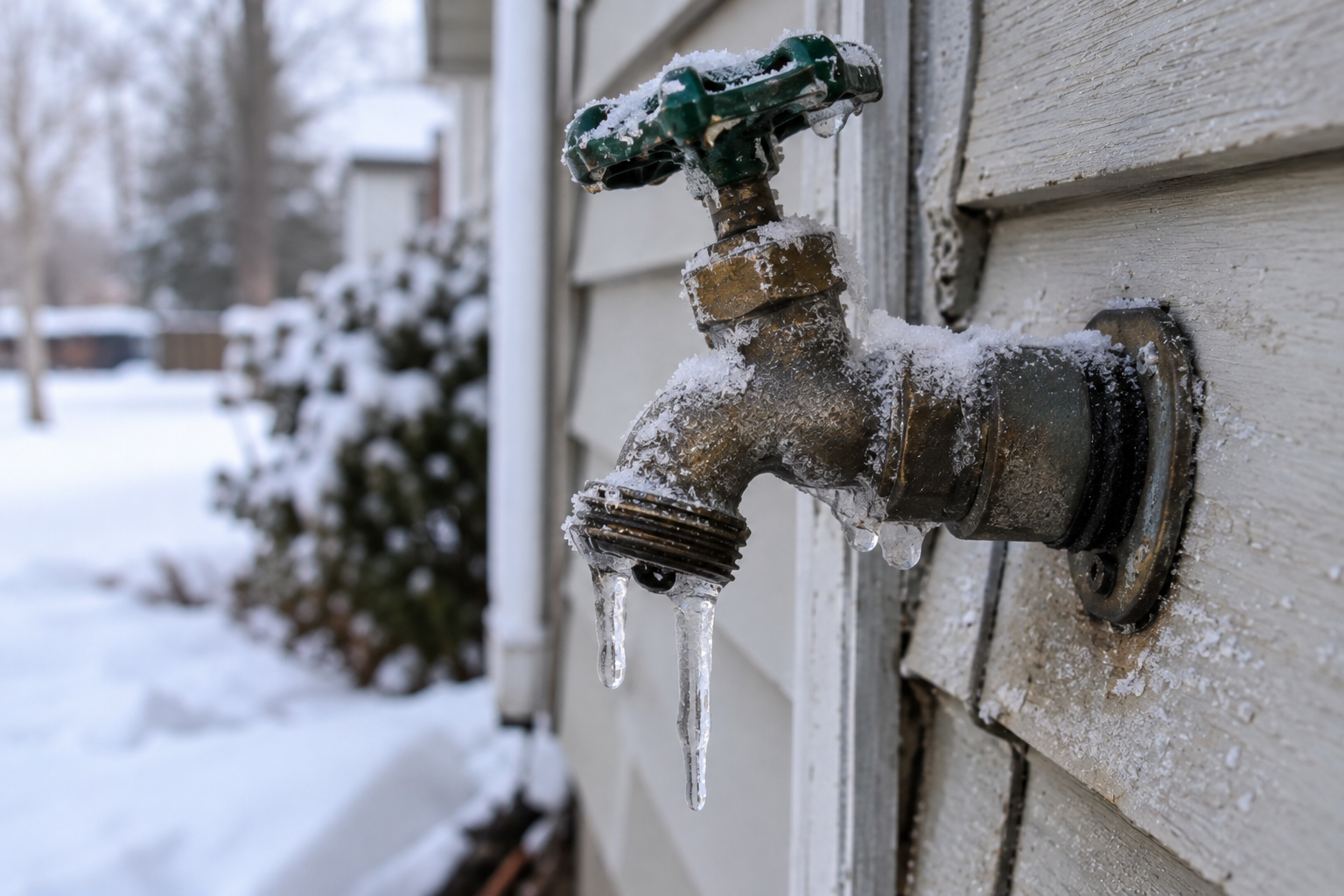
How to Keep Pipes From Freezing During a Power Outage
When a winter storm knocks out the electricity, keeping your family warm becomes the immediate priority, but there is another problem developing in many homes that can cause thousands of dollars in damage long after the lights come back on. Water pipes running through crawl spaces, garages, exterior walls, and other poorly insulated areas can freeze when temperatures drop, leaving homeowners with broken plumbing, flooded rooms, and expensive repairs.
This post contains affiliate links. I may earn a small commission at no extra cost to you. Learn more.
Knowing how to keep pipes from freezing during a power outage is especially important if your home relies on an electric furnace, heat pump, private well, or exposed water lines. Even gas furnaces generally need electricity to operate their blowers and controls, which means a prolonged blackout can leave your plumbing without the heat it normally depends on.
However, frozen pipes are not limited to power outages. Plumbing can freeze even when your heating system is running normally, particularly when cold air enters crawl spaces or reaches pipes inside exterior walls. The most effective protection therefore combines everyday winter maintenance with a specific plan for losing electricity and household heat.
This guide explains how to identify vulnerable plumbing, prevent frozen pipes with or without electricity, protect your home during an extended blackout, and respond safely if a pipe freezes or bursts.
Quick Answer
To keep pipes from freezing during a power outage, insulate exposed water lines, reduce cold-air drafts, open sink cabinets to allow warm indoor air to circulate, and consider dripping vulnerable faucets when water pressure and drainage are available. Monitor temperatures in crawl spaces and other unheated areas, and use only properly installed, safe backup heating equipment.
If the home cannot maintain adequate heat during an extended freeze, shutting off the main water supply and properly winterizing the plumbing may help prevent extensive damage. Simply closing the water valve does not remove water already inside the pipes.
Key Takeaways
- Pipes can freeze during ordinary winter weather, even when household electricity and heating are working.
- Crawl spaces, garages, exterior walls, attics, and outdoor faucets are among the most vulnerable locations.
- There is no fixed number of hours before pipes freeze during a blackout; insulation, outdoor temperature, airflow, and remaining indoor heat determine the risk.
- Pipe insulation and outdoor faucet covers provide passive protection without electricity, although they cannot prevent freezing indefinitely.
- Dripping faucets can help protect certain supply lines, but it requires a functioning water supply and drainage system.
- Electric heat tape requires electricity and will stop providing active protection during an outage unless compatible backup power is available.
- Knowing how to shut off the water supply and properly winterize your plumbing can limit damage when heating cannot be maintained.
Why Pipes Freeze During Winter Power Outages
Water expands when it freezes, and ice forming inside a pipe can create a blockage that traps water under increasing pressure. That pressure may cause a pipe or fitting to rupture, sometimes at a location away from the frozen section, with the resulting leak becoming visible only after the ice begins to thaw.
During normal winter conditions, household heating helps maintain temperatures around much of the plumbing system. When electricity fails, however, furnaces, heat pumps, and electrically powered pipe-heating equipment may stop operating, allowing temperatures inside the building to fall gradually toward outdoor conditions.
The greatest danger is not necessarily in the rooms where people spend most of their time. A living room may still feel reasonably warm while a water line beneath the floor is exposed to freezing air entering through a foundation vent or an unsealed opening.
Which Pipes Are Most Likely to Freeze?
Plumbing located outside the home’s heated building envelope is generally at greater risk than pipes running through insulated interior walls. Before winter arrives, inspect accessible plumbing in the following locations:
- Crawl spaces: Water lines beneath floors may be exposed to cold air, damaged insulation, or foundation openings.
- Exterior walls: Pipes installed near exterior sheathing can become cold even when the room itself remains heated.
- Garages: Supply lines serving utility sinks, washing machines, and other equipment may receive little indoor heat.
- Attics: Plumbing routed through unheated attic spaces may require special insulation and freeze protection.
- Sink cabinets: Closed cabinets along exterior walls can restrict warm air circulation around supply lines.
- Outdoor faucets: Hose bibs and connected plumbing are exposed directly to freezing weather.
Homes with private wells should also inspect pressure tanks, filters, and supply lines located in unheated well houses or utility spaces, since these components may lose their normal protection when electricity becomes unavailable.
How Long Does It Take Pipes to Freeze Without Heat?
There is no dependable rule that household pipes will freeze after four, six, or eight hours without electricity. A well-insulated house may retain enough heat to protect interior plumbing for a considerable period, while an exposed pipe in a windy crawl space can become vulnerable much sooner.
Outdoor temperatures around 20°F or below are often associated with increased frozen-pipe risk, especially during prolonged cold spells, but the temperature surrounding the actual pipe matters more than the outdoor reading alone. Wind-driven air leakage, missing insulation, and plumbing placement can create freezing conditions in one part of a house while other areas remain warmer.
| Winter Condition | Plumbing Concern | Recommended Response |
|---|---|---|
| Short outage with a warm interior | Lower immediate risk for protected interior pipes | Monitor temperatures and check exposed plumbing |
| Several hours without heat | Unheated areas may cool faster than living spaces | Open cabinets, reduce drafts, and monitor vulnerable areas |
| Extended blackout during severe cold | Increasing risk in crawl spaces, garages, and exterior walls | Evaluate backup heating and plumbing winterization |
| Home approaching freezing temperatures | Potential for widespread plumbing damage | Prioritize occupant safety and consider shutting down the water system |
Because freezing time varies so widely, a battery-powered thermometer placed near vulnerable plumbing can provide more useful information than relying on a general estimate of how long the power has been out.
How to Prevent Frozen Pipes Even When the Power Is On
One of the most common misconceptions about frozen plumbing is that pipes are safe as long as the furnace is operating. In reality, water lines can freeze inside poorly insulated walls, garages, and crawl spaces even when the thermostat shows a comfortable indoor temperature.
These preventive measures should be part of your regular winter maintenance because they reduce freezing risks before an emergency occurs and provide additional protection if electricity is later interrupted.
Maintain Consistent Indoor Heating
Avoid drastically lowering the thermostat during freezing weather, particularly if your home contains plumbing in exterior walls or other cold areas. The American Red Cross recommends maintaining a thermostat setting of at least 55°F when leaving home during cold weather, although some buildings may require additional protection because exposed plumbing can become much colder than the thermostat location.
Open Cabinets Beneath Vulnerable Sinks
Kitchen and bathroom cabinets installed along exterior walls can prevent warm indoor air from reaching water lines. Opening these cabinet doors during severe cold allows heated room air to circulate around the plumbing, provided cleaning chemicals and other hazardous products are kept away from children and pets.
Seal Cold-Air Leaks
Inspect accessible openings around pipes passing through exterior walls, foundations, and floors. Appropriate air sealing can prevent freezing air from blowing directly across plumbing, although required ventilation, combustion-air openings, and drainage paths must remain unobstructed.
Disconnect Garden Hoses and Protect Outdoor Faucets
Remove and drain garden hoses before freezing temperatures arrive because water trapped in a connected hose can contribute to damage at the faucet or supply line. Where an interior shutoff is provided, follow the correct procedure for closing and draining the exterior line, and remember that frost-free faucets still require proper installation and maintenance.
Keep Garage Doors Closed
If plumbing passes through an attached garage, keeping the garage door closed during severe cold reduces direct exposure to outside air. Water lines serving laundry equipment, utility sinks, and nearby bathrooms may require additional insulation because garages generally receive less heat than the main living areas.
Monitor Cold Areas Instead of Relying Only on the Thermostat
A battery-powered temperature monitor can help identify when a crawl space, garage, or utility room is approaching freezing conditions, allowing you to respond before water flow becomes restricted. Models that provide local readings or audible warnings are especially useful during blackouts, since some internet-connected monitoring systems lose their notification capability when household power fails.
Winter Prevention Tip
The most reliable frozen-pipe protection combines adequate heating, proper insulation, and reduced cold-air exposure. No single method guarantees that pipes will remain unfrozen during prolonged severe weather, particularly when the home loses electricity.
How to Insulate Water Pipes Before Winter
Insulating exposed plumbing is one of the most practical improvements homeowners can make before freezing weather arrives. Foam and rubber pipe sleeves help slow heat transfer between the water inside the pipe and the surrounding air, making them particularly useful for accessible plumbing in crawl spaces, garages, and unheated utility rooms.
Choose insulation based on the pipe’s actual outside diameter rather than its nominal plumbing size, since copper, PEX, CPVC, and other materials can have different outside dimensions. Cover accessible elbows and fittings using compatible materials, and avoid obstructing valves or equipment that must remain accessible.
Recommended Pipe Insulation Sleeves
Properly fitted pipe insulation can provide year-round protection against temperature fluctuations while reducing the speed at which exposed water lines lose heat during winter. It is an inexpensive first step for homeowners whose plumbing runs through unheated or poorly insulated areas, although insulation alone cannot prevent freezing indefinitely.


Insulated Outdoor Faucet Covers
Outdoor faucet covers provide supplemental insulation around exposed hose bibs and can help reduce heat loss during cold weather. They are especially useful in areas that experience occasional hard freezes, but they should be combined with disconnecting garden hoses and properly winterizing exterior supply lines where applicable.

Pipe insulation is most effective when combined with air sealing and appropriate building insulation. If pipes repeatedly freeze despite these precautions, a qualified plumber or insulation contractor should evaluate whether the plumbing needs to be relocated or the surrounding building envelope improved.
What to Do During the First 24 Hours of a Winter Blackout
The first day of a winter power outage is an opportunity to protect plumbing while the house still contains stored heat. Rather than waiting for water flow to stop, begin monitoring temperatures and preparing a backup plan as soon as you know the outage may continue through freezing weather.
First Hour: Secure the House and Check the Plumbing
Close exterior doors and windows, keep garage doors shut, and identify the location of your main water shutoff valve. Open cabinet doors beneath sinks on exterior walls, check accessible exposed plumbing, and review weather forecasts and utility restoration updates using a charged phone or emergency radio.
Hours 1–6: Monitor Temperatures and Water Service
Check indoor temperatures and, if possible, place a battery-powered thermometer near vulnerable plumbing. If the water supply and drainage system are functioning normally, consider dripping faucets connected to exposed pipes during severe cold, while conserving electricity and battery power for essential household needs.
Hours 6–12: Evaluate Backup Heating
If temperatures continue falling, determine whether your heating system can operate through a properly installed generator or compatible backup power arrangement. Gas furnaces frequently require electricity for their controls and blowers, while heat pumps and electric heating systems may have substantial power requirements that exceed the capacity of smaller backup systems.
Hours 12–24: Prepare for an Extended Outage
When freezing weather is expected to continue and adequate heating cannot be maintained, consider shutting off and properly winterizing vulnerable plumbing before damage occurs. If the house becomes too cold for safe occupancy, arrange a heated location for your family rather than remaining in dangerous conditions to protect the building.
Important Heating Safety Warning
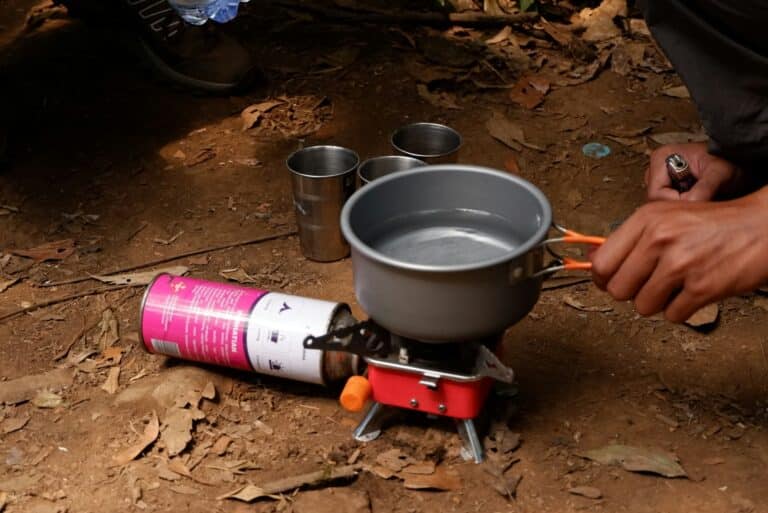
Never use a gas oven, charcoal grill, camping stove, generator, or other outdoor fuel-burning equipment to heat your home. Carbon monoxide poisoning and fires can occur when heating equipment is used improperly, and generators must remain outdoors well away from doors, windows, and ventilation openings.
Protecting your family from hypothermia, fire, and carbon monoxide exposure always takes priority over preventing plumbing damage.
Should You Let Faucets Drip During a Power Outage?
Allowing a small amount of water to flow through vulnerable plumbing can help reduce freezing-related risks because moving water is less likely to remain stagnant and an open faucet can help relieve pressure associated with ice formation. The American Red Cross recommends allowing cold water to drip from faucets served by exposed pipes during very cold weather.
However, this approach only makes sense when the water supply remains available and the drainage system is operating normally. If your home relies on a private well and the electric pump has stopped, continuous dripping can exhaust the limited water stored in the pressure tank without providing sustained protection.
Dripping should also be avoided when drains are blocked, sewage is backing up, or local authorities have restricted wastewater use. In these situations, shutting off and properly winterizing the plumbing may be safer than allowing water to continue flowing.
How Much Water Can a Dripping Faucet Waste?
Even a small continuous flow can consume a substantial amount of water during a prolonged outage, so homeowners should understand the difference between an occasional drip and a steady stream.
| Flow Rate | 24 Hours | 72 Hours |
|---|---|---|
| 0.01 gallon per minute | 14.4 gallons | 43.2 gallons |
| 0.02 gallon per minute | 28.8 gallons | 86.4 gallons |
| 0.05 gallon per minute | 72 gallons | 216 gallons |
These calculations illustrate continuous water consumption rather than recommended dripping rates. Use this strategy selectively, especially when emergency water supplies are limited.
Can Heat Tape Keep Pipes From Freezing Without Electricity?
Electric heat tape and heat-tracing cables provide active freeze protection by generating heat along vulnerable sections of plumbing. When properly selected and installed, these products can help protect exposed pipes during freezing weather, but they stop producing heat when the electricity fails unless a compatible backup power source is available.
Before purchasing a heating cable, confirm that it is approved for your pipe material, installation location, and intended application. Manufacturer instructions determine whether the cable may be used on plastic or metal pipes, how it must be positioned, whether insulation can cover it, and what electrical protection is required.
Self-Regulating Pipe Heating Cable
Self-regulating heating cables are designed to adjust their heat output in response to surrounding conditions, making them useful for certain exposed plumbing installations when electricity is available. They should be installed only according to the manufacturer’s requirements, since incorrect placement, overlapping where prohibited, damaged insulation, or unsuitable electrical connections can create overheating and fire hazards.

Can a Portable Power Station Run Heat Tape?
A portable power station may operate compatible heating equipment if its electrical output and usable battery capacity are sufficient. For example, a heating system averaging 60 watts would consume approximately 720 watt-hours over 12 hours before accounting for inverter losses, although actual consumption depends on temperature controls and operating conditions.
Because pipe-heating equipment may need to operate throughout an extended freeze, a small battery station should not be treated as a guaranteed solution. Calculate the expected runtime and confirm electrical compatibility before relying on backup power for freeze protection.
How to Protect Crawl-Space and Well Plumbing
Crawl spaces deserve special attention because exposed pipes may be surrounded by freezing air while the living area remains relatively warm. Before winter, inspect accessible water lines for missing insulation, cold-air leaks, damaged supports, and previous signs of freezing or leakage.
Properly sized pipe insulation and suitable air sealing can reduce exposure, while permanent improvements such as professional crawl-space insulation or plumbing relocation may be necessary in homes with recurring problems. Avoid placing portable heaters or improvised fuel-burning devices beneath the house, since confined spaces can create serious fire and carbon monoxide hazards.
Battery-Powered Temperature Monitoring
A temperature monitor placed in a vulnerable crawl space, garage, or utility room can provide an early warning when conditions approach freezing. Choose a device that continues operating without household electricity, and remember that wireless alerts may not function if the internet connection or powered hub fails.

Special Considerations for Private Wells
Homes with private wells often lose pumping capability during an outage, leaving only the water stored under pressure in the tank until electricity or compatible backup power is restored. Pressure tanks, filters, exposed supply lines, and well-house plumbing may also be vulnerable to freezing if their normal heating source stops operating.
Do not assume that continuously dripping faucets will protect a well system after the pump shuts down, because the remaining pressure-tank water can be depleted. If the system may remain unheated for an extended period, obtain proper winterization instructions from the pump installer or a qualified plumber.
When Should You Shut Off and Drain Your Water Pipes?
Shutting off the main water supply can reduce flooding if a pipe ruptures, but it does not remove water already trapped inside plumbing. During a prolonged blackout, a home that cannot maintain adequate heat may require both water shutoff and appropriate winterization to reduce the risk of extensive damage.
Consider this approach when the home will remain vacant during freezing weather, the heating system cannot be restored, or a pipe has already developed a leak. Identify and label the main shutoff valve before winter, and make sure responsible adults know how to operate it without forcing damaged or corroded components.
Basic Winterization Considerations
- Identify the water system. Determine whether your home uses municipal water, a private well, a pressure tank, or specialized plumbing equipment.
- Locate the main shutoff valve. Confirm that it operates properly and can be reached during an emergency.
- Follow the correct drainage procedure. Opening designated fixtures and drain points may release water, but trapped sections and low points can remain full.
- Protect connected equipment. Water heaters, washing machines, filtration systems, and other appliances may require separate winterization procedures.
- Seek professional assistance when necessary. Complex systems may require specialized drainage equipment or a licensed plumber.
Important Water System Warning
Do not drain or isolate water heaters, boilers, hydronic heating systems, fire sprinklers, or other specialized equipment using generic household instructions. Incorrect procedures can damage equipment, disable essential safety systems, or create scalding and electrical hazards.
If you are unsure how to winterize your plumbing correctly, consult a qualified plumber before freezing conditions develop.
What to Do if Your Pipes Are Already Frozen
A frozen pipe does not always burst, but it should be treated as a potential plumbing emergency because damage may remain hidden until the ice melts. Warning signs include little or no water coming from a normally functioning faucet, visible frost on exposed pipes, unusual swelling, or water leakage as temperatures begin rising.
1. Inspect for Damage and Locate the Shutoff
Check accessible plumbing for cracks, damaged fittings, or active leaks without striking or forcing the pipe. If damage is visible, shut off the main water supply when safe and avoid attempting to thaw a ruptured line while it remains pressurized.
2. Open the Affected Faucet When Safe
If the pipe appears intact and you can safely attempt thawing, opening the affected faucet may help relieve pressure and allow water to flow as the ice melts. Continue watching for leaks because a damaged section may not become apparent until water movement resumes.
3. Apply Gentle Heat to Accessible Pipes
The American Red Cross recommends methods such as warm towels, an electric heating pad, or a hair dryer for accessible frozen pipes when these methods can be used safely. Keep electrical devices away from standing water, apply heat gradually, and never use a blowtorch, open flame, charcoal burner, or improvised fuel-burning heater.
4. Contact a Plumber for Hidden or Damaged Pipes
If the frozen section is inside a wall, beneath an inaccessible floor, visibly damaged, or cannot be thawed safely, contact a licensed plumber. More than one section of plumbing may have frozen during the same weather event, so inspect other vulnerable fixtures before assuming the problem is resolved.
How to Prevent Water Damage When Frozen Pipes Thaw
Frozen pipes sometimes cause their greatest damage after temperatures rise because ice that was restricting water flow begins melting, allowing water to escape through a crack or failed fitting. Before restoring normal water service to a system that has been shut down, inspect accessible pipes and follow the appropriate procedure for gradually returning the plumbing to service.
Look for damp flooring, water stains, dripping ceilings, wet insulation, and unexplained pressure changes. If water has reached outlets, wiring, appliances, or electrical panels, stay clear of the affected equipment and contact a qualified professional.
Battery-Powered Water Leak Detector
A battery-powered leak detector can provide an early warning when water reaches floors, cabinets, or utility areas near vulnerable plumbing. These devices are particularly useful during the thawing period, although smart notifications may require a functioning internet connection or powered hub.

If a pipe bursts, shut off the water supply when safe, document visible damage with photographs, and contact a plumber and your insurance company. Coverage depends on your policy and the circumstances of the loss, so do not assume every frozen-pipe claim is automatically covered.
Best Supplies for Frozen-Pipe Protection
Not every homeowner needs expensive freeze-protection equipment. For most households, the first priorities should be protecting exposed pipes, reducing cold-air infiltration, and ensuring the main water shutoff valve works properly, followed by monitoring equipment and backup power where the plumbing layout justifies the additional expense.
| Product | Main Purpose | Works During a Blackout? |
|---|---|---|
| Pipe insulation sleeves | Slows heat loss from exposed plumbing | Yes, passive protection |
| Outdoor faucet covers | Adds insulation around exterior faucets | Yes, passive protection |
| Temperature monitor | Tracks cold conditions near plumbing | Battery models can; alerts vary |
| Electric heat cable | Provides active pipe heating | Only with compatible backup power |
| Water leak detector | Detects water near vulnerable areas | Battery models can; alerts vary |
| Portable power station | Supplies limited backup electricity | Yes, within capacity and output limits |
Planning for a Long-Term Winter Power Outage
Preventing frozen pipes during a short outage is different from protecting an unheated home for several days. If severe weather causes an extended blackout, your plan should address safe backup heating, emergency water storage, plumbing winterization, and the possibility that the house may temporarily become uninhabitable.
Portable Power Station for Backup Electricity
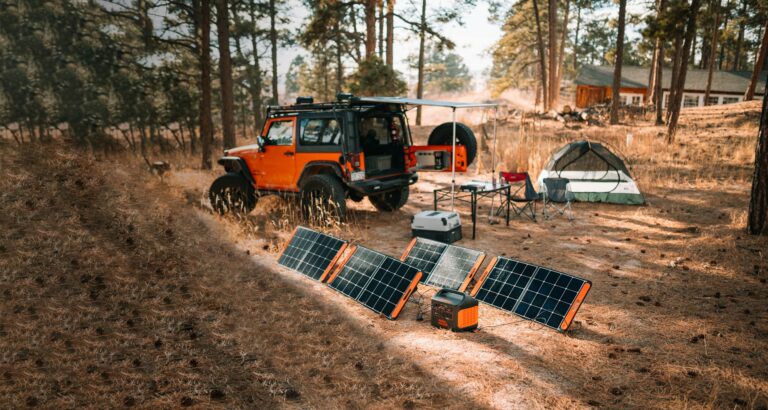
A portable power station can provide limited electricity for compatible temperature monitors, communication devices, and other essential equipment. Depending on its capacity and electrical output, it may also support certain properly rated heating devices, although battery runtime must be calculated carefully before relying on it for pipe protection.

Do not assume a portable power station can operate a furnace, well pump, or electric heating cable without checking startup requirements, operating wattage, and usable battery capacity. Larger heating systems may require professionally installed generator equipment and appropriate transfer arrangements.
Prepare for Losing Running Water
If plumbing must be shut down or a frozen pipe interrupts the supply, stored water becomes essential for drinking, cooking, and basic hygiene. Keep an adequate emergency supply in suitable containers, and prepare an alternative sanitation method if toilets cannot be flushed normally.
For additional preparedness strategies, visit our Blackout Survival Hub, which covers emergency power, water, heating, and other household needs during prolonged outages.
Know When to Leave
If safe indoor temperatures cannot be maintained, relocate household members and pets to a heated location rather than remaining in a dangerous environment to protect plumbing. Shut off and properly winterize the water system when it can be done safely, but never delay necessary evacuation because of concerns about property damage.
10 Common Mistakes That Lead to Frozen Pipes
- Assuming the thermostat protects every pipe. Crawl spaces and exterior walls can be much colder than heated living areas.
- Ignoring exposed plumbing. Uninsulated pipes in garages and beneath floors may freeze during sustained cold.
- Leaving garden hoses attached. Trapped water can contribute to freezing damage at outdoor faucets.
- Relying entirely on pipe insulation. Insulation slows freezing but cannot provide heat indefinitely.
- Assuming heat tape works without electricity. Electric heating cables stop providing active protection when power is lost.
- Dripping faucets with limited well water. A pressure tank can run out when the pump is not operating.
- Not knowing where the main shutoff is located. Delays can increase flooding when a pipe ruptures.
- Believing shutoff removes all water. Water remaining inside pipes and appliances can still freeze.
- Using open flames to thaw pipes. Torches and improvised heaters create serious fire hazards.
- Restoring water without checking for damage. Cracked pipes may begin leaking as ice melts and pressure returns.
Winter Frozen-Pipe Prevention Checklist
Before Winter
- Locate and test the main water shutoff valve.
- Inspect exposed plumbing in crawl spaces, garages, and utility rooms.
- Install suitable pipe insulation and protect outdoor faucets.
- Disconnect garden hoses and winterize exterior water lines.
- Seal appropriate cold-air leaks around plumbing penetrations.
- Check temperature monitors, leak detectors, and backup heating equipment.
- Learn the correct winterization procedure for your plumbing system.
During a Power Outage
- Monitor indoor temperatures and vulnerable plumbing locations.
- Keep garage doors and unnecessary exterior openings closed.
- Open cabinets beneath sinks along exterior walls when safe.
- Consider dripping vulnerable faucets when water pressure and drainage permit.
- Evaluate safe backup heating and monitor outage forecasts.
- Prepare to shut off and winterize plumbing if heat cannot be maintained.
- Relocate household members if indoor conditions become unsafe.
After the Outage
- Inspect accessible pipes and fittings for damage.
- Check for reduced water flow and signs of frozen sections.
- Watch for leaks as temperatures rise.
- Restore winterized plumbing according to the correct procedure.
- Check connected appliances and water heaters before normal operation.
- Document any damage and arrange repairs promptly.
Frequently Asked Questions
Will pipes freeze if the power goes out for six hours?
Not necessarily. Freezing risk depends on outdoor temperature, insulation, airflow, and how much heat the home retains. Exposed pipes may become vulnerable quickly during severe cold, while protected interior plumbing may remain above freezing much longer.
At what temperature do water pipes freeze?
Water freezes at approximately 32°F under ordinary conditions, but the outdoor temperature alone does not determine whether a household pipe will freeze. Pipe location, insulation, and surrounding air temperature are more important.
Can pipes freeze even when the heat is on?
Yes. Pipes inside exterior walls, garages, crawl spaces, and other poorly insulated areas may freeze even when the living room thermostat shows a comfortable temperature.
Does opening cabinet doors prevent frozen pipes?
Opening cabinets can help warm indoor air circulate around plumbing located along exterior walls, but it does not guarantee protection during prolonged severe cold or an extended loss of heating.
Should I drip hot or cold water?
The American Red Cross recommends allowing cold water to drip from faucets served by exposed pipes during very cold weather. If both hot and cold supply lines are vulnerable, the appropriate approach depends on the plumbing layout.
Can insulated pipes still freeze?
Yes. Insulation slows heat transfer but does not generate heat, so pipes exposed to sustained freezing conditions can eventually freeze even when covered.
Does electric heat tape work during a blackout?
Only if it receives electricity from a compatible backup power source. Without power, the cable provides no active heating.
Should I turn off the water during a winter power outage?
It may be appropriate when the home cannot maintain adequate heat, will remain vacant, or has developed a plumbing leak. However, proper winterization may also be necessary because water remains inside the pipes after the main valve is closed.
Can PEX plumbing freeze and burst?
Yes. Although PEX tubing may tolerate some expansion better than certain rigid pipe materials, fittings and connections can still fail, and the system should not be considered freeze-proof.
What should I do if a frozen pipe bursts?
Shut off the main water supply when safe, avoid electrical hazards, and contact a licensed plumber. Document damage for insurance purposes and do not restore normal water pressure until the system has been inspected and repaired.
Free Blackout Preparedness Planner
Prepare Before the Next Winter Blackout
Protecting your plumbing is only one part of winter preparedness. Download our free Blackout Preparedness Planner to organize your emergency water storage, backup power, heating supplies, food, communication plans, and household readiness checklist.
Final Thoughts
Learning how to keep pipes from freezing during a power outage begins with understanding where your plumbing is most vulnerable and addressing those weaknesses before severe weather arrives. Insulating exposed pipes, protecting outdoor faucets, sealing cold-air leaks, and knowing how to shut off the water supply are practical precautions that can reduce the likelihood of costly damage.
These improvements are valuable even when electricity is available, but they become especially important during an extended winter blackout when household heating may no longer function. By monitoring temperatures, using safe backup heating where appropriate, and preparing to winterize the plumbing if necessary, homeowners can make better decisions as conditions change.
Above all, protect your family before your property. If the house becomes dangerously cold, relocate to a safe heated location and address the plumbing only when it can be done without creating additional hazards.
Further Reading
- Emergency Preparedness Plan — Build a complete household emergency preparedness strategy.
- Water Outage Survival Guide — Prepare for interrupted household water service.
- Blackout Survival Hub — Emergency power, heating, water, and communication resources.
- What Stops Working First in a Long-Term Blackout — Understand how utility interruptions affect household systems.
- First 72 Hours After a Disaster — Essential steps for managing the initial emergency period.
Safety References and Additional Resources
- American Red Cross: Preventing and Thawing Frozen Pipes — Guidance on preventing frozen pipes and using safer thawing methods.
- American Red Cross: Winter Storm Safety — Household cold-weather safety recommendations.
- U.S. Department of Energy: Pipes in Exterior Walls — Insulation and air-sealing guidance for vulnerable plumbing.
- FEMA / Ready.gov: How to Prepare for a Winter Storm — Winterization and emergency planning guidance.
- Ready.gov: Power Outages — Electrical outage preparedness and safety.