
What Stops Working First in a Long-Term Blackout? (Most People Aren’t Ready for the First 72 Hours)
Understanding what stops working first during a long-term blackout can help families prepare for the cascading infrastructure failures that often follow extended power outages, fuel shortages, communication breakdowns, and supply chain disruption.
This post contains affiliate links. I may earn a small commission at no extra cost to you. Learn more.
Most people imagine a long-term blackout as a single dramatic event where everything suddenly stops functioning at the exact same moment, but large-scale power failures usually unfold in stages as some systems collapse immediately while others continue operating temporarily until backup power disappears, fuel supplies run low, communication networks overload, or supply chains begin breaking apart under growing pressure.
That timeline matters far more than most households realize because survival during a prolonged outage often depends on understanding what fails first, what fails next, and which systems become dangerous long before complete collapse ever occurs.
Modern infrastructure is heavily interconnected because electricity supports communication systems, communication systems support emergency coordination, fuel distribution relies on electronic payment processing, and water treatment facilities depend on backup generators, chemical deliveries, and stable transportation networks remaining functional at the same time.
Once one major system begins failing, pressure spreads quickly into everything connected to it.
This is why many families are caught off guard during extended emergencies.
Many households prepare for darkness itself but fail to prepare for the cascading infrastructure failures that begin spreading once multiple critical systems start weakening simultaneously.
A refrigerator warming up after several hours without electricity is inconvenient.
A citywide fuel shortage combined with failing communication systems, empty grocery shelves, rising indoor temperatures, and collapsing water pressure becomes a completely different situation.
Anyone building a serious preparedness plan should also review First 72 Hours After a Disaster: What Actually Happens (And How to Survive It) because the first three days of a major emergency often determine whether conditions remain manageable or begin spiraling into long-term instability.
Many households underestimate how difficult large-scale infrastructure restoration becomes once multiple systems begin failing simultaneously across entire regions.
That assumption works during small localized outages.
It becomes far more dangerous during regional grid failures, severe weather disasters, cyberattacks, infrastructure sabotage, transformer failures, fuel shortages, or widespread heat-wave blackouts that impact millions of people simultaneously.
When restoration timelines become uncertain, every hour changes how society functions.
Traffic systems begin failing, payment networks stop processing transactions reliably, cell towers start losing battery backup capability, gas stations shut down without electricity, supply trucks struggle moving through congested transportation routes, and medical systems begin operating under increasing pressure as the outage continues expanding.
Even households with food and flashlights often discover they overlooked critical weaknesses involving sanitation, water access, fuel storage, communication, and long-term cooling during extreme temperatures.

Communication failures become especially dangerous during large-scale outages because reliable information starts disappearing almost immediately once networks become overloaded or backup systems begin shutting down. Anyone building a realistic blackout communication plan should also read Communication Failure Timeline (0–72 Hours): When Phones and Networks Go Down because many people underestimate how quickly modern communication systems begin struggling during major emergencies.
Long-term blackouts rarely become dangerous because of one single event. They become dangerous because the systems people rely on every day begin failing one layer at a time until normal life becomes increasingly difficult to maintain.
Understanding which services fail first gives you a major advantage because preparation becomes much easier when you know where the real vulnerabilities actually exist.
The systems that usually fail first during a long-term blackout include communication networks, fuel access, refrigeration, water infrastructure, payment systems, and supply chains. Understanding the order these systems weaken can help households prepare before shortages, infrastructure stress, and public panic begin spreading through larger communities.
Quick Answer
The first systems to fail during a long-term blackout are usually communication networks, refrigeration, fuel access, electronic payments, and supply chains. As the outage continues, water systems, sanitation, healthcare, and other critical infrastructure become increasingly unreliable, creating a cascading series of problems that grow more difficult to manage each day.
✓ Key Takeaways
- Communication systems often become unreliable before they completely fail.
- Fuel shortages quickly affect transportation, generators, and emergency services.
- Water and sanitation problems develop as supporting infrastructure weakens.
- Supply chain disruptions lead to shortages long before stores completely empty.
- Preparation is most effective before multiple infrastructure systems begin failing together.
The First Few Minutes After Power Loss
The earliest stage of a major blackout is usually the most deceptive because many critical systems still appear functional for a short period of time.
Lights go out immediately while air conditioning systems shut down, internet routers disconnect, traffic signals fail across major intersections, and electronic gates or garage doors suddenly stop functioning without warning.
But beyond those obvious problems, most people initially assume the outage will only last a few minutes or hours.
That assumption creates dangerous hesitation during the opening stage of a long-term blackout, often causing households to lose access to fuel, food, supplies, and other critical resources they could have secured much earlier.
One of the first major changes happens inside communication networks.
As soon as power disappears across a large area, millions of people immediately begin reaching for phones, opening apps, checking social media, contacting family members, refreshing news feeds, and attempting to gather information at the exact same time.
This creates massive spikes in network traffic within minutes.
Even before towers begin losing backup power, cellular systems can become unstable simply from overload.
Phone calls begin failing, text messages arrive late, mobile data speeds slow dramatically, and emergency alerts often arrive out of order or stop updating consistently once communication systems begin operating under extreme demand.
Many people mistake these early communication issues as minor technical glitches without realizing they are often the first visible signs of larger infrastructure strain spreading through the system.
At the same time, transportation systems begin experiencing immediate disruption.
Traffic lights shutting down creates congestion almost instantly in larger cities as accidents increase at intersections, drivers rush toward gas stations and grocery stores simultaneously, and crowded roads begin slowing emergency response times throughout the surrounding area.
In urban areas, elevator systems stop working immediately, trapping some residents inside apartment buildings while others suddenly lose access to upper floors unless stairwells remain usable.
Anyone living in a densely populated building should also review Apartment Blackout Survival: How to Live Without Power in a Small Space because confined living environments create entirely different challenges once power failures extend beyond the first several hours.
Inside homes, refrigeration systems quietly begin entering a countdown most families underestimate.
Refrigerators start warming immediately after power loss, even if the temperature change is not noticeable at first.
Freezers maintain safe temperatures longer if they remain closed, but repeated door openings during the early uncertainty phase often destroys valuable cold retention far faster than necessary.
This is one reason experienced emergency planners focus heavily on preserving cold storage during the opening stage of an outage instead of waiting until food spoilage becomes obvious.
Anyone trying to protect refrigerated food supplies during an extended outage should also read How Long Food Lasts Without Power (Fridge, Freezer & Pantry Breakdown) because temperature management becomes one of the first serious household problems during prolonged grid failure.

A dangerous pattern during early outages is how quickly people normalize deteriorating conditions without realizing larger infrastructure systems are already beginning to fail.
Many people continue behaving as though modern infrastructure remains fully operational, assuming stores will reopen shortly, fuel deliveries will continue normally, and backup generators at hospitals, water treatment facilities, and communication centers will easily maintain stability until the power returns.
But large-scale infrastructure emergencies become far more dangerous once millions of people simultaneously realize restoration may not happen quickly.
That shift usually begins within the first several hours.
And once public confidence starts weakening, supply shortages and panic-driven behavior accelerate rapidly.
💡 Pro Tip
The first hour of a major blackout is often your best opportunity to top off fuel, charge essential devices, fill water containers, and verify your family’s communication plan before crowds begin forming and infrastructure becomes overloaded.
Cell Towers and Communication Networks Begin Struggling Almost Immediately
One of the first major systems to show signs of instability during a long-term blackout is the communication network.
Most people assume cell service will continue functioning normally as long as their phone still has battery power.
In reality, modern communication infrastructure depends heavily on continuous electricity, backup battery systems, fuel deliveries, fiber connections, cooling equipment, and functioning network routing centers spread across large geographic areas.
The moment power fails across a region, communication systems begin experiencing pressure from two directions simultaneously as network usage spikes dramatically while backup battery systems immediately begin counting down toward failure.
Cell towers typically rely on battery backups designed for temporary outages rather than prolonged grid failure.
Some communication towers have backup generators, but many rely only on limited battery systems designed for short-term outages.
Others depend on limited fuel reserves that may only last several hours before requiring resupply.
If transportation systems become disrupted or fuel shortages begin developing, even towers equipped with generators can start shutting down one by one.
This creates a cascading communication failure pattern where service becomes unreliable long before networks fully disappear.
Calls may connect only intermittently, text messages arrive late, data speeds slow to a crawl, emergency notifications fail to load consistently, navigation apps become unreliable, and streaming or cloud-based services often stop functioning entirely once communication networks become saturated.
During major emergencies, people often waste valuable phone battery repeatedly checking apps that no longer update properly.
The psychological impact becomes serious very quickly because communication systems provide far more than convenience during emergencies. They provide reassurance, coordination, situational awareness, and the ability for families to remain connected while surrounding conditions continue deteriorating.
Once reliable information disappears, uncertainty spreads rapidly.
Families lose contact with each other, rumors begin circulating rapidly, and people often start making emotional decisions instead of calm, strategic choices once reliable information disappears.
This is one reason communication breakdowns often accelerate panic behavior long before food or water shortages fully develop.
Anyone building a realistic emergency communication plan should also review Emergency Communication & Radios Guide because most households rely almost entirely on fragile cellular infrastructure without realizing how quickly those systems can become unreliable during large-scale outages.

Internet access also becomes increasingly unstable as supporting infrastructure begins failing.
Home internet routers shut down immediately without backup power unless connected to battery systems or generators.
Cable providers and fiber nodes may continue operating temporarily using localized backup systems, but regional failures eventually begin affecting routing equipment and data centers farther upstream.
Even households running generators often discover their internet connection becomes useless because the surrounding network infrastructure is no longer functioning consistently.
Communication failures become especially dangerous during nighttime outages or severe weather emergencies where people rely heavily on real-time updates to make decisions involving evacuation, fuel usage, sheltering, or medical care.
Many households do not realize how dependent they are on smartphones until those systems stop providing reliable information.
This is why experienced preparedness planners prioritize layered communication systems instead of relying on a single device or network.
Battery banks, NOAA radios, GMRS radios, offline maps, printed emergency contacts, vehicle charging systems, and portable solar charging equipment all become significantly more valuable once digital infrastructure begins degrading.
Anyone preparing for extended outages should also read How to Communicate When the Grid Goes Down because maintaining reliable information during a blackout often becomes just as important as maintaining food, water, or electricity.
The biggest danger is that communication failures rarely happen all at once because gradual infrastructure degradation creates false confidence, causing people to assume systems remain stable right up until networks begin failing under sustained pressure.
People continue assuming help, updates, deliveries, and emergency coordination remain fully operational right up until networks begin collapsing under combined pressure from overload, fuel shortages, and infrastructure exhaustion.
📌 Did You Know?
Many critical infrastructure systems appear to be working long after the power goes out because they rely on batteries or backup generators. Once those backups are exhausted or fuel cannot be replenished, multiple services often begin failing within a relatively short period.
Water Systems Begin Failing Faster Than Most People Expect
Many people assume water will continue flowing normally during a blackout because municipal systems appear more stable than household electricity.
At first, faucets may still work normally, toilets continue flushing, and showers remain operational, creating a misleading sense of stability during the early phase of the outage.
That temporary normalcy causes many households to underestimate how dependent modern water infrastructure actually is on electricity, fuel, chemical treatment systems, and continuous mechanical operation.
Water treatment and distribution systems rely heavily on electrically powered pumps to move massive amounts of water through storage facilities, pressure systems, filtration plants, and city pipelines.
Backup generators can temporarily keep some facilities operational, but long-term blackouts quickly create mounting pressure across the entire water infrastructure system.
Fuel deliveries become uncertain, maintenance crews struggle with transportation problems, chemical supply chains begin slowing down, and communication failures complicate repair coordination across larger regions.
Once enough pressure builds across the infrastructure network, water reliability starts degrading rapidly.
In some areas, the earliest sign of trouble is declining water pressure.
Faucets begin sputtering, upper floors inside apartment buildings often lose pressure first, and water heaters stop functioning because electric systems remain offline throughout the outage.
Even homes with access to flowing water often lose access to safe hot water almost immediately unless backup power systems are available.
As outages continue, sanitation problems become increasingly serious.
People continue using toilets normally even after water pressure weakens.
Eventually, sewage systems themselves begin struggling if lift stations and treatment facilities lose sustained power.
This is where blackout conditions start becoming a public health issue instead of simply an inconvenience.
Anyone preparing for prolonged emergencies should also review Long-Term Water Storage | Complete Prepper Guide for Emergencies 2025 because most households drastically underestimate how much clean water they actually consume once municipal systems become unreliable.

Drinking water disappears much faster than most people expect during regional emergencies.
Store shelves empty quickly once the public realizes outages may continue for days instead of hours.
Bottled water becomes one of the first high-demand supplies targeted during panic buying.
And unlike food shortages, water shortages create immediate physical stress within a very short timeframe, especially during summer heat waves or high-humidity conditions.
Households that rely entirely on municipal water systems without stored reserves often discover they have no backup plan once pressure starts dropping or boil advisories begin appearing.
Water quality itself also becomes a growing concern.
Treatment interruptions, damaged infrastructure, contamination events, and pressure loss can all increase the risk of unsafe water entering parts of the distribution system.
During major disasters, authorities may issue boil notices if treatment facilities lose stability or contamination becomes possible.
But communication failures can delay those warnings from reaching everyone consistently.
This creates dangerous situations where people continue consuming questionable water without realizing treatment systems are no longer operating normally.
Anyone trying to prepare for realistic infrastructure failure should also review Water Purification Systems because stored water eventually runs out, and long-term survival often depends on being able to safely filter or purify additional water sources.

Water instability often develops much earlier than most communities expect because modern water infrastructure depends heavily on electricity, fuel logistics, treatment systems, and coordinated repair operations remaining functional at the same time.
Modern water infrastructure depends on multiple interconnected systems remaining functional simultaneously because electricity powers the pumps, fuel supports backup generators, transportation networks handle chemical deliveries, and communication systems coordinate repairs and maintenance operations across affected areas.
Once enough supporting systems begin failing together, water reliability can deteriorate far faster than most communities are prepared for.
Gas Stations and Fuel Access Start Breaking Down Within Hours
Fuel shortages often develop much earlier during long-term blackouts than most people expect.
Fuel problems during long-term blackouts rarely happen because fuel disappears immediately. They happen because modern fuel distribution depends heavily on electricity, electronic payment systems, transportation networks, and continuous resupply logistics that become unstable very quickly during regional emergencies.
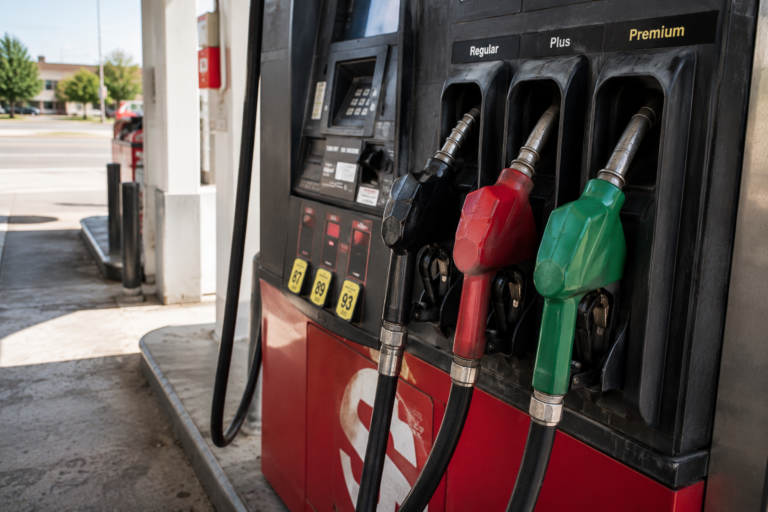
Most gas stations cannot operate normally without electricity.
The underground fuel may still be physically available inside storage tanks, but electric pumps stop working once power disappears unless the station has commercial backup generators installed.
Even stations equipped with generators often experience massive demand surges within the first several hours of a large-scale outage.
Long vehicle lines form rapidly, traffic congestion increases around major intersections, tempers begin rising, and many drivers suddenly realize they waited far too long to refuel before the outage escalated.
Electronic payment infrastructure quickly becomes a major vulnerability once fuel systems begin operating under emergency conditions.
Modern gas stations rely heavily on interconnected systems including credit card processing networks, internet connections, POS terminals, and banking authorization systems that all require stable communication infrastructure to function properly.
When communication networks begin failing alongside the power grid, many stations lose the ability to process electronic payments even if generators continue running.
Cash-only operations become increasingly common during fuel emergencies, while some stations shut down entirely rather than attempting manual operations under chaotic conditions.
This creates a dangerous combination where fuel technically exists nearby, but access becomes severely restricted.
Anyone preparing for realistic blackout conditions should also read How to Store Gasoline Safely for Emergencies (Without Ruining Your Fuel) because fuel storage mistakes become extremely costly once gas stations, transportation systems, and emergency supply chains begin struggling during a prolonged outage.


Fuel shortages become even more serious once panic buying begins spreading across entire regions.
Drivers rush to fill vehicles, load spare fuel cans, and search neighboring towns for operating gas stations as panic buying begins spreading across larger regions.
Commercial supply chains struggle to keep up with sudden demand spikes while roads become congested and communication systems degrade.
In larger disasters, tanker truck deliveries themselves may become delayed because distribution hubs, refineries, transportation routes, and driver coordination systems are all experiencing simultaneous pressure.
Heat waves make fuel shortages even more dangerous because generator usage rises dramatically during summer blackouts as households attempt to power refrigerators, freezers, portable air conditioning systems, fans, medical equipment, and charging stations simultaneously.
Fuel consumption climbs far faster than many people initially expect.
Households often purchase backup generators without realistically calculating long-term fuel requirements.
They prepare for a weekend outage.
Not a multi-week infrastructure emergency.
Anyone building a serious emergency power system should also review Grid-Down Survival Power because fuel conservation strategies become critical once resupply systems begin failing across a larger area.

Fuel instability also spreads quickly into nearly every critical service connected to emergency response and infrastructure recovery efforts.
Emergency services, utility repair crews, supply deliveries, water treatment facilities, hospitals, and communication towers all depend heavily on stable fuel access in order to continue operating during prolonged infrastructure emergencies.
Once shortages begin spreading through critical infrastructure, restoration efforts themselves often slow down.
This creates a dangerous cycle where the systems needed to repair the outage become increasingly strained by the outage itself.
The biggest mistake many households make is waiting until fuel shortages become visible before taking the problem seriously.
By the time long lines form at gas stations, the easiest preparation window has already passed.
⚠ Important Warning
Waiting until fuel shortages become obvious is one of the biggest mistakes households make during major blackouts. By the time long lines form at gas stations, much of your opportunity to prepare has already passed.
Grocery Stores and Supply Chains Empty Faster Than Most Households Expect
One of the fastest visible changes during a long-term blackout is the speed at which grocery stores begin losing inventory.
Most modern stores operate using tightly controlled supply chains designed for continuous restocking rather than long-term reserve storage.
Under normal conditions, this system works efficiently.
During a regional emergency, it becomes extremely fragile.
The moment large populations realize power restoration may not happen quickly, buying behavior changes almost instantly.
Shopping behavior changes almost immediately once people realize the outage may continue for days instead of hours, leading households to begin stockpiling water, batteries, bread, canned food, generators, fuel containers, baby supplies, medications, and shelf-stable meals at a pace most stores cannot sustain for long.
Within hours, entire sections of stores can begin looking stripped down depending on the size of the outage and how widespread the panic response becomes.
One reason shortages develop so quickly is because modern grocery systems are built around predictable delivery schedules.
Most locations do not maintain massive backroom reserves.
Truck deliveries constantly refill inventory under normal operating conditions.
But during a blackout, transportation systems begin struggling almost immediately.
Traffic congestion slows movement, fuel shortages develop, warehouses lose power, electronic logistics systems become unreliable, and communication problems begin complicating routing and scheduling across the supply chain.
Once transportation networks become unstable, store shelves often empty much faster than they can be replenished.
Refrigerated inventory becomes another major problem.
Without sustained backup power, grocery stores begin losing cold storage capability.
Frozen food begins warming, refrigerated dairy products spoil, and meat departments quickly become unsafe once grocery stores lose sustained cold storage capability.
Many stores are forced to discard large amounts of inventory after extended outages, reducing available food supplies even further.
This is one reason long-term blackout preparedness depends heavily on shelf-stable food storage instead of relying entirely on refrigerated products.
Anyone trying to build a realistic emergency food plan should also review What to Stock Before a Long-Term Blackout (Most People Miss These Essentials) because waiting until shortages begin appearing usually means competing with thousands of other unprepared households at the exact same time.

Supply chain instability also affects pharmacies, hardware stores, convenience stores, and distribution warehouses.
Critical items become harder to replace once delivery systems begin slowing down.
Medical supplies, baby formula, pet food, cooking fuel, water filters, and hygiene products all become increasingly difficult to replace once delivery systems begin slowing down during widespread outages.
Many households focus heavily on food while overlooking how quickly everyday essentials disappear once transportation systems stop functioning normally.
Household refrigeration problems also begin accelerating once grocery shortages and fuel limitations spread through surrounding communities.
As grocery shortages develop, many families attempt purchasing large amounts of perishable food without realizing their own refrigeration systems may already be failing.
Food waste increases, spoilage accelerates, and many households begin burning through fuel reserves attempting to preserve groceries they were never realistically prepared to store long term.
Anyone trying to protect refrigerated supplies during an outage should also read How Long Food Lasts Without Power because poor food management becomes one of the earliest hidden problems during extended blackouts.

One of the most important things to understand about supply chain breakdowns is that shortages spread psychologically as much as physically.
Once people see empty shelves, panic buying accelerates.
Even households that originally planned to buy only a few essentials often begin over-purchasing because they fear losing access entirely.
This creates rolling waves of scarcity where inventory disappears faster with each passing day.
The dangerous part is that stores can appear fully functional from the outside while critical inventory inside is already collapsing.
Lights may still work on backup power.
Employees may still be present.
But the supply chain supporting the store may already be under severe stress long before most shoppers recognize the situation is becoming serious.
ATMs, Banking Systems, and Digital Payments Become Increasingly Unreliable
One of the biggest vulnerabilities during a long-term blackout is how dependent modern society has become on electronic financial systems.
Most people rarely carry significant cash anymore.
Modern financial systems are heavily digitized, with purchases happening electronically, paychecks arriving through direct deposit, fuel purchases relying on card readers, and online banking handling nearly every aspect of daily financial activity.
Under normal conditions, this system feels seamless.
During a major blackout, it can begin failing surprisingly fast.
ATMs are often among the first visible financial systems to stop functioning.
Some lose power immediately.
Others continue operating temporarily through battery backups or localized generators before shutting down later.
Even working ATMs quickly develop problems once communication networks become unstable because they still require functioning data connections to verify balances and process transactions.
Long lines begin forming at the few machines that remain operational.
Cash withdrawals increase sharply.
And many people suddenly realize they have almost no physical currency available.
Card processing systems create even larger problems across the economy.
Gas stations, restaurants, convenience stores, pharmacies, and grocery stores all depend heavily on internet-based payment verification systems that become increasingly unreliable once communication infrastructure begins failing.
Once communication infrastructure begins degrading, transactions may fail even if businesses still have electricity or backup power available.
This creates a situation where supplies technically exist but cannot be purchased easily through normal methods.
Cash becomes dramatically more valuable during this stage of a blackout.
Businesses capable of operating manually often shift toward cash-only transactions because electronic processing systems become unreliable.
But even cash has limits once shortages begin intensifying.
Many stores eventually start rationing critical supplies.
Others close entirely because inventory cannot be replaced fast enough.
Anyone building a realistic long-term preparedness strategy should also review Emergency Preparedness Plan 2026: The Complete Survival Framework because financial preparedness is often overlooked even though access to money becomes a major issue early in many large-scale disasters.

Banking instability also creates psychological pressure that spreads quickly through communities.
People become anxious once they lose confidence in accessing money, fuel, supplies, or account information.
Rumors spread rapidly online and through word of mouth.
Some households begin panic purchasing simply because they fear payment systems may fail completely later.
This accelerates shortages throughout the surrounding area.
Commercial operations themselves become increasingly unstable once digital financial systems begin failing across larger regions.
Payroll processing, inventory ordering, fuel purchasing, supplier payments, and transportation logistics all rely heavily on stable electronic financial infrastructure that becomes increasingly unreliable during prolonged outages.
Once communication failures begin interfering with those systems, commercial operations become increasingly difficult to maintain.
Even businesses that physically remain open may struggle to operate normally behind the scenes.
Households that prepare only for power loss often miss how quickly financial systems become part of the emergency.
The blackout itself creates the opening problem.
But the loss of reliable transactions, fuel access, supply ordering, and communication systems is what starts turning a temporary outage into a broader infrastructure crisis.
Anyone preparing for extended emergencies should also read What Happens After 30 Days Without Power because long-term outages eventually begin affecting nearly every system modern communities rely on, including the financial networks most people assume will always remain available.
Refrigeration Failure Creates Serious Food Problems Within the First Day
One of the earliest household systems to become dangerous during a long-term blackout is refrigeration.
Most families focus heavily on lighting during outages.
But food preservation becomes a much larger issue once electricity remains offline for extended periods.
Modern households rely heavily on refrigerators and freezers to safely store large portions of their daily food supply.
Once cooling systems stop functioning, the countdown toward spoilage begins immediately.
At first, refrigeration problems feel manageable because refrigerators may remain cold for several hours if doors stay shut, while freezers can preserve frozen food longer depending on how full they are and how frequently they are opened during the outage.
That temporary cold retention creates a false sense of security during the opening stage of a blackout.
Many households continue using refrigeration normally without realizing every unnecessary door opening rapidly accelerates temperature loss inside the unit.
As indoor temperatures rise, spoilage speeds up dramatically.
Summer outages become especially dangerous because heat places constant pressure on food storage conditions.
Milk spoils rapidly, raw meat becomes unsafe, leftovers deteriorate quickly in rising indoor temperatures, and frozen food begins thawing unevenly once refrigeration systems lose the ability to maintain stable temperatures.
Once temperatures climb into unsafe ranges, foodborne illness becomes a serious risk.
Many households waste valuable fuel and generator runtime attempting to preserve food supplies that realistically cannot be maintained safely during a prolonged outage.
Many families also underestimate how quickly limited fuel reserves disappear once generators begin running continuously in hot weather conditions.
Anyone preparing for extended outages should also review How Long Food Lasts Without Power (Fridge, Freezer & Pantry Breakdown) because understanding real food safety timelines becomes critical once refrigeration systems begin failing.

Generator planning becomes extremely important during this phase.
Many households purchase generators assuming they can continuously power refrigeration systems for weeks.
In reality, fuel consumption often becomes unsustainable much faster than expected, especially during heat waves where generators are also supporting fans, portable air conditioners, charging systems, medical equipment, or communication devices.
This is one reason experienced preparedness planners focus heavily on layered food strategies instead of relying entirely on refrigeration.
Shelf-stable foods, freeze-dried meals, rice, beans, canned goods, dehydrated foods, and manual cooking methods all become increasingly valuable once refrigeration systems begin weakening during prolonged outages.
Anyone trying to build a realistic long-term food plan should also read What to Stock Before a Long-Term Blackout because many households discover too late that most of their stored food still depended heavily on refrigeration or electrical cooking systems.

Refrigeration failure also spreads through grocery stores, warehouses, restaurants, and commercial food distribution systems at the same time households begin losing cold storage capability inside their own homes.
Stores lose frozen inventory, warehouses struggle maintaining cold storage, food transportation becomes increasingly unstable, and restaurants are often forced to discard large amounts of refrigerated inventory during extended outages.
This means replacement food supplies become harder to obtain at the exact same time households are losing their own refrigerated food reserves.
Long-term blackouts become especially dangerous once food scarcity combines with heat, communication problems, fuel shortages, and rising public anxiety.
By this stage, many people begin realizing the outage is no longer a temporary inconvenience.
It is becoming a sustained infrastructure emergency.
Most households discover too late that their backup batteries or generators are undersized for real blackout conditions. The Emergency Power Planner helps estimate realistic power requirements for food storage, communication, cooling, and emergency lighting.
Sewage Systems and Sanitation Problems Become a Public Health Threat
One of the most overlooked dangers during a long-term blackout is sanitation failure.
Most people spend the early stages of an outage focusing on lighting, food, communication, and fuel.
But once water systems begin weakening and sewage infrastructure starts struggling, conditions can deteriorate very quickly.
Modern sanitation systems depend heavily on electricity.
Wastewater treatment plants require constant power.
Lift stations use electric pumps to move sewage through pipelines.
Water pressure systems help maintain normal household operation.
When enough supporting infrastructure begins failing simultaneously, sanitation problems spread fast.
At first, the issues may seem minor.
Toilets begin flushing slower, water drains inconsistently, pressure drops across parts of the city, and apartment buildings often experience plumbing backups on upper floors as sanitation systems begin weakening.
But as outages continue, those small warning signs can evolve into serious health risks.
If lift stations fail or treatment facilities lose sustained operational capability, sewage may begin backing up into low-lying systems.
Standing wastewater creates serious contamination concerns because bacteria spreads more easily, insects multiply rapidly, odors worsen, and maintaining basic hygiene becomes significantly harder once sanitation systems begin failing.
Summer blackouts create especially dangerous conditions because heat accelerates bacterial growth and makes indoor sanitation issues far more severe.
Households without backup water reserves often discover they cannot safely flush toilets consistently once municipal pressure becomes unreliable.
This becomes a major problem inside apartment complexes and densely populated urban areas where sanitation systems are shared across large numbers of residents.
Anyone preparing for realistic urban blackout conditions should also review Apartment Blackout Survival: How to Live Without Power in a Small Space because sanitation problems become significantly harder to manage inside crowded buildings with limited ventilation and shared plumbing systems.

Trash accumulation becomes increasingly difficult to control once sanitation services begin slowing down across larger regions.
Garbage collection services often slow down during widespread outages because fuel shortages impact sanitation trucks, road congestion complicates collection routes, and communication failures disrupt coordination between departments and cleanup crews.
As trash begins piling up across neighborhoods, pest problems increase rapidly as rodents, flies, and mosquitoes become far more aggressive once sanitation conditions begin deteriorating.
Basic hygiene supplies also become significantly more valuable during this phase of a blackout, especially items like soap, disinfectants, trash bags, baby wipes, bleach, and portable toilet systems that help households maintain cleaner living conditions while sanitation infrastructure remains unstable.
Many households stockpile food and batteries while overlooking sanitation preparation almost entirely, even though poor hygiene conditions historically become one of the fastest ways infrastructure emergencies turn into larger public health problems.
But disease and contamination historically become major problems whenever infrastructure failures extend long enough to compromise clean water and waste management simultaneously.
Anyone building a serious preparedness system should also review First 72 Hours After a Disaster because sanitation problems often escalate rapidly once emergency services become stretched across larger populations.

The psychological impact of sanitation failure is also much larger than many people expect.
Once homes begin smelling unsafe, bathrooms become unreliable, trash accumulates outside, and clean water becomes harder to access, public stress levels rise sharply.
Sleep quality declines, anxiety levels increase, tempers shorten, and neighborhood tension often grows steadily once sanitation conditions begin deteriorating across entire communities.
Long-term blackouts become progressively harder to manage once households lose the ability to maintain normal hygiene and basic living conditions.
And by this stage of the outage, multiple infrastructure systems are usually failing together at the same time.
Civil Order Begins Changing Once People Realize Normal Systems Are Not Returning Quickly
The most dangerous phase of a long-term blackout often does not begin when the power first goes out.
It begins when large numbers of people realize the outage may continue far longer than expected.
That psychological shift changes public behavior rapidly.
During the opening hours of an outage, most people remain relatively calm because they assume utility crews are working, restoration updates will arrive soon, and the situation is still only a temporary inconvenience.
But once communication systems become unreliable, fuel shortages spread, store shelves empty, and restoration timelines remain uncertain, public confidence starts weakening.
This is when social behavior begins changing in noticeable ways.
Traffic becomes more aggressive, arguments increase at stores and gas stations, rumors spread rapidly, people begin hoarding supplies, and neighborhood tension rises once public confidence in infrastructure restoration begins weakening.
And households that failed to prepare early suddenly start competing for shrinking resources at the exact same time.
One important thing to understand is that civil instability during blackouts rarely looks like instant movie-style chaos.
It usually develops gradually.
Small infrastructure problems begin compounding rapidly once shortages, stress, exhaustion, and uncertainty spread across larger populations.
Heat, sleep deprivation, food stress, communication failures, financial uncertainty, long fuel lines, and worsening sanitation problems all begin stacking together once prolonged outages continue spreading through larger populations.
Once enough pressure builds across a population, emotional decision-making starts replacing rational planning.
Anyone preparing for realistic grid-down conditions should also review What Happens After 30 Days Without Power because long-term infrastructure failure affects far more than electricity alone once communities begin experiencing sustained resource shortages and growing uncertainty.
Urban areas often experience these pressures faster because population density magnifies every infrastructure problem.
Apartment residents often compete for shared resources while elevators remain offline, hallways become significantly hotter, water pressure weakens faster on upper floors, parking lots grow congested, and stores within walking distance quickly empty out, leaving many residents with very limited alternatives available during prolonged outages.
Anyone living in a city or densely populated suburb should also review Apartment Blackout Survival: How to Live Without Power in a Small Space because urban infrastructure becomes significantly harder to stabilize during prolonged outages affecting large populations simultaneously.
Physical and mental exhaustion also become major problems once households spend multiple days managing heat, fuel, food preservation, charging systems, and security concerns without normal infrastructure support.
Extended blackouts place constant stress on households as indoor temperatures become uncomfortable, sleep quality declines, families spend hours managing fuel, food, water, charging systems, and security concerns, and fatigue gradually increases emotional decision-making while reducing situational awareness.
This is one reason experienced preparedness planners emphasize routine and structure during emergencies instead of operating entirely in panic-response mode.
Neighborhood cooperation becomes extremely important during this stage because communities that communicate calmly, share information, and maintain reasonable organization usually handle extended outages far better than neighborhoods where distrust and panic spread unchecked.
Prepared households often become stabilizing influences because they are not desperately searching for water, fuel, batteries, or food at the last minute.
Anyone building a serious preparedness strategy should also review Emergency Preparedness Plan 2026 because long-term resilience depends far more on layered planning and realistic preparation than fear-driven stockpiling.

Public behavior during prolonged outages usually changes gradually as stress, shortages, exhaustion, and uncertainty continue building across entire communities.
In reality, most prolonged outages unfold gradually as infrastructure weakens in stages and stress continues building across households, businesses, and emergency systems over time.
And households that understand how those stages unfold are usually far better positioned to stay calm, conserve resources, and avoid dangerous mistakes while surrounding infrastructure continues deteriorating.
🚨 Imagine This…
A regional blackout enters its fifth day. Communication is unreliable, nearby gas stations are closed, grocery shelves are mostly empty, and water pressure has begun dropping. Because your family prepared before the outage, you still have stored water, shelf-stable food, backup lighting, emergency communications, and enough fuel to remain calm while others scramble for basic necessities.
Most Blackouts Become Dangerous Because Multiple Systems Fail Together
The biggest mistake many households make during emergency planning is preparing for isolated problems instead of interconnected failure.
Many households prepare only for isolated problems like darkness, food shortages, or communication outages instead of preparing for how interconnected infrastructure systems begin failing together during prolonged emergencies.
But long-term blackouts become dangerous because modern infrastructure systems depend heavily on each other remaining functional at the same time.
Electricity supports water treatment.
Fuel supports generators.
Communication systems coordinate emergency response.
Transportation networks move medical supplies and food deliveries.
Financial systems support fuel purchases and supply ordering.
Once enough stress spreads across those systems simultaneously, problems begin compounding rapidly.
This is why extended outages become much harder to manage after the first several days.
Individual failures stop being isolated inconveniences.
Instead, every problem starts intensifying the next one.
Fuel shortages begin limiting generator usage, weakened refrigeration accelerates food spoilage, store shelves empty faster, communication failures complicate emergency coordination, water systems become less reliable, sanitation conditions deteriorate, and medical systems start operating under increasingly dangerous levels of strain.
The longer the outage continues, the more pressure builds across every connected part of daily life.
Anyone trying to understand how quickly these cascading failures develop should also review Communication Failure Timeline (0–72 Hours) because infrastructure breakdown rarely happens all at once. It unfolds in overlapping stages that become progressively harder to reverse.

One important reality many people overlook is that restoring power alone does not instantly restore normal conditions.
Even after electricity returns, surrounding systems may still remain unstable as fuel supplies stay limited, stores continue facing shortages, communication networks remain overloaded, water advisories continue, and medical facilities struggle with ongoing emergency overflow conditions.
This is one reason experienced emergency planners focus heavily on resilience instead of assuming recovery happens immediately once lights come back on.
Modern households have become deeply dependent on continuous infrastructure systems that most people rarely think about until those systems suddenly stop functioning normally.
Most people rarely think about refrigeration, electronic payments, water pressure, internet access, or fuel availability because those systems function so consistently under normal conditions that they feel permanent.
But large-scale outages expose how quickly normal routines begin unraveling once supporting infrastructure weakens.
Anyone building long-term preparedness should also review First 72 Hours After a Disaster because the earliest phase of a blackout often determines whether households stay ahead of the situation or begin reacting too late after shortages and instability spread.
The good news is that most blackout-related problems become far more manageable with realistic preparation done ahead of time.
Stored water, backup lighting, emergency communication equipment, long-term food storage, fuel planning, battery backups, sanitation supplies, and medical preparation all help households maintain stability while surrounding infrastructure becomes increasingly unreliable.
Most emergency preparedness is not about surviving dramatic collapse scenarios. It is about reducing stress and maintaining stability while surrounding systems become unreliable so households can make calmer decisions, avoid panic buying, conserve resources more effectively, and adapt much faster once conditions begin changing.
If you want to build a complete preparedness system before the next major outage ever happens, start with Emergency Preparedness Plan 2026: The Complete Survival Framework because understanding what fails first during a blackout is only useful if you already have a plan in place before those failures begin.
One of the biggest mistakes during the first 72 hours is underestimating how quickly phones, refrigeration, lighting, fans, and medical devices drain limited backup power systems. The Emergency Power Planner helps estimate realistic blackout energy needs before an emergency begins.
🛒 Recommended Blackout Essentials
These are some of the most valuable preparedness items for handling the cascading infrastructure failures discussed throughout this guide. Together, they help provide emergency communication, backup power, clean drinking water, and long-term food security during extended blackouts.
Jackery Portable Power Station with Solar Panel
Provides dependable backup power for communication equipment, lighting, medical devices, and other essential electronics while allowing solar recharging during extended outages.
Midland GMRS Two-Way Radios
Allow reliable local communication when cellular networks become overloaded or unavailable, making it easier for family members to coordinate during an emergency.
Water Filtration System
Helps produce safe drinking water if municipal water systems become unreliable or stored water supplies begin running low.
Long-Term Emergency Food Supply
Provides shelf-stable meals that reduce dependence on grocery stores during prolonged supply chain disruptions and extended power outages.
⚡ Free Blackout Preparedness Planner
Not sure where your blackout plan is weak? Download the FREE 17-page planner and organize your water, food, fuel, medical supplies, communication plan, and evacuation strategy.
☑ Long-Term Blackout Priority Checklist
- ☑ Store at least two weeks of drinking water.
- ☑ Build a supply of shelf-stable emergency food.
- ☑ Maintain backup lighting and power sources.
- ☑ Keep emergency communication equipment available.
- ☑ Store fuel safely before an emergency occurs.
- ☑ Prepare sanitation supplies and water purification methods.
- ☑ Review and practice your family emergency plan.
📚 Continue Reading
Continue building your blackout preparedness with these related survival guides.
Final Thoughts
Most people imagine blackouts as temporary inconveniences involving candles, flashlights, dead phone batteries, and a few uncomfortable hours without air conditioning rather than the beginning stages of a larger infrastructure emergency.
What many households fail to recognize is that large-scale outages become dangerous because modern infrastructure is deeply interconnected.
Electricity supports nearly every major system people rely on daily, including water treatment facilities, fuel distribution networks, communication systems, banking infrastructure, transportation routes, medical care, and food preservation systems that most households rarely think about until those systems begin failing simultaneously during a prolonged outage.
Once multiple infrastructure systems start weakening together, normal life can change very quickly as communication networks become unstable, fuel access becomes limited, store shelves empty, water pressure weakens, sanitation problems grow more severe, medical systems become strained, and public stress steadily increases with every passing day.
The most important lesson from long-term blackouts is that failures rarely happen all at once because infrastructure breakdown usually unfolds in stages, allowing prepared households to recognize problems early while others continue reacting only after shortages, panic buying, and instability have already spread throughout surrounding communities.
Preparedness is not about fear or dramatic collapse scenarios. It is about reducing dependency on fragile systems before those systems become unreliable, which is why even simple preparation steps like stored water, backup lighting, emergency communication equipment, long-term food storage, fuel planning, battery backups, sanitation supplies, and medical preparation can dramatically improve stability during extended emergencies.
These preparations buy valuable time, reduce unnecessary stress, and help families avoid dangerous last-minute decisions once infrastructure systems begin struggling under sustained pressure.
One of the biggest advantages prepared households have during major outages is psychological stability because they are not fighting crowds for water, searching desperately for batteries after shelves are empty, or burning unnecessary fuel trying to solve problems that should have been addressed before the emergency ever started.
Preparation creates options, and those options become extremely valuable once surrounding systems begin failing in stages across larger regions.
Anyone serious about long-term preparedness should also review What to Stock Before a Long-Term Blackout, Grid-Down Survival Power, and Long-Term Water Storage because reliable survival planning depends on building layered systems instead of relying on a single solution.
The reality is simple: most blackout emergencies do not become dangerous overnight. They become dangerous because millions of people wait too long to take preparation seriously while interconnected infrastructure systems continue weakening around them.