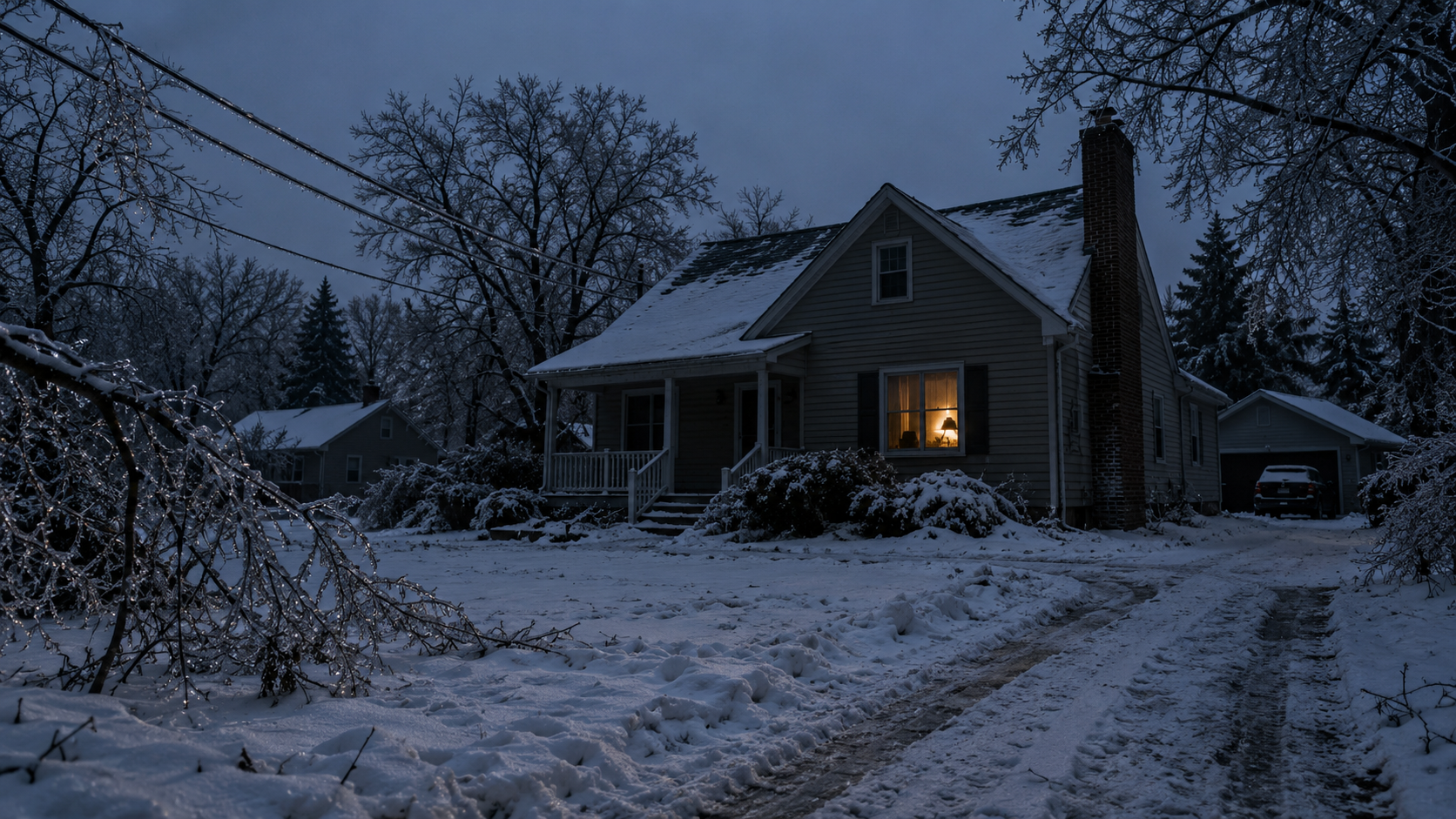
Winter Power Outage in Subzero Temperatures: How to Stay Warm and Protect Your Home
A winter power outage in subzero temperatures can quickly put your family, plumbing, and home at risk. The furnace may stop, indoor temperatures begin falling, exposed pipes can freeze, and snow or ice may make it difficult to leave.
This post contains affiliate links. I may earn a small commission at no extra cost to you. Learn more.
The safest response is to conserve the heat already inside the house, move everyone into one protected room, use backup heat correctly, and watch the indoor temperature. You also need a plan for protecting your plumbing and knowing when staying home has become more dangerous than leaving.
Quick Answer
During a winter power outage, close off unused rooms, block drafts, gather everyone in one insulated room, and dress in loose layers. Use only heating equipment approved for indoor use. Never operate a generator, charcoal grill, propane camp stove, or outdoor heater inside the house or garage. If the temperature continues dropping and you cannot provide safe heat, protect your plumbing and relocate before road conditions worsen.
Key Takeaways
- Act while the house is still warm instead of waiting until everyone feels cold.
- Choose one room for the family and close off the rest of the house.
- Never use outdoor cooking or heating equipment inside an enclosed space.
- Monitor indoor temperature, carbon monoxide detectors, plumbing, and vulnerable family members.
- Decide in advance what conditions would cause you to leave.
Why a Winter Power Outage Can Become Dangerous
Many people assume a gas or propane furnace will continue heating the house during an electrical outage. In most homes, it will not. The furnace still needs electricity for the thermostat, ignition system, safety controls, and blower that moves heated air through the ductwork.
The house will not become freezing cold immediately after the power fails. Heat stored in the walls, floors, furniture, and other materials will continue warming the air for a while. However, that heat escapes through windows, doors, ceilings, walls, and air leaks. Strong wind can make the loss happen even faster.
Older or poorly insulated homes may lose heat much faster than newer, tightly sealed homes. Pipes inside exterior walls, crawl spaces, attics, garages, and unheated cabinets may also freeze while the main living area remains above 32°F.
The cold is only one danger. Winter outages often lead people to bring grills, camp stoves, generators, or outdoor propane heaters inside. These devices can produce carbon monoxide, an invisible and odorless gas that can cause illness or death before anyone realizes it is accumulating.
Fire risk also increases when families depend on candles, fireplaces, portable heaters, and extension cords. The goal is not simply to create as much heat as possible. It is to conserve heat, use backup equipment safely, and recognize early when the house can no longer provide safe shelter.
What to Do During the First Hour
The first hour of a winter power outage is the best time to protect your family and home. The house may still retain heat, giving you time to check batteries, inspect vulnerable plumbing, and organize supplies. Do not waste that time waiting to see whether the electricity returns.
Confirm the Extent of the Outage
Check whether the outage affects only your house or the surrounding area. Look at neighboring homes, check your electrical panel, and report the outage to your utility company. Use the utility’s outage map or estimated restoration time if mobile service is available, but do not depend completely on that estimate.
Preserve the Heat Already Inside
Close exterior doors quickly and limit trips outside. Shut doors to unused bedrooms, bathrooms, and other areas that do not contain vulnerable plumbing. Close curtains or blinds after sunset, place towels along noticeable door drafts, and avoid running bathroom or kitchen exhaust fans because they pull warm air out of the house.
Choose one central room where everyone can gather. A smaller room with few windows is usually easier to keep warm than a large open living area. Bring blankets, sleeping bags, warm clothing, flashlights, medications, drinking water, phone chargers, and a battery-powered radio into this room before the rest of the house becomes cold.
Check Your Safety Equipment
Make sure smoke alarms and carbon monoxide detectors are operating. Battery-powered carbon monoxide detectors are especially important if you plan to use a fireplace, vented fuel heater, generator, or any other combustion equipment. Replace weak batteries while supplies and lighting are still easy to access.
Prepare Before Darkness or Worse Weather Arrives
Charge phones and power banks while backup power is available. Locate flashlights, headlamps, extension cords, generator fuel, fire extinguishers, and plumbing shutoff tools. If you have a generator, move it to its safe outdoor operating location before conditions worsen. Never wait until dark to search for equipment or attempt an unfamiliar generator setup.
Recheck the indoor temperature regularly and write it down with the time. A simple temperature record will show how quickly your particular house is cooling and help you decide whether you can remain safely or need to relocate.
Create One Warm Room
Trying to keep an entire house warm wastes limited fuel and backup power. Instead, choose one room where everyone can stay and sleep until electricity returns. Concentrating people, bedding, and safe heat in a smaller area makes it easier to maintain a usable temperature.
Choose the Best Room
Select a room near the center of the house with a low ceiling, few windows, and as little exterior wall space as possible. A bedroom or enclosed family room is usually better than a large kitchen or open living area. Avoid rooms directly over an unheated crawl space or garage when a warmer option is available.
A fireplace may make one room the obvious choice, but only if the chimney and fireplace are safe, functional, and properly vented. Do not choose a room simply because it contains an unvented fuel-burning appliance.
Reduce Heat Loss
Close the door and block noticeable drafts with rolled towels or draft stoppers. Close curtains and blinds after sunset. Blankets can be hung over drafty windows or open doorways, but keep all fabric well away from fireplaces, heaters, candles, and other ignition sources.
If sunlight reaches the room during the day, open the curtains to allow solar heat inside. Close them again before sunset or whenever the window begins making the room colder.
Cover cold floors with rugs, foam sleeping pads, folded blankets, or spare mattresses. This is especially helpful over crawl spaces, concrete slabs, and unheated rooms. Do not place bedding directly against a heater.
Create a Smaller Sleeping Area
A camping tent set up inside the warm room can create a smaller space that holds body heat better during sleep. If a tent is unavailable, arrange mattresses close together and use sleeping bags rated for cold conditions.
Do not operate a combustion heater, cooking stove, candle, or open flame inside a tent or enclosed blanket shelter. Keep the sleeping area open enough for normal airflow, and make sure everyone can exit easily during an emergency.
Safe Emergency Heating Options
The best emergency heat source is one that was installed or purchased before the outage and is specifically approved for indoor use. Every fuel-burning heater requires careful placement, working carbon monoxide detectors, and strict compliance with the manufacturer’s instructions.
| Heating Option | Electricity Required? | Best Use | Main Limitation |
|---|---|---|---|
| Wood stove | No | Long-duration heating with stored firewood | Requires professional installation, ventilation, and chimney maintenance |
| Traditional fireplace | No | Supplemental radiant heat in one room | Often inefficient and requires a safe, inspected chimney |
| Gas fireplace | Depends on the model | Heating one room without running the central furnace | Electronic ignition and blowers may not operate during an outage |
| Indoor-rated propane heater | Usually no | Temporary emergency heating in a limited area | Requires approved fuel connections, clearance, ventilation, and carbon monoxide monitoring |
| Indoor-rated kerosene heater | Usually no | Temporary heat where its use is permitted | Requires correct fuel, ventilation, careful refueling, and fire precautions |
| Electric space heater | Yes | Heating one room with adequate backup electricity | High power consumption can overwhelm a small generator or power station |
Wood Stoves and Fireplaces
A properly installed wood stove is one of the most dependable ways to heat a home during an extended winter outage. It does not require grid electricity, but it does require dry firewood, a maintained chimney, safe clearances, and a working smoke and carbon monoxide detector.
A traditional open fireplace can provide some radiant heat, although much of the heated indoor air may escape through the chimney. Keep a metal screen in place and never leave an active fire unattended. Remove ashes only after they have cooled completely and place them in a metal container outdoors, away from the house.
Indoor-Rated Propane and Kerosene Heaters
Some portable propane and kerosene heaters are specifically designed and labeled for indoor use. That label matters. An outdoor heater does not become safe indoors simply because a window is opened.
Use the exact fuel, hose, regulator, and cylinder arrangement approved by the manufacturer. Maintain the required clearance from furniture, curtains, bedding, clothing, children, and pets. Provide ventilation exactly as directed. Turn portable heaters off before sleeping or leaving them unattended.
Fuel cylinders and containers must be stored according to their safety instructions. Do not bring a large outdoor propane cylinder into the living area, and never refill a hot kerosene heater inside the house.
Electric Space Heaters
An electric space heater commonly draws about 1,500 watts on its highest setting. That makes it a demanding load for a portable power station and requires substantial battery capacity for extended use. A generator may handle the load, but burning fuel solely to operate resistance heaters is often inefficient compared with safely powering a furnace blower.
Plug electric space heaters directly into a suitable wall outlet. Never use an extension cord or power strip. Keep heaters at least three feet from bedding, curtains, furniture, and other combustible materials, or farther if the manufacturer requires it.
No portable heater should be treated as completely risk-free. Keep a fire extinguisher nearby, maintain clear space around the heater, and stop using any appliance that produces soot, unusual odors, damaged wiring, fuel leakage, or repeated safety shutoffs.
Heating Methods You Should Never Use Indoors
Cold conditions can push people into making dangerous choices. Equipment designed for outdoor cooking, heating, or power generation can produce carbon monoxide faster than an open window can remove it. Carbon monoxide has no color or odor, and a sleeping person may never recognize the warning signs.
Carbon Monoxide Warning
Never operate a generator, charcoal grill, camp stove, patio heater, or other outdoor fuel-burning appliance inside a house, basement, garage, enclosed porch, or attached structure. Opening windows or garage doors does not make these locations safe.
Generators Inside or Near the House
A generator must remain outdoors and well away from doors, windows, vents, and attached structures. The Centers for Disease Control and Prevention recommends placing generators more than 20 feet from the home and directing the exhaust away from the building.
Never operate a generator in a garage, even with the garage door fully open. Exhaust can enter the house through doors, gaps, attic spaces, and shared walls. It can also collect inside the garage and remain there after the generator is turned off.
Charcoal Grills and Outdoor Cooking Equipment
Do not use a charcoal grill, propane grill, turkey fryer, or camp stove to heat or cook inside the house. These appliances are designed for outdoor ventilation. They create both carbon monoxide and fire hazards when used indoors.
A kitchen gas range or oven should not be used as a space heater. Leaving burners operating for heat can introduce combustion gases, overheat nearby materials, and create a serious burn or fire risk.
Improvised Candle and Clay-Pot Heaters
A clay pot placed over candles does not create additional heat. It only concentrates and redistributes the heat already produced by the candles. Multiple open flames increase the chance of melted wax, burns, carbon buildup, and a house fire while providing very little useful room heating.
Vehicle Engines
Never run a vehicle inside an attached garage to warm up, charge devices, or operate an inverter. Move the vehicle completely outdoors and away from openings before starting the engine. Snow should also be cleared from around the tailpipe to prevent exhaust from backing up into the vehicle.
If a carbon monoxide alarm sounds, move everyone outside into fresh air and call emergency services. Do not search the house for the source or reenter until emergency personnel say it is safe.
How to Stay Warm Without a Heater
If backup heat is unavailable, focus on keeping body heat close to the skin instead of trying to warm the entire house. Proper clothing, bedding, food, and movement can make a cold room more tolerable while you arrange another source of heat or prepare to leave.
Dress in Loose Layers
Wear several loose layers rather than one bulky garment. Start with a dry base layer, add an insulating middle layer, and use a wind-resistant outer layer if the room is drafty. Cover your head, neck, hands, and feet because exposed skin and poorly insulated extremities lose heat quickly.
Change out of damp clothing immediately. Sweat, melted snow, and wet socks pull heat away from the body. Avoid working so hard indoors that you begin sweating.
Use Bedding Correctly
Use sleeping bags, comforters, wool blankets, or layered bedding. Place an insulated sleeping pad, spare mattress, rug, or folded blanket underneath anyone sleeping on the floor. Insulation below the body is important because a cold floor can draw away heat throughout the night.
Do not cover your face tightly with heavy bedding. Wear a loose hat and keep enough space around the nose and mouth for comfortable breathing. Babies should not be surrounded by loose blankets, pillows, or other items that create a suffocation hazard.
Eat and Drink Regularly
Your body needs energy to produce heat. Eat regular meals and snacks containing carbohydrates, fat, and protein. Drink water even if you do not feel thirsty because dehydration can still occur in cold weather.
Warm drinks and meals can improve comfort when they can be prepared safely. Avoid relying on alcohol for warmth. Alcohol can create a temporary warm sensation while increasing heat loss and impairing judgment.
Use Light Movement
Gentle activity can help maintain circulation and body heat. Walk around the room, stretch, or perform light household tasks without becoming sweaty. Avoid strenuous exercise if food is limited, someone has a medical condition, or the room is already severely cold.
Check each person regularly instead of relying on them to report that they are cold. Persistent shivering, unusual tiredness, confusion, slurred speech, poor coordination, or fumbling hands can signal that cold exposure is becoming dangerous. Move the person to a warmer location and seek medical help if these symptoms appear.
How to Keep Pipes From Freezing During a Power Outage
Pipes in exterior walls, crawl spaces, attics, garages, and sink cabinets can freeze even while the main living area remains above 32°F. Start protecting vulnerable plumbing before the house approaches freezing.
Keep Warmer Air Around Vulnerable Plumbing
Open cabinet doors beneath kitchen and bathroom sinks located along exterior walls. This allows warmer room air to circulate around the supply lines. Remove household chemicals first if children or pets are present.
Keep interior doors open to rooms containing important plumbing unless closing the room is necessary to conserve heat. Pipes serving washing machines, water heaters, toilets, and outdoor faucets can be especially vulnerable when located against exterior walls or in unheated spaces.
Allow a Small Amount of Water to Move
During severe cold, allowing a small trickle of water through a vulnerable faucet can reduce the chance of freezing. Use the faucet farthest from where water enters the house when possible. Both hot and cold supply lines may be at risk, so follow the plumbing layout and conditions in your home.
A dripping faucet is not a guarantee against frozen pipes. It may also be unsuitable for homes using a septic system, limited stored water, a well without backup power, or a municipal system experiencing pressure problems.
| Condition | Recommended Action |
|---|---|
| House is still warm | Locate the main shutoff, disconnect outdoor hoses, and identify exposed plumbing. |
| Rooms with pipes are becoming cold | Open sink cabinets and allow warmer indoor air to reach the plumbing. |
| Severe cold is expected to continue | Consider a small water trickle where appropriate and monitor vulnerable lines. |
| Heat cannot be restored | Prepare to shut off the main water supply and drain the system before leaving. |
| A pipe is already frozen | Shut off the water if damage is suspected and thaw the pipe gradually without an open flame. |
Shutting Off and Draining the Plumbing
If the house will be left without heat during subzero weather, shutting off the main water supply can limit damage if a pipe bursts. After closing the main valve, open faucets to relieve pressure and drain as much water as the system allows.
Closing the main valve does not remove water trapped in pipes and appliances. Opening faucets alone may not fully drain the system.
A complete winterization may also require draining the water heater, toilets, appliance lines, traps, well equipment, and other components. These steps vary by plumbing system. If you are unsure how your system is arranged, have a plumber show you the correct procedure before an emergency occurs.
What to Do If a Pipe Freezes
A frozen pipe may produce little or no water when a faucet is opened. Keep the faucet open and apply gentle heat with warm towels, a hair dryer, or another controlled heat source. Begin near the faucet and work toward the frozen section so melting water and pressure can escape.
Never use a torch, open flame, charcoal, or high-temperature heater to thaw plumbing. A pipe may have already split without leaking because the water inside remains frozen. Be prepared to close the main shutoff as the pipe thaws, and inspect the area for leaks before restoring normal water pressure.
Manage Food and Water During a Winter Power Outage
A winter outage can interrupt refrigerators, freezers, electric stoves, well pumps, and municipal water service. Protect your existing supplies early and avoid using more fuel or stored water than necessary.
Keep Refrigerator and Freezer Doors Closed
An unopened refrigerator generally keeps food cold for about four hours. A full freezer may hold a safe temperature for approximately 48 hours, while a half-full freezer may last about 24 hours. These times become shorter when doors are opened repeatedly.
Use an appliance thermometer instead of judging food by smell or appearance. Refrigerated perishable food that has remained above 40°F for more than two hours may be unsafe. Frozen food can generally be refrozen if it still contains ice crystals or remains at 40°F or below.
Do not automatically place food outside in the snow. Outdoor temperatures can change, sunlight can warm containers, and animals may contaminate or carry away food. A secured cooler placed in a consistently cold location is easier to monitor than loose food left outdoors.
Protect Your Water Supply
If your home uses a private well, the pump will normally stop when the power fails. You may have only the water remaining in the pressure tank unless the pump has backup power. Fill clean containers while water pressure is still available if the outage is expected to continue.
Municipal water may continue flowing during a power outage, but treatment systems, pumping stations, and local pipes can still be affected. Pay attention to boil-water notices and local emergency updates.
Use stored drinking water before attempting to melt snow. Snow contains dirt and other contaminants, produces much less water than its original volume suggests, and requires fuel to melt. If snow must be used, collect clean snow, melt it completely, and treat it before drinking.
Prepare Food Safely
Choose foods that require little or no cooking, such as canned meals, peanut butter, crackers, shelf-stable milk, protein bars, and dried fruit. Use a manual can opener and avoid opening more food than the household can finish.
Never bring a grill, camp stove, or outdoor cooker into the house or garage. Cook outdoors in a safe location away from doors, windows, vents, and combustible materials. Bring the prepared food inside after the appliance has been turned off safely.
Can a Generator or Power Station Run Your Furnace?
A backup power source may keep a fuel-burning furnace operating because the furnace mainly needs electricity for its blower, controls, thermostat, and ignition system. However, the required power varies considerably by furnace size, blower motor, age, and startup demand.
Check the furnace’s electrical specifications and starting-power requirements before choosing a generator or power station. The circuit-breaker rating does not tell you the furnace’s actual power consumption. Do not size backup power from a general wattage estimate when the actual equipment information is available.
| Backup Option | Possible Advantage | Main Limitation |
|---|---|---|
| Portable fuel generator | Can operate a furnace and additional essential loads with enough fuel. | Must remain outdoors and requires safe connection equipment. |
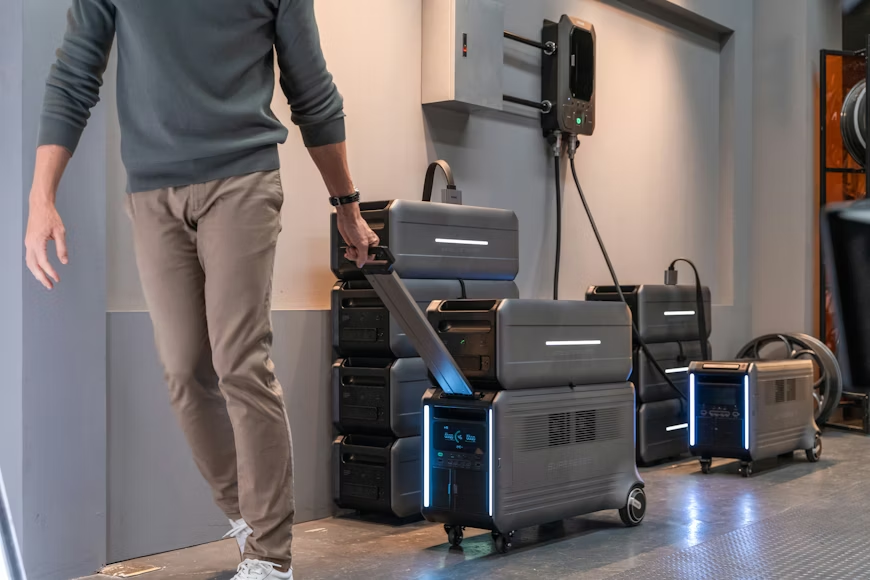
| Portable power station | Quiet, produces no exhaust, and can be used indoors. | Battery capacity may be depleted quickly by a large blower motor. |
| Whole-house standby generator | Can start automatically and power selected household circuits. | Costs more and requires professional installation and maintenance. |
| Vehicle inverter | May operate small electrical loads when properly sized. | Usually unsuitable for a central furnace and can drain the vehicle battery. |
Account for Starting Power
A furnace blower may briefly require more power when its motor starts than it uses while running. Your backup system must handle both the continuous running load and the startup surge. Add the power requirements of any other connected equipment, including refrigerators, freezers, lights, well pumps, and medical devices.
A power station also needs enough usable battery capacity to run the furnace through repeated heating cycles. A unit advertised as having 2,000 watts of output does not necessarily contain enough stored energy to run a furnace all night. Output is measured in watts, while stored battery capacity is normally measured in watt-hours.
Connect the Furnace Safely
Many central furnaces are hardwired into the home rather than connected with a standard plug. A portable generator should supply a hardwired furnace through properly installed transfer equipment. Never connect a generator to a household outlet to energize the electrical panel. This practice, known as backfeeding, can electrocute utility workers, damage equipment, and start a fire.
Have a licensed electrician install and label the correct transfer switch, interlock, inlet, or furnace connection before an outage. Some furnaces are sensitive to grounding, neutral connections, voltage quality, or inverter waveform, so compatibility should be confirmed before relying on a particular generator or power station.
Operate Generators Outdoors
Operate portable generators outdoors, more than 20 feet from doors, windows, and vents, with exhaust directed away from buildings. Never operate one inside a house, basement, garage, enclosed porch, or shed.
Protect the generator from snow and precipitation with a manufacturer-approved operating cover or properly designed generator shelter. Do not enclose it so tightly that heat or exhaust accumulates. Shut the generator down and allow it to cool before refueling.
Test the complete furnace backup system before winter. A generator that starts successfully but cannot operate the furnace, connection equipment, or blower motor will not help after temperatures have already fallen below zero.
Protect Children, Older Adults, and Pets
Not everyone responds to cold conditions in the same way. Infants, young children, older adults, people with limited mobility, and anyone with certain medical conditions may have trouble producing or conserving body heat. Do not wait for them to complain before checking their condition.
Infants and Young Children
Dress children in several dry layers and check their hands, feet, face, and clothing regularly. Children can become damp from sweat, spilled drinks, or wet diapers without immediately telling an adult.
Keep infants warm without surrounding them with loose blankets, pillows, or other materials that could interfere with breathing. Use appropriate sleep clothing and follow normal safe-sleep practices. If the room cannot be kept safely warm, relocating is safer than adding unsafe bedding or placing a heater near the child.
Older Adults and People With Medical Needs
Older adults may lose body heat faster and may not recognize how cold they have become. Some medications and health conditions can also affect circulation, awareness, or the body’s ability to regulate temperature.
Keep medications, glasses, hearing aids, mobility equipment, and medical supplies in the warm room. Battery-dependent medical devices should receive priority when allocating generator or power-station capacity. Do not use all available backup power on comfort appliances while essential medical equipment is at risk.
Check for persistent shivering, confusion, unusual sleepiness, slurred speech, shallow breathing, poor coordination, or fumbling hands. These can be signs of dangerous cold exposure. Move the person to a warmer location and seek emergency medical assistance.
Dogs, Cats, and Other Household Pets
Bring pets indoors and keep them in the occupied room when practical. Provide dry bedding that insulates them from cold floors and make sure drinking water has not frozen. Short-haired, small, elderly, and sick animals may need additional protection.
Limit outdoor trips to what is necessary. Wipe snow, ice, road salt, and deicing chemicals from paws and fur after the animal returns. Do not leave pets inside a parked vehicle as a substitute for a heated shelter.
Include carriers, leashes, food, water, medications, and veterinary records in the evacuation plan. A warming shelter or hotel may not accept animals, so identify a pet-friendly destination before winter weather arrives.
When Should You Leave the House?
Leaving during a winter outage is not automatically safer than staying. Ice, deep snow, poor visibility, fallen power lines, and blocked roads can make travel dangerous. The decision should be made before the house becomes severely cold and before road conditions deteriorate.
Reasons to Relocate
Consider moving to a heated location when one or more of the following conditions apply:
- The indoor temperature continues falling and you have no safe source of heat.
- An infant, older adult, or medically vulnerable person cannot remain warm.
- Someone shows signs of hypothermia or carbon monoxide exposure.
- Your carbon monoxide detector alarms or stops functioning.
- Backup fuel or battery power is nearly depleted.
- A pipe has burst or the plumbing cannot be protected from freezing.
- The utility expects the outage to continue through another extremely cold night.
- Local officials issue an evacuation order or recommend using a warming center.
Do not use a fixed indoor temperature as the only deciding factor. A healthy adult with proper winter equipment faces a different level of risk than a baby, an older adult, or someone dependent on powered medical equipment. Travel conditions and the reliability of your destination also matter.
Choose the Destination Before Leaving
Confirm that the destination has electricity, heat, available space, and a safe route before departing. Possible locations include a relative’s home, hotel, community warming center, emergency shelter, or another building outside the affected area.
Call ahead when possible. Verify whether pets are accepted and whether the location can support medical, mobility, or refrigeration needs.
Prepare the House
If time and conditions permit, shut off the main water supply and drain vulnerable plumbing before leaving. Unplug unnecessary appliances, extinguish fires completely, close windows, and lock the house. Do not turn off equipment that must continue operating unless doing so is part of the safe shutdown procedure.
Leave faucets open after draining the plumbing so pressure does not build inside the lines. If you do not understand your water, heating, or fire-suppression system, avoid making changes that could create additional damage.
Travel Before Conditions Become Critical
Dress everyone for the outdoor temperature rather than the temperature inside the vehicle. Bring blankets, water, food, medications, phone chargers, flashlights, an ice scraper, and basic vehicle emergency supplies.
Tell someone where you are going and which route you plan to use. Do not drive around barricades or across downed power lines. If travel is already unsafe, contact local emergency management or emergency services for instructions instead of attempting to leave without a secure route.
Winter Power Outage Checklist
Complete as much of this checklist as possible before winter. Supplies are easier to inspect, repair, and replace before a storm is approaching or the electricity has already failed.
Before Winter
- Test smoke alarms and carbon monoxide detectors.
- Have the furnace, fireplace, wood stove, and chimney inspected.
- Identify the home’s main water shutoff valve.
- Insulate exposed pipes and disconnect outdoor hoses.
- Check the wattage and connection requirements of the furnace.
- Test the generator or power station with the equipment it must operate.
- Store approved generator fuel safely and rotate it as needed.
- Gather flashlights, batteries, power banks, blankets, and cold-weather clothing.
- Store food and water that can be used without electric cooking equipment.
- Choose a heated evacuation destination and a backup destination.
Keep a printed copy of this checklist with your winter emergency supplies. A paper copy remains available when phones are dead, internet service is unavailable, or family members need to divide the work quickly.
Frequently Asked Questions
How long will a house stay warm without power?
A house may remain reasonably warm for several hours, but there is no dependable universal timeframe. Outdoor temperature, wind, insulation, air leakage, window quality, house size, and starting temperature all affect heat loss. Monitor the indoor temperature every hour instead of relying on a general estimate.
Will a gas furnace work during a power outage?
Most modern gas furnaces will not operate without electricity. They require power for the thermostat, ignition system, safety controls, and blower motor. A properly sized generator or power station may operate the furnace when it is connected through approved electrical equipment.
Should faucets drip during a winter power outage?
A small trickle of water may help protect vulnerable plumbing during severe cold, but it does not guarantee that pipes will not freeze. It may be inappropriate for homes with limited stored water, a well without backup power, a septic system under strain, or failing municipal water pressure.
Should I shut off the water before leaving?
Shutting off the main water supply can reduce damage if a pipe freezes and bursts while the house is empty. Draining the system provides additional protection, but the correct procedure depends on the home’s plumbing, water heater, well equipment, appliances, and fire-suppression system.
When is it too cold to remain in the house?
There is no single temperature that is safe for every household. The risk becomes more serious as indoor temperatures fall into the 40s, especially for infants, older adults, and people with medical conditions. If the temperature continues dropping and safe heat cannot be restored, relocate before travel conditions worsen.
Prepare Before the Temperature Falls
Start with three practical steps: test your carbon monoxide alarms, locate the main water shutoff, and confirm where your family can go if the house loses heat. If you have backup heating or power equipment, check its instructions and test the setup before you need it.
During a winter power outage in subzero temperatures, monitor how quickly the house is cooling and whether everyone can stay warm. Make the decision to relocate while a safe route and heated destination are still available. Protecting the house matters, but it should never delay getting your family to safety.