Apartment Pantry-in-a-Tote: A $100 One-Bin Emergency Food Build
When it comes to apartment emergency food storage, space is tight — but smart planning makes survival simple. Most apartment dwellers assume that prepping means giving up precious closet space or cluttering the kitchen with bulky buckets. The truth is, you don’t need a basement full of food or a rural homestead to be ready for disaster. You just need one solid plan, one storage tote, and a few smart choices.
This post contains affiliate links. I may earn a small commission at no extra cost to you. Learn more.
If a storm knocks out power, grocery shelves empty overnight, or supply chains freeze for weeks, having even a small reserve of shelf-stable food can make all the difference. That’s why the apartment emergency food storage system you’re about to build focuses on compactness, calorie density, and long-term reliability — everything you need to keep two people fed for 30 days without depending on deliveries or refrigeration.
This is the “Pantry-in-a-Tote” system: one durable plastic bin, roughly 18–20 gallons, packed with $100 worth of versatile, shelf-stable foods that fit neatly under a bed, inside a closet, or beside your couch. It’s the ultimate low-cost survival setup for apartment living — quiet, portable, and built for real-world emergencies. Whether you’re preparing for blackouts, job loss, or supply disruptions, this one-bin approach proves that being ready doesn’t require panic or space — just strategy and consistency.
Why This System Works
Most apartment dwellers assume prepping means having an extra case of ramen and a flashlight. But in an extended emergency — grid down, supply chain delay, job loss, storm aftermath — those noodles run out fast.
This one-bin food build focuses on:
- Calorie density: 2,000+ calories per person, per day
- Low waste: Minimal packaging and spoilage
- Shelf stability: 1+ year storage with rotation
- No cooking gear required (but compatible with small stoves)
- Simple storage: One plastic tote fits under most beds or in a closet
It’s food security you can store, carry, and forget about until you need it.
What You’ll Need
- One 18–20 gallon plastic tote with a tight-seal lid
- Oxygen absorbers + quart-size Mylar bags (optional)
- Sharpie and masking tape for labeling
- Calculator and $100 budget cap
The $100 Shopping List (Per Amazon Prices)
Here’s a build that fits the calorie and budget goals. Prices fluctuate, but all items can be found on Amazon with a total near $100.
Grains & Carbs:
- 10 lbs white rice – ~$8
- 5 lbs rolled oats – ~$7
- 2 lbs pasta – ~$4
- 5 lbs pancake mix (just-add-water type) – ~$6
Proteins:
- 6 cans of chicken or tuna – ~$10
- 2 jars peanut butter (16 oz) – ~$7
- 12 eggs worth of powdered eggs (Augason Farms can) – ~$10
- 1 bag dried lentils (4 lbs) – ~$5
Fats & Oils:
- 48 oz vegetable oil – ~$5
- 1 lb butter powder or ghee (small jar) – ~$8
Fruits & Veggies:
- 6 cans mixed vegetables – ~$6
- 6 cans fruit cocktail or peaches – ~$6
- 1 jar multivitamins – ~$7
Extras for flavor and morale:
- 2 lbs sugar – ~$3
- 1 lb salt – ~$2
- Instant coffee or tea – ~$4
- 4-pack ramen noodles – ~$2
Total: ≈ $98–$102
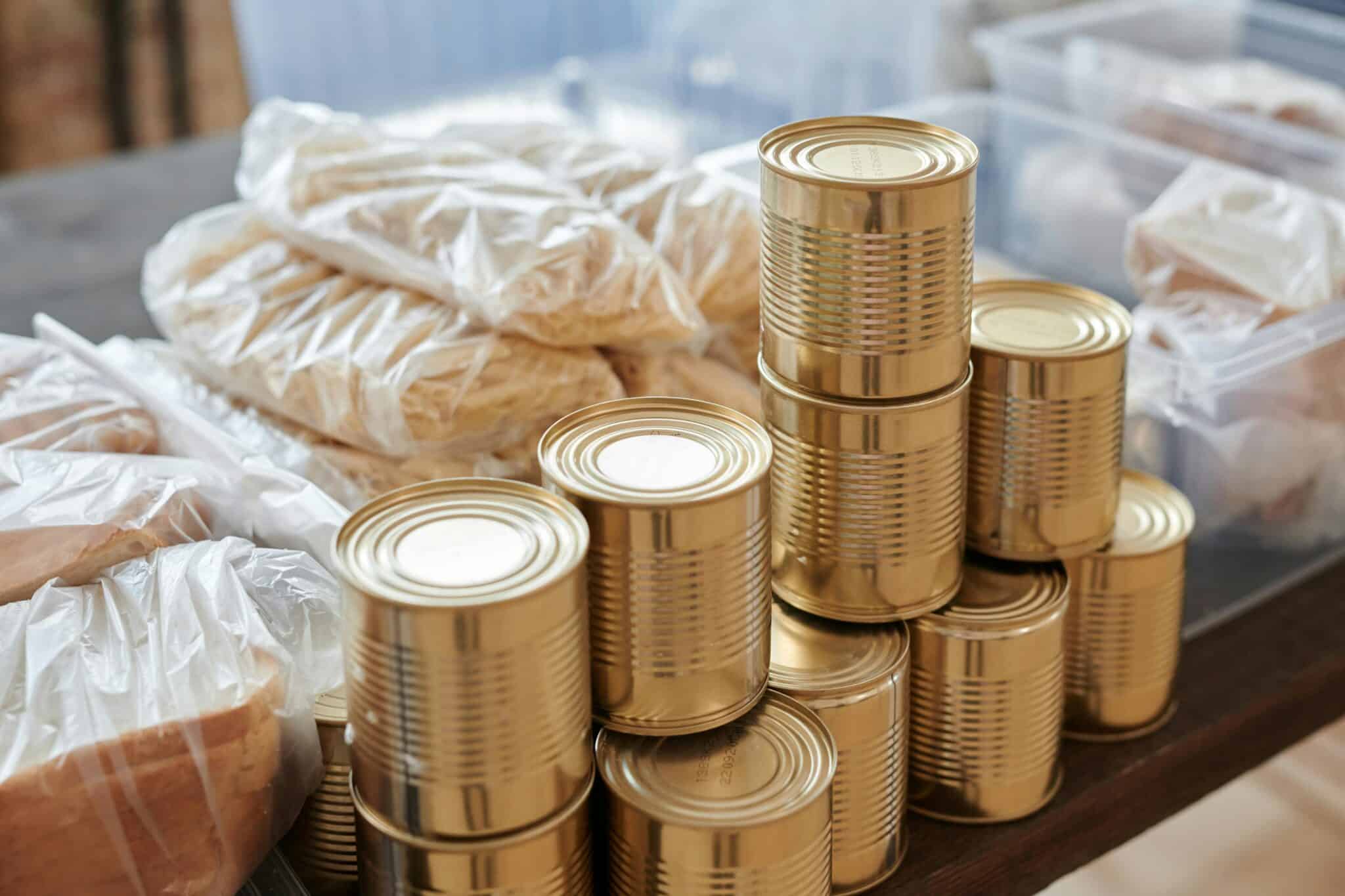
Each item was chosen for shelf life, calorie value, and versatility — so you can make dozens of different meals from the same simple ingredients.
Why these choices work for real emergencies
Nutrition + compactness + no refrigeration + high calories.
Meal Rotation Strategy
Think of this tote like a modular kitchen — every core ingredient has multiple uses.
Example Daily Plan (for 2 people):
- Breakfast: Oatmeal with peanut butter and sugar (500–600 cal each)
- Lunch: Rice and lentils with oil and salt (600 cal each)
- Dinner: Canned chicken and veggies over pasta (800 cal each)
- Snacks: Fruit cup, coffee, pancake snack (300–400 cal)
That’s about 2,000–2,200 calories per person, per day — enough to sustain two adults doing moderate activity.
Long-Term Rotation and Shelf Life
Even shelf-stable food degrades over time. Here’s how to keep it ready without waste:
- Label every item with purchase and best-by date.
- Rotate quarterly. Use up anything hitting 6–8 months old.
- Store tote in a cool, dry place — under bed or closet floor works fine.
- Replace used items immediately after opening.
If stored properly, most items will last 12–24 months, especially rice, oats, and canned meats.
Compact Cooking Options
While everything here can be eaten cold in an emergency, warm meals boost morale and digestibility.
If you live in an apartment and can’t use open flame, consider:
- Electric hot plate (400–600W) – works on small inverters or generators.
- Mini butane stove (with ventilation) – $20–$30 on Amazon.
- Sterno folding stove – low-profile and inexpensive.
Include one small cook pot and metal spoon inside the tote if possible.
Don’t Forget Water
All dry foods require hydration — rice, oats, lentils, powdered eggs, pancake mix.
- Minimum: 1 gallon of water per person per day = 60 gallons for 30 days.
- Store what you can, but also include water purification backups:
- Personal water filter straw
- Iodine tablets or bleach drops
- Collapsible water containers (3–5 gal each)
Even a $15 water filter straw from Amazon can turn this tote from “temporary” to “indefinite.”
Add-On Modules (Optional Upgrades)
Once your base bin is complete, expand with modular add-ons — all stackable and transportable.
Comfort & Morale Tote
- Instant coffee, cocoa, hard candy, shelf-stable creamer, hot sauce
- Small card deck or notepad
Cooking & Fuel Tote
- Butane stove, mini propane, pot, utensils, lighter, matches, dish rags
Water & Hygiene Tote
- 2 collapsible jugs, soap, toothbrushes, wipes, bleach tabs
You can store all three totes under one bed or stack them in a closet corner.
Labeling and Organization
Keep your tote organized — chaos kills efficiency during stress.
- Group items by Meal Type: breakfast, base grains, proteins, extras
- Use quart-size Mylar bags for open items
- Write calorie counts and “use first” notes on masking tape labels
- Keep a printed inventory taped inside the lid
If you ever need to evacuate, one glance at the lid tells you exactly what’s inside and what’s missing.
Apartment-Friendly Storage Tips
Space is your biggest limitation. But with the right setup, even a 400-square-foot apartment can hold months of supplies.
Smart storage spots:
- Under-bed rolling bins
- Inside ottomans or trunks
- Top shelf of a closet
- Behind couch or under desk
- Inside unused suitcases
Avoid:
- Near heaters, laundry dryers, or windows (heat + humidity kills shelf life)
Add silica packets or oxygen absorbers to reduce moisture.
Why the $100 Limit Works
People underestimate what $100 in strategic food can do. Most waste money on low-calorie “snack” preps — granola bars, jerky, overpriced MREs.
This system focuses on foundational calories, not luxury camping meals. You’re buying energy and flexibility — and it proves that preparedness isn’t just for those with deep pockets or rural land.
When you know how to combine rice, oil, lentils, and seasoning, you can eat for weeks without repeating the same flavor twice.
Real-World Use Scenarios
Power Outage (3–7 days)
The tote doubles as a short-term pantry. Keep it near your go-bag so you can grab both if evacuation is needed.
Job Loss or Inflation Crunch
Use this as a grocery backup. You can stretch your regular groceries with what’s inside.
Apartment Fire or Evacuation
The tote handle lets you grab it and go. Add a small cash envelope and copy of documents inside a waterproof pouch.
Long-Term Food Rotation
Every three months, use one week’s worth of items to cook real meals. Replace as needed. That keeps everything fresh and your skills sharp.
Budget Breakdown (Per Person, 30 Days)
| Category | Cost | Calories | Notes |
|---|---|---|---|
| Grains & Carbs | $25 | 36,000 | Rice, oats, pasta |
| Proteins | $25 | 24,000 | Peanut butter, lentils, tuna |
| Fats & Oils | $13 | 10,000 | Oil + butter powder |
| Fruits & Veggies | $12 | 6,000 | Canned, long shelf life |
| Flavor + Extras | $10 | 3,000 | Coffee, sugar, salt |
| Vitamins | $7 | — | Multivitamin backup |
| Total | $92–$100 | ≈79,000–85,000 | ≈2,000 calories/day/person (60 person-days) |
Optional Amazon Add-Ons (Under $20 Each)
These compact upgrades make your tote more complete:
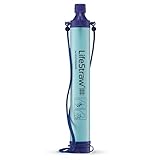


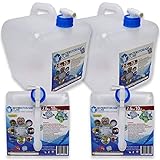
All fit neatly around your food base.
Packing Order (Top-Down System)
- Bottom Layer: Rice, lentils, oats (heavy items)
- Middle Layer: Canned goods and oil
- Top Layer: Small jars, vitamins, coffee, flavor packets
- Side Pocket: Paper inventory + utensils
- Lid Interior: Label with “Pantry-in-a-Tote: Start Date / Expiry”
When done right, the tote will weigh about 35–40 lbs — light enough to carry, heavy enough to survive.
Comparing to Store-Bought “Emergency Buckets”
Commercial 30-day emergency food kits can run $150–$300 — and most are high in sodium, low in protein, and require boiling water.
This tote beats those kits because:
- You pick ingredients you actually eat
- You control freshness
- You can supplement with store groceries
- You don’t depend on overpriced pre-mixes
DIY beats premade every time — especially when money’s tight.
Being prepared doesn’t take a bunker — just a plan and a tote.
Start small. Build this $100 food bin this week, store it under your bed, and sleep easier knowing you’re ready for a month’s worth of disruption.
Because when everyone else is scrambling, you’ll already be fed.
Further Reading
If you’re building your urban survival setup or food security system, these guides will take you deeper:
- SNAP Disruption Survival Plan: Eat 3 Times a Day for 2 Weeks on $60
- Solar + Generator Hybrid Backup (2025): Stop Wasting Fuel, Start Storing It
- Generator Power Connections Made Safe: Extension Cords, Cables & Transfer Gear
- Top 7 Dual-Fuel Generators for Survival Power (2025 Buyer’s Guide)
- Ultimate Water Purification Guide: Drinkable Water When It Matters Most
- Primitive Fire Starting Guide: Build Flame When You Need It Most
Final Takeaway
Preparedness doesn’t have to be complicated or expensive — it just has to be done.
Your $100 “Pantry-in-a-Tote” is proof that anyone can build resilience, even in a one-bedroom apartment.
Start building yours this weekend. Lay everything out, label it, and take a picture for your records — or share it on Pinterest using #SavvySurvivalist to show others what real urban readiness looks like.
Want more practical, budget-friendly survival builds?
Join the Savvy Survivalist community and grab your free guides straight to your inbox — no fluff, no fear, just field-tested solutions.