
Survival Camping: Essential Skills, Gear, and Beginner Tips
Survival camping combines wilderness skills, practical emergency preparedness, and minimalist outdoor living. Instead of depending entirely on modern camping conveniences, you learn to manage essential needs such as shelter, drinking water, warmth, navigation, and food with a limited amount of equipment.
This post contains affiliate links. I may earn a small commission at no extra cost to you. Learn more.
For beginners, survival camping does not mean entering the wilderness without supplies or deliberately putting yourself in danger. It means practicing self-reliance in a controlled environment, understanding what your equipment can and cannot do, and developing skills that remain useful when conditions change unexpectedly.
Whether you want to improve your bushcraft abilities, prepare for outdoor emergencies, or simply become more confident away from developed campgrounds, this guide explains how to get started safely.
You’ll learn the essential survival camping skills, what equipment to carry, how to plan your first trip, and which common mistakes can turn an enjoyable outdoor experience into an emergency.
For additional wilderness preparedness information, explore our Wilderness Survival Guide and 100 Forgotten Survival Skills That Could Save Your Life.
Survival Camping Essentials: Quick Checklist
Before attempting your first survival camping trip, make sure you have:
- Weather-appropriate shelter and a reliable sleeping system
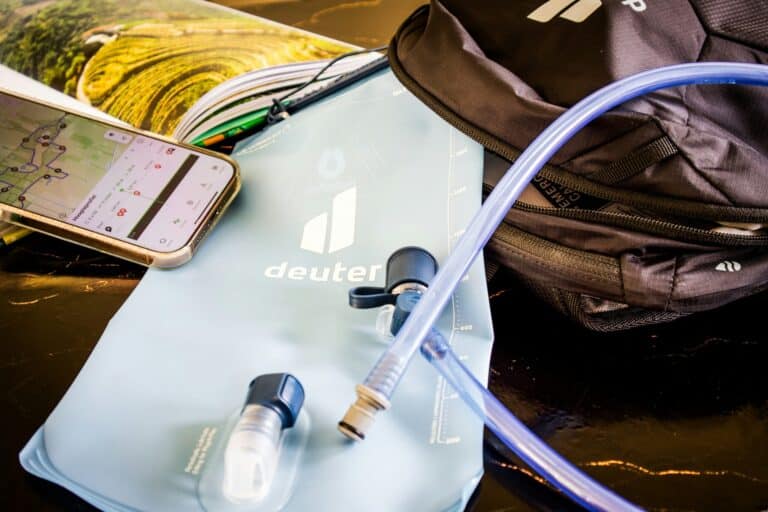
- Safe drinking water and a dependable treatment method
- Enough food for the trip plus an emergency reserve
- Multiple fire-starting methods where fires are permitted
- A map, compass, and knowledge of the surrounding terrain
- First aid supplies and necessary personal medications
- Appropriate clothing, rain protection, and sturdy footwear
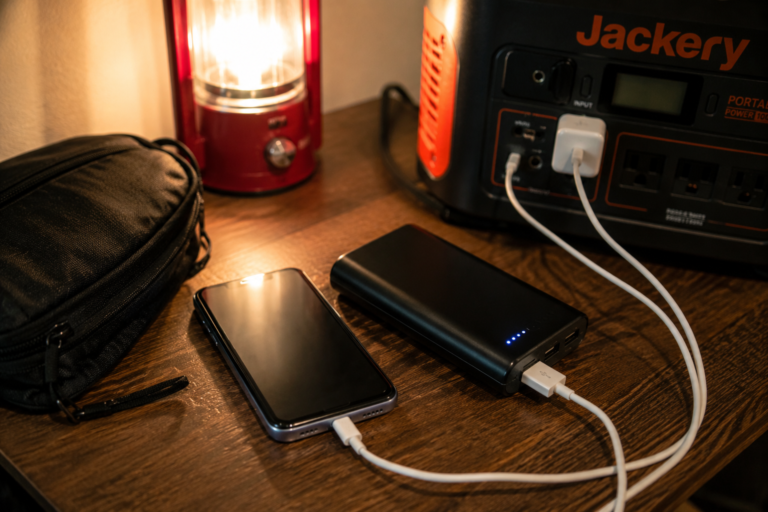
- A flashlight or headlamp with backup power
- A knife or multitool for routine camp tasks
- An emergency communication and evacuation plan
Important: Survival camping should be practiced with adequate safety equipment. Never deliberately remove essential water, insulation, communication, or medical supplies to make a trip more challenging.
What Is Survival Camping?
Survival camping is a style of outdoor recreation that emphasizes practical wilderness survival skills and the ability to manage basic needs with limited resources.
It often incorporates bushcraft techniques such as building simple shelters, starting fires, navigating with a map and compass, and understanding natural materials.
However, there is no single official definition of survival camping. Some people practice these skills during ordinary weekend camping trips, while others participate in supervised wilderness training programs.
The common goal is to develop competence rather than rely exclusively on equipment.
Survival Camping vs. Traditional Camping
Traditional camping generally emphasizes recreation, comfort, and spending time outdoors. Campers may use developed campsites, established cooking facilities, recreational vehicles, and convenient access to water.
Survival camping places greater emphasis on skills and decision-making. Participants may practice constructing temporary shelters, identifying natural resources, and completing outdoor tasks with fewer conveniences.
That does not mean traditional camping is inferior or that survival camping requires unnecessary hardship.
In fact, the safest approach combines dependable modern equipment with practical wilderness knowledge.
Survival Camping vs. Bushcraft
Bushcraft focuses on skills for living and working outdoors, including woodcraft, cordage, fire-making, shelter construction, and the responsible use of natural materials.
Survival camping overlaps with bushcraft but places additional emphasis on emergency priorities, risk management, and maintaining safety when normal plans fail.
Both activities can improve your outdoor capabilities when practiced responsibly.
Benefits of Learning Survival Camping Skills
Survival camping offers more than a different way to spend a weekend. It provides opportunities to develop practical abilities that can help during outdoor emergencies and everyday preparedness situations.
Improved Problem-Solving
Outdoor environments rarely follow a perfect schedule. Weather changes, equipment fails, and unexpected obstacles appear.
Learning how to evaluate a situation, identify available resources, and choose a reasonable course of action develops useful problem-solving habits.
For example, a damaged tent stake may require a different anchoring method, while unexpected rain may force you to reconsider your campsite location.
Greater Confidence With Outdoor Equipment
Reading about emergency gear is different from using it.
Practicing with your stove, shelter, navigation equipment, and water treatment system helps reveal limitations before an emergency occurs.
The more familiar you become with your equipment, the less time you may waste trying to understand it under pressure.
Physical Activity and Time Outdoors
Walking, carrying supplies, setting up camp, and completing outdoor tasks can provide meaningful physical activity.
Time in natural environments may also support relaxation and psychological well-being for some people. However, wilderness camping is not a substitute for professional mental health treatment, and difficult outdoor conditions can increase stress rather than reduce it.
Choose activities that match your fitness, experience, and comfort level.
Better Emergency Preparedness
Many survival camping skills apply directly to emergency preparedness.
Knowing how to maintain body temperature, treat water, manage supplies, and communicate without dependable cellular service can be useful during evacuations, natural disasters, and extended power outages.
For a broader household approach, see our Emergency Preparedness Master Plan.
7 Essential Survival Camping Skills Every Beginner Should Learn
Before attempting a remote camping trip, focus on mastering a small number of essential skills.
These abilities are more important than owning an expensive collection of survival gadgets.
1. Building a Safe Emergency Shelter
Protection from exposure is one of the most important survival priorities.
Rain, wind, cold ground, and inadequate insulation can create dangerous conditions even when the air temperature does not seem extreme.
Begin by learning how to pitch a lightweight tent or tarp correctly. Practice selecting a safe location, securing anchors, and managing rain runoff.
Once you’re comfortable with modern shelter equipment, you can practice basic natural shelter techniques where permitted.
A simple debris shelter uses a stable framework covered with insulating natural material. However, these shelters require time, suitable resources, and careful construction.
Shelter safety considerations:
- Avoid dry creek beds and areas vulnerable to flash flooding.
- Do not camp beneath dead branches or unstable trees.
- Stay away from unstable slopes and falling-rock hazards.
- Insulate yourself from cold ground.
- Keep bedding and spare clothing dry.
- Follow local rules before collecting branches or other natural materials.
For beginners, a dependable tent or tarp should remain the primary shelter while natural construction techniques are practiced separately.
Learn more in our Shelter Building Tools for Survival guide.
2. Starting and Managing a Fire
Fire can provide warmth, support cooking, help boil water, and serve as a signal in appropriate circumstances.
However, starting a fire in damp or windy conditions is more difficult than many beginners expect.
Practice with a reliable lighter, waterproof matches, and a suitable fire starter before experimenting with primitive techniques.
Learn to recognize the difference between tinder, kindling, and larger fuel.
- Tinder: Fine, dry material that ignites easily.
- Kindling: Small pieces of wood that help establish a flame.
- Fuel: Larger pieces that maintain the fire after it becomes established.
Prepare your materials before ignition rather than searching for fuel after the fire begins.
Always check fire restrictions and use designated fire areas where required. Keep water or another appropriate extinguishing method available.
Never build a fire inside a tent or depend on an unattended campfire for overnight warmth.
Our guide to Starting a Fire in Wet Weather explains additional techniques.
3. Finding and Treating Drinking Water
Finding water is only part of the challenge. Making sure it is safe to drink is equally important.
Streams, lakes, springs, and collected rainwater can contain microorganisms or other contaminants even when the water looks clean.
For your first survival camping trip, carry enough drinking water for the planned activity and bring an appropriate backup treatment method.
Common treatment options include boiling, suitable backpacking filters, and chemical disinfectants designed for drinking water.
Each method has limitations.
For example, many common backpacking filters remove bacteria and protozoa but do not reliably remove viruses or dissolved chemical contaminants.
When microbial contamination is the concern and chemical contamination is not suspected, bring clear water to a rolling boil for one minute, or three minutes above 6,500 feet.
Boiling does not make chemically contaminated water safe.
Never assume that a homemade sand, gravel, or charcoal filter produces safe drinking water.
Read our Ultimate Water Purification Guide for a more detailed explanation.
4. Navigating Without Relying Entirely on GPS
Smartphones and GPS devices are useful navigation tools, but batteries can fail and electronic equipment can become damaged.
Learning to use a paper map and compass provides an important backup.
Begin by practicing in a familiar park or trail system where you can compare your map with visible landmarks.
Learn how to identify:
- Your current location and intended destination
- Trail intersections and recognizable terrain features
- Elevation changes and contour lines
- Potential water crossings and hazardous terrain
- Safe return routes and emergency exit points
Basic sun and star navigation techniques can also be useful, but they provide approximate directions and are not substitutes for dependable navigation equipment.
If you become lost, avoid walking aimlessly. Stop, assess immediate hazards, and consider whether remaining in a safe, visible location will improve your chances of rescue.
5. Using a Knife and Basic Camp Tools Safely
A practical camping knife or multitool can help with preparing cordage, cutting packaging, making small repairs, and completing ordinary camp tasks.
For most beginners, a dependable, manageable tool is more useful than an oversized survival knife.
Practice safe cutting techniques and maintain control of the blade.
Keep your hands and other people outside the cutting path, use a stable work surface, and store the tool securely when not in use.
Never attempt advanced carving or chopping techniques without appropriate instruction.
A knife can be useful, but it does not replace essential water, shelter, insulation, or emergency communication equipment.
For additional instruction, see How to Use a Survival Knife.
6. Recognizing Weather and Environmental Hazards
Weather awareness is a survival skill that beginners sometimes overlook.
Rapid temperature changes, thunderstorms, high winds, and heavy rainfall can turn an otherwise manageable trip into a dangerous situation.
Review the forecast before departure and monitor changing conditions during the trip.
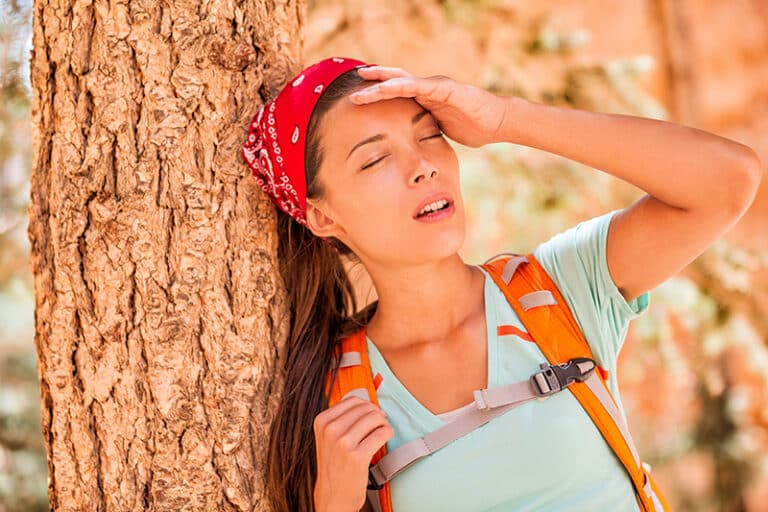
Learn to recognize signs of heat exhaustion, hypothermia, dehydration, and approaching severe weather.
When thunderstorms threaten, seek a substantial building or hard-topped vehicle if available. Tents and open shelters do not provide reliable lightning protection.
Do not camp in flood-prone areas simply because the ground is dry when you arrive.
Good judgment includes knowing when to postpone, shorten, or end a trip.
7. First Aid and Emergency Communication
A wilderness first aid kit is useful only when you understand how to use its contents.
Learn basic wound care, bleeding control, blister prevention, and how to recognize medical emergencies.
Consider taking a wilderness first aid course if you plan to travel beyond areas with quick emergency access.
Before leaving, share your route, destination, and expected return time with a reliable contact.
For remote trips without dependable cellular coverage, a satellite emergency communication device or personal locator beacon may provide an important additional safety measure.
Never assume your phone will work everywhere.
Essential Survival Camping Gear Checklist
Survival camping emphasizes skills, but dependable equipment helps prevent small problems from becoming emergencies.
Your equipment should match the climate, terrain, trip length, and experience of everyone in your group.
Shelter and Sleeping Equipment
- Weather-appropriate tent, tarp, or bivy shelter
- Sleeping bag rated for expected conditions
- Insulated sleeping pad
- Groundsheet where appropriate
- Extra cordage and shelter repair supplies
Remember that a sleeping bag’s temperature rating is only part of a complete sleep system. Ground insulation and dry clothing are also essential.
Water and Food Supplies
- Filled drinking-water containers
- Reliable water treatment equipment
- Ready-to-eat food and planned meals
- Additional emergency food
- Outdoor stove and compatible fuel when needed
- Lightweight cooking pot and utensils
Do not plan a beginner trip around finding wild food. Hunting, fishing, and foraging require additional knowledge, may be regulated, and cannot be counted on to provide enough calories.
Tools and Navigation
- Knife or multitool
- Paper map and compass
- Headlamp and spare batteries
- Fire-starting supplies
- Paracord or other appropriate cordage
- Basic repair materials
Clothing and Personal Safety
- Moisture-wicking base layers
- Insulating clothing appropriate for the season
- Rain jacket and weather protection
- Sturdy footwear and extra socks
- First aid supplies and personal medications
- Sun protection and insect protection when needed
- Emergency signaling equipment
- Communication device appropriate for the location
Test and pack your equipment before leaving home. An unfamiliar stove, shelter, or water filter can be difficult to troubleshoot in bad weather.
How to Plan Your First Survival Camping Trip
Your first trip should be an opportunity to learn, not a test of how much discomfort you can endure.
Choose a manageable location and build your skills gradually.
Step 1: Choose a Safe Location
Start with an established campground, permitted backcountry campsite, or private property where you have permission to camp.
Look for a location with predictable access, manageable terrain, and a practical evacuation route.
Avoid remote wilderness areas until you have experience with navigation, weather exposure, and overnight camping.
Step 2: Check Rules and Conditions
Research camping regulations, fire restrictions, water availability, wildlife precautions, and weather conditions.
Some public lands prohibit collecting wood, cutting vegetation, building natural shelters, or camping outside designated areas.
Follow applicable rules and Leave No Trace principles.
Step 3: Set a Realistic Training Goal
Instead of trying to practice every survival skill during one trip, choose two or three specific objectives.
For example, you might practice pitching a tarp, navigating a short route with a compass, and treating water using equipment you already understand.
Keep reliable backup equipment available throughout the exercise.
Step 4: Prepare a Trip Plan
Write down your destination, route, expected return time, emergency contact information, and alternate exit options.
Share the plan with someone who is not joining the trip.
Establish when that person should contact authorities if you fail to return or communicate as expected.
Step 5: Inspect Your Gear
Set up your shelter at home, check batteries, inspect cooking equipment, and confirm your water treatment supplies are ready.
Make sure your sleeping system is appropriate for the forecast temperatures.
Pack a little more food and water than your planned trip requires.
Step 6: Begin With a Short Trip
A single overnight trip close to a safe exit is a better starting point than several days in remote terrain.
Pay attention to which items you actually use, what you struggle with, and how conditions affect your comfort and safety.
After returning home, improve your equipment and practice the skills that need more work.
Common Survival Camping Mistakes to Avoid
Bringing Too Little Water
One of the most dangerous beginner mistakes is assuming that natural water sources will always be available and safe.
Carry an appropriate supply and identify backup sources before your trip.
Underestimating Cold and Wet Weather
Even moderate temperatures can become dangerous when wind, wet clothing, and inadequate insulation combine.
Protect your sleeping system from moisture and pack clothing appropriate for worse conditions than the ideal forecast.
Depending Entirely on a Campfire
Campfires may be prohibited, difficult to start, or impossible to maintain during heavy rain.
Your shelter and sleeping equipment should be sufficient without a fire.
Carrying Too Many Unnecessary Tools
Heavy equipment can make travel exhausting and reduce your ability to respond to unexpected situations.
Prioritize equipment that supports essential needs before adding specialized gadgets.
Attempting Dangerous Skills Without Training
Improvised traps, unfamiliar wild foods, difficult river crossings, and advanced cutting techniques can cause serious injuries.
Practice new skills with qualified instruction and in suitable conditions.
Ignoring Wildlife and Food Storage
Wildlife precautions vary by region.
Store food and scented items according to local rules, keep your campsite clean, and avoid approaching or feeding animals.
In bear country, use approved food storage methods and follow local wildlife agency recommendations.
Failing to Tell Someone Your Plans
A trip plan is an important safety measure, particularly when cellular service is unreliable.
Make sure someone knows where you are going and when to expect your return.
How to Practice Survival Skills Without Taking Unnecessary Risks
You do not have to spend a week in the wilderness to become more capable outdoors.
Many useful survival skills can be practiced during short trips, at home, or in supervised training environments.
Week 1: Shelter and Equipment
Practice setting up your tent or tarp, securing guy lines, organizing your sleeping system, and packing equipment efficiently.
Week 2: Fire and Water
Practice preparing tinder and kindling in a permitted, controlled setting. Learn the correct operation and limitations of your water treatment equipment.
Week 3: Navigation
Use a map and compass on a familiar trail. Identify landmarks and compare your planned route with the terrain around you.
Week 4: Overnight Practice
Spend one night at a safe, accessible campsite using your planned survival camping equipment.
Keep your normal safety supplies available and review what you learned afterward.
For more skill-building ideas, see our Essential Bushcraft Skills for Preppers guide.
Frequently Asked Questions About Survival Camping
What is the difference between survival camping and regular camping?
Regular camping generally emphasizes recreation and comfort. Survival camping places more emphasis on self-reliance, wilderness skills, emergency planning, and managing essential needs with limited equipment. The two activities overlap, and both can be practiced safely.
Is survival camping safe for beginners?
It can be when beginners choose appropriate locations, carry dependable safety equipment, practice manageable skills, and avoid unnecessary risks. Remote wilderness trips without training or backup supplies are not appropriate starting points.
What are the most important survival camping skills?
Shelter, temperature management, safe drinking water, navigation, first aid, communication, and sound decision-making are among the most important skills. Fire-starting and basic tool use are also valuable.
Can you go survival camping without a tent?
Some experienced campers use tarps, bivies, or other suitable shelters. However, the shelter must provide adequate protection for expected conditions. Beginners should carry dependable weather-appropriate shelter rather than rely on constructing one after arrival.
Do you need to hunt or forage for food?
No. Hunting and foraging are not requirements for survival camping. Beginners should carry adequate food and treat wild food gathering as a separate skill that requires knowledge, training, and compliance with local laws.
How much survival gear should you bring?
Bring enough equipment to manage shelter, warmth, water, food, navigation, first aid, and communication safely. The appropriate amount depends on the weather, terrain, trip duration, and experience level.
How long should your first survival camping trip last?
A short daytime practice session followed by an overnight trip at an accessible campsite is a sensible progression. Gain experience before attempting longer or more remote trips.
Final Thoughts: Build Survival Camping Skills Before You Need Them
Survival camping is not about proving how long you can endure the wilderness without equipment. It is about developing useful outdoor skills, making sound decisions, and understanding how to protect yourself when normal conveniences are unavailable.
Start with a reliable shelter, appropriate clothing, safe drinking water, sufficient food, navigation equipment, and a practical emergency plan.
Then gradually improve your abilities through controlled practice and real outdoor experience.
The goal is not to eliminate every modern tool. It is to become capable enough to use your equipment effectively, recognize hazards early, and respond appropriately when conditions change.
Successful survival camping begins with preparation, continues through practice, and depends on knowing when safety must come first.
Further Reading
- Wilderness Survival Guide
- 100 Forgotten Survival Skills That Could Save Your Life
- Essential Bushcraft Skills for Preppers
- Shelter Building Tools for Survival
- Ultimate Water Purification Guide
- Emergency Preparedness Master Plan
Affiliate disclosure: This article may contain Amazon affiliate links. As an Amazon Associate, The Savvy Survivalist earns from qualifying purchases at no additional cost to you.