
Safest Indoor Heaters for Power Outages
Choosing the safest indoor heaters for power outages is an important part of preparing for winter emergencies. When a storm knocks out electricity, a home that normally depends on an electric furnace, heat pump, or central heating system may lose its primary source of warmth.
This post contains affiliate links. I may earn a small commission at no extra cost to you. Learn more.
During a prolonged blackout, staying warm becomes more than a matter of comfort. Low indoor temperatures can create dangerous conditions, especially for young children, older adults, and anyone with medical conditions that make it difficult to maintain body temperature.
However, emergency heating introduces its own risks. Improperly used propane and kerosene heaters can cause carbon monoxide poisoning, oxygen depletion, burns, and fires. Electric heaters avoid indoor combustion emissions but can overload electrical equipment and quickly drain portable power stations.
The goal is not simply to find the heater with the highest BTU rating. It is to choose equipment that matches your home’s needs and can be operated safely during an emergency.
In this guide, we compare six emergency heating options, including propane, dual-fuel, kerosene, and electric heaters, along with their safety requirements, fuel consumption, and backup power needs.
Important safety warning: Never operate portable fuel-burning heaters while sleeping or leave them unattended. Always follow the manufacturer’s instructions, maintain required ventilation, and use working carbon monoxide alarms. An oxygen-depletion sensor is not a substitute for a carbon monoxide alarm.
For a broader household emergency strategy, visit our Emergency Preparedness Master Plan.
What Is the Safest Indoor Heater for a Power Outage?
The safest heating arrangement is generally a properly installed, maintained heating system that is suitable for the home and directs combustion exhaust outdoors when fuel is burned.
Some permanently installed gas heaters can operate without normal grid electricity, depending on their ignition systems and controls. Others require electrical power for fans, electronic ignition, or safety systems.
Electric resistance heaters are another option when adequate backup electricity is available. They do not create carbon monoxide through combustion, although they still require safe electrical connections and careful placement.
Portable propane and kerosene heaters may be useful for temporary supplemental warmth, but only when the exact model is approved for the intended indoor location and all ventilation, clearance, and operating requirements can be followed.
There is no universally safe portable heater for every home. A heater suitable for a ventilated workshop may not be appropriate for a bedroom, apartment, or tightly sealed living space.
Emergency Indoor Heater Comparison
Before choosing a specific product, compare the major heating categories and their practical limitations.
| Heater Type | Electricity | Main Advantage | Main Limitation |
|---|---|---|---|
| Indoor-approved propane | Usually not required | Portable, immediate heat | Ventilation and combustion hazards |
| Indoor-approved kerosene | Usually not required | High heat output | Emissions, fuel handling, hot surfaces |
| Electric oil-filled radiator | Required | No indoor fuel combustion | High electrical demand |
| Installed vented heater | Model-dependent | Exhaust directed outdoors | Installation and maintenance |
Bottom line: Prioritize a safe permanent heating arrangement when practical. If using portable equipment, match the appliance to the space rather than assuming that an indoor-rated label eliminates every hazard.
What Makes an Indoor Heater Safe?
Several features and operating conditions determine whether a heater is suitable for emergency use.
1. Approval for the Intended Indoor Location
Read the exact product manual before purchasing. Indoor approval is not interchangeable between every room or building type.
Some heaters are approved for particular recreational or utility applications but restricted in residential bedrooms, bathrooms, or other enclosed spaces.
Local codes may also limit or prohibit unvented combustion heaters.
2. Oxygen-Depletion Protection
Certain gas heaters contain an oxygen-depletion sensor, commonly called an ODS. This safety device can shut down the burner when oxygen falls below its designed threshold.
However, an ODS does not measure carbon monoxide concentration. It cannot replace adequate ventilation or a functioning carbon monoxide alarm.
3. Tip-Over and Overheat Protection
Tip-over switches and thermal shutoffs can help reduce specific hazards. These features are valuable, but they do not make a heater safe to operate near curtains, furniture, bedding, or other combustible materials.
4. Correct Ventilation
Fuel-burning appliances consume oxygen and produce combustion byproducts. Follow the manufacturer’s exact requirements for fresh-air openings and minimum room size.
Do not rely on a universal rule such as opening a window half an inch. Ventilation requirements differ by appliance, fuel type, and installation.
5. Carbon Monoxide and Smoke Alarms
Maintain working smoke alarms and carbon monoxide alarms according to their installation instructions. Battery-powered or battery-backup alarms are especially important during power outages.
If a carbon monoxide alarm activates, immediately move everyone outside into fresh air and contact emergency services. Do not reenter until the building has been declared safe.
Best Propane Heaters for Power Outages
Propane is a popular emergency heating fuel because it can be stored in advance and many portable propane heaters operate without household electricity.
It is also an energy-dense fuel. A relatively small amount can produce substantial heat, making propane attractive for temporary emergency preparedness.
However, fuel availability is only part of the decision. A propane heater must be approved for the intended indoor use, supplied through an approved fuel connection, and operated with the required ventilation.
Mr. Heater Big Buddy: Higher-Output Portable Propane Heating
The Mr. Heater Big Buddy is a portable radiant propane heater designed to deliver adjustable supplemental heat. Models in the Big Buddy family offer multiple settings, with maximum output reaching approximately 18,000 BTU per hour.
This makes it a higher-output alternative to compact personal heaters when additional temporary warmth is needed.
Radiant heaters primarily warm nearby people and surfaces. That can make them feel effective quickly, but actual room temperature changes depend on insulation, drafts, outside temperature, and the size of the space.


Advantages
- Multiple heating settings help manage fuel consumption.
- Portable design suitable for emergency storage.
- Radiant warmth can be felt quickly.
- Operates without normal household electricity.
- Safety shutoff features are included on applicable models.
Limitations
- Requires manufacturer-specified ventilation.
- Cannot be used while sleeping or unattended.
- Higher settings consume propane faster.
- Approved cylinder arrangements and hose requirements vary by model.
- Its heat output does not guarantee a specific indoor temperature.
Best for: Temporary, supervised supplemental heating in a suitable, approved space.
Mr. Heater Little Buddy: Compact Emergency Heat
The Mr. Heater Little Buddy is a smaller radiant propane heater with approximately 3,800 BTU per hour of output.
Its compact design makes it easier to transport and store than larger portable heaters. It may be useful when only limited supplemental warmth is needed.
However, a 3,800 BTU heater should not be expected to maintain comfortable temperatures throughout a large home during severe winter weather.

Advantages
- Compact size and relatively low weight.
- Uses compatible small propane cylinders.
- No household electrical connection required.
- Useful for limited supplemental heating where approved.
Limitations
- Lower heating capacity than larger propane models.
- Requires adequate fresh air and proper clearances.
- Small cylinders must be replaced as fuel is consumed.
- Not for sleeping or unattended operation.
Best for: Short periods of supervised supplemental warmth where the manufacturer’s instructions permit operation.
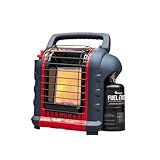
Mr. Heater Portable Buddy: Adjustable 4,000–9,000 BTU Heating
The Mr. Heater Portable Buddy offers an intermediate heating capacity between the smaller Little Buddy and larger Big Buddy models.
Common versions offer approximately 4,000 and 9,000 BTU per hour settings, allowing users to adjust output according to conditions.
The Portable Buddy is often considered for emergency preparedness because it combines portability with more heating capacity than a compact personal unit.
Advantages
- Adjustable heating output.
- Portable design with a carrying handle.
- Operates without household electricity.
- Safety shutoff features on applicable models.
Limitations
- Requires manufacturer-specified ventilation.
- Not suitable for unattended overnight operation.
- Fuel consumption increases at higher settings.
Best for: Temporary supplemental heating during shorter outages when the space and operating conditions meet the manufacturer’s requirements.
Mr. Heater 30,000 BTU Dual-Fuel Blue Flame Heater
The Mr. Heater MHVFDF30BFT Dual-Fuel Blue Flame Heater is a high-capacity supplemental heating option designed to operate on either natural gas or propane. With up to 30,000 BTU per hour of heating output, it is rated to heat spaces up to approximately 1,000 square feet under suitable conditions.
Unlike smaller portable radiant heaters, this model uses blue-flame convection heating to circulate warm air throughout the surrounding space. It includes thermostat control, battery-operated electronic ignition, and a fuel-selector system designed for the two approved fuel types.
The heater can be wall-mounted or installed with the supplied floor-mounting hardware. Because it is a vent-free combustion appliance, proper installation, adequate combustion air, and compliance with local regulations are essential.

Advantages
- 30,000 BTU maximum heating capacity.
- Dual-fuel design supports natural gas or propane.
- Manufacturer-rated coverage up to approximately 1,000 square feet.
- Thermostat control for adjustable heating.
- Battery-powered electronic ignition.
- Dual oxygen-depletion safety systems.
- Wall-mounting and floor-mounting options.
Limitations
- Requires an approved installation and gas connection.
- Local codes may restrict or prohibit vent-free gas heaters.
- Not approved for bedrooms, bathrooms, or recreational vehicles.
- Combustion emissions and moisture enter the occupied space.
- Requires manufacturer-specified ventilation and clearances.
- Propane supply and cylinder placement must comply with the manufacturer’s installation instructions and applicable codes.
- Not suitable for sleeping or unattended operation.
Best for: Homeowners seeking a fixed, high-output supplemental heater with natural-gas or propane flexibility, where installation and operation are permitted.
Best Kerosene Heater for Emergency Backup Heat
Kerosene heaters offer another way to produce heat without depending on household electricity.
Many convection models provide substantial heating capacity, making them attractive to households preparing for extended winter outages.
However, kerosene requires careful fuel handling. Incorrect fuel, poor wick maintenance, insufficient ventilation, or improper operation can create serious hazards.
Only use a kerosene heater indoors when the exact model is approved for the intended application and local regulations permit it.
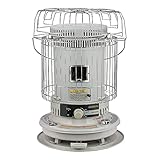
Sengoku HeatMate: 23,000 BTU Kerosene Convection Heater
The Sengoku HeatMate product displayed in the Amazon listing is a 23,000 BTU kerosene heater. Its substantial heating capacity makes it an option to consider for appropriately sized spaces where its use is permitted.
Convection heaters help distribute heated air through the surrounding space. Their effectiveness depends on insulation, room layout, ventilation, and outdoor conditions.
Because this is a higher-output combustion appliance, maintaining the correct ventilation and combustible clearances is especially important.
Advantages
- Listed heating capacity of approximately 23,000 BTU per hour.
- Provides substantial supplemental warmth.
- Does not depend on household electricity for normal heating.
- Offers a fuel alternative to propane.
Limitations
- Requires the correct fuel specified by the manufacturer.
- Needs regular wick and burner maintenance.
- Must be operated with required ventilation.
- Hot surfaces create burn and fire hazards.
- Never operate while sleeping or unattended.
Best for: Supervised supplemental heating in an approved indoor space where the manufacturer’s operating conditions can be met.
Propane vs. Kerosene: Which Is Better for a Winter Blackout?
Both fuels can produce useful emergency heat without grid electricity, but they have different storage, maintenance, and operating requirements.
Propane is commonly stored in sealed cylinders and does not require wick maintenance. Portable propane heaters can be convenient to start and operate, but approved fuel connections, ventilation, and cylinder storage remain essential.
Kerosene is a liquid fuel that must be stored in suitable containers and kept free from contamination. Kerosene heaters may require wick replacement, burner maintenance, and careful refueling.
Neither fuel is automatically safer in every situation. Appliance design, indoor-use approval, maintenance, ventilation, and supervision matter more than the fuel name alone.
For households concerned about combustion emissions, a properly powered electric heater avoids burning either fuel indoors.
Best Electric Heater for Power Outages
Electric heaters avoid producing combustion gases inside the room, which is an important advantage over unvented fuel-burning appliances.
The challenge during a blackout is supplying enough electricity.
Many household space heaters draw up to 1,500 watts. That amount of power can drain a portable battery system surprisingly quickly.
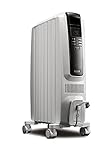
De’Longhi Oil-Filled Radiator: Quiet Electric Supplemental Heating
The De’Longhi Dragon Digital Oil-Filled Radiator is an electric resistance heater with a maximum heating demand of approximately 1,500 watts.
It uses sealed thermal oil to transfer heat from its electric heating element. The oil is not consumed as fuel and does not require normal refilling.
Oil-filled radiators are often appreciated for quiet operation and gradual heat distribution, but they do not create additional energy or eliminate the substantial electrical demand of resistance heating.
Advantages
- No indoor propane or kerosene combustion.
- Quiet operation without a combustion burner.
- Thermostatic control on applicable settings.
- No separate heating fuel to store.
- Suitable for supplemental heat when sufficient electricity is available.
Limitations
- Can draw approximately 1,500 watts on high.
- Battery runtime may be short.
- Exterior surfaces can become hot.
- Requires safe electrical connections and adequate circuit capacity.
Best for: Households with reliable backup electrical power that can safely support the heater’s continuous load.
Portable electric heaters should be plugged directly into an appropriately rated outlet or suitable power-source receptacle as instructed by the manufacturer. Avoid extension cords and power strips.
How Long Can a Battery Power an Electric Heater?
One of the most common mistakes in blackout planning is overestimating how long a portable power station can operate an electric heater.
Battery capacity is usually expressed in watt-hours (Wh). Electrical consumption is measured in watts (W).
To estimate runtime:
Runtime in hours = Battery capacity in Wh × usable efficiency ÷ heater wattage
For example, consider a 1,024Wh power station operating a 1,500W heater. If approximately 85% of its rated capacity is usable as AC electricity:
1,024 × 0.85 ÷ 1,500 = 0.58 hours
That is approximately 35 minutes of continuous operation.
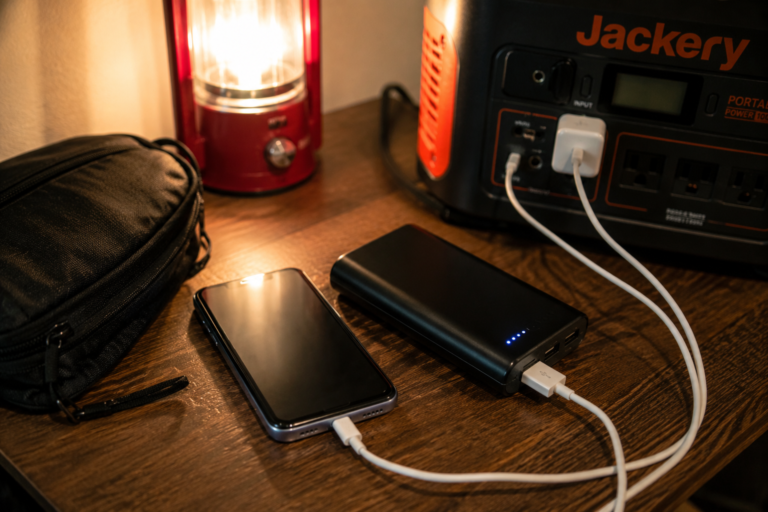
The power station must also have an inverter capable of supporting the heater’s continuous wattage. A battery may contain enough stored energy for a short run but still be unable to start or operate the appliance because its inverter output is too low.
Estimated Electric Heater Battery Runtime
| Battery Capacity | 500W Heater | 1,000W Heater | 1,500W Heater |
|---|---|---|---|
| 1,024Wh | 1.7 hours | 52 minutes | 35 minutes |
| 2,048Wh | 3.5 hours | 1.7 hours | 1.2 hours |
| 4,096Wh | 7.0 hours | 3.5 hours | 2.3 hours |
Estimates assume continuous operation and 85% usable AC energy. Actual runtime varies with battery condition, inverter losses, temperature, and thermostat cycling.
These figures show why a conventional electric heater is usually a poor choice for all-night operation from a small battery station.
For a more detailed calculation, use your power station’s rated capacity, continuous inverter output, and the heater’s actual power consumption.
Can Solar Panels Keep an Electric Heater Running?
Solar panels can help recharge a battery system, but winter conditions create additional challenges.
Short daylight hours, cloudy skies, snow accumulation, and low sun angles can reduce daily solar production.
For example, a 400W solar array does not necessarily deliver 400 watts continuously throughout the day. Its actual output depends on sunlight, panel orientation, shading, and equipment losses.
If an electric heater consumes 1,500 watts continuously, a modest solar array generally cannot replace that energy at the same rate.
A more practical approach may involve using backup electricity for essential lighting, communications, refrigeration, and smaller appliances while relying on a properly installed heating system or passive warming strategies.
For additional planning, see our Grid-Down Survival Power Guide.
How Much Propane Do You Need for Emergency Heating?
Fuel planning is another important part of winter preparedness.
One pound of propane contains approximately 21,600 BTU of energy. A nominal 20-pound cylinder therefore contains roughly 432,000 BTU.
To estimate theoretical fuel runtime, divide available fuel energy by the heater’s hourly fuel consumption.
Example: 9,000 BTU Heater
432,000 ÷ 9,000 = approximately 48 hours
This is a theoretical estimate for continuous operation at 9,000 BTU per hour.
Example: 18,000 BTU Heater
432,000 ÷ 18,000 = approximately 24 hours
Actual fuel consumption and runtime depend on the heater, operating settings, and available fuel.
Important: These calculations do not mean that a 20-pound propane cylinder may be stored inside your home or connected to every portable heater. Follow the manufacturer’s approved cylinder and hose arrangements. Store spare propane cylinders outdoors in an appropriate location.
How to Reduce Heating Needs During a Winter Blackout
Emergency heating equipment is only one part of staying warm. Reducing heat loss can make a major difference in how much fuel or electricity your household needs.
Create a Smaller Warm Zone
Rather than attempting to maintain the same temperature throughout the entire house, concentrate activities in one suitable room.
Close doors to unused areas and use insulated curtains where practical. Keep emergency exits accessible and never block ventilation required by fuel-burning equipment.
Improve Window and Door Insulation
Draft blockers, weatherstripping, and properly installed window coverings can help reduce cold air infiltration.
These improvements are particularly useful before winter storms because they can reduce heat loss even when the power remains on.
Use Cold-Weather Sleeping Equipment
Sleeping bags, insulated pads, and layered blankets can help retain body heat without consuming fuel.
Choose bedding appropriate for expected temperatures and household members’ needs.
Children, older adults, and people with certain medical conditions may need additional protection from cold temperatures.
Wear Dry Clothing Layers
Use dry base layers, insulating middle layers, warm socks, and suitable outer layers.
Wet clothing increases heat loss. Change damp clothing promptly and avoid sweating heavily during indoor activities.
Plan for Relocation
Even a well-prepared home may become unsafe during an extended winter outage.
Identify a reliable heated location before an emergency, such as a designated warming center or another suitable shelter.
If indoor temperatures become dangerous, heating equipment fails, or someone develops signs of hypothermia, seek appropriate emergency assistance and relocate when safe.
Emergency Heater Safety Checklist
Before using any emergency heater during a winter power outage, review these essential safety precautions.
Before You Turn On Your Heater
- ☐ Read the manual. Follow the exact manufacturer’s operating instructions.
- ☐ Check indoor approval. Confirm the heater is approved for your intended location.
- ☐ Verify local regulations. Some areas restrict vent-free fuel-burning heaters.
- ☐ Test safety alarms. Maintain working carbon monoxide and smoke alarms.
- ☐ Provide ventilation. Follow all manufacturer-required fresh-air instructions.
- ☐ Maintain safe clearances. Keep bedding, curtains, furniture, and other combustibles away.
- ☐ Choose a stable surface. Position the heater exactly as its instructions require.
- ☐ Protect children and pets. Keep them away from hot surfaces and fuel connections.
- ☐ Inspect equipment. Check fuel connections, cords, and visible components before operation.
- ☐ Never leave portable fuel heaters unattended. Shut them off before sleeping or leaving the area.
- ☐ Never use outdoor cooking equipment for heat. Grills, camping stoves, and gas ovens are not safe substitutes.
- ☐ Handle fuel safely. Never refill a hot kerosene heater or store propane cylinders indoors.
- ☐ Have a backup plan. Know where your family can go if indoor temperatures become unsafe.
Common Emergency Heating Mistakes
Using Outdoor Equipment Indoors
Outdoor grills, patio heaters, and camping appliances are not substitutes for approved residential heating equipment. Their use inside a home can create life-threatening carbon monoxide hazards.
Assuming an Oxygen-Depletion Sensor Detects Carbon Monoxide
An ODS and a carbon monoxide alarm perform different functions. A heater’s oxygen sensor does not eliminate the need for a working carbon monoxide alarm.
Overestimating Battery Runtime
A 1,500W heater can drain a 1,024Wh power station in roughly 35 minutes under the assumptions discussed earlier. Always calculate runtime before relying on battery-powered heating.
Ignoring Ventilation Requirements
Opening a window slightly is not a universal solution. The required fresh-air supply depends on the exact heater and installation.
Storing Fuel in Unsafe Locations
Propane cylinders and kerosene containers have different storage requirements. Keep fuels in appropriate containers and locations according to applicable safety guidance.
Leaving a Heater Running Overnight
Portable fuel-burning heaters should be shut off before sleeping. Prepare suitable bedding and an alternative heating or relocation plan instead of relying on unattended combustion equipment.
Frequently Asked Questions About Indoor Heaters for Power Outages
What is the safest indoor heater without electricity?
A properly installed, approved vented heating system that can operate without grid electricity is preferable where practical. Some portable indoor-approved fuel heaters can provide temporary supervised heat, but they require careful attention to ventilation and operating restrictions.
Can you sleep with a propane heater running?
Do not sleep with a portable propane heater operating. Shut it off before sleeping and use appropriate cold-weather bedding and other safe warming strategies.
Are kerosene heaters safe indoors?
Only kerosene heaters specifically approved for the intended indoor use should be considered. Correct fuel, ventilation, maintenance, supervision, and local regulations are essential.
Do indoor propane heaters produce carbon monoxide?
Fuel-burning appliances can produce carbon monoxide, particularly when combustion is incomplete or operating conditions are improper. Follow the manufacturer’s instructions and maintain working carbon monoxide alarms.
Can a solar generator power an electric heater?
Yes, if the inverter supports the heater’s continuous electrical load. However, the battery may run down quickly, particularly with a 1,500W resistance heater.
Which lasts longer during a blackout, propane or electric heat?
Runtime depends on the available propane supply, battery capacity, heater output, and operating settings. A small portable battery generally provides far less sustained heating energy than a substantial properly stored fuel supply, but safe fuel use remains essential.
Can you use a natural-gas heater with propane?
Only when the exact appliance is specifically approved and configured for the intended fuel. Never connect a natural-gas-only heater to propane.
What should I do if my home becomes too cold?
Use safe passive warming strategies while arranging transportation to a dependable heated location. If anyone shows signs of hypothermia or another medical emergency, seek emergency assistance.
Final Verdict: Choosing the Safest Indoor Heater for a Power Outage
The safest indoor heaters for power outages are not necessarily the most powerful or expensive models.
A properly installed, vented heating system is preferable where practical. For households with sufficient backup electricity, an electric oil-filled radiator avoids indoor fuel combustion, although its power consumption can make long battery operation impractical.
Portable indoor-approved propane heaters may provide useful temporary warmth when operated with proper ventilation and supervision. Approved kerosene heaters offer another option but require careful fuel handling and maintenance.
For long winter outages, the strongest preparedness strategy combines safe heating equipment, realistic fuel or battery calculations, reduced heat loss, warm bedding, working carbon monoxide alarms, and a dependable relocation plan.
Preparation is not just about having heat available. It is about using that heat without creating another emergency.