Why Summer Blackouts Turn Deadly Faster Than Most Expect
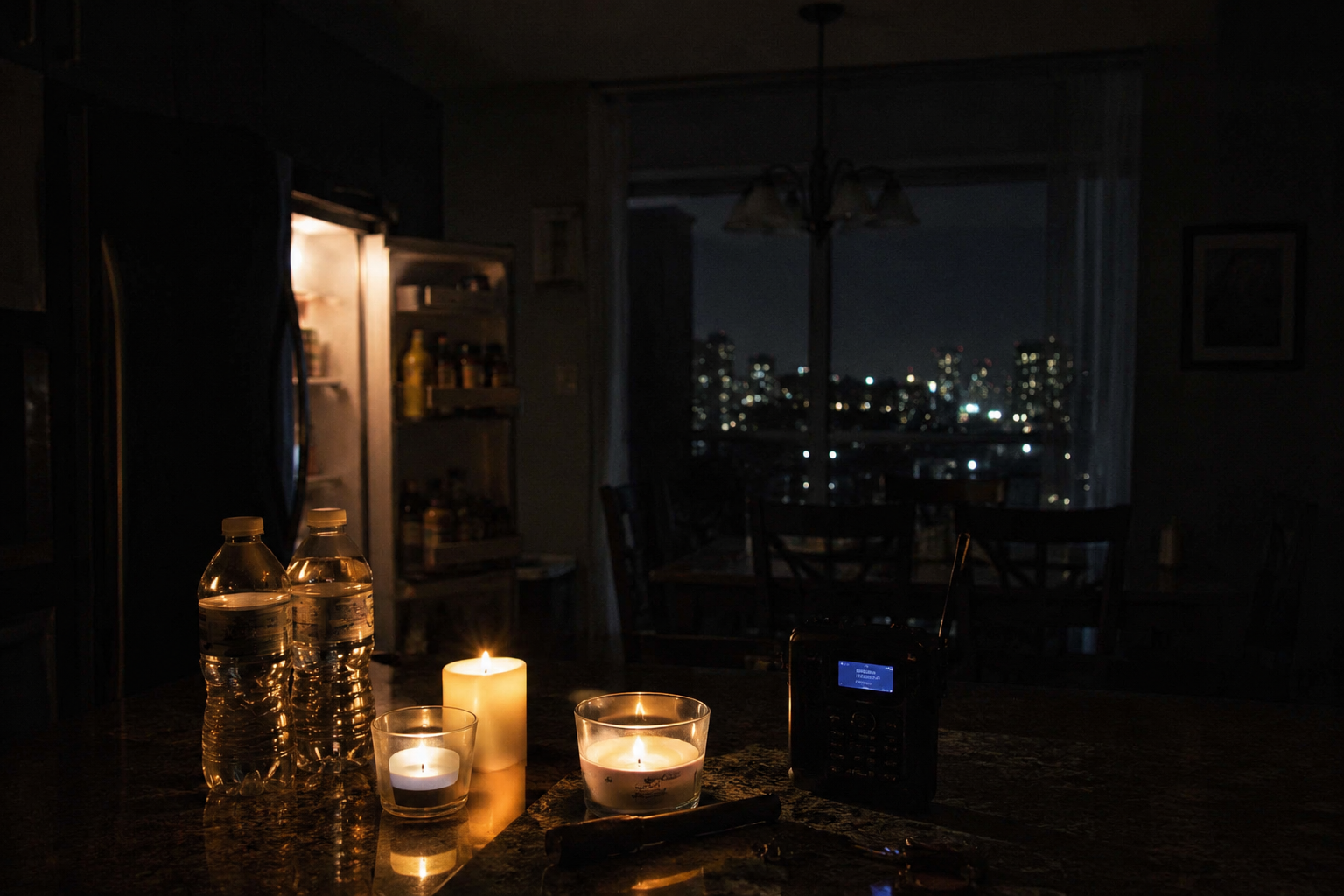
Power outages during the summer create a completely different type of emergency than most people imagine because extreme heat changes the speed at which everyday systems begin failing inside a home. Many families assume losing electricity mainly means temporary inconvenience, but when temperatures climb into the upper 80s, 90s, or higher, the loss of air conditioning quickly turns homes, apartments, and vehicles into dangerous environments that continue heating long after the power shuts off.
This post contains affiliate links. I may earn a small commission at no extra cost to you. Learn more.
What catches many households off guard is how fast normal routines begin breaking down once cooling systems disappear. Refrigerators struggle to hold safe temperatures. Freezers slowly begin thawing. Indoor air becomes stagnant. Humidity rises. Sleep becomes difficult. Hydration needs increase dramatically. At the same time, thousands of other people in the surrounding area begin competing for fuel, bottled water, ice, generators, batteries, and cold food before stores have time to restock.
Summer outages also place enormous pressure on infrastructure because heatwaves already strain the electrical grid before failures even begin. Air conditioners run continuously across entire cities while transformers, substations, and aging power lines operate near capacity for extended periods of time. Once sections of the grid begin failing, restoring power becomes more difficult because utility crews are often dealing with overloaded systems, damaged equipment, traffic problems, and dangerous working conditions caused by extreme temperatures.
The danger increases even faster in urban areas and apartment complexes where concrete, asphalt, roofing materials, and neighboring buildings trap heat throughout the day and continue radiating warmth well into the night. Many people expect temperatures to cool off after sunset, but during severe summer outages, indoor temperatures may remain dangerously high around the clock with little airflow and no relief from humidity.
Another major problem is that summer emergencies often appear manageable during the early hours, which causes many households to delay important decisions until conditions become far worse. Phones still have battery life initially. Water still flows from faucets. Grocery stores may still be open temporarily. Traffic lights may continue operating on backups. Because normal systems do not collapse instantly, many families underestimate how quickly the situation can deteriorate if the outage stretches into multiple days.
That false sense of security becomes especially dangerous as refrigeration systems begin warming, fuel supplies begin disappearing, and exhaustion starts affecting decision-making. Heat exposure compounds gradually, which means people often do not realize how physically drained they have become until symptoms like headaches, dizziness, nausea, confusion, and dehydration begin appearing.
Large-scale summer outages become even more dangerous when communication systems start weakening alongside the power grid. Cell towers rely on backup batteries and generators that may only function for limited periods of time. Internet outages become common. Gas stations without generator backups stop pumping fuel. Electronic payment systems fail. Traffic congestion increases. Emergency response times grow longer as heat-related medical calls surge across entire regions simultaneously.
Families who already have a preparedness plan in place usually adapt far more effectively during these situations because they understand that surviving a prolonged summer outage is not simply about staying comfortable. It becomes a matter of controlling heat exposure, protecting water supplies, preserving food safely, maintaining communication, conserving fuel, and reducing physical stress before conditions spiral into a larger emergency.
The breakdown timeline described in First 72 Hours After a Disaster: What Actually Happens becomes even more severe during extreme summer conditions because nearly every infrastructure problem accelerates once intense heat enters the equation.
Understanding why summer blackouts escalate so quickly is the first step toward building a preparedness system that works before temperatures, shortages, and infrastructure failures begin compounding at the same time.
Quick Answer
Summer blackouts become dangerous much faster than outages during cooler weather because extreme heat accelerates dehydration, food spoilage, fuel consumption, sleep deprivation, and physical exhaustion while placing additional strain on electrical infrastructure. Homes heat up quickly without air conditioning, refrigeration loses effectiveness, emergency services become overwhelmed, and families often underestimate how rapidly conditions can deteriorate during prolonged heatwaves.
✓ Key Takeaways
- Summer heat accelerates nearly every problem caused by a prolonged blackout.
- Dehydration and heat exhaustion often become dangerous before food shortages develop.
- Homes, apartments, and vehicles can retain dangerous heat long after the sun goes down.
- Fuel, bottled water, ice, batteries, and cooling supplies disappear much faster during heatwave emergencies.
- Preparing your cooling, hydration, food, and communication plans before summer arrives dramatically improves your ability to ride out a prolonged outage safely.
Why Heat Changes Everything During a Summer Blackout
Heat changes the entire survival equation during a blackout because the human body depends heavily on stable temperatures, clean water, proper hydration, and rest in order to function normally during stressful situations. After electricity disappears in the middle of summer, many homes begin trapping heat almost immediately, especially in neighborhoods filled with asphalt, concrete, brick, and tightly packed buildings that absorb sunlight throughout the day and slowly release that heat back into the environment long after sunset.
One of the biggest mistakes people make during summer outages is assuming that discomfort and danger are the same thing. In reality, extreme heat stress conditions often develop gradually enough that many families fail to recognize how serious the situation has become until physical symptoms begin appearing. Unlike dramatic disasters that create immediate panic, heat slowly drains energy, increases dehydration, worsens exhaustion, and weakens judgment over time. That gradual decline is part of what makes summer blackouts so dangerous because people continue trying to function normally while their bodies are steadily becoming more stressed.
Modern homes also rely on electricity for far more than air conditioning alone. Ventilation systems stop circulating air. Ceiling fans become useless. Dehumidifiers shut down. Refrigerators begin warming internally. Ice starts melting. Frozen food slowly thaws. Medical equipment may lose power. Rechargeable devices begin draining. Even basic tasks like sleeping, cooking, or keeping medications cool become far more difficult once indoor temperatures begin climbing into uncomfortable ranges.
Humidity adds another layer of danger because the body cools itself primarily through sweat evaporation. When humidity remains high, sweat cannot evaporate efficiently, which means the body struggles to regulate internal temperature properly. This is one reason summer blackouts in humid regions often become more physically dangerous than dry heat emergencies. People may continue sweating heavily while their core temperature keeps rising because the surrounding air is too saturated to cool the body effectively.
Children, elderly adults, pets, and individuals with medical conditions are usually affected first because their bodies often have reduced ability to regulate temperature under prolonged heat stress. Many medications also increase dehydration risk or reduce heat tolerance, which means otherwise manageable indoor temperatures can become dangerous surprisingly quickly for vulnerable individuals.
At the same time, the infrastructure outside the home is usually under tremendous pressure during heatwave blackouts. Utility companies may already be struggling with transformer failures, overloaded substations, and damaged equipment caused by extreme electrical demand. Emergency services often receive spikes in calls related to heat exhaustion, dehydration, vehicle breakdowns, fires, and medical emergencies while roadways, fuel stations, and grocery stores become increasingly crowded.
Fuel consumption also increases dramatically during summer outages because people attempt to compensate for heat using generators, battery banks, vehicle charging, portable fans, coolers, freezers, and portable air conditioning units. Unfortunately, many households underestimate how quickly fuel disappears once generators begin running for extended periods during high temperatures.
The pressure placed on grocery stores becomes severe as well because refrigerated inventory begins spoiling quickly if backup power systems fail or fuel deliveries become delayed. Ice vanishes rapidly. Bottled water shortages begin forming. Frozen food sections empty out. Families searching for relief supplies often flood stores at the exact same time distribution systems are becoming disrupted.
This is why multi-day summer blackouts can rapidly evolve from uncomfortable outages into widespread regional emergencies. Heat does not simply create discomfort. It accelerates dehydration, exhaustion, infrastructure strain, food spoilage, fuel shortages, medical emergencies, and poor decision-making all at the same time.
Many of the infrastructure failures that begin during major outages are covered in What Runs Out First in a Blackout?, but summer heat speeds up nearly every stage of that breakdown timeline.

💡 Pro Tip
Begin heat management as soon as the power goes out instead of waiting for your home to become uncomfortable. Close curtains on sun-facing windows, reduce unnecessary physical activity, stay hydrated throughout the day, and preserve the coolest room in your home for resting. Slowing indoor heat buildup during the first few hours can make a significant difference if the outage lasts several days.
How Fast Homes Become Dangerous Without Air Conditioning
Most households underestimate how quickly indoor temperatures can become dangerous after the power goes out because modern homes are designed to retain conditioned air efficiently under normal circumstances. Once electricity disappears and air conditioning systems stop running, that same insulation begins trapping heat indoors while sunlight, roofing materials, appliances, and poor airflow steadily raise interior temperatures hour after hour.
During severe summer outages, homes exposed to direct sunlight often become significantly hotter inside than outdoor temperatures alone would suggest. Attics can exceed extreme temperatures very quickly, and that trapped heat radiates downward into living spaces throughout the day. Upper floors usually become unbearable first because rising heat accumulates near ceilings while warm air becomes trapped in bedrooms and hallways with little ventilation.
Apartment buildings can become even worse during prolonged blackouts because neighboring units continue generating heat through cooking, body warmth, candles, generators, and sunlight exposure across shared walls and roofing systems. In densely populated buildings, stairwells, hallways, and upper-level apartments may remain dangerously hot well into the night with very little cooling relief after sunset.
One of the most dangerous aspects of summer outages is that indoor temperatures often continue climbing long after people expect conditions to stabilize. Families may open windows assuming cooler evening air will lower indoor temperatures, only to discover that high humidity and trapped heat keep conditions oppressive overnight. Without proper airflow, homes can remain stagnant and exhausting around the clock.
Sleep deprivation quickly becomes part of the problem because the body struggles to recover properly in overheated environments. People become irritable, mentally fatigued, dehydrated, and physically drained after only a night or two of poor sleep during prolonged heatwave conditions. Once exhaustion combines with stress, many households begin making poor decisions involving fuel usage, hydration, travel, food safety, and physical activity during the hottest parts of the day.
Another issue many families overlook is how quickly electronics and battery systems begin overheating inside hot homes. Power stations, battery banks, rechargeable lanterns, solar generators, and communication devices all operate less efficiently in high temperatures. Some systems may automatically shut down or suffer reduced lifespan when exposed to prolonged heat inside poorly ventilated rooms.
Food storage also becomes increasingly difficult as indoor heat builds throughout the home. Refrigerators begin losing safe cooling temperatures within hours if doors are opened frequently. Freezers thaw faster during extreme heat because compressors remain inactive while surrounding temperatures continue climbing. Families who are not monitoring temperatures closely may unknowingly consume unsafe food after several days without power.
Many households also underestimate how physically draining ordinary activities become inside overheated homes. Cooking indoors raises temperatures further. Cleaning becomes exhausting. Carrying water or supplies increases sweat loss rapidly. Even simple movement inside a hot apartment or house can accelerate dehydration when airflow is limited.
Conditions grow increasingly difficult for households without backup power, shaded outdoor areas, battery-operated fans, or alternative cooling plans. Families trapped inside small apartments, mobile homes, or poorly ventilated structures may face increasingly severe conditions much sooner than homeowners with larger shaded properties or backup systems.
This is one reason apartment preparedness requires a completely different strategy during summer outages. Smaller living spaces trap heat faster while offering fewer cooling options and less ventilation.

Why Dehydration Starts Earlier Than Most People Realize
Dehydration becomes one of the fastest developing dangers during a summer blackout because the human body begins losing fluids continuously while attempting to regulate internal temperature in extreme heat. Many people associate dehydration with intense outdoor activity, but during prolonged outages, fluid loss can accelerate rapidly even while sitting indoors if temperatures remain elevated and airflow is limited.
One of the biggest problems is that dehydration often develops gradually enough that people fail to recognize the warning signs early. Mild dehydration may begin with headaches, fatigue, dry mouth, irritability, dizziness, or difficulty concentrating, but those symptoms are commonly mistaken for stress, poor sleep, or general discomfort caused by the outage itself. By the time more serious symptoms begin appearing, the body may already be struggling to regulate temperature effectively.
Heat and humidity place enormous stress on the body because sweating becomes the primary cooling mechanism once air conditioning disappears. In humid conditions, sweat evaporates more slowly, forcing the body to work even harder to maintain safe internal temperatures. People continue losing fluids while receiving less actual cooling benefit from perspiration, which increases exhaustion and heat stress much faster than many expect.
Children and elderly adults are usually affected first because their bodies often struggle to regulate temperature efficiently during prolonged heat exposure. Young children may not recognize thirst properly, while older adults sometimes experience reduced thirst response altogether. Pets face similar risks, especially inside apartments, vehicles, garages, or homes with poor ventilation.
Another major issue during summer outages is that people frequently underestimate how much water they actually need once indoor temperatures rise. Normal daily water consumption guidelines may become inadequate during extreme heat because sweat loss increases continuously throughout the day and night. Physical activity, carrying supplies, cleaning, walking outdoors, or even standing in long lines for fuel and groceries can accelerate dehydration significantly.
A large number of families also rely heavily on refrigerated drinks, ice makers, filtered water systems, or electrically powered well pumps without realizing how dependent their hydration plan is on electricity. Once refrigeration fails and ice disappears, keeping drinking water cold becomes difficult. Families using private wells may lose running water entirely if backup power is unavailable.
The danger increases further when shortages begin forming across stores and gas stations. Bottled water often disappears rapidly during major heatwave emergencies because panic buying starts early once people realize the outage may last longer than expected. Ice shortages typically follow soon afterward as refrigeration systems struggle or stores lose power completely.
Dehydration also affects mental performance much faster than many people realize. Even moderate fluid loss can reduce concentration, worsen mood, impair decision-making, and increase fatigue. During emergencies, that decline in judgment can become dangerous because exhausted and dehydrated individuals are more likely to overexert themselves, misuse generators, neglect food safety, or delay seeking medical help when symptoms worsen.
Heat exhaustion and heat stroke can develop surprisingly quickly once dehydration combines with high indoor temperatures and physical stress. Symptoms like confusion, nausea, muscle cramps, rapid heartbeat, dizziness, or lack of sweating should never be ignored during a blackout because they may indicate the body is struggling to cool itself properly.
Water storage becomes one of the most important parts of long-term blackout planning because hydration problems begin escalating long before food shortages become severe. Anyone building a serious emergency water plan should also review Long-Term Water Storage: Complete Prepper Guide for Emergencies since summer outages dramatically increase household water needs.

📌 Did You Know?
High temperatures increase the body’s need for water even while resting indoors. During prolonged heatwaves, dehydration can develop much faster than many people expect because sweating continues throughout the day and night, especially when humidity prevents the body from cooling efficiently.
Food Spoilage Happens Much Faster During Extreme Summer Heat
One of the fastest overlooked problems during a summer blackout is how quickly food safety becomes difficult once refrigeration systems stop working in high temperatures. Many families assume refrigerators and freezers will keep food safe for far longer than they actually do, especially when outdoor heat, warm indoor temperatures, and frequent door openings begin accelerating temperature loss inside appliances.
During mild weather, a closed refrigerator may hold relatively safe temperatures for several hours, but extreme summer heat changes that timeline significantly. Refrigerators constantly absorb surrounding heat once compressors shut down, and every time the door opens, cold air escapes while warm humid air enters. Families checking food repeatedly, searching for drinks, or attempting to cook meals unintentionally speed up spoilage far faster than they realize.
Freezers usually provide more protection initially because frozen food acts as thermal mass, but prolonged heatwaves eventually overwhelm even packed freezers if power is not restored. Ice begins melting slowly. Frozen foods soften internally. Temperatures fluctuate. Refreezing becomes dangerous once foods partially thaw because bacteria growth may already be accelerating long before visible spoilage appears.
High temperatures create serious food safety risks because bacteria multiply rapidly after refrigeration systems begin warming and food enters unsafe temperature ranges.
Meat, dairy products, leftovers, prepared meals, sauces, and refrigerated beverages can all become hazardous much sooner than many people expect. Unfortunately, spoiled food does not always smell bad immediately, which leads some households to consume unsafe items during extended outages without realizing the danger.
The pressure to avoid wasting expensive groceries also causes many families to make poor food safety decisions during blackouts. People try stretching refrigerator timelines longer than recommended, cook questionable meat to “save it,” or continue eating leftovers that have been sitting in unsafe indoor temperatures for too long. During emergencies, food poisoning becomes especially dangerous because dehydration, heat exhaustion, and limited medical access may already be stressing the body heavily.
Another issue many households overlook is how quickly grocery stores begin struggling once widespread outages occur. Refrigerated inventory spoils rapidly if backup systems fail or generators run out of fuel. Ice disappears almost immediately in many areas. Frozen sections empty quickly. Fresh foods become difficult to replace. Long checkout lines form while electronic payment systems experience outages or slowdowns.
Fuel shortages make the situation even worse because refrigerated trucking, food deliveries, and warehouse systems all depend heavily on transportation infrastructure functioning normally. If large outages continue for multiple days during extreme heat, supply chain problems begin affecting entire regions instead of isolated neighborhoods.
Summer outages place much heavier demand on fans, refrigeration, cooling systems, and battery backup devices. The Emergency Power Planner helps estimate realistic warm-weather blackout power requirements before temperatures become dangerous.
Summer outages also increase outdoor cooking activity, which creates additional risks involving food storage and sanitation. Perishable foods sitting outside during cookouts, grilling sessions, or neighborhood gatherings may spoil quickly in high temperatures, especially when coolers run low on ice or remain exposed to direct sunlight.
Households that prepare successfully for long-term outages usually focus heavily on shelf-stable foods, low-prep meals, hydration supplies, and cooking methods that do not generate excessive indoor heat. Cooking large meals indoors during a blackout can make homes dramatically hotter while increasing physical exhaustion and dehydration at the exact time families should be conserving energy.
Households trying to build a more reliable emergency food system should also read What to Stock Before a Long-Term Blackout because summer outages can empty grocery shelves and spoil refrigerated food much faster than most people expect.
⚠ Important Warning
Never assume food is safe simply because it still looks or smells normal. During extreme summer heat, refrigerators and freezers lose safe temperatures much faster than many families expect, allowing harmful bacteria to multiply long before obvious signs of spoilage appear. When you’re unsure whether refrigerated food remained at a safe temperature, it’s far safer to throw it away than risk foodborne illness during an emergency.

Why Summer Blackouts Burn Through Fuel Much Faster
Fuel shortages develop much faster during summer blackouts because heat dramatically increases the amount of electricity, cooling, transportation, and refrigeration people suddenly try to replace once the grid goes down. Many households purchase generators believing a few cans of gasoline will comfortably carry them through an outage, but extreme summer conditions often force generators to run longer, harder, and more frequently than expected just to maintain basic comfort and food safety.
One of the biggest mistakes families make is underestimating how quickly fuel disappears when refrigerators, freezers, fans, portable air conditioners, battery charging stations, medical equipment, and communication devices all compete for limited generator capacity at the same time. During high temperatures, many generators operate for extended periods simply trying to prevent indoor conditions from becoming unbearable.
Portable air conditioning units and even multiple high-powered fans can dramatically increase fuel consumption because cooling devices often run continuously during heatwaves instead of cycling occasionally like they might during milder weather. Refrigerators and freezers also work harder in extreme heat because surrounding temperatures constantly force cold air systems to recover faster once power is restored temporarily through generators.
Fuel planning becomes even more difficult during widespread outages because gas stations may lose electricity themselves. Without backup generators, many stations cannot pump fuel regardless of how much gasoline remains underground. Long lines begin forming quickly at stations that remain operational, and shortages spread rapidly once panic buying starts across entire communities.
Traffic congestion creates another hidden problem during summer emergencies because people begin driving in search of fuel, cooling centers, ice, groceries, hotels, or functioning charging stations. Vehicles consume additional fuel while idling in traffic, running air conditioning systems, or waiting in long gas station lines during extreme heat.
Heat also affects fuel storage itself. Gasoline expands in high temperatures, which increases vapor buildup and creates additional safety concerns for improperly stored fuel containers. Families storing fuel in garages, sheds, or enclosed spaces may unintentionally create serious fire hazards during prolonged heatwaves if ventilation is poor or storage methods are unsafe.
Another issue many households overlook is how physically exhausting fuel management becomes during summer outages. Transporting gasoline cans, rotating supplies, refilling generators, and monitoring fuel usage all become far more difficult in extreme heat, especially for elderly individuals or anyone already struggling with dehydration and fatigue.
Generator maintenance problems also become more common during high temperatures because engines operating continuously in hot conditions experience additional strain. Overheating, oil consumption, mechanical wear, and improper ventilation can quickly shorten generator lifespan or create dangerous operating conditions if equipment is not monitored carefully.
Many families are surprised to discover that fuel consumption during summer outages may actually exceed winter usage because cooling systems require constant power while refrigeration becomes critical for preserving both food and medications. Once fuel supplies begin shrinking, households are often forced into difficult decisions involving comfort, food safety, communication, and power conservation.
Successful blackout planning usually involves reducing overall fuel dependence rather than assuming large fuel stockpiles alone will solve the problem. Battery backups, solar charging systems, shade management, passive cooling strategies, and realistic generator schedules become extremely important during prolonged summer outages.
Anyone building a long-term fuel supply for emergency power should also read How to Store Gasoline Safely for Emergencies (Without Ruining Your Fuel) because summer heat can create serious fuel storage and safety problems during prolonged blackouts.


Apartment Buildings Become Heat Traps During Long Summer Outages
Apartment residents often face some of the most difficult conditions during prolonged summer blackouts because densely packed buildings trap and retain heat far more aggressively than many single-family homes. Concrete walls, asphalt parking lots, brick exteriors, roofing materials, neighboring units, and limited airflow all combine to create indoor conditions that can become exhausting and dangerous surprisingly quickly once air conditioning systems stop working.
Upper-floor apartments usually become the worst locations inside a building during extreme heat because rising hot air accumulates throughout the structure while roof surfaces absorb direct sunlight all day long. Hallways, stairwells, and enclosed corridors often remain stagnant and humid overnight, which means many residents receive very little cooling relief even after sunset.
One of the biggest problems apartment residents face during blackouts is the lack of airflow options. Many apartments only have windows on one side of the unit, making cross-ventilation difficult or impossible. Some buildings also restrict window openings or have layouts that trap warm air inside smaller rooms for extended periods of time. Without fans or air conditioning, indoor temperatures may continue rising steadily throughout the day while humidity makes the environment feel even hotter.
Crowded apartment complexes also create additional strain on shared infrastructure during outages. Elevators stop functioning. Electronic key systems may fail. Water pressure can weaken in taller buildings if backup systems struggle. Parking areas become congested. Trash accumulation increases rapidly during heatwaves, especially if garbage collection schedules are disrupted. Even small sanitation issues can worsen quickly once temperatures rise and thousands of residents remain confined in overheated buildings.
Cooking becomes another major challenge inside apartments during summer outages because using stoves, ovens, or indoor grills can raise indoor temperatures dramatically. Many residents quickly discover that preparing normal meals inside small living spaces becomes almost unbearable once heat begins accumulating throughout the unit.
Security concerns also increase in large apartment complexes during extended outages because hallways, parking lots, stairwells, and entrances may remain dark for long periods. Residents moving throughout the building searching for cooler areas, charging stations, or functioning water access create additional activity and stress inside already uncomfortable conditions.
Another overlooked issue is how quickly rechargeable devices drain when apartment residents rely heavily on phones, battery fans, lanterns, portable power banks, and communication devices during outages. Without generators, solar charging access, or vehicle charging options, many people lose communication capability much faster than expected.
Water storage becomes especially important in apartment environments because limited space often prevents residents from storing large emergency supplies comfortably. Yet summer outages dramatically increase hydration needs while bottled water shortages begin forming quickly across urban areas.
Apartment residents who prepare successfully usually focus on reducing indoor heat buildup before outages occur. Blackout curtains, reflective window coverings, rechargeable fans, battery lighting, shelf-stable foods, hydration supplies, and backup charging systems all become extremely valuable during prolonged heatwave outages.

Medical Risks Increase Rapidly During Summer Heatwaves
Heatwave outages place enormous stress on vulnerable individuals because medical systems, refrigeration, cooling, clean water access, and communication networks may all begin weakening simultaneously during prolonged extreme heat. What begins as an uncomfortable outage can quickly become a serious medical emergency for vulnerable individuals once indoor temperatures remain elevated for prolonged periods.
Heat exhaustion develops much faster than many people expect during blackouts because the body is forced to work continuously to regulate internal temperature without the relief normally provided by air conditioning. High humidity makes the situation even worse by reducing the body’s ability to cool itself efficiently through sweat evaporation. As dehydration increases, the cardiovascular system experiences additional stress while exhaustion, dizziness, headaches, nausea, and muscle cramps become increasingly common.
Heat stroke is one of the most dangerous medical threats during severe summer outages because it can develop rapidly once the body loses the ability to regulate temperature properly. Confusion, altered mental state, lack of sweating, rapid heartbeat, vomiting, or collapse should always be treated as medical emergencies during sustained high-temperature conditions. Unfortunately, emergency response systems are often overwhelmed during widespread outages because ambulances, hospitals, and dispatch centers may already be handling large numbers of heat-related calls simultaneously.
People with existing medical conditions usually face much higher risks during prolonged summer outages. Heart disease, respiratory problems, diabetes, kidney disease, obesity, and certain neurological conditions can all become more dangerous once dehydration, heat stress, and sleep deprivation begin affecting the body. Many medications also reduce heat tolerance or increase fluid loss, which means individuals may become overheated much sooner than expected.
Medication storage becomes another major problem during summer outages because many prescriptions require stable temperatures to remain effective. Insulin, certain antibiotics, injectable medications, and other temperature-sensitive supplies may degrade once refrigeration systems fail. Families who are unprepared for prolonged outages may suddenly find themselves struggling to protect life-sustaining medications in dangerously hot environments.
Sleep deprivation compounds these medical risks even further because overheated homes often make proper rest nearly impossible. After several nights of poor sleep, the body becomes less capable of handling heat stress while mental focus, emotional control, and physical endurance all decline steadily.
Another overlooked danger involves physical overexertion during extreme heat. People often spend blackout situations hauling water, moving fuel cans, cleaning spoiled food, checking on relatives, standing in supply lines, or attempting repairs during the hottest parts of the day. Tasks that normally seem manageable can become physically draining and dangerous once dehydration and heat exhaustion begin affecting the body.
Children and elderly adults usually experience heat-related illness faster because they often have reduced ability to regulate body temperature effectively. Pets are also highly vulnerable during summer outages, especially in apartments, vehicles, garages, or homes with poor airflow.
Hospitals and urgent care facilities may struggle heavily during widespread heatwave outages because backup systems, staffing shortages, fuel problems, overcrowding, and infrastructure failures all place additional pressure on healthcare systems already dealing with large spikes in emergency calls.
Prepared households usually monitor heat exposure aggressively during prolonged outages rather than waiting for symptoms to appear. Hydration schedules, shaded cooling areas, electrolyte replacement, battery-powered airflow, and limiting physical activity during peak temperatures can make a major difference once the grid stays down for multiple days.

Why Sleep Deprivation Becomes a Serious Problem During Summer Blackouts
Sleep deprivation becomes one of the most underestimated dangers during prolonged summer blackouts because the human body struggles to recover properly once indoor temperatures remain elevated throughout the night. Many families focus heavily on food, water, fuel, and lighting during emergencies, but few realize how quickly physical exhaustion and poor sleep begin affecting decision-making, emotional control, and overall health once extreme heat prevents proper rest for several consecutive nights.
During normal conditions, nighttime temperatures usually provide at least partial relief after hot summer days, especially once air conditioning lowers indoor humidity and improves airflow. During a blackout, that recovery period often disappears completely. Homes, apartments, and buildings continue radiating trapped heat long after sunset while stagnant air prevents rooms from cooling effectively. Bedrooms on upper floors frequently become the hottest areas inside the home because rising heat accumulates near ceilings throughout the night.
Humidity makes sleep even more difficult because sweat cannot evaporate efficiently in stagnant air. People wake repeatedly drenched in sweat, dehydrated, restless, and physically drained despite spending hours trying to sleep. Many households begin the next day already exhausted before dealing with heat exposure, supply shortages, food problems, fuel management, or emergency planning.
After only one or two nights of poor sleep, mental performance begins declining noticeably. Concentration weakens. Patience disappears faster. Stress tolerance drops. People become more emotionally reactive and far more likely to make mistakes involving food safety, generator usage, fuel storage, hydration, or travel decisions during severe heat conditions.
Sleep deprivation also increases physical stress on the body because exhaustion interferes with temperature regulation, hydration balance, and cardiovascular recovery. When poor sleep combines with dehydration and high temperatures, heat exhaustion symptoms can develop much faster than many people expect.
Another major issue during blackouts is noise pollution. Generators running throughout neighborhoods, increased traffic, emergency vehicles, barking dogs, people gathering outdoors for cooler air, and general community disruption all make restful sleep even harder to achieve. Apartment buildings become especially difficult because overheated residents may move constantly through hallways, stairwells, and parking areas searching for relief from the heat.
Children often struggle heavily during summer outages because hot sleeping conditions increase irritability, anxiety, dehydration, and emotional stress. Parents dealing with exhausted children while trying to manage blackout conditions themselves can become physically and mentally overwhelmed very quickly once sleep quality deteriorates across the household.
The psychological effects of prolonged heat and poor sleep should not be underestimated either. Anxiety increases. Tempers shorten. Small problems feel larger. Motivation drops. Families begin struggling emotionally after several days of discomfort, exhaustion, and uncertainty, especially if communication systems, refrigeration, or fuel supplies are also becoming unreliable.
Prepared households often focus heavily on creating nighttime cooling strategies before outages ever occur. Battery-powered fans, breathable bedding, shaded sleeping areas, ventilation planning, hydration routines, and reducing daytime heat buildup inside the home can dramatically improve nighttime recovery during prolonged emergencies.
Once exhaustion begins affecting an entire household, even simple emergency tasks become harder to manage safely. Maintaining energy, hydration, and sleep quality becomes just as important as preserving food or fuel during extended summer outages.

What Starts Failing Across Cities After 24–72 Hours Without Power
The first several hours of a summer blackout often create the illusion that conditions are still manageable because many backup systems continue functioning temporarily even after the electrical grid begins failing. Phones may still charge from battery packs. Some stores remain open. Water continues flowing. Traffic signals may stay operational in certain areas. Yet behind the scenes, cities are already beginning to burn through the backup systems that keep modern infrastructure functioning during emergencies.
Once outages stretch beyond the first day, the situation often changes rapidly because entire systems begin weakening simultaneously under extreme heat conditions. Cell towers start losing backup battery capacity. Fuel deliveries slow down. Grocery stores struggle with refrigeration losses. Gas stations without generators stop pumping fuel entirely. ATM networks and electronic payment systems experience outages or communication failures. Long lines begin forming around any business that still has functioning power or cooling.
Summer heat accelerates this breakdown because both people and infrastructure remain under continuous physical stress. Utility crews work in dangerous temperatures while attempting repairs across overloaded systems. Hospitals begin handling rising numbers of heat-related emergencies. Emergency dispatch systems become flooded with calls involving dehydration, medical issues, vehicle breakdowns, and infrastructure problems occurring all across the same region.
Traffic congestion often becomes severe during prolonged outages because intersections lose functioning signals while thousands of drivers search for fuel, food, ice, charging stations, or temporary shelter with air conditioning. Gridlock conditions increase fuel consumption even further while emergency response vehicles struggle moving through crowded roadways.
Water systems may also begin showing signs of stress once pumping stations, treatment facilities, or backup power systems experience prolonged interruptions. In some areas, water pressure weakens gradually while boil advisories become possible if treatment operations are disrupted. Apartment complexes and taller buildings may experience additional problems if water relies heavily on electrically powered pumps.
Communication problems become increasingly dangerous after the first 24 to 72 hours because families lose reliable access to information exactly when conditions are becoming more unstable. Cell service may become intermittent. Internet outages spread. Battery life disappears across phones and portable devices. Rumors and misinformation often spread rapidly once official communication becomes inconsistent.
Another major issue is how quickly store shelves begin emptying during widespread summer emergencies. Bottled water, batteries, fans, fuel containers, ice, generators, shelf-stable food, medications, and cooling supplies often disappear first because people suddenly realize the outage may last much longer than initially expected. Restocking becomes difficult once transportation systems, warehouses, and fuel supplies begin struggling simultaneously.
Neighborhood tension also tends to rise as conditions worsen. Exhausted residents dealing with heat, spoiled food, lack of sleep, and fuel shortages become more emotionally reactive after several days without relief. Noise from generators increases frustration. Long lines create arguments. Crowded cooling centers strain local resources. Communities that were calm during the first evening of the outage may feel completely different several days later.
The danger is not usually caused by a single dramatic collapse all at once. Instead, prolonged summer blackouts become dangerous because dozens of smaller failures begin stacking together faster than households can adapt. Heat accelerates every stage of that process by increasing physical exhaustion, resource consumption, infrastructure strain, and medical stress across entire populations simultaneously.
This is why successful preparedness is rarely about surviving only the initial outage itself. The real challenge begins once the systems people rely on every day start weakening together under prolonged summer conditions.
Many of the supply shortages and infrastructure breakdowns that appear during extended emergencies are similar to the patterns covered in What to Stock Before a Long-Term Blackout because critical resources usually disappear much faster once entire cities are dealing with heat and power loss at the same time.
🚨 Emergency Scenario
Imagine a regional heatwave pushes temperatures above 100°F when the electrical grid suddenly fails. During the first afternoon, homes begin heating rapidly while stores are flooded with people buying bottled water, ice, batteries, and fans. By the second day, refrigerated food is spoiling, gas stations have long lines, cell service is becoming unreliable, and many neighborhoods have gone without meaningful sleep because homes never cooled overnight. Families who prepared before the outage are conserving water, staying in the coolest parts of their homes, monitoring reliable information, and avoiding unnecessary trips into dangerous heat while others struggle to catch up.

How to Prepare Before Summer Blackouts Begin
Preparing for a summer blackout becomes far easier before temperatures rise and infrastructure starts failing because once a major outage begins, stores empty quickly, fuel becomes difficult to find, and basic supplies often disappear long before many families realize the situation may last several days. The households that handle prolonged outages best are usually the ones that focused on reducing heat exposure, protecting hydration, and lowering dependence on fragile systems well before an emergency ever started.
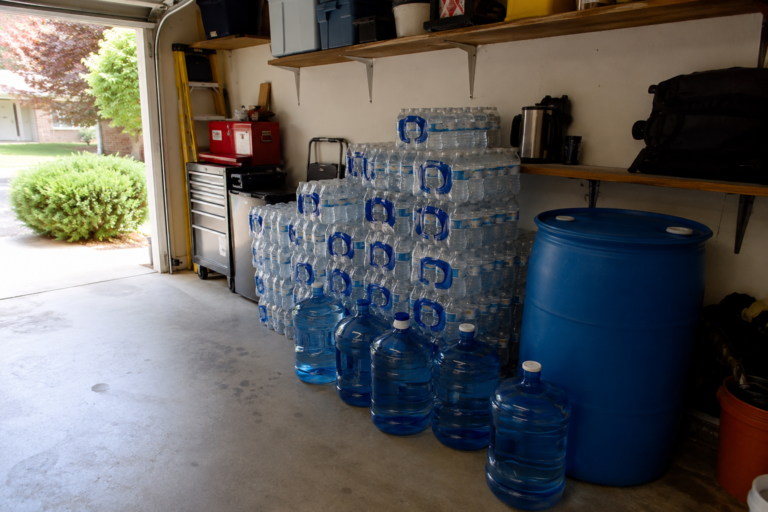
Water should always be one of the first priorities because summer heat dramatically increases household consumption needs. Families often underestimate how much water disappears during hot conditions once drinking, cooking, sanitation, cooling, and pet care are all competing for the same limited supply. Having multiple storage methods, backup filtration options, and realistic usage plans becomes extremely important once shortages begin spreading through stores and neighborhoods.
Cooling strategies matter just as much as food storage during summer outages because preventing dangerous indoor temperatures can reduce exhaustion, dehydration, and medical stress significantly. Blackout curtains, reflective window coverings, battery-powered fans, shaded outdoor areas, and ventilation planning all help reduce heat buildup before conditions become dangerous inside the home.
Food planning should focus heavily on shelf-stable meals and low-heat cooking methods rather than relying entirely on refrigerated supplies. Many families build emergency food storage around freezers full of meat without realizing how vulnerable that plan becomes once temperatures stay elevated for multiple days. Shelf-stable foods, freeze-dried meals, canned goods, electrolyte drinks, and easy-prep items provide far more flexibility during prolonged outages.
Backup power systems also need realistic expectations attached to them. Generators are valuable tools, but many households overestimate how long fuel supplies will last during extreme summer conditions. Portable power stations, battery banks, solar charging systems, and energy conservation plans become just as important as generator size once outages stretch longer than expected.
Communication planning is another area many people overlook until outages are already underway. Phones, internet service, and charging systems may become unreliable after the first day or two, especially during large regional failures. Battery backups, emergency radios, charging cables, vehicle charging options, and offline emergency information can become extremely important once communication systems begin weakening.
Prepared households also pay attention to the physical layout of their homes before summer emergencies begin. Identifying the coolest rooms, improving ventilation, sealing unnecessary heat sources, organizing supplies efficiently, and reducing direct sunlight exposure inside the home can make a major difference once indoor temperatures start climbing.
Another critical part of preparation involves avoiding panic buying behavior entirely. Once major outages occur during heatwaves, stores become crowded quickly while fuel lines, supply shortages, and traffic congestion create additional stress across entire communities. Families that already have water, food, lighting, cooling supplies, and backup power options in place can avoid exposing themselves to those chaotic conditions unnecessarily.
Preparedness is ultimately about reducing pressure during emergencies rather than trying to solve every problem after systems are already failing. Summer blackouts become dangerous when heat, exhaustion, dehydration, shortages, and infrastructure failures all begin compounding together faster than households can react.
Building even a basic emergency system ahead of time can dramatically improve safety, comfort, and decision-making once temperatures rise and the grid stays down longer than expected.

☑ Summer Blackout Preparedness Checklist
- ☑ Store extra drinking water before summer begins.
- ☑ Keep rechargeable power banks, lanterns, and fans fully charged during heatwaves.
- ☑ Close blinds and curtains before indoor temperatures begin rising.
- ☑ Limit refrigerator and freezer door openings.
- ☑ Prepare shelf-stable meals that require little or no cooking.
- ☑ Fuel generators safely and test backup power equipment before hurricane and storm season.
- ☑ Monitor elderly family members, children, neighbors, and pets for signs of heat illness.
- ☑ Avoid unnecessary outdoor activity during the hottest part of the day.
- ☑ Keep emergency radios and backup communication devices ready if cellular networks become unreliable.
- ☑ Review your blackout plan before severe summer weather arrives.
⚡ Free Blackout Preparedness Planner
Not sure where your blackout plan is weak? Download the FREE 17-page planner and organize your water, food, fuel, medical supplies, communication plan, and evacuation strategy.
Final Thoughts
Large-scale heatwave outages escalate far faster than most households anticipate because extreme temperatures place constant stress on both homes and city systems simultaneously. A temporary outage can quickly evolve into a physically exhausting emergency involving dehydration, food spoilage, fuel shortages, communication problems, medical risks, and rising infrastructure strain once the power stays down for multiple days during extreme temperatures.
The biggest mistake many households make is assuming they will have plenty of time to react once an outage begins. In reality, dangerous conditions often develop gradually enough that people delay preparation until stores are crowded, fuel is difficult to find, indoor temperatures are already climbing, and exhaustion has started affecting decision-making.
Prepared households usually are not the ones with the most expensive gear. They are the ones that understand how quickly systems fail during heat emergencies and take practical steps ahead of time to reduce dependence on fragile infrastructure. Water storage, backup cooling, shelf-stable food, communication equipment, fuel planning, and realistic power management all become far more important once summer temperatures push both people and infrastructure to their limits.
Large-scale blackouts are difficult enough on their own, but extreme heat changes the timeline completely by speeding up dehydration, increasing fuel usage, overwhelming emergency services, and placing constant physical stress on entire communities simultaneously. Once multiple systems begin failing together, even simple everyday tasks become far more difficult than most people imagine.
The goal is not to live in fear of outages or disasters. The goal is to understand how quickly conditions can change during extreme summer emergencies so your household is prepared before shortages, heat, and infrastructure failures begin stacking together all at once.
If you are building a complete long-term preparedness system, start with Emergency Preparedness Plan 2026: The Complete Survival Framework because summer blackouts are only one part of a much larger preparedness picture.

📚 Continue Reading
Summer heat can make even short outages far more dangerous. Continue building your blackout preparedness plan with these related guides.