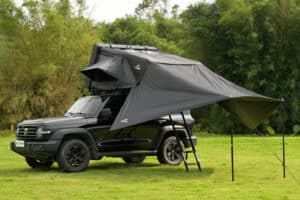
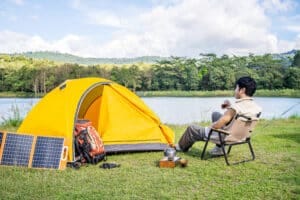
Mission-ready equipment organized into structured loadout systems — built for durability, mobility, and performance in real-world conditions.
Mobility begins with weight control and structure.
Hydration preserves cognition and endurance.
Field Water Filtration Guide
Best Hydration Packs for Hiking in Hot Weather
Temperature control equals survivability.
Direction prevents wasted energy and risk.
How to Navigate Without a Compass in the Wilderness
Shadow Stick Method: Find True North Without a Compass
Rest and protection restore capacity.
Survival Tents 2025: 10 Rugged Picks
How to Sleep Cool in a Tent
Utility gear extends capability.
Best Knives & Multitools of 2025
How to Use a Survival Knife
Load carriage supports mobility.
Water systems preserve cognition.
Fire regulates temperature and morale.
Navigation prevents wasted movement.
Shelter protects recovery and endurance.
Field gear is not independent of preparedness — it reinforces it.
If equipment fails, capability drops.
If weight exceeds planning, fatigue rises.
If hydration is unsecured, judgment degrades.
If navigation is unclear, exposure increases.
Field environments remove infrastructure.
Your gear becomes your infrastructure.
Structured loadouts prevent system breakdown.
A true field gear guide is not a checklist of items — it is a system of capability.
Field environments remove infrastructure. There are no outlets, no climate control, no plumbing, and no guaranteed resupply. Everything you carry must function as mobile infrastructure. That means weight becomes a strategic variable, not an afterthought.
Every piece of equipment must answer three questions:
Does it solve a real problem?
Does it replace a heavier alternative?
Does it justify the energy required to carry it?
Redundancy without planning creates fatigue. Excess weight compounds risk. Poor load distribution accelerates exhaustion. In field conditions, fatigue leads to mistakes, and mistakes compound quickly.
Capability scales when gear and skill reinforce each other. A well-chosen knife paired with competence multiplies options. A filtration system paired with route planning extends range. A shelter system paired with weather awareness preserves recovery.
Field gear is not about accumulation. It is about disciplined selection.
Effective load carriage follows structure. Random packing fails under stress. Structured layering prevents collapse.
Your pack is not storage — it is a mobility platform. Weight distribution, suspension design, and access layout determine endurance. Poor carry systems waste energy before the first mile is complete.
Hydration preserves cognition, reaction time, and judgment. Field loadouts must include both storage and treatment capability. Stored water eventually runs out. Treatment extends range.
Fire regulates temperature, dries clothing, purifies water, enables cooking, and improves morale. In cold or wet environments, fire becomes a survival multiplier.
Direction conserves energy. Every unnecessary mile increases exposure, fatigue, and water consumption. Reliable navigation reduces risk long before emergencies escalate.
Sleep restores decision-making capacity. Protection from wind, rain, and temperature extremes prevents compounding stress. Shelter systems are not luxury — they are operational recovery tools.
Each layer stabilizes the next. Remove one, and strain transfers upward.
Structured loadouts preserve operational control.
Home preparedness focuses on storage and redundancy. Urban preparedness focuses on infrastructure resilience. Field preparedness focuses on mobility and sustainability.
In a fixed location, you can store bulk water and fuel. In the field, you must balance weight against endurance. At home, redundancy increases safety. In the field, excessive redundancy increases fatigue.
Field gear is a mobile system. It must move efficiently, adapt quickly, and function without support.
When infrastructure disappears, your equipment becomes infrastructure.
That is the role of a properly structured field gear guide: not to promote equipment — but to organize capability.
If your goal is fixed-location resilience, review the Emergency Preparedness Master Plan.
If your focus is city-based risk management, explore the Urban Survival Guide.
If your objective is full wilderness independence, see the Wilderness Survival Guide.
Preparedness is layered. Field gear is the mobility layer.
Field systems evolve. Stay current with the newest gear breakdowns, comparisons, and performance testing.