What Runs Out First During a Blackout? (Most People Stock the Wrong Things)
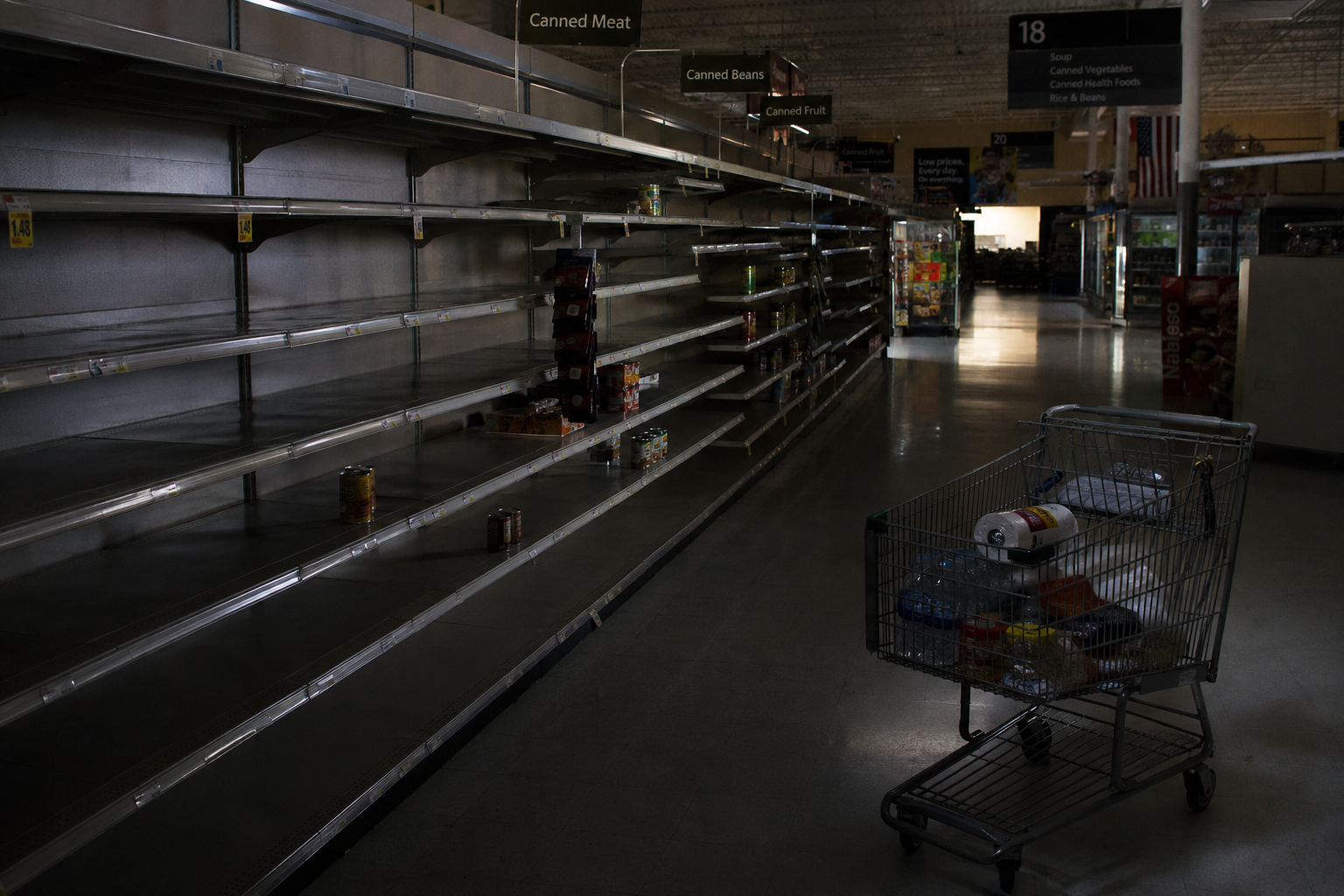
What runs out first in a blackout? Most people think it’s food, but water, fuel, batteries, communication systems, and refrigerated supplies disappear much faster than expected.
This post contains affiliate links. I may earn a small commission at no extra cost to you. Learn more.
Most people think in terms of candles and flashlights for the first few hours, but real problems start when the systems behind normal life begin failing one after another. Grocery stores stop restocking. Gas pumps quit working. Refrigerators warm up. Cell towers overload. Water pressure drops.
People who assumed “it’ll be back on soon” suddenly realize they waited too long.
The dangerous part is not just losing electricity. It’s how quickly modern systems depend on that electricity to keep food, fuel, communication, banking, water, and security functioning.
The first families to struggle during a blackout are usually not the ones without money. They’re the ones without supplies ready ahead of time.
And the first items to disappear are almost always the same.
If you understand what runs out first during a blackout, you can prepare smarter, avoid panic buying, and build a system that keeps your family stable while everyone else is scrambling.
Before you build long-term preparedness, start with the basics:
If you want to build a complete preparedness system instead of random emergency supplies, start with the Emergency Preparedness Plan 2026: Master Framework first.
The First 6 Hours: The “Normalcy” Window
The first phase of a blackout is deceptive.
People still assume things are temporary. Traffic continues moving. Restaurants may stay open briefly. Most homes still have charged phones and cold refrigerators. The average person believes power crews will fix the problem quickly.
That false sense of normalcy is why most people wait too long to prepare.
Within the first few hours, stores begin seeing a rush on predictable items:
- Bottled water
- Batteries
- Flashlights
- Bread
- Milk
- Ice
- Portable chargers
- Propane
- Fuel cans
The problem is that most retail stores only carry limited inventory. Modern supply chains are built for “just in time” delivery, not emergency demand spikes.
Even small storms can empty shelves in hours.
During widespread outages, the situation escalates much faster.
One of the biggest mistakes people make is waiting until after the power fails to buy emergency supplies. By then, everyone else has the exact same idea.
For a full breakdown of how shortages spread during longer outages, read 2-Week Blackout: What You’ll Run Out of First (Most People Get This Wrong).
That article breaks down the complete timeline of shortages most families experience during longer outages.
Water Runs Out Faster Than Most People Expect
Food gets most of the attention during emergencies, but water becomes a problem much faster.
Many people assume city water systems continue working indefinitely during blackouts. Sometimes they do for a while. But water systems rely heavily on electric pumps, treatment systems, backup generators, and fuel deliveries.
Once backup systems fail or pressure drops, water access becomes unpredictable.
Even before municipal systems fail, bottled water disappears almost immediately from stores.
The average family severely underestimates how much water they actually use daily.
You’re not just drinking it.
You’re using water for:
- Cooking
- Sanitation
- Cleaning
- Toilets
- Hand washing
- Pets
- Medical needs
Most preparedness experts recommend at least one gallon per person per day as an absolute minimum. Realistically, most families are far more comfortable with two gallons or more per person daily during extended outages.
That means a family of four may need 56+ gallons for just one week.
Most households do not have that ready.
This is why long-term water storage should be one of the first systems you build before focusing heavily on gear or gadgets.
Building a reliable water reserve is one of the smartest things you can do before a crisis starts, which is why every family should read Long-Term Water Storage | Complete Prepper Guide for Emergencies 2025.


Fuel Disappears Almost Immediately
Gas stations are one of the first major stress points during a blackout.
People rush to top off vehicles, generators, gas cans, and ATVs all at once. The problem is that gas stations rely on electricity to run pumps and payment systems.
Even stations with fuel underground may not be able to dispense it.
Lines form quickly.
Tempers rise quickly.
And many stations completely run dry within the first 24 hours.
Fuel shortages create a chain reaction that affects nearly everything else:
- Emergency travel
- Generator operation
- Food transportation
- Medical access
- Supply deliveries
- Law enforcement mobility
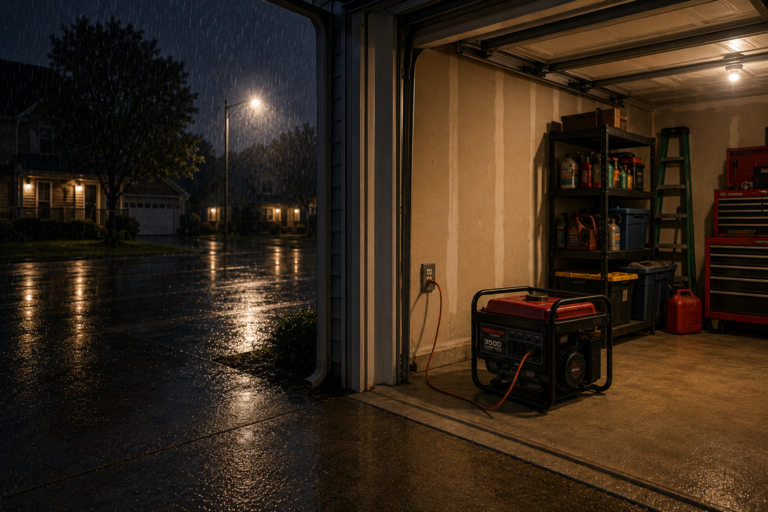
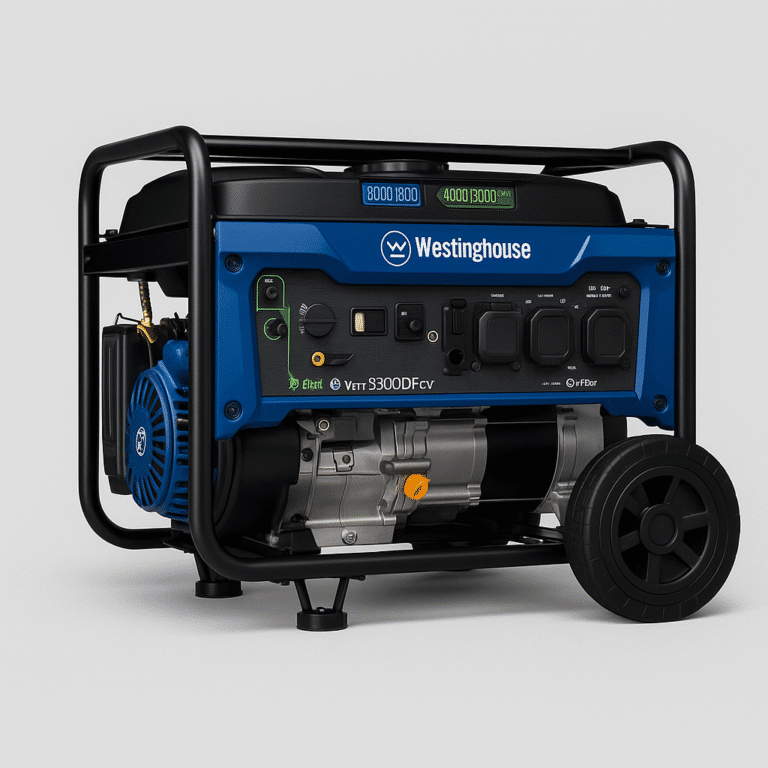
If you own a generator but only have a few gallons of gas, you don’t really have a long-term power plan.
Most people also underestimate how quickly generators consume fuel under continuous loads.
If you want a realistic backup power setup that actually works during extended outages, see Grid-Down Survival Power: The 2025 Off-Grid Energy Playbook.
That guide covers how to combine generators, solar systems, battery backups, lighting, refrigeration planning, and fuel management into one realistic strategy.
You should also prioritize fuel stabilization and safe storage long before emergencies happen.
Backup power disappears much faster once refrigerators, freezers, fans, lights, and multiple charging devices begin competing for limited energy reserves. The Emergency Power Planner helps calculate realistic emergency power priorities before shortages begin.


Before buying backup power, make sure you understand what appliances actually matter during a blackout by reading What Size Solar Generator Do I Need for a Blackout?.
During extended outages, understanding what runs out first in a blackout can help families avoid panic buying and dangerous shortages.
Refrigerated Food Starts Becoming a Problem on Day One
Most people don’t realize how dependent they are on refrigeration until they lose it.
A refrigerator stays cold for roughly 4 hours if unopened. A full freezer may stay cold for around 48 hours under ideal conditions.
After that, food safety becomes a serious concern.
People often waste fuel repeatedly opening refrigerators to “check” food, which speeds up warming even faster.
The first foods to spoil are usually:
- Milk
- Meat
- Leftovers
- Soft cheeses
- Fresh produce
- Frozen meals
The average American household loses hundreds of dollars in food surprisingly fast during outages.
This is why shelf-stable emergency food becomes critical.
You don’t need to jump straight into expensive freeze-dried systems immediately, but you do need food that:
- Stores long term
- Requires minimal cooking
- Doesn’t depend on refrigeration
- Provides real calories
- Works during stress situations
Before throwing away expensive food or risking food poisoning, read How Long Food Lasts Without Power (Fridge, Freezer & Pantry Breakdown).
That guide explains exactly what foods remain safe and when to throw them out.
You should also build a layered emergency pantry system before disaster hits.


Batteries and Lighting Become Critical Immediately
Darkness changes behavior fast.
The psychological effect of losing lighting after sunset is massive, especially in neighborhoods with widespread outages.
People suddenly realize how dependent modern life is on instant lighting.
Cheap flashlights disappear from stores almost immediately. So do AA and AAA batteries.
The problem is that most families rely on disposable battery systems that fail quickly during prolonged outages.
A smarter approach is building layered lighting systems that include:
- Rechargeable lanterns
- Headlamps
- Solar charging
- Power banks
- Backup batteries
- Vehicle charging capability
Lighting is not just convenience.
It affects:
- Security
- Morale
- Sleep
- Cooking
- Navigation
- Medical care
- Communication
Choosing the right blackout lighting matters more than most people realize, especially during long outages, which is why we put together Best Emergency Lights for Power Outages (2025).


Communication Starts Failing Faster Than Expected
Most people assume their phones will keep working indefinitely.
That’s not how large-scale outages work.
Cell towers have limited battery backups and generator fuel. Networks overload quickly when everyone tries contacting family at once. Internet infrastructure also depends on powered relay systems.
During major outages, communication problems escalate in stages:
First:
- Congestion
- Delayed texts
- Slow internet
Then:
- Dropped calls
- Dead towers
- Network outages
Eventually:
Complete communication gaps
That’s when panic rises dramatically.
This is usually the point where neighborhoods start changing emotionally. You hear generators running in the distance, gas stations already have lines wrapped around the block, and people who ignored preparations begin realizing stores are already empty.
Families without communication plans often waste fuel, time, and energy physically searching for loved ones.
Cell towers and internet systems can fail surprisingly fast during widespread outages, so make sure you have a backup plan by reading How to Communicate When the Grid Goes Down (Complete Off-Grid System Guide).
That article covers realistic backup communication systems for families during long-term outages.
You should also have at least one independent emergency radio system ready before emergencies begin.


Medication and Medical Supplies Become Serious Problems After 72 Hours
Medical systems are heavily dependent on transportation, refrigeration, inventory systems, and staffing.
Most pharmacies carry limited inventory on-site.
During extended outages, people quickly run into problems involving:
- Prescription refills
- Insulin refrigeration
- Oxygen systems
- CPAP machines
- Basic first aid supplies
- Pain medications
Even small injuries become more dangerous during grid failures because emergency response systems become overloaded.
Most households are dramatically underprepared medically.
A realistic blackout medical setup should include:
- First aid kits
- Backup medications
- Infection prevention supplies
- Pain relief
- Bandages
- Water purification
- Emergency lighting
- Backup power for medical devices
Medical preparedness is one of the least glamorous but most important parts of emergency planning.

Cash Becomes More Important Than People Realize
Digital payment systems are fragile.
During outages:
- ATMs stop working
- Credit card systems fail
- POS systems crash
- Banks close temporarily
Even stores that remain open may switch to cash-only operations.
Most people rarely carry meaningful cash anymore.
That becomes a major problem during emergencies.
Small bills become especially valuable because stores may not have change available.
Cash will not solve every problem, but having emergency cash reserves gives you flexibility while systems stabilize.
A practical blackout reserve often includes:
- Small bills
- Emergency fuel cash
- Backup debit/credit cards
- Waterproof storage
Financial preparedness rarely gets discussed enough in survival planning, but it matters.
Sanitation Problems Escalate Faster Than Most People Expect
Once water systems weaken, sanitation problems begin spreading quickly.
Toilets become difficult to flush. Trash accumulates. Refrigerated food spoils. Hygiene declines.
This is where morale starts collapsing inside households.
People become stressed, exhausted, irritable, and sleep deprived.
Many families prepare for food and flashlights but completely ignore sanitation.
That’s a mistake.
Basic sanitation supplies become extremely valuable during prolonged outages:
- Trash bags
- Bleach
- Wet wipes
- Toilet paper
- Hand sanitizer
- Portable toilets
- Water containers
Maintaining cleanliness during outages helps reduce illness and keeps living conditions manageable for longer periods.
Most people underestimate how dangerous sanitation problems become during long outages until water systems begin failing, which is exactly why you should read When Water Stops Running… This Happens Next (Most People Aren’t Ready).
The Biggest Mistake: Preparing for Comfort Instead of Stability
A lot of people buy survival gear emotionally.
They focus on flashy gadgets instead of core systems.
But real blackout preparedness is usually boring.
The families who handle outages best typically focus on five simple priorities:
- Water
- Food
- Power
- Communication
- Security
Everything else builds from there.
Instead of asking:
“What cool gear should I buy?”
Ask:
“What systems fail first, and how do I stay functional when they do?”
That mindset changes everything.
What You Should Stock First Before a Blackout
If you’re starting from scratch, prioritize supplies in this order:
1. Water Storage and Filtration
Without water, every other problem becomes worse quickly.
Start with:
- Stored water
- Water containers
- Filtration
- Purification backups
2. Shelf-Stable Food
Build a realistic emergency pantry your family already knows how to eat.
Focus on:
- Calories
- Protein
- Long shelf life
- Minimal cooking
3. Lighting and Power
Reliable lighting dramatically improves morale and safety.
Prioritize:
- Lanterns
- Power banks
- Rechargeable systems
- Solar charging
4. Communication
Information reduces panic.
Have:
- Emergency radios
- Backup charging
- Family communication plans
5. Fuel and Heating
Depending on your region, temperature becomes life-threatening quickly.
Prepare:
- Fuel storage
- Safe heating methods
- Cooking systems
6. Medical and Sanitation Supplies
Most families are underprepared here.
Build:
- First aid systems
- Hygiene supplies
- Backup medications
Prepared Families Move Early — Not Late
One consistent pattern appears during nearly every disaster:
The people who wait for confirmation usually move too late.
Prepared families don’t wait for empty shelves to start stocking supplies.
They build systems ahead of time slowly and intentionally.
That approach avoids:
- Panic buying
- Overspending
- Shortages
- Dangerous last-minute decisions
Blackout preparedness is not about fear.
It’s about stability.
The goal is simple:
When everyone else is reacting emotionally, your household stays calm, functional, and in control.
If you’re trying to build a complete blackout survival system step-by-step, start with the Emergency Preparedness Hub.
To understand how quickly modern systems start breaking down after a major emergency, read First 72 Hours After a Disaster: What Actually Happens (And How to Survive It).
What runs out first during a blackout?
Water, fuel, batteries, refrigerated food, and emergency supplies are usually the first items to disappear during a widespread power outage.
How long does food last without power?
A refrigerator usually keeps food cold for around 4 hours unopened, while a full freezer may stay cold for up to 48 hours.
How much water should you store for a blackout?
Most experts recommend at least one gallon of water per person per day, though two gallons per day is more realistic for comfort and sanitation.
What should you stock first before a blackout?
Start with water storage, shelf-stable food, lighting, backup power, communication tools, and sanitation supplies.
Your ability to stay calm during a crisis usually comes down to how prepared you were before the lights went out, which is why building a realistic blackout survival checklist matters so much.
⚡ Free Blackout Preparedness Planner
Not sure where your blackout plan is weak? Download the FREE 17-page planner and organize your water, food, fuel, medical supplies, communication plan, and evacuation strategy.
Final Thoughts
The first things to run out during a blackout are usually the things people depend on most every single day:
Water.
Fuel.
Cold food.
Communication.
Lighting.
Security.
And once shortages begin, they spread faster than most people expect.
The best time to prepare is before shelves empty, before gas lines form, and before panic starts.
Because once shelves empty and fuel lines start forming, preparation is no longer about convenience — it becomes a race against everyone else who waited too long.