Neighborhood Preparedness: Why Lone-Wolf Survival Usually Fails
When it comes to surviving emergencies, most people imagine a lone individual or family who has meticulously prepared and can withstand any crisis on their own. The idea of the “lone wolf survivor” is popular in books, movies, and online forums. While it makes for exciting stories, real-world disasters rarely play out this way.
This post contains affiliate links. I may earn a small commission at no extra cost to you. Learn more.
In reality, most successful disaster recoveries happen when families, neighbors, and communities work together rather than trying to handle every challenge alone.
Neighborhoods and communities often play a far more critical role in survival than any single family can achieve alone. Emergencies, whether natural disasters, blackouts, pandemics, or civil disruptions, create complex challenges that require diverse skills, resources, and coordination—things one household alone rarely possesses.
Understanding why lone-wolf survival usually fails can help families rethink how they prepare, shifting the focus from isolated self-sufficiency to coordinated neighborhood preparedness. Building connections with neighbors, sharing knowledge, and pooling resources can significantly increase the chances of maintaining safety, access to essentials, and continuity during extended emergencies.
This article will explore the limitations of individual survival, the advantages of community cooperation, and practical steps households can take to establish a resilient neighborhood preparedness network before disaster strikes.
Why Most Emergencies Are Survived by Communities, Not Individuals
Real-world emergencies often involve multiple simultaneous challenges: power outages, limited access to water and food, transportation disruptions, and communication breakdowns. No single household has the full range of skills, tools, and resources to manage all of these simultaneously for more than a short period of time. This is why communities tend to fare better than individuals during crises.
Neighbors can share resources such as food, water, generators, medical supplies, and transportation. Skills can be pooled—someone with first aid knowledge, someone else with mechanical skills, and another with knowledge of water purification or gardening. Emergencies create complex logistical and social challenges that require cooperation, even if each household is otherwise fully prepared on its own.
History and recent events illustrate this point clearly. During hurricanes, tornadoes, and extended blackouts, communities that communicated, coordinated, and worked together were far more likely to maintain access to necessities and keep people safe than households that attempted to operate entirely alone.
Focusing solely on self-reliance is risky because it assumes no one else will be available to assist and that one household has everything needed to sustain itself indefinitely. In reality, emergencies rarely wait for perfect isolation—they affect everyone in the area, and those with connections to neighbors often experience less severe consequences.
The Lone-Wolf Survival Myth
The concept of the lone-wolf survivor is deeply ingrained in popular culture. Movies, survivalist literature, and online forums often highlight individuals who can endure for days, weeks, or even months entirely on their own. While this is a compelling narrative, it rarely reflects the realities of most emergencies.
Surviving without any support from others requires a household to have a complete set of resources: ample food and water, backup power, medical supplies, tools for repairs, skills in first aid, navigation, shelter construction, and the ability to defend oneself. Even highly prepared families are likely to encounter situations they cannot handle alone, such as injuries, illness, structural damage, or fuel shortages.
Moreover, emergencies rarely affect only one family. They impact entire neighborhoods or regions simultaneously, creating competition for limited resources and increasing stress. In these scenarios, cooperation with neighbors often becomes the difference between managing the crisis effectively and struggling to survive.
Believing in the lone-wolf myth can lead families to overestimate their self-sufficiency and underestimate the importance of community planning, shared resources, and mutual support. Recognizing the limits of isolated survival is the first step toward building a stronger, more resilient neighborhood preparedness strategy.
What Actually Happens During Real Disasters
In real emergencies, even the most prepared households encounter problems that cannot be solved alone. Extended power outages, flooding, structural damage, and limited access to food or water often create situations where individual families must rely on neighbors or community resources to get through safely.
During disasters such as hurricanes, ice storms, or extended blackouts, local residents who coordinate with their neighbors are able to share generators, pool food and water supplies, exchange medical knowledge, and assist with transportation. Households that attempt to manage entirely on their own often run out of resources more quickly and face higher risks of injury or stress-related problems.
Recent events have demonstrated that community networks often determine outcomes during crises. Neighborhoods that pre-plan, communicate, and distribute responsibilities experience fewer disruptions and recover more quickly. Conversely, households that isolate themselves without any support structures often struggle even if they initially appear well-prepared.
Understanding how emergencies unfold in real-world scenarios highlights the importance of moving beyond the lone-wolf mindset. Survival is rarely about what one family can do alone—it is about how households work together to manage risk, share resources, and maintain safety across a community.
The First 72 Hours: Why Neighbors Matter More Than You Think
The first three days of an emergency are often the most critical. During this period, immediate needs—water, food, shelter, medical attention, and security—become urgent, and the actions of neighbors can make a significant difference in outcomes.
Many of the challenges that emerge during the first few days of a disaster become even more serious during prolonged emergencies, which is why a 2-Week Blackout Survival Plan should include both household preparedness and neighborhood cooperation.
Pooling Resources
Households that have already coordinated with neighbors can share supplies to ensure that everyone has access to essentials. Water, canned food, batteries, blankets, and first-aid kits become more effective when distributed across a network rather than hoarded individually.
Sharing Skills and Knowledge
Different households possess different skills. One family may have advanced first-aid knowledge, another may be skilled in basic repairs, while another may understand water purification. By working together, neighbors create a wider skill set that benefits the entire community during the critical first 72 hours.
Emotional and Practical Support
Emergencies are stressful and exhausting. Neighbors can provide practical assistance—such as helping with childcare, delivering supplies, or navigating damaged areas—as well as emotional support. Shared problem-solving often leads to better decision-making than attempting to handle every crisis alone.
Reducing Risk
During the first 72 hours, threats may include accidents, structural hazards, or opportunistic crime. Neighborhood coordination increases vigilance and can reduce risks for everyone. Families that are connected and communicate effectively are better positioned to maintain safety during the initial high-stress period.
Skills, Tools, and Resources No One Family Has Alone
Even highly prepared households eventually encounter limitations. No matter how much planning goes into emergency preparedness, it is difficult for a single family to possess every skill, tool, and resource that may be needed during a major disaster. This reality is one of the strongest arguments for neighborhood preparedness.
Consider the variety of challenges that can arise during an extended emergency. A family may have food storage but lack medical training. Another household may own a generator but have limited fuel. Someone else may have construction experience, while another neighbor has communications equipment or a large supply of emergency water. Individually, each household has strengths and weaknesses. Together, they become significantly more capable.
Specialized Skills Matter
Most families are experts in only a few areas. Medical professionals, electricians, mechanics, plumbers, farmers, teachers, and military veterans all bring unique skills that can become extremely valuable during a crisis. A neighborhood that understands who possesses which skills can solve problems much more effectively than isolated households working independently.
For example, a nurse may help treat minor injuries, while an electrician helps restore safe power from a backup generator. A mechanic may keep critical vehicles operating, while someone with communications experience helps maintain contact when normal systems fail.
Expensive Equipment Can Be Shared
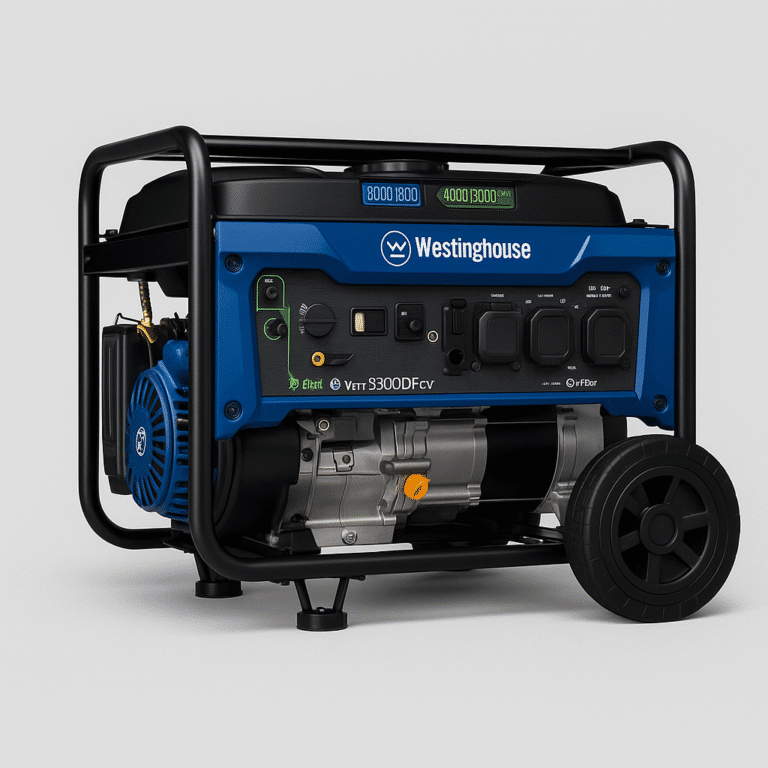
Many preparedness tools are expensive and impractical for every household to own. Generators, chainsaws, water filtration systems, HAM radios, fuel storage equipment, and specialized tools often cost hundreds or thousands of dollars.
When neighbors cooperate, these resources can be used more efficiently. Instead of ten families needing ten generators, a neighborhood may be able to support essential needs using a smaller number of shared resources.
Knowledge Is a Resource Too
Preparedness is not just about equipment. Knowledge often becomes one of the most valuable resources during an emergency. People who understand first aid, food preservation, water storage, emergency communications, or home repairs can help others avoid costly mistakes.
In many disasters, information spreads through local networks long before official guidance reaches everyone. Neighbors who communicate regularly can share updates about road conditions, supply availability, utility restoration efforts, and potential hazards affecting the area.
Strength in Numbers
The reality is that survival becomes easier when responsibilities are distributed. One household can watch for hazards while another prepares meals. One neighbor can check on elderly residents while another assists with repairs. The workload becomes manageable because it is shared.
This does not mean families should abandon self-reliance. Personal preparedness remains important. However, the most resilient neighborhoods combine individual preparedness with community cooperation, creating capabilities that no single household could achieve alone.
How Neighborhoods Become Force Multipliers During Emergencies
Military planners often use the term “force multiplier” to describe something that increases the effectiveness of a group without requiring additional people or resources. In many emergencies, a prepared neighborhood becomes exactly that. Individual households that may struggle on their own become far more capable when they cooperate with others nearby.
This advantage becomes especially noticeable during long-term disruptions. A single family might have enough food for several weeks but no way to communicate if cell service fails. Another household may have radios but limited water storage. A third family may have a generator and fuel. By working together, each household benefits from resources and capabilities that would otherwise remain unavailable.
Many of the systems discussed in What Stops Working First in a Long-Term Blackout become easier to manage when neighbors coordinate resources, share information, and work together instead of operating independently.
Communication Improves Situational Awareness
One of the biggest advantages of neighborhood preparedness is information sharing. During emergencies, accurate information is often difficult to obtain. Utility restoration updates, road closures, supply shortages, and weather conditions can change rapidly.
A connected neighborhood can gather and share information much faster than isolated households. If one resident discovers a fuel station that is still operating or learns that a road has reopened, that information can quickly spread throughout the community.
This is especially important during communications disruptions, which is why many families include backup communication methods in a Family Emergency Communication Plan.
Security Becomes Easier
Most emergencies do not turn into lawless disasters, but security concerns can increase during prolonged disruptions. Empty homes, damaged infrastructure, and reduced police response times can create opportunities for theft and vandalism.
A neighborhood where residents know each other and communicate regularly is naturally more secure. People notice unusual activity more quickly, check on vulnerable neighbors, and provide an extra layer of awareness that isolated households cannot match.
Recovery Happens Faster
The goal of preparedness is not simply surviving a disaster. The goal is recovering from it as quickly as possible. Neighborhoods that cooperate often clear debris faster, share tools more effectively, assist with repairs, and help vulnerable residents return to normal life sooner.
After hurricanes, tornadoes, ice storms, and extended blackouts, some of the fastest recoveries occur in communities where residents already know one another and have established relationships before the disaster occurs.
Small Contributions Create Big Results
Not every household needs to become a preparedness expert. One family may contribute extra water storage. Another may have medical training. Someone else may own tools, radios, or a generator. When dozens of small contributions are combined, the entire neighborhood becomes more resilient.
This is why neighborhood preparedness is often more effective than relying solely on individual survival plans. Cooperation transforms a collection of separate households into a support network that can adapt more effectively to changing conditions during an emergency.
Common Obstacles to Neighborhood Preparedness
If neighborhood preparedness is so effective, why do so few communities actively plan for emergencies? The answer is that building a preparedness network is often more challenging than storing food, buying supplies, or creating an emergency kit. The biggest obstacles are usually social rather than logistical.
People Assume Someone Else Will Handle It
Many residents assume emergency management agencies, utility companies, or first responders will solve every problem quickly. While these organizations play critical roles during disasters, they can become overwhelmed when large numbers of people are affected at the same time.
During major hurricanes, regional blackouts, and widespread storms, emergency services often prioritize life-threatening situations first. This means neighborhoods may need to operate independently for several days before outside assistance becomes readily available.
Neighbors Often Don’t Know Each Other
In many communities, people live next to one another for years without developing meaningful relationships. They may exchange greetings occasionally but have little knowledge of each other’s skills, resources, or needs.
This lack of familiarity becomes a problem during emergencies. It is difficult to coordinate with people you have never spoken to or determine who may need assistance when disaster strikes.
Fear of Looking Extreme
Some people avoid discussing preparedness because they worry others will view them as overly cautious or alarmist. Unfortunately, this hesitation can prevent important conversations from taking place before an emergency occurs.
The reality is that preparedness is not about expecting disaster every day. It is about having reasonable plans for events that regularly occur, including severe weather, power outages, flooding, and transportation disruptions.
Different Levels of Preparedness
Every neighborhood contains people with different priorities, budgets, and levels of preparedness. Some families may maintain several months of supplies, while others have little more than a few days of food at home.
This difference can make planning feel difficult, but it should not prevent cooperation. Neighborhood preparedness works best when it focuses on communication, awareness, and mutual support rather than expecting every household to prepare identically.
Waiting Until It’s Too Late
Perhaps the biggest obstacle is procrastination. Many people intend to prepare eventually but postpone taking action because daily life feels more urgent. Unfortunately, relationships and communication networks are much easier to build before an emergency than during one.
A neighborhood that begins working together after a disaster strikes is already at a disadvantage compared to a community that established connections months or years beforehand. Preparedness works best when trust, communication, and cooperation already exist before they are needed.
What Happens When Neighborhoods Don’t Prepare Together?
Many communities function normally because people assume essential services will always be available. When a major emergency disrupts those systems, the lack of preparation often becomes visible almost immediately.
Neighbors who have never communicated may not know who needs help, who has medical conditions, or who has the skills and equipment needed to solve problems. Valuable resources remain isolated inside individual households while others struggle unnecessarily.
Communication breaks down, rumors spread more quickly, and small problems often become larger because nobody is coordinating a response. During extended blackouts, communities without strong social connections frequently experience more confusion and slower recovery than neighborhoods where residents already know and trust one another.
This is one reason many preparedness experts focus on community resilience rather than individual stockpiles alone. The goal is not simply to survive an emergency but to create a neighborhood capable of adapting to challenges together.
Simple Ways to Build Connections Before an Emergency
The good news is that neighborhood preparedness does not require formal organizations, expensive equipment, or complex planning. In most cases, it starts with something much simpler: getting to know the people who live nearby.
Many strong preparedness networks begin long before anyone uses the word “preparedness.” They develop through everyday conversations, shared projects, and small acts of cooperation that build trust over time. When emergencies occur, those existing relationships become valuable assets.
Start With Basic Introductions
If you do not know your neighbors, begin with simple introductions. Learning names, exchanging contact information, and becoming familiar with the people who live nearby creates a foundation for future communication.
Many emergencies become easier to manage when neighbors already know who lives in the area and how to contact one another.
Identify Vulnerable Residents
Every neighborhood contains people who may need additional assistance during an emergency. Elderly residents, individuals with disabilities, single parents, and households with medical needs often face greater challenges during prolonged disruptions.
Understanding who may require assistance allows communities to plan more effectively before disaster strikes.
Share Skills and Resources
Preparedness discussions do not need to focus on worst-case scenarios. Conversations about generators, storm preparation, gardening, first aid, emergency communication, and home maintenance often occur naturally and help neighbors learn about each other’s strengths.
Over time, residents begin identifying who has useful equipment, specialized training, or experience that could prove valuable during an emergency.
Participate in Community Activities
Neighborhood events, volunteer projects, community cleanups, and local gatherings provide opportunities to strengthen relationships. Trust develops more easily when people have positive interactions before a crisis occurs.
Communities with strong social connections often respond more effectively during disasters because residents are already accustomed to working together.
Create Simple Contact Lists
A neighborhood contact list can be one of the most useful preparedness tools available. Even a basic list containing names, addresses, phone numbers, and emergency contacts can significantly improve communication during outages and severe weather events.
While technology is useful, it is wise to maintain printed copies as well. During extended blackouts, electronic devices may not always be available when information is needed most.
Focus on Relationships First
Many people make the mistake of focusing immediately on supplies and equipment. While those things matter, neighborhood preparedness ultimately depends on relationships. Communities that trust one another communicate better, share resources more effectively, and recover faster from emergencies.
The strongest preparedness networks are often built through years of ordinary interactions that create trust long before disaster ever appears on the horizon.
Creating a Neighborhood Emergency Communication Plan
Communication is one of the first systems people take for granted until it stops working. During severe storms, extended blackouts, and other large-scale emergencies, cell networks can become overloaded, internet service may fail, and normal communication channels can become unreliable. A neighborhood emergency communication plan helps ensure residents can still share information when it matters most.
The goal is not to create a complicated system. Instead, the objective is to establish simple, reliable ways for neighbors to stay informed and coordinate during an emergency.
Exchange Contact Information Ahead of Time
The easiest place to start is by exchanging contact information with nearby households. Phone numbers, email addresses, and emergency contacts can help neighbors quickly check on one another when severe weather or other emergencies occur.
A printed contact list is often more reliable than relying entirely on smartphones. If batteries die or communication networks become unavailable, having critical information on paper can still allow residents to coordinate effectively.
Establish Meeting Locations
Neighborhoods should consider identifying one or two locations where residents can gather if communication systems fail completely. These locations might include a community center, neighborhood entrance, park, church, or another easily recognizable area.
Having predetermined meeting points eliminates confusion and provides a location where information can be shared if phones and internet service become unavailable.
Plan for Communication Failures
Many people assume cell phones will continue working indefinitely during emergencies. In reality, backup batteries and generators only keep communication infrastructure operating for a limited time. This is why understanding How Long Cell Towers Work During a Blackout is an important part of emergency planning.
Neighborhoods that rely entirely on cell phones may find themselves unable to communicate if outages continue for several days.
Use Multiple Communication Methods
Effective communication plans rely on multiple methods rather than a single technology. Text messages, phone calls, radios, social media groups, messaging apps, and in-person communication can all play a role depending on conditions.
If one method fails, alternative options remain available. Redundancy is a key principle of preparedness because no system is guaranteed to work under every circumstance.
Consider Emergency Radios
Battery-powered and hand-crank emergency radios can provide access to weather alerts, emergency broadcasts, and important information when other communication systems fail.

These radios may also help neighborhoods stay informed about road closures, utility restoration efforts, evacuation orders, and other developments affecting the community.
Keep the Plan Simple
The best communication plans are easy to understand and easy to use. Complex systems often fail because people forget procedures or become confused during stressful situations.
A simple neighborhood communication plan that everyone understands is far more valuable than an elaborate system that nobody remembers when an emergency actually occurs.
When Cooperation Fails: Security and Personal Boundaries
Neighborhood preparedness does not mean blindly trusting everyone or sharing every resource without limits. While cooperation can dramatically improve a community’s ability to withstand emergencies, it is important to maintain realistic expectations and healthy personal boundaries.
Most disasters bring out the best in people, but stress, fear, and uncertainty can also create conflict. Resources may become limited, emotions can run high, and not everyone will approach preparedness with the same mindset. A successful neighborhood preparedness plan balances cooperation with common-sense security.
Preparation Still Starts at Home
Every household should maintain its own emergency supplies whenever possible. Food, water, medical supplies, backup lighting, and emergency equipment should not depend entirely on neighbors.
Community cooperation works best when households contribute to the network rather than relying completely on it. A neighborhood is strongest when individual families are reasonably prepared before an emergency occurs.
Set Reasonable Expectations
Not every neighbor will want to participate in preparedness planning, and that is okay. The goal is not to convince everyone to become a prepper. Instead, focus on building relationships with people who are interested in improving resilience and communication.
Even a small group of cooperative households can make a significant difference during an emergency.
Protect Sensitive Information
Preparedness does not require announcing exactly how much food, fuel, cash, or equipment you have stored. Sharing too much information about supplies can create unnecessary attention and unrealistic expectations during a crisis.
It is possible to participate in neighborhood preparedness while still maintaining privacy regarding personal inventories and resources.
Security Is Still Important
During prolonged emergencies, households should continue practicing basic security measures. Locking doors, securing equipment, monitoring property, and staying aware of unusual activity remain important regardless of how strong neighborhood relationships may be.
Prepared communities are often safer communities, but preparedness should never replace common sense.
Focus on Trust Before Crisis
The best way to reduce conflict during an emergency is to build trust beforehand. Neighbors who know each other, communicate regularly, and have a history of cooperation are far more likely to work together effectively when conditions become difficult.
Trust cannot be created overnight after a disaster occurs. It develops through consistent interaction, shared experiences, and mutual respect long before anyone needs emergency assistance.
Neighborhood preparedness is not about becoming dependent on others. It is about creating a network of capable households that can support one another when normal systems become strained or unavailable.
How to Start a Neighborhood Preparedness Group
The idea of organizing a neighborhood preparedness group may sound intimidating, but it does not have to be complicated. Most successful preparedness networks start with a few conversations between neighbors who share an interest in improving community resilience. The goal is not to create a formal organization with meetings and bylaws. The goal is simply to help neighbors communicate, cooperate, and prepare before an emergency occurs.
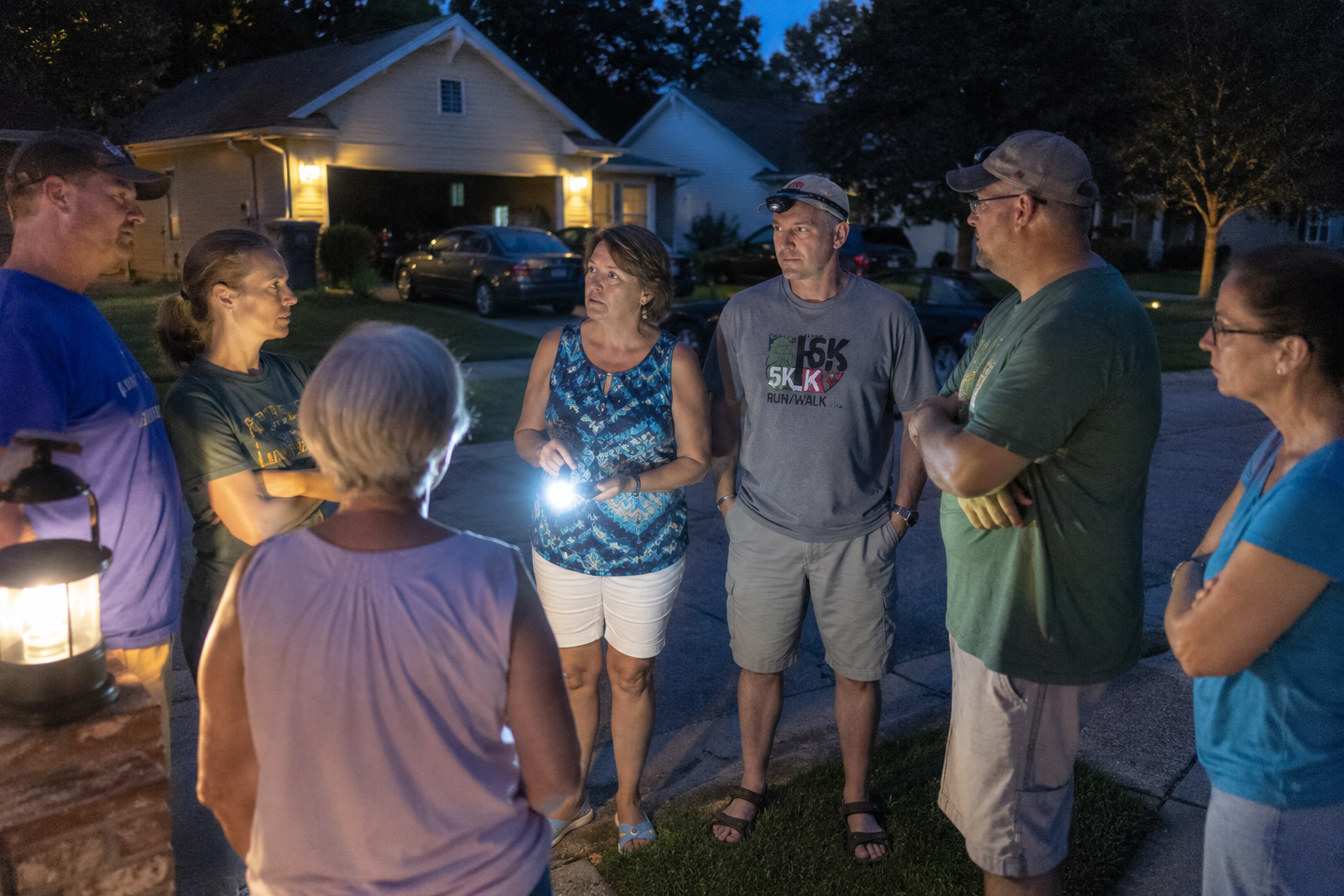
Many people assume they need a large group to make a difference. In reality, even three or four households working together can dramatically improve preparedness compared to families operating entirely on their own. Small groups are often easier to organize, communicate with, and maintain over time.
Start Small
The easiest approach is to begin with the neighbors you already know. Talk about common concerns such as severe weather, extended power outages, flooding, winter storms, or other emergencies that regularly affect your area.
Most people are more receptive to practical preparedness discussions than conversations focused on worst-case scenarios. A discussion about storm preparation or backup communication plans often feels more approachable than talking about societal collapse.
Identify Skills and Resources
Every neighborhood contains valuable resources that are often overlooked. Someone may have medical training. Another resident may own a generator, chainsaw, tractor, HAM radio, or water filtration equipment. Others may have experience with construction, electrical work, mechanics, or emergency management.
Simply understanding what skills and resources already exist within the neighborhood can significantly improve emergency planning.

Create a Simple Contact Network
A contact list is often the most important tool a preparedness group can have. Names, addresses, phone numbers, and emergency contacts allow residents to communicate quickly when severe weather or other emergencies occur.
Some neighborhoods also create text message groups, email lists, social media groups, or radio communication plans. The specific method matters less than ensuring everyone understands how information will be shared.
Focus on Common Goals
Neighborhood preparedness works best when the focus remains practical. Most residents can agree on goals such as improving communication, helping vulnerable neighbors, sharing information, and increasing overall readiness for storms and power outages.
Avoid turning preparedness into a debate about politics or unlikely disaster scenarios. Keeping discussions focused on realistic local risks makes participation easier and encourages broader involvement.
Practice Before an Emergency
Preparedness plans are most effective when they are tested before they are needed. This does not require formal drills or complicated exercises. Simple activities such as checking communication systems, reviewing contact information, or discussing emergency procedures can help identify weaknesses before a real disaster occurs.
Families should also develop their own plans. For example, every household should have a Family Emergency Communication Plan that works alongside any neighborhood preparedness efforts.
Build Relationships, Not Just Plans
The most successful preparedness groups are built on relationships rather than equipment. Supplies matter, communication matters, and planning matters, but trust is what ultimately makes cooperation possible during an emergency.
Neighbors who know each other, communicate regularly, and have worked together before a crisis occurs are far more likely to support one another when normal systems fail. Building those relationships today is often the most valuable preparedness investment a community can make.
Final Thoughts
Preparedness is often portrayed as an individual pursuit, but history repeatedly shows that communities are usually more resilient than isolated households. While personal preparedness remains important, most emergencies are easier to manage when neighbors communicate, cooperate, and support one another.
Community preparedness can also influence major decisions during a crisis. In some situations, strong neighborhood cooperation may make staying home safer and more practical, while other emergencies may require evacuation. These factors are discussed in Should You Stay or Bug Out?.
No family can possess every skill, resource, or piece of equipment that might be needed during a major disaster. Medical emergencies, power outages, fuel shortages, communication failures, and infrastructure disruptions create challenges that are often easier to solve when responsibilities and resources are shared across a neighborhood.
This does not mean giving up self-reliance. In fact, the strongest communities are usually made up of households that take preparedness seriously themselves. When prepared families work together, they create a network that is far more capable than any one household operating alone.
Whether the emergency is a severe storm, an extended blackout, a natural disaster, or another unexpected event, relationships built before the crisis often become just as valuable as food, water, and emergency supplies. Knowing who lives nearby, understanding what resources are available, and maintaining reliable communication can make a significant difference when normal systems stop working.
Neighborhood preparedness does not require a formal organization, expensive equipment, or large meetings. It starts with simple conversations, shared information, and a willingness to help one another when challenges arise. Small steps taken today can create stronger, safer, and more resilient communities tomorrow.
In the end, the goal is not simply surviving an emergency. The goal is helping your family, your neighbors, and your community recover more quickly and effectively when difficult times arrive. That is why lone-wolf survival usually fails, and why neighborhood preparedness remains one of the most overlooked aspects of emergency planning.